December 13, 2025

6 minutes read

Upper Body Training Mistakes: 7 Fixes for Women Who Lift

The upper body training mistakes that hold back progress are usually simple: weights that never get harder and too little pulling work for your back. Skipping the big pressing lifts and training your upper body only once a week also slow you down. The fix: train it at least twice a week, include a push and a pull each session, log your lifts, and add reps or weight over time.

None of these mistakes is about being a woman. They show up in any program built without a plan. But they matter if your upper body is the part of your training that has fallen behind. This guide shows how to spot each mistake and what to do instead.

Want the bigger picture on why upper and lower body strength often differ? Read women’s upper body vs lower body strength. This article focuses on fixing your training.

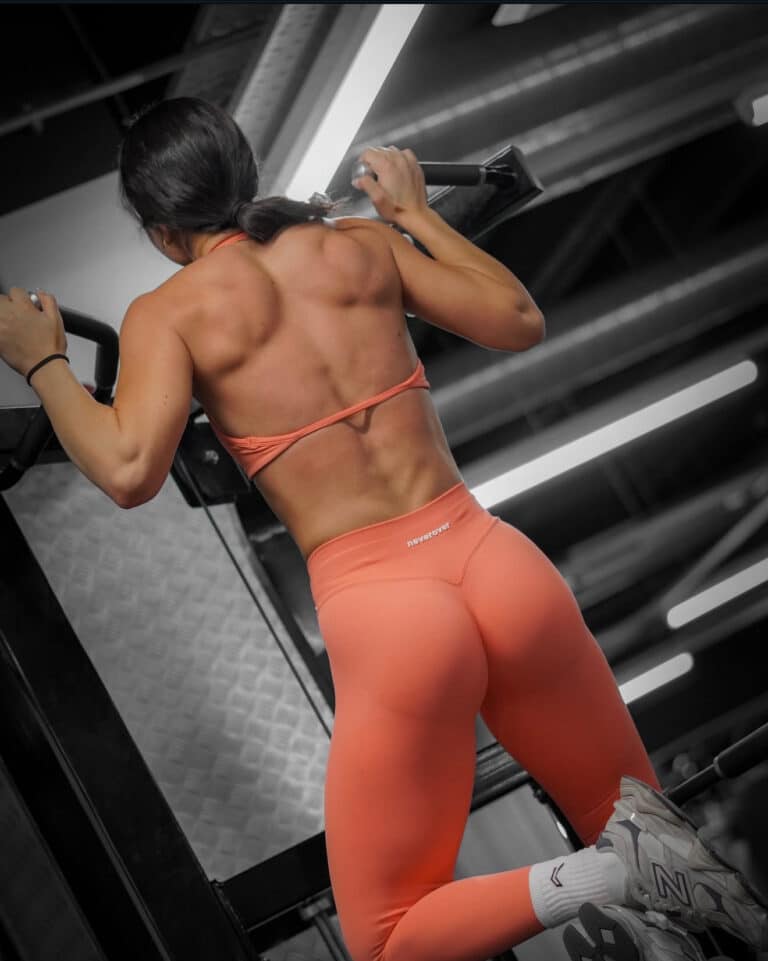
Rear view of a woman in orange leggings pulling herself up on a bar in a gym

What the research says about women and upper body strength

Two findings are worth knowing before you plan your upper body training.

  • The average strength gap is bigger in the upper body. In a small 1993 study of 8 women and 8 men, the women were about 52% as strong as the men in the upper body. They were about 66% as strong in the lower body.
  • Women respond well to upper body training. A 2020 meta-analysis found that women and men gained similar amounts of muscle. Women made larger relative gains in upper body strength. Most studies were short and many used untrained people, and the authors say the difference may partly reflect the short study lengths.

In plain terms, upper body strength often starts further behind, and it responds well to training. The mistakes below are what get in the way.

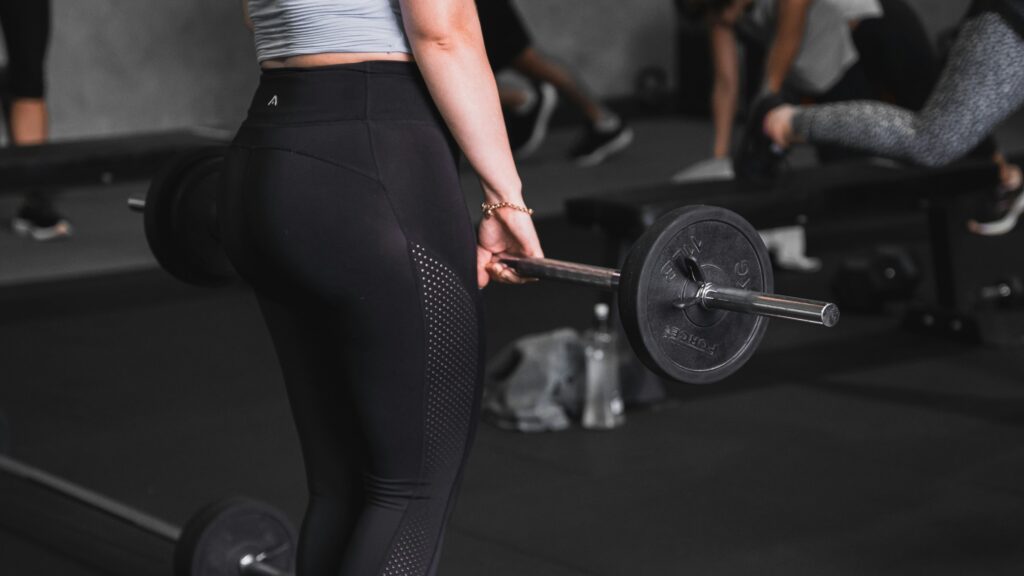
Cropped rear view of a woman in black leggings standing next to a barbell in a gym

Mistake 1: weights that always feel easy

If you finish every set feeling you could do another 10 reps, the weight is not asking your muscles to adapt.

A set needs to be hard to count. With a light weight, you need many more reps to get there.

You do not have to go all the way to failure. A 2023 meta-analysis found only a trivial extra benefit for muscle growth from training to failure compared with stopping short.

The fix

  • Choose a weight you can lift with good form for your target reps, often 6 to 12.
  • End most sets with about 2 or 3 reps left in the tank. This is called reps in reserve (RIR).
  • If you blow past your rep target, the weight is too light. Go up next set.
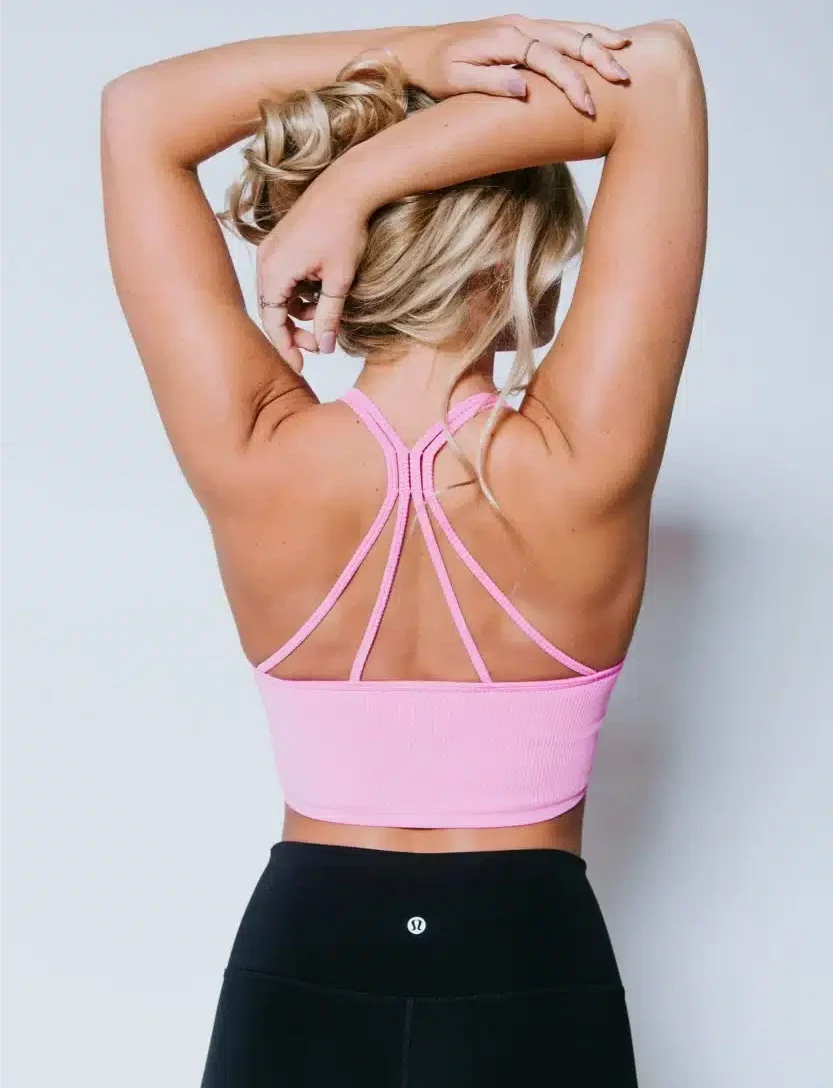
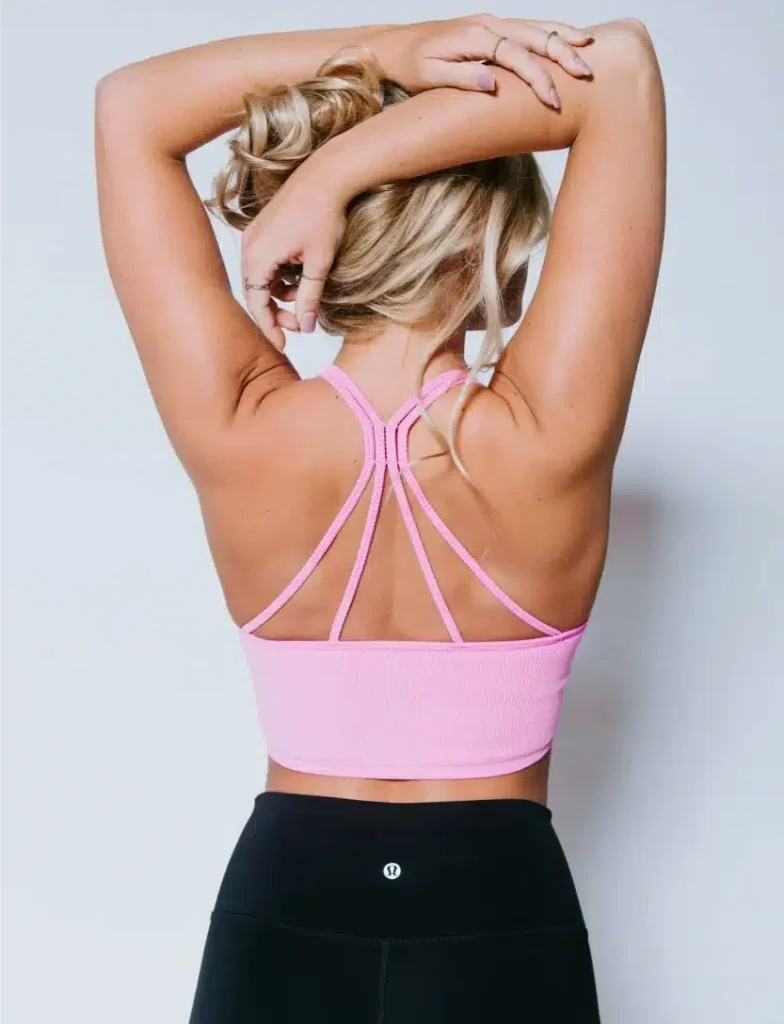
Woman in a pink sports bra with her hands behind her head, seen from behind

Mistake 2: no progressive overload

Progressive overload means doing a little more over time: more reps, more weight or more sets. If your upper body sessions look the same every month, your body has little reason to change.

The ACSM position stand suggests raising the load by about 2 to 10%. Do it once you can beat your target reps by one or two on two sessions in a row.

The fix: log every set

SessionDumbbell rowWhat changed
112 kg x 10Starting point
212 kg x 11One more rep
312 kg x 12Top of the range
414 kg x 8Heavier weight, fewer reps
514 kg x 9Building reps again

Build the reps up first, then move to the next dumbbell. Our guide to when to increase your weights explains this in detail.

Woman hinging at the hips with a barbell lowered to her knees in a Romanian deadlift

Mistake 3: not enough pulling for your back

Curls, triceps work and raises are easy to fit in. Rows and pulldowns often get skipped. Your back muscles are some of the largest in your upper body, so leaving them out limits your progress.

The fix: a horizontal and a vertical pull each week

Put a row early in your session, before arm exercises, while you are fresh.

Video: Dumbbell single arm row. This is one of the simplest back exercises to start with. Watch the demo to see the bench setup and how the elbow drives back.

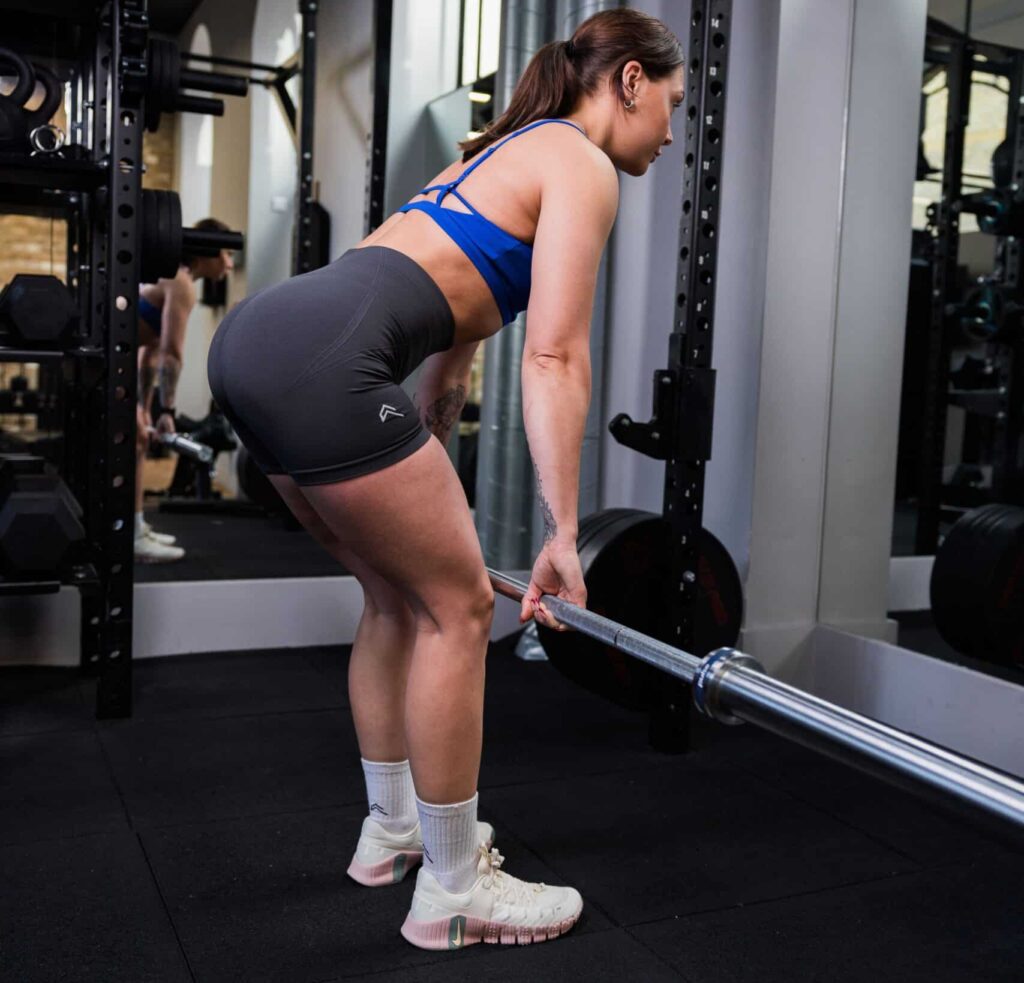
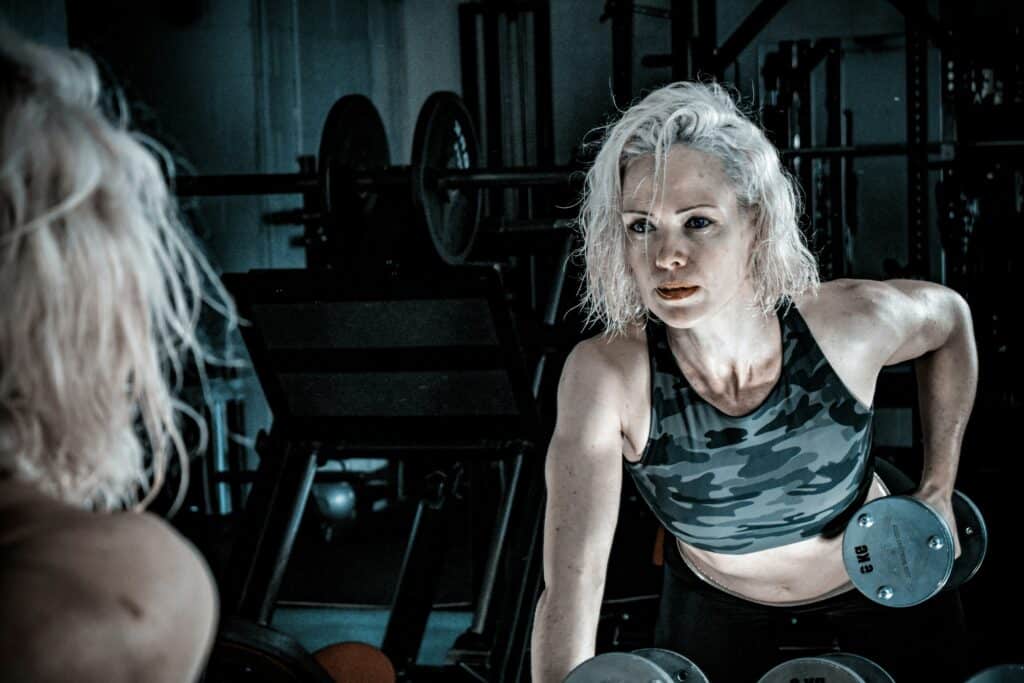
Woman leaning forward lifting a dumbbell from a bench in a dark gym

Mistake 4: avoiding the big pressing lifts

The overhead press, the bench press and push-ups train several muscles at once. Leaving them out for light isolation work means you miss the lifts that let you load your upper body the most.

The fix

Mistake 5: training your upper body once a week or less

The NHS guidelines advise strengthening activities on at least two days a week that work all the major muscle groups. That includes your back, chest, shoulders and arms.

The fix

Spread your upper body sets across two or more sessions a week. It is easier to do enough good-quality sets when they are not all crammed into one tired session.

Long rack of dumbbells in a gym with people training in the background

Mistake 6: arm exercises first, back and chest last

Starting with curls and kickbacks tires your arms before the bigger lifts. Then your rows and presses suffer.

The fix

Order your session from biggest to smallest: presses and rows first, then shoulders, then arms. For more on arm training, see our biceps and triceps guide.

Mistake 7: choosing weights based on fear of getting bulky

Picking the lightest dumbbells to avoid getting “too big” can keep your upper body training stuck at the same light weights. Building noticeable muscle takes consistent effort over a long time. For the full answer, read will lifting weights make me bulky?

The fix

Choose weights based on your target reps and how hard the set feels, not on the number printed on the dumbbell.

Woman in a cropped top and leggings standing on a rooftop with palm trees behind her

A simple two-day upper body plan

This plan puts the fixes above into practice. Do each session once a week, with at least a day between them.

Session A: push focusSets x reps
Dumbbell bench press3 x 8 to 10
Seated dumbbell overhead press3 x 8 to 10
Cable triceps pushdown3 x 10 to 12
Lateral raise2 x 12 to 15
Session B: pull focusSets x reps
Dumbbell single-arm row3 x 8 to 10 each arm
Lat pulldown3 x 8 to 10
Dumbbell biceps curl3 x 10 to 12
Reverse fly2 x 12 to 15

Ready for more? Add a third session, or move to an upper and lower split. Our comparison of upper/lower vs full body splits helps you choose.

Video: Dumbbell upper-body workout. If you train at home with dumbbells, this 12REPS session shows a full upper body workout you can follow alongside the plan above.

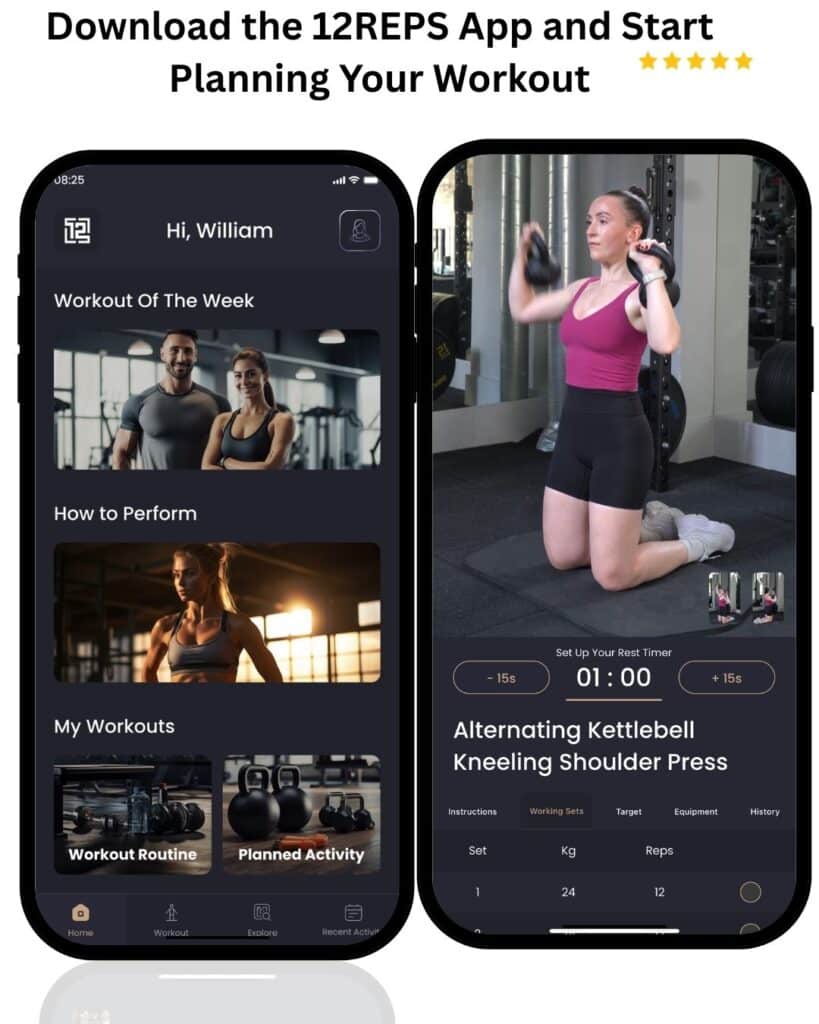
If you would rather not plan sessions yourself, 12REPS sets out a plan for your goal, the kit you have and the time you can train. Each exercise comes with a trainer demonstration, and your last weights are saved, so adding a rep or a kilo is easy to track. See how 12REPS works.

12REPS app home screen and a kneeling kettlebell shoulder press video; text: Download the 12REPS app

Starting from scratch: your first 8 weeks

WeeksFocusWhat to do
1 to 2Learn the movementsTwo sessions a week. Rows, overhead press and elevated push-ups, 3 sets of 8 to 10.
3 to 4Find your working weightsAdd the lat pulldown and dumbbell bench press. Find weights that feel hard by rep 8 to 10.
5 to 6Add a little volumeMove to 3 to 4 sets. Add a third session only if you are recovering well.
7 to 8Progress on purposeAim to add a rep or a small amount of weight each week. Film a set to check your form.

How fast you progress depends on your starting point, sleep, food and consistency. Judge your progress by your training log, not a set timeline.

You do not need to cut back on your leg or glute work to do this. If you split training between the gym and home, our guide on splitting glute training between gym and home shows how to plan the lower body side.

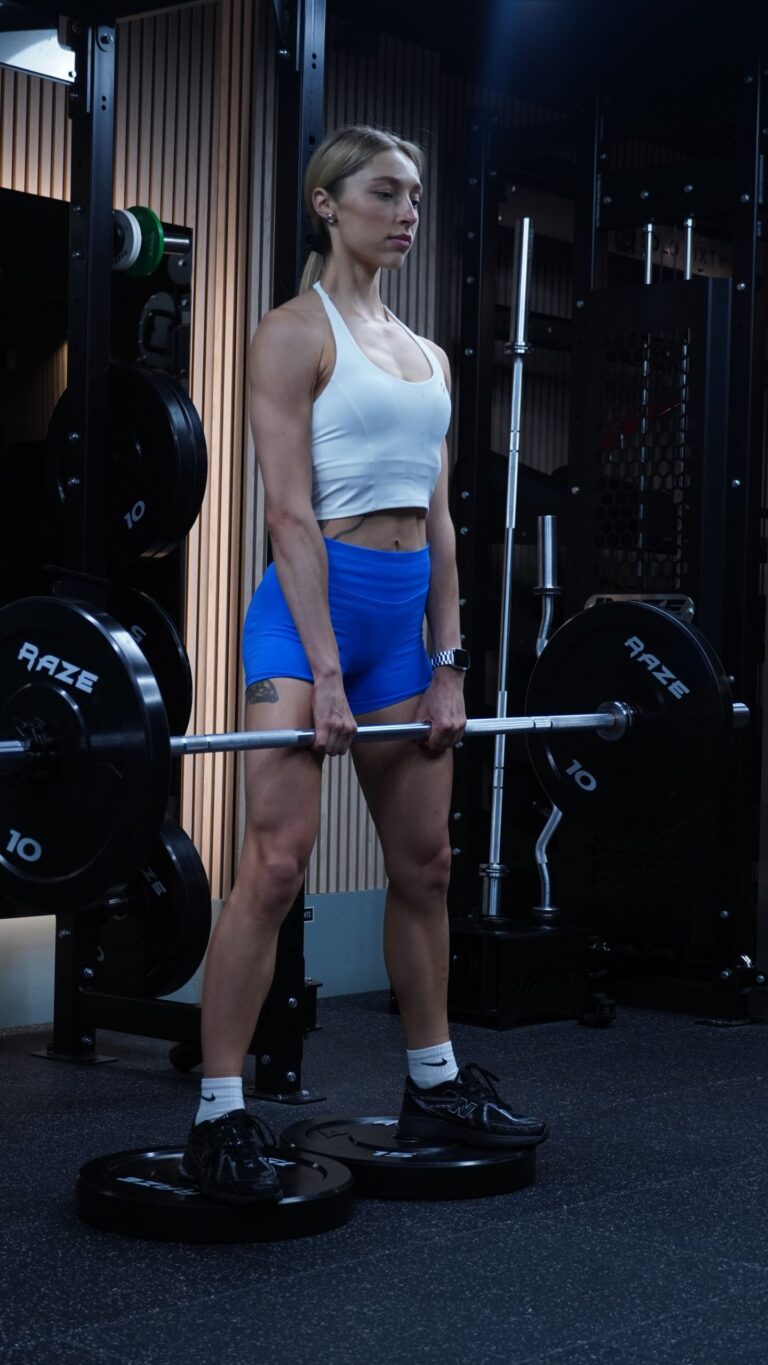
Woman standing tall on weight plates holding a loaded barbell at her hips

Upper body training FAQs

How many days a week should I train my upper body?

At least two. That matches the NHS advice for strengthening activities and makes it easier to fit in enough weekly sets.

How heavy should my upper body weights be?

Heavy enough that you finish most sets with about 2 or 3 good reps left. For most exercises, that means 6 to 12 reps with good form.

Should I do machines or free weights?

Both work. Machines such as the lat pulldown are a simple way to learn pulling. Dumbbells work well for presses and rows at home or in the gym.

Where can I find more upper body exercises?

Sources

Share this article

12Reps Team

The 12reps app is your ultimate fitness companion, crafting tailored workout plans, tracking your progress, and keeping you motivated every step of the way. Whether you’re at home, in the gym, or on the go, our adaptable approach fits seamlessly into your lifestyle — providing the support and guidance you need to crush your goals and stay on track.

Disclaimer: The ideas in this blog post are not medical advice. They shouldn’t be used for diagnosing, treating, or preventing any health problems. Always check with your doctor before changing your diet, sleep habits, daily activities, or exercise.  JUST12REP.COM  isn’t responsible for any injuries or harm from the suggestions, opinions, or tips in this article.

Woman seen from behind stretching one arm behind her head in an overhead triceps stretch
[instagram-feed feed=1]

Stay in the loop with 12reps

We know how important it is to stay motivated and informed on your fitness journey. That’s why our newsletter is packed with everything you need to succeed:
By submitting your information, you agree to subscribe to the 12reps mailing list in order to receive my free PDF guides plus fitness video tutorials, nutrition plans and tips and exclusive offers.