



To split glute training between the gym and home, use your gym days for heavy lifts such as hip thrusts, squats and Romanian deadlifts. Use your home days for band work, single-leg exercises and bodyweight moves taken close to failure. Your weekly total of hard sets matters more than where you do them.
Most people do not get to the gym every day. This guide shows which glute exercises belong in each place, three weekly templates for different schedules, and how to keep progressing at home when you cannot just add weight.
If you are still deciding how many glute sessions you need, start with how often you should train glutes. This article is about where each session happens.
Why splitting glute training between gym and home works
- Weekly volume matters more than frequency. A 2019 meta-analysis found no meaningful difference in muscle growth between training a muscle more or less often, as long as weekly volume was equal. A separate meta-analysis found that more weekly sets led to more growth. Home sessions are an easy way to add sets.
- Lighter loads can still build muscle. A 2021 review found similar muscle growth with light, moderate and heavy loads when sets went to failure. Heavy loads produced larger strength gains. So save heavy lifting for the gym and push lighter home sets hard.
- Bands are a real training tool. A 2019 meta-analysis found elastic resistance training gave similar strength gains to conventional weights.
Volume here means the number of hard sets you do for your glutes each week. A hard set is one that ends within a few reps of failure.
Glute exercises to save for the gym
Use gym time for exercises that need heavy loads or equipment you do not have at home.
- Barbell hip thrust. Easy to load heavy and progress in small steps. See how to do barbell hip thrusts correctly.
- Barbell squat. Trains your glutes, quads and adductors together. See the barbell squat exercise page.
- Romanian deadlift. A hip hinge for your glutes and hamstrings. See our Romanian deadlift form guide.
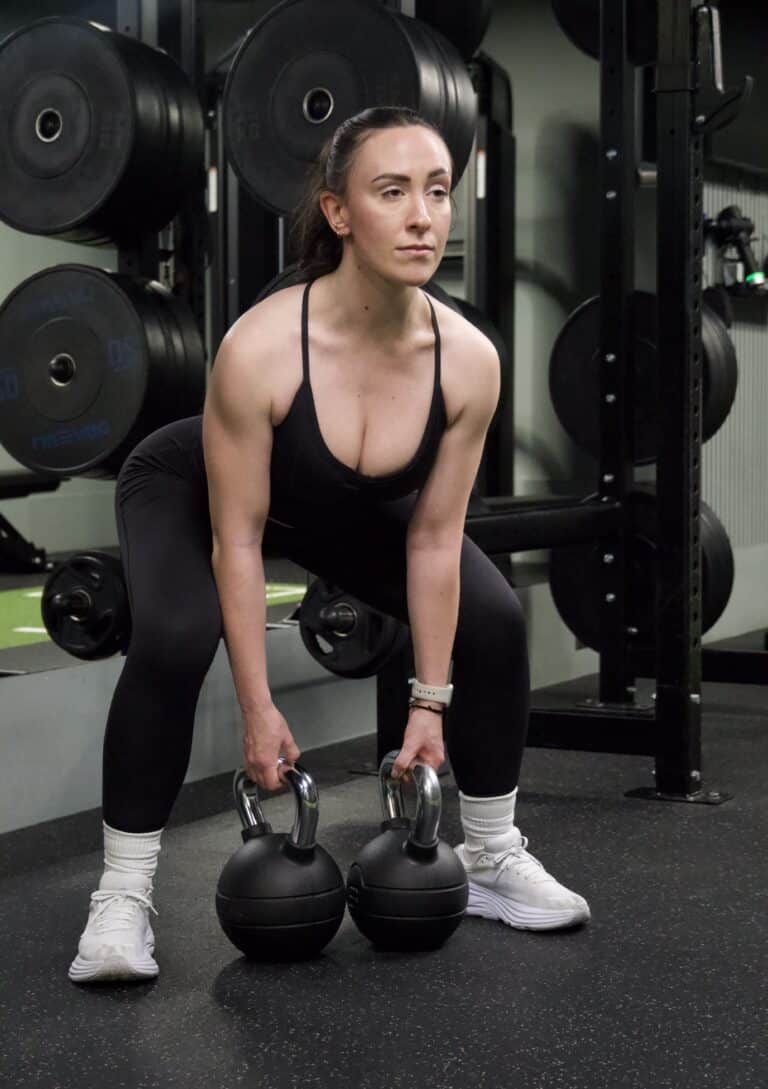
- Loaded Bulgarian split squat. Heavier dumbbells or a barbell than you keep at home. See how to do Bulgarian split squats.
- Cable kickback and leg press. Machine work that is hard to copy at home. See the cable kickback.
Is the hip thrust better than the squat for your glutes? A 2023 study of 34 untrained young adults (23 women and 11 men) found both gave similar glute growth over nine weeks. The squat group also grew more in the front and inner thighs (quads and adductors). Both deserve a place in your gym sessions.
Video: Barbell hip thrust. Watch this before your first gym session to see the bench position, bar placement and lockout.
Glute exercises that work well at home
Choose home exercises that are hard with little equipment. Single-leg moves and bands do that well.
- Single-leg glute bridge and the mini band glute bridge. Pause for two to three seconds at the top to make them harder.
- Bodyweight or dumbbell hip thrust with your back on a sofa. See the bodyweight hip thrust.
- Lateral band walk and side-lying hip abduction for the side of your hips. See the mini band crab walk.
- Clamshell and fire hydrant. See the mini band clamshell and mini band fire hydrant.
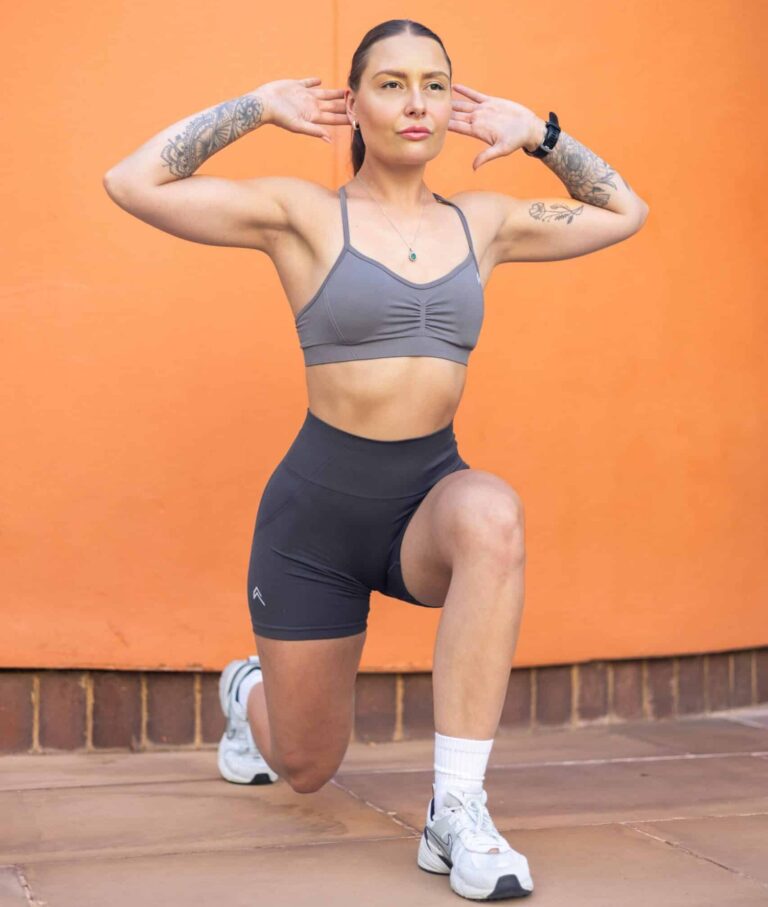
- Deficit reverse lunge. Standing on a small step adds range of motion. See the deficit reverse lunge.
- Bulgarian split squat and step-up with bodyweight or light dumbbells. See the bodyweight Bulgarian split squat and step-up.
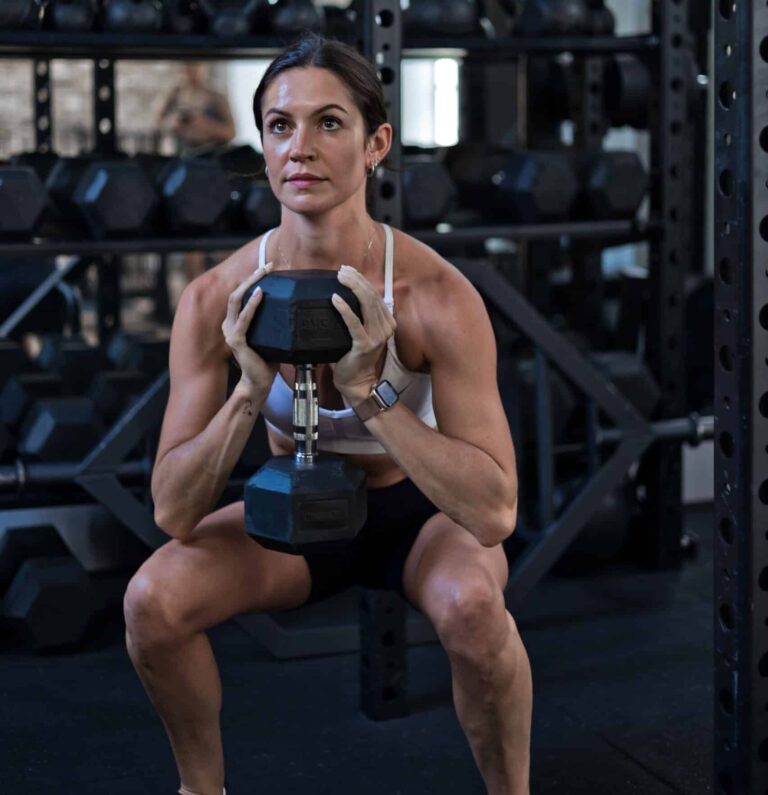
- Goblet squat with a dumbbell or kettlebell.
For the side of the hip, the exercise choice matters. In a study of common glute exercises, side-lying hip abduction produced the highest gluteus medius activity. Clamshells produced less. Single-leg squats and single-leg deadlifts produced the highest gluteus maximus activity.
Video: Resistance band glute bridge. Watch this to see how the band sits above your knees and how to finish each rep at home.
Weekly glute templates for gym and home
Pick the template that matches the number of gym sessions you can rely on. Each template keeps at least one full rest day.
Template 1: two gym days a week
| Day | Where | Exercises |
|---|---|---|
| Monday | Home | Single-leg glute bridge 3 x 12 to 15 each side; lateral band walk 3 x 20 steps each way; fire hydrant 3 x 15 each side; bodyweight Bulgarian split squat 3 x 12 each side |
| Tuesday | Gym | Barbell hip thrust 4 x 8 to 10; back squat 4 x 6 to 8; Romanian deadlift 3 x 10 to 12; cable pull-through 3 x 15 |
| Wednesday | Rest | Rest or light mobility |
| Thursday | Gym | Bulgarian split squat 3 x 8 to 10 each side; wide-stance leg press 4 x 10 to 12; dumbbell single-leg RDL 3 x 10 each side; cable kickback 3 x 12 to 15 each side |
| Friday | Home | Deficit reverse lunge 3 x 12 to 15 each side; single-leg glute bridge 3 x 15 each side; banded kickback 3 x 20 each side; clamshell 3 x 20 each side |
| Saturday | Home (optional) | Goblet squat 3 x 15 to 20; step-up 3 x 12 each side; lateral band walk 3 x 20 steps each way |
| Sunday | Rest | Rest |
Template 2: three gym days a week
| Day | Where | Exercises |
|---|---|---|
| Monday | Gym | Back squat 4 x 6 to 8; front squat 3 x 8 to 10; Bulgarian split squat 3 x 10 each side; cable kickback 3 x 12 to 15 each side |
| Tuesday | Home | Single-leg glute bridge 4 x 12 to 15 each side; fire hydrant 3 x 15 each side; lateral band walk 3 x 20 steps each way |
| Wednesday | Gym | Barbell hip thrust 5 x 6 to 10; Romanian deadlift 4 x 8 to 10; wide-stance leg press 3 x 10 to 12; cable pull-through 3 x 12 to 15 |
| Thursday | Rest | Rest |
| Friday | Gym | Walking lunge 4 x 10 each side; single-leg RDL 3 x 10 each side; weighted step-up 3 x 12 each side; leg curl 3 x 12 to 15 |
| Saturday | Home | Goblet squat 4 x 15 to 20; deficit reverse lunge 3 x 12 each side; banded kickback 4 x 20 each side; clamshell 3 x 20 each side |
| Sunday | Rest | Rest |
Template 3: one gym day a week
This suits weeks of travel or a packed schedule. Make the gym session your heavy day, then spread lighter home work across the week.
- Gym day: barbell hip thrust 5 x 6 to 8; back squat 4 x 6 to 8; Romanian deadlift 3 x 8 to 10; Bulgarian split squat 3 x 8 each side; wide-stance leg press 3 x 10 to 12. This is a long session, so allow extra time.
- Home day A: single-leg glute bridge, lateral band walk, fire hydrant.
- Home day B: goblet squat, step-up, clamshell.
- Home day C: deficit reverse lunge, banded kickback, light single-leg RDL.
Repeat the home days with an extra rep or set each week, and keep at least one full rest day.
How to progress at the gym and at home
Progressive overload means making your training a little harder over time. You do it differently in each place.
At the gym: add load
Log your weights and reps. Next session, add a little weight or add a rep to each set. The gym makes this simple because you can add small plates to the bar.
At home: add difficulty
- Reps and sets. Move from 3 sets of 12 to 4 sets of 12, then 3 sets of 15.
- Single-leg versions. Move from a two-leg bridge to a single-leg bridge.
- Range of motion. Raise your front foot for deficit lunges.
- Bands. Move to a stronger band.
- Tempo and pauses. Lower over three seconds, or hold the top of a bridge for two to three seconds.
- Shorter rests. Do the same work in less time.
A set of bands and one adjustable dumbbell or kettlebell widen your home options a lot. Our resistance band strength training plan shows more band exercises.
Common mistakes when splitting glute training
- Copying gym lifts at home badly. A heavy dumbbell balanced on your hips is awkward. Choose a single-leg bridge or a banded hip thrust instead.
- Treating home days as easy days. Home sets still need to be hard. Finish them within a few reps of failure.
- Skipping the side of the hips. Add side-lying hip abduction or band walks two or three times a week.
- Not logging home sessions. Write down sets, reps, band strength and rest times, just like at the gym.
- Changing plans too often. Stick with one template for 8 to 12 weeks before you judge it.
- Too little recovery. If soreness stops you training well in your next session, cut a home session or a few sets.
Food and recovery
Training builds the stimulus, but you also need enough protein and energy to recover and grow. Our guides on how much protein women need for strength training and what to eat before and after the gym cover the details.
Plan your gym and home sessions in one place
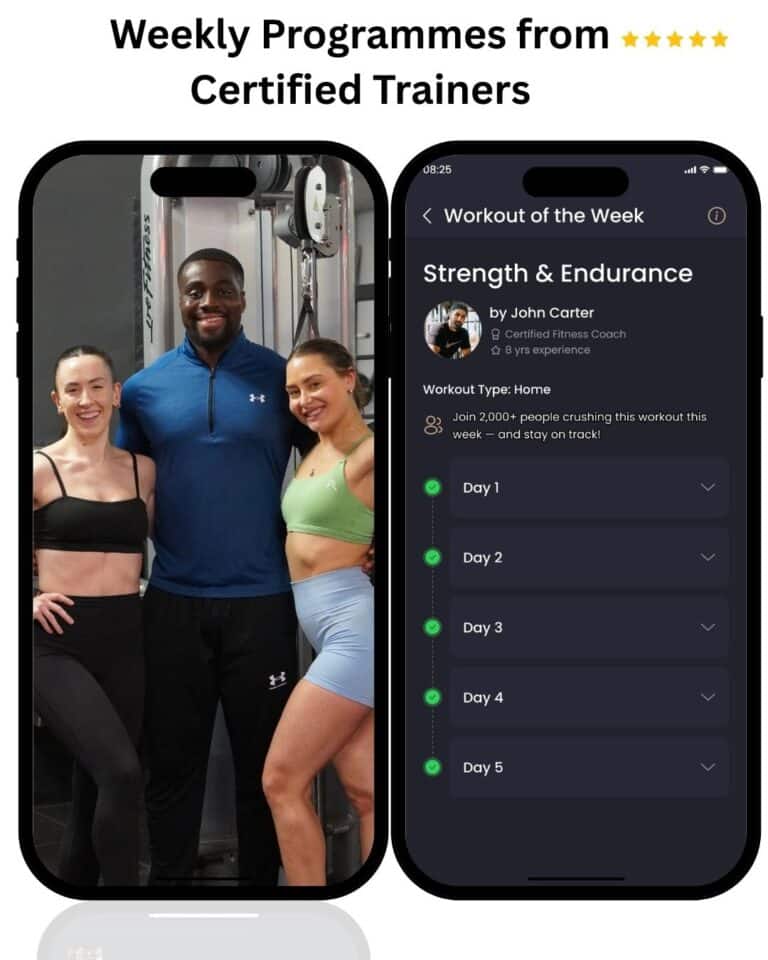
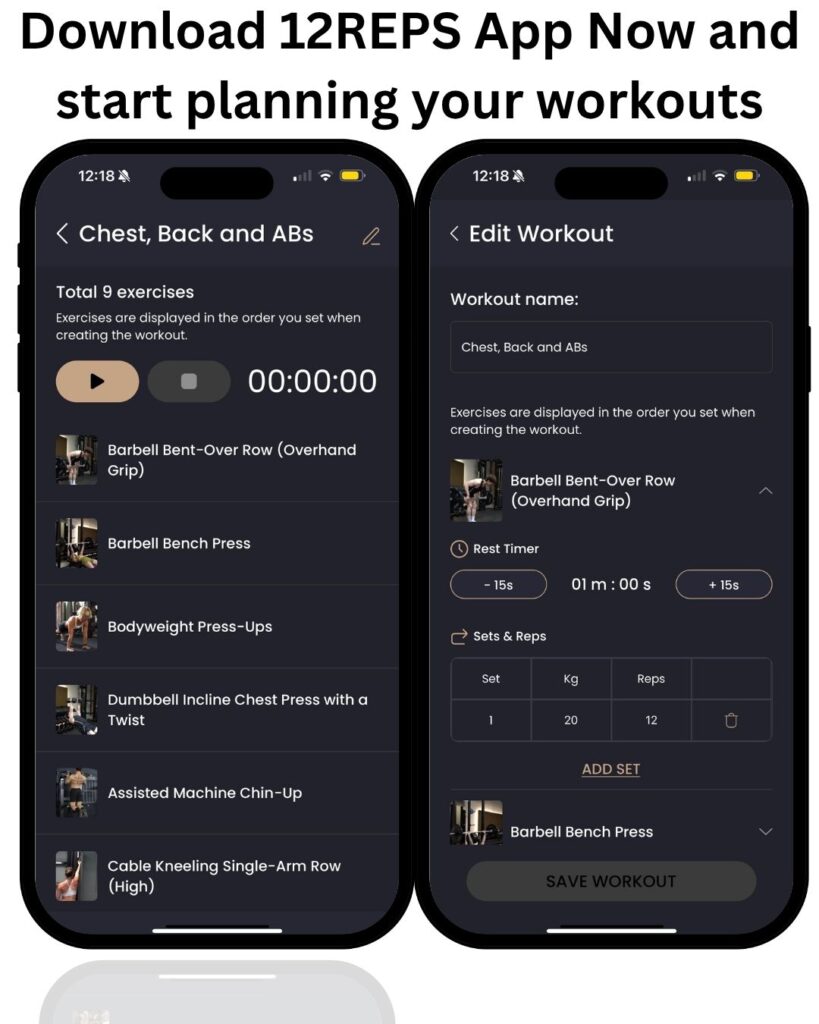
Switching between gym and home is easier when each session is ready before you start. 12REPS builds training around your goal, the equipment you have and the time you have. On home days you can use Build your own: choose glutes, pick your equipment and time, and the app sets out the session. You can watch a trainer demonstration for each exercise and log your reps and weight, so the next session has a clear target. See how 12REPS works.
How to get started
- Pick the template that matches the gym days you can count on.
- Learn the main gym lifts first: hip thrust, squat, Romanian deadlift and split squat.
- Keep home sessions to three or four exercises.
- Log every session and add reps, sets or load each week.
- Take progress photos and track your gym lifts. Review them after 8 to 12 weeks.
Gym and home glute training FAQs
Can you build glutes with home workouts only?
Yes, if your sets are hard and you keep making them harder. Heavy gym lifts make strength progress easier to measure. Our home strength training guide for women covers home-only training.
How many glute sessions a week is too many?
It depends on how hard each session is and how well you recover. If soreness stops you training well next time, cut back. Read how often to train glutes for more.
What about upper body training?
Keep it in your week too. See the common upper body training mistakes and how to fix them. For more on glute shape and exercise choice, see the science of glute training.
Sources
- Hip thrust and back squat training elicit similar gluteus muscle hypertrophy and transfer similarly to the deadlift. Plotkin DL, et al. Frontiers in Physiology, 2023. https://www.frontiersin.org/journals/physiology/articles/10.3389/fphys.2023.1279170/full
- How many times per week should a muscle be trained to maximize muscle hypertrophy? A systematic review and meta-analysis. Schoenfeld BJ, Grgic J, Krieger J. Journal of Sports Sciences, 2019. https://doi.org/10.1080/02640414.2018.1555906
- Dose-response relationship between weekly resistance training volume and increases in muscle mass: A systematic review and meta-analysis. Schoenfeld BJ, Ogborn D, Krieger JW. Journal of Sports Sciences, 2017. https://doi.org/10.1080/02640414.2016.1210197
- Resistance Training Load Effects on Muscle Hypertrophy and Strength Gain: Systematic Review and Network Meta-analysis. Lopez P, et al. Medicine and Science in Sports and Exercise, 2021. https://pubmed.ncbi.nlm.nih.gov/33433148/
- Effects of training with elastic resistance versus conventional resistance on muscular strength: A systematic review and meta-analysis. Lopes JSS, et al. SAGE Open Medicine, 2019. https://doi.org/10.1177/2050312119831116
- Gluteal muscle activation during common therapeutic exercises. Distefano LJ, Blackburn JT, Marshall SW, Padua DA. Journal of Orthopaedic and Sports Physical Therapy, 2009. https://pubmed.ncbi.nlm.nih.gov/19574661/

