


By Will Duru, BSc (Hons) Sport and Exercise Science, Award-winning Personal Trainer with over 10 years of experience in strength training and optimising recovery
This Kevin Hart workout guide is a general 12-week plan inspired by what Kevin Hart has said publicly about his training: early-morning sessions, supersets with little rest, and a mix of strength work and running. It starts with bodyweight exercises, adds dumbbells, kettlebells and barbells, then finishes with landmine exercises.
Please note: Kevin Hart is not connected with 12REPS. He has not used, reviewed or endorsed this plan, and it is not his personal program. It is a general plan based on training principles that suit most healthy adults.
Many people want to get fitter but feel unsure where to start or how to keep going. This guide gives you a clear roadmap in manageable phases, covering training, nutrition and consistency.

This article covers:
- What Kevin Hart has said about his training: the public, sourced details that inspired this plan.
- The 12-week workout plan: three phases, from bodyweight basics to weighted supersets and landmine exercises.
- Nutrition basics: simple, evidence-based eating guidance to support your training.
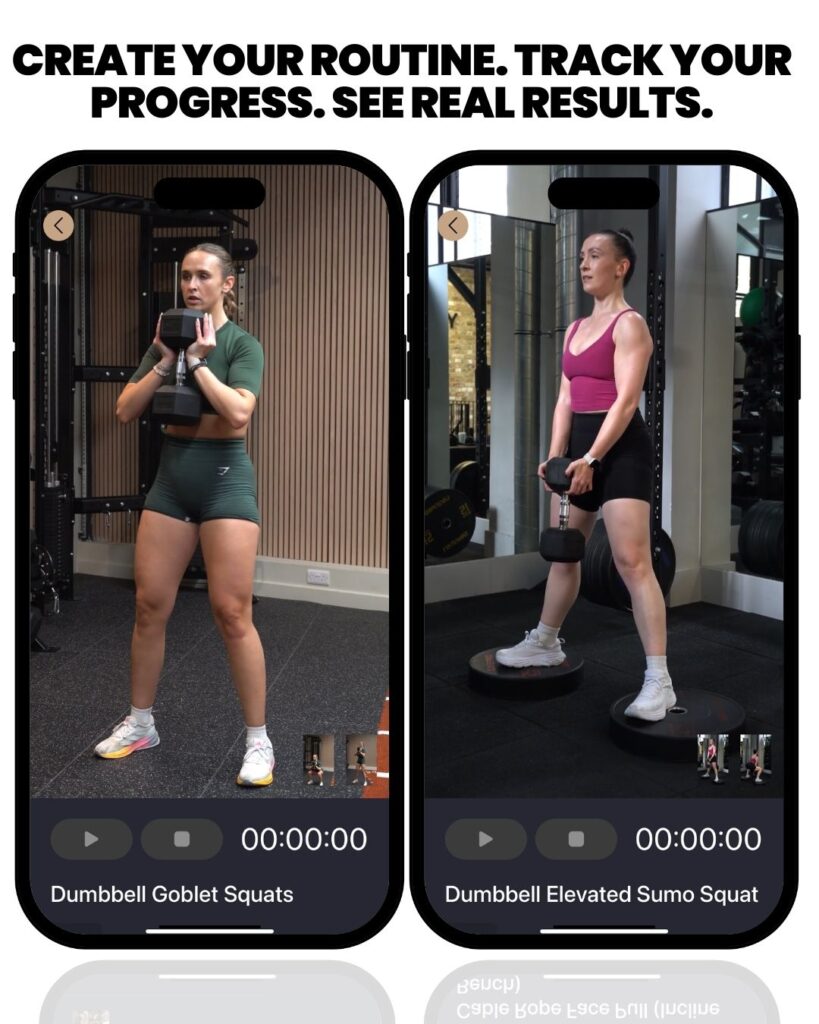
- How to follow the plan in 12REPS: trainer demonstrations and a record of every set.
- The principles behind the plan: why it starts simple and gets harder over time.

What Kevin Hart Has Said About His Training
Published interviews and profiles give a general picture of how Kevin Hart trains. They do not set out a full program, so this guide does not claim to copy his routine.
- Morning training: In a HuffPost interview, Hart said he is “definitely a morning person.” He said he is usually up at 5 or 5:30 a.m. and prefers to work out in the morning.
- Supersets with little rest: A 2020 Men’s Health profile described a session before sunrise with his longtime trainer. It included a dumbbell superset workout, bench presses, planks and core work, with little rest between sets.
- Running and variety: The same profile mentions treadmill running and his earlier marathon training. Andscape reported that Hart stepped up his fitness in 2014 and invited fans to join him on group runs in cities he visited.
This plan borrows those broad ideas, not his specific workouts. It combines consistent training, supersets, and a mix of strength work and conditioning. It starts with a solid foundation and adds new challenges in each phase.

The 12-Week Kevin Hart-Inspired Workout Plan
This program is challenging but achievable. It moves from basic movements to harder exercises, building strength and fitness step by step. Many sessions use supersets: two exercises done back-to-back with little or no rest.
If you are new to exercise, or have a health condition or injury, check with your doctor before starting a demanding plan like this.
Weeks 1 to 3: Bodyweight Foundation (4 Sets, 12 to 20 Reps)
In the first phase, you learn the basic movement patterns and build a base of strength and stability. Training four times a week with bodyweight exercises prepares your body for the harder phases.
Workout schedule:
- Day 1: Full body
- Day 2: Full body
- Day 3: Rest
- Day 4: Full body
- Day 5: Full body
- Day 6: Rest
- Day 7: Rest
Days 1 and 4: Full Body
Do each exercise, then go straight into 1 minute of jump rope (skipping). That pair counts as one set.
| Exercise | Sets | Reps | Superset with |
|---|---|---|---|
| Squats | 4 | 20 | 1 minute of jump rope |
| Push-ups | 4 | 12–20 | 1 minute of jump rope |
| Plank | 4 | 30–60 s | 1 minute of jump rope |
| Glute bridges | 4 | 12–20 | 1 minute of jump rope |
| Mountain climbers | 4 | 20–30 | 1 minute of jump rope |
| Crunches | 4 | 15–25 | 1 minute of jump rope |
| Wall sit | 4 | 30–60 s | 1 minute of jump rope |
Days 2 and 5: Full Body
| Exercise | Sets | Reps | Superset with |
|---|---|---|---|
| Lunges (per leg) | 4 | 20 | 1 minute of jump rope |
| Incline push-ups | 4 | 12–20 | 1 minute of jump rope |
| Burpees | 4 | 10–15 | 1 minute of jump rope |
| Triceps dips (chair or bench) | 4 | 12–20 | 1 minute of jump rope |
| Leg raises | 4 | 15–25 | 1 minute of jump rope |
| Squats | 4 | 20 | 1 minute of jump rope |
| Plank | 4 | 30–60 s | 1 minute of jump rope |
Weeks 4 to 8: Strength With Weights and Supersets
Now you add weights. Each weighted exercise is paired with a bodyweight exercise, done back-to-back with minimal rest. A 2019 systematic review found that supersets may let you lift more total weight per minute than traditional sets, so you get more done in less time. Evidence on their long-term effects on muscle growth is limited.
“Max reps” means as many reps as you can do with good form.
Workout schedule:
- Day 1: Upper body focus
- Day 2: Lower body focus
- Day 3: Rest
- Day 4: Full body strength
- Day 5: Full body conditioning (repeat one of the Weeks 1 to 3 bodyweight sessions)
- Day 6: Rest
- Day 7: Rest
Day 1: Upper Body Focus
| Exercise A | Sets | Reps | Exercise B | Sets | Reps |
|---|---|---|---|---|---|
| Dumbbell bench press | 4 | 8–12 | Push-ups | 4 | Max reps |
| Bent-over dumbbell rows | 4 | 8–12 | Plank | 4 | 30–45 s |
| Overhead press (dumbbell or kettlebell) | 4 | 8–12 | Pike push-ups | 4 | 10–15 |
| Biceps curls (dumbbell) | 4 | 10–15 | Chin-ups (assisted or band) | 4 | Max reps |
| Triceps extensions (dumbbell) | 4 | 10–15 | Triceps dips | 4 | Max reps |
Day 2: Lower Body Focus
| Exercise A | Sets | Reps | Exercise B | Sets | Reps |
|---|---|---|---|---|---|
| Goblet squats (kettlebell or dumbbell) | 4 | 10–15 | Bodyweight squats | 4 | 15–20 |
| Romanian deadlifts (dumbbell or kettlebell) | 4 | 10–15 | Glute bridges | 4 | 15–20 |
| Walking lunges (dumbbell or kettlebell) | 4 | 10–15 | Bodyweight lunges | 4 | 15–20 |
| Calf raises (dumbbell) | 4 | 15–20 | Wall sit | 4 | 30–45 s |
Day 4: Full Body Strength
| Exercise A | Sets | Reps | Exercise B | Sets | Reps |
|---|---|---|---|---|---|
| Barbell deadlifts | 4 | 6–10 | Burpees | 4 | 10–15 |
| barbell bench press | 4 | 8–12 | Push-ups | 4 | Max reps |
| Barbell rows | 4 | 8–12 | Inverted rows | 4 | Max reps |
| Overhead press (barbell) | 4 | 8–12 | Wall handstand holds | 4 | 20–30 s |

Weeks 9 to 12: Landmine Exercises and Supersets
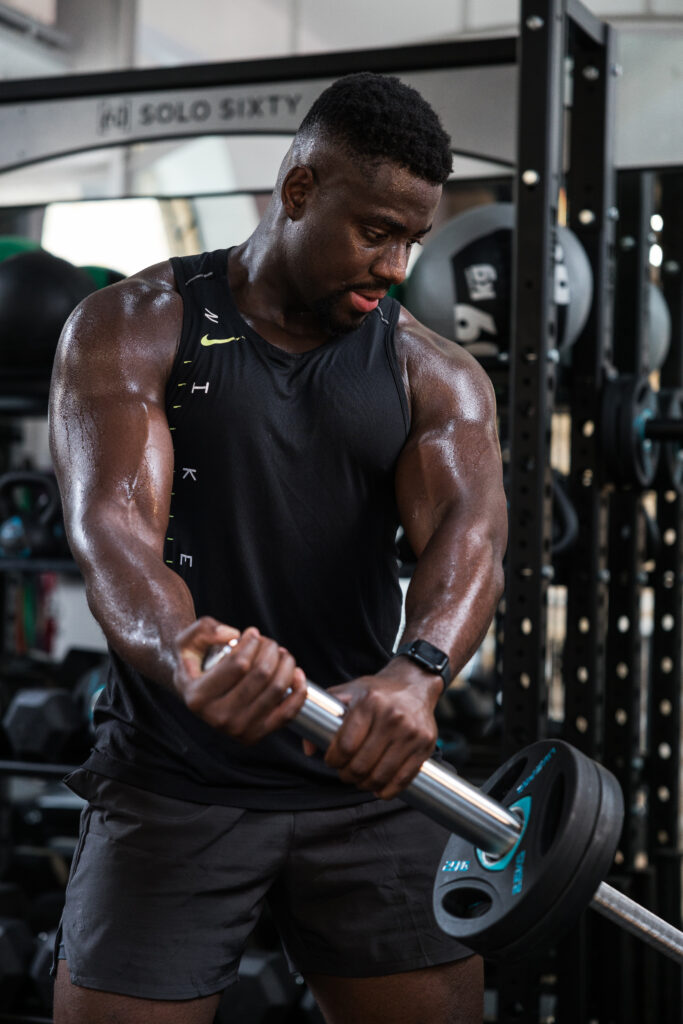
In the final phase, you add landmine exercises. A landmine is a barbell with one end fixed in a corner or a landmine holder, so the bar moves in an arc. Landmine presses, rows and rotations train strength, power and trunk control. The superset structure stays the same.
Workout schedule:
- Day 1: Upper body and landmine focus
- Day 2: Lower body and landmine focus
- Day 3: Rest
- Day 4: Full body strength and power (repeat the Weeks 4 to 8 Day 4 session)
- Day 5: Active recovery or mobility
- Day 6: Rest
- Day 7: Rest
Day 1: Upper Body and Landmine Focus
| Exercise A | Sets | Reps | Exercise B | Sets | Reps |
|---|---|---|---|---|---|
| Landmine press | 4 | 8–12 | Push-ups (explosive) | 4 | Max reps |
| Landmine rows | 4 | 8–12 | Pull-ups (assisted or band), see how to do your first pull-up | 4 | Max reps |
| Landmine rotations | 4 | 10–15 | Plank with shoulder taps | 4 | 15–20 |
| Dumbbell snatch | 4 | 10–15 | Bodyweight sit-ups | 4 | Max reps |
| kettlebell gorilla row | 4 | 10–16 | Triceps pushdowns (rope) | 4 | 15–20 |
Day 2: Lower Body and Landmine Focus
| Exercise A | Sets | Reps | Exercise B | Sets | Reps |
|---|---|---|---|---|---|
| Landmine squats | 4 | 10–15 | Jump squats | 4 | 10–15 |
| Landmine deadlifts | 4 | 8–12 | Single-leg RDL (bodyweight) | 4 | 10–15 |
| Landmine reverse lunges | 4 | 10–15 | Box jumps (low box) | 4 | 8–12 |
| Landmine Russian twists | 4 | 15–20 | Bicycle crunches | 4 | 20–30 |
Nutrition to Support Your Training
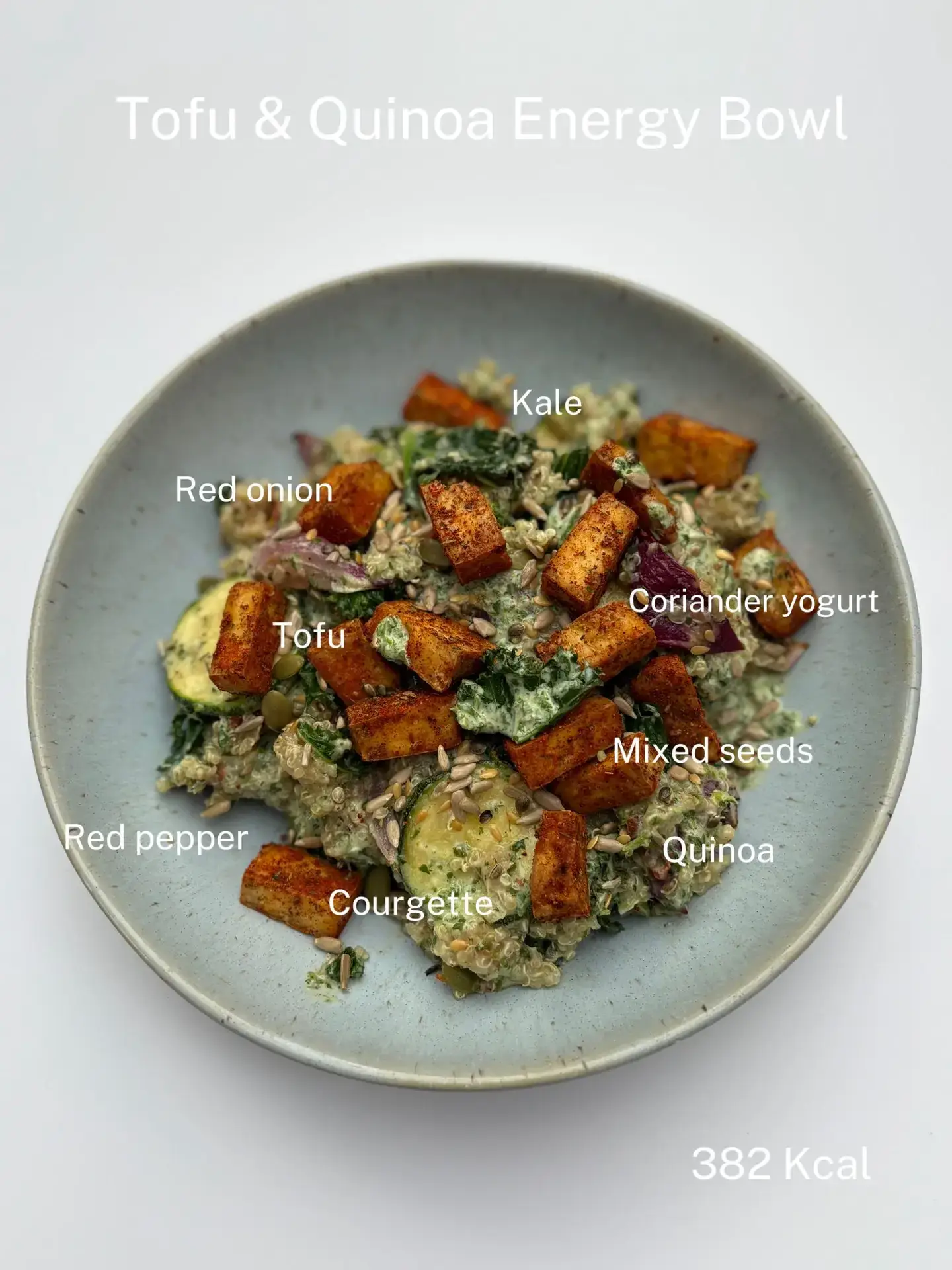
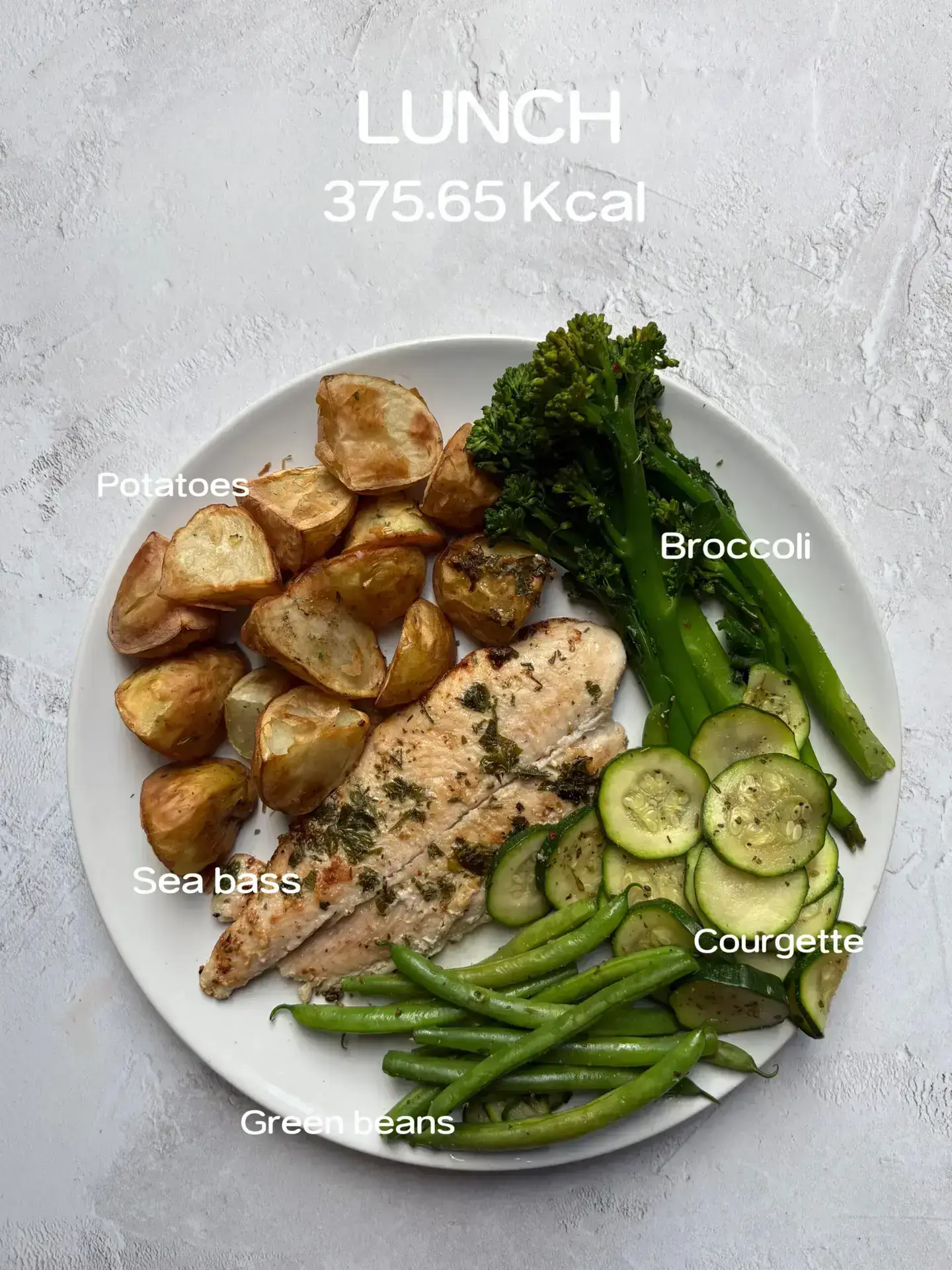
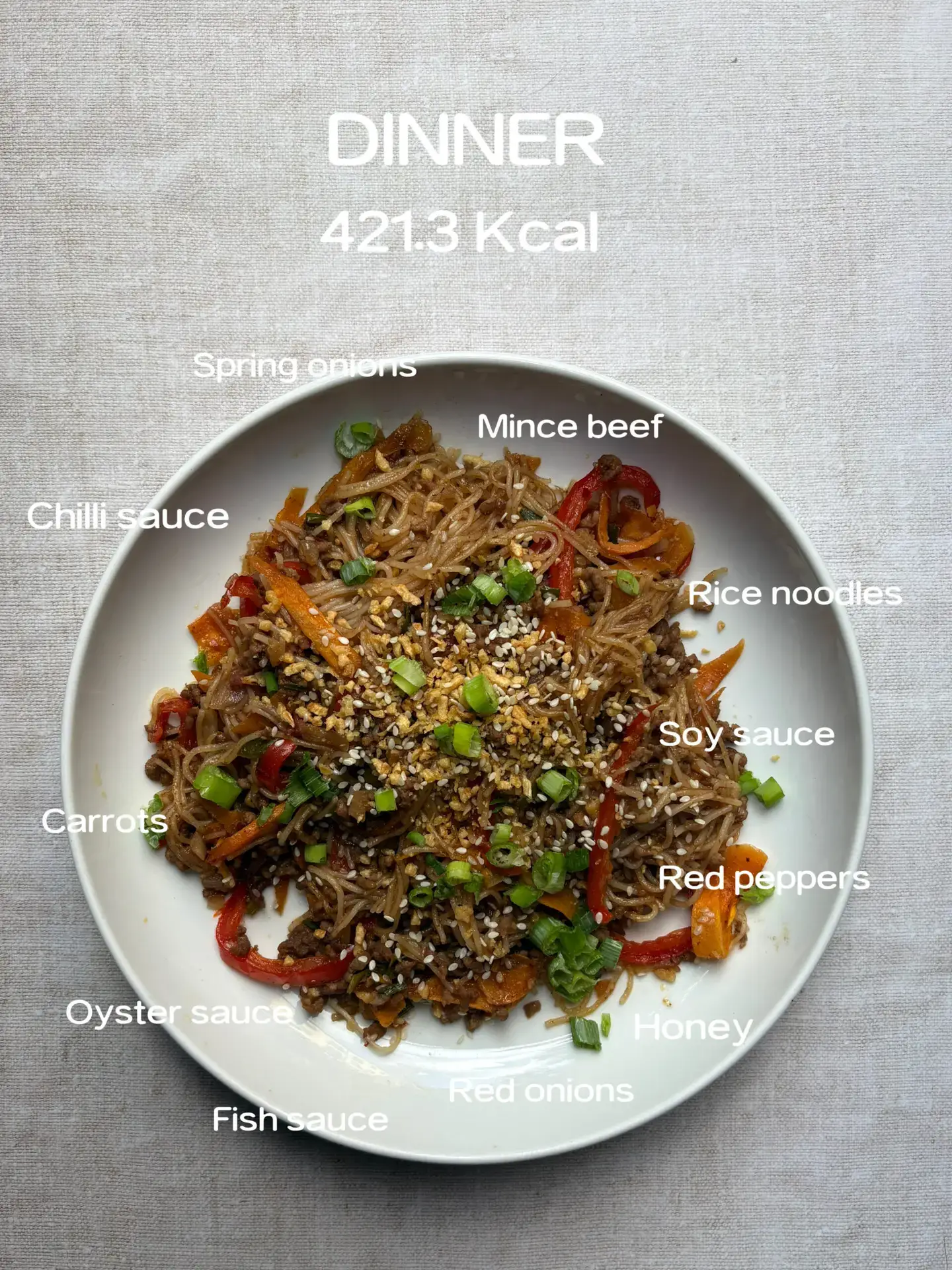
Training is only part of the picture. What you eat affects your energy, recovery and body composition. This plan does not copy any celebrity’s diet. It follows simple, evidence-based guidance instead.
- Protein: Protein helps you repair and build muscle. The International Society of Sports Nutrition suggests 1.4 to 2.0 grams of protein per kilogram of body weight per day for most people who exercise. Good sources include chicken, fish, eggs, beans, lentils, tofu and Greek yogurt.
- Starchy carbohydrates: The NHS Eatwell Guide suggests basing meals on starchy foods. Choose whole grain or higher-fiber versions, such as brown rice, whole wheat pasta and potatoes with the skin on.
- Fruit and vegetables: Aim for at least five portions a day.
- Fats: Choose unsaturated oils, such as olive or canola (rapeseed) oil, and use small amounts. Nuts, seeds and avocado also provide healthy fats.
What to Limit
- Free sugars: The NHS advises adults to have no more than 30 grams of free sugars a day. Free sugars include sugar added to food and drinks, plus honey, syrups and fruit juice.
- Foods high in fat, salt and sugar: This includes many fast foods and snacks. Eat them less often and in small amounts.
- Dairy: You do not need to cut out dairy unless it disagrees with you. Milk, yogurt and cheese are a key source of calcium. Lower-fat and lower-sugar options are a good choice.
If you have a medical condition or take medication, check with your doctor or a registered dietitian before making big changes to your diet.
For more detail, read the 12REPS nutrition guide for fat loss and muscle growth and our guide to how much protein you need to build muscle.
Tracking This Plan With 12REPS
You can follow this plan with a notebook. An app makes it simpler to see what you did last time and try to beat it. Here is how 12REPS can help:
- Trainer demonstrations: 12REPS shows exercise demonstrations and technique breakdowns from qualified personal trainers, so you can check your form.
- Workout tracking: Enter your reps and weight for each set. The app remembers what you lifted, so you have a number to beat next session. That supports progressive overload.
- Build your own: Choose the muscle, the equipment and the time you have, and 12REPS builds the session. Save it and train.
- Accountability: Track your workouts and streaks, set a weekly goal, and take part in challenges with the 12REPS community.
- Body progress: Log your body weight to see your trend, and store private progress photos to compare stages.

The Principles Behind This Plan
This plan follows a few simple principles that apply to most people who want to get fitter and stronger.
- Foundation first: Start with bodyweight exercises. This helps you learn good form and build a base of strength and stability before you add load.
- Progressive overload: Your body adapts to the demands you place on it, so those demands need to rise over time. Increase the weight, reps or difficulty gradually. The ACSM recommends training all major muscle groups at least two days a week and building your program gradually. Our beginner’s guide to progressive overload explains how.
- Supersets: Pairing exercises back-to-back saves time and keeps your heart rate up. Keep your form strict even when you are tired. Read our guide to supersets for more.
- Nutrition: You cannot out-train a poor diet. Enough protein and a balanced diet support your recovery and performance.
- Tracking: Logging your sets, reps and weights shows you whether you are progressing, and keeps you accountable.
This is not a quick fix. It is a steady approach you can keep using after the 12 weeks end.
Conclusion: Stay Consistent
This 12-week plan takes ideas Kevin Hart has shared publicly and turns them into a structured program. Those ideas include morning training, supersets, and a mix of strength and conditioning. It moves from bodyweight basics to weighted supersets and landmine exercises.
Consistency matters more than any single workout. Some days you will feel tired or unmotivated. On those days, do a shorter session rather than none, and keep tracking your progress.
Start with the bodyweight phase, focus on good form, and add load only when your reps feel controlled. If you feel pain, stop and get it checked by a doctor or physical therapist.
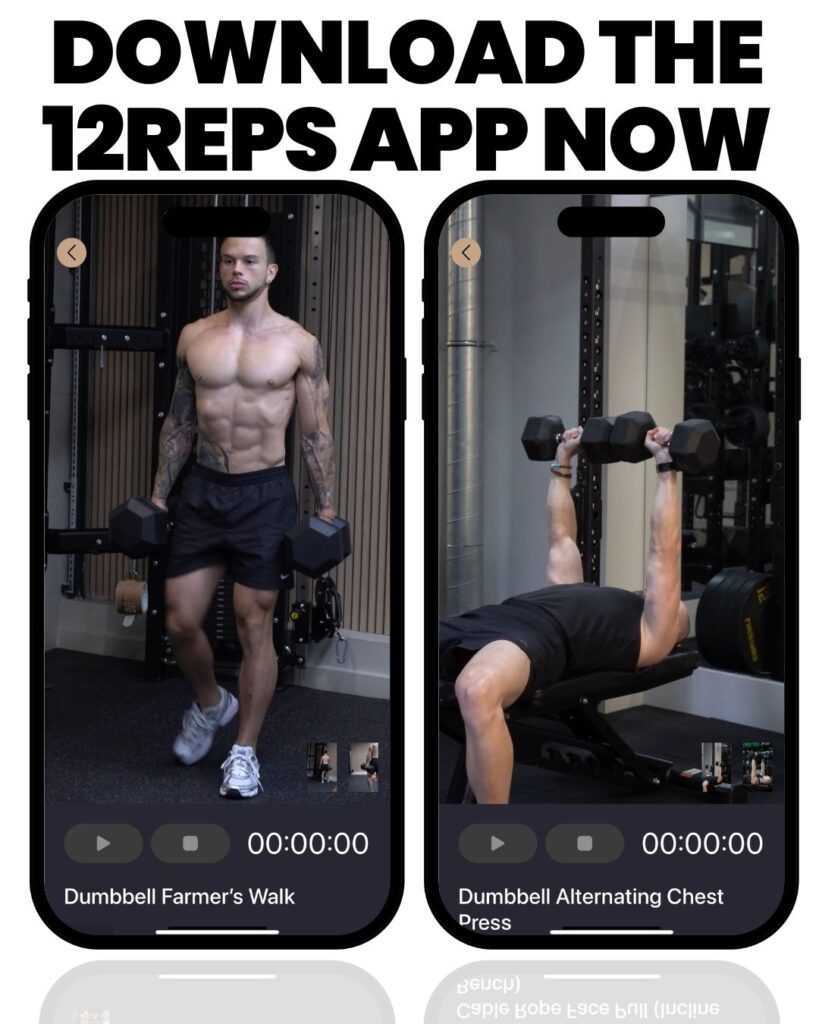
If you want your workouts set out for you, 12REPS builds each session around your goal, your equipment and the time you have. You get a trainer demonstration for every exercise and a record of what you lifted last time, so you always know what to beat.
Sources
- Flax P. The Resurrection of Kevin Hart. Men’s Health (republished on Yahoo Life), 2020. https://www.yahoo.com/lifestyle/resurrection-kevin-hart-140000741.html
- That Morning Person: Kevin Hart (interview series). HuffPost UK, n.d.. https://huffingtonpost.co.uk/entry/kevin-hart-morning-person_n_5b16a68ae4b081422e210783
- Evans KD. Kevin Hart may be funny, but he’s also focused on fitness. Andscape, 2017. https://andscape.com/features/kevin-hart-may-be-funny-but-hes-also-focused-on-fitness
- Krzysztofik M, et al. Maximizing Muscle Hypertrophy: A Systematic Review of Advanced Resistance Training Techniques and Methods. International Journal of Environmental Research and Public Health, 2019. https://www.doi.org/10.3390/IJERPH16244897
- 5 Things to Know About Creating an Effective Resistance Training Plan (infographic on the 2026 ACSM position stand on resistance training). American College of Sports Medicine, 2026. https://acsm.org/wp-content/uploads/2026/03/Resistance-Training-Position-Stand-infographic.pdf
- Jäger R, et al. International Society of Sports Nutrition Position Stand: Protein and Exercise. Journal of the International Society of Sports Nutrition, 2017. https://cdr.lib.unc.edu/concern/articles/gh93h184p
- The Eatwell Guide. NHS, accessed 2026. https://www.nhs.uk/live-well/eat-well/the-eatwell-guide/
- Sugar: the facts. NHS, accessed 2026. https://www.nhs.uk/live-well/eat-well/how-does-sugar-in-our-diet-affect-our-health/