Written by Will Duru, BSc (Hons) Sport and Exercise Science, award-winning Personal Trainer with over 10 years of experience in strength training and optimising recovery .
Lower body strength training for women works best when it trains all three big muscle groups: the glutes, quadriceps and hamstrings. Each week, include a squat, a hip hinge and a single-leg exercise, add load gradually and train your legs 2 to 3 times a week.
In my 10 years as a personal trainer, I have noticed that many women train legs often but still struggle to get stronger. The problem is rarely effort. It is usually exercise selection or a program that does not match the goal. For example, lots of leg extensions and calf raises but very few squats, hinges or lunges.
This guide explains what each muscle group does, how to choose your exercises, common mistakes and a complete 6-week plan.
Your Lower Body Muscles and What They Do
Video: Stronger legs and glutes: your guide to lower body strength training for women. This 12REPS video covers the same topic as this guide. Watch it for an overview before you read about each muscle group.
Glutes
The gluteus maximus is one of the largest muscles in the body. It extends your hip, which means it drives your hips forward when you stand up from a squat or finish a deadlift.
The gluteus medius and minimus are smaller muscles on the side of your hip. They keep your pelvis steady when you stand on one leg, for example when you walk, run or do a lunge.
Quadriceps
The quadriceps are four muscles on the front of your thigh. They straighten your knee and help bend your hip. Squats, lunges, step-ups and leg presses train them hard.
Hamstrings
The hamstrings are three muscles on the back of your thigh. They bend your knee and help extend your hip. Romanian deadlifts and hamstring curls are two of the best ways to train them.
Calves
Your calves point your foot and help push you off the ground when you walk, run or jump.
Why Lower Body Strength Matters for Women
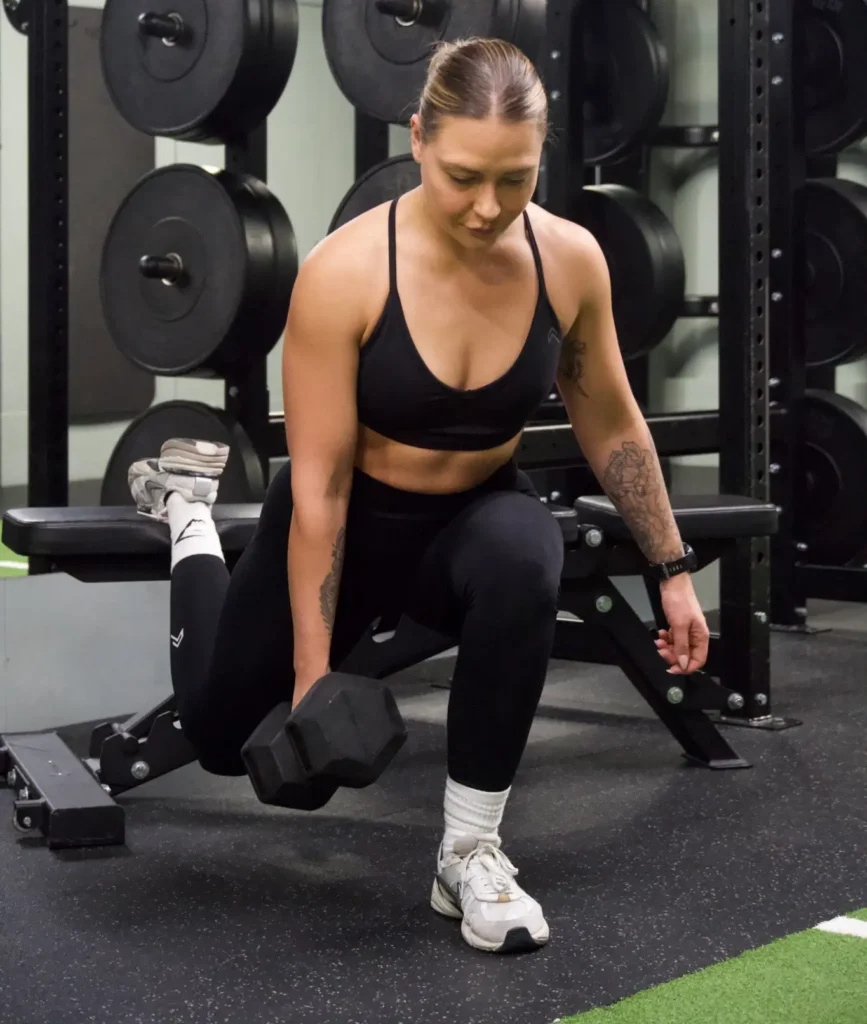
Strong legs make everyday movement more manageable. Standing up from a chair is a squat. Climbing stairs is a step-up. Picking something up from the floor is a hip hinge.
- Daily life: carrying shopping, lifting children and climbing stairs.
- Activities you enjoy: hiking, dancing, cycling, skiing and running all rely on leg strength.
- Health guidelines: adults should do muscle-strengthening activity for all major muscle groups, including the legs and hips, on at least 2 days a week (CDC).
- Shape and confidence: many women want stronger glutes and legs. Getting stronger also changes how you move and how you feel in the gym.
If you want to learn the two big barbell lifts, read why women should do barbell squats and deadlifts.

How to Program Lower Body Training
Frequency. Beginners should start with 2 lower body sessions a week. This gives enough stimulus to adapt while leaving time to recover. More experienced women can handle 3 sessions a week.
I rarely recommend training legs more than 3 times a week for most women. A 2023 review of studies in women suggested training the lower body twice a week for strength (Jung and colleagues, 2023).
Volume and intensity. Volume is the total amount of work you do, such as hard sets per week. Intensity is how heavy the work is compared with your maximum. A 2017 review found that more weekly sets led to more muscle growth (Schoenfeld and colleagues, 2017). Beginners can start with about 8 to 12 sets per week for each major muscle group and build from there.
Compound and isolation exercises. Compound exercises, such as squats, deadlifts and lunges, work several muscles at once. Make them the base of your program. Add isolation exercises, such as hamstring curls or calf raises, as extras.

Squat, Hinge, Single Leg: Choosing Your Exercises
Pick at least one exercise from each group every week:
| Pattern | Main muscles | Examples |
|---|---|---|
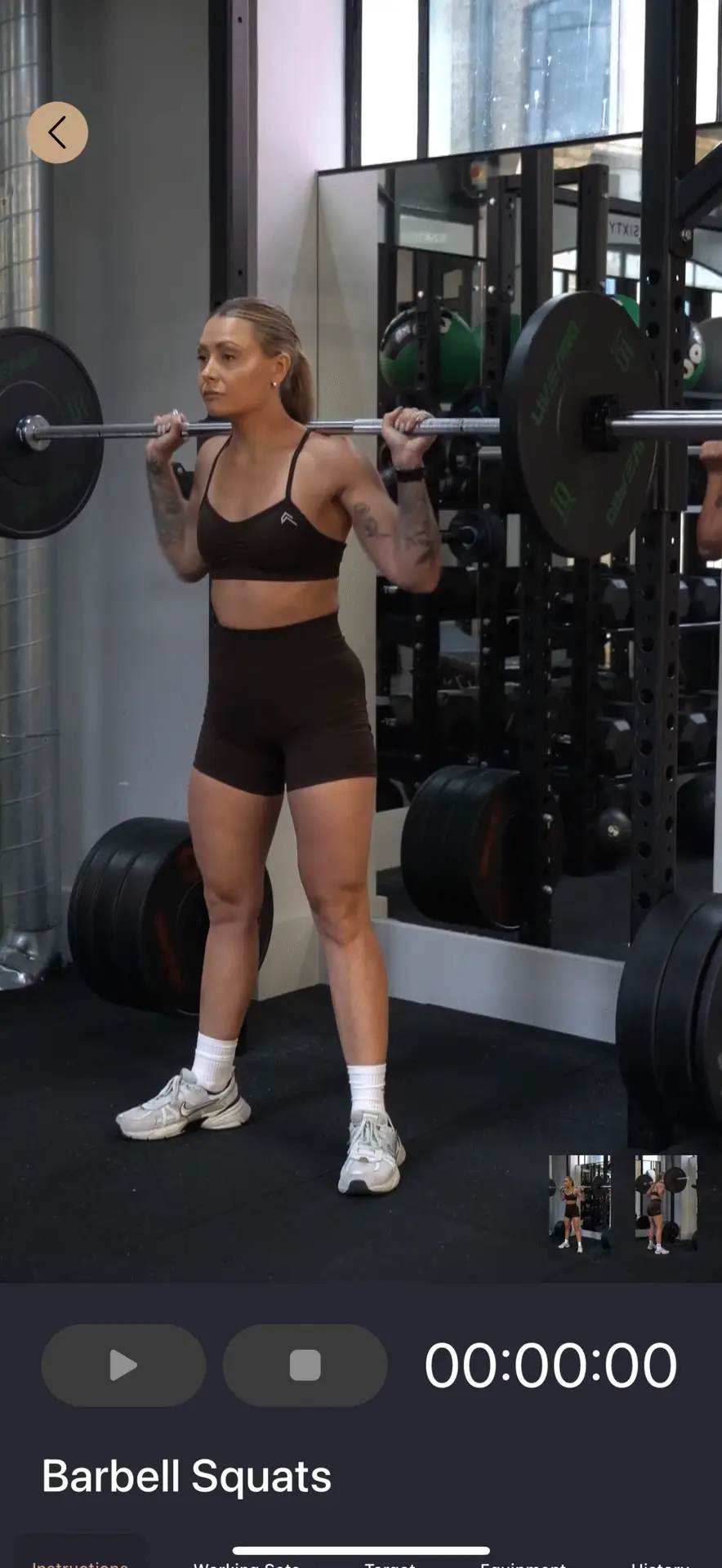
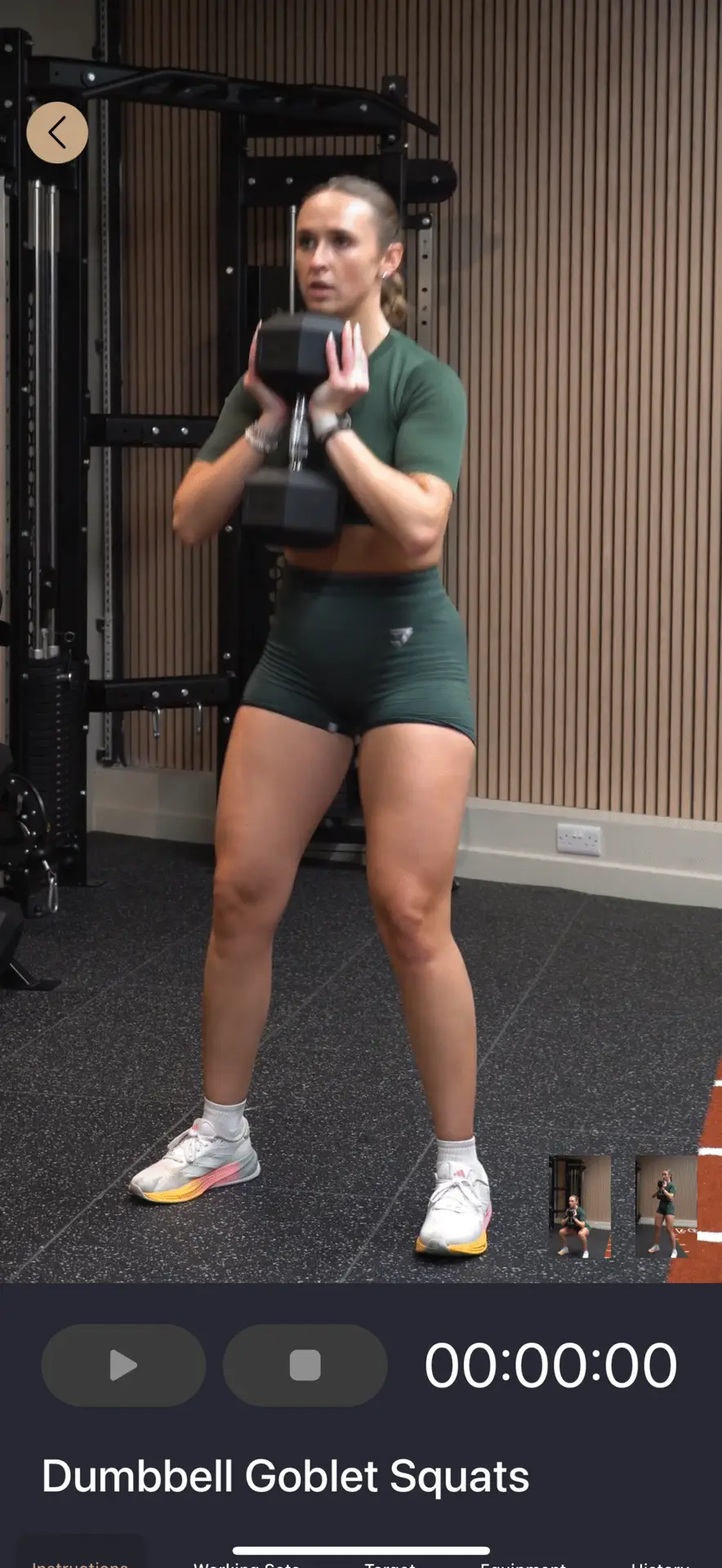
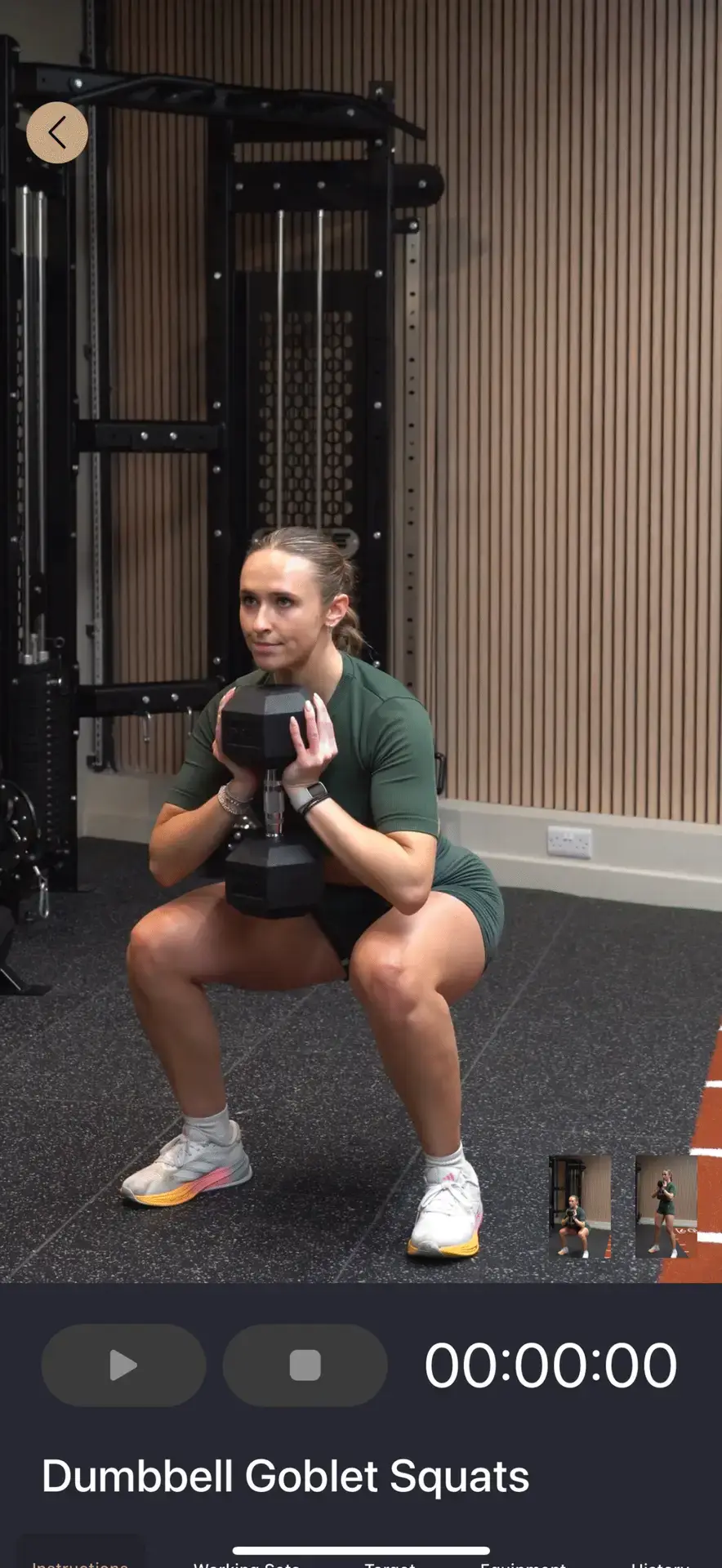
| Squat | Quadriceps, glutes | Goblet squat, barbell squat, leg press |
| Hip hinge | Glutes, hamstrings | Romanian deadlift, kettlebell deadlift, hip thrust |
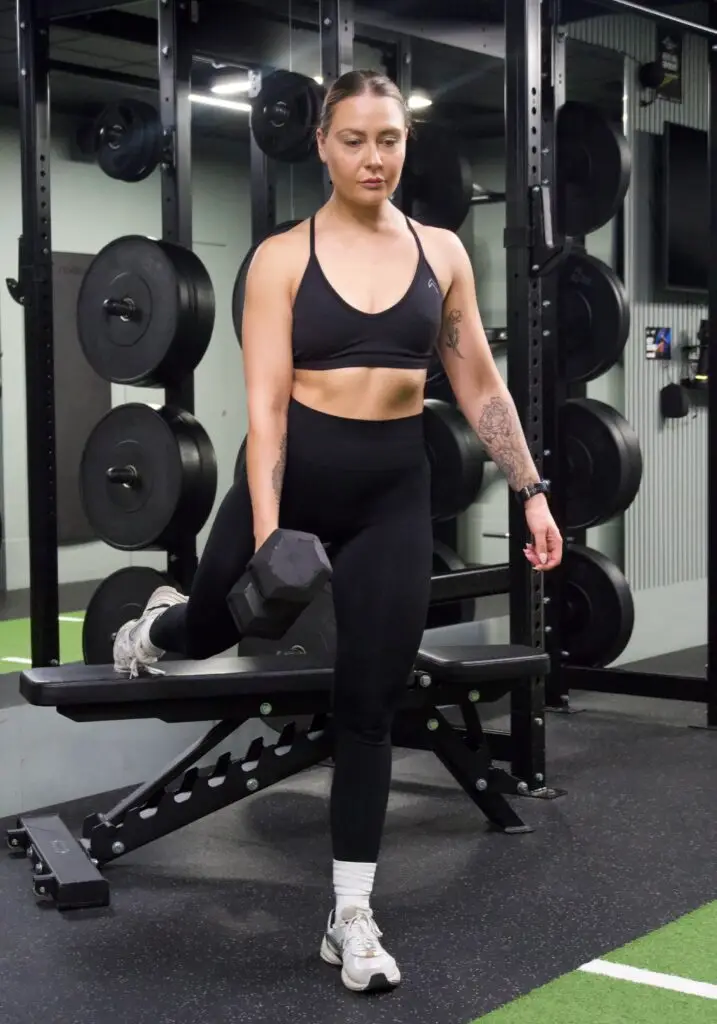
| Single leg | Quadriceps, glutes, hip stabilizers | Lunges, step-ups, Bulgarian split squats |
| Isolation | Hamstrings, calves, outer hips | Swiss ball hamstring curl, calf raises, band lateral walks |
Hip thrust or squat for glutes?
Both work. In a 12-week study of well-trained women, the back squat group gained more glute and quadriceps muscle thickness than the hip thrust group. Both groups improved their hip thrust strength by a similar amount (Barbalho and colleagues, 2020).
This was one small study. Use squats as a main glute and quad builder, and keep hip thrusts if you enjoy them. For hip thrust technique, read how to do barbell hip thrusts correctly.
Video: How to do a barbell hip thrust. This 12REPS demo shows the barbell hip thrust setup. The bodyweight and dumbbell versions in the plan below follow the same movement.
Common Lower Body Training Mistakes
Only feeling squats and lunges in your thighs
Many women say they feel squats and lunges only in the front of their thighs, not their glutes. Some find that a few sets of glute bridges, clamshells or fire hydrants before the main lifts help them feel their glutes working. Hip hinges, such as Romanian deadlifts, also shift more of the work to your glutes and hamstrings.
Knees caving inward
Knees that collapse inward during squats and lunges are a common technique fault. Keep your knees tracking over your toes. Reduce the load or the depth until you can hold that position.
Neglecting the hamstrings
Programs heavy on squats and leg presses can leave the hamstrings undertrained. Include at least one hinge or hamstring curl each week.
If you have knee or hip pain during training, stop that exercise and get it checked by a physiotherapist or your doctor.
6-Week Lower Body Strength Training Program for Women
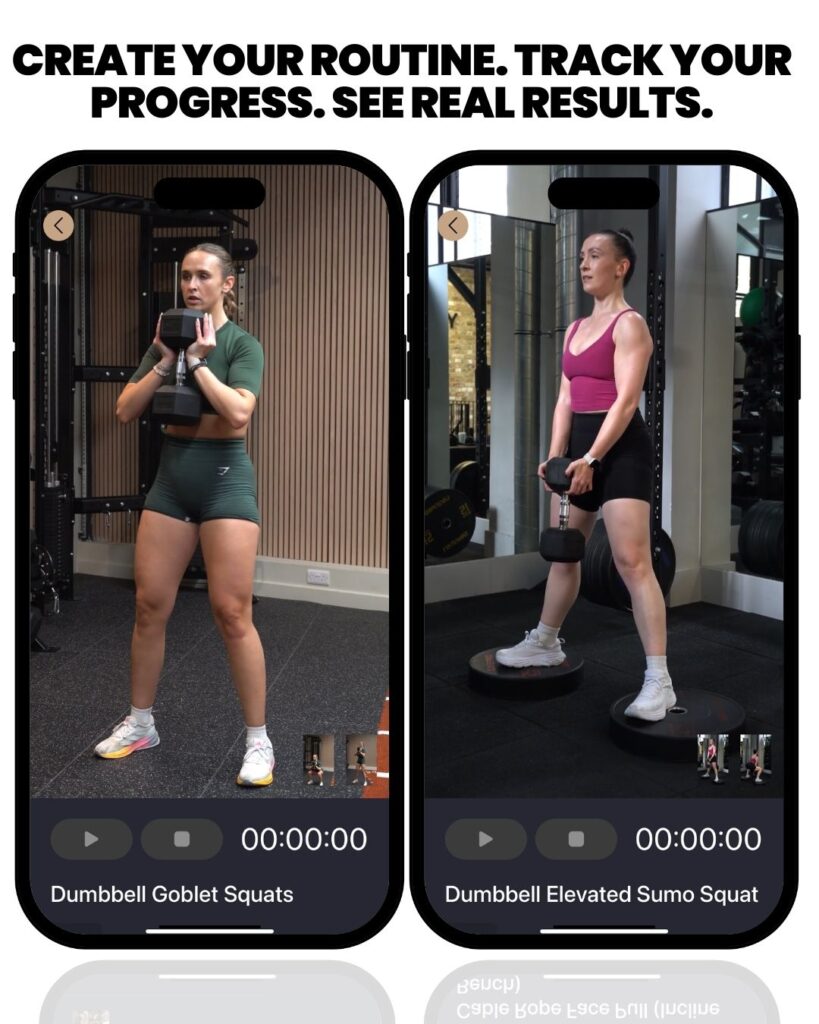
This plan moves from bodyweight foundations to weighted exercises. It uses 3 days a week with a rest day between sessions: a glute focus day, a quad and hamstring day and a full lower body day.
Every row is a superset, two exercises done back to back. Do Exercise A, rest 30 seconds, then Exercise B. Rest 60 seconds (week 1) or 90 seconds (weeks 2-6) before repeating the pair.
If three leg days a week is too much to recover from, do two of the three days each week and rotate them.
Week 1: Foundation (bodyweight)
Day 1: Glute focus
| Exercise A | Sets x reps | Exercise B (superset) | Sets x reps |
|---|---|---|---|
| Glute bridges | 4 x 15-20 | Clamshells | 3 x 12 each |
| Bodyweight squats | 4 x 12-15 | Fire hydrants | 3 x 10 each |
| Single-leg glute bridges | 4 x 8 each | Wall sit | 3 x 20-30 s |
Day 2: Quad and hamstring focus
| Exercise A | Sets x reps | Exercise B (superset) | Sets x reps |
|---|---|---|---|
| Bodyweight squats | 4 x 15-20 | Single-leg RDL | 3 x 8 each |
| Reverse lunges | 4 x 10 each | Hamstring slides | 3 x 10-12 |
| Lateral lunges | 4 x 8 each | Calf raises | 3 x 15-20 |
Day 3: Full lower body
| Exercise A | Sets x reps | Exercise B (superset) | Sets x reps |
|---|---|---|---|
| Squat to stand | 3 x 12-15 | Glute bridges | 3 x 15-20 |
| Forward lunges | 3 x 8 each | Single-leg calf raises | 3 x 10 each |
| Sumo squats | 3 x 12-15 | Lateral leg raises | 3 x 12 each |
Weeks 2-3: Strength building (bodyweight and weights)
Day 1: Glute focus
| Exercise A | Sets x reps | Exercise B (superset) | Sets x reps |
|---|---|---|---|
| Hip thrusts (bodyweight) | 4 x 12-15 | Dumbbell deadlifts | 4 x 8-12 |
| Goblet squats | 4 x 10-12 | Lateral walks (band) | 4 x 10 each |
| Single-leg hip thrusts | 4 x 6-8 each | Dumbbell step-ups | 4 x 8 each |
Day 2: Quad and hamstring focus
| Exercise A | Sets x reps | Exercise B (superset) | Sets x reps |
|---|---|---|---|
| Bodyweight squats | 4 x 15-20 | Romanian deadlifts | 4 x 8-12 |
| Reverse lunges | 4 x 10 each | Dumbbell hamstring curls | 4 x 10-15 |
| Jump squats | 4 x 8-10 | Dumbbell calf raises | 4 x 12-15 |
Day 3: Full lower body
| Exercise A | Sets x reps | Exercise B (superset) | Sets x reps |
|---|---|---|---|
| Sumo squats | 4 x 12-15 | Dumbbell sumo deadlifts | 4 x 8-12 |
| Walking lunges | 4 x 8 each | Kettlebell swings | 4 x 15-20 |
| Single-leg squats (to a box if needed) | 4 x 5 each | Dumbbell lateral lunges | 4 x 8 each |
Weeks 4-6: Higher volume with weights
Day 1: Glute focus
| Exercise A | Sets x reps | Exercise B (superset) | Sets x reps |
|---|---|---|---|
| Dumbbell hip thrusts | 5 x 12-15 | Jump squats | 5 x 8-10 |
| Kettlebell deadlifts | 5 x 10-12 | Lateral walks (band) | 5 x 12 each |
| Dumbbell step-ups | 4 x 10 each | Single-leg glute bridges | 4 x 10 each |
| Dumbbell sumo squats | 4 x 12-15 | Fire hydrants | 4 x 12 each |
Day 2: Quad and hamstring focus
| Exercise A | Sets x reps | Exercise B (superset) | Sets x reps |
|---|---|---|---|
| Goblet squats | 5 x 15-20 | Romanian deadlifts | 5 x 10-15 |
| Dumbbell lunges | 5 x 10 each | Single-leg RDL | 5 x 8 each |
| Kettlebell squats | 4 x 12-15 | Hamstring slides | 4 x 12-15 |
| Jump lunges | 4 x 8 each | Dumbbell calf raises | 4 x 15-20 |
Day 3: Full lower body
| Exercise A | Sets x reps | Exercise B (superset) | Sets x reps |
|---|---|---|---|
| Kettlebell sumo deadlifts | 5 x 12-15 | Bodyweight squats | 5 x 15-20 |
| Dumbbell walking lunges | 5 x 10 each | Kettlebell swings | 5 x 15-20 |
| Dumbbell lateral lunges | 4 x 10 each | Single-leg calf raises | 4 x 10 each |
| Dumbbell thrusters | 4 x 8-12 | Lateral leg raises | 4 x 12 each |
Program notes
- Rest one day between training sessions.
- Progress by adding reps, then sets, then weight.
- Focus on good form over heavy weight.
- Log every session so you know what to beat next time.
Pair this plan with upper body work using the upper body strength training guide for women. If you train at home with one kettlebell, the kettlebell program for women is a good alternative.
Build Your Lower Body Strength Step by Step
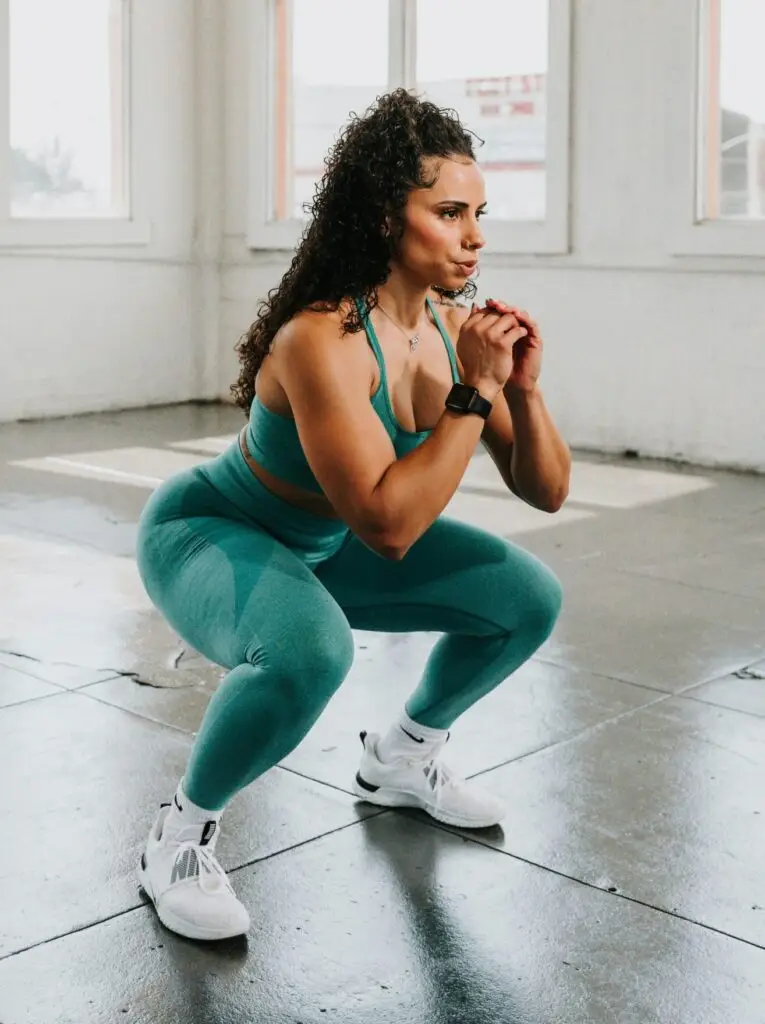
Lower body strength comes from training all three big muscle groups, progressing gradually and staying consistent. Following one well-designed program for 6 weeks will usually take you further than switching workouts every week.
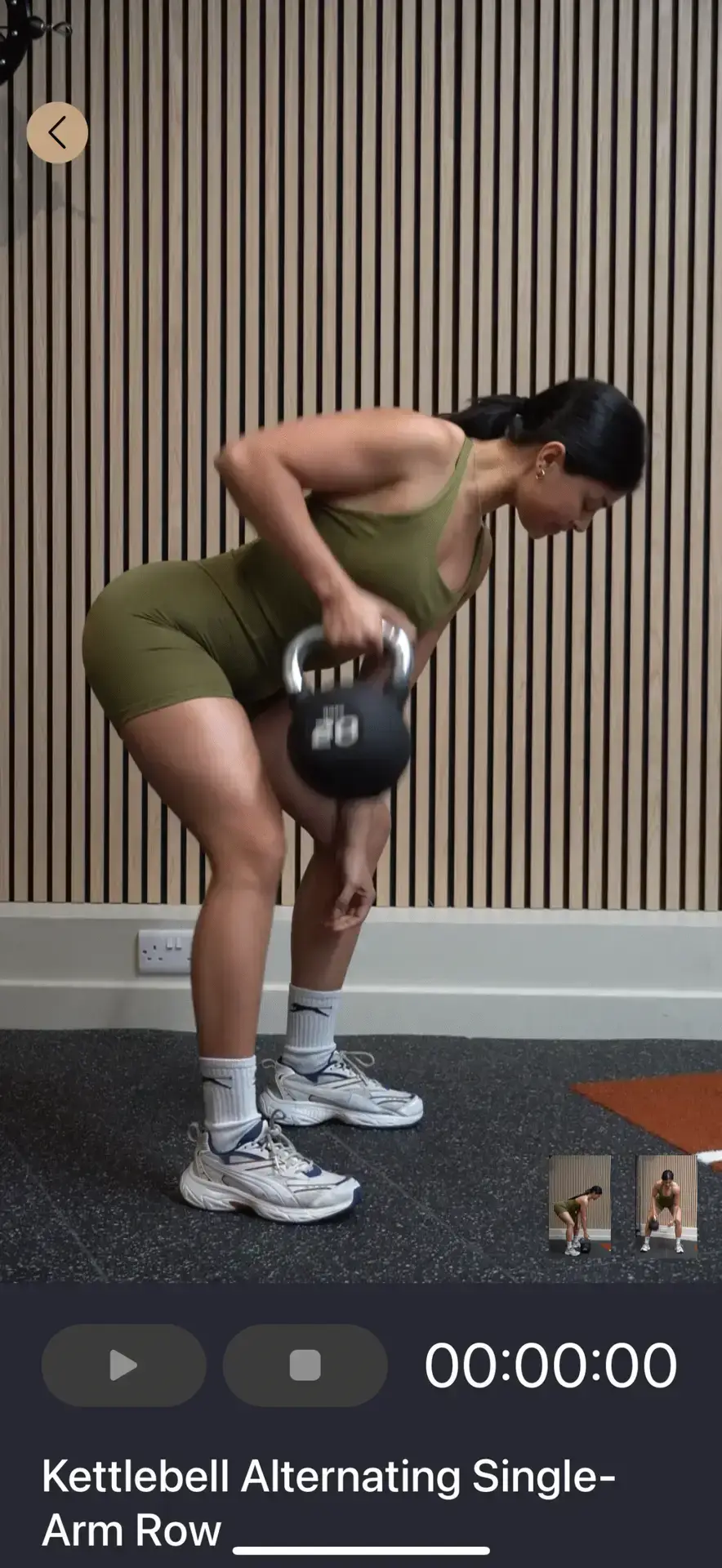
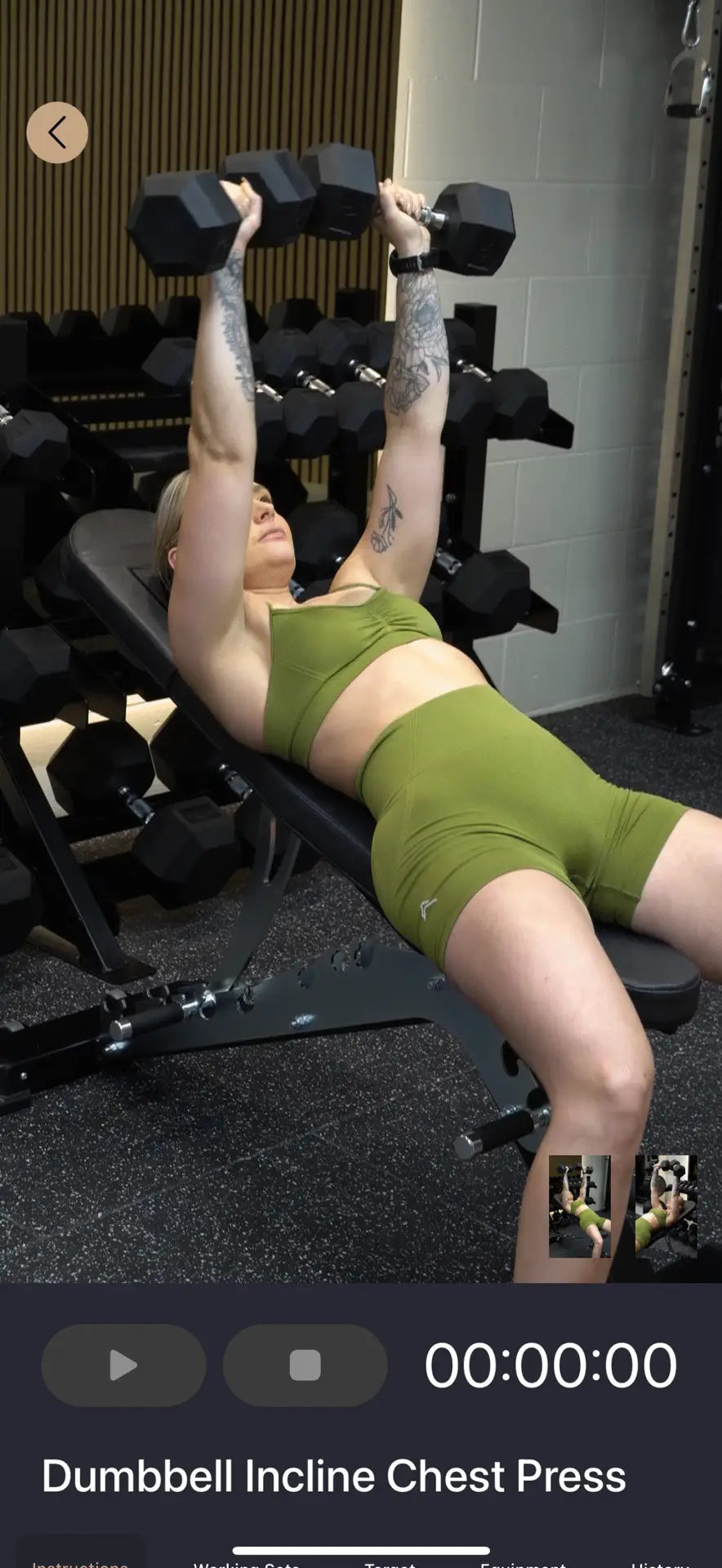
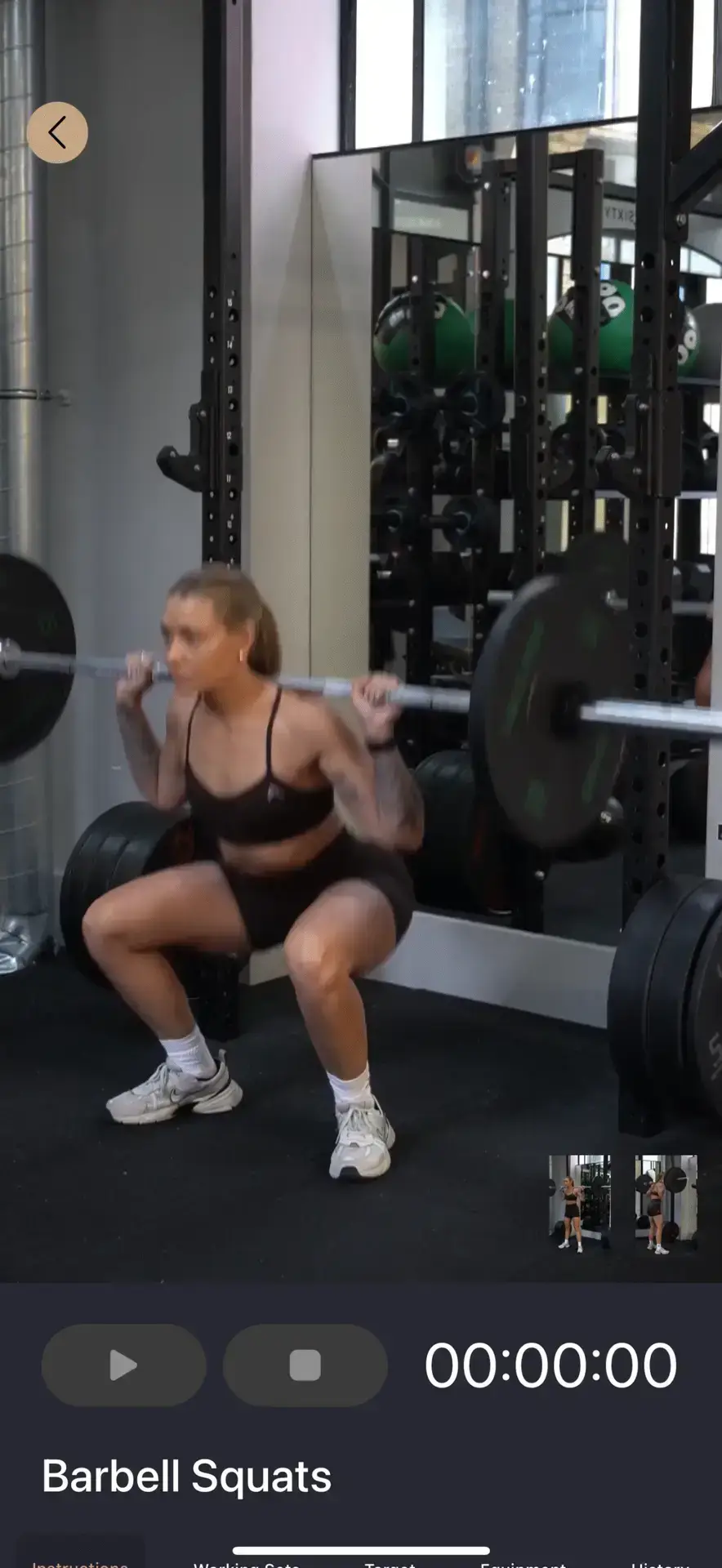
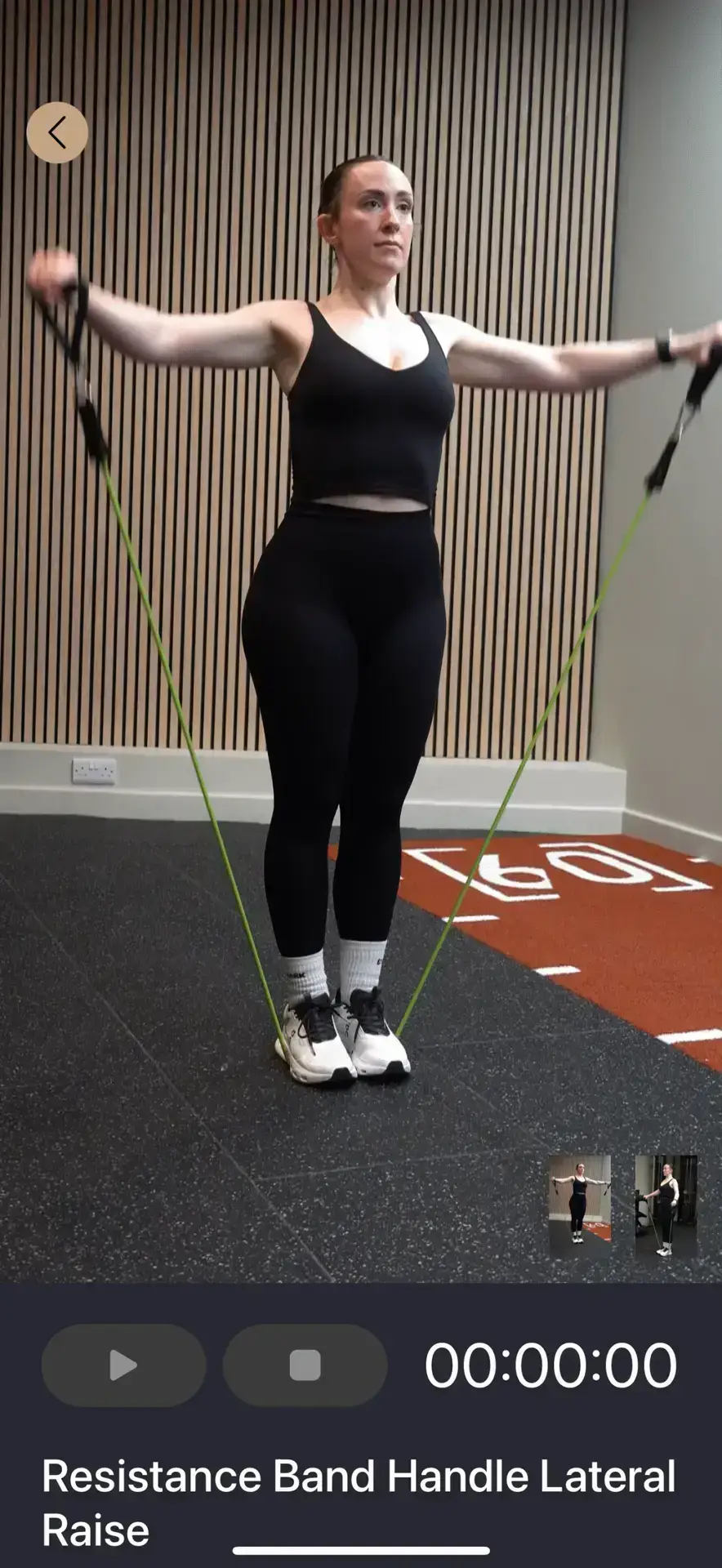
If you want sessions set out for you, 12REPS builds training around your goal, your equipment and the time you have. You can also use the body map to pick glutes or legs, choose your equipment and time, and get a session built for you. Every exercise has a trainer demonstration, and the app remembers what you lifted last time.
Sources
- Adult Activity: An Overview. Centers for Disease Control and Prevention (CDC), 2023. https://www.cdc.gov/physical-activity-basics/guidelines/adults.html
- Muscle strength gains per week are higher in the lower-body than the upper-body in resistance training experienced healthy young women: A systematic review with meta-analysis. Jung R, et al. PLOS ONE, 2023. https://doi.org/10.1371/journal.pone.0284216
- Dose-response relationship between weekly resistance training volume and increases in muscle mass: A systematic review and meta-analysis. Schoenfeld BJ, Ogborn D, Krieger JW. Journal of Sports Sciences, 2017. https://doi.org/10.1080/02640414.2016.1210197
- Back squat vs. hip thrust resistance-training programs in well-trained women. Barbalho M, et al. International Journal of Sports Medicine, 2020. https://pubmed.ncbi.nlm.nih.gov/31975359/