Gym workout
About 30 minBarbell, cables and machines
- Barbell military press3 × 6–8
- Seated dumbbell shoulder press3 × 8–12
- Dumbbell lateral raise3 × 12–15
- Pec deck reverse fly3 × 12–15
- Cable rope face pull2 × 12–15

Free workout
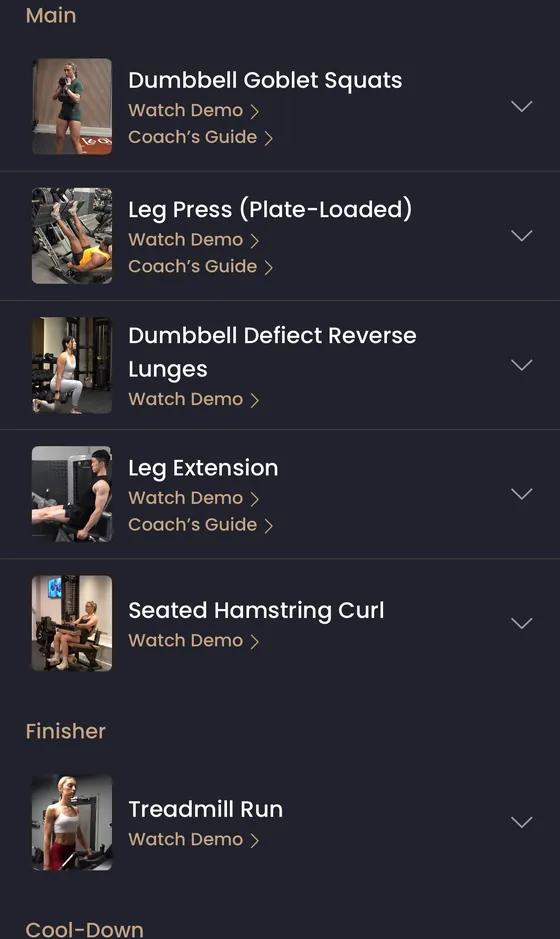
Most people press and stop there. This free shoulder workout trains all three parts of your shoulders, the front, side and rear, with a gym version and a dumbbell version. Every exercise has sets, reps and a demo from a qualified personal trainer.
Jump to the workoutHow your shoulders work
Your deltoid has three parts, and each one moves your arm in a different direction. That’s why this workout uses a press, a raise and a pulling move. On volume, a review found a graded link between weekly sets and muscle growth, with the biggest gains at 10 or more sets per muscle each week (Schoenfeld et al., 2017). Training a muscle at least twice a week also beat once a week (Schoenfeld et al., 2016).
The workout
Warm up with one or two light sets of the first exercise. Rest about two minutes after presses and about a minute after raises. Pick a weight that leaves you one to three reps short of failure. Tap an exercise to watch how to do it.
Some demos use a Swiss ball. A bench with a back rest works just as well and is easier to balance on. No kettlebell? Do the single-arm press with a dumbbell. Want to know whether to sit or stand? Read seated vs standing shoulder press. For more on the rear delts, see how to do reverse flys.
Get it right
Your week
Do this workout once or twice a week. Chest presses also work the front of your shoulders, and rows and pulldowns work the rear, so they all count toward your weekly sets.
Leave at least a day between hard shoulder sessions. Pairing it with an upper body or push day works well.
How to progress
Start with a weight you can lift for the bottom of the rep range with two or three reps left. Add a rep each session. When you hit the top of the range on every set, go up to the next weight.
For lateral raises, even a 1 kg or 2 lb jump can feel big, so stay at the top of the range for an extra week or slow down the lowering before you move up. The progressive overload calculator can help you plan your next step.
Example: seated dumbbell press, 3 × 8–12
Illustration only. Your starting weight will be different.
Follow it in 12REPS
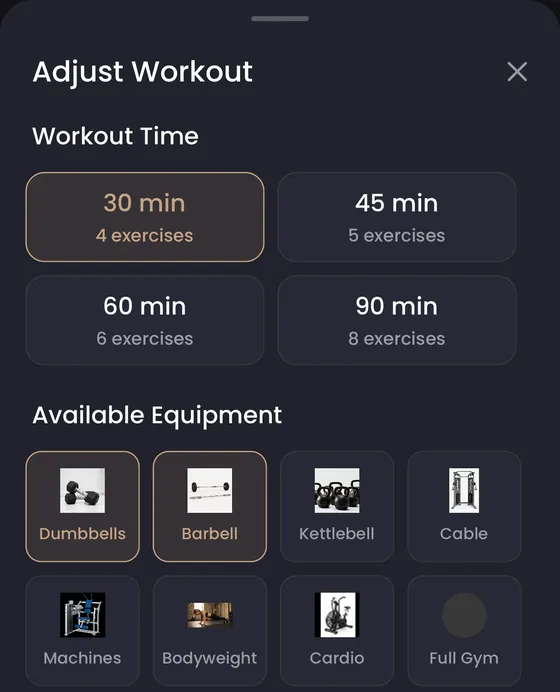
Choose 30, 45, 60 or 90 minutes and tell 12REPS what you have, from dumbbells to a full gym.
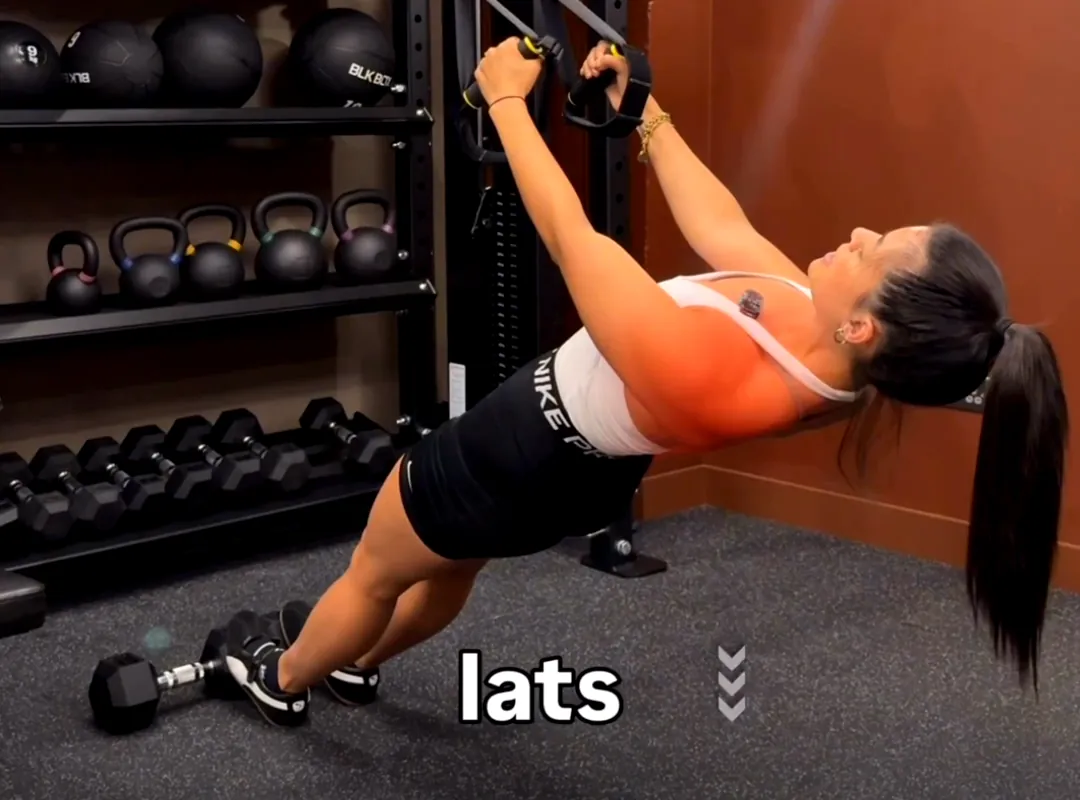
Every exercise has a demonstration and technique guide from a qualified personal trainer.
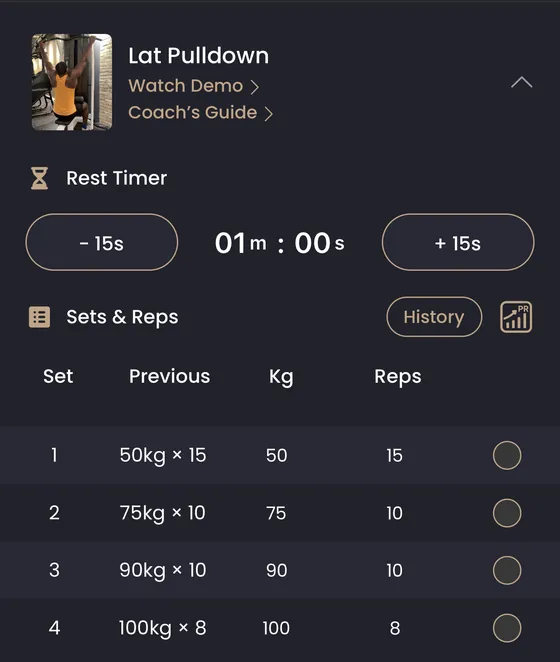
12REPS shows what you lifted last session, with a rest timer built in, so you always know your next target.
Questions
Once or twice a week works for most people. Training a muscle at least twice a week led to more growth than once a week in a review of the research (Schoenfeld et al., 2016). Your shoulders also get work from chest presses and back exercises.
Aim for 10 or more hard sets a week across the three parts, counting presses and rows. A review found 10 or more weekly sets per muscle led to more growth than fewer sets (Schoenfeld et al., 2017). If you’re new, start lower and build up.
Yes. The dumbbell workout above trains all three parts with dumbbells and a band. For a full plan built around dumbbells, see our dumbbell workout plan.
Not always. The front of your shoulders already works hard in presses. Front raises are optional extra work, which is why they’re in the dumbbell workout but not the gym one.
Common causes are pressing too heavy, flaring your elbows straight out, or arching your back. Lower the weight, bring your elbows slightly forward, and brace your stomach. If the pain doesn’t settle, see a physiotherapist.
Download 12REPS and your next workout is ready.
Written by Will Duru, BSc (Hons) Sport & Exercise Science, personal trainer and founder of 12REPS. This workout is general guidance for healthy adults. If you have an injury or a medical condition, speak to your doctor or a physiotherapist before starting.