
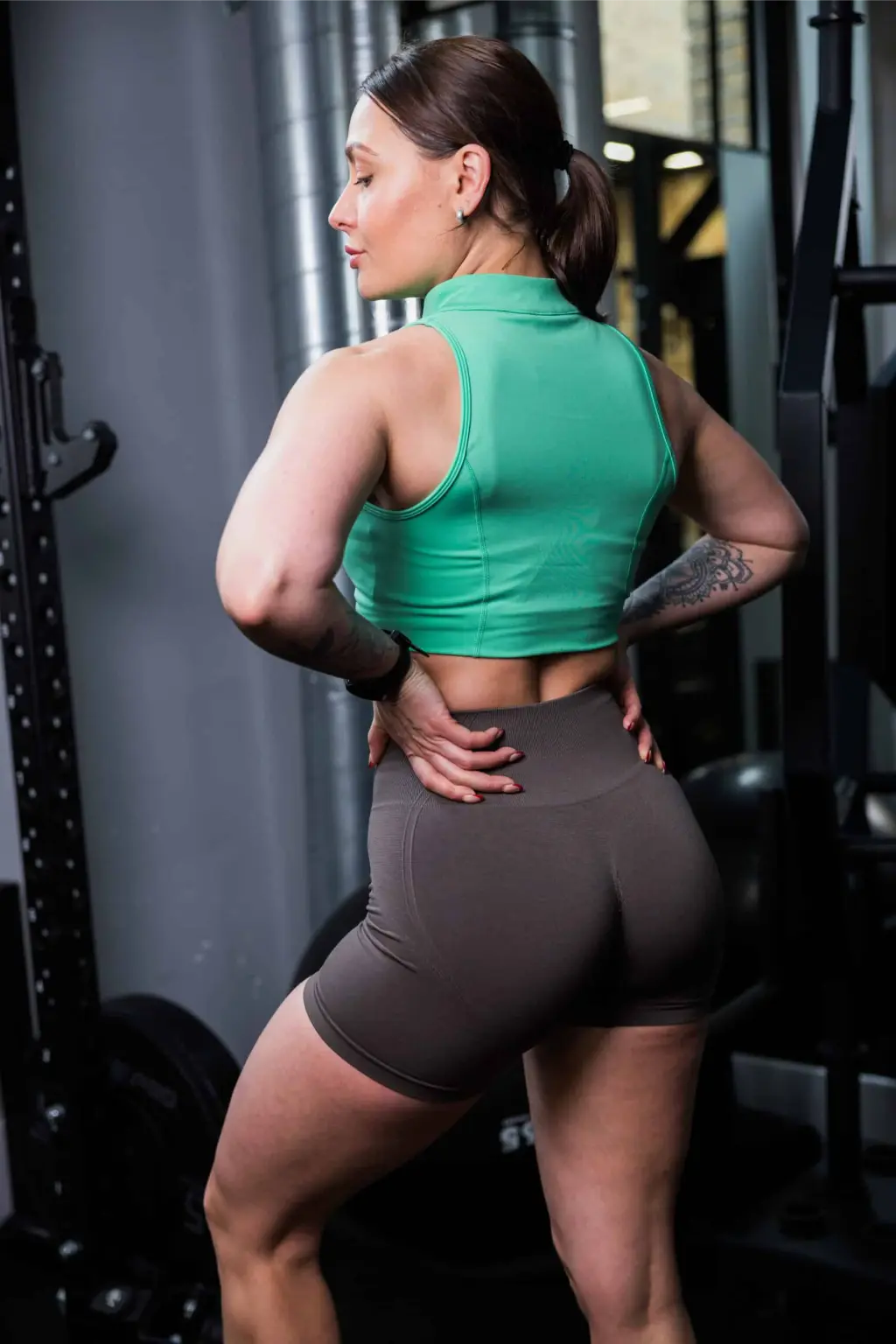



How often should you train glutes? For most women, two to three times a week works well, and some experienced lifters do well with four. The number of days matters less than your total weekly glute sets, how hard those sets are, and whether you recover between sessions. When weekly volume is the same, research finds that training a muscle more or less often leads to similar growth.
Social media makes this confusing. One person trains glutes six days a week, another once, and someone else swears by daily activation drills. Gym members often ask me which is right. The honest answer is a range, plus a few factors that decide where you sit in it.
This guide is only about glutes. For your whole body, see how many days a week women should strength train and how many times a week to work out.
How often should you train glutes? The short answer
| Your experience | Glute sessions per week | Why |
|---|---|---|
| Beginner (under about 6 months) | 2 | Enough to learn the lifts and progress, with time to recover from new soreness |
| Intermediate (about 6 to 18 months) | 2 to 3 | Lets you spread more weekly sets without cramming them into one day |
| Experienced (18 months or more) | 3 to 4 | Useful when your weekly volume is high and needs spreading out |
Very few people need five or six glute sessions a week. Your best number also depends on:
- how many hard sets you do each week.
- which exercises you choose.
- your sleep, stress, food and other training.
- how you personally respond and recover.
What research says about training frequency
Most frequency advice comes from two research reviews. A 2016 meta-analysis found that training a muscle twice a week led to more growth than once a week. A 2019 follow-up of 25 studies found that when weekly sets were matched, training more or less often made little difference. Our guide to how often to lift for muscle growth covers this research in more depth.
These reviews looked at muscles in general, not glutes alone. For glutes, the practical point is how you spread the work. Twelve glute sets split over two or three days usually means fresher legs and cleaner reps than all 12 in one session.
Exercise choice changes how often you can train
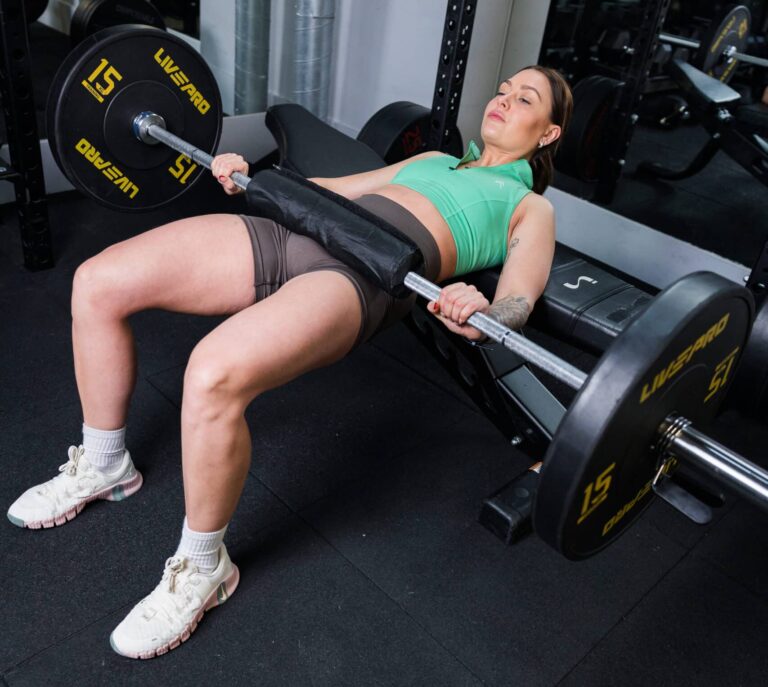
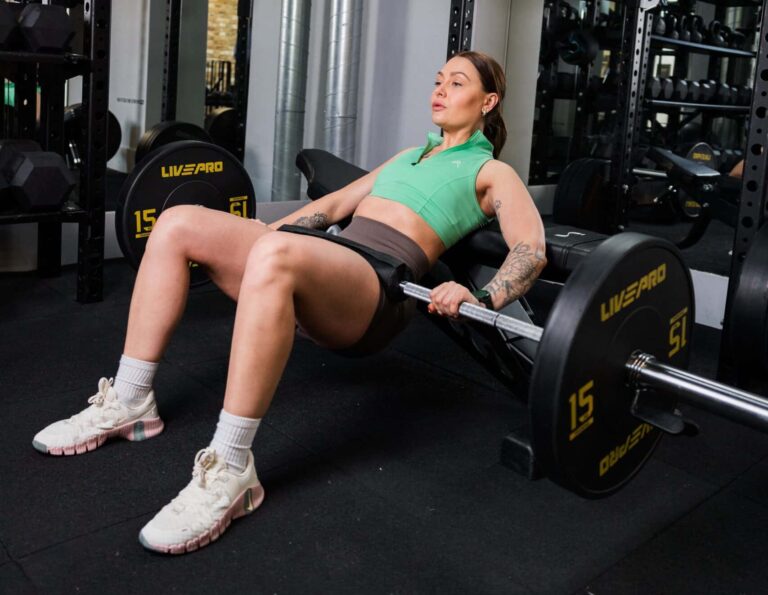
Not every glute exercise leaves you equally tired. Heavy hip thrusts taken close to failure can leave you sore for days. A set of banded glute bridges usually doesn’t. In my coaching, I group them like this.
Heavy lifts that stretch the glutes
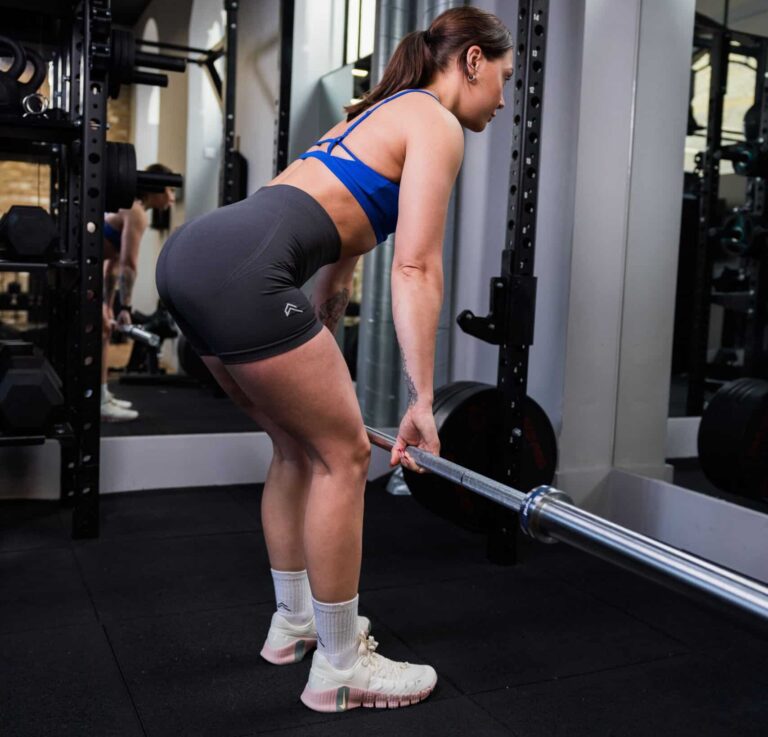
Heavy hip thrusts, Romanian deadlifts, Bulgarian split squats, deep squats and sumo deadlifts. These tend to cause the most soreness. I usually leave a few days before the next heavy glute session.
Moderate lifts
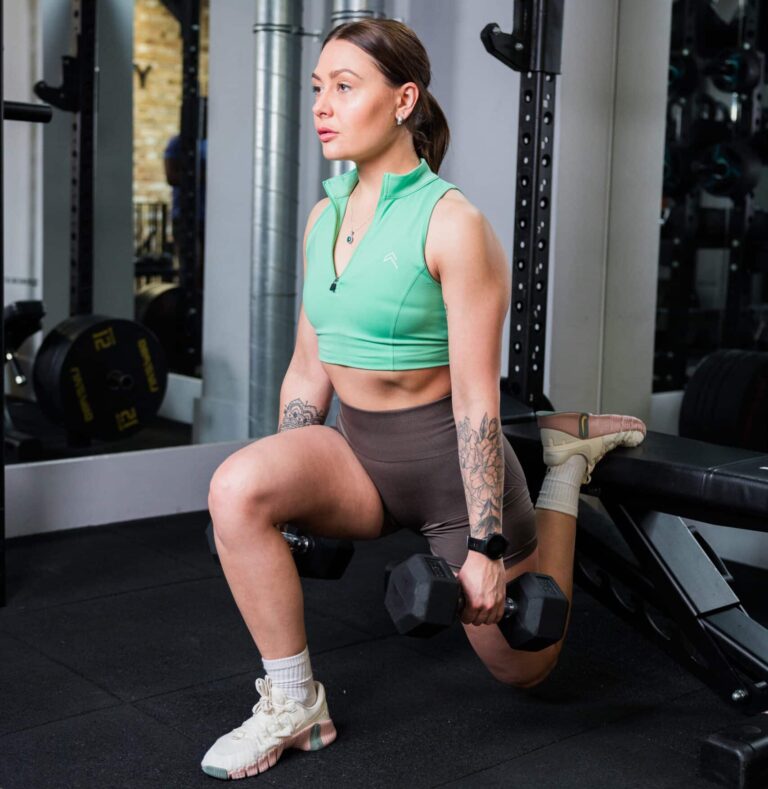
Goblet squats, lunges, step-ups, cable pull-throughs and moderate glute bridges. These are a useful middle option between heavy days.
Lighter band and cable work
Banded glute bridges, cable kickbacks, band walks and fire hydrants. These are much less tiring, so they can go on days close to a heavy session.
Three heavy hip thrust sessions in one week is hard to recover from. One heavy day plus lighter days often adds up to more useful work.
Video: How to do a barbell hip thrust. Watch the setup and lockout before your next heavy glute day.
Weekly sets matter more than the number of days
Before you change your frequency, count your weekly glute sets. A set counts if it’s a hard set of an exercise that trains your glutes.
A 2017 meta-analysis found a dose-response link: more weekly sets led to more muscle growth. Groups doing 10 or more sets per muscle per week showed a trend toward more growth than lower volumes, though that result was not statistically clear.
Squats count as glute work too. In a 2023 trial of untrained young adults, mostly women, nine weeks of hip thrusts or back squats led to similar glute growth. The squat group also grew more in the thighs.
Here are two ways to do the same 12 weekly sets:
- Two sessions: Monday, 6 sets (hip thrusts and Romanian deadlifts). Thursday, 6 sets (Bulgarian split squats and glute bridges).
- Three sessions: Monday, 4 sets (hip thrusts and squats). Wednesday, 4 sets (lunges and step-ups). Friday, 4 sets (Romanian deadlifts and glute bridges).
Both can work well. What tends not to work is cramming 20 sets into one session. The later sets get sloppy and the fatigue lingers.
If you’re only doing 6 glute sets a week, fix the volume before you worry about the number of days.
Recovery: your life outside the gym matters
Two women can follow the same plan and recover very differently. Things that can slow your recovery:
- Short or poor sleep. If you’re sleeping badly, fewer glute sessions may serve you better.
- High stress. Work, family and money stress all add to your overall load.
- Too little protein. See our guide to how much protein women need for strength training.
- Lots of other hard training. Running, classes or heavy leg days all draw on the same recovery.
- A big calorie deficit. You can keep training while dieting, but progress usually slows.
Be honest about your week. If life is busy, two well-planned glute sessions beat four rushed ones. Our guide to rest days for women who strength train explains why recovery days matter.
Video: How to do Romanian deadlifts. The RDL is one of the heavier glute lifts, so form matters most on tired days.
Do you need daily glute activation?
No. Some coaches suggest 15 minutes of band work every day to “switch on” your glutes. If you already train glutes two to four times a week with enough effort, you don’t need it.
A muscle lighting up on a sensor doesn’t tell you much about how it will grow. In the 2023 hip thrust and squat trial, short-term muscle activation readings did not reliably predict which group’s glutes would grow more.
A few light band sets in your warm-up are fine if you enjoy them. Just don’t count on them to replace hard training. If you have pain or an injury, get advice from a physiotherapist rather than adding daily drills on your own.
Progressive overload matters most
Frequency only helps if your training moves forward. You could train glutes six times a week, but if you lift the same weight for the same reps every month, they won’t change much.
Twice a week with steady progress, adding weight, reps or sets over time, will do far more. Our guide to progressive overload shows how.
Put your effort in this order:
- Progressive overload over time.
- Enough weekly sets.
- Good exercise choice.
- A frequency that fits your week.
Find your own number
People differ in how they recover. The simplest way to find your frequency is to test it:
- Train glutes twice a week for 6 to 8 weeks and log your lifts.
- Then try three times a week for 6 to 8 weeks with similar total sets.
- Compare your strength, soreness and energy. Keep the version that worked better.
Sample weekly glute splits
These splits show how heavy, moderate and lighter work fit together. Swap exercises for ones you have access to.
Twice a week (beginners or short on time)
Monday: lower body A
- Hip thrusts: 3 x 8 to 12.
- Romanian deadlifts: 3 x 8 to 12.
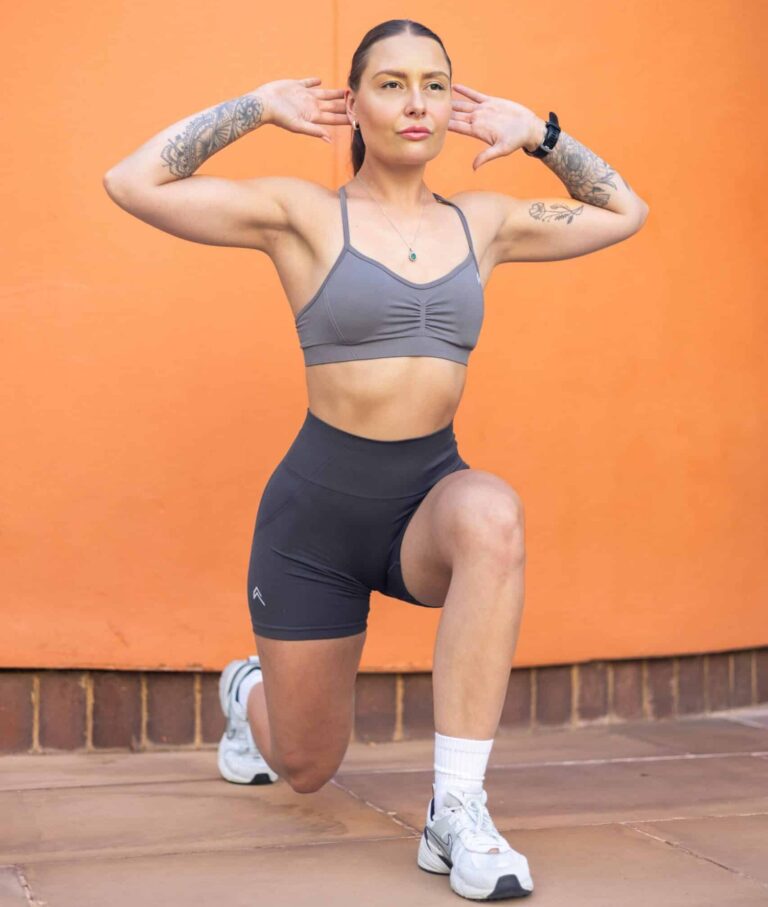
- Walking lunges: 2 x 10 per leg.
Thursday: lower body B
- Bulgarian split squats: 3 x 8 to 10 per leg.
- Glute bridges: 3 x 12 to 15.
- Cable pull-throughs: 2 x 12 to 15.
Total: 16 glute sets a week.
Video: Dumbbell glute bridge. A demo of the glute bridge in the Thursday session, with a dumbbell across the hips for extra load.
Three times a week (intermediate)
Monday: heavy lower body
- Hip thrusts: 4 x 6 to 10.
- Back squats: 3 x 8 to 12.
- Romanian deadlifts: 3 x 8 to 12.
Wednesday: accessory work
- Walking lunges: 3 x 10 per leg.
- Single-leg glute bridges: 3 x 12 per leg.
- Cable kickbacks: 2 x 15 per leg.
Friday: moderate lower body
- Bulgarian split squats: 3 x 8 to 12 per leg.
- Sumo deadlifts: 3 x 8 to 12.
- Banded glute bridges: 3 x 15 to 20.
Total: 27 glute sets a week. That’s a high volume, best for lifters with some experience.
Four times a week (experienced)
Monday: heavy
- Hip thrusts: 4 x 5 to 8.
- Romanian deadlifts: 3 x 6 to 10.
Tuesday: light
- Banded glute bridges: 3 x 20.
- Cable kickbacks: 3 x 15 per leg.
Thursday: moderate
- Bulgarian split squats: 3 x 8 to 12 per leg.
- Walking lunges: 3 x 10 per leg.
Saturday: light
- Glute bridges: 3 x 15 to 20.
- Fire hydrants: 2 x 15 per leg.
- Band walks: 2 x 20 steps.
Total: 26 glute sets a week. Only one day is heavy, so the extra sessions stay manageable.
Video: Resistance band crab walk. A demo of the band walk in the Saturday session, showing how to keep tension on the band with each step.
Training glutes partly at home? See how to split glute training between the gym and home.
Signs you're training glutes too often
- Your lifts are going down. If your hip thrust weight keeps dropping week to week, you may not be recovering.
- You’re always sore. Some soreness for a day or two is normal. Constant, heavy soreness is not.
- Your sleep or mood gets worse. Poor sleep and low motivation can be signs your overall load is too high.
- You’ve stalled. No progress over 4 to 6 weeks, despite good food and effort, can mean too much frequency or too little volume.
More sessions only help if you can recover from them.
Signs you could train glutes more often
- You’re rarely sore 48 hours after a session.
- You’re adding weight or reps most sessions.
- You feel fresh and your energy is good.
- You’re sleeping well and your stress is manageable.
If you train glutes twice a week, recover well and keep progressing, trying a third session is a sensible next step.
How 12REPS helps you plan glute training
Getting your glute frequency right means knowing what you did last session and whether you’re still progressing.
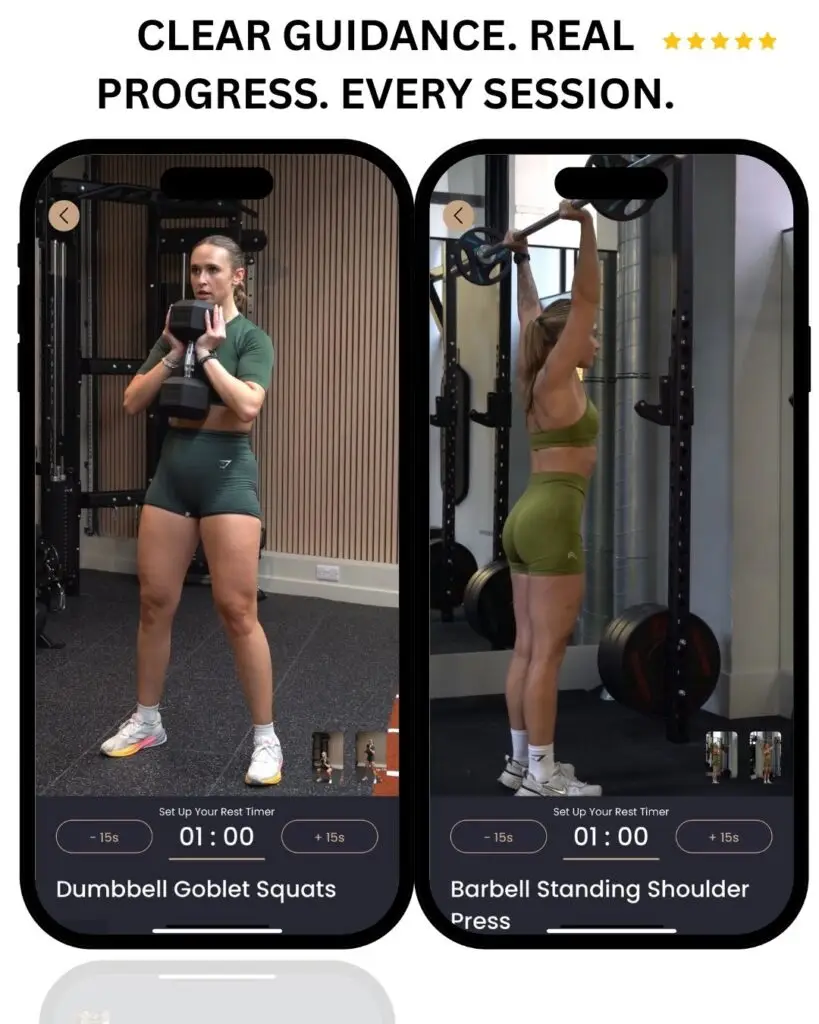
With 12REPS, you can pick glutes on the body map, choose your equipment and time, and the app builds a session for you. Each exercise comes with a trainer demonstration. You log your weight and reps for every set, and the app remembers them. That way you can see whether your hip thrust is moving up or stalling before you add or drop a session.
The bottom line
Most women should train glutes two to three times a week, and some experienced lifters do well with four. Your best number depends on:
- your experience.
- your weekly sets.
- how many heavy, stretching lifts you do.
- your sleep, stress, food and other training.
Get progressive overload and weekly volume right first. Then pick the frequency that fits your week and lets you recover.
Want exercise ideas? Read our glute workout for women at the gym and our guide to building rounder glutes.
Sources
- Effects of resistance training frequency on measures of muscle hypertrophy: a systematic review and meta-analysis. Schoenfeld BJ, Ogborn D, Krieger JW. Sports Medicine, 2016. https://pubmed.ncbi.nlm.nih.gov/27102172/
- How many times per week should a muscle be trained to maximize muscle hypertrophy? A systematic review and meta-analysis of studies examining the effects of resistance training frequency. Schoenfeld BJ, Grgic J, Krieger J. Journal of Sports Sciences, 2019. https://doi.org/10.1080/02640414.2018.1555906
- Dose-response relationship between weekly resistance training volume and increases in muscle mass: a systematic review and meta-analysis. Schoenfeld BJ, Ogborn D, Krieger JW. Journal of Sports Sciences, 2017. https://doi.org/10.1080/02640414.2016.1210197
- Hip thrust and back squat training elicit similar gluteus muscle hypertrophy and transfer similarly to the deadlift. Plotkin DL et al. Frontiers in Physiology, 2023. https://doi.org/10.3389/fphys.2023.1279170

