

You cancelled your gym membership months ago. Maybe it was too expensive. Maybe you couldn’t justify the 20-minute commute each way. Maybe you just hated the crowds.
But you still want to build muscle, get stronger, look athletic.
Scrolling through fitness content, every programme assumes you have a full commercial gym, barbells, squat racks, cable machines, the works.
You have a spare room, maybe some dumbbells, possibly a pull-up bar. That’s it.
You wonder: “Can I actually build serious muscle training at home with limited equipment?”
The truth: Yes—absolutely—but only if you understand how to progress bodyweight and minimal equipment exercises systematically.
I’m Will Duru, a personal trainer with 10+ years’ experience in London. I’ve coached dozens of clients who built impressive physiques training at home, some with full home gyms, many with just bodyweight and basic dumbbells.
What I’ve learned: Home training requires different programming than gym training. But with intelligent exercise selection, progressive overload, and proper structure, you can build just as much muscle at home as in a commercial gym.
What You Can Actually Achieve Training at Home
The Honest Truth About Home Training
What home training CAN do:
- Build significant muscle mass (10-15kg over 1-2 years)
- Increase strength dramatically (double or triple bodyweight on push-ups, squats, rows)
- Transform body composition (lose 15-20kg fat whilst building muscle)
- Develop athletic physique comparable to gym trainers
What home training CAN’T do (without extensive equipment):
- Absolute strength maximisation (300kg+ deadlifts require proper equipment)
- Professional bodybuilder-level mass (that requires gym equipment AND genetics AND often PEDs)
- Powerlifting competition performance (needs competition-standard barbell/plates)
Will’s home training reality: “Client David trains exclusively at home with dumbbells to 30kg, pull-up bar, resistance bands. Two years: gained 11kg muscle, lost 14kg fat, bench press (using dumbbells) 32kg each hand × 8 reps, pull-ups bodyweight +20kg × 8 reps. Physique genuinely impressive—most people assume he trains at commercial gym.”
The key difference: Home training focuses on progressive calisthenics (bodyweight progressions) and creative loading (making lighter weights harder through tempo, angles, instability). Gym training focuses on linear weight progression (just adding plates to barbell).
Both work. Home training just requires more creativity.
The 3 Home Training Setups (What Equipment You Need)
Setup 1: Bodyweight Only (£0-50)
Equipment:
- Nothing (or minimal investment: pull-up bar £20-40)
- Your bodyweight
- Creative use of furniture (sturdy chair, table edge for rows)
What you can train:
- Push-ups (all variations)
- Bodyweight squats/lunges/split squats
- Pull-ups/inverted rows (if have bar or table)
- Planks, core work
- Glute bridges, single-leg deadlifts
Muscle building potential: High (especially beginners) Progression method: Increase reps, harder variations, slower tempo, pause reps Best for: Absolute beginners, those with zero budget, travellers
Will’s bodyweight-only client: “Sophie, complete beginner, bodyweight only training at home. Month 1: push-ups on knees × 5 reps. Month 6: full push-ups × 20 reps. Month 12: decline push-ups feet elevated × 15, pull-ups (got bar month 3) × 8 reps. Gained 4kg muscle, lost 9kg fat. Bodyweight only is completely viable for first 12-18 months.”
Setup 2: Basic Home Gym (£100-300)
Equipment:
- Adjustable dumbbells (5-30kg each)
- Pull-up bar or resistance bands
- Optional: adjustable bench
What you can train:
- Everything in Setup 1
- Dumbbell pressing (floor press, shoulder press)
- Dumbbell rows, curls, extensions
- Goblet squats, Romanian deadlifts with dumbbells
- Weighted pull-ups (if have bar)
Muscle building potential: Very high (comparable to commercial gym for first 2-3 years) Progression method:Increase weight, increase reps, harder variations Best for: Most home trainers, serious about results, have modest budget
Will’s basic home gym prescription: “This is my standard recommendation for serious home trainers. Adjustable dumbbells to 30kg, pull-up bar, maybe bench. Covers 90% of what commercial gym provides for muscle building. Client James: 18 months training, gained 8kg muscle with just this setup.”
Setup 3: Full Home Gym (£500-2,000+)
Equipment:
- Power rack with pull-up bar
- Olympic barbell + weight plates (100-200kg)
- Adjustable bench
- Adjustable dumbbells
- Optional: cable system, additional bars
What you can train:
- Literally everything available in commercial gym
- Heavy barbell squats, deadlifts, bench press
- Progressive overload without equipment limitation
Muscle building potential: Maximum (same as commercial gym) Progression method: Standard progressive overload (add weight to barbell) Best for: Serious long-term home trainers, those with space and budget, prefer training alone
Will’s full home gym clients: “Few clients invest this much initially, but those who train consistently 2+ years often upgrade. Eliminates all equipment excuses. But honestly, 80% of muscle growth comes from basic setup, diminishing returns after £300 equipment investment unless you’re advanced.”

The Problem with Generic Home Workout Plans
You Google “home workout plan.” Find a template. Follow it.
Two weeks later, you’ve quit. Why?
Problem 1: No Progressive Overload System for Bodyweight
Generic plan: “Do 3 sets push-ups.”
What happens: Week 1 you do 10, 8, 7 reps. Week 4 you do 15, 13, 12. Week 8… still 15, 13, 12. No progression. Muscle growth stops.
What you need: Systematic progression. When you hit target reps, either add reps, make exercise harder (elevate feet), slow down tempo (3-second lowering), add pause (2-second pause at bottom), or add weight (backpack with books).
Will’s progressive calisthenics rule: “Bodyweight training requires planned progressions. Client doing regular push-ups × 20 reps needs to progress to: decline push-ups, or diamond push-ups, or tempo push-ups (3-0-1), or weighted push-ups. Can’t just do same push-ups forever and expect growth.”
Problem 2: Doesn’t Account for Your Equipment
Generic plan: “Barbell squats 4 sets × 8 reps.”
Your reality: You don’t have a barbell. Now what? Do you just skip legs?
What you need: Exercise database with equivalents. Don’t have barbell for squats? Here are alternatives: goblet squats (dumbbells), Bulgarian split squats (dumbbells), pistol squats (bodyweight), single-leg box squats.
Problem 3: Random Workouts with No Structure
Generic plan: “Monday: push-ups, squats, planks. Tuesday: lunges, rows, burpees. Wednesday: jumping jacks, mountain climbers, bicycle crunches.”
The problem: No logical split. No muscle group frequency. Just random exercises creating general fatigue without optimal muscle stimulus.
What you need: Structured split. Full body 3× weekly, OR upper/lower 4× weekly, OR push/pull/legs if training 5-6× weekly. Organized to hit each muscle group 2-3× weekly for maximum growth.
Problem 4: Doesn’t Scale to Your Level
Generic plan: “Pull-ups 3 sets × 10 reps.”
Your reality: You can’t do a single pull-up yet.
What you need: Progression system. Can’t do pull-up? Start with: inverted rows using table edge, resistance band-assisted pull-ups, negative pull-ups (jump up, lower slowly), OR lat pulldowns if have bands. Then progress systematically to full pull-ups over 8-12 weeks.
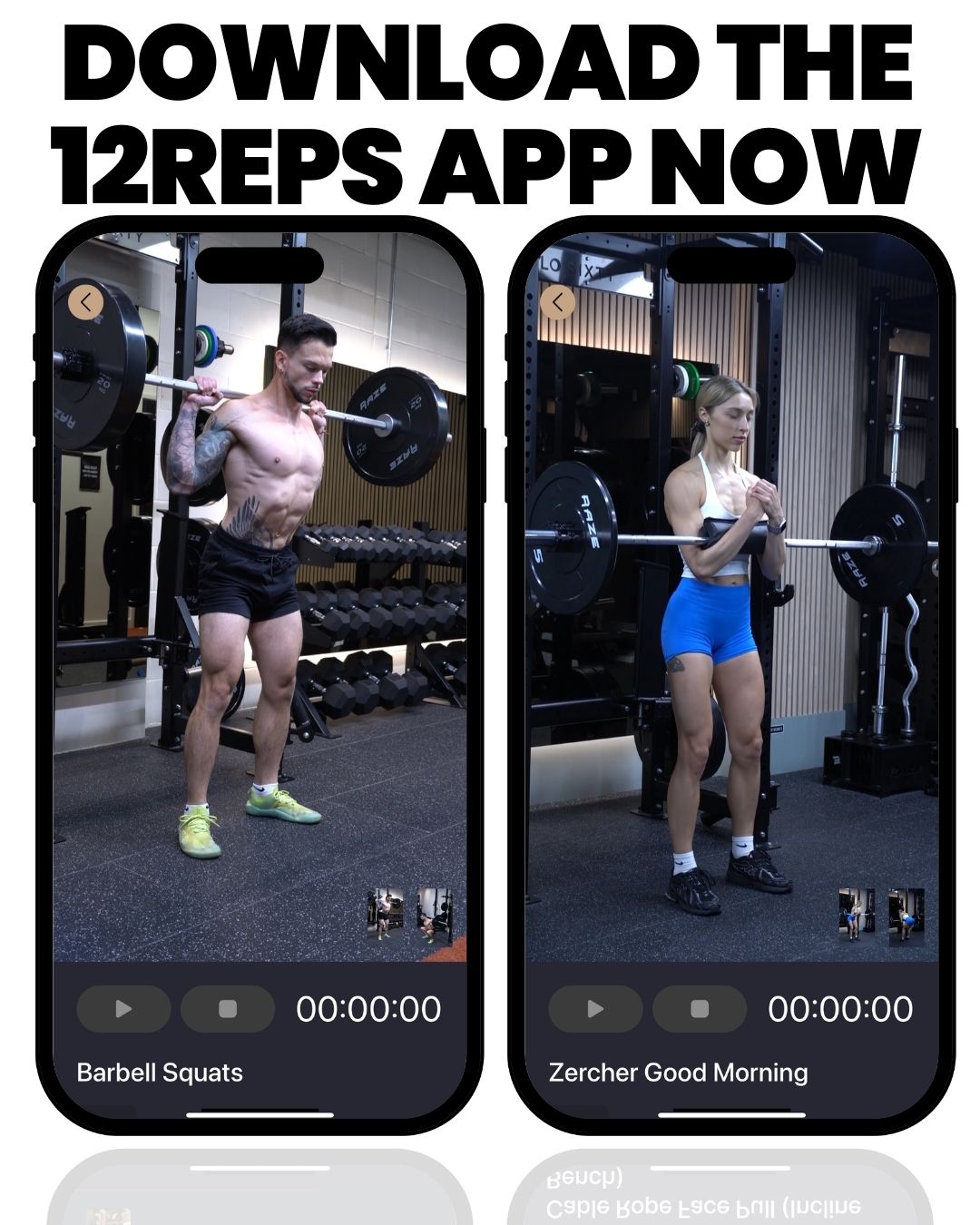
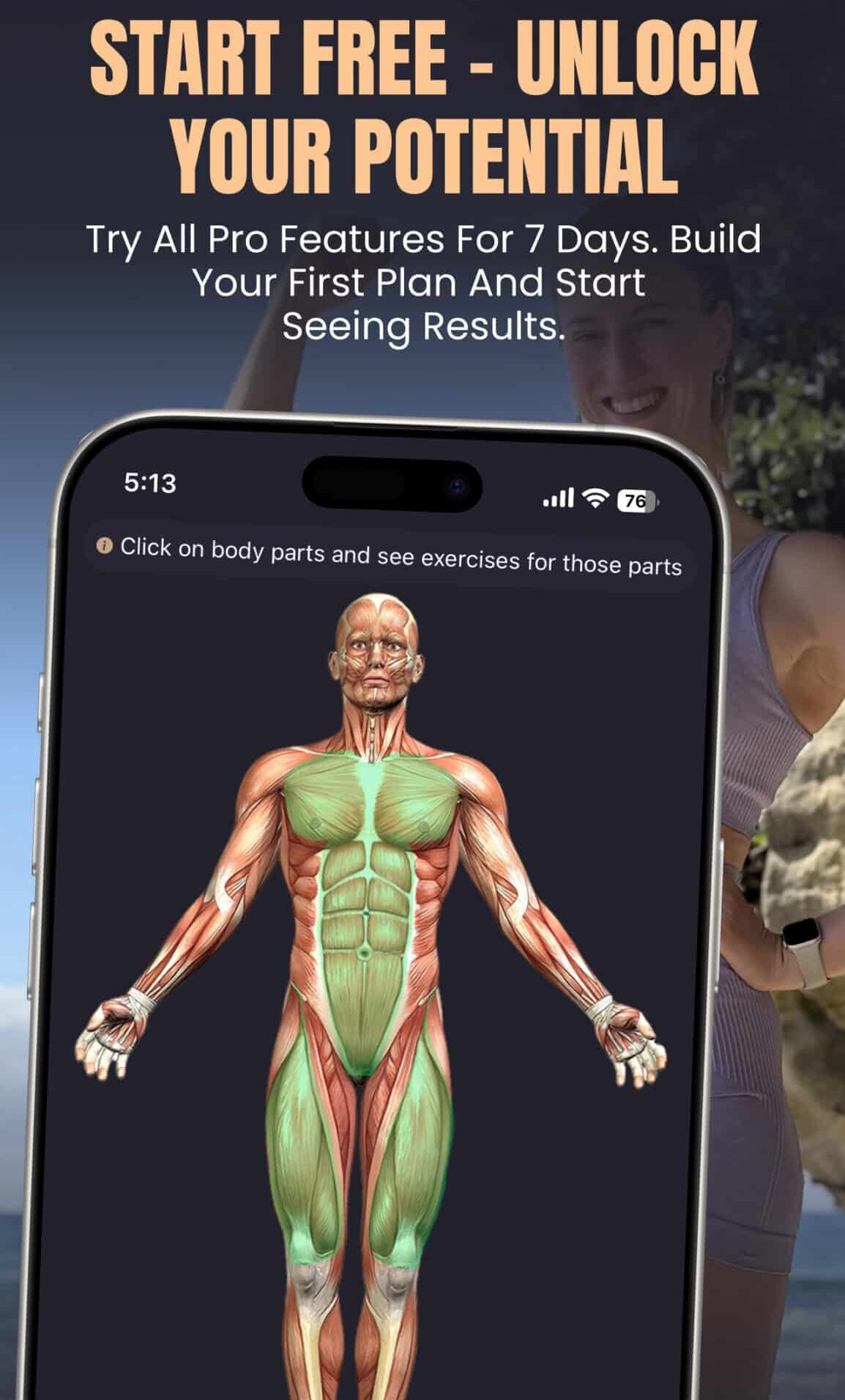
This Is Why 12REPS Solves Every Home Training Problem
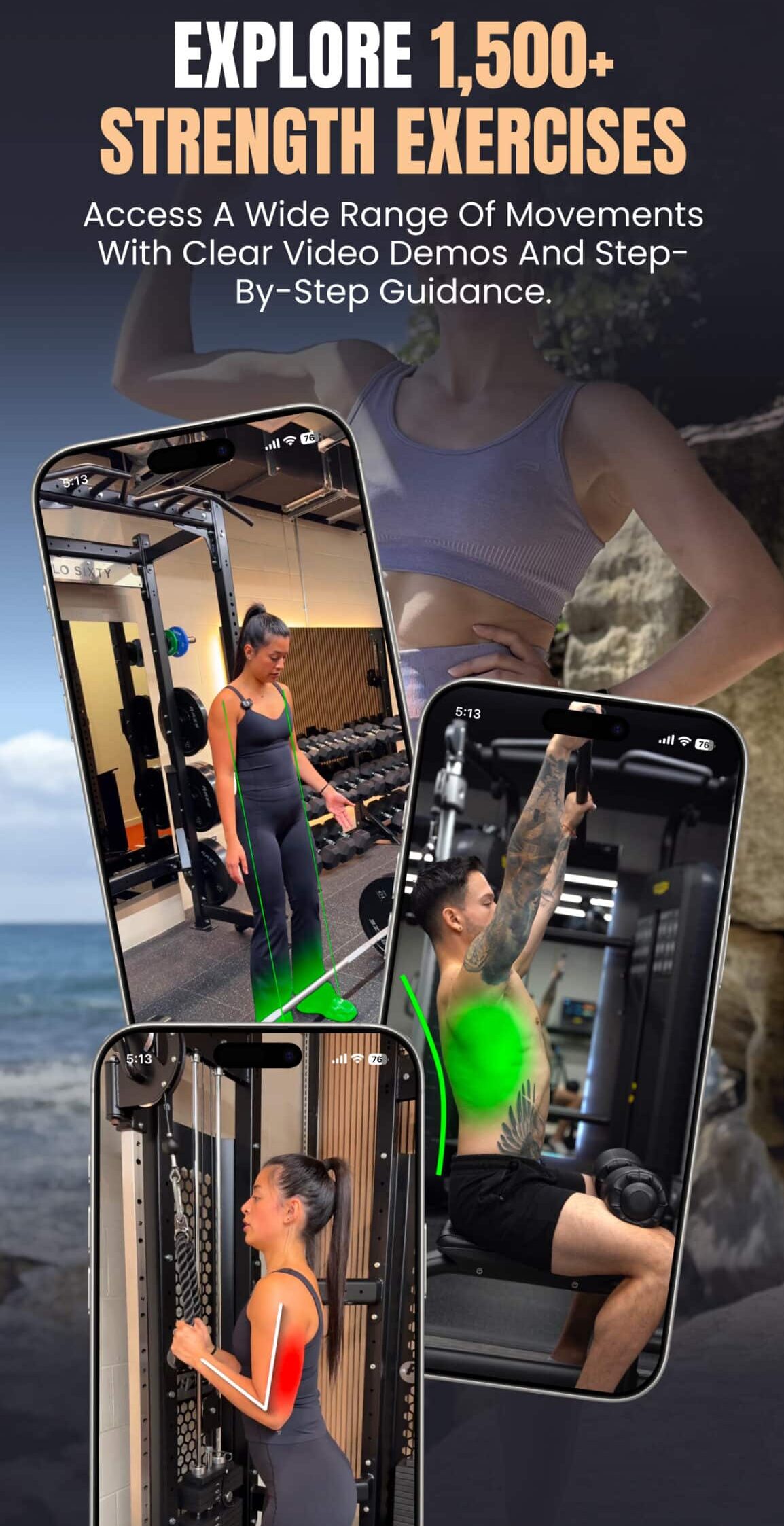
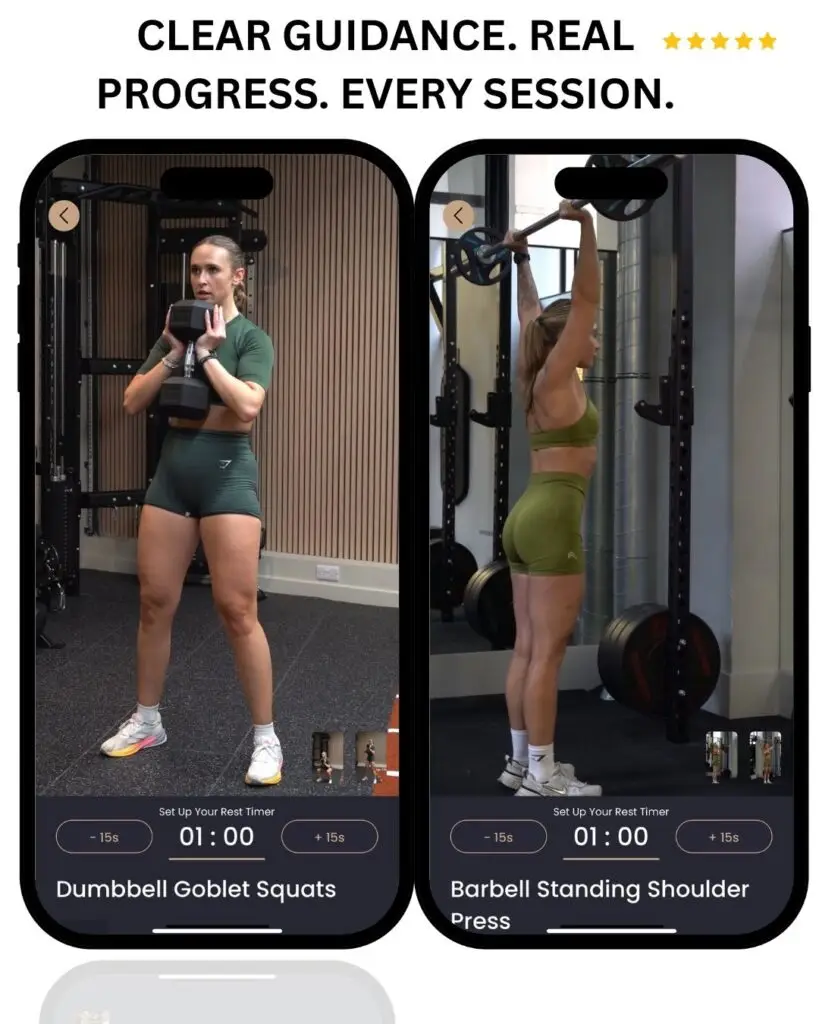
12REPS is specifically designed for home training:
Solution 1: Intelligent Progressive Overload for Bodyweight Exercises
What 12REPS does:
- Tracks your bodyweight exercise performance (reps, tempo, difficulty level)
- Automatically suggests progressions when you hit targets
- Knows dozens of exercise progressions (regular push-ups → decline → diamond → weighted)
- Maintains progressive overload even with bodyweight only
How it works: Week 1, regular push-ups: 12, 10, 8 reps. App notes this. Week 2: targets 12, 11, 10. Week 3: 12, 12, 11. Week 4: you hit 12, 12, 12—app suggests progression to decline push-ups (feet elevated 30cm) starting 8, 7, 6 reps. Progressive overload continues indefinitely.
Will’s bodyweight progression: “This is THE challenge with home training—systematising bodyweight progressions. 12REPS handles it automatically. Knows when to increase reps, when to progress to harder variation, when to add tempo/pauses. No guesswork.”
Solution 2: Adapts to YOUR Equipment
What 12REPS does:
- Asks what equipment you have (bodyweight only, dumbbells to X kg, pull-up bar, bands, bench, barbell)
- Only prescribes exercises you can actually do
- Offers substitutions when preferred equipment unavailable
- Optimises programming for your specific setup
Example: You select “bodyweight + dumbbells to 20kg + pull-up bar.” App prescribes: goblet squats with dumbbells (not barbell squats), dumbbell bench press on floor (not barbell bench with rack), pull-ups (you have bar). Every exercise matches your equipment.
Equipment changes? Updated your setup (bought heavier dumbbells, added bench)? Just update in app—immediately gets harder exercise variations utilising new equipment.
Will’s equipment flexibility: “I programme knowing most home trainers have limited equipment. 12REPS has bodyweight/dumbbell/band/barbell variations for every movement pattern. Equipment never stops your training.”
Solution 3: Structured Programming That Actually Builds Muscle
What 12REPS provides:
- Proper training split (full body 3×, OR upper/lower 4×, OR PPL 6×)
- Optimal frequency (each muscle 2-3× weekly)
- Balanced volume (push/pull/legs all get adequate stimulus)
- Periodisation (deload weeks built in)
Example programme structure (full body 3× weekly):
- Monday: Squats, push-ups, rows, lunges, shoulder press, core
- Wednesday: Deadlift variation, dips, pull-ups, split squats, curls, core
- Friday: Squats, bench press variation, rows, hip thrusts, overhead press, core
Each muscle group trained 3× weekly with varied exercises, optimal volume, progressive overload.
Will’s home training splits: “Most home trainers do best with full body 3× weekly or upper/lower 4× weekly. Allows higher frequency (each muscle 2-3× weekly) which accelerates growth. 12REPS automatically structures this properly.”
Solution 4: Scales to Your Current Ability
What 12REPS does:
- Assesses your current ability level (can you do push-ups? how many pull-ups?)
- Starts you at appropriate difficulty
- Progresses systematically as you get stronger
- Never prescribes exercises you can’t do yet
Example: Assessment reveals you can do 8 push-ups but zero pull-ups. Week 1, app prescribes: push-ups 3 sets (starting point 8, 7, 6 reps), inverted rows using table edge 3 sets (regression from pull-ups). After 6 weeks, you’ve progressed to: push-ups 3 sets × 15 reps, band-assisted pull-ups 3 sets × 8 reps. After 12 weeks: decline push-ups × 12, full pull-ups × 5. Progression is systematic, never overwhelming.
Will’s ability-based progression: “Can’t do an exercise yet? We start with regression, progress systematically. Client couldn’t do single pull-up. Started inverted rows, progressed to negative pull-ups, then band-assisted, then full pull-ups. Twelve weeks total. App handles this progression automatically.”
Your 12REPS Home Training Journey (What to Expect)
Months 1-2: Learning Phase (Bodyweight or Basic Equipment)
What’s happening:
- Learning proper form on fundamental movements
- Building work capacity
- Getting comfortable with training schedule
- Establishing baseline strength
Typical performance:
- Push-ups: 8 reps → 15 reps (87% increase)
- Bodyweight squats: 15 reps → 25 reps
- Inverted rows (if have bar/table): 6 reps → 12 reps
- Pull-ups (if able): 0 → 3 reps OR 3 → 8 reps
Body composition:
- Weight: Minimal change (maybe -1 to -2kg)
- Muscle: +1 to 1.5kg
- Fat: -2 to -3kg
- Visual: Slight firmness, minimal visible definition
Will’s month 1-2 home client: “Sophie, bodyweight only. Started: push-ups on knees × 5 reps, can’t do pull-up, bodyweight squats × 12. Month 2: full push-ups × 12, band-assisted pull-ups × 5, bodyweight squats × 22. Strength improving rapidly, body composition changing slowly—normal for beginners.”
Months 3-6: Rapid Progress Phase
What’s happening:
- Strength increasing 10-15% monthly
- Progressing to harder exercise variations
- Visible muscle definition appearing
- Fat loss accelerating (if eating at deficit)
Typical performance:
- Push-ups: 15 reps → decline push-ups × 12 OR diamond push-ups × 10
- Goblet squats: 16kg × 12 → 24kg × 12 (if have dumbbells)
- Pull-ups: 3 reps → 8 reps OR bodyweight → +10kg × 5
- Dumbbell rows: 12kg × 12 → 20kg × 12
Body composition:
- Weight: -3 to -6kg (if cutting)
- Muscle: +3 to 4kg
- Fat: -6 to -10kg
- Visual: Shoulder/arm definition visible, legs noticeably more muscular
Will’s month 3-6 client: “David, basic home gym (dumbbells to 30kg, pull-up bar). Month 6: decline push-ups × 15, pull-ups +15kg × 6, goblet squats 30kg × 12, dumbbell rows 26kg × 10. Lost 7kg fat, gained 3.5kg muscle. Colleagues asking if he joined gym—he hasn’t, all home training.”
Months 7-12: Transformation Phase
What’s happening:
- Genuinely muscular physique developing
- Strength levels impressive (advanced calisthenics, heavy dumbbells)
- Body fat percentage significantly lower
- Training feels automatic (habit deeply established)
Typical performance:
- Weighted push-ups: +20kg × 10 reps OR one-arm push-up progressions
- Bulgarian split squats: 24kg dumbbells × 10 each leg
- Pull-ups: +20kg × 8 reps OR one-arm pull-up progressions
- Advanced variations of most exercises
Body composition:
- Weight: -6 to -12kg total (if cutting)
- Muscle: +6 to 8kg
- Fat: -12 to -20kg
- Visual: Athletic physique, muscle definition clear, strength obvious
Will’s year 1 transformation: “Client James, basic home gym. Year 1: bench press 16kg dumbbells × 8 → 30kg × 10, pull-ups bodyweight × 4 → +22kg × 7, goblet squats 20kg → Bulgarian splits 28kg × 8 each leg. Bodyweight 88kg → 80kg. Lost 14kg fat, gained 6kg muscle. From ‘untrained’ to ‘clearly athletic’—all home training.”
Year 2+: Advanced Home Training
What’s happening:
- Mastering advanced calisthenics (muscle-ups, pistol squats, one-arm variations)
- Maximising potential with available equipment
- Refinement focus (proportions, weak points)
- Possibly upgrading equipment for continued progression
Typical performance:
- Muscle-ups, planche progressions, front levers (advanced calisthenics)
- One-arm push-up variations, pistol squats
- Weighted calisthenics with heavy loads (+30kg pull-ups)
- Dumbbell weights maxed out (considering barbell upgrade)
Will’s advanced home client: “Client who’s trained 2+ years at home often hits equipment ceiling. Dumbbells maxed at 30kg, needs heavier resistance for continued leg growth. Options: buy heavier dumbbells, add barbell, OR shift to advanced single-leg work (pistol squats, shrimp squats). Both work—depends on budget and goals.”
Sample 12REPS Home Workout Programme
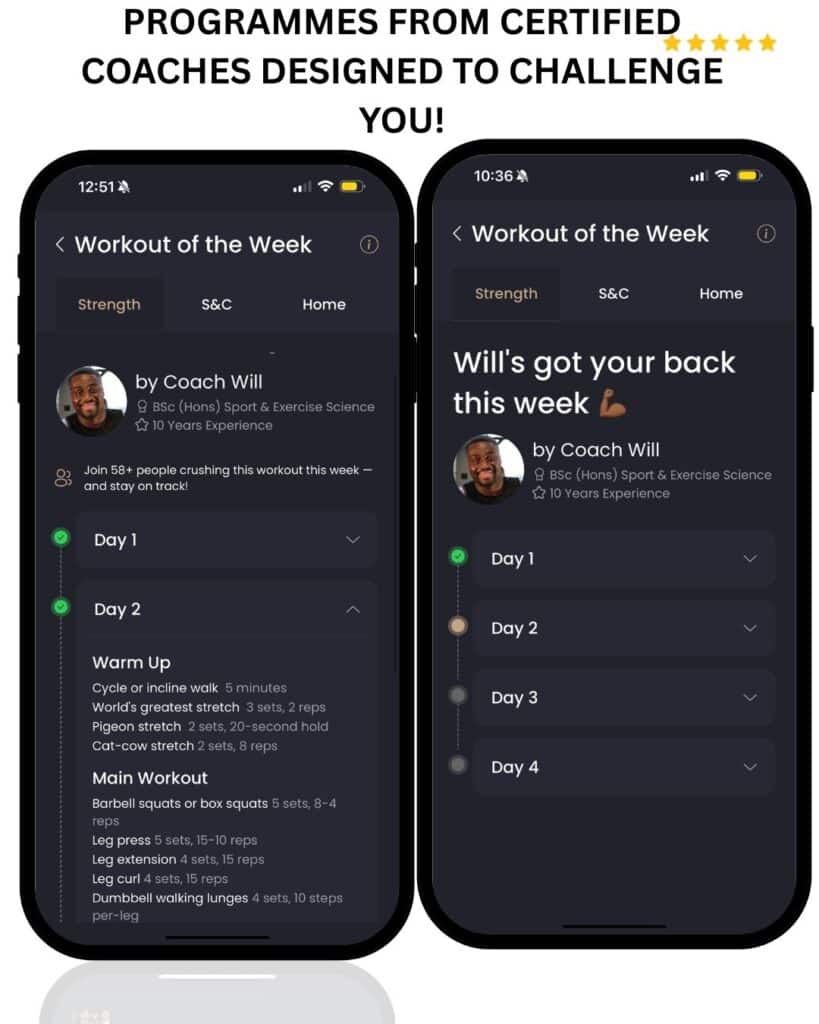
Setup: Bodyweight + Dumbbells to 24kg + Pull-up Bar
Split: Full Body 3× Weekly (Monday/Wednesday/Friday)
Monday – Full Body A:
- Goblet squats: 4 sets × 8-10 reps (24kg dumbbell)
- Push-ups (decline, feet elevated): 3 sets × 10-12 reps
- Pull-ups: 3 sets × 6-8 reps
- Bulgarian split squats: 3 sets × 10 reps each leg (16kg dumbbells)
- Dumbbell shoulder press: 3 sets × 8-10 reps (16kg each)
- Plank: 3 sets × 45-60 seconds
Wednesday – Full Body B:
- Romanian deadlifts: 4 sets × 10-12 reps (24kg dumbbells)
- Dips (using sturdy chairs): 3 sets × 8-10 reps
- Dumbbell rows: 3 sets × 10-12 reps each arm (24kg)
- Reverse lunges: 3 sets × 12 reps each leg (20kg dumbbells)
- Diamond push-ups: 3 sets × 12-15 reps
- Dead bugs: 3 sets × 12 reps each side
Friday – Full Body C:
- Pistol squat progressions: 3 sets × 6 reps each leg (assisted)
- Weighted push-ups: 3 sets × 8-10 reps (+10kg backpack)
- Chin-ups: 3 sets × 6-8 reps
- Single-leg deadlifts: 3 sets × 10 reps each leg (20kg)
- Pike push-ups: 3 sets × 10-12 reps (shoulder focus)
- Hollow body hold: 3 sets × 30-45 seconds
Progressive overload: Each week, 12REPS aims to increase total reps, OR progress to harder variation, OR add weight/tempo challenge.
Will’s home programme philosophy: “This sample hits all major muscle groups 3× weekly, uses equipment efficiently, includes progressions (pistol squat work, weighted push-ups). With systematic progressive overload, this builds serious muscle year 1-2.”
The Bottom Line
You CAN build impressive muscle training at home—IF you have intelligent programming with progressive overload.
Home training reality:
✅ Bodyweight only: Viable for 12-18 months (4-6kg muscle possible)
✅ Basic setup (dumbbells + bar): 2-3 years serious growth (8-12kg muscle)
✅ Full home gym: Unlimited potential (same as commercial gym)
Home training requirements:
✅ Systematic progressive overload (not just random workouts)
✅ Proper training split (full body 3× OR upper/lower 4×)
✅ Exercise progressions (harder variations when too easy)
✅ Intelligent programming that adapts to YOUR equipment
Will’s decade of home training experience:
✅ “Client David, home gym (dumbbells to 30kg, pull-up bar). Two years: gained 11kg muscle, lost 14kg fat. Physique impressive, people assume he trains commercial gym. Home training completely viable”
✅ “Bodyweight only is viable first 12-18 months. Sophie: gained 4kg muscle, lost 9kg fat with zero equipment. But eventually needs resistance (dumbbells/bands) for continued leg growth”
✅ “Basic home gym (adjustable dumbbells to 30kg, pull-up bar, maybe bench) covers 90% of commercial gym muscle-building capacity. Client James: 18 months, gained 8kg muscle with just this setup”
✅ “THE challenge with home training: systematising bodyweight progressions. 12REPS handles automatically, knows when increase reps, when progress to harder variation, when add tempo/pauses”
✅ “Most home trainers do best full body 3× weekly or upper/lower 4× weekly. Allows higher frequency (each muscle 2-3× weekly) which accelerates growth compared to body part splits”
✅ “Client James year 1: bench press 16kg dumbbells × 8 → 30kg × 10, pull-ups +4 → +22kg × 7, bodyweight 88kg → 80kg. Lost 14kg fat, gained 6kg muscle. From untrained to clearly athletic—all home”
Why 12REPS beats generic home plans:
✅ Intelligent progressive overload for bodyweight (automatic exercise progressions)
✅ Adapts to YOUR equipment (only prescribes exercises you can actually do)
✅ Structured programming (proper split, optimal frequency, balanced volume)
✅ Scales to your ability (starts appropriate, progresses systematically)
✅ Will’s 10+ years home training expertise built in
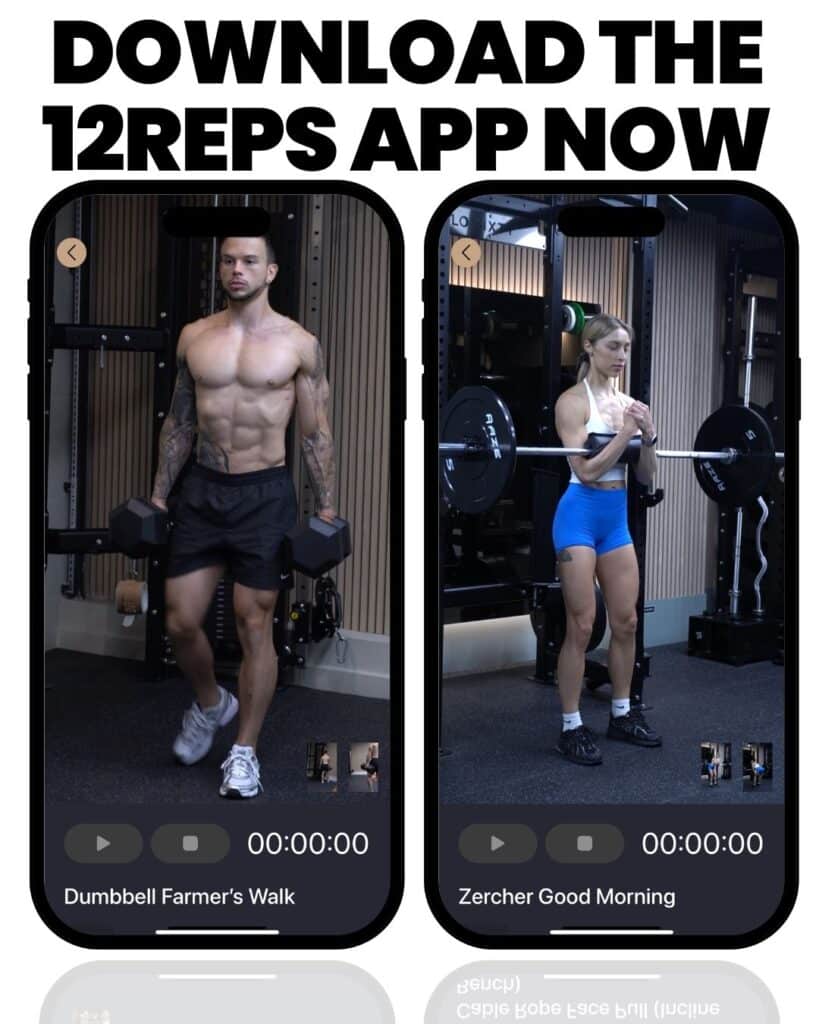
Try 12REPS free for 7 days. Select your equipment (bodyweight only, basic, or full home gym). Get personalised home workout programme with automatic progressive overload. Build serious muscle without commercial gym membership.
Home training works. Stop doing random bodyweight circuits. Get structured progressive overload. Tell 12REPS what equipment you have. Follow intelligent programming. Watch your physique transform whilst saving £50-80 monthly gym fees.
References
- Schoenfeld, B.J., Peterson, M.D., Ogborn, D., et al. (2015). Effects of Low- Versus High-Load Resistance Training on Muscle Strength and Hypertrophy. Journal of Strength and Conditioning Research, 29(10), 2954-2963. https://doi.org/10.1519/JSC.0000000000000958
- Burd, N.A., West, D.W., Staples, A.W., et al. (2010). Low-Load High Volume Resistance Exercise Stimulates Muscle Protein Synthesis More Than High-Load Low Volume. PLOS ONE, 5(8), e12033. https://doi.org/10.1371/journal.pone.0012033
- Mangine, G.T., Hoffman, J.R., Gonzalez, A.M., et al. (2015). The Effect of Training Volume and Intensity on Improvements in Muscular Strength and Size. Physiological Reports, 3(8), e12472. https://doi.org/10.14814/phy2.12472
- Kraemer, W.J., Ratamess, N.A. (2004). Fundamentals of Resistance Training: Progression and Exercise Prescription. Medicine & Science in Sports & Exercise, 36(4), 674-688. https://doi.org/10.1249/01.MSS.0000121945.36635.61