

Written by Will Duru, BSc (Hons) Sport and Exercise Science, award-winning Personal Trainer with over 10 years of experience in strength training and optimising recover
Most runners don’t need to run more. They need a stronger body that can handle the running they already do. That is where strength training changes everything. It helps you produce more force, hold better posture when tired, and reduce the risk of the small injuries that slowly ruin progress.
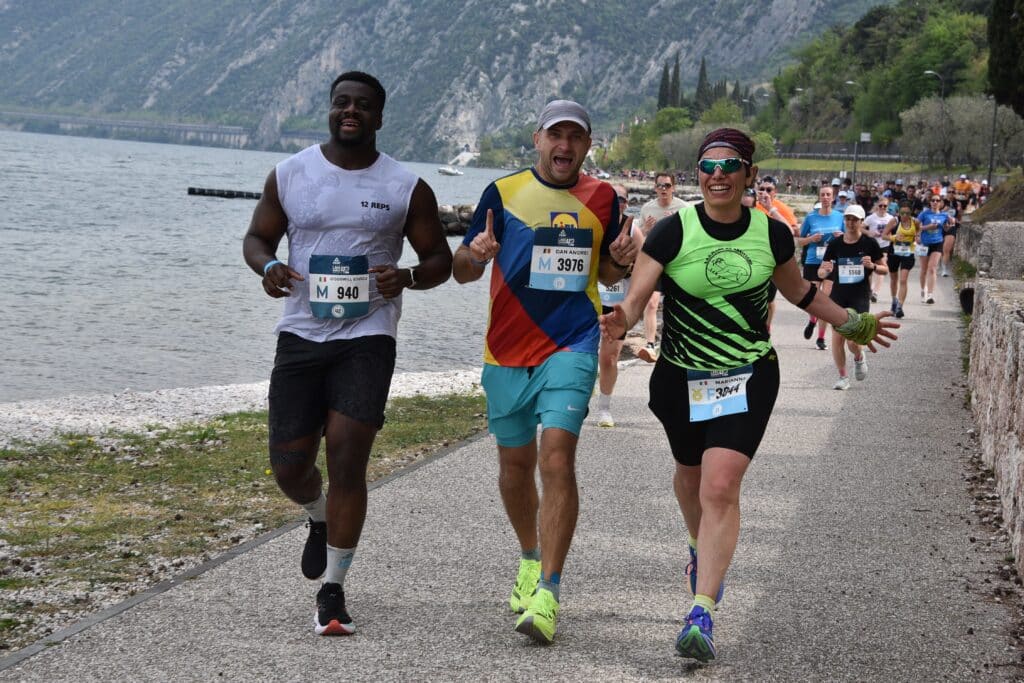
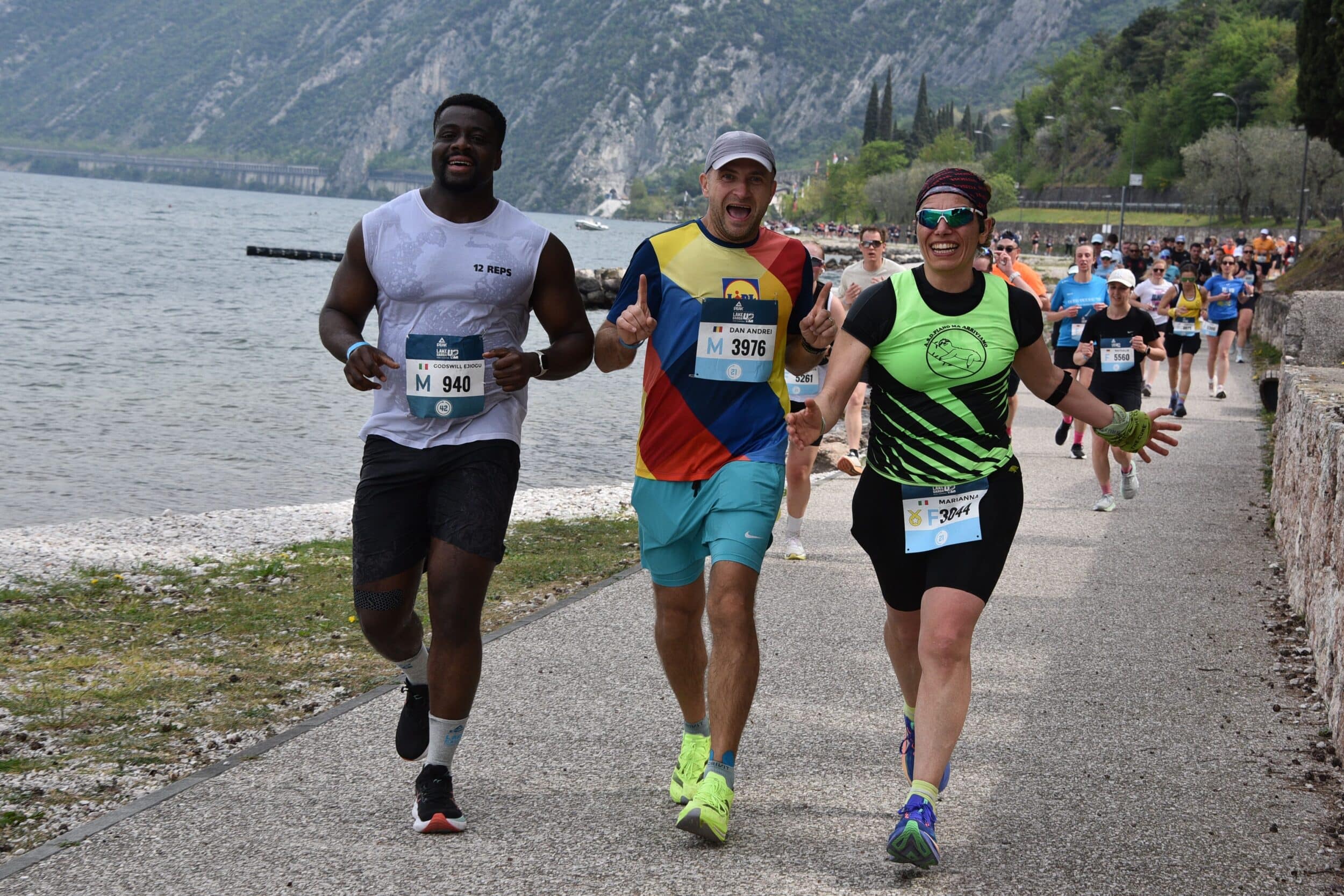
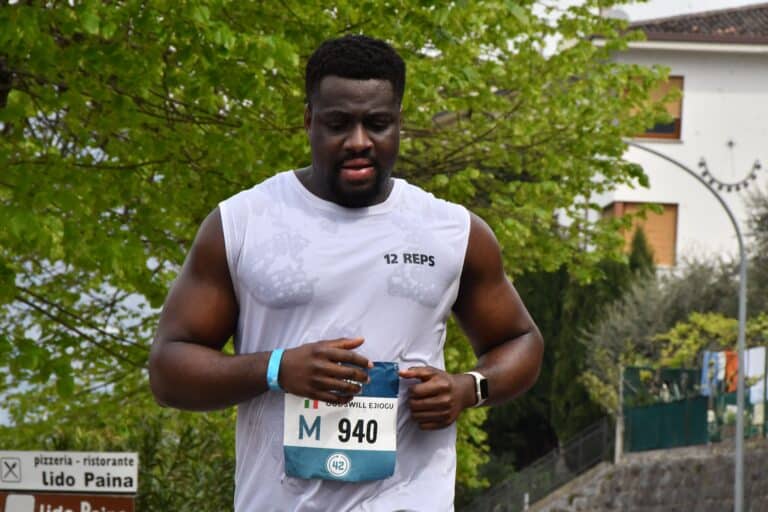
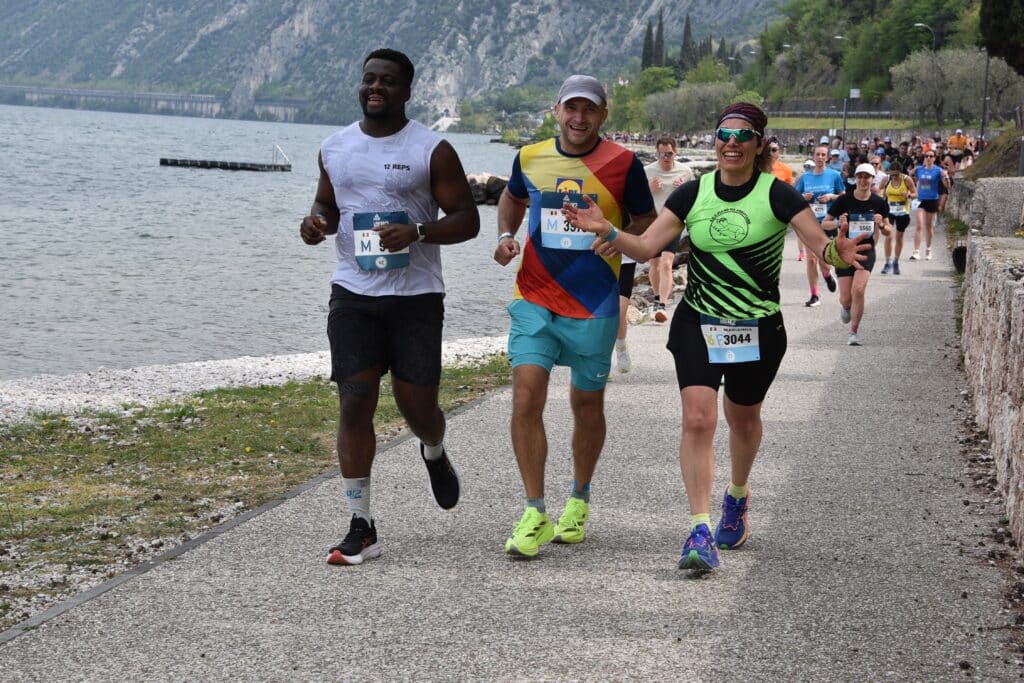
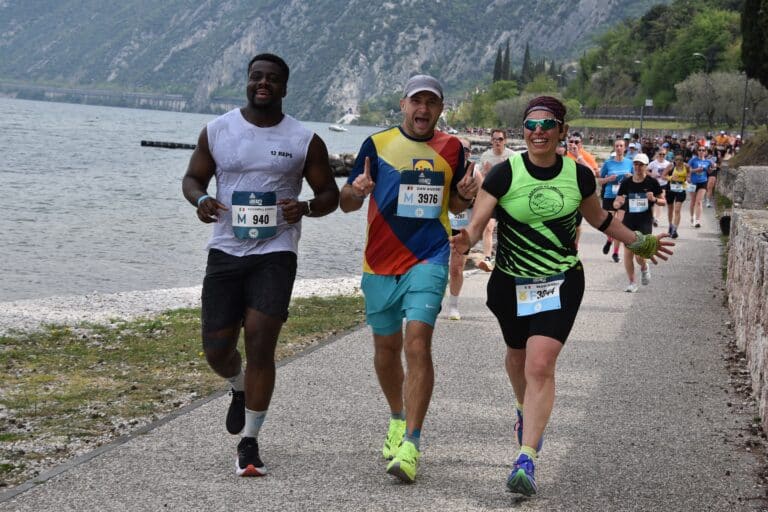
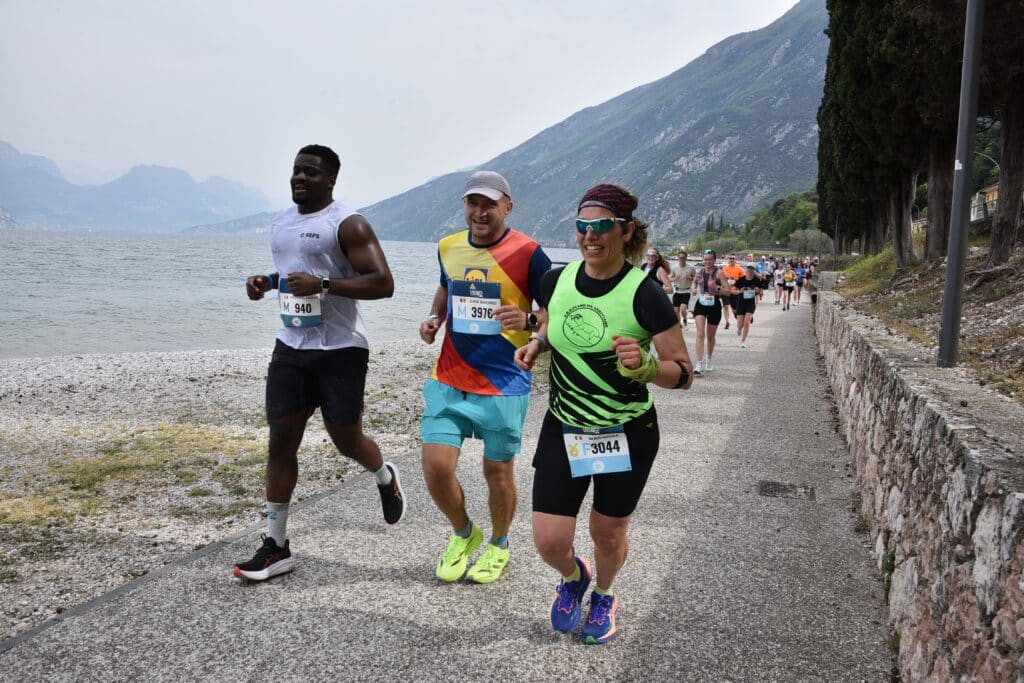
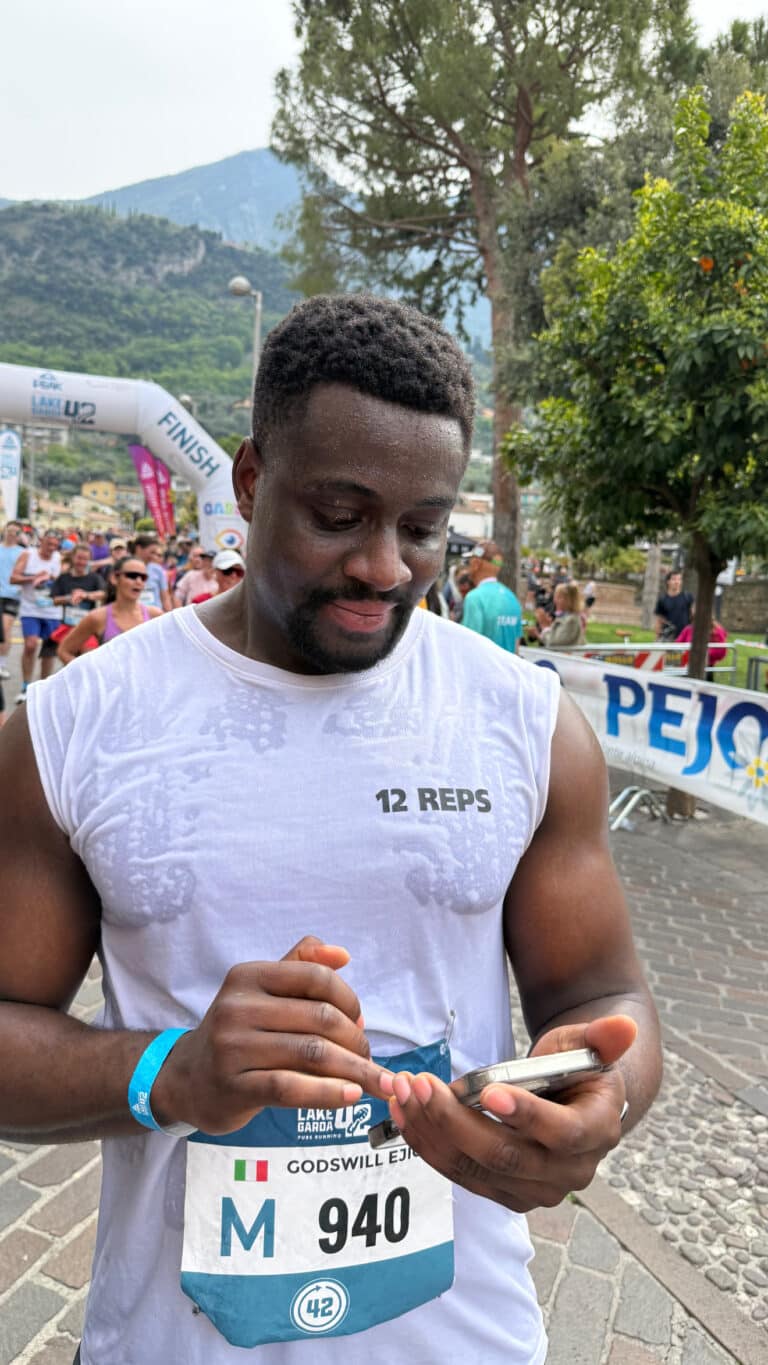
My name is Will Duru. I’m an award-winning strength and conditioning coach with over 10 years of experience in sport science and athletic strength training. I’ve worked with elite athletes, recreational runners, and people who simply want to run faster without breaking down. In the picture, I’m running the Lake Garda half-marathon. At 115kg with lean muscle, I was still able to complete the marathon without injuries. That experience taught me something important: running performance is not just about being lighter. It is about building a body strong enough to handle the distance.
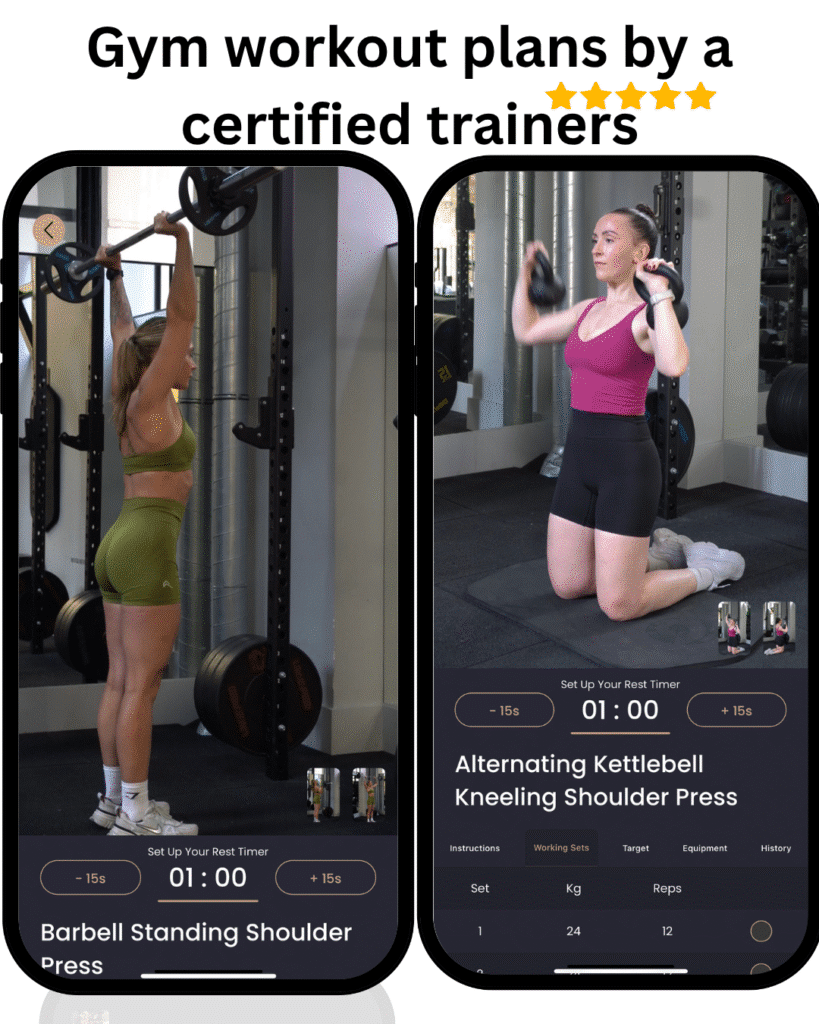
This 6-week athlete strength-training programme was designed for runners who want measurable progress without wasting time in the gym. The goal is not to train like a bodybuilder. The goal is to build the strength, power, and resilience your running actually needs. Join my program on the 12reps app.
Many runners still treat strength training like an optional extra. That is the mistake. If your legs, hips, core, and tendons are not strong enough to absorb force, every run becomes more expensive for your body. Run training builds your engine. Strength training builds the frame that helps you use it.
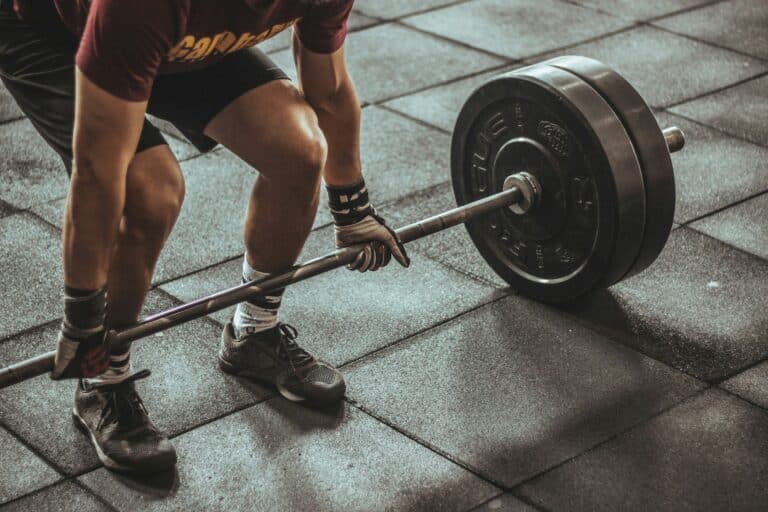
Why Strength Training is the Mother of Performance
Most runners treat strength training like decoration. Something they add after the “real” work is done. That is the mistake. Strength is not the extra part of running performance. It is the base that allows your body to handle mileage, pace, hills, fatigue, and race-day pressure.
Every time your foot hits the ground, your body has to absorb and control force. During a long run or marathon, that happens thousands of times. If your legs, hips, glutes, and core are not strong enough, your body starts to compensate. Your stride gets less efficient. Your posture drops. Small weaknesses turn into tightness, pain, or injury.
This is why I call strength the mother of performance. It supports everything else. Your endurance matters, but endurance alone does not protect you when your body starts to fatigue. A stronger runner can hold form for longer, waste less energy, and recover better between sessions.
Strength training also improves running economy. That means you use less energy to run at the same pace. You are not just getting stronger in the gym. You are teaching your body to produce force better, absorb impact better, and move with more control. For a runner, that can be the difference between fading late in a race and finishing strong.
Muscle building for runners is not about getting bulky. That is where many runners get it wrong. The goal is to build useful muscle. Strong glutes. Strong hamstrings. Strong calves. A stable core. Hips that can control each stride. This type of strength makes you more resilient, not slower.
It also gives you access to power when you need it. Hill climbs, pace changes, overtaking someone late in a race, and sprint finishes all require more than aerobic fitness. They require your nervous system to recruit muscle quickly and forcefully. Strength training builds that reserve.
The injury prevention side is just as important. Running repeats the same movement again and again. Over time, weak areas become exposed. A smart weightlifting programme strengthens the full chain, especially the hips, glutes, calves, hamstrings, and core. This helps your body tolerate the demands of running instead of breaking down under them.
Strength training can also support fat loss and body composition. More lean muscle helps your body use energy better, improves your power-to-weight ratio, and supports performance during both training and recovery. For runners who want to feel lighter, stronger, and more athletic, this matters.
The strongest runners are not always the ones who run the most. They are the ones whose bodies can handle the running. That is the point of this programme: to build the strength, structure, and power your running needs.
The 6-Week Program Overview
This intensive athlete strength training program is built around the proven push/pull/legs split, condensed into a highly effective 6-week format that delivers rapid results. The program divides training into three workout types: push movements targeting chest, shoulders, and triceps; pull movements focusing on back, biceps, and rear delts; and leg movements developing the entire lower body. This division ensures balanced development whilst allowing optimal recovery between sessions.
The 6-week timeframe is divided into two distinct phases, each serving specific objectives in your athletic development. Phase 1 (weeks 1-3) establishes movement foundations through bodyweight exercises and mobility work, ensuring proper mechanics before progressing to loaded movements. Phase 2 (weeks 4-6) introduces free weights and progressive overload, building the strength qualities that directly enhance running performance.
Equipment requirements remain minimal to ensure accessibility and consistency. You’ll need access to dumbbells or adjustable weights, a pull-up bar or resistance bands, and space for bodyweight exercises. This setup can be achieved in most home environments or basic gym facilities, eliminating barriers to consistent training.
The training frequency of three sessions per week provides the optimal balance between stimulus and recovery for rapid adaptation. This frequency allows for integration with running training without compromising either discipline. Sessions are strategically spaced to allow 48-72 hours of recovery between training the same muscle groups, ensuring optimal adaptation whilst preventing overuse injuries.
Complete 6-Week Workout Program
Weekly Schedule:
– Monday: Push Day
– Tuesday: Easy run
– Wednesday: Pull Day
– Thursday: Easy run
– Friday: Legs Day
– Saturday: Long run
– Sunday: Rest
PHASE 1: FOUNDATION (WEEKS 1-3)
Exercise | Equipment | Sets | Reps | Rest | Coaching Focus |
|---|---|---|---|---|---|
Machine Chest Press | Machine | 4 | 10-12 | 40-60s | Control the weight. Keep your shoulder blades back and press with your chest. |
Incline Dumbbell Press | Dumbbells | 4 | 10-12 | 40-60s | Lower slowly. Press up without locking your elbows too hard. |
Landmine Press | Barbell | 4 | 10-12 each side | 40-60s | Great for shoulder strength. Keep your ribs down and press with control. |
Dumbbell Shoulder Press | Dumbbells | 4 | 10-12 | 40-60s | Keep your core tight. Avoid leaning back as you press. |
Cable Tricep Pushdown | Cable Machine | 4 | 10-12 | 40-60s | Keep your elbows close to your body. Squeeze the triceps at the bottom. |
Slam Dead Ball | Dead Ball | 4 | 10-12 | 40-60s | Use power. Slam the ball hard, reset, then repeat with good rhythm. |
Week 1 to 3 Progression
Week 1: Use lighter weight and learn the movement pattern.
Week 2: Add a small amount of weight or improve control.
Week 3: Keep the same form but increase effort. The last 2 reps should feel challenging.
PULL DAY – PHASE 1
Weeks 1 to 3
Exercise | Equipment | Sets | Reps | Rest | Coaching Focus |
|---|---|---|---|---|---|
Lat Pulldown | Machine | 4 | 10-12 | 40-60s | Pull your elbows down, not just your hands. Keep your chest lifted. |
Seated Low Row | Machine | 4 | 10-12 | 40-60s | Squeeze your shoulder blades together. Do not rush the return. |
TRX Row | TRX | 4 | 10-12 | 40-60s | Keep your body straight. Make it harder by walking your feet forward. |
Single-Arm Dumbbell Row | Dumbbell | 4 | 10-12 each side | 40-60s | Pull the dumbbell towards your hip. Control both sides. |
Kettlebell Romanian Deadlift | Kettlebell | 4 | 10-12 | 40-60s | Hinge from the hips. Feel the hamstrings and glutes work. |
Dumbbell Reverse Fly | Dumbbells | 4 | 10-12 | 40-60s | Use light weight. Focus on rear shoulders and upper back control. |
Week 1 to 3 Progression
Week 1: Focus on posture and clean pulling technique.
Week 2: Add weight where form feels strong.
Week 3: Make the TRX row harder by lowering your body angle or slowing the tempo.
LEGS DAY – PHASE 1
Weeks 1 to 3
Exercise | Equipment | Sets | Reps | Rest | Coaching Focus |
|---|---|---|---|---|---|
Goblet Squat | Kettlebell or Dumbbell | 4 | 10-12 | 40-60s | Keep your chest up. Sit into the squat with control. |
Bulgarian Split Squat | Dumbbells | 4 | 10-12 each leg | 40-60s | This is your key unilateral strength exercise. Keep the front foot stable. |
Single-Leg Romanian Deadlift | Dumbbell or Kettlebell | 4 | 10-12 each leg | 40-60s | Build balance, hamstring strength, and hip control. |
Leg Press | Machine | 4 | 10-12 | 40-60s | Push through the full foot. Do not let your knees collapse inward. |
Box Jumps | Box | 4 | 10-12 | 40-60s | Land softly. Step down instead of jumping down to reduce impact. |
Standing Calf Raise | Machine or Dumbbells | 4 | 10-12 | 40-60s | Pause at the top. Lower slowly to build ankle and calf strength. |
Week 1 to 3 Progression
Week 1: Keep the weight light and focus on learning the movement.
Week 2: Add load to the split squat, goblet squat, or leg press.
Week 3: Increase control by slowing the lowering phase on unilateral exercises.
Simple Phase 1 Rule
Do not chase heavyweight yet.
Your goal in Phase 1 is to build:
- Better movement
- Stronger joints
- More control
- Better balance
- Good training rhythm
Use a weight where you can complete 10 to 12 reps with strong form.
The final 2 reps should feel hard, but not messy.
PHASE 2: STRENGTH DEVELOPMENT (WEEKS 4-6)
Exercise | Equipment | Sets | Reps | Rest | Coaching Focus |
|---|---|---|---|---|---|
Dumbbell Chest Press | Dumbbells | 4 | 10-12 | 40-60s | Press with control. Keep your shoulder blades back and your feet planted. |
Dumbbell Overhead Press | Dumbbells | 4 | 10-12 | 40-60s | Keep your core tight. Avoid leaning back as the weight gets heavier. |
Dumbbell Fly | Dumbbells | 4 | 10-12 | 40-60s | Use light to moderate weight. Control the lowering phase and feel the chest stretch. |
Machine Shoulder Press | Machine | 4 | 10-12 | 40-60s | Keep the movement smooth. Drive the handles up without shrugging your shoulders. |
Cable Tricep Pushdown | Cable Machine | 4 | 10-12 | 40-60s | Keep your elbows tucked in. Lock in the triceps at the bottom of each rep. |
Slam Dead Ball | Dead Ball | 4 | 10-12 | 40-60s | Use power from your whole body. Slam hard, reset, and repeat with intent. |
Week 4 to 6 Progression
Week 4: Start with a weight you can control for all 4 sets.
Week 5: Increase the load slightly on your main pressing exercises.
Week 6: Keep the same weight but improve tempo, control, and power.
PULL DAY – PHASE 2
Weeks 4 to 6
Exercise | Equipment | Sets | Reps | Rest | Coaching Focus |
|---|---|---|---|---|---|
Bent-Over Dumbbell Row | Dumbbells | 4 | 10-12 | 40-60s | Keep your core braced. Pull your elbows back and control the lowering phase. |
Kettlebell Single-Arm Row | Kettlebell | 4 | 10-12 each side | 40-60s | Focus on lat engagement. Pull towards your hip, not your shoulder. |
Lat Pulldown | Machine | 4 | 10-12 | 40-60s | Keep your chest lifted. Pull the bar down with your elbows. |
TRX Row | TRX | 4 | 10-12 | 40-60s | Walk your feet further forward to make it harder. Keep your body straight. |
Dumbbell Hammer Curl | Dumbbells | 4 | 10-12 | 40-60s | Keep the movement controlled. Build grip, biceps, and forearm strength. |
Rope Face Pull | Cable Machine or Band | 4 | 10-12 | 40-60s | Pull towards your face. Focus on rear shoulders and posture. |
Week 4 to 6 Progression
Week 4: Keep clean form and control every rep.
Week 5: Increase weight on rows and pulldowns.
Week 6: Make the TRX row harder by changing your body angle or slowing the tempo.
LEGS DAY – PHASE 2
Weeks 4 to 6
Exercise | Equipment | Sets | Reps | Rest | Coaching Focus |
|---|---|---|---|---|---|
Goblet Squat | Dumbbell or Kettlebell | 4 | 10-12 | 40-60s | Keep your chest up and control the depth. |
Barbell Romanian Deadlift | Barbell | 4 | 10-12 | 40-60s | Hinge from your hips. Keep the bar close to your legs. |
Dumbbell Alternating Lunge | Dumbbells | 4 | 10-12 each leg | 40-60s | Step with control. Keep your front foot stable. |
Single-Leg Leg Press | Machine | 4 | 10-12 each leg | 40-60s | Build unilateral leg strength. Control the knee and press through the full foot. |
Box Jumps | Box | 4 | 10-12 | 40-60s | Land softly. Step down and reset between reps. |
Farmer’s Walk | Dumbbells or Kettlebells | 4 | 30-40m | 40-60s | Stand tall. Keep your core tight and walk with control. |
Week 4 to 6 Progression
Week 4: Build from Phase 1 with slightly heavier loads.
Week 5: Add weight to goblet squats, Romanian deadlifts, lunges, or farmer’s walks.
Week 6: Keep the weight challenging but clean. No rushed reps. No messy form.
Phase 2 Training Rule
This is the phase where the programme starts to feel more serious.
You are no longer just learning the movements.
You are now building:
- Strength
- Muscle control
- Single-leg stability
- Power
- Better posture
- More training confidence
Use a weight that makes the last 2 reps challenging while still keeping good form.
Conclusion
Most runners don’t need another plan saved in their notes. They need a programme they can actually follow. This 6-week push, pull, legs strength programme was built to help runners become stronger, more resilient, and more confident without wasting time in the gym. It takes you from controlled strength work to loaded exercises, using machines, dumbbells, kettlebells, barbells, TRX, box jumps, and slam ball work.
The goal is simple: build a body that can handle running better. Not just more miles, but better movement, stronger hips, more powerful legs, a stable core, and a body that can absorb impact when fatigue starts to show. If you are preparing for a race, trying to break through a plateau, or just want to feel stronger when you run, this programme gives you the structure to do it properly.
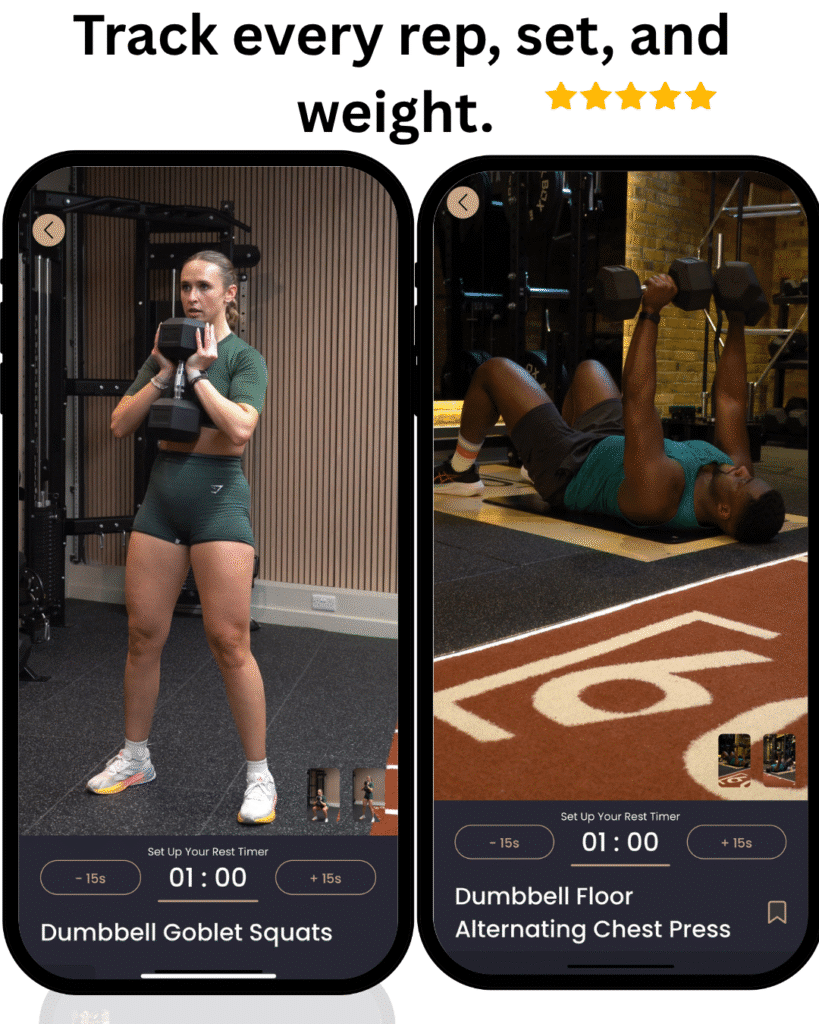
You do not need to guess your workouts or overthink the gym. You just need to follow the plan, track your sets and reps, and stay consistent. Join my 6-week strength programme for runners on the 12REPS app for free, start today, and build the strength your running has been missing.
References
[1] Blagrove, R. C., Howatson, G., & Hayes, P. R. (2018). Effects of strength training on the physiological determinants of middle-and long-distance running performance: a systematic review. Sports Medicine, 48(5), 1117-1149. https://link.springer.com/article/10.1007/s40279-017-0835-7
[2] Cavanagh, P. R., & Lafortune, M. A. (1980). Ground reaction forces in distance running. Journal of Biomechanics, 13(5), 397-406.
[3] Yamamoto, L. M., Lopez, R. M., Klau, J. F., Casa, D. J., Kraemer, W. J., & Maresh, C. M. (2008). The effects of resistance training on endurance distance running performance among highly trained runners: a systematic review. Journal of Strength and Conditioning Research, 22(6), 2036-2044. https://journals.lww.com/nsca-jscr/fulltext/2008/11000/the_effects_of_resistance_training_on_endurance.43.aspx
[4] Lauersen, J. B., Bertelsen, D. M., & Andersen, L. B. (2014). The effectiveness of exercise interventions to prevent sports injuries: a systematic review and meta-analysis of randomised controlled trials. British Journal of Sports Medicine, 48(11), 871-877.
[5] Jung, A. P. (2003). The impact of resistance training on distance running performance. Sports Medicine, 33(7), 539-552. https://link.springer.com/article/10.2165/00007256-200333070-00005
[6] Westcott, W. L. (2012). Resistance training is medicine: effects of strength training on health. Current Sports Medicine Reports, 11(4), 209-216.
[7] Roelofs, E. J., Smith-Ryan, A. E., Melvin, M. N., Wingfield, H. L., Trexler, E. T., & Walker, N. (2015). Muscle size, quality, and body composition: characteristics of division I cross-country runners. Journal of Strength and Conditioning Research, 29(2), 290-296. https://journals.lww.com/nsca-jscr/FullText/2015/02000/Muscle_Size,_Quality,_and_Body_Composition_.2.aspx
[8] Mikkola, J. S., Rusko, H. K., Nummela, A. T., Pollari, T., & Häkkinen, K. (2007). Concurrent endurance and explosive type strength training increases activation and fast force production of leg extensor muscles in endurance athletes. Journal of Strength and Conditioning Research, 21(2), 613-620. https://journals.lww.com/nsca-jscr/abstract/2007/05000/concurrent_endurance_and_explosive_type_strength.56.aspx