

Written by Will Duru, BSc (Hons) Sport and Exercise Science, award-winning Personal Trainer with over 10 years of experience in strength training and optimising recovery .
Core strength for beginners starts with four simple exercises: sit-ups, the plank, the side plank and leg raises. Together they train the muscles at the front, sides and back of your trunk. You can learn them at home with no equipment and build up from there.
This guide explains what your core is, what a stronger core can and cannot do for you, and how to do each exercise well. When you are ready for a full session, move on to the 12REPS core workout.

What is your core?
Your core is not only your six-pack. Mayo Clinic describes it as a “muscular box”. Your abdominal muscles form the front, and your back muscles and glutes form the back. The diaphragm sits on top, and the pelvic floor and hip muscles form the base (Mayo Clinic).
These muscles work together to control your trunk. Researchers describe core stability as control of your trunk’s position and movement over your pelvis. That control lets force pass to your arms and legs (Kibler and colleagues, 2006).
Why core strength matters
A strong core is useful for everyone, not just athletes. Here is what it helps with, and where the evidence is less clear.
Everyday tasks
Lifting a heavy bag, bending to tie your shoelaces and getting out of a chair all use your core. Stronger trunk muscles make these jobs feel more manageable.
Lifting and sport
Your core links your upper and lower body, so it plays a part in pushing, pulling, throwing and changing direction. A systematic review found that targeted core stability training gives only marginal benefits to athletic performance on its own (Reed and colleagues, 2012). Core work helps most as one part of a full strength program, not a replacement for it.
Balance and stability
Your trunk muscles help you stay steady when you walk, stand on one leg or reach for something. The plank and side plank train them to hold your body still.
What about back pain and posture?
You may have heard that a strong core stops back pain or fixes posture. The evidence does not support that simple promise. Motor control exercise is a type of targeted core training. A Cochrane review found it gave a small short-term benefit over other exercise for chronic low back pain. In the longer term, there was little difference (Saragiotto and colleagues, 2016).
NHS physiotherapy advice says keeping as active as possible can help you recover from low back pain (Guy’s and St Thomas’ NHS). If you have back pain or a medical condition, check with your doctor or a physiotherapist before starting new exercises.
Your 4 essential core exercises
Do 4 sets of each exercise. For reps, aim for 12 to 15. For holds, aim for 30 to 60 seconds. Rest for 45 seconds between sets.
A rep (repetition) is one full movement. A set is a group of reps done back to back. If you cannot reach the lower number yet, do what you can with good form and build up over the next few weeks.
| Exercise | Sets | Reps or time | Rest |
|---|---|---|---|
| Sit-ups | 4 | 12 to 15 reps | 45 seconds |
| Plank | 4 | 30 to 60 seconds | 45 seconds |
| Side plank | 4 | 30 to 60 seconds each side | 45 seconds |
| Leg raises | 4 | 12 to 15 reps | 45 seconds |
The NHS advises adults to do strengthening activities on at least 2 days a week that work all the major muscle groups, including the abdomen and back (NHS). You can add these four exercises to the end of your usual strength sessions.
Sit-ups
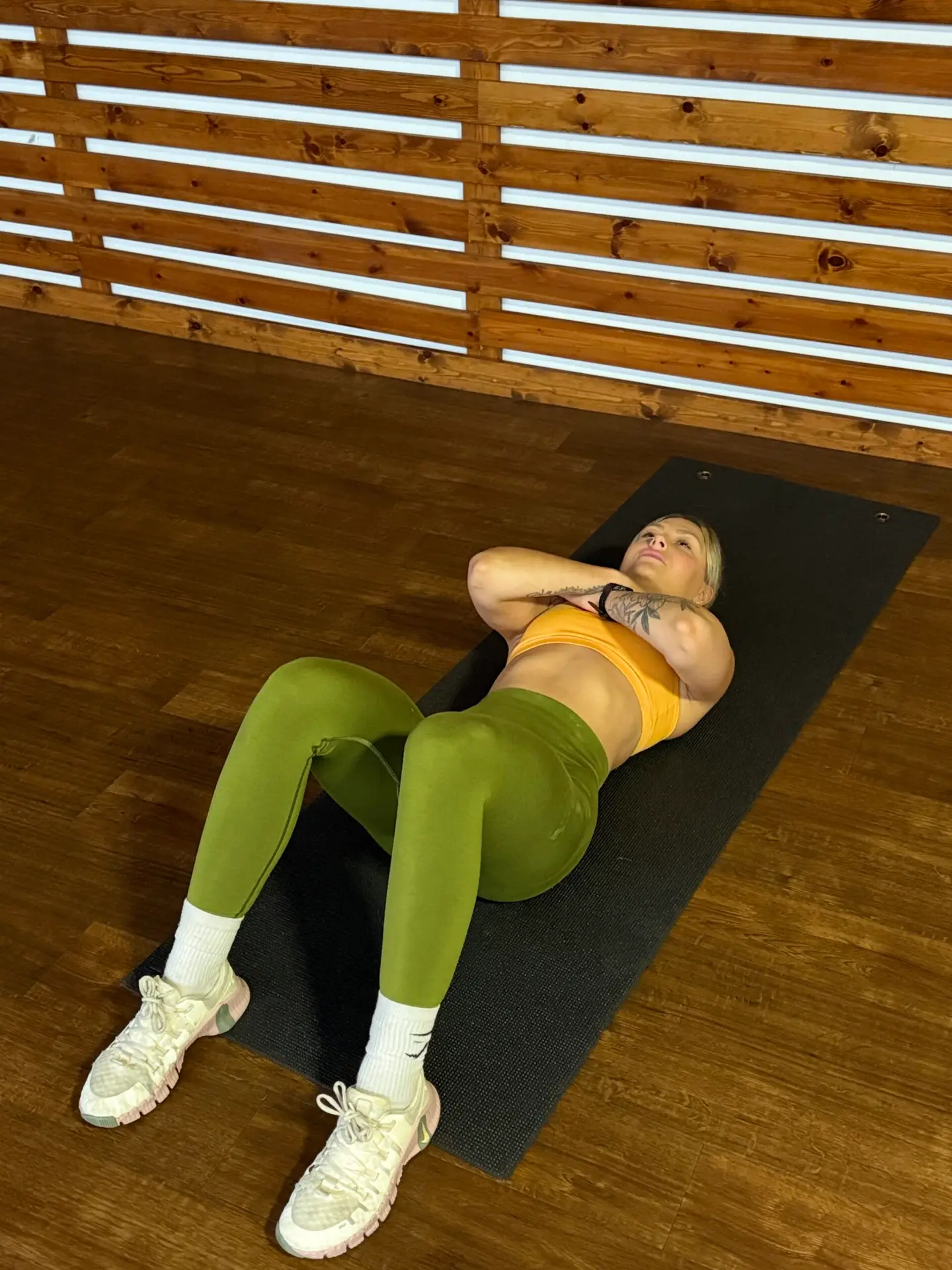
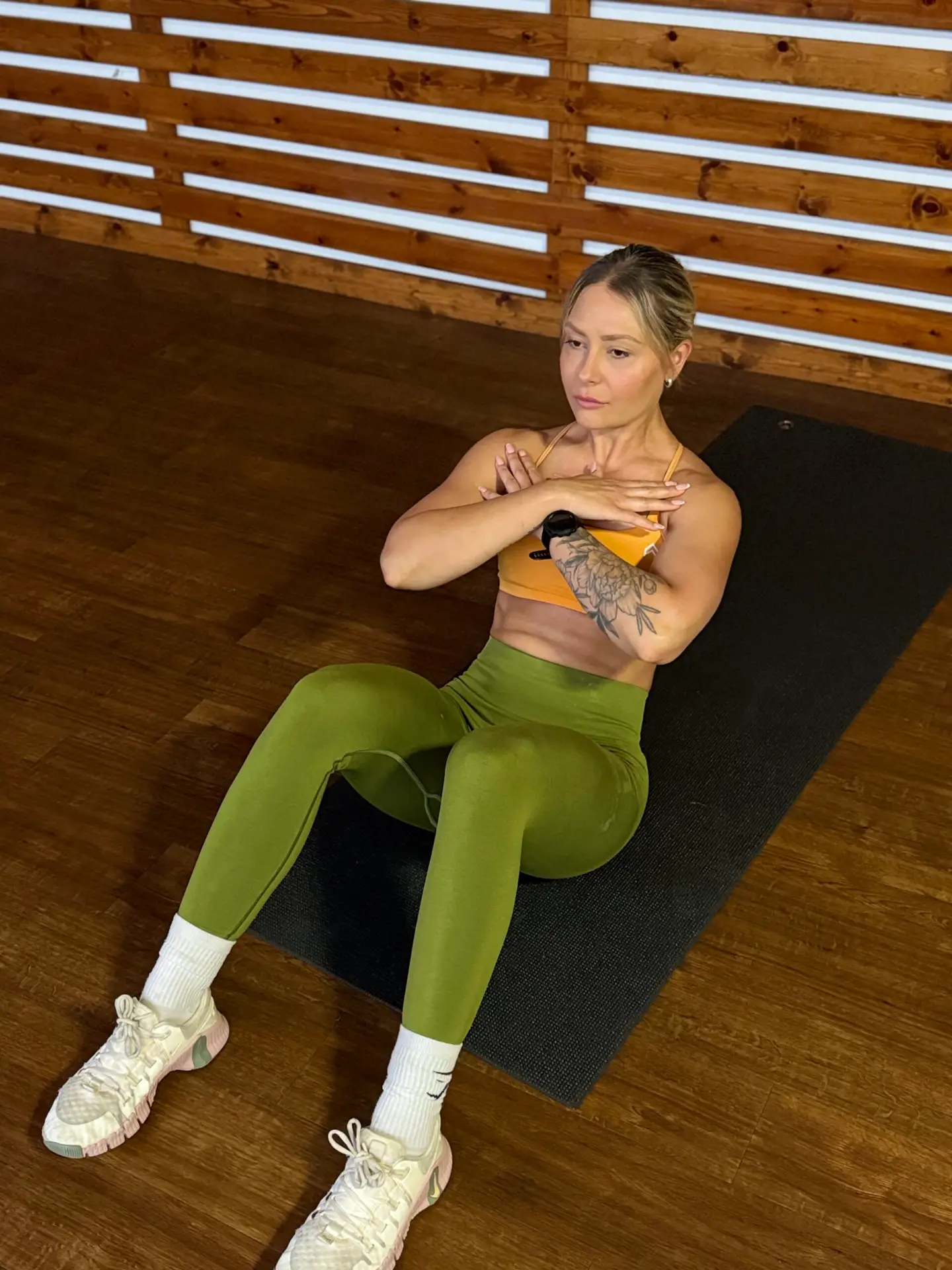
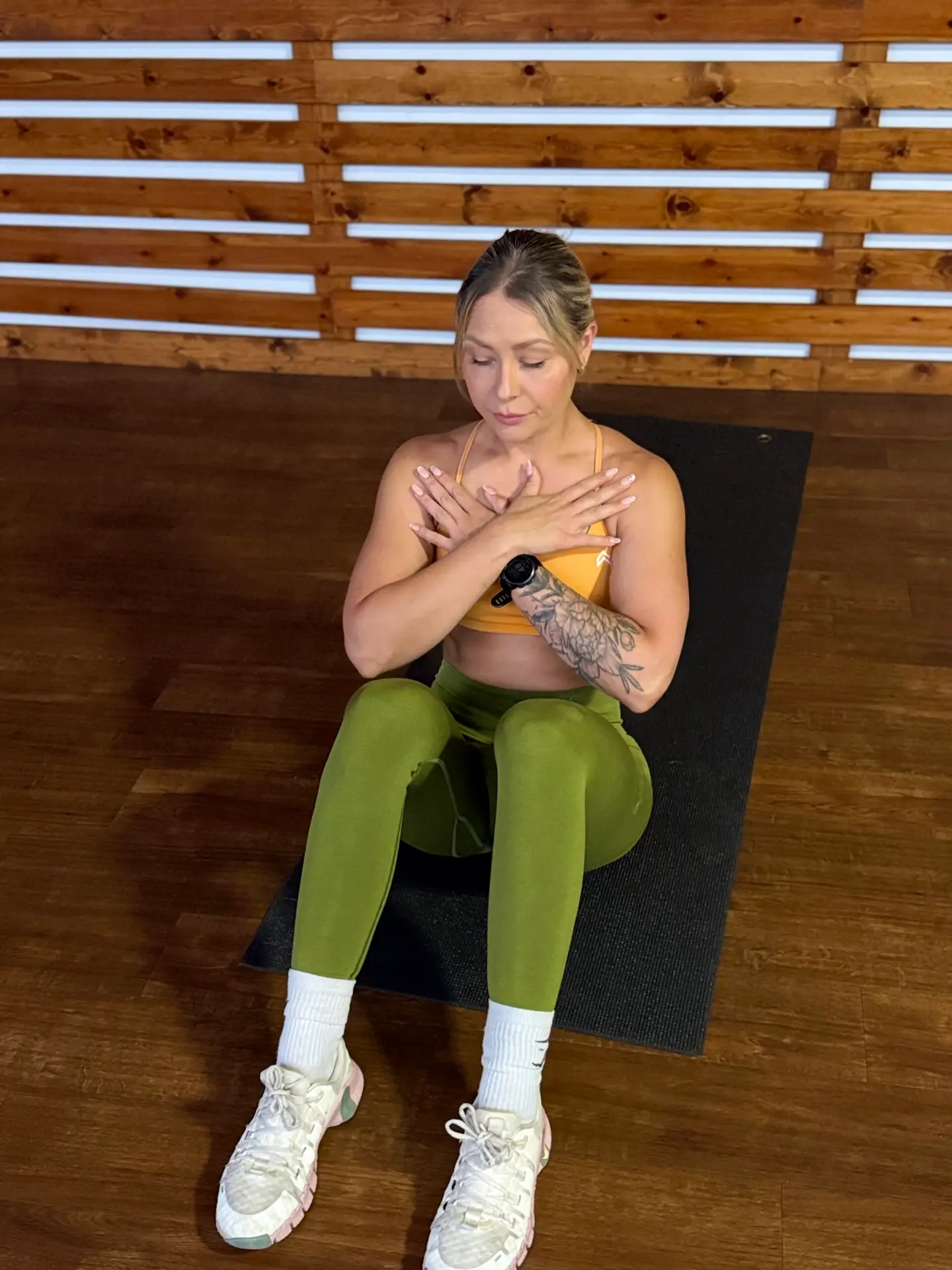
Sit-ups work the rectus abdominis, the long muscle at the front of your stomach.
- Lie on your back with your knees bent and your feet flat.
- Cross your hands over your chest, or rest your fingertips lightly behind your head.
- Curl your upper body up toward your knees.
- Lower back down slowly.
Beginner tip: do not pull on your neck. If full sit-ups feel too hard, only lift your shoulders off the floor at first.
Plank
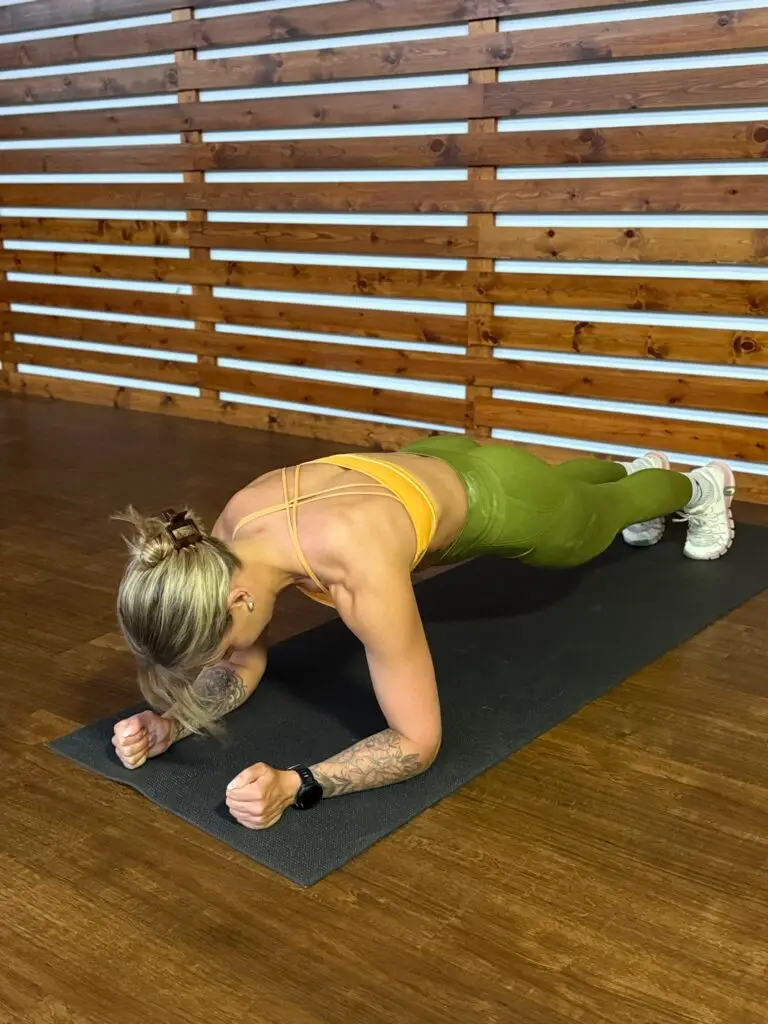
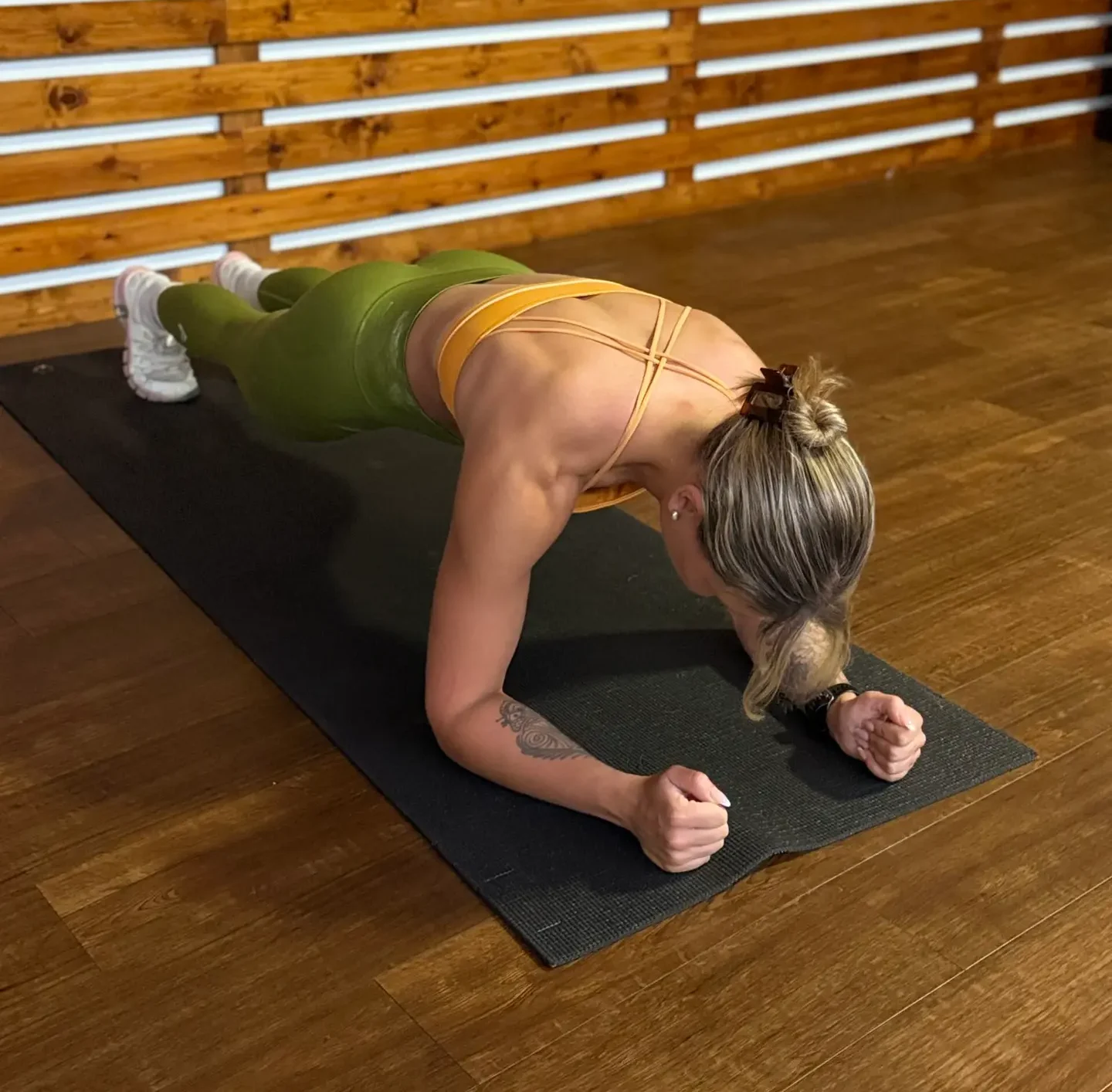
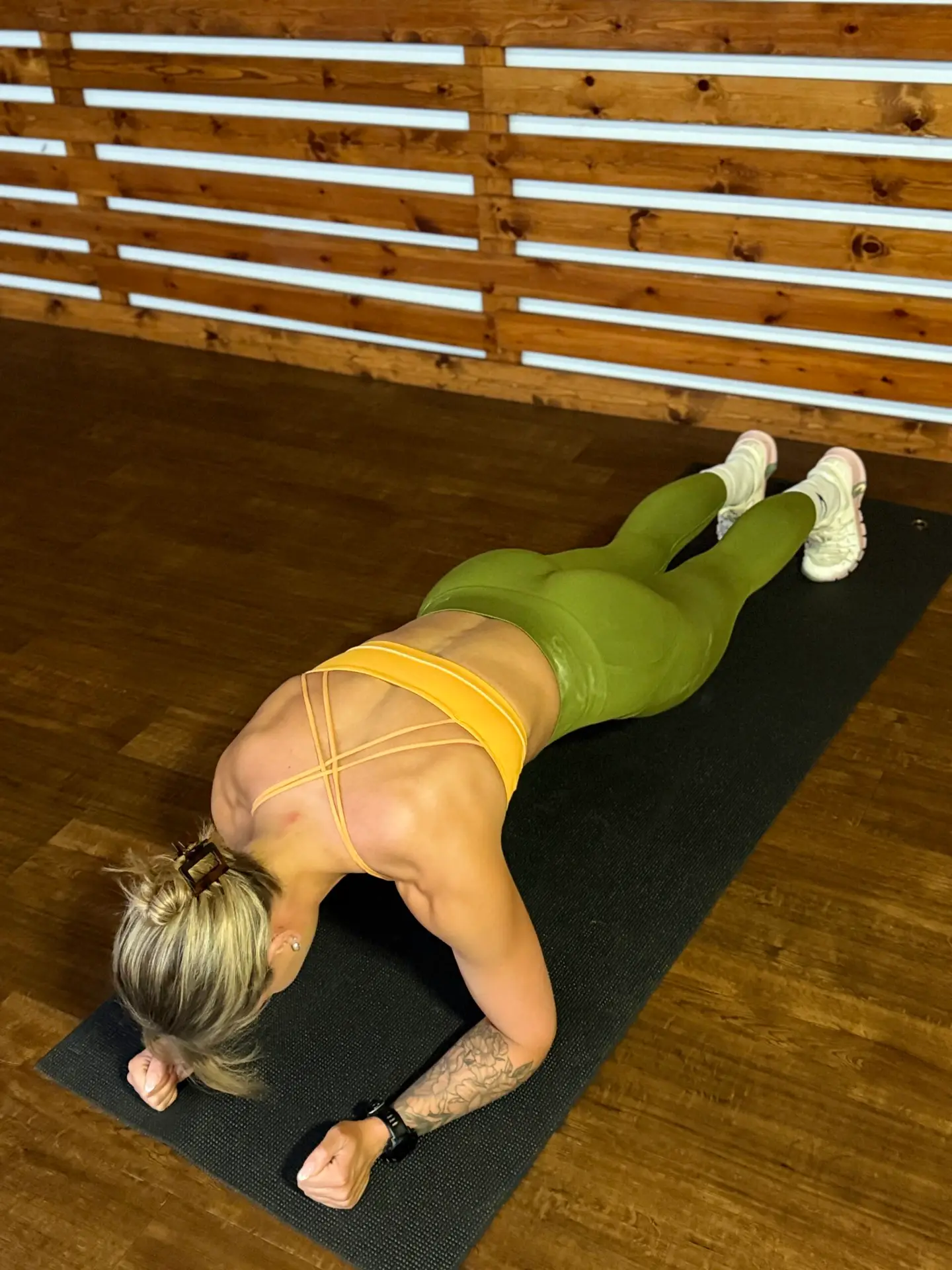
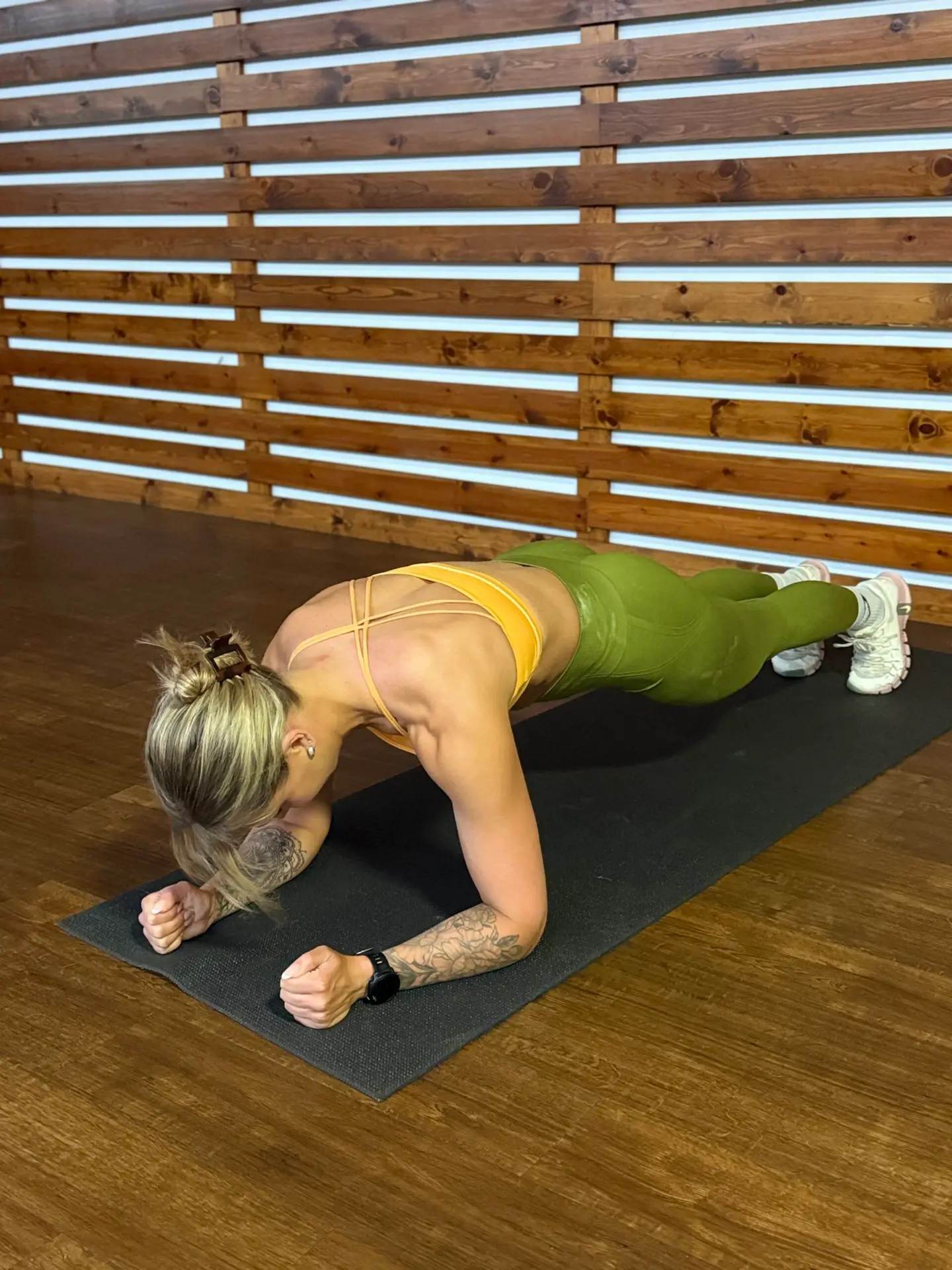
The plank trains your whole core to hold your body still, including the muscles at the front, sides and back of your trunk.
- Rest on your forearms and toes, with your elbows under your shoulders.
- Make a straight line from your head to your heels.
- Do not let your hips drop or rise too high.
- Breathe steadily and hold.
Beginner tip: drop to your knees if you cannot hold a straight line yet. Our full guide on how to do a plank properly covers hold times and variations.
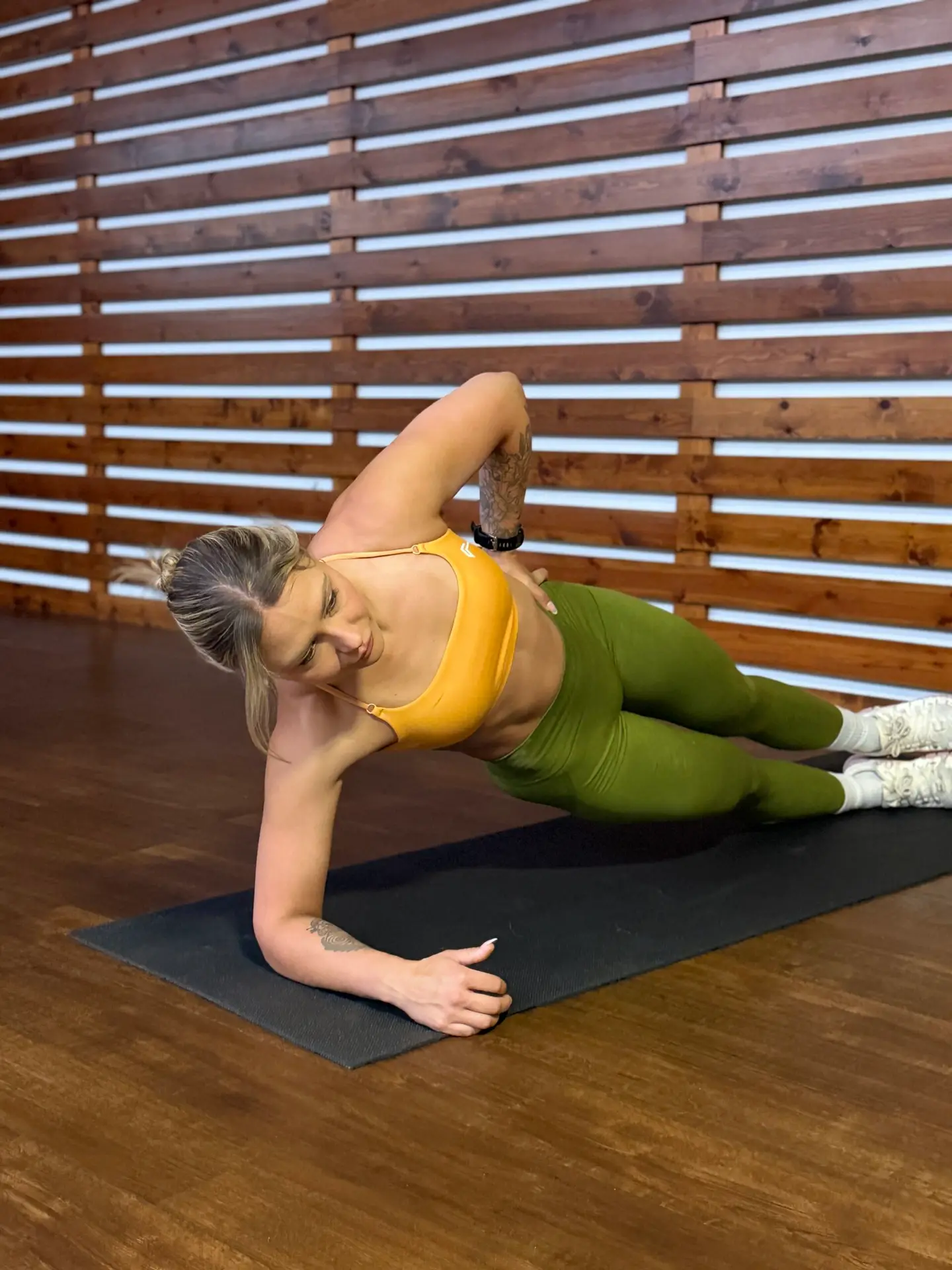
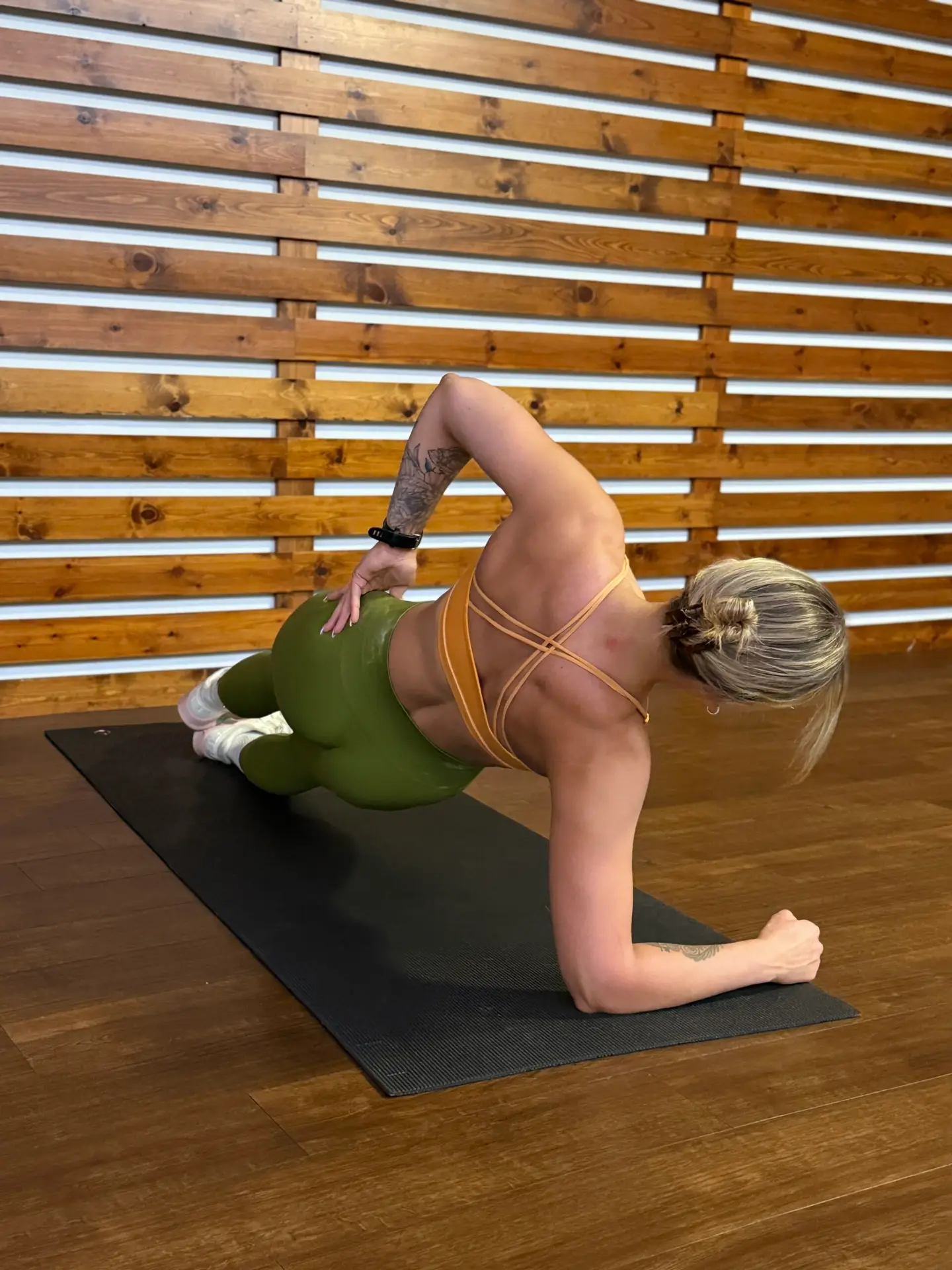
Side plank
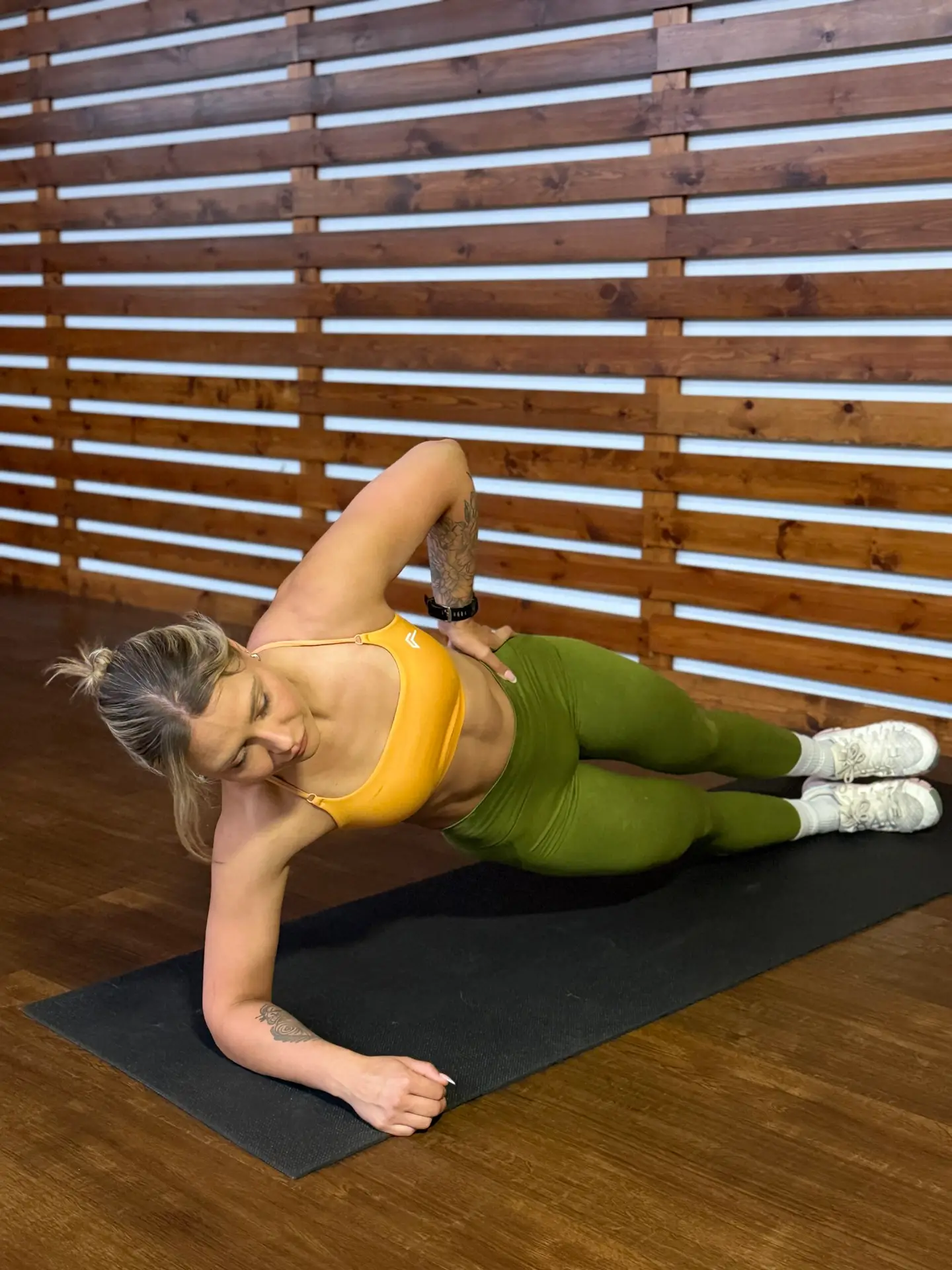
The side plank works your obliques, the muscles at the sides of your waist that help you bend and twist. It trains them to stop your hips sagging sideways.
- Lie on your side and prop yourself up on one forearm, with your elbow under your shoulder.
- Stack your feet one on top of the other.
- Lift your hips so your body forms a straight line.
- Hold, then switch sides.
Beginner tip: bend your knees and rest on them to make it easier. Straighten your legs as you get stronger.
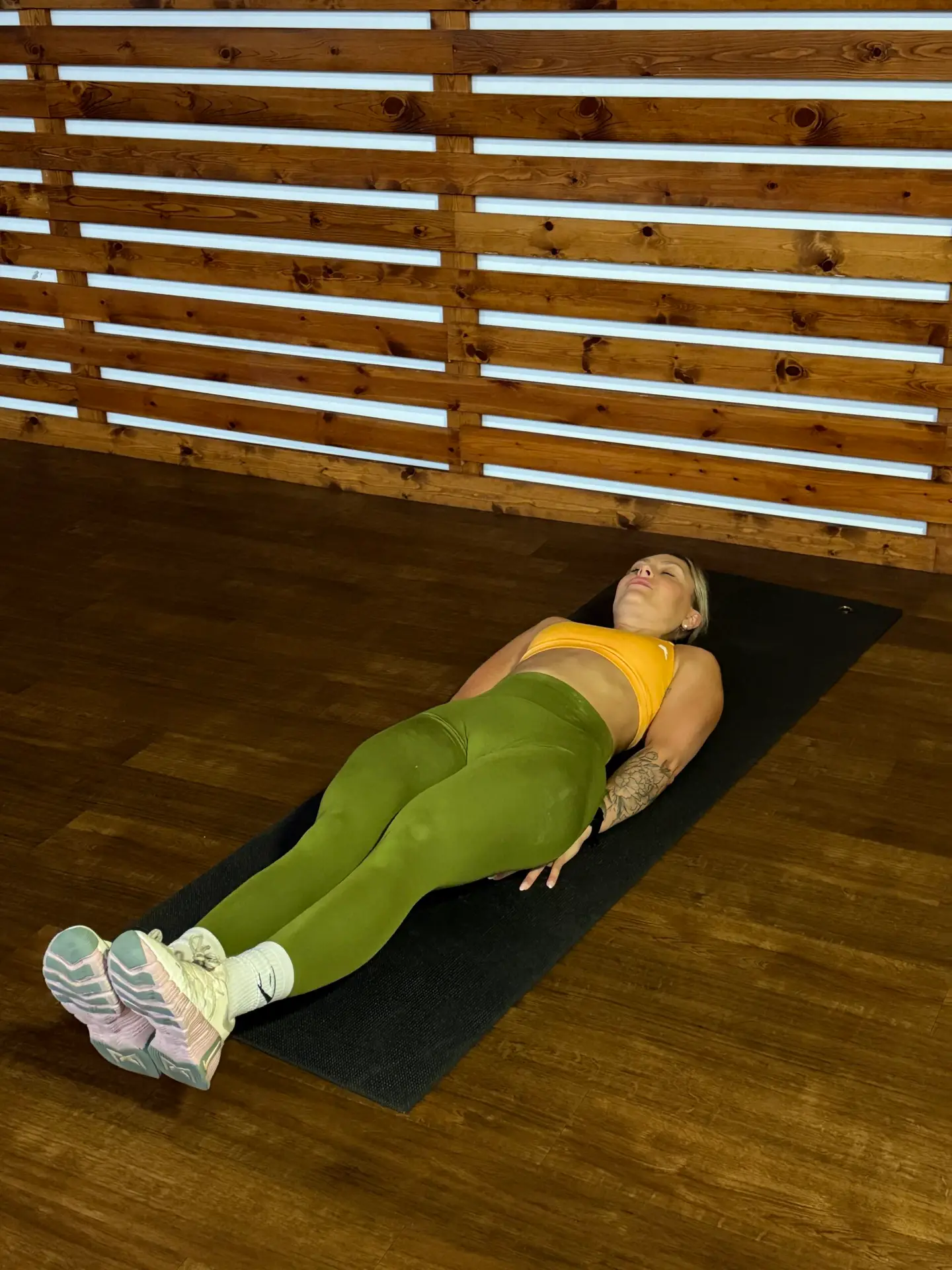
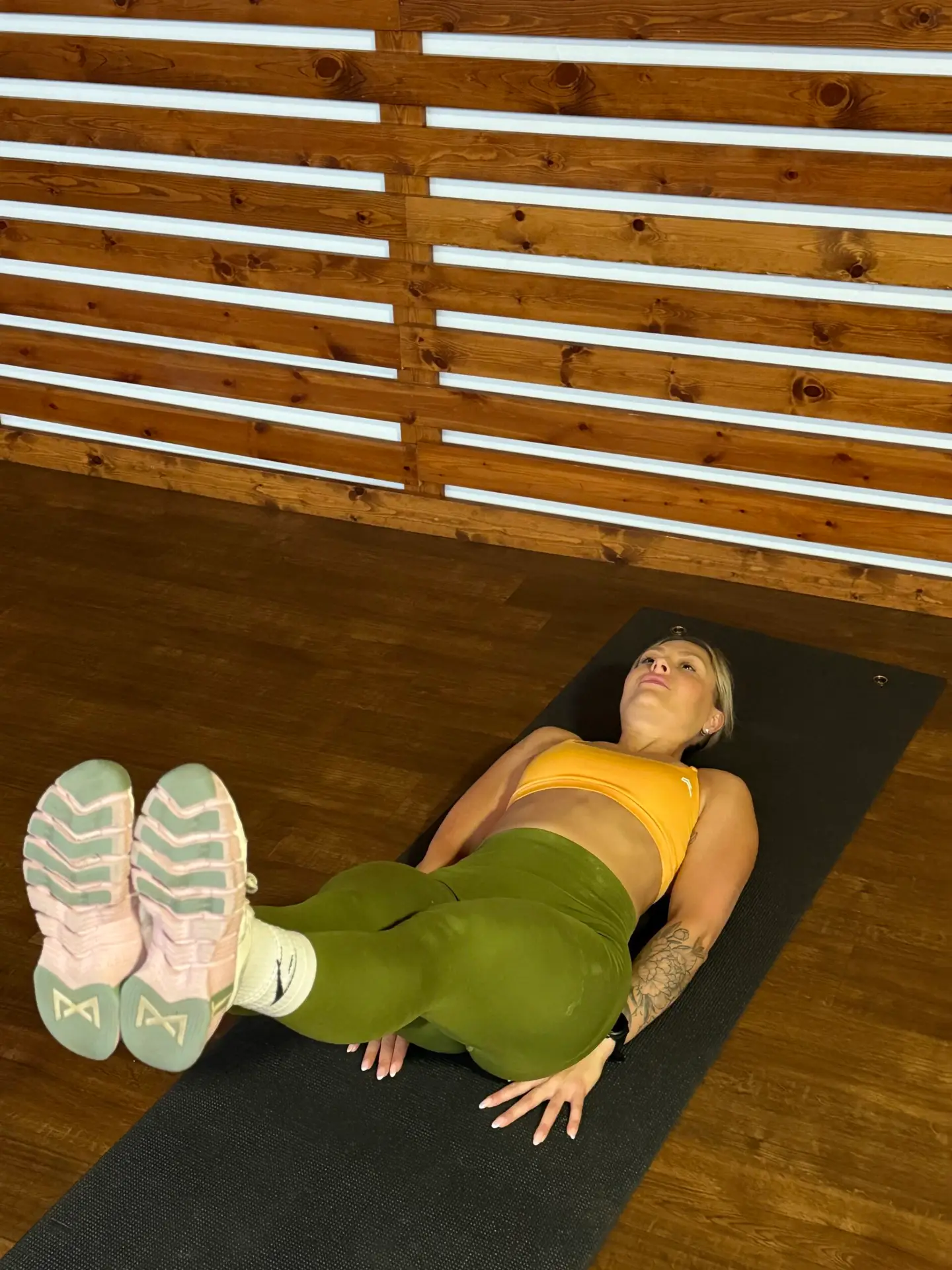
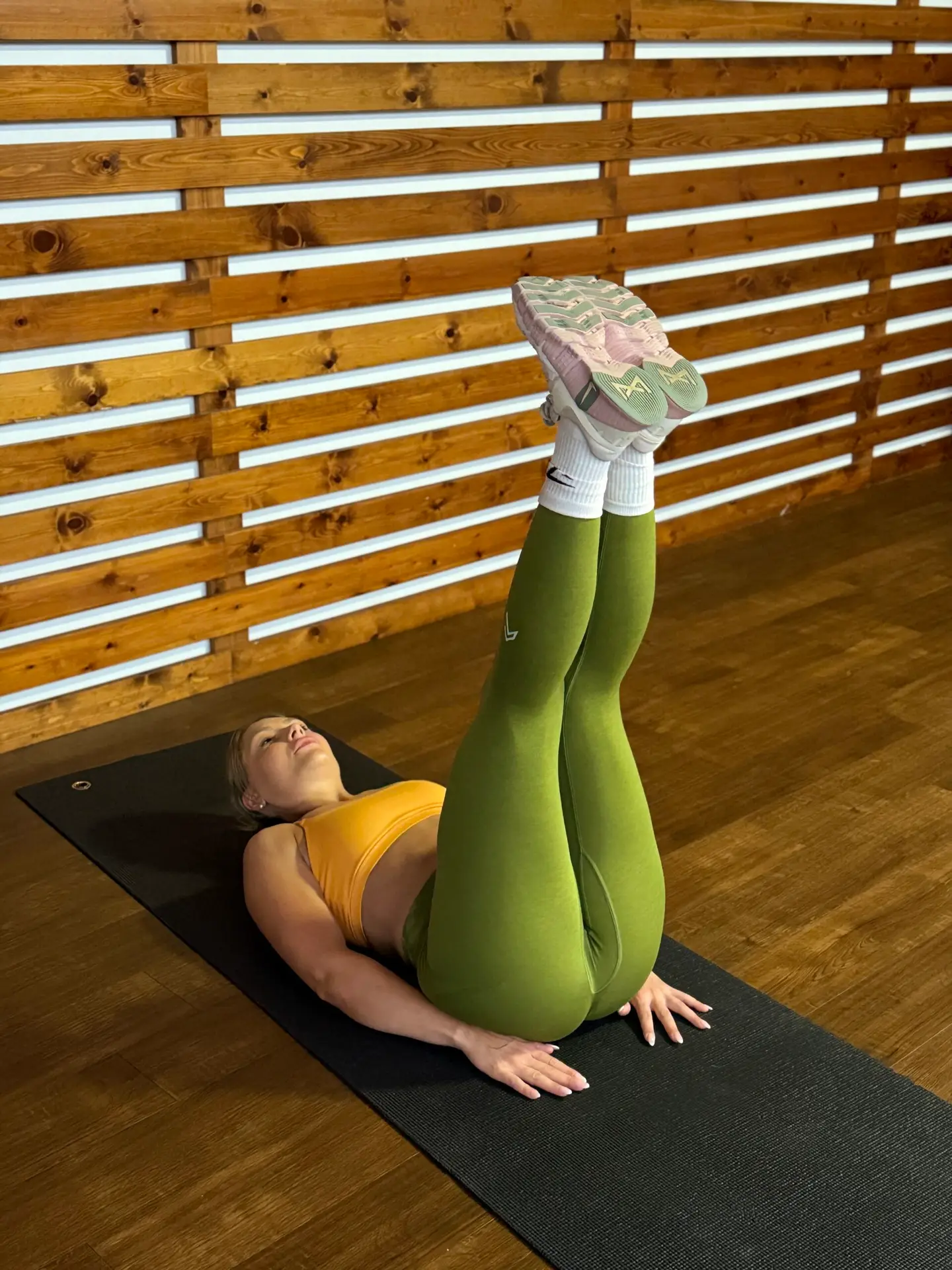
Leg raises
Leg raises work your abdominals and your hip flexors, the muscles at the front of your hips.
- Lie on your back with your legs straight.
- Press your lower back into the floor.
- Slowly lift your legs toward the ceiling, up to 90 degrees or as high as you can without arching your back.
- Lower them slowly. Keep your feet just off the floor between reps.
Beginner tip: bend your knees to make the lever shorter and the move easier. If these four exercises feel too hard right now, start with the dead bug, a gentler core exercise.
Food for a strong core: why nutrition helps
Training builds core strength. What you eat affects how visible your abs are and how well your muscles recover.
Ab exercises alone will not shrink your waist
Ab exercises make your core muscles stronger, but they do not remove fat from your stomach on their own. In one six-week trial, adults who did abdominal exercises five days a week improved their ab endurance. Their belly fat, body weight and waist size did not change compared with the group that did not train (Vispute and colleagues, 2011). Seeing your abs depends on your overall body fat, which comes down to your whole diet and activity. Our guide on how to get abs explains more.
Eat enough protein
Protein gives your muscles the building blocks they need to repair and grow after training. The International Society of Sports Nutrition says most people who exercise need 1.4 to 2.0 grams of protein per kilogram of body weight a day (Jäger and colleagues, 2017).
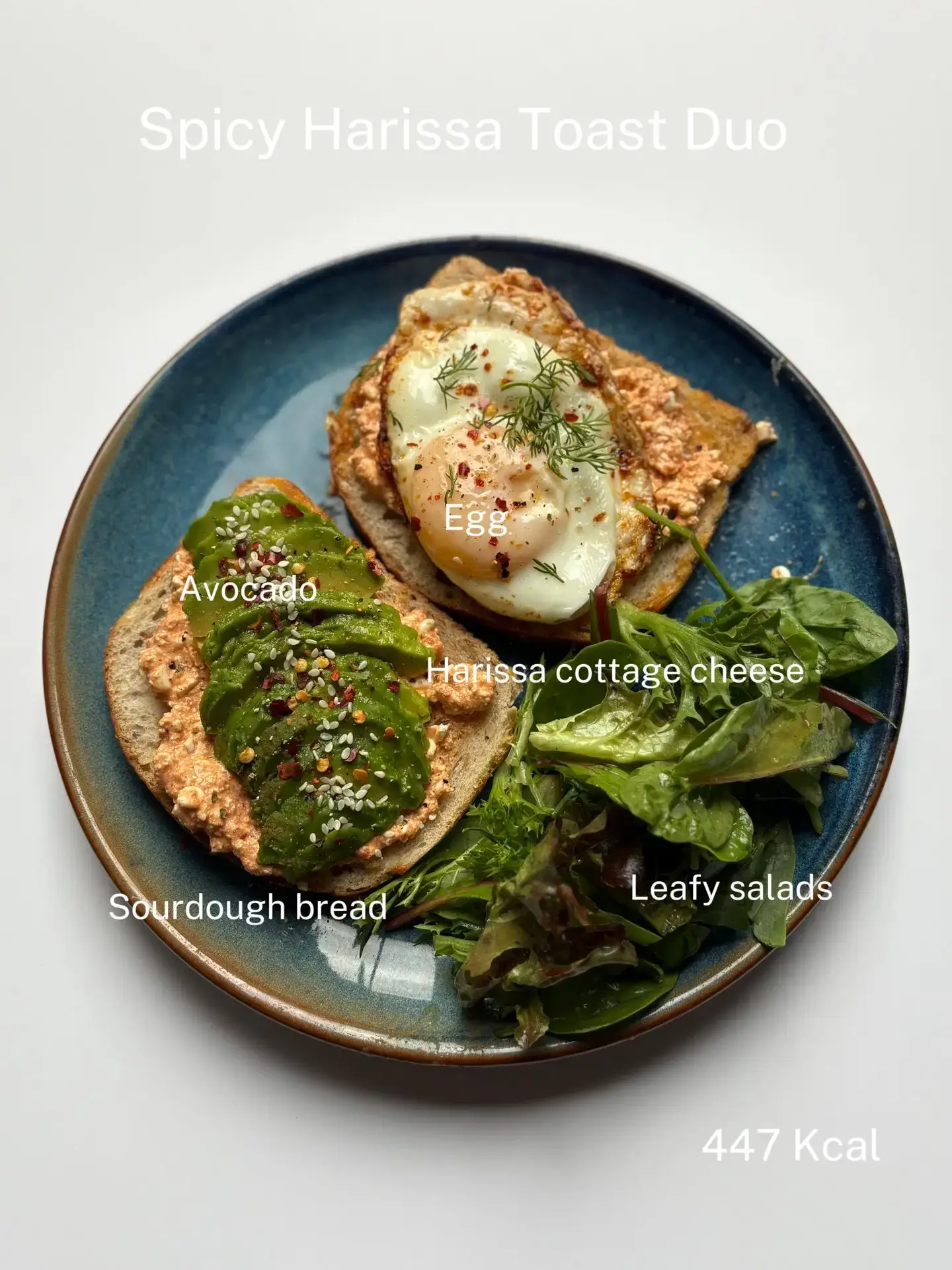
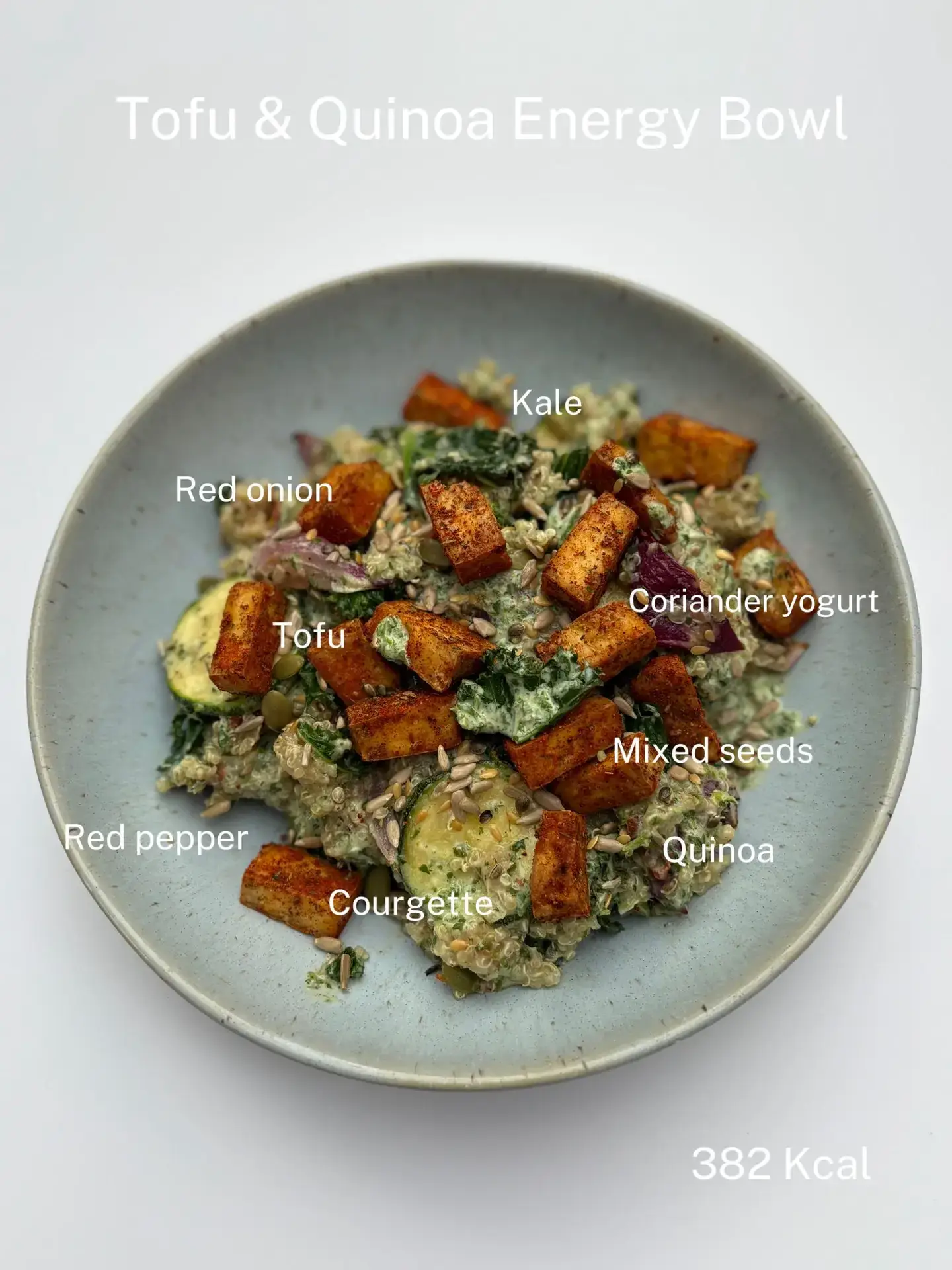
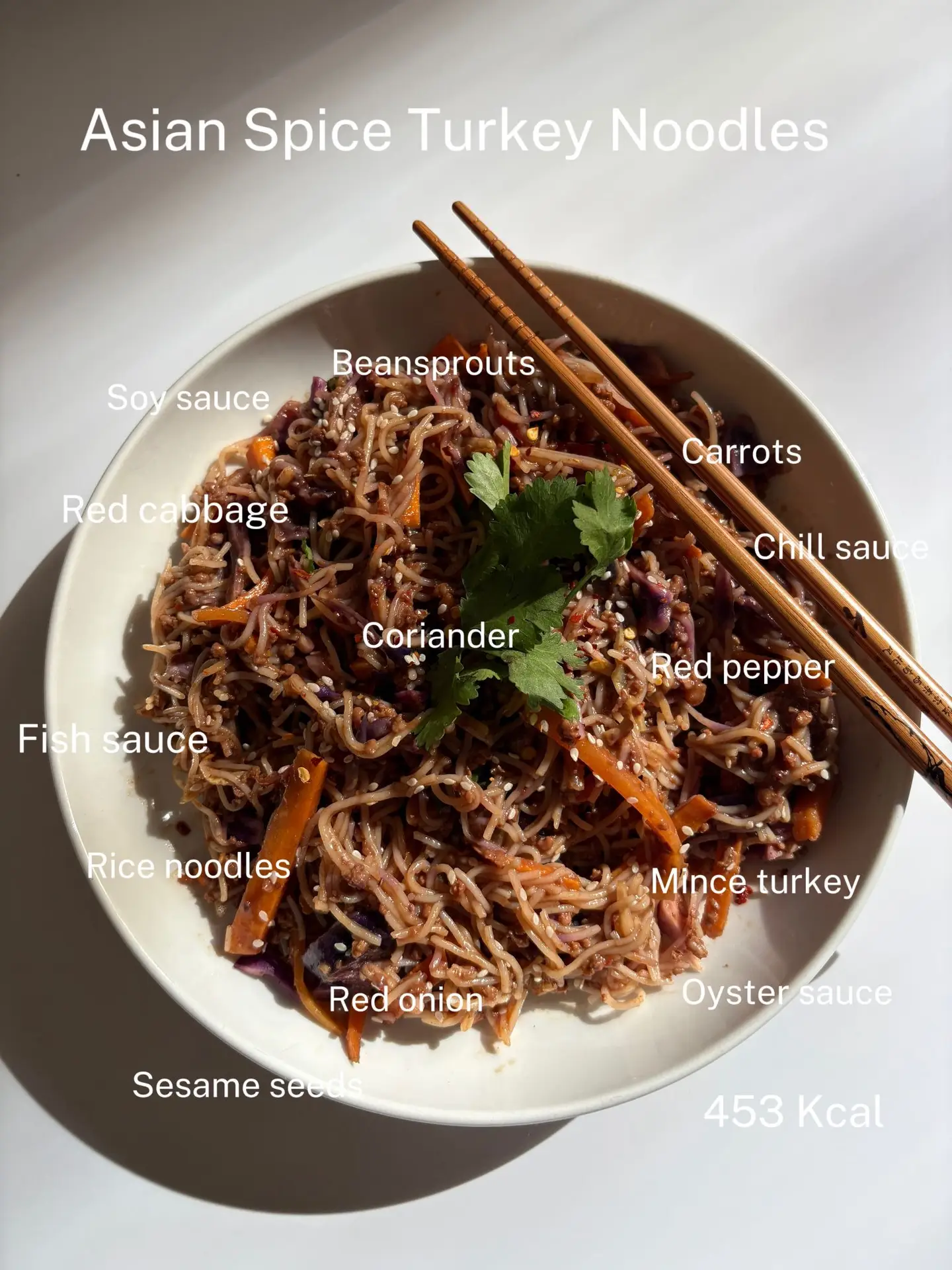
Good sources include chicken, fish, eggs and lean meat. If you do not eat meat, try lentils, beans or tofu. See how much protein you need to build muscle for more detail.
Balance the rest of your plate
Round out your meals with carbs, healthy fats and plenty of vegetables. Drink enough water through the day too.
What to do next
Once you can do all four exercises with good form, you are ready for more. Try these next steps:
- Follow the full 12REPS core workout, which adds a warm-up, five exercises and a cool-down.
- If you have a sandbag, try the sandbag core workout for a heavier, shifting load.
- Add a few reps or a few seconds to your holds each week, but only when your form stays solid.
Learn the moves with 12REPS
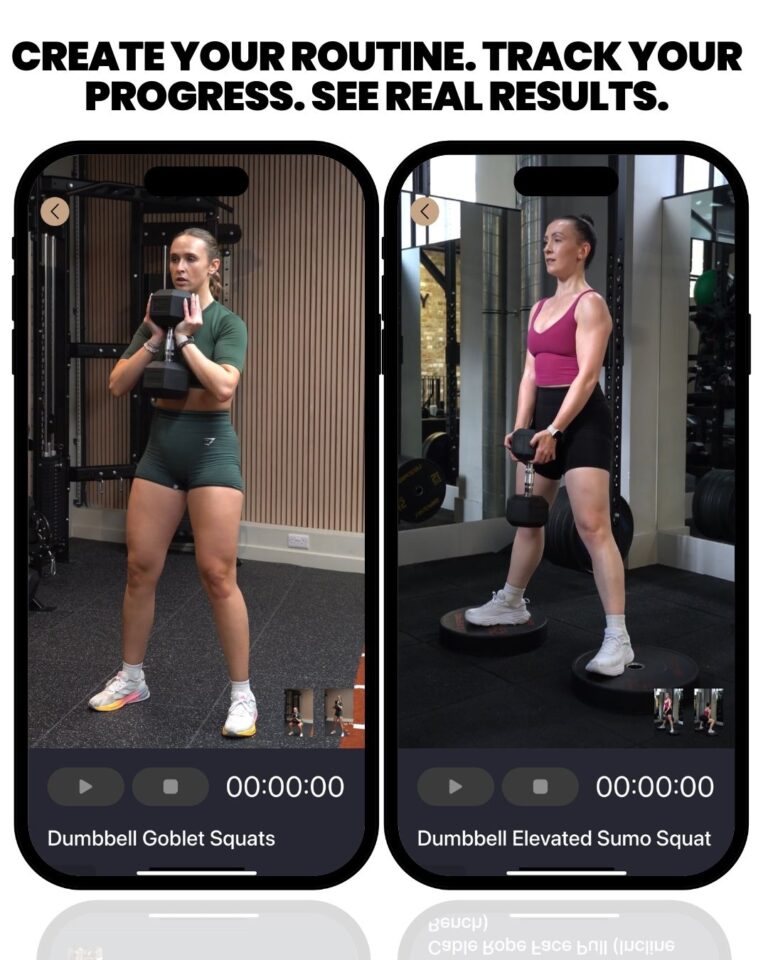
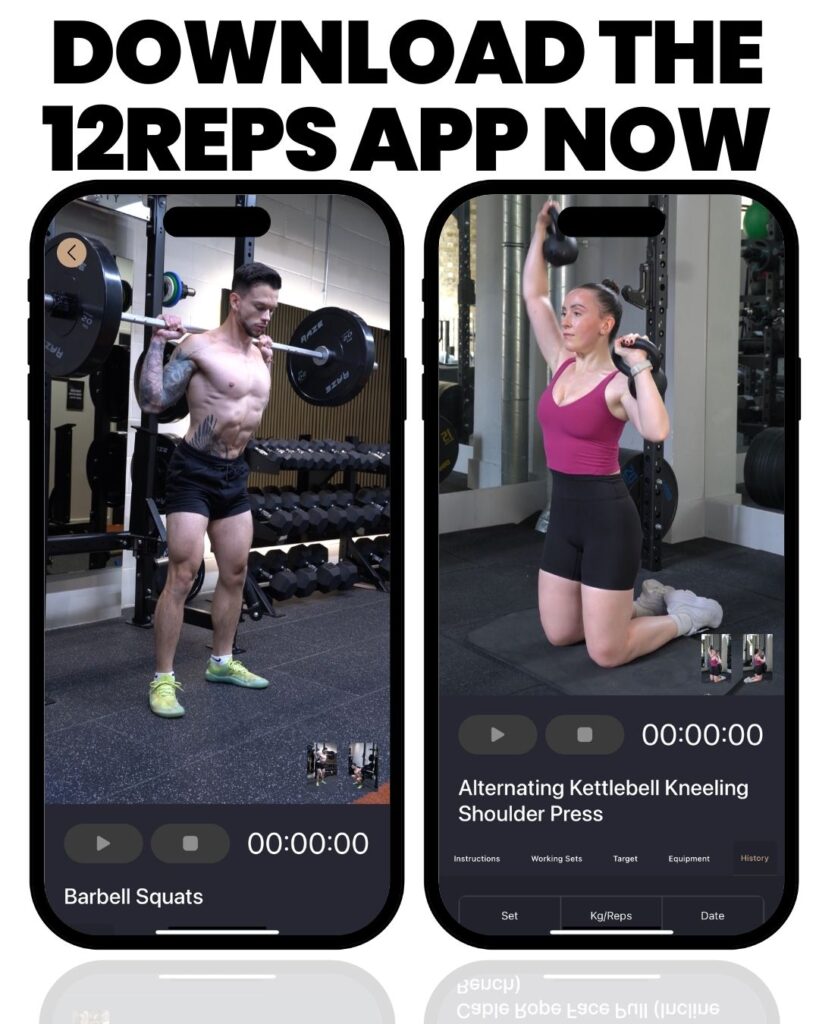
If you want to see exactly how each exercise should look, 12REPS has a demonstration from a qualified personal trainer for every exercise. It also builds sessions around your goal, your equipment and your time. It logs your reps and weights so you know what to beat next time. Find out how the 12REPS app works.
Sources
- Core Muscle Strength: Why it’s Important to Maintain. Mayo Clinic News Network, 2012. https://newsnetwork.mayoclinic.org/discussion/core-muscle-strength-why-its-important-to-maintain/
- Kibler WB, et al. The role of core stability in athletic function. Sports Medicine, 2006. https://link.springer.com/article/10.2165/00007256-200636030-00001
- Reed CA, et al. The effects of isolated and integrated ‘core stability’ training on athletic performance measures: a systematic review. Sports Medicine, 2012. https://sponet.de/sponet/Record/4027189?lng=en
- Saragiotto BT, et al. Motor control exercise for chronic non-specific low-back pain. Cochrane Database of Systematic Reviews, 2016. https://cochranelibrary.com/cdsr/doi/10.1002/14651858.CD012004/information
- Low back pain: physiotherapy and exercises. Guy’s and St Thomas’ NHS Foundation Trust, 2024. https://guysandstthomas.nhs.uk/health-information/low-back-pain/physiotherapy-and-exercises
- Physical activity guidelines for adults aged 19 to 64. NHS, 2024. https://www.nhs.uk/live-well/exercise/physical-activity-guidelines-for-adults-aged-19-to-64/
- Vispute SS, et al. The effect of abdominal exercise on abdominal fat. Journal of Strength and Conditioning Research, 2011. https://nutrition-evidence.com/article/161088/the-effect-of-abdominal-exercise-on-abdominal-fat
- Jäger R, et al. International Society of Sports Nutrition Position Stand: Protein and Exercise. Journal of the International Society of Sports Nutrition, 2017. https://cdr.lib.unc.edu/concern/articles/gh93h184p