Written by Will Duru, BSc (Hons) Sport and Exercise Science, Award-winning Personal Trainer with over 10 years of experience in strength training and optimising recovery
This beginner push pull legs program gives you four gym sessions a week: push, pull, legs and a full-body day. The full-body day means your chest, back and legs are each trained twice a week. Every exercise uses light to moderate weights, so you can learn good form while you build strength and muscle.
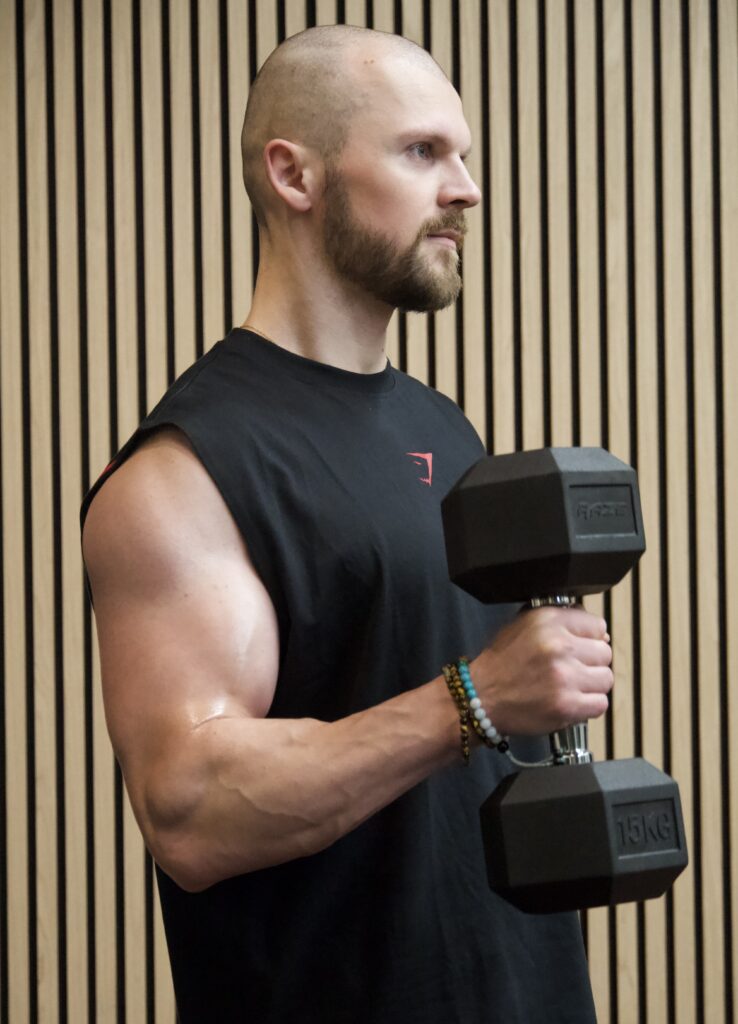
Your 4-day beginner schedule
- Day 1: Push (chest, shoulders, triceps)
- Day 2: Pull (back, biceps)
- Day 3: Legs (quads, hamstrings, glutes, calves)
- Day 4: Full body (a mix of push, pull and leg exercises)
- Days 5-7: rest or light activity such as walking
You can train four days in a row and rest for three. If you feel sore or tired, spread the sessions out instead, for example Monday, Tuesday, Thursday and Saturday. That gives you more rest between sessions.
Before each session, do a 5 to 10 minute warm-up of light cardio and moving stretches, such as leg swings and arm circles. Finish with 5 to 10 minutes of easy stretching. Our guide on how to warm up before lifting shows what to include.
How heavy is "light weight"?
Choose a weight you can lift for every rep in the range with good form. The last two reps should feel hard but still clean. If your form breaks down, the weight is too heavy. Our guide on how much weight to lift explains this step by step.
The beginner push pull legs workouts
Day 1: Push workout
| Exercise | Weight | Sets | Reps | Rest |
|---|---|---|---|---|
| Barbell Bench Press | Light | 4 | 8-12 | 60-90 seconds |
| Incline Dumbbell Press | Light | 3 | 10-15 | 60-90 seconds |
| Dumbbell Shoulder Press | Light | 4 | 10-15 | 60-90 seconds |
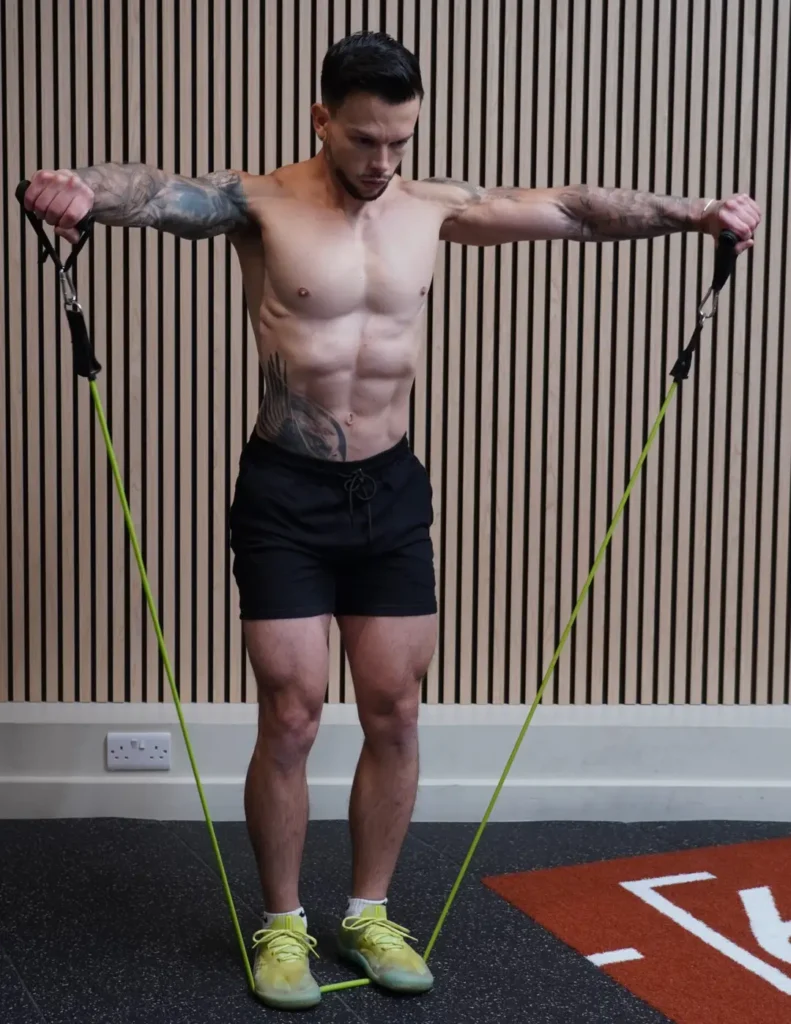
| Lateral Raises | Light | 4 | 12-15 | 45-60 seconds |
| Triceps Pushdowns | Light | 4 | 10-15 | 45-60 seconds |
| Overhead Dumbbell Extension | Light | 3 | 10-15 | 45-60 seconds |
Day 2: Pull workout
| Exercise | Weight | Sets | Reps | Rest |
|---|---|---|---|---|
| Lat Pulldown | Light | 5 | 8-12 | 60-90 seconds |
| Seated Cable Row | Light | 4 | 10-15 | 60-90 seconds |
| Face Pulls | Light | 4 | 12-15 | 45-60 seconds |
| Dumbbell Biceps Curls | Light | 4 | 10-15 | 45-60 seconds |
| Hammer Curls | Light | 3 | 10-15 | 45-60 seconds |
| Back Extensions | Bodyweight | 3 | 12-15 | 45-60 seconds |
Video: How to do a lat pulldown. The lat pulldown opens your pull day. Watch this to see the grip, where the bar finishes and how to control the return.
Day 3: Legs workout
| Exercise | Weight | Sets | Reps | Rest |
|---|---|---|---|---|
| Barbell Squats | Light | 4 | 8-12 | 60-90 seconds |
| Leg Press | Light | 4 | 10-15 | 60-90 seconds |
| Hamstring Curls | Light | 4 | 10-15 | 45-60 seconds |
| Leg Extensions | Light | 4 | 10-15 | 45-60 seconds |
| Standing Calf Raises | Bodyweight or light | 4 | 15-20 | 30-45 seconds |
| Glute Bridges | Bodyweight | 3 | 12-15 | 45-60 seconds |
Day 4: Full-body workout
| Exercise | Weight | Sets | Reps | Rest |
|---|---|---|---|---|
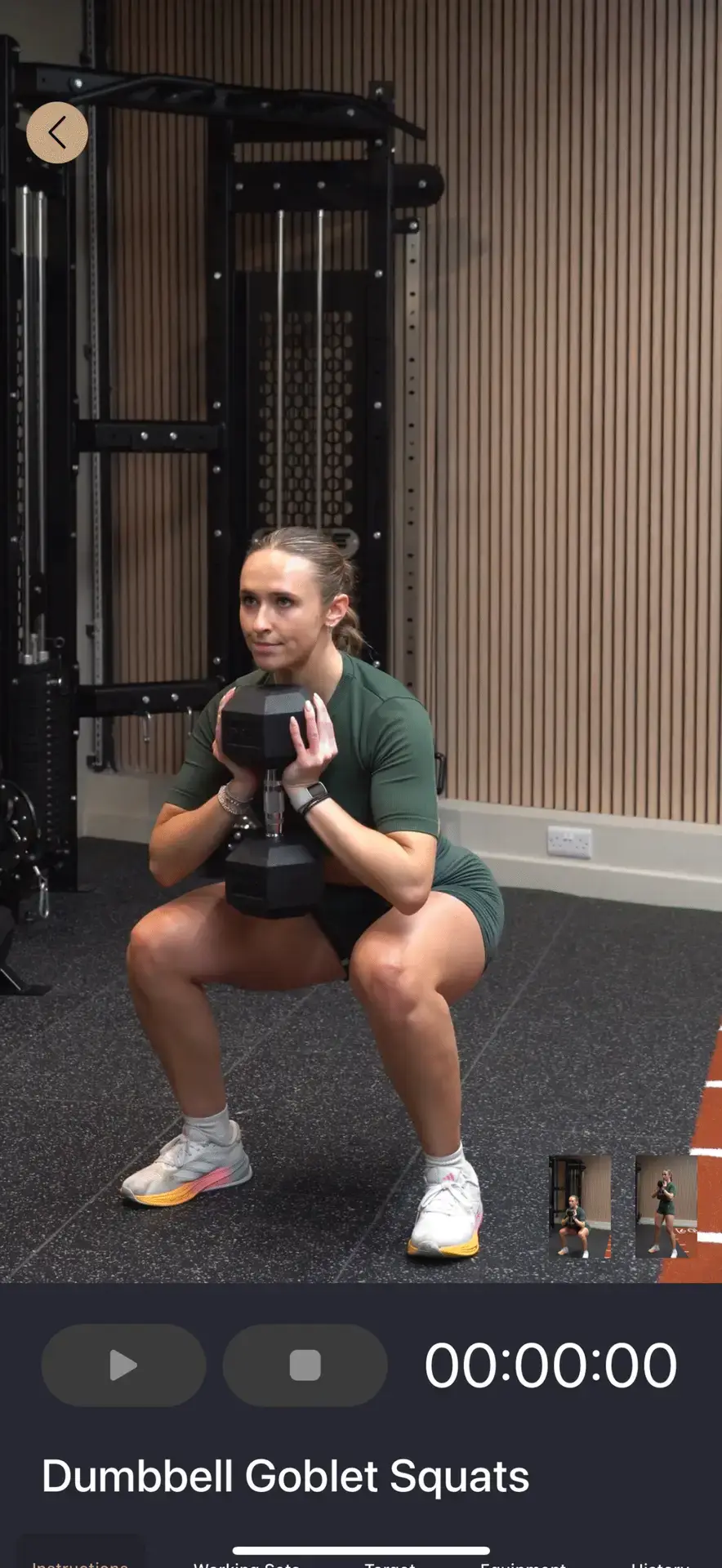
| Dumbbell Goblet Squat | Light | 5 | 10-15 | 60-90 seconds |
| Push-Ups | Bodyweight | 4 | As many as you can with good form | 60-90 seconds |
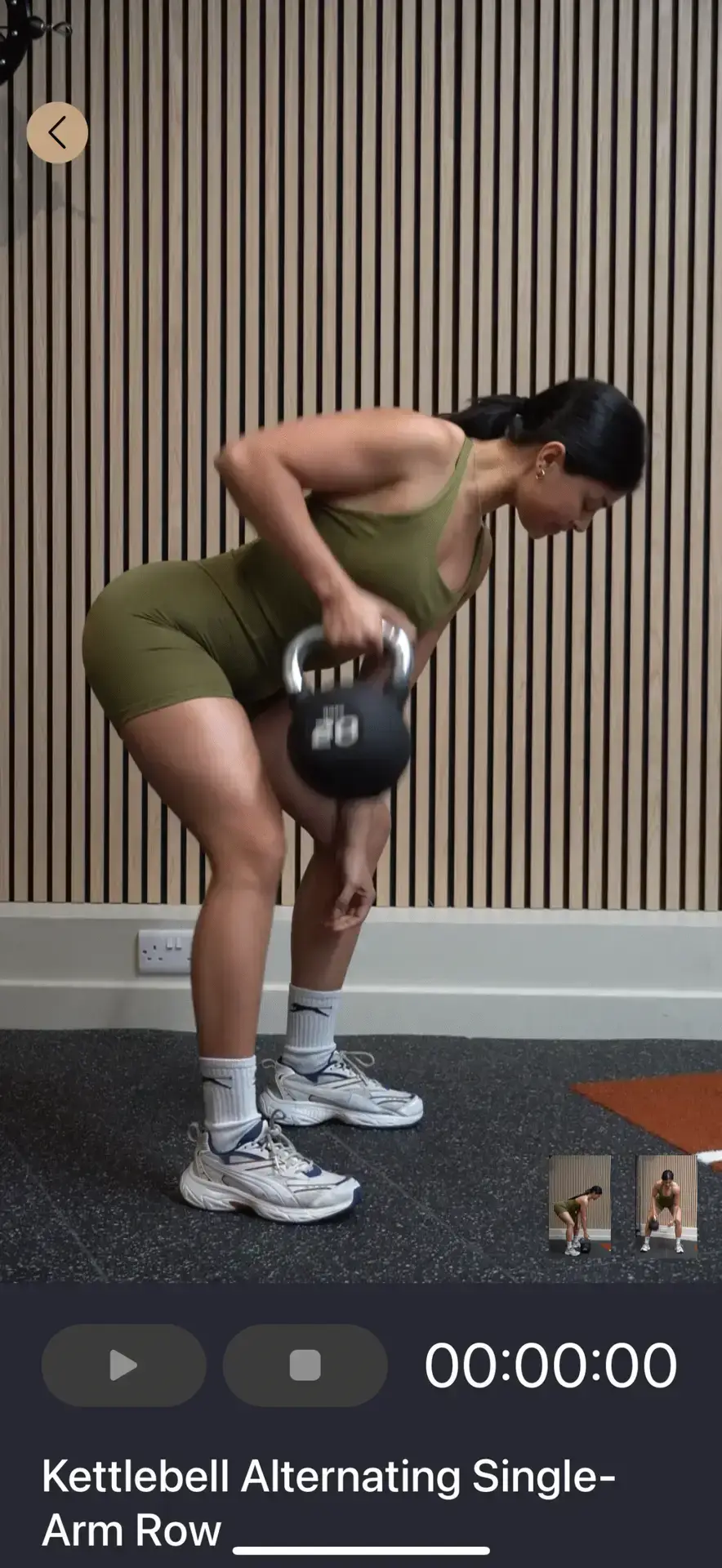
| Dumbbell Rows | Light | 4 | 10-15 | 60-90 seconds |
| Dumbbell Overhead Press | Light | 3 | 10-15 | 60-90 seconds |
| Plank | Bodyweight | 3 | Hold 30-60 seconds | 30-45 seconds |
| Bodyweight Lunges | Bodyweight | 3 | 10-12 per leg | 45-60 seconds |
If push-ups from the floor are too hard, put your hands on a bench. That makes them easier while you build strength.
Tips for your first weeks
Some muscle soreness is normal when you start, and it usually eases as your body gets used to training. Read is it normal to feel sore after every workout if you are unsure.
Video: What every new gym beginner should know. Watch this before your first week for practical tips on starting out with confidence.
Recovery and nutrition
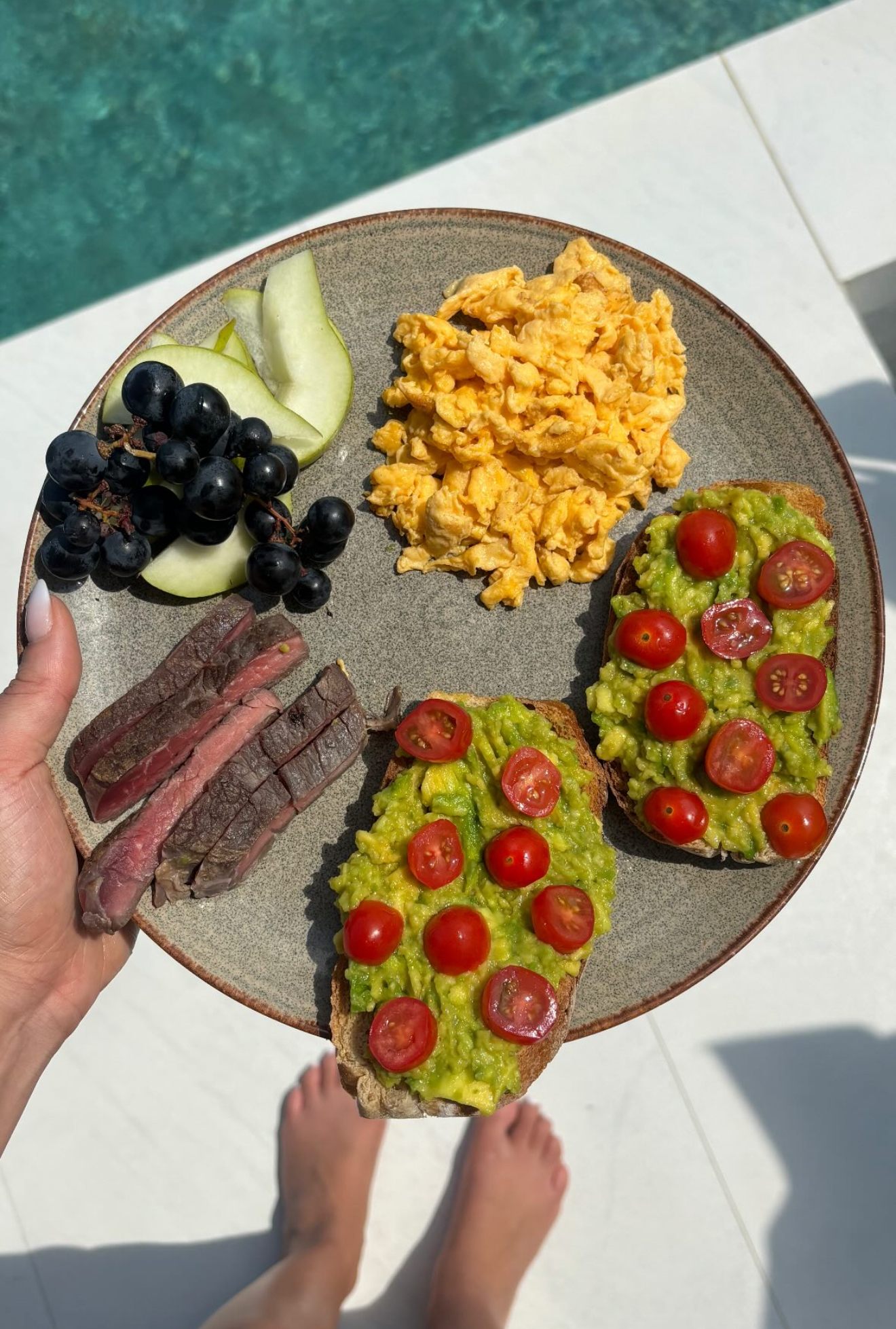
- Protein: a large meta-analysis found that extra protein stopped adding lean mass once total intake reached about 1.6 g per kg of body weight a day. Spread it across your meals.
- Sleep: adults should aim for at least 7 hours a night.
- Consistency: turning up most weeks matters more than any single session.
If you have a medical condition or take medication, check with your doctor before you start a new training plan.
Why push pull legs works for beginners
A push/pull/legs (PPL) split groups exercises by movement pattern instead of single muscles.
- Push day trains the muscles that push weight away from you: chest, shoulders and triceps. Think bench press and shoulder press.
- Pull day trains the muscles that pull weight toward you: back and biceps. Think lat pulldowns, rows and curls.
- Leg day trains your quads, hamstrings, glutes and calves with squats, leg presses and lunges.
For beginners, this has three main benefits.
- It is simple. You do not need to know much anatomy. Just ask: is this a push, a pull or a leg exercise?
- Each muscle gets trained twice a week. The full-body day repeats a push, a pull and two leg moves. A meta-analysis found that training a muscle twice a week led to more growth than once a week.
- Muscles get time to recover. After push day, your chest and triceps rest while you train your back and biceps.
Not sure if this split suits you? Compare it in our guide to upper/lower vs push pull legs vs full body.
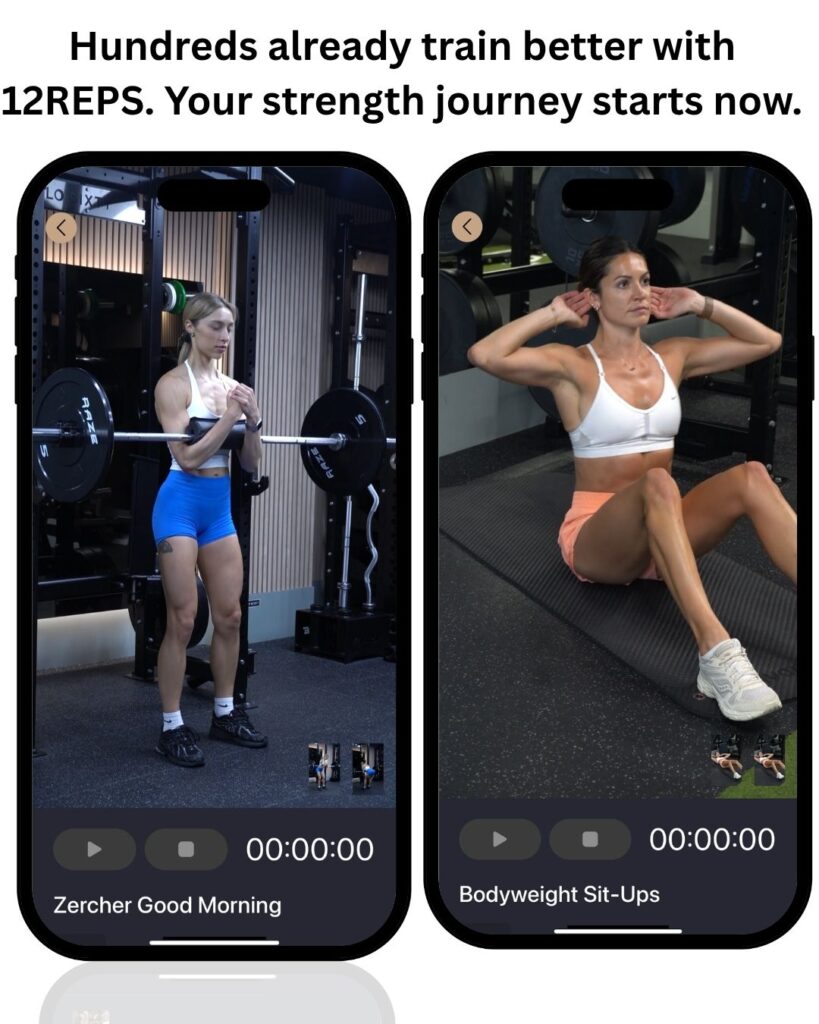
Good form first, then progressive overload
Two things matter most for any beginner: proper form and steady progress. Neglect either and your progress stalls.
Progressive overload means making the work slightly harder over time so your body keeps adapting. Your first job is to master good form on each exercise.
Proper form
Move with control, feel the target muscle working and avoid swinging or bouncing. Watch exercise demonstrations and film a set from the side to compare. Lifting lighter with good form beats lifting heavy with poor form.
Ways to progress
- Add weight once you can finish every set at the top of the rep range with good form. Then work back up the range.
- Add reps if you are not ready for more weight yet.
- Add a set to an exercise to give your muscles a new challenge.
- Improve your form, with more control and a fuller range of motion. That is progress too.
A 2022 study found that adding reps or adding weight both led to similar muscle and strength gains. For beginners, adding reps first and weight second is a simple way to start.
Write down the weight and reps for every set. That way you always know what to beat next session.
For more ideas, read the beginner’s guide to progressive overload. Once you outgrow this program, the 12-week push pull legs plan is a good next step.
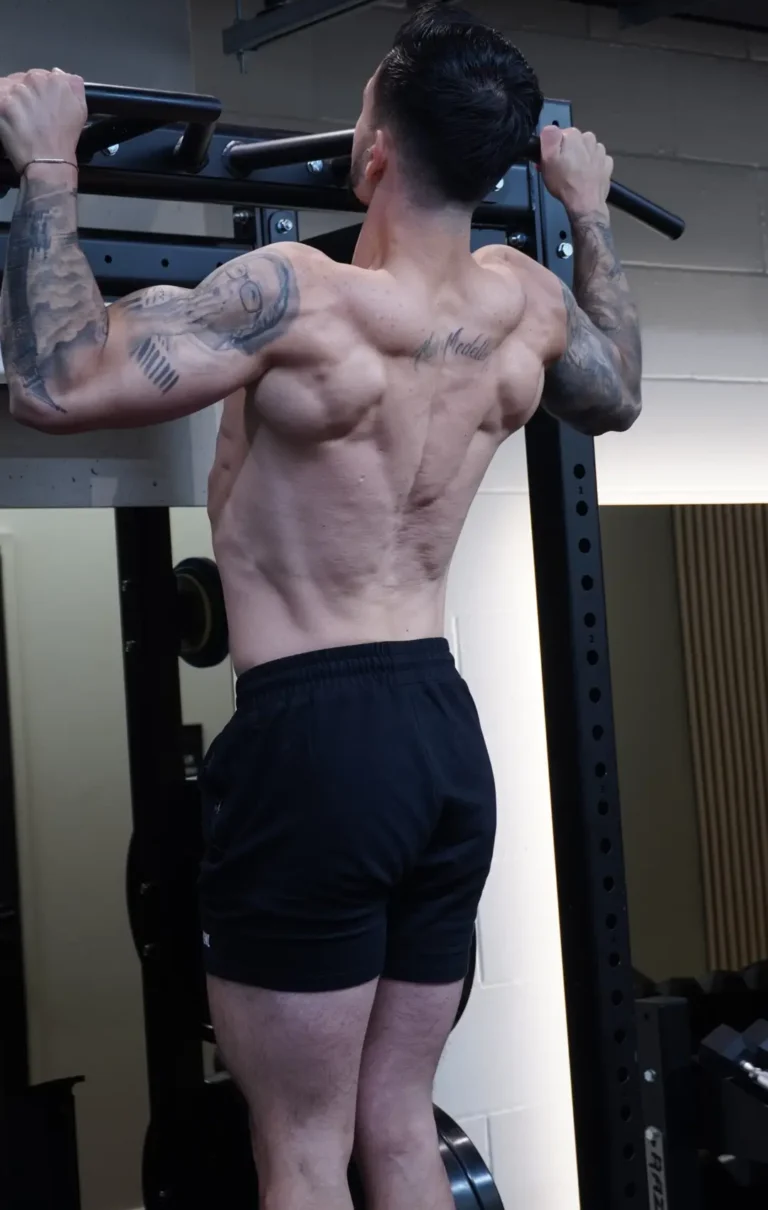
Beginner push pull legs FAQs
Can I do this program at home?
Partly. Day 4 needs only dumbbells and bodyweight. Days 1 to 3 use gym machines and barbells.
How long should I follow this program?
Stay with it while you keep adding reps or weight. When progress stalls for several weeks, move to a harder plan.
What should I do if I miss a day?
Pick up where you left off. Do the missed session next and keep the order.
Start your beginner program
This 4-day push pull legs program gives you a solid base for strength and muscle. Stay consistent, focus on form and add a little each week.
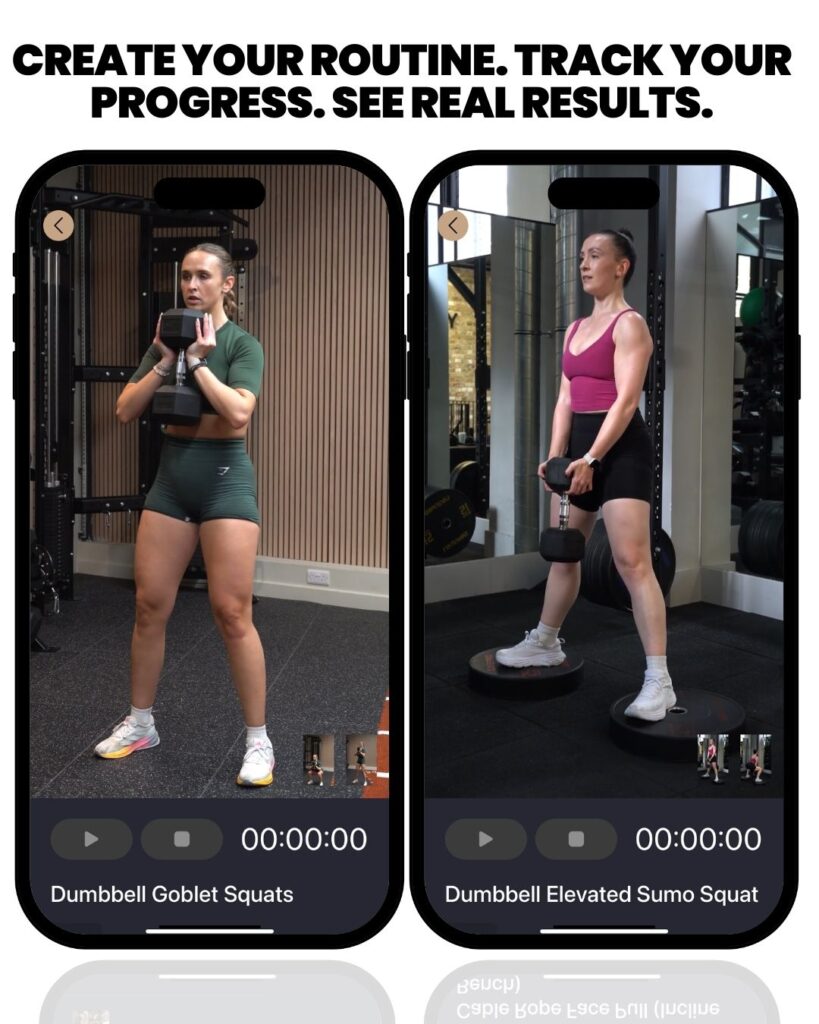
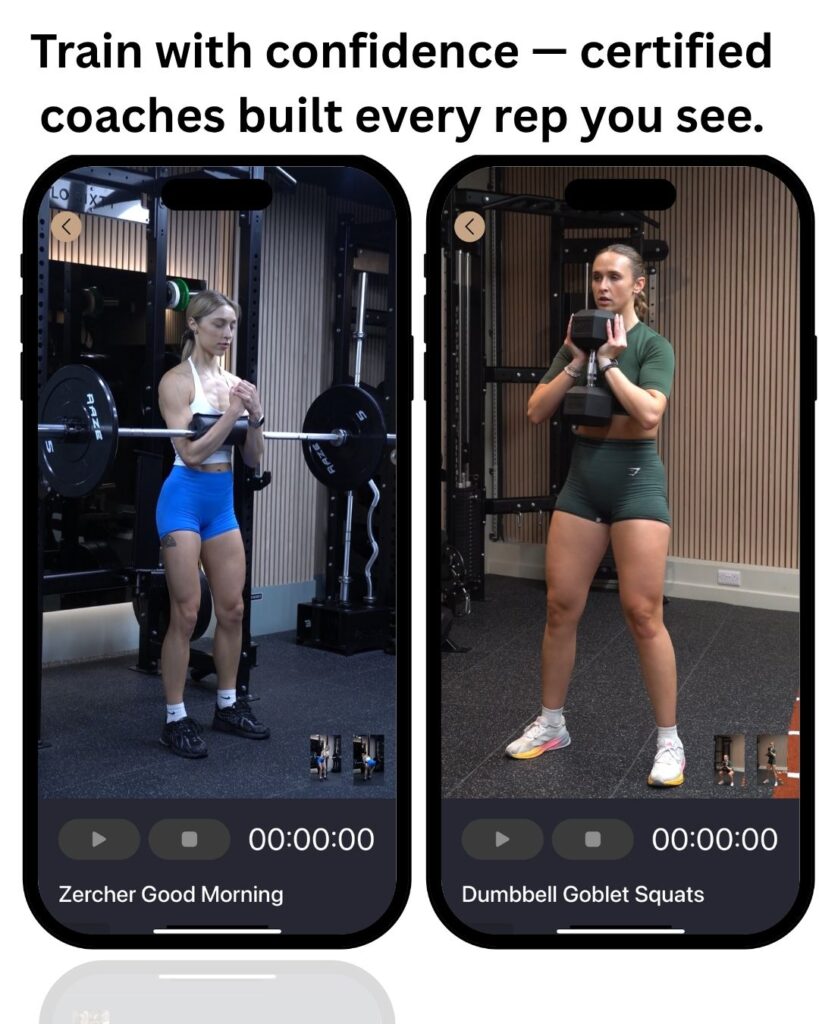
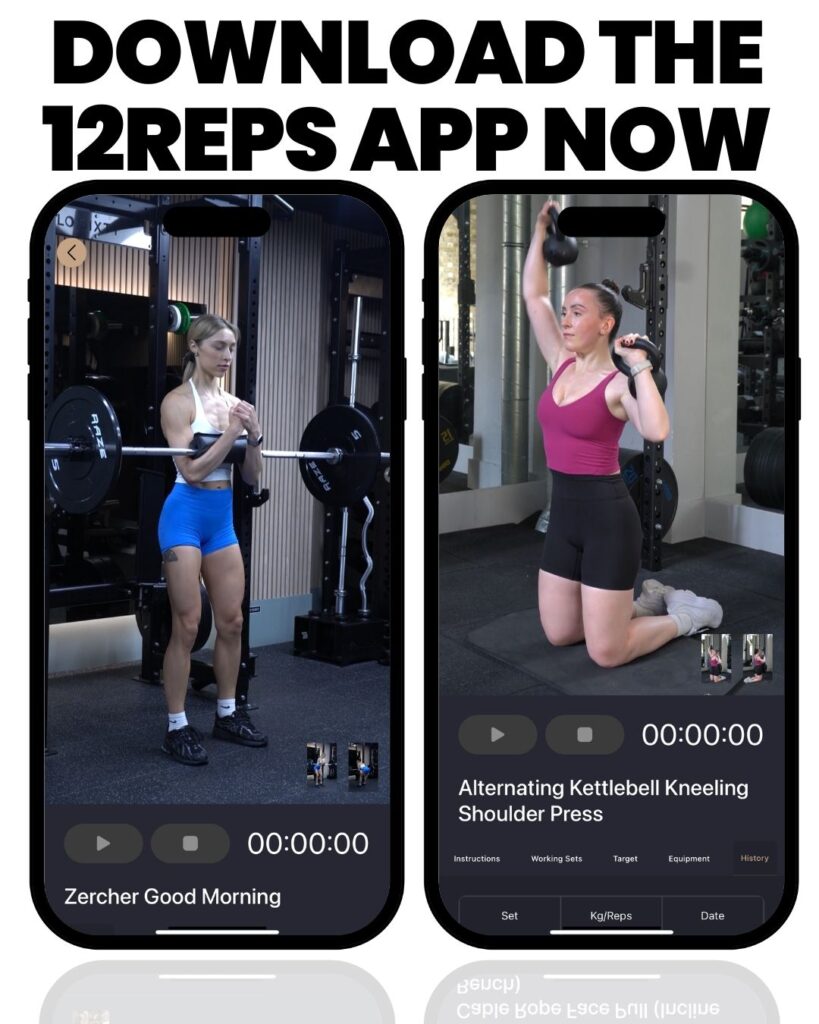
If you’d like each session set out for you, 12REPS shows a trainer demonstration for every exercise and remembers the weights you lifted, so you always know your next target.
Sources
- Effects of Resistance Training Frequency on Measures of Muscle Hypertrophy: A Systematic Review and Meta-Analysis. Schoenfeld BJ, Ogborn D, Krieger JW. Sports Medicine, 2016. https://pubmed.ncbi.nlm.nih.gov/27102172/
- Progressive overload without progressing load? The effects of load or repetition progression on muscular adaptations. Plotkin D et al. PeerJ, 2022. https://peerj.com/articles/14142
- A systematic review, meta-analysis and meta-regression of the effect of protein supplementation on resistance training-induced gains in muscle mass and strength in healthy adults. Morton RW et al. British Journal of Sports Medicine, 2018. https://pubmed.ncbi.nlm.nih.gov/28698222/
- 1 in 3 adults don’t get enough sleep. Centers for Disease Control and Prevention, 2016. https://archive.cdc.gov/www_cdc_gov/media/releases/2016/p0215-enough-sleep.html