



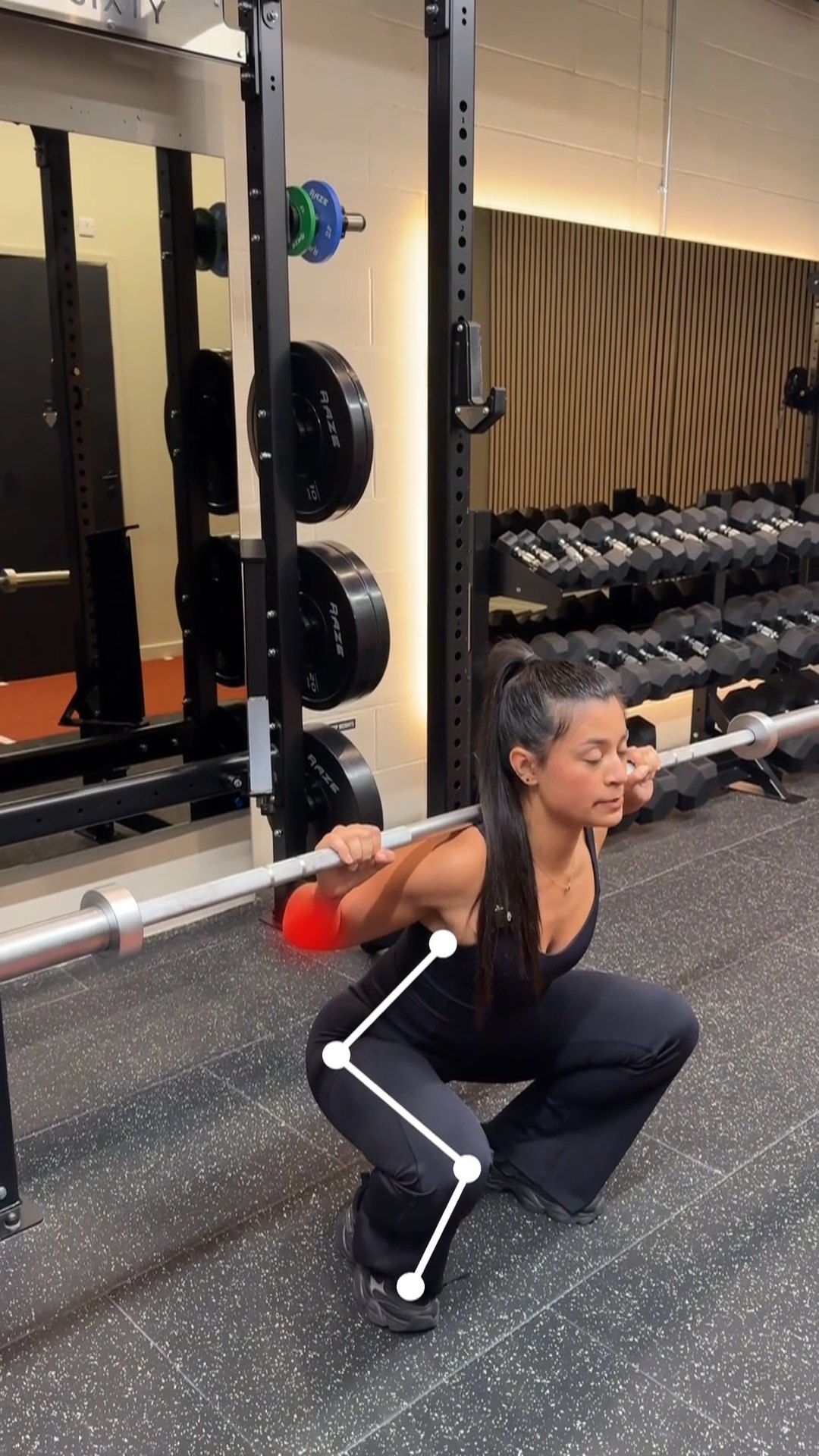
Short answer: Lifting shoes, also called weightlifting or squat shoes, have a raised, solid heel and a firm sole. Studies show they change your squat position: your ankle bends less, your knees can travel further forward and your trunk tends to stay more upright. That can help if you lean forward a lot or have stiff ankles. But they are not essential, the research is mixed, and putting small plates or a wedge under your heels gives a similar effect for much less money. Most beginners do not need them.
This guide is for anyone wondering whether lifting shoes are worth buying. I cover what they do, what the research says, who benefits and the cheaper alternatives.
What are lifting shoes?
- Raised heel: usually about half an inch to an inch high (roughly 1.5 to 2.5 cm). This tilts your foot so your ankle does not have to bend as far at the bottom of a squat.
- Firm sole: made of hard rubber, wood or plastic rather than soft foam, so the shoe does not compress under a heavy bar.
- Secure fit: often with a strap across the top of the foot to keep it locked in place.

What the research says
- They can make your squat more upright. In 25 college-aged adults squatting at 60% of their maximum, weightlifting shoes changed the angle of the foot by about 3.5° and reduced forward trunk lean compared with running shoes. Thigh depth at the bottom did not change (Sato et al., 2012).
- They shift work toward the knees. In 32 adults, weightlifting shoes reduced how far the ankle bent and increased knee bend compared with athletic shoes. Without a bar, they also kept the trunk more upright and increased the load on the knee. Experienced squatters seemed to make more use of the change than novices (Legg et al., 2017).
- A review found consistent changes in position. A review of 14 studies concluded that weightlifting shoes reduce trunk lean compared with running shoes and squatting barefoot. Raising the heels with a wedge had a similar effect. The authors called for more research in beginners and women (Pangan and Leineweber, 2021).
- Not every study finds a clear benefit. In 9 men squatting at 50 to 90% of their maximum, the main difference was more ankle bend in running shoes. The authors said more research is needed before claiming benefits for lifting shoes (Whitting et al., 2016). Another study of recreational lifters found that raising the heels did not change trunk or lower body mechanics (Lee et al., 2019).
None of these studies measured whether lifting shoes help you build more strength or muscle over time. They show changes in position during the lift.
Who might benefit from lifting shoes?
These are my coaching suggestions, not research-based rules:
| Probably worth trying | Probably not needed |
|---|---|
| You squat regularly and lean far forward, even with good technique | You are a beginner still learning to squat |
| Your ankles are stiff and your heels lift at the bottom | Your squat already feels balanced with your heels down |
| You do front squats, high-bar squats or Olympic lifts | You mostly train with machines, dumbbells or bodyweight |
| You want more quad emphasis in your squats | You only do deadlifts, where a flat sole is usually preferred |
If you are on the fence, try raising your heels first. If you like how it feels after a few weeks, a pair of lifting shoes is a more stable, convenient version of the same idea.
Cheaper alternatives
- Plates or a squat wedge under your heels: the review above found heel wedges have similar effects to lifting shoes. Use small, stable plates or a purpose-made wedge.
- Flat, firm training shoes: these give a stable base for most lifting, especially deadlifts.
- Ankle mobility work: if stiff ankles are the issue, working on them may reduce the need for a raised heel.
My guide to heel-elevated squats explains how to set them up and what the research says about quad work.
What about deadlifts?
Lifting shoes are designed for squats and Olympic lifts. For deadlifts, many lifters prefer a flat, thin sole, which keeps their feet close to the floor and feels stable. In my view, flat shoes work well for deadlifts, and you don’t need a raised heel.
How to choose lifting shoes
- Heel height: a lower heel is a more modest change. A higher heel suits very upright squatters and lifters with stiff ankles.
- Fit: snug through the midfoot with room for your toes, and no heel slip.
- Sole: hard and flat on the bottom, without soft cushioning.
- Use: wear them for squats and Olympic lifts, and switch shoes for running, jumping and walking.
Summary
- Lifting shoes have a raised, firm heel that changes your squat position.
- Studies show they reduce ankle bend and trunk lean and allow more knee bend, but results vary.
- No studies show they build more strength or muscle over time.
- They may help people who lean forward a lot or have stiff ankles; most beginners do not need them.
- Small plates or a wedge under your heels give a similar effect for much less money.
Squat with a plan
The right shoes can make your squat feel better, but your plan matters far more. Steady progress with good technique is what builds strength.
That is what I built 12REPS to help with. You set your goal, your available time and your equipment, and the app builds your workouts. Every exercise comes with a trainer demonstration, and you can log your sets and reps to see your progress over time.
Download 12REPS and see what you’ll get:
Sources
- Sato K, Fortenbaugh D, Hydock DS. Kinematic changes using weightlifting shoes on barbell back squat. J Strength Cond Res. 2012;26(1):28–33.
- Legg HS, Glaister M, Cleather DJ, Goodwin JE. The effect of weightlifting shoes on the kinetics and kinematics of the back squat. J Sports Sci. 2017;35(5):508–515.
- Pangan AM, Leineweber M. Footwear and elevated heel influence on barbell back squat: a review. J Biomech Eng. 2021;143(9):090801.
- Whitting JW, Meir RA, Crowley-McHattan ZJ, Holding RC. Influence of footwear type on barbell back squat using 50, 70, and 90% of one repetition maximum: a biomechanical analysis. J Strength Cond Res. 2016;30(4):1085–1092.
- Lee SP, Gillis CB, Ibarra JJ, et al. Heel-raised foot posture does not affect trunk and lower extremity biomechanics during a barbell back squat in recreational weight lifters. J Strength Cond Res. 2019;33(3):606–614.
Related reading
- Heel-Elevated Squats: Do They Work Your Quads More?
- How Deep Should You Squat? What the Research Says
- Front Squat vs Back Squat: Differences, Benefits and Which to Choose
- How to Squat Properly: Stance, Depth and Fixes for Women
- Knees Past Toes When Squatting: Is It Bad for Your Knees?
- Do You Need a Lifting Belt? When to Wear One, and When Not To
- Sumo vs Conventional Deadlift: Differences, Muscles Worked and Which to Do
I’m Will Duru, a personal trainer and the founder of 12REPS. I hold a BSc (Hons) in Sport and Exercise Science and have more than a decade of experience coaching people in strength training.

