
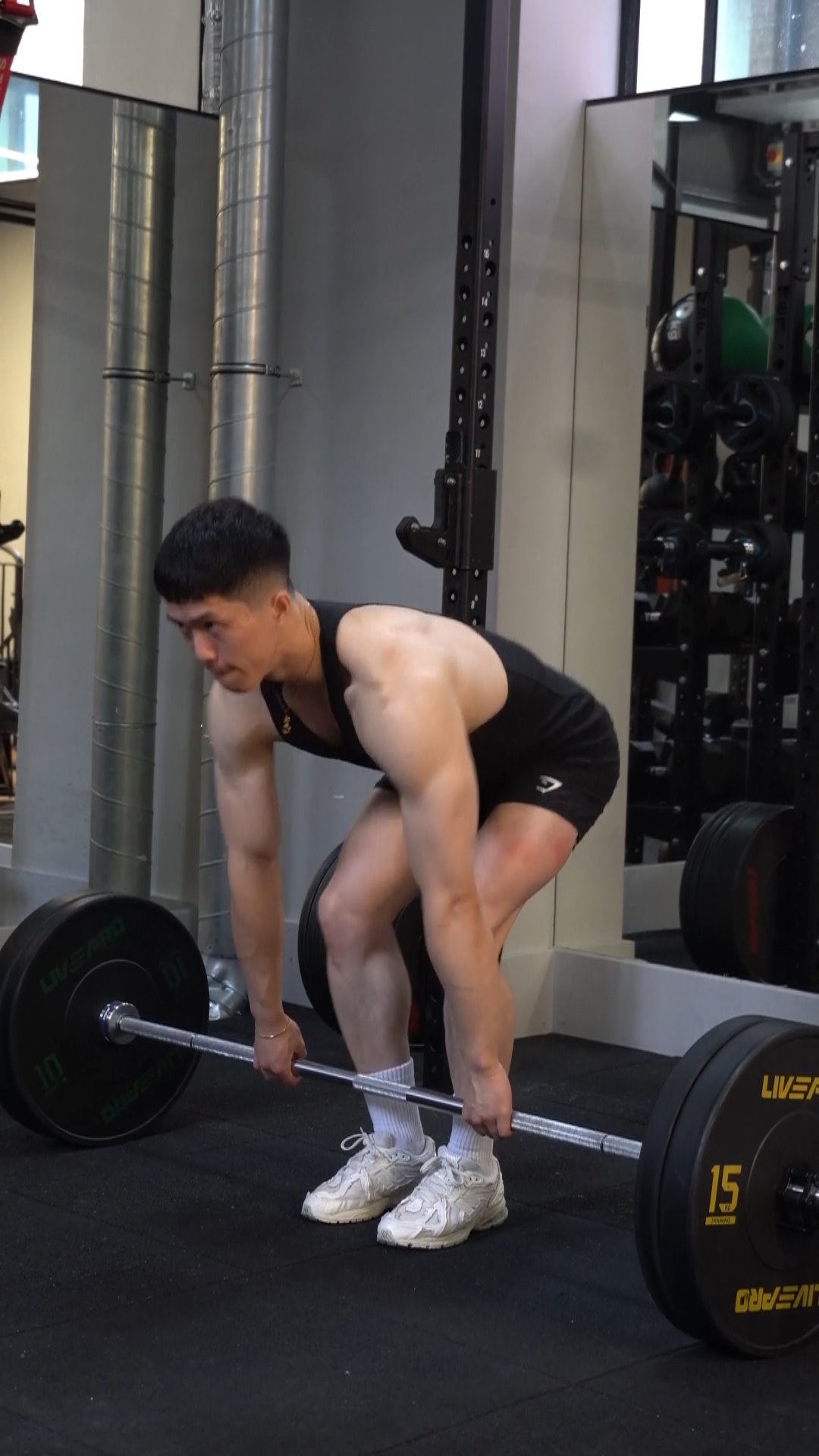



By Will Duru, personal trainer and founder of 12REPS.
The Short Answer
Most people don’t need a lifting belt, especially beginners. A belt can help experienced lifters brace harder and lift a little more on heavy squats and deadlifts. But it doesn’t replace good technique, and there is no good evidence that wearing one prevents back injuries.
My rule of thumb: learn to brace without a belt first. Consider a belt only once you are lifting heavy weights on big barbell lifts.
What Does a Lifting Belt Actually Do?
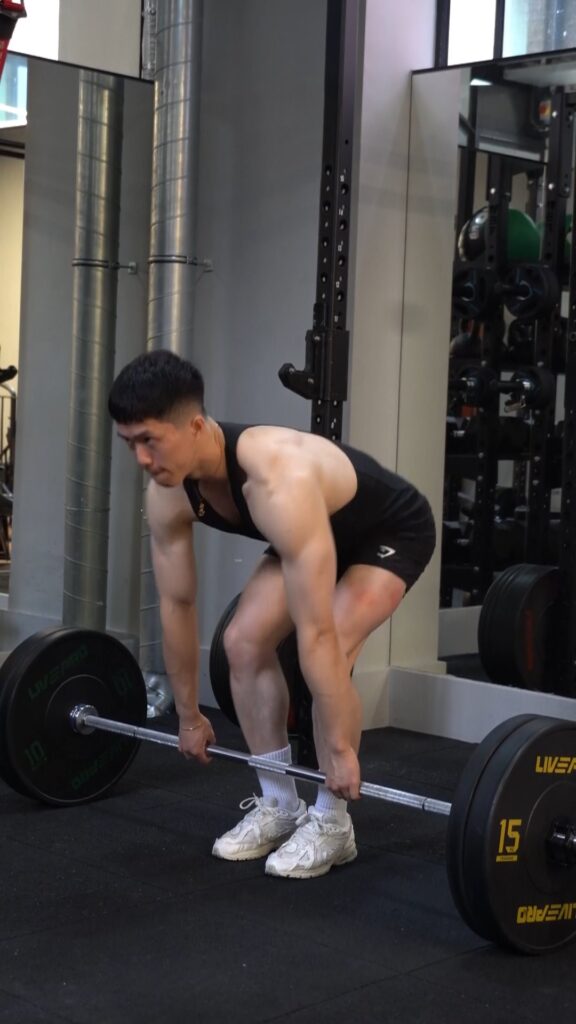
Before a heavy lift, you take a big breath and tighten your stomach muscles. This is called bracing. It raises the pressure inside your abdomen, which helps keep your trunk stiff and steady under the bar.
A belt gives your stomach muscles something firm to push against. That lets you build more pressure than you could on your own. It does not do the work for you; you still have to breathe and brace.
What the Research Says
- Belts increase pressure in your abdomen. A 1992 study on squats found that wearing a belt raised intra-abdominal pressure by up to about 40% at an eight-rep-max load, and the final reps were slightly faster. (Summary via StrengthLog.)
- Belts did not prevent back injuries at work. A 2000 study by Wassell and colleagues for NIOSH, published in JAMA, followed nearly 14,000 retail workers in 160 stores. Wearing back belts, or working in a store that required them, was not linked to fewer back injury claims or less low back pain.
These studies looked at different things. The first suggests a belt can help performance on heavy lifts. The second suggests belts are not a reliable way to prevent back problems. Neither study tested belts as an injury-prevention tool in the gym.
Who Should Consider a Belt?
- Experienced lifters who already brace well without one.
- People lifting heavy, roughly the last few hard sets on squats and deadlifts.
- Powerlifters and weightlifters who compete with a belt.
A common guideline is to wear a belt only on sets above about 80% of your one-rep max. Treat that as a rough guide, not a rule.
Who Doesn’t Need One?
- Beginners. Learn how to brace and hold good positions first.
- Light and moderate sets. Warm-ups and higher-rep sets rarely need a belt.
- Most machine and dumbbell exercises. Leg presses, rows, curls and presses don’t usually need one.
- Anyone using it to cover a technique problem. A belt won’t fix rounding or poor form.
If you have back pain, a belt is not a treatment. Speak to a doctor or physical therapist, and read my guide to strength training for back pain.
How to Wear a Lifting Belt
- Put the belt around your waist, between your lowest ribs and your hip bones.
- Tighten it so you can just slide a flat hand between the belt and your stomach.
- Take a big breath into your stomach and push out into the belt in all directions.
- Hold that brace as you lift, then breathe out at the top or between reps.
- Loosen the belt between sets.
| Belt type | Features | Good for |
|---|---|---|
| Powerlifting belt | Same width all the way round, thick leather | Heavy squats and deadlifts |
| Weightlifting belt | Wider at the back, narrower at the front | Olympic lifts and squats |
| Velcro or nylon belt | Lighter and more flexible | General gym training, CrossFit-style workouts |
Practice your bracing on these lifts. Demos from the 12REPS exercise library:
Common Mistakes
- Wearing it for every exercise. Save it for heavy barbell lifts.
- Wearing it too loose. If you can’t push into it, it isn’t doing much.
- Wearing it too tight. You should still be able to breathe deeply into your stomach.
- Not bracing. The belt only works if you push your stomach out into it.
- Thinking it protects your back. Good technique and sensible loading matter far more.
Build Your Bracing Without a Belt
- Practice bracing on every warm-up set of squats and deadlifts.
- Train your core with exercises like the dead bug and the plank.
- Add weight gradually. The American College of Sports Medicine recommends progressing step by step.
Summary
- Most people, especially beginners, don’t need a lifting belt.
- A belt helps you brace harder and may help performance on heavy squats and deadlifts.
- A large study found back belts didn’t reduce back injuries at work.
- Learn to brace without a belt first. Use one only on your heaviest sets.
- Wear it between your ribs and hips, snug but not tight, and push into it as you lift.
Lift Heavier With a Plan
Want to get stronger on your squat and deadlift without guessing? 12REPS builds a strength program around your goal, schedule and equipment, with gradual increases that suit your level.
Every exercise has a demo and a coach tutorial from me, and your log shows what you lifted last time, so you always know when to add weight.
Download 12REPS and see what you’ll get:
Sources
- Wassell JT, Gardner LI, Landsittel DP, Johnston JJ, Johnston JM. A prospective study of back belts for prevention of back pain and injury. JAMA. 2000;284(21):2727–2732.
- Lander JE, Hundley JR, Simonton RL. The effectiveness of weight-belts during multiple repetitions of the squat exercise. Med Sci Sports Exerc. 1992;24(5):603–609. Summary via StrengthLog.
- American College of Sports Medicine. Progression models in resistance training for healthy adults. Med Sci Sports Exerc. 2009;41(3):687–708.
Related Reading
- How to squat properly
- How to deadlift properly
- Sumo vs conventional deadlift
- How deep should you squat?
- Strength training for back pain
I’m Will Duru, a personal trainer and the founder of 12REPS. I hold a BSc (Hons) in Sport and Exercise Science and have more than a decade of experience coaching people in strength training. This article is for general education and isn’t medical advice.
