

By Will Duru | BSc Sport Science | Personal Trainer | 10+ Years Experience
One of the most common questions I get from gym members is how to plan their workouts. My answer is always the same. It depends on how many days you train per week and how long you have to train.
When a new client comes to me and says, “I want to train three times a week for 45 minutes,” I know exactly what to do. I start each session with a 500-metre row and two mobility exercises. I then use supersets for every exercise pairing. We do 3 to 4 sets per exercise. That structure has worked for hundreds of my clients over the past 10 years, and it will work for you, too.
But before I show you the workouts, I want to talk about something most fitness content skips over. Why does strength training matter? Who should be doing it? At what age should you start? Once you understand the why, the how becomes much easier to stick to.
Why Strength Training Is Important
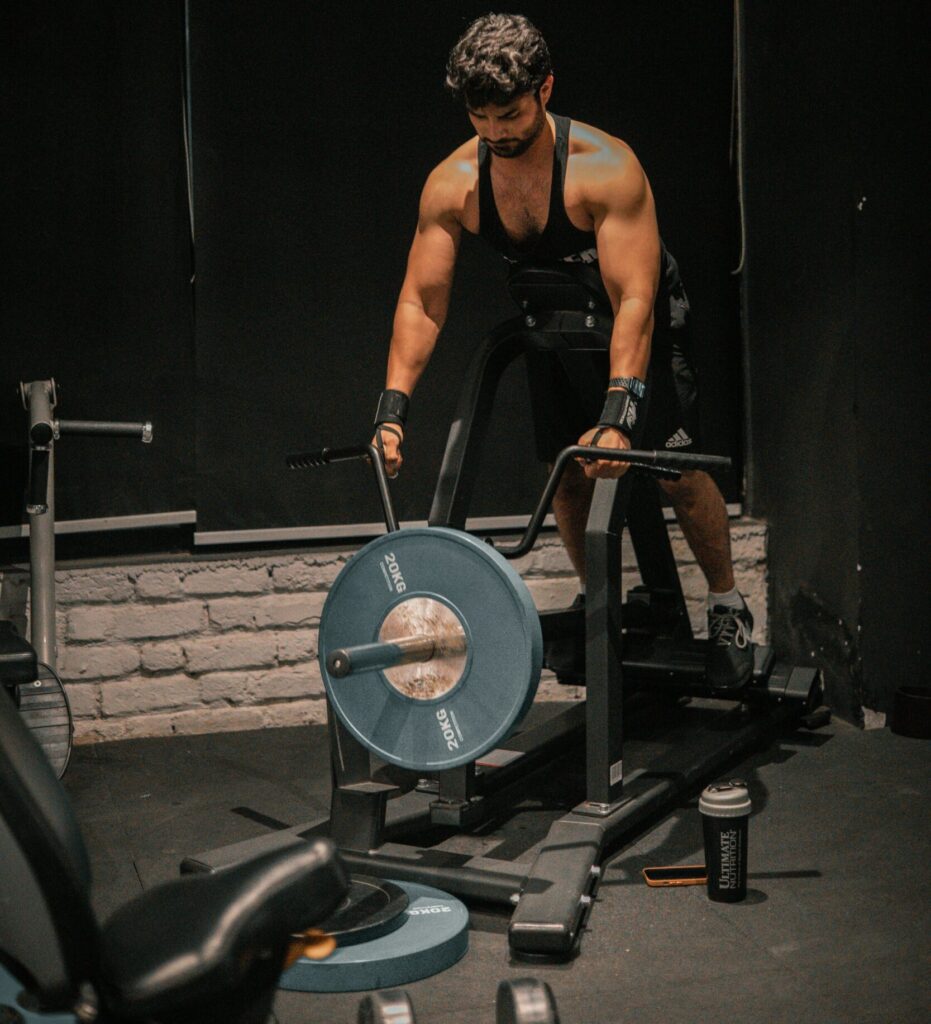
I have been a personal trainer for over 10 years. If there is one thing I could tell every person reading this, it would be: start strength training. It does not matter if your goal is to lose weight, build muscle, improve your mental health, or simply feel better when you wake up. Strength training is the foundation of it all.
Most people think strength training is just about getting big arms or a flat stomach. That is only a small part of it. The real benefits go much deeper than how you look.
It Protects Your Body as You Age
After age 30, your body begins to lose muscle. Research shows that muscle mass drops by roughly 3 to 8 per cent every 10 years if you are not training [2]. This gets worse after 60. Scientists call this sarcopenia. It is one of the main reasons older adults fall, break bones, and lose the ability to live on their own.
Strength training fights this directly. It builds and keeps the muscle you need to stay strong and mobile for decades. I have trained clients in their 50s and 60s who could not get up from a chair without using their hands. Within a few months of strength training, they were squatting with a barbell. That is not unusual. That is what happens when you give your body the right work.
It Makes Your Bones Stronger
Strength training is one of the best ways to improve bone density. When you load your muscles against resistance, the force is transmitted to your bones, which become denser and stronger [4]. The Royal Osteoporosis Society recommends muscle-strengthening exercises on 2 to 3 days per week, using bands or weights, and building up to 3 sets of 8 to 12 repetitions [4].
This is especially important for women. After menopause, women lose bone at a faster rate because of the drop in oestrogen [5]. If you are a woman reading this, strength training is not something to have just for fun. It is something you need.
It Burns More Calories Than You Think
Muscle is an active tissue. The more muscle you carry, the more calories your body burns at rest. This means strength training does not just burn calories during your session. It raises the amount of energy your body uses all day, even when you are sitting on the sofa. If fat loss is your goal, strength training is just as important as your diet.
It Improves Your Mental Health
I see this with my clients every single week. The person who walks into the gym stressed, anxious, or in a low mood almost always walks out feeling better. Strength training releases endorphins, lowers stress hormones, and gives you a real sense of achievement. You walked in, you did the work, you got stronger. That feeling builds up over time and creates a kind of confidence that nothing else can give you.
“Strength training is not just about what you can lift. It is about what you can handle.” – Will Duru
What Age Should You Start Strength Training?
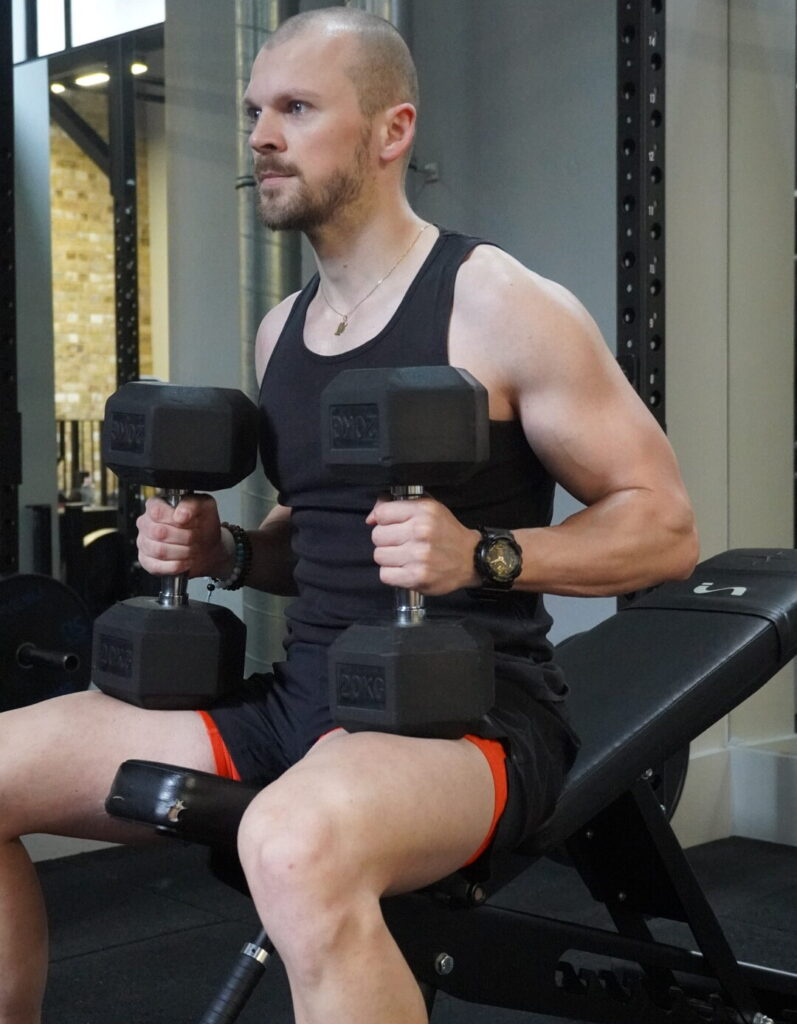
I get this question a lot, usually from parents asking if their teenage children should be lifting weights. The short answer is: you can start earlier than most people think.
Teenagers
The NHS says children and young people aged 5 to 18 should do exercises that build muscle and bone strength on at least 3 days a week [3]. For teenagers, this can include bodyweight exercises like press-ups, squats, and lunges. The NHS also says that young people can use weights if a qualified adult teaches them the correct technique and supervises them [3].
So the idea that teenagers should not lift weights is a myth. What matters is that they learn good form first. I would always recommend starting with bodyweight exercises and light resistance before moving on to heavier loads. Build the foundation before you build the house.
Adults (19 to 64)
The NHS recommends that adults do strengthening activities that work all major muscle groups on at least 2 days a week [1]. This means your legs, hips, back, chest, shoulders, and arms. Most people do not do this. In the UK, fewer than a quarter of adults meet the strength-training component of the guidelines [1].
If you are in your 20s or 30s, now is the best time to start. Your body is at its strongest, and the muscles you build now will protect you for the rest of your life. If you are in your 40s, 50s, or beyond, it is not too late. Strength training works at any age. The earlier you start, the better; the second-best time is today
Older Adults (65 and Over)
The NHS recommends that older adults do activities that improve muscle strength, balance, and flexibility on at least 2 days a week [1]. Strength training at this age reduces the risk of falls, keeps bones strong, and helps you stay independent for longer. I have seen it change lives. It is never too late.
What Is Push/Pull/Legs?
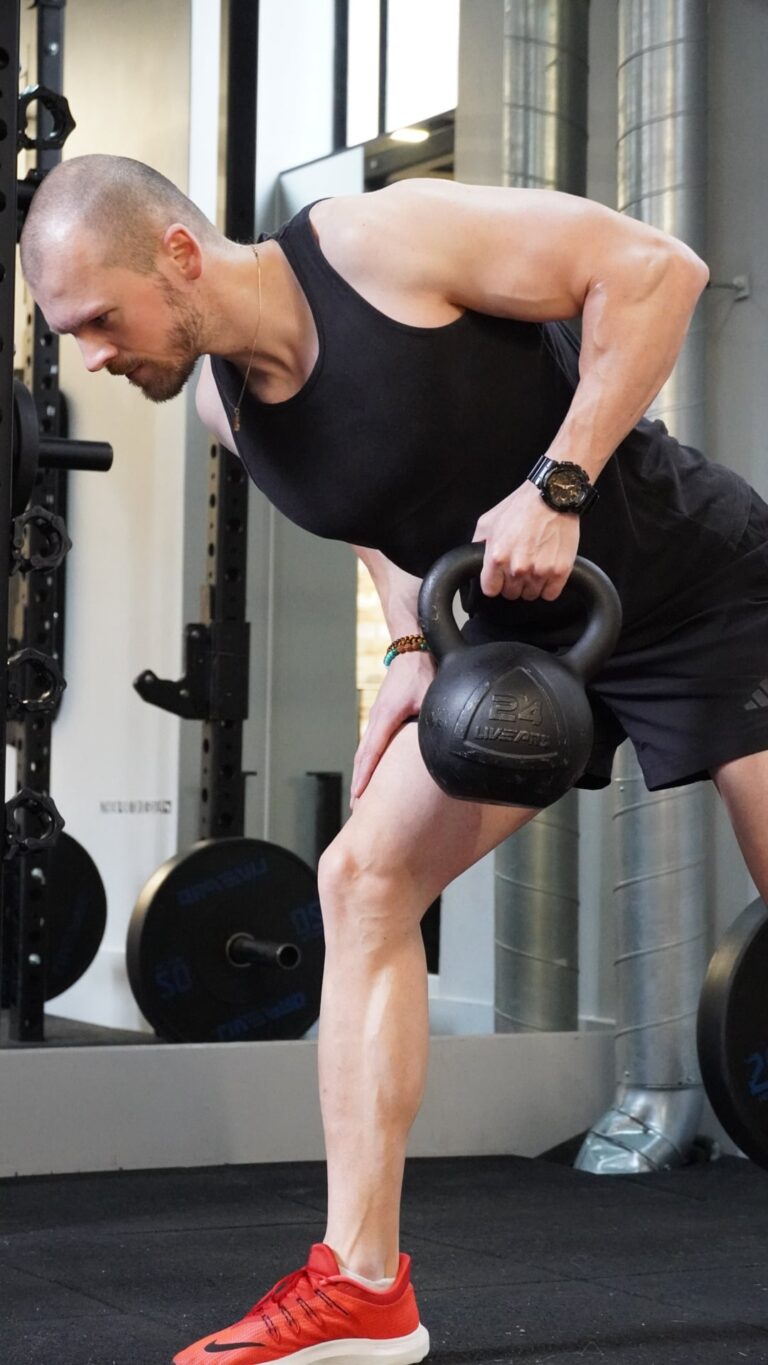
The push/pull/legs method is one of the most commonly used strength-training methods for building muscle. It works your entire body across three sessions per week. Each session focuses on a different type of movement.
Push movements are exercises where you push a weight away from your body. These work your chest, shoulders, and triceps. Examples include the bench press and the dumbbell shoulder press.
Pull movements are exercises in which you pull a weight toward your body. These work your back and biceps. Examples include the barbell bent-over row and the lat pulldown.
Leg movements include both pushing and pulling. Squats are a pushing movement. Romanian deadlifts are a pulling movement. Together, they train your quads, hamstrings, glutes, and calves.
Here is a simple 3-day split using push/pull/legs:
Monday: Chest and Back (push and pull)
Wednesday: Shoulders and Arms (push and pull)
Friday: Legs (push and pull)
What Is a Superset?
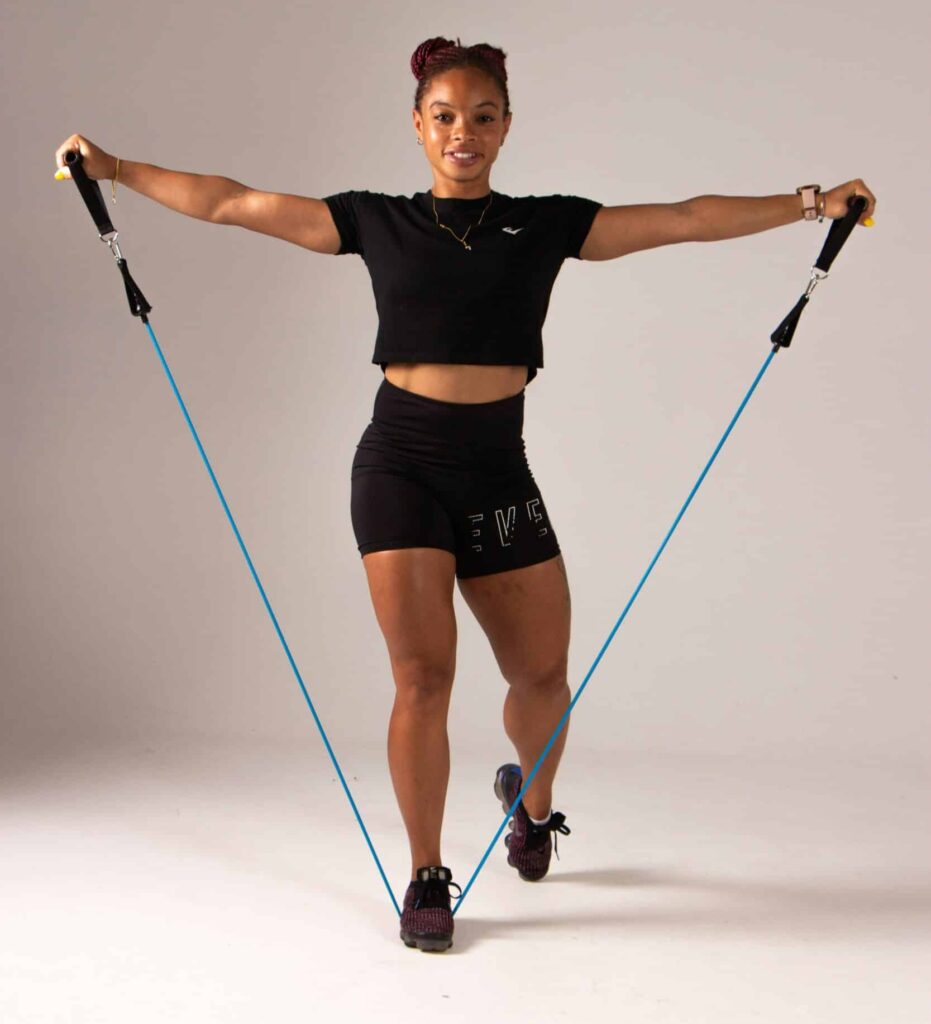
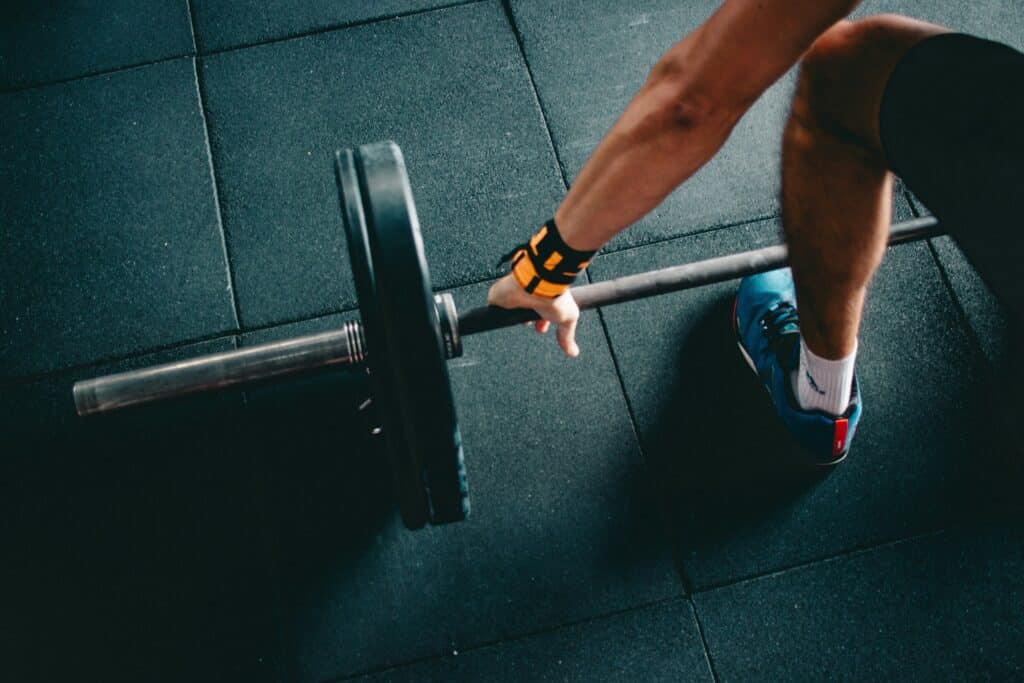
A superset is when you pair two exercises and perform them back-to-back with no rest in between. You only rest after you finish both exercises. This saves time, keeps your heart rate up, and gets more work done.
You can superset the same muscle group, like a bench press followed by press-ups. Or you can superset opposite muscle groups, like biceps curls followed by triceps dips. Both works well.
As a personal trainer, I use supersets with every client. Why? Because it stops us from having five-minute chats after each set. Some clients do try to talk for a long time to distract me from watching their rest periods. But with supersets, they cannot do that as much. It has led to better muscle growth, more calories burned per session, and stronger results overall.
Use a Timer During Your Session
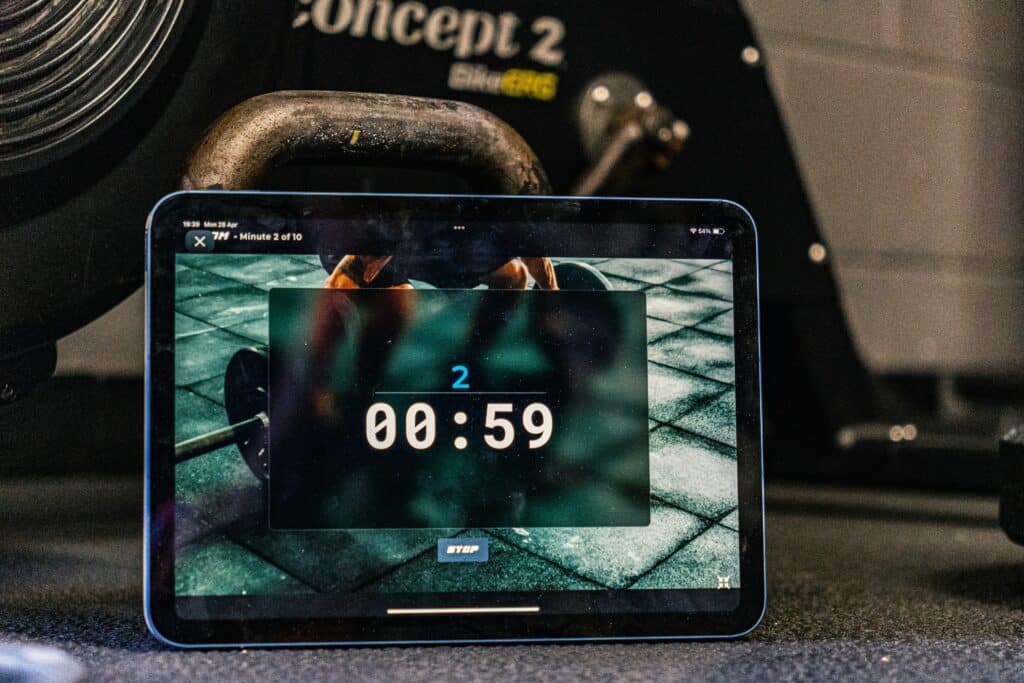
I always tell my clients to use a timer. A timer keeps you focused. It stops you scrolling on your phone. It limits long chats with friends or other gym members. It helps you avoid unwanted conversations because people can see you are busy. Most importantly, it keeps your rest periods tight so your workout stays effective from start to finish.
If you do not time your rest, your 45-minute session can easily become 70 minutes of standing around. Set a timer. Stick to it. Your results will thank you.
The 3-Day Push/Pull/Legs Program
Below is the exact program I use with clients who train 3 days a week for 45 minutes. Every session starts with a 500-metre row and two mobility exercises. Every exercise is done as a superset. Move straight from exercise A to exercise B with no rest. Only rest after you finish both.
Day 1: Chest and Back (Push/Pull)
Warm-up: 500m row, World’s Greatest Stretch (5 reps each side), Banded Pull-Aparts (15 reps)
Superset 1 – Compound
| Exercise | Sets | Reps | Rest | Notes |
A1 | Barbell Bench Press | 4 | 8–10 | — | Straight into A2 |
A2 | Barbell Bent-Over Row | 4 | 8–10 | 90s | Rest after A2 |
Superset 2 – Dumbbell
| Exercise | Sets | Reps | Rest | Notes |
B1 | Dumbbell Incline Chest Press | 3 | 10–12 | — | 30° incline |
B2 | Dumbbell Single-Arm Row | 3 | 10–12 each | 75s | Each arm |
Superset 3 – Isolation
| Exercise | Sets | Reps | Rest | Notes |
C1 | Cable Chest Fly | 3 | 12–15 | — | Squeeze at top |
C2 | Lat Pulldown | 3 | 12–15 | 60s | Slow negative |
Day 2: Shoulders and Arms
Warm-up: 500m row, World’s Greatest Stretch (5 reps each side), Shoulder Dislocates with Band (10 reps)
Superset 1 – Shoulders
| Exercise | Sets | Reps | Rest | Notes |
A1 | Dumbbell Shoulder Press | 4 | 8–10 | — | Seated or standing |
A2 | Face Pulls | 4 | 12–15 | 75s | Pause at top |
Superset 2 – Lateral Work
| Exercise | Sets | Reps | Rest | Notes |
B1 | Dumbbell Lateral Raise | 3 | 12–15 | — | Controlled tempo |
B2 | Reverse Fly (Rear Delt) | 3 | 12–15 | 60s | Bent over or machine |
Superset 3 – Biceps and Triceps
| Exercise | Sets | Reps | Rest | Notes |
C1 | Barbell Biceps Curl | 3 | 10–12 | — | No swinging |
C2 | Triceps Rope Pushdown | 3 | 10–12 | 60s | Split at bottom |
Superset 4 – Arms Finisher
| Exercise | Sets | Reps | Rest | Notes |
D1 | Hammer Curls | 3 | 12–15 | — | Alternating arms |
D2 | Overhead Triceps Extension | 3 | 12–15 | 60s | Dumbbell or cable |
Day 3: Legs
Warm-up: 500m row, World’s Greatest Stretch (5 reps each side), 90/90 Hip Switches (8 reps each side)
Superset 1 – Compound
| Exercise | Sets | Reps | Rest | Notes |
A1 | Barbell Back Squat | 4 | 8–10 | — | Below parallel |
A2 | Barbell Romanian Deadlift | 4 | 8–10 | 90s | Hinge at hips |
Superset 2 – Machine
| Exercise | Sets | Reps | Rest | Notes |
B1 | Leg Press | 3 | 10–12 | — | Full range |
B2 | Lying Hamstring Curl | 3 | 10–12 | 75s | Slow negative |
Superset 3 – Glutes and Calves
| Exercise | Sets | Reps | Rest | Notes |
C1 | Bulgarian Split Squat | 3 | 10 each leg | — | Dumbbells |
C2 | Standing Calf Raise | 3 | 15–20 | 60s | Full stretch |
How 12REPS Helps You, Whether You Are a Beginner or Intermediate
I built 12REPS because I know what it is like to walk into a gym and not know what to do. That feeling of standing there, looking at the equipment, hoping no one is watching. I wanted to take that away.
If You Are a Beginner
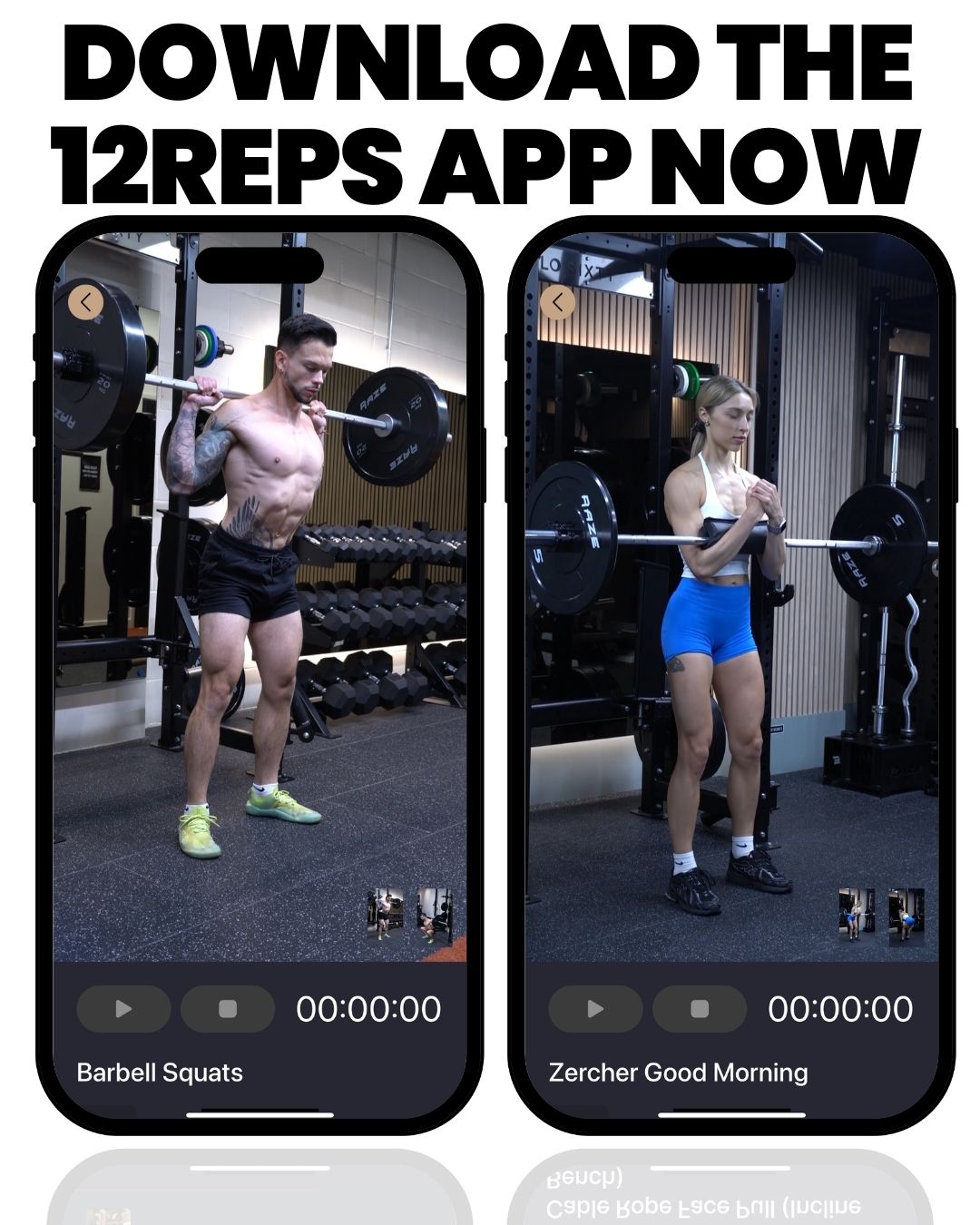
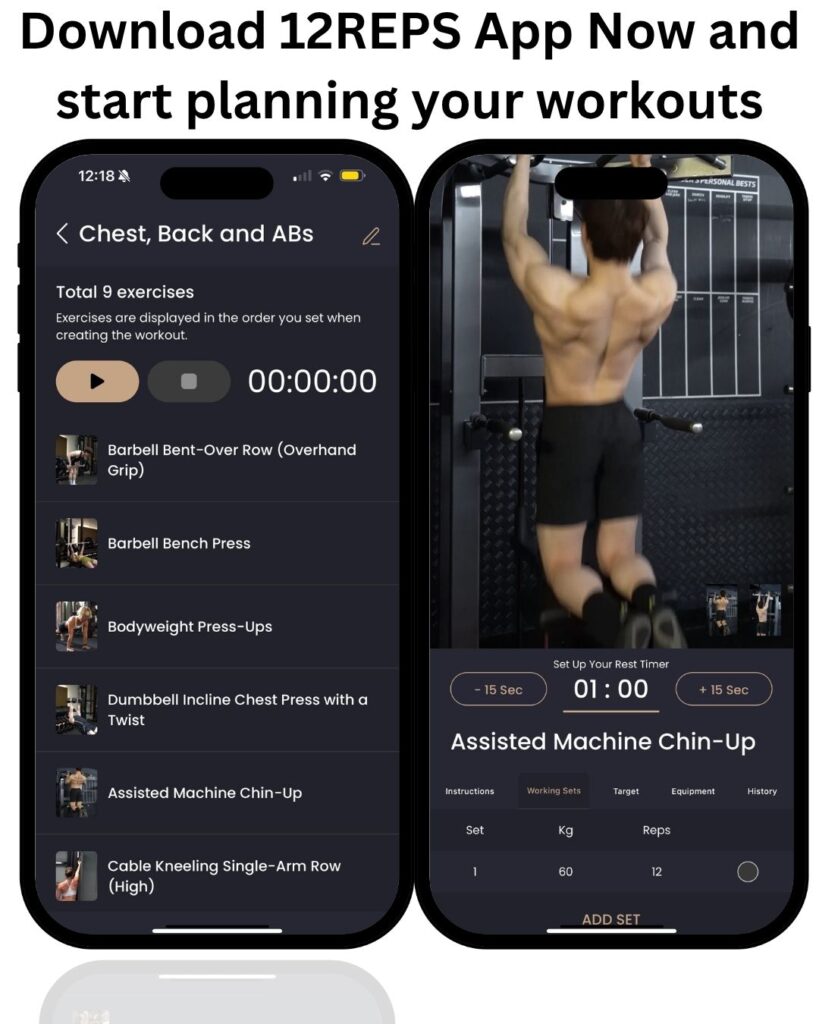
The 12REPS app gives you a structured workout plan designed by me, a certified personal trainer. You do not have to guess what exercises to do, how many sets to perform, or how long to rest. It is all laid out for you. Each exercise includes a video so you can see the correct form before you start. The app has over 1,500 exercise videos with muscle-highlight technology so you can see exactly which muscles each exercise targets.
Think of it like having a personal trainer in your pocket. In London, a single personal training session costs between £50 and £90 or more. With 12REPS, you get a trainer-designed program for £14.99 a month. That is less than the price of one session.
If You Are Intermediate
If you already know your way around a gym but want a better structure, 12REPS provides it. The program is designed to progress over time, so you are not doing the same thing every week. You can switch between gym and home workouts depending on your schedule. You can track your weights and reps to see exactly how you are improving.
I have been training clients for over 10 years, and the biggest mistake I see from intermediate lifters is the lack of a plan. They go to the gym, do whatever they feel like, and wonder why they are not making progress. A good plan removes the guesswork and keeps you moving forward.
What Makes 12REPS Different
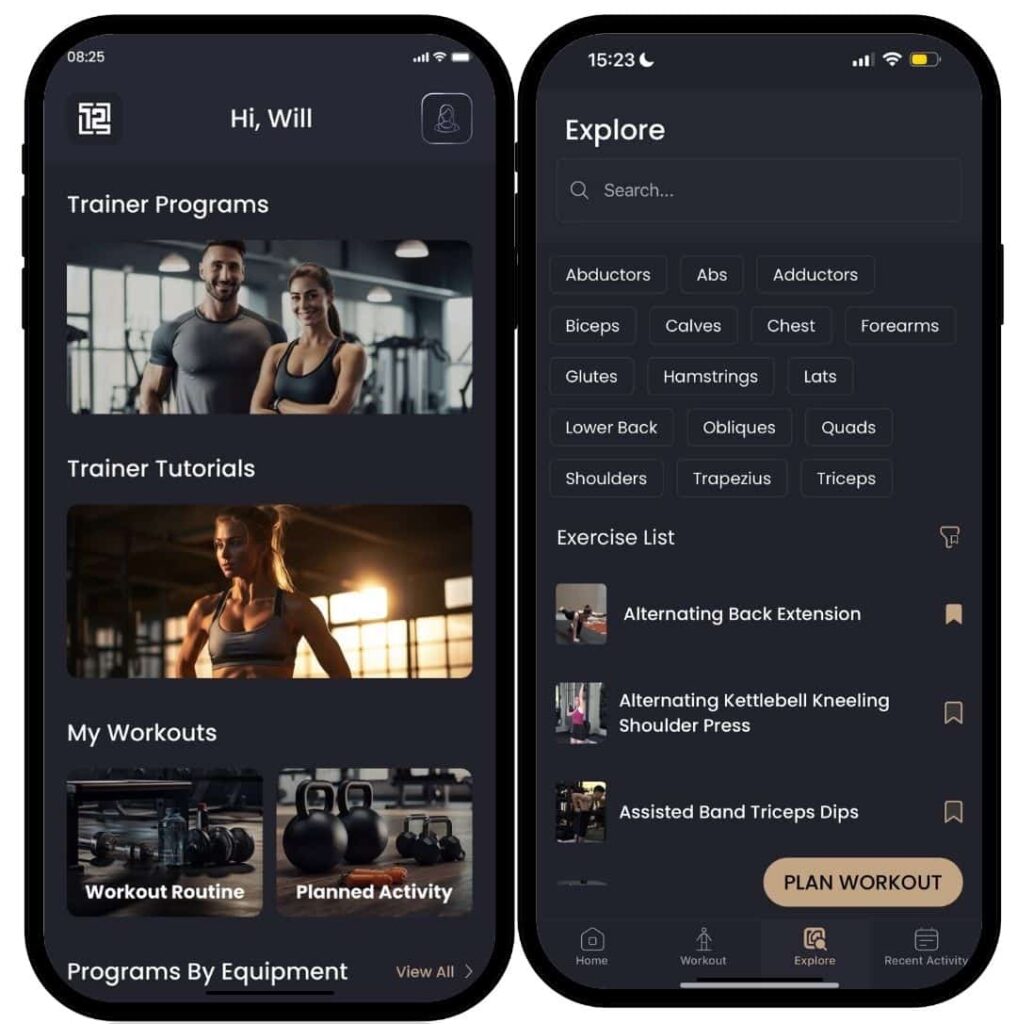
There are hundreds of fitness apps out there. Most of them are built by tech companies and use AI to generate workouts. 12REPS is different. Every program is designed by a real, qualified personal trainer. That is me. I have a BSc in Sport Science and over a decade of hands-on experience training real people in real gyms. That knowledge is built into every workout in the app.
The app also works for both gym and home training. If you have dumbbells at home, you can follow the program from your living room. If you prefer the gym, every exercise is designed for standard gym equipment. You choose what works for you.
“Planning your workouts in advance saves you time in the gym and helps you avoid standing around not knowing what to do next.” – Will Duru
Key Reminders
Set a timer for every rest period. No exceptions.
Move straight from exercise A to exercise B with no rest. Only rest after both are done.
Start with a weight you can control with good form. If you finish all reps easily, increase the weight next time.
Track your weights and reps in the 12REPS app to see your progress over time.
This program works for gym training. If you train at home, swap barbell movements for dumbbell alternatives.
References
[1] NHS – Physical Activity Guidelines for Adults Aged 19 to 64 – https://www.nhs.uk/live-well/exercise/physical-activity-guidelines-for-adults-aged-19-to-64/
[2] Volpi, E. et al. – Muscle Tissue Changes With Aging, Current Opinion in Clinical Nutrition and Metabolic Care (PMC) – https://pmc.ncbi.nlm.nih.gov/articles/PMC2804956/
[3] NHS – Physical Activity Guidelines for Children and Young People – https://www.nhs.uk/live-well/exercise/physical-activity-guidelines-children-and-young-people/
[4] Royal Osteoporosis Society – Exercise for Bone Health – https://theros.org.uk/information-and-support/bone-health/exercise-for-bones/
[5] Sherrington, C. et al. – Strong, Steady and Straight: UK Consensus Statement on Physical Activity and Exercise for Osteoporosis (PMC) – https://pmc.ncbi.nlm.nih.gov/articles/PMC9304091/