

By Will Duru, BSc (Hons) Sport and Exercise Science, Award winning Personal Trainer with over 10 years of experience in strength training
James walked into my gym looking frustrated. He had been training for six months but felt stuck. He was carrying more body fat than he wanted, but he also felt too small to consider himself muscular. Sound familiar?
“Should I try to lose the fat first, or should I focus on building muscle?” he asked. “I keep getting different advice and I don’t know what to do.”
This is one of the most common questions I get from men who are serious about transforming their physique. The bulk versus cut debate has confused lifters for decades, and the internet is full of conflicting opinions.
After training hundreds of men through this exact decision over the past ten years, I have developed a clear framework for deciding which approach is right for you. It is not about following what worked for someone else. It is about understanding your starting point and making the choice that will give you the best results.

What Bulking and Cutting Actually Mean
Before we go further, let us define these terms clearly because they are often misunderstood.
Bulking means eating in a caloric surplus, consuming more calories than your body burns, to maximise muscle growth. The surplus provides your body with the extra energy and nutrients needed to build new muscle tissue. The trade off is that you will also gain some body fat during this phase.
Cutting means eating in a caloric deficit, consuming fewer calories than your body burns, to lose body fat while trying to preserve as much muscle as possible. The goal is to reveal the muscle you have built by stripping away the fat covering it.
Both phases serve a purpose, and most serious lifters cycle between them over time. The question is which one should come first for you, right now.

The Body Fat Starting Point
Your current body fat percentage is the single most important factor in this decision. It determines how your body responds to both bulking and cutting, and getting this wrong can waste months of effort.
If You Are Above 20% Body Fat: Cut First
Men carrying more than 20% body fat should almost always cut first. Here is why.
Insulin sensitivity decreases at higher body fat levels. Research from the American Journal of Clinical Nutrition shows that when insulin sensitivity is impaired, your body is more likely to store excess calories as fat rather than using them to build muscle. This means bulking at high body fat levels leads to disproportionate fat gain.
Nutrient partitioning favours fat storage. When you are carrying excess body fat, your body becomes better at storing fat and worse at building muscle. The calories you eat during a bulk are more likely to end up around your waist than in your muscles.
Hormonal environment is less favourable. Higher body fat is associated with lower testosterone and higher oestrogen levels in men, according to research published in Clinical Endocrinology. This hormonal shift makes muscle building more difficult and fat loss easier to achieve.
Psychological benefits of cutting first. Starting to see definition and a leaner physique is motivating. It gives you a better foundation to assess your muscle mass and builds confidence before you begin a bulk.
If You Are Between 12% and 18% Body Fat: Either Works
This is the grey zone where the decision depends more on your goals, preferences and training history.
If you feel too small and want to prioritise building size, a lean bulk makes sense. If you want to get leaner and see more definition first, a cut is appropriate. Neither choice is wrong at this body fat range.
If You Are Below 12% Body Fat: Bulk First
Men under 12% body fat should almost always bulk first. At this level, you have excellent insulin sensitivity and nutrient partitioning. Your body is primed to use extra calories for muscle building rather than fat storage.
Cutting when you are already lean often leaves you looking gaunt rather than muscular. You need more muscle mass before cutting makes sense.
The Skinny Fat Exception
There is one scenario that complicates this framework: the skinny fat physique. Skinny fat men are at a normal or even low body weight but carry noticeable body fat, particularly around the midsection, while having very little muscle mass.
For skinny fat beginners, I typically recommend a third option: body recomposition.
Body recomposition means eating at maintenance calories, or a very slight deficit, while strength training consistently. Research from Sports Medicine shows that beginners can simultaneously build muscle and lose fat because they have so much untapped potential for muscle growth.
This approach works well for skinny fat individuals because cutting would leave them looking even smaller, while bulking would make them fatter without the muscle base to fill out properly. Recomposition gives them the best of both worlds during the critical first six to twelve months of training.
After this initial period, once some muscle has been built and body fat has decreased, they can then make a clearer decision about bulking or cutting based on their new starting point.

Training Experience Matters
Your training history also influences this decision.
Complete Beginners
If you have less than six months of consistent strength training, your body is primed for rapid change regardless of whether you bulk or cut.
Beginners experience what researchers call “newbie gains,” a period where muscle growth happens quickly and easily because your body has never been exposed to this stimulus before. Studies from the Journal of Strength and Conditioning Research show that beginners can gain muscle even while in a caloric deficit, at least for the first several months.
This means beginners above 20% body fat can cut and still build muscle. Beginners below 15% body fat can bulk more aggressively without gaining excessive fat.
Intermediate and Advanced Lifters
Once you have been training consistently for a year or more, your body becomes less forgiving. Muscle building slows down. Fat gain during a bulk becomes more pronounced. Muscle loss during a cut becomes a real risk.
At this stage, the bulk versus cut decision becomes more critical. Bulking at too high a body fat percentage wastes time and effort. Cutting too aggressively risks losing hard earned muscle.
The Practical Decision Framework
Here is the framework I use with my clients to make this decision quickly and clearly.
Step 1: Estimate Your Body Fat Percentage
You do not need a precise measurement. A rough estimate is sufficient for this decision. Here are some visual guidelines:
| Body Fat % | Visual Appearance |
|---|---|
| 10 to 12% | Visible abs, clear muscle definition, veins on arms |
| 13 to 15% | Upper abs visible, some definition, athletic look |
| 16 to 18% | Abs barely visible or not visible, some softness around waist |
| 19 to 22% | No ab definition, noticeable fat around waist, face slightly fuller |
| 23% and above | Significant belly fat, soft appearance, little muscle definition |
Step 2: Answer These Questions
- Are you above 20% body fat? Cut first.
- Are you below 12% body fat? Bulk first.
- Are you skinny fat with less than 6 months training? Recomposition first.
- Are you between 12% and 20%? Move to Step 3.
Step 3: Consider Your Priorities
If you are in the grey zone between 12% and 20%, ask yourself:
Do you have an event or deadline? If you have a beach holiday, wedding or photo shoot coming up, cutting makes sense regardless of your muscle mass.
Are you uncomfortable with your current appearance? If excess body fat bothers you significantly, cut first. The psychological benefit of feeling better about your body will improve your consistency and motivation.
Do you feel too small? If you look in the mirror and think you need more size, a lean bulk is appropriate.
What is sustainable for you? Some people find cutting miserable and struggle with low calories. Others dislike the bloated feeling of bulking. Choose the phase you can stick with for three to six months.

How to Bulk Properly
If you have decided to bulk, here is how to do it without gaining excessive fat.
Calculate Your Surplus
Aim for a surplus of 200 to 300 calories above your maintenance level. This is enough to support muscle growth without excessive fat gain. Larger surpluses of 500 or more calories lead to faster weight gain, but most of the extra weight will be fat, not muscle.
Your body can only build muscle at a limited rate, approximately 0.25 to 0.5kg per month for intermediate lifters. Eating more than your body can use for muscle building simply means more fat storage.
Prioritise Protein
Consume 1.6 to 2.2 grams of protein per kilogram of body weight daily. Protein provides the building blocks for muscle tissue and helps ensure your surplus goes toward muscle rather than fat. Research from the Journal of the International Society of Sports Nutrition confirms this range is optimal for muscle building.
Train Hard
A bulk without proper training is just getting fat. Follow a structured strength training programme that emphasises progressive overload, gradually increasing the weight, reps or sets over time.
The 12REPS app can help you track your workouts and ensure you are progressing. Without progression, your body has no reason to build new muscle regardless of how much you eat.
Monitor Your Progress
Weigh yourself weekly under consistent conditions, such as first thing in the morning after using the bathroom. Aim for weight gain of 0.25 to 0.5kg per week.
If you are gaining faster than this, you are likely gaining excessive fat. Reduce your calories slightly. If you are not gaining at all, increase calories by 100 to 200.
Set a Stopping Point
Do not bulk indefinitely. Set a target body fat percentage or waist measurement at which you will stop and transition to a cut. For most men, bulking until you reach approximately 18 to 20% body fat before cutting is sensible.
How to Cut Properly
If you have decided to cut, here is how to do it without losing muscle.
Calculate Your Deficit
Aim for a deficit of 300 to 500 calories below your maintenance level. This creates steady fat loss of approximately 0.5kg per week without being so aggressive that you lose muscle or feel miserable.
Larger deficits of 750 or more calories lead to faster weight loss initially, but research shows you will lose more muscle mass and are more likely to regain the weight afterwards.
Keep Protein High
During a cut, protein becomes even more important. Aim for 2.0 to 2.4 grams per kilogram of body weight daily. The higher protein intake helps preserve muscle mass while in a deficit. Studies from Advances in Nutrition confirm that higher protein during cutting reduces muscle loss.
Maintain Training Intensity
The biggest mistake during a cut is reducing training intensity. Your body will only maintain muscle it believes it needs. If you stop challenging your muscles with heavy weights, your body has no reason to preserve them.
Keep lifting heavy. You may need to reduce total training volume slightly due to reduced recovery capacity, but the weights should stay as heavy as possible.
Accept Slower Progress in the Gym
You will not set personal records during a cut. Strength may decrease slightly, and that is normal. The goal is to maintain as much strength as possible, not to build it. Save the strength goals for your next bulk.
Set a Target
Have a clear end point for your cut. This might be a target body fat percentage, a waist measurement, or a duration such as 12 to 16 weeks. Cutting indefinitely leads to metabolic adaptation and muscle loss.
For most men, cutting until you reach approximately 10 to 12% body fat before transitioning to a lean bulk is ideal.

Common Mistakes to Avoid
Mistake 1: Bulking Too Aggressively
“Eat big to get big” is outdated advice. Eating 1,000 calories above maintenance does not build muscle twice as fast as eating 300 above maintenance. It just builds fat twice as fast.
Your body has a limited capacity for muscle growth. Any calories beyond what can be used for muscle building get stored as fat. A moderate surplus is more effective long term.
Mistake 2: Cutting Too Aggressively
Crash diets cause muscle loss. When you slash calories dramatically, your body breaks down muscle tissue for energy. You end up lighter but not leaner, just smaller and softer.
A moderate deficit preserves muscle while burning fat. Yes, it takes longer. But you keep the muscle you worked hard to build.
Mistake 3: Constantly Switching
Some men bulk for two weeks, get scared of fat gain, then cut for two weeks, then worry about losing muscle, and switch back to bulking. This constant flip flopping produces zero results.
Both bulking and cutting require time to work. Commit to one approach for at least eight to twelve weeks before evaluating and potentially switching.
Mistake 4: Ignoring Training During Either Phase
Nutrition determines whether you gain or lose weight. Training determines whether that weight is muscle or fat. Without proper strength training, a bulk just makes you fatter and a cut just makes you smaller.
Your training should be consistent and progressive regardless of which phase you are in.
Mistake 5: Obsessing Over the Scale
The scale measures total body weight, not body composition. During a bulk, some weight gain is muscle and some is fat. During a cut, some weight loss is fat and some might be water or muscle.
Use the scale as one data point alongside progress photos, measurements and how your clothes fit. A client who loses 2kg on the scale but drops a belt notch and looks more muscular in photos is making excellent progress.
Back to James
Remember James from the beginning? He was at approximately 22% body fat when he came to me, frustrated and unsure what to do.
Using the framework above, the decision was clear: cut first.
We put him in a moderate deficit of 400 calories while keeping his protein high and maintaining his strength training intensity. Over 14 weeks, he lost 8kg of body fat while actually gaining a small amount of muscle, something that is possible for intermediate lifters carrying excess body fat.
At the end of his cut, he was leaner and more defined than he had ever been. More importantly, he was in a great position to start a lean bulk.
“I wish I had done this sooner,” he told me. “I spent a year trying to bulk when I should have been cutting. Now I actually have a foundation to build on.”
How to Get Started
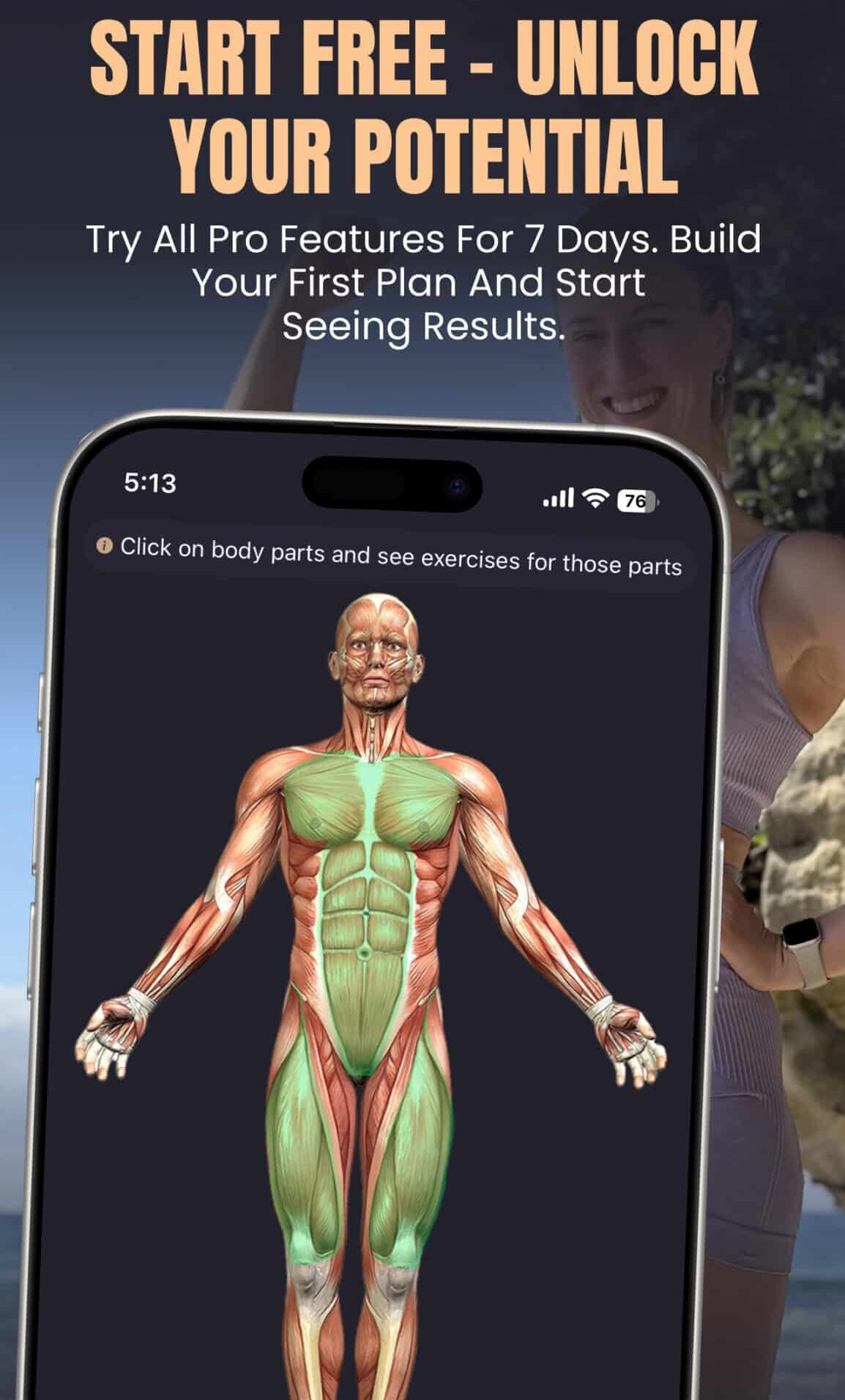
If you want to follow a structured approach to either bulking or cutting, the 12REPS app can help you stay on track.
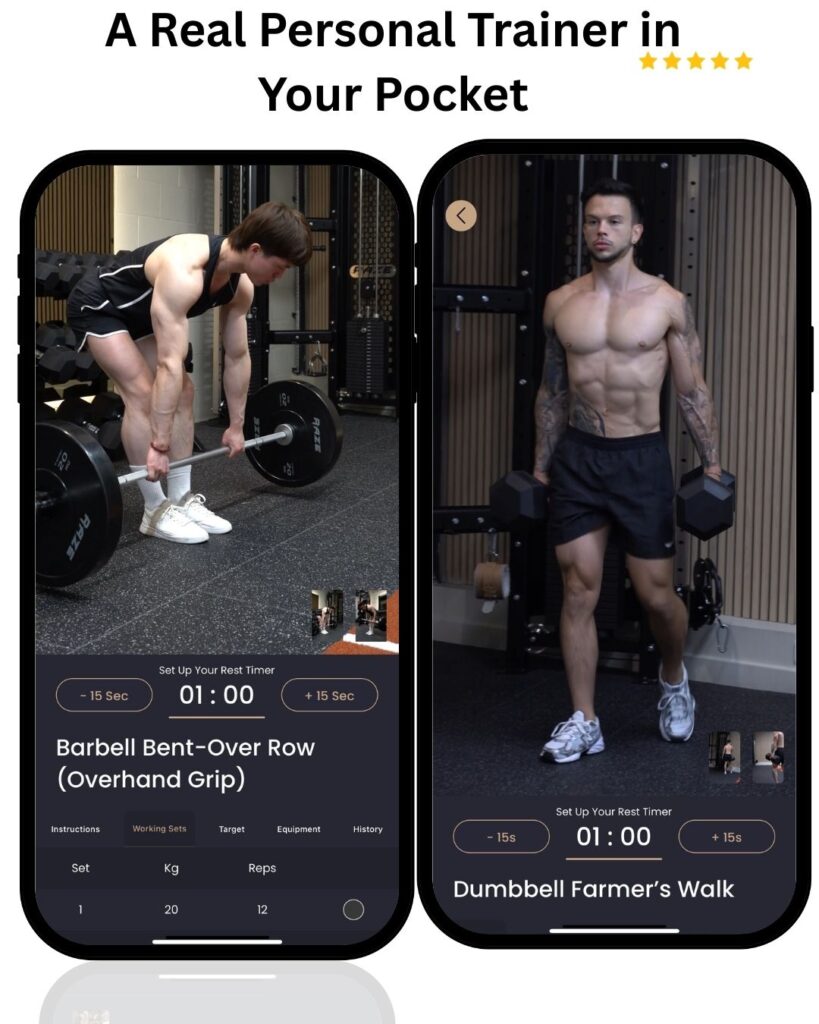
The app includes training programmes designed for both muscle building and fat loss phases. It tracks your progress automatically, showing you whether you are getting stronger over time. You can build custom routines based on your goals, equipment and available time.
Whether you are bulking, cutting or doing body recomposition, having a structured programme makes the difference between spinning your wheels and making real progress.
Final Thoughts
The bulk versus cut question does not have a universal answer. It depends on your starting body fat percentage, your training experience and your personal goals.
But here is what I know after ten years of training men through this decision: most men above 18% body fat should cut first, and most men below 12% body fat should bulk first. Everyone in between should choose based on their priorities and what they can sustain.
Stop looking for the perfect answer. Make a decision based on the framework above, commit to it for at least twelve weeks and track your progress. You can always adjust course after you see how your body responds.
The worst decision is no decision at all.
Related Articles on just12reps.com
| Article | Description | Link |
|---|---|---|
| How to Fix Skinny Fat: Body Recomposition Guide | If you are skinny fat, this guide explains how to build muscle and lose fat simultaneously. | Read Article |
| The Ultimate 12 Week Push Pull Legs Workout Plan | A complete programme for building muscle during your bulk phase. | Read Article |
| 3 Day Strength Training Split for Men | A time efficient programme for busy men looking to build muscle and lose fat. | Read Article |
| Complete Beginner’s Guide to Strength Training | New to the gym? Start here before worrying about bulking or cutting. | Read Article |
| Combining 12 Rep Training with Cardio | Learn how to add cardio to your routine without killing your gains. | Read Article |
References
[1] Aragon, A.A. et al. (2017). International society of sports nutrition position stand: diets and body composition. Journal of the International Society of Sports Nutrition. https://jissn.biomedcentral.com/
[2] Helms, E.R. et al. (2014). Evidence based recommendations for natural bodybuilding contest preparation: nutrition and supplementation. Journal of the International Society of Sports Nutrition. https://jissn.biomedcentral.com/
[3] Morton, R.W. et al. (2018). A systematic review, meta analysis and meta regression of the effect of protein supplementation on resistance training induced gains in muscle mass and strength in healthy adults. British Journal of Sports Medicine. https://bjsm.bmj.com/
[4] Barakat, C. et al. (2020). Body Recomposition: Can Trained Individuals Build Muscle and Lose Fat at the Same Time? Strength and Conditioning Journal. https://journals.lww.com/nsca-scj/pages/default.aspx
[5] Trexler, E.T. et al. (2014). Metabolic adaptation to weight loss: implications for the athlete. Journal of the International Society of Sports Nutrition. https://jissn.biomedcentral.com/
[6] Mero, A.A. et al. (2010). Moderate energy restriction with high protein diet results in healthier outcome in women. Journal of the International Society of Sports Nutrition. https://jissn.biomedcentral.com/
About the Author: Will Duru holds a BSc (Hons) in Sport and Exercise Science and is an award winning personal trainer with over 10 years of experience specialising in body transformation. He has helped hundreds of men navigate the bulk versus cut decision and achieve their physique goals. Will is the creator of the 12REPS app, designed to make professional training guidance accessible to everyone.