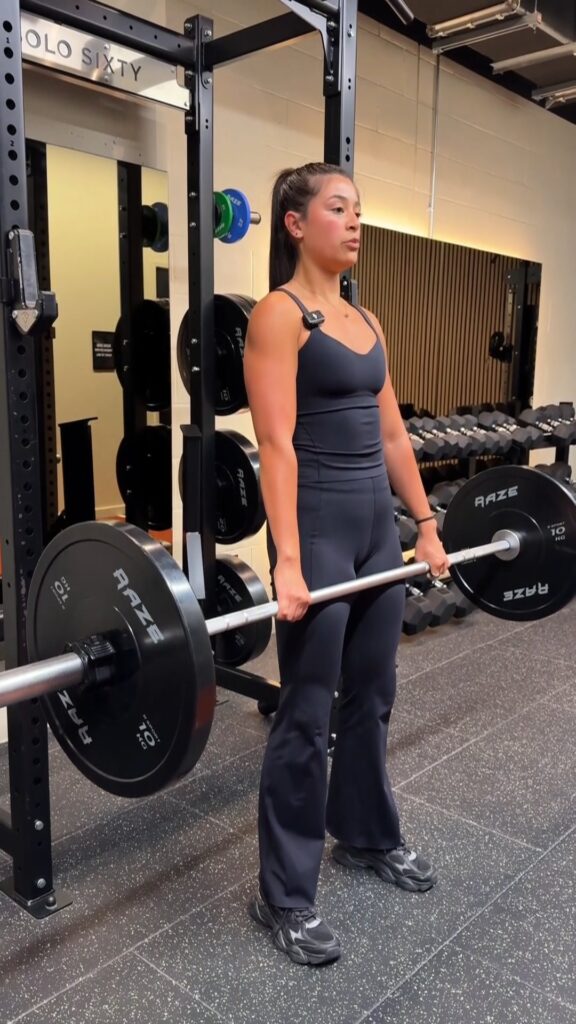
Short answer: Yes, for most healthy people it is fine to lift weights on an empty stomach. But it may cost you a few reps. In one study, people who usually ate breakfast did fewer reps on squats and bench presses when they skipped it. Training fasted also does not seem to burn more body fat over time. If you feel good training fasted, carry on. If you feel weak or light-headed, a small snack 30 to 60 minutes before you lift is usually enough. What you eat across the whole day matters far more than when you eat it.
This guide is for anyone who trains first thing in the morning or wonders whether eating before the gym matters. I cover what the research says, who might want to eat first and simple snack ideas.
What the research says
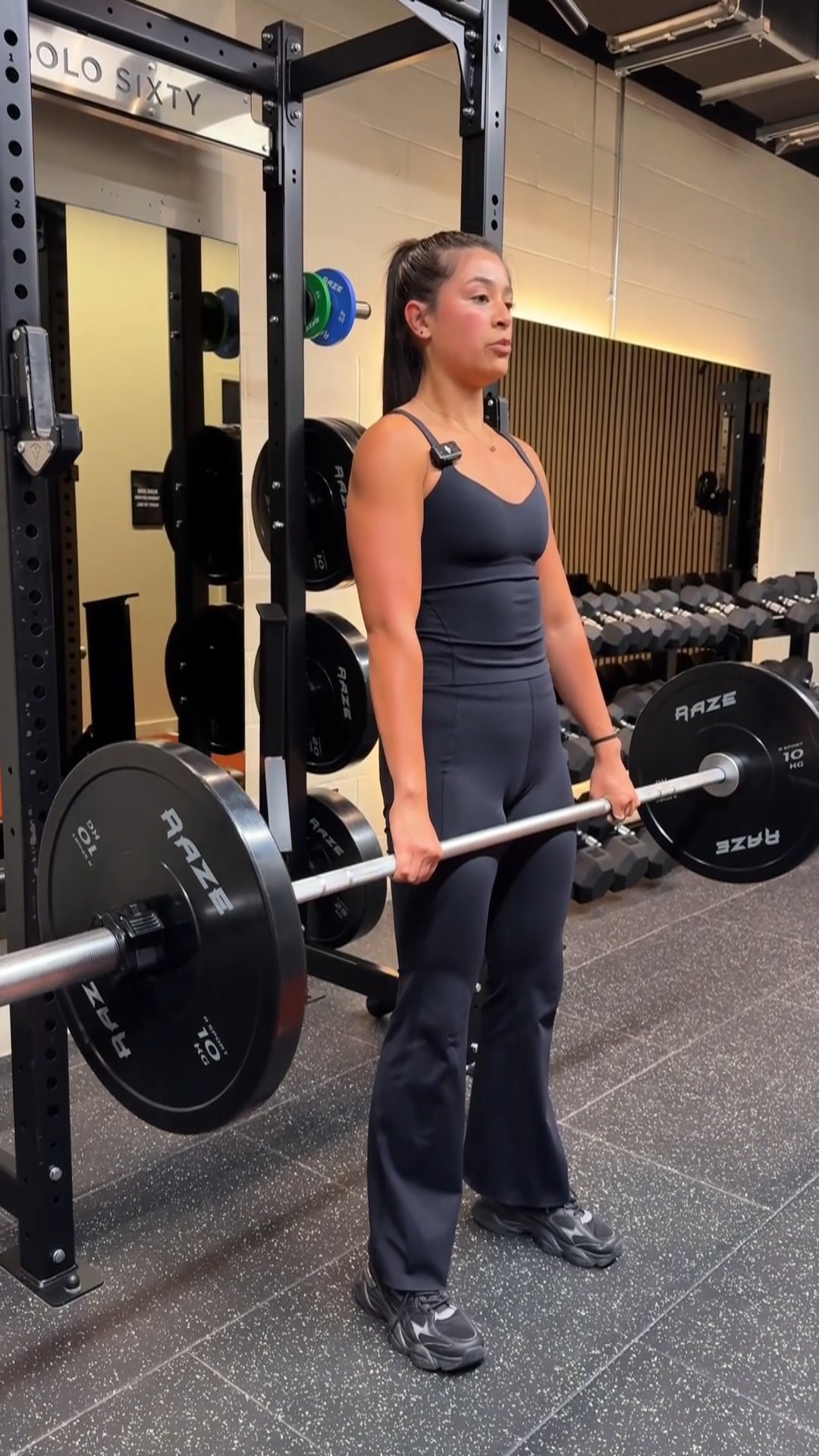
- Skipping breakfast reduced reps. In 16 resistance-trained men who usually ate breakfast, skipping it before training led to fewer total reps across 4 sets to failure: 58 versus 68 on the back squat and 38 versus 40 on the bench press (Naharudin et al., 2019).
- Eating first helps longer sessions most. A meta-analysis of 46 studies found that eating before exercise improved performance in prolonged aerobic exercise, but not in shorter aerobic sessions (Aird et al., 2018).
- Fasted training does not seem to speed up fat loss. In 20 young women on a calorie deficit, doing cardio before breakfast or after a meal led to similar losses of weight and body fat over 4 weeks (Schoenfeld et al., 2014). That study used cardio, not weights, but it shows that total calorie balance matters more than training fasted.
- Eating in a shorter window can still maintain muscle. In 34 resistance-trained men, eating all their calories within 8 hours a day for 8 weeks, alongside strength training, reduced fat mass and maintained muscle size and strength (Moro et al., 2016).
My take: fasted training is not harmful for most people, and it is not a fat-loss shortcut. If your main goal is to lift as well as you can, a small meal or snack beforehand is likely to help, especially for long or high-rep sessions.
Should you eat before lifting?
These are my coaching suggestions, not research-based rules:
| Fasted training is usually fine if… | Eating first is a better idea if… |
|---|---|
| You feel energetic and strong training fasted | You feel weak, shaky or light-headed when you train fasted |
| Your session is short, around 30 to 45 minutes | Your session is long or very high in volume |
| You eat a good meal soon after training | You won’t be able to eat for a few hours afterward |
| You are following a time-restricted eating plan that works for you | You are chasing a personal best or doing a hard leg day |
Quick snacks if you train early
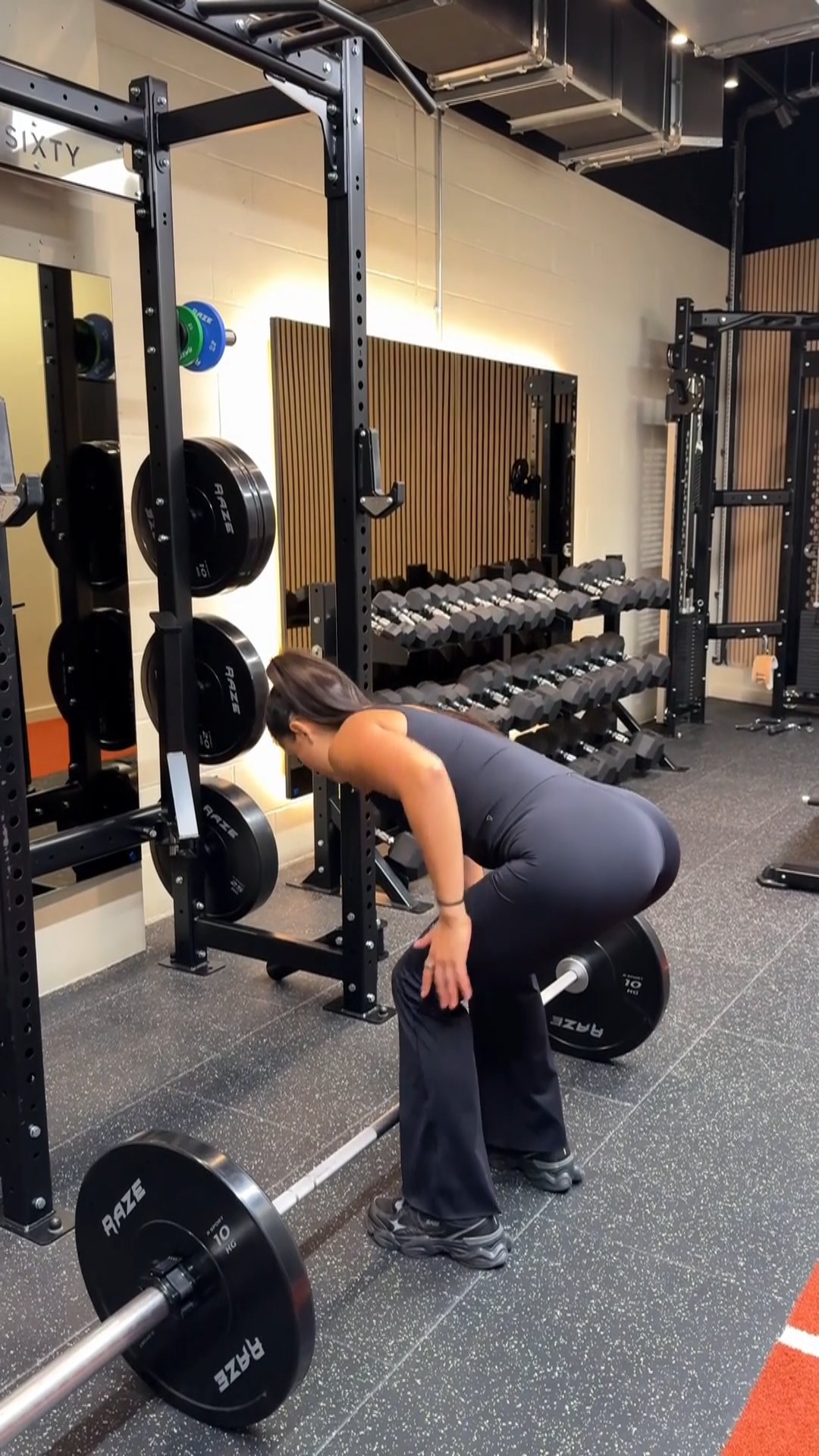
If you don’t want a full meal before an early session, a small, easy-to-digest snack 30 to 60 minutes beforehand is usually enough. Options I often suggest:
- A banana
- A slice of toast with honey or jam
- A small pot of yogurt
- A small smoothie with fruit and milk or yogurt
- A handful of dry cereal or a rice cake
If you train fasted, aim to eat a meal with protein within a couple of hours afterward. My guide to what to eat before and after the gym has more ideas.
What matters more than meal timing
- Total protein for the day: this is one of the most important nutrition factors for building and keeping muscle.
- Total calories: a small surplus helps you build muscle; a small deficit helps you lose fat.
- Consistency: the timing that lets you train regularly is the right timing for you.
My article on meal timing for muscle gain goes into this in more detail.
When to get advice first
If you have diabetes, take medication that affects your blood sugar, are pregnant or have a history of fainting, speak to your doctor before training on an empty stomach. Stop and eat something if you feel dizzy, shaky or faint during a session.
Summary
- Lifting on an empty stomach is fine for most healthy people.
- Skipping a meal before training may reduce how many reps you can do, especially for people who normally eat breakfast.
- Fasted training does not appear to burn more body fat over time.
- A small snack 30 to 60 minutes before training can help if you feel weak training fasted.
- Your total protein and calories across the day matter more than meal timing.
Train at the time that suits you
Whether you lift at 6 a.m. or after work, consistency is what drives results. The hard part is having a plan that fits your schedule and progresses over time.
That is what I built 12REPS to help with. You set your goal, your available time and your equipment, and the app builds your workouts. Every exercise comes with a trainer demonstration, and you can log your sets and reps to see your progress over time.
Download 12REPS and see what you’ll get:
Sources
- Bin Naharudin MN, Yusof A, Shaw H, et al. Breakfast omission reduces subsequent resistance exercise performance. J Strength Cond Res. 2019;33(7):1766–1772.
- Aird TP, Davies RW, Carson BP. Effects of fasted vs fed-state exercise on performance and post-exercise metabolism: a systematic review and meta-analysis. Scand J Med Sci Sports. 2018;28(5):1476–1493.
- Schoenfeld BJ, Aragon AA, Wilborn CD, Krieger JW, Sonmez GT. Body composition changes associated with fasted versus non-fasted aerobic exercise. J Int Soc Sports Nutr. 2014;11(1):54.
- Moro T, Tinsley G, Bianco A, et al. Effects of eight weeks of time-restricted feeding (16/8) on basal metabolism, maximal strength, body composition, inflammation, and cardiovascular risk factors in resistance-trained males. J Transl Med. 2016;14(1):290.
Related reading
- Morning vs Evening Workouts: Is There a Best Time to Lift?
- Early Morning Workouts for Dads: 5:30am Training | 12REPS
- Body Recomposition: Can You Build Muscle and Lose Fat at Once?
- Meal Timing for Muscle Gain: Does It Matter? What Research Says
- What to Eat Before and After the Gym: Meal and Snack Ideas for Women
- How Much Protein Do Women Need for Strength Training?
- What Does Pre-Workout Do? Ingredients, Evidence and Safety
I’m Will Duru, a personal trainer and the founder of 12REPS. I hold a BSc (Hons) in Sport and Exercise Science and have more than a decade of experience coaching people in strength training.
This article is for general education and isn’t medical advice.