



Short answer: For most exercises, breathe out as you lift the weight and breathe in as you lower it. For heavy compound lifts such as squats, deadlifts and presses, it is normal to take a breath, brace your core and hold it briefly through the hardest part of each rep, then breathe out near the top. That brief breath-hold raises your blood pressure sharply, which is fine for most healthy people. If you have high blood pressure, a heart condition or you are pregnant, check with your doctor about how you should breathe while lifting.
This guide is for anyone who is unsure when to breathe in, when to breathe out and whether holding your breath is safe. I cover the basic pattern, how to brace for heavy lifts, what the research says and when to be careful.
The basic breathing pattern
For most sets, especially with light to moderate weights, use this simple rule:
- Breathe in as you lower the weight, the easier part of the rep.
- Breathe out as you lift the weight, the harder part of the rep.
- Keep breathing steadily throughout the set rather than holding your breath for several reps.
For example, on a dumbbell biceps curl, breathe out as you curl the weight up and breathe in as you lower it. On a lat pulldown, breathe out as you pull the bar down and breathe in as it rises.
How to brace for heavy lifts
On heavy squats, deadlifts, bench presses and overhead presses, your trunk needs to stay firm so it can transfer force and keep your spine in a stable position. Most experienced lifters do this by bracing.
- Set up. Get into your starting position before you take your breath.
- Breathe in. Take a big breath through your nose or mouth, aiming to fill your stomach and the sides of your waist, not just your chest.
- Brace. Tighten the muscles all the way around your midsection, as if you are about to be poked in the stomach. Don’t suck your stomach in.
- Hold and lift. Keep the breath held while you lower and lift through the hardest part of the rep.
- Breathe out near the top. Once you are past the hardest point, breathe out in a controlled way.
- Reset. Take a new breath and brace again before the next rep.
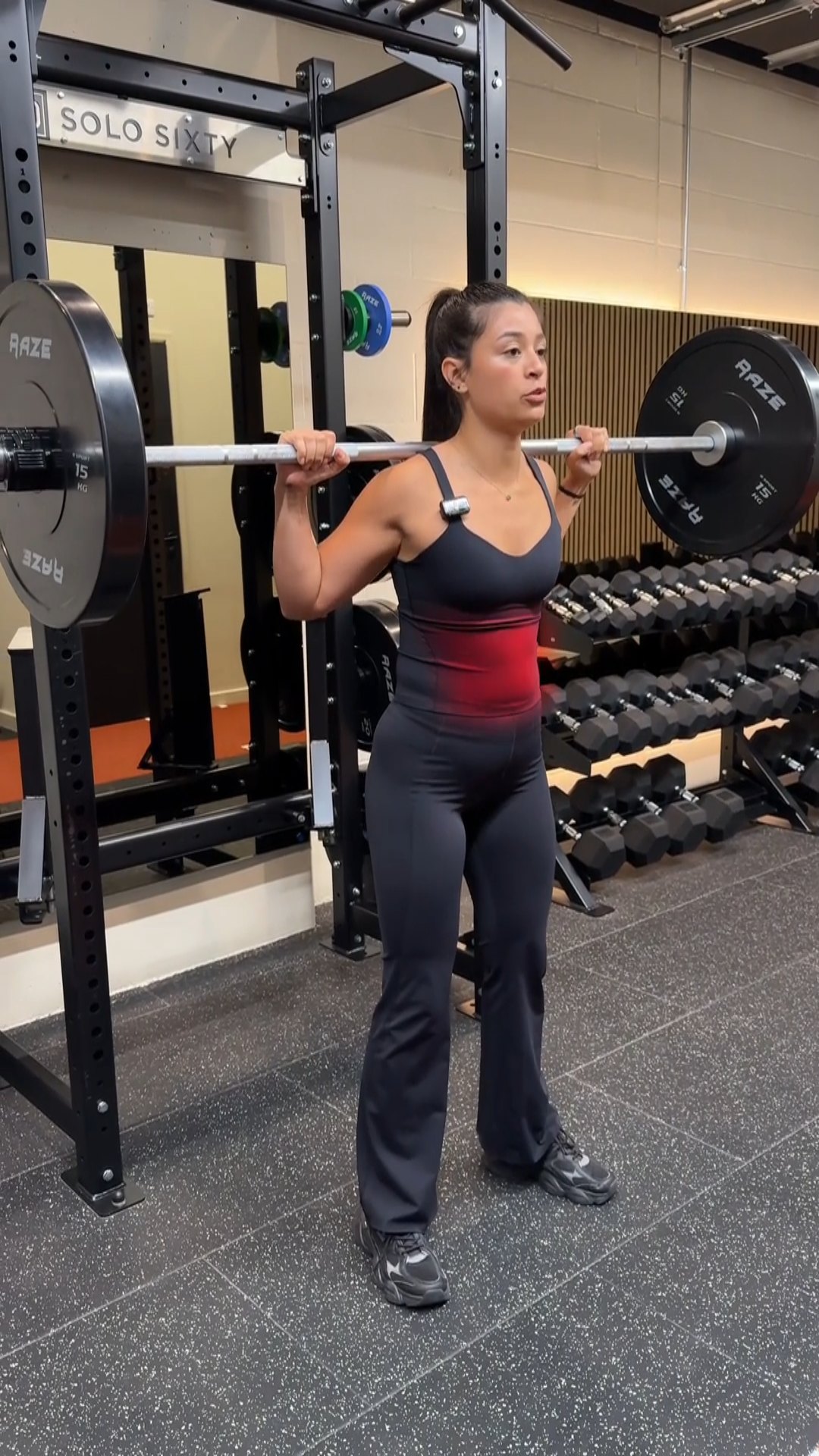
Holding your breath against a closed throat like this is called the Valsalva maneuver. It increases the pressure inside your abdomen, which helps keep your trunk rigid.
What the research says
- Heavy lifting raises blood pressure a lot. In 5 experienced bodybuilders who lifted to failure at 80 to 100% of their maximum, blood pressure measured directly in the artery reached an average peak of 320/250 mmHg during double-leg presses, and 255/190 mmHg during single-arm curls taken to failure. Part of the rise came from holding their breath (MacDougall et al., 1985).
- Effort, not just weight, drives the rise. In 31 healthy men, blood pressure rose with how hard they were trying rather than the actual force they produced. A brief breath-hold was unavoidable once their effort went above about 80% of maximum (MacDougall et al., 1992).
- Breath-holding helps stabilize your trunk. A review found that the Valsalva maneuver increases pressure inside the abdomen during lifting, which may help keep the spine stable. It also raises blood pressure. The authors concluded that the health risks of brief breath-holding during resistance exercise remain unconfirmed (Hackett and Chow, 2013).
- Resistance training is still good for your heart. A 2023 American Heart Association scientific statement concluded that resistance training is a safe and effective way to improve cardiovascular health in adults with and without heart disease (Paluch et al., 2024).
My take: for healthy adults, a brief breath-hold on heavy reps is normal and useful. It becomes harder to avoid as you near failure, which is one reason I usually suggest stopping most sets 1 to 3 reps before failure.
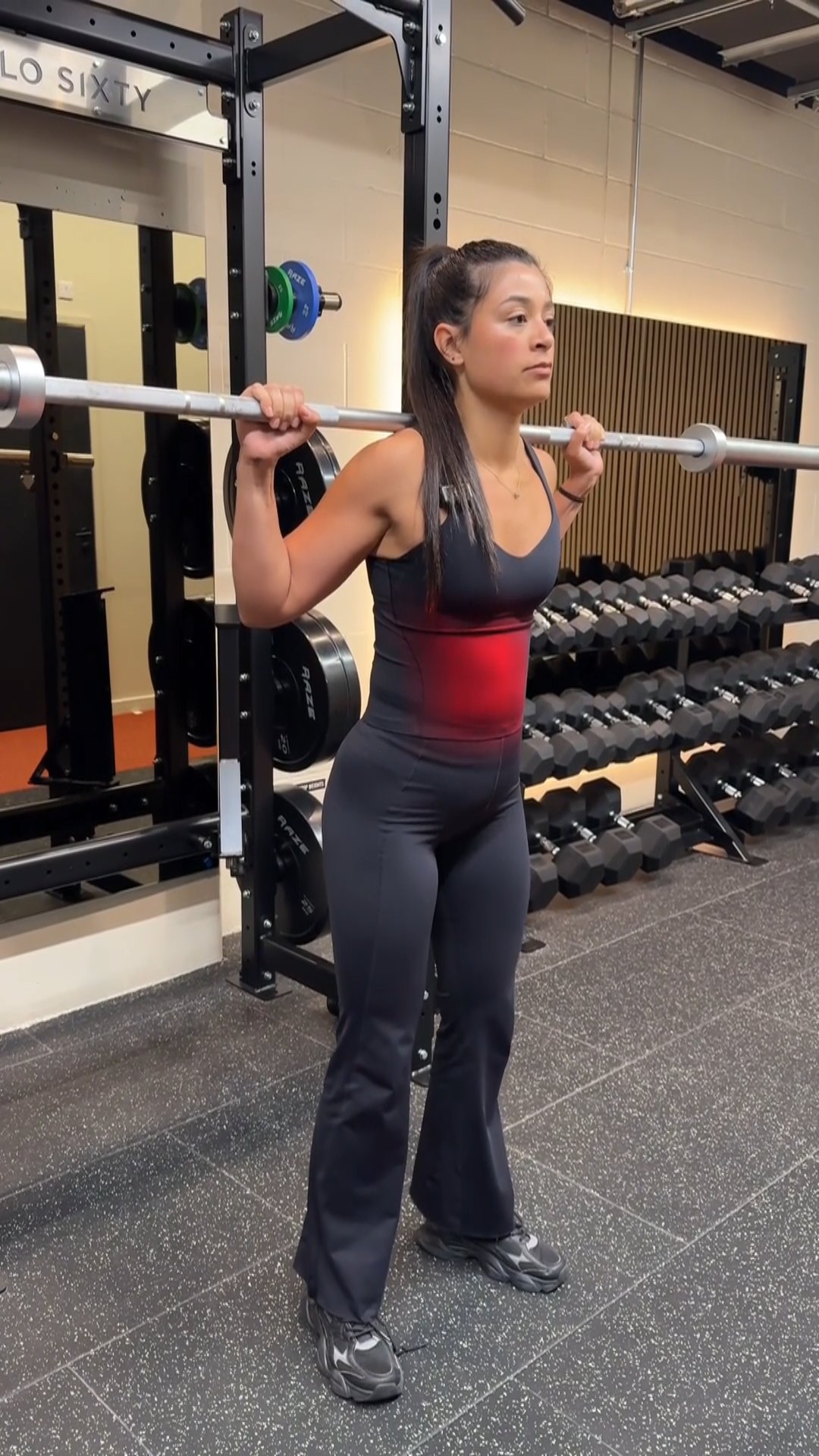
How to breathe on different types of exercise
These are my coaching suggestions:
| Type of exercise | How to breathe | Examples |
|---|---|---|
| Heavy compound lifts (about 1 to 6 reps) | Breathe in and brace before each rep, hold through the hardest part, breathe out near the top | Squat, deadlift, bench press, overhead press |
| Moderate compound lifts (about 8 to 15 reps) | Brace lightly; breathe out on the way up and in on the way down, or take a breath every rep | Goblet squat, dumbbell press, rows |
| Isolation and machine exercises | Breathe steadily: out as you lift, in as you lower | Biceps curls, lateral raises, leg extensions |
| Holds and core exercises | Keep breathing slowly and steadily throughout | Plank, wall sit, dead bug |
Common breathing mistakes
| Mistake | Why it matters | The fix |
|---|---|---|
| Holding your breath for the whole set | Blood pressure keeps rising, and you may feel dizzy | Breathe out at the top of each rep, or every rep on lighter sets. |
| Breathing only into your chest | Your shoulders rise and your trunk stays soft | Breathe into your stomach and the sides of your waist. |
| Sucking your stomach in | It makes your midsection less stable | Brace outward, as if preparing for a poke in the stomach. |
| Breathing out fully at the bottom of a heavy rep | You lose tension right when you need it most | Hold the brace through the hardest part, then breathe out. |
| Ignoring dizziness or headaches | These can be signs that your blood pressure is spiking too much | Stop, rest and lighten the load. See a doctor if it keeps happening. |
When to be careful with breath-holding
If you have high blood pressure, a heart condition, a history of stroke or you are pregnant, ask your doctor how you should breathe while lifting. Common approaches include using lighter weights, doing more reps with steady breathing and stopping well short of failure. Strength training can still be part of your routine; it may just need to be adjusted.
If you also want a gentle way to work on blood pressure, my article on wall sits for blood pressure covers what the research shows.
Summary
- For most exercises, breathe out as you lift and in as you lower.
- For heavy compound lifts, breathe in and brace before each rep, hold through the hardest part and breathe out near the top.
- Breath-holding increases pressure inside your abdomen, which helps stabilize your trunk, but it also raises blood pressure sharply.
- Blood pressure rises most as you get close to failure, so stopping a rep or two short helps.
- If you have high blood pressure, a heart condition or are pregnant, check with your doctor about how to breathe while lifting.
Lift with a plan that fits you
Good breathing and bracing make your lifts feel more solid. The next step is choosing the right weights and reps so you keep progressing safely.
That is what I built 12REPS to help with. You set your goal, your available time and your equipment, and the app builds your workouts. Every exercise comes with a trainer demonstration, and you can log your sets and reps to see your progress over time.
Download 12REPS and see what you’ll get:
Sources
- MacDougall JD, Tuxen D, Sale DG, Moroz JR, Sutton JR. Arterial blood pressure response to heavy resistance exercise. J Appl Physiol. 1985;58(3):785–790.
- MacDougall JD, McKelvie RS, Moroz DE, et al. Factors affecting blood pressure during heavy weight lifting and static contractions. J Appl Physiol. 1992;73(4):1590–1597.
- Hackett DA, Chow CM. The Valsalva maneuver: its effect on intra-abdominal pressure and safety issues during resistance exercise. J Strength Cond Res. 2013;27(8):2338–2345.
- Paluch AE, Boyer WR, Franklin BA, et al. Resistance exercise training in individuals with and without cardiovascular disease: 2023 update: a scientific statement from the American Heart Association. Circulation. 2024;149(3):e217–e231.
Related reading
- How to Bench Press: Step-by-Step Form Guide for Beginners
- How to Squat Properly: Stance, Depth and Fixes for Women
- How to Deadlift Properly: A Step-by-Step Guide for Women
- Do You Need a Lifting Belt? When to Wear One, and When Not To
- Wall Sits for Blood Pressure: What the Research Says and How to Do Them
- How to Warm Up Properly Before Lifting Weights: The Complete Guide
I’m Will Duru, a personal trainer and the founder of 12REPS. I hold a BSc (Hons) in Sport and Exercise Science and have more than a decade of experience coaching people in strength training.
This article is for general education and isn’t medical advice.

