




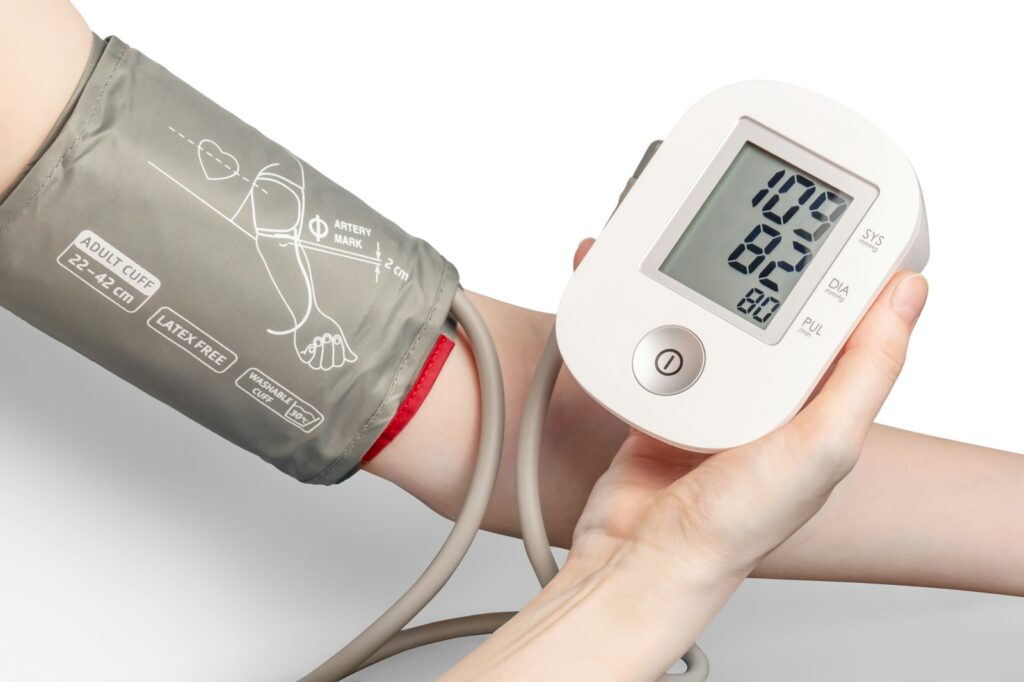
The short answer: yes, wall sits can help lower blood pressure. A 2023 analysis of 270 studies found that isometric exercise, where you hold a position without moving, lowered resting blood pressure more than any other type of exercise, and the wall squat (wall sit) was the single most effective exercise for lowering systolic blood pressure. Most studies used four 2-minute wall sits with 2 minutes of rest, three times a week. Wall sits are a useful addition to your training, but they don’t replace other exercise, a healthy lifestyle or any treatment your doctor recommends.
This guide is for anyone who wants a simple, research-backed exercise that supports heart health, or anyone curious about the wall sit headlines. I’ll cover what the research shows, how to do a wall sit, the protocol used in studies and how to stay safe.
What is a wall sit?
A wall sit is an isometric squat. You lean your back against a wall, slide down until your knees are bent, and hold that position. Your thigh muscles work hard without your body moving. Researchers often call it a wall squat.
What the research says
- Isometric exercise had the biggest effect on resting blood pressure. A 2023 network meta-analysis in the British Journal of Sports Medicine pooled 270 randomized controlled trials with 15,827 participants. Average reductions in resting blood pressure (systolic/diastolic) were about 8.2/4.0 mmHg for isometric exercise, 6.0/2.5 for combined aerobic and resistance training, 4.6/3.0 for dynamic resistance training, 4.5/2.5 for aerobic exercise and 4.1/2.5 for high-intensity interval training. Of the specific exercises studied, the wall squat ranked highest for lowering systolic blood pressure, and running ranked highest for diastolic.
- Home wall sits lowered blood pressure in 4 weeks. In a 2023 study of 30 adults with normal to high-normal blood pressure, two groups did home wall sits for 4 weeks and a third group didn’t. Resting systolic blood pressure fell by about 9–14 mmHg in the wall sit groups, and every participant who trained reached at least a 5 mmHg drop. The control group didn’t change.
- A longer trial in people with stage 1 hypertension showed promise. A feasibility trial of 41 adults with stage 1 hypertension used home wall sits for 6 months. Systolic blood pressure fell by about 12 mmHg in the wall sit group, and there were no exercise-related adverse events. The trial was designed to test whether the program could be delivered, not to prove it works, and the control group’s blood pressure also fell somewhat.
The evidence is promising, but many of the individual trials are small. Average results also hide a lot of variation between people. Wall sits look like a useful tool, not a cure.
The wall sit protocol used in research
| Part | What the studies used |
|---|---|
| Holds | 4 holds per session |
| Hold length | 2 minutes each |
| Rest | 2 minutes between holds |
| Frequency | 3 sessions per week, ideally on non-consecutive days |
| Total time | About 14 minutes per session |
| Intensity | Hard: the last 20–30 seconds of each hold should feel very difficult |
In the studies, intensity was set by adjusting how far participants slid down the wall, using a heart rate test or a rating of how hard it felt. Sliding lower makes the hold harder. Standing a little higher makes it easier.
How to do a wall sit
- Stand with your back flat against a wall and your feet about shoulder width apart, roughly 18–24 inches in front of the wall.
- Slide your back down the wall until your knees are bent. Start higher than a 90° knee bend if you’re new.
- Keep your knees over your ankles, not past your toes, and your weight through your heels.
- Rest your hands on your thighs or let them hang by your sides. Don’t push on your legs.
- Breathe steadily throughout. Never hold your breath.
- Hold for the target time, then slide back up and rest.
Coaching cues I use: “back flat on the wall,” “breathe the whole time” and “pick a height you can just hold for 2 minutes.” If you can’t make it to 2 minutes, move higher up the wall. If 2 minutes feels easy, move lower.
Staying safe
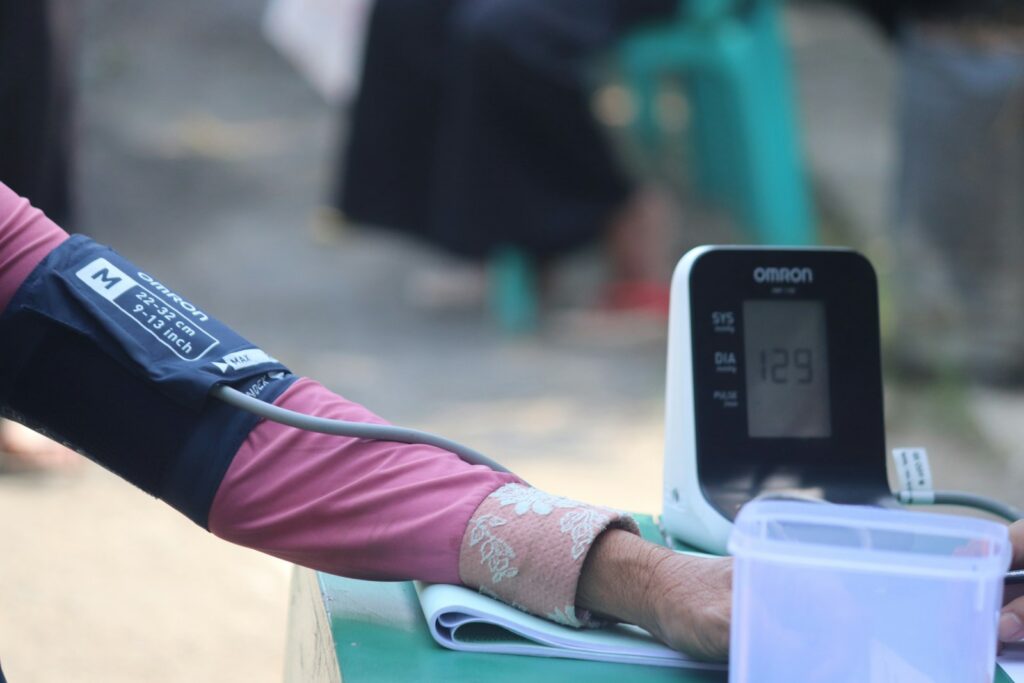
- Talk to your doctor first if you have high blood pressure, heart disease or any other medical condition, or if you take blood pressure medication. Don’t change or stop any medication without medical advice.
- Breathe normally. Holding your breath during a hard effort can cause a sharp rise in blood pressure.
- Stop if you feel chest pain, dizziness, unusual shortness of breath or pain in your knees.
- Build up gradually. Start with shorter holds at a higher position and work toward the full protocol.
Should wall sits replace your other training?
No. The same analysis found that every type of exercise lowered blood pressure, and aerobic exercise, strength training and running all bring other important health benefits. Think of wall sits as a simple, time-efficient add-on. They fit well at the end of a strength session or on a day off, and they need no equipment.
Summary
- A 2023 analysis of 270 trials found isometric exercise lowered resting blood pressure the most, with wall squats ranking highest for systolic blood pressure.
- Research protocols used four 2-minute wall sits with 2 minutes of rest, three times a week.
- Small trials found drops of roughly 9–14 mmHg in systolic blood pressure over 4 weeks to 6 months.
- Breathe throughout, choose a height you can just hold for 2 minutes and build up gradually.
- Talk to your doctor first if you have high blood pressure or a heart condition, and keep doing your other training.
Make healthy training a habit
Blood pressure benefits come from training consistently over weeks and months. That’s where 12REPS helps.
12REPS gives you trainer-built programs with two demo videos for every exercise. The built-in timer handles your 2-minute holds and rest periods, the gym log tracks every session, and Build Your Routine lets you add wall sits to your own week alongside your strength training. Every new account starts with a 7-day free trial.
Download 12REPS and see what you’ll get:
Sources
- Edwards JJ, Deenmamode AHP, Griffiths M, et al. Exercise training and resting blood pressure: a large-scale pairwise and network meta-analysis of randomised controlled trials. British Journal of Sports Medicine. 2023;57(20):1317–1326.
- Lea JWD, O’Driscoll JM, Wiles JD. The implementation of a home-based isometric wall squat intervention using ratings of perceived exertion to select and control exercise intensity: a pilot study in normotensive and pre-hypertensive adults. European Journal of Applied Physiology. 2023.
- Wiles JD, Santer E, Rees-Roberts M, et al. Feasibility randomised controlled trial to assess the delivery of a novel isometric exercise intervention for people diagnosed with uncomplicated stage 1 hypertension in the National Health Service. BMJ Open. 2025;15(6):e091219.
Related reading
- Why Training Your Legs Could Add Years to Your Life
- How Strength Training Protects Your Health After 50
- What Is Zone 2 Cardio?
I’m Will Duru, a personal trainer and the founder of 12REPS. I hold a BSc (Hons) in Sport and Exercise Science and have more than a decade of experience coaching people in strength training. This article is for general education and isn’t medical advice.
