

By Will Duru, BSc (Hons) Sport and Exercise Science, Award winning Personal Trainer with over 10 years of experience in strength training
You can train hard every day. You can follow the best programme. You can never miss a session. But if your nutrition is wrong, your results will suffer.
I have seen this hundreds of times with clients. They put in the work at the gym but do not see the changes they expect. The missing piece is almost always nutrition.
This guide will show you exactly how to eat to lose fat and build muscle at the same time. I will cover the differences between men and women, how much protein, carbs and fats you need, and give you meal templates you can follow straight away.
No complicated science. No confusing numbers. Just simple guidance that works.
Why Nutrition Matters More Than Training
Your body needs the right fuel to change. Training breaks down muscle. Nutrition builds it back stronger. Training burns calories. Nutrition controls whether you lose fat or gain it.
Think of it this way. Training is the signal that tells your body to change. Nutrition is the raw material that makes the change happen.
Without enough protein, your muscles cannot repair and grow. Without the right calorie balance, you will not lose fat. Without proper carbs and fats, your energy and hormones will suffer.
Get your nutrition right and your training works better. Get it wrong and you spin your wheels for months.
How Fat Loss and Muscle Growth Work Together
Many people think you must choose. Either lose fat or build muscle. Not both.
This is not true for most people, especially if you are new to training or returning after a break. Your body can do both at the same time when you set things up correctly.
The key is a small calorie deficit with high protein intake. You eat slightly less than you burn so your body uses stored fat for energy. You eat plenty of protein so your muscles have what they need to grow.
This process is slower than extreme dieting. But the results last longer and you keep your muscle instead of losing it.
Calories: The Foundation of Everything
Calories control whether you lose weight, gain weight, or stay the same.
To lose fat: Eat fewer calories than you burn. To gain weight: Eat more calories than you burn. To stay the same: Eat roughly what you burn.
For fat loss while building muscle, you want a small deficit. About 300 to 500 calories below what you burn each day. This is enough to lose fat steadily without sacrificing muscle or energy.
How to Calculate Your Calories
Step 1: Find your maintenance calories
Multiply your body weight in kg by 28 to 32 depending on your activity level.
- Sedentary (desk job, little exercise): multiply by 28
- Moderate activity (training 3 to 4 times per week): multiply by 30
- Very active (training 5 plus times per week, active job): multiply by 32
Step 2: Subtract for fat loss
Take away 300 to 500 calories from your maintenance number.
Example Calculations
Woman: 70kg, moderately active, wants to lose 5 to 10kg
- Maintenance: 70 x 30 = 2,100 calories
- Fat loss target: 2,100 minus 400 = 1,700 calories per day
Man: 85kg, moderately active, wants to lose 5 to 10kg
- Maintenance: 85 x 30 = 2,550 calories
- Fat loss target: 2,550 minus 400 = 2,150 calories per day
Protein: The Muscle Building Block
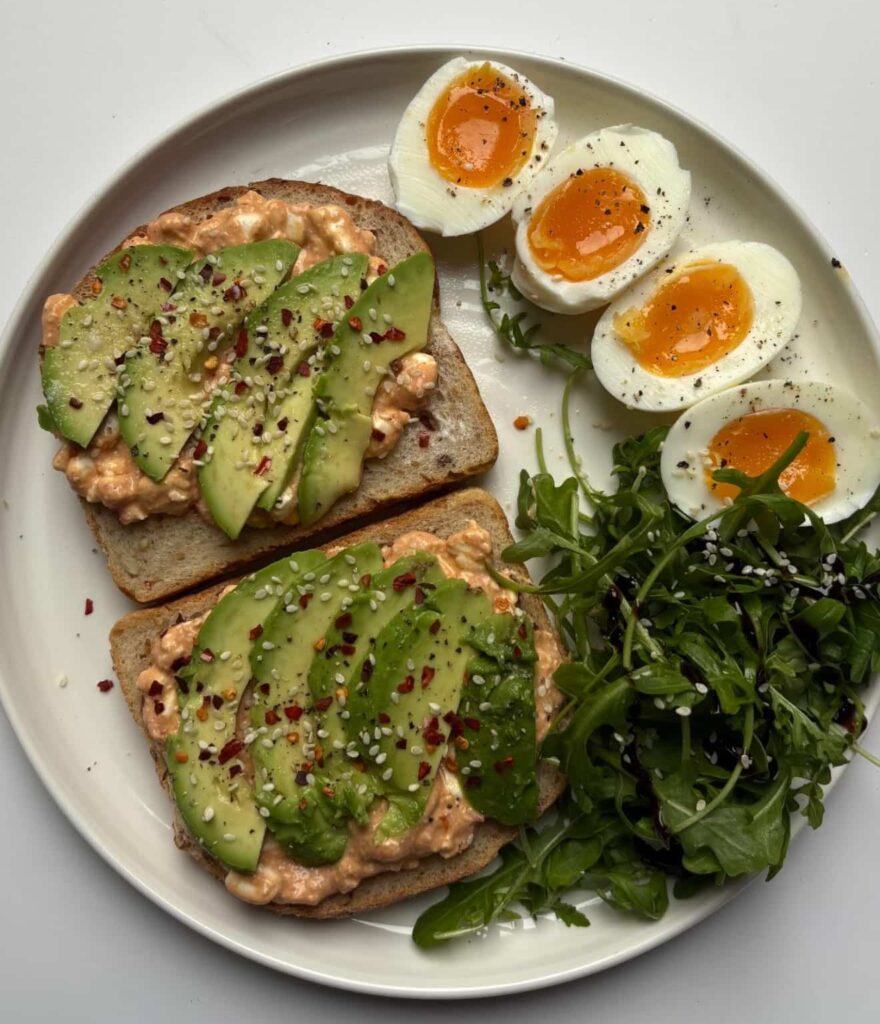
Protein is the most important nutrient for body composition. It builds and repairs muscle tissue. It keeps you feeling full. It has the highest thermic effect, meaning your body burns more calories digesting it.
How Much Protein Do You Need?
For fat loss and muscle building, aim for 1.8 to 2.2 grams of protein per kilogram of body weight.
Woman at 70kg: 126 to 154 grams of protein per day Man at 85kg: 153 to 187 grams of protein per day
This might seem like a lot. It is more than most people eat. But hitting this target makes a massive difference to your results.
Best Protein Sources
- Chicken breast
- Turkey mince
- Lean beef mince
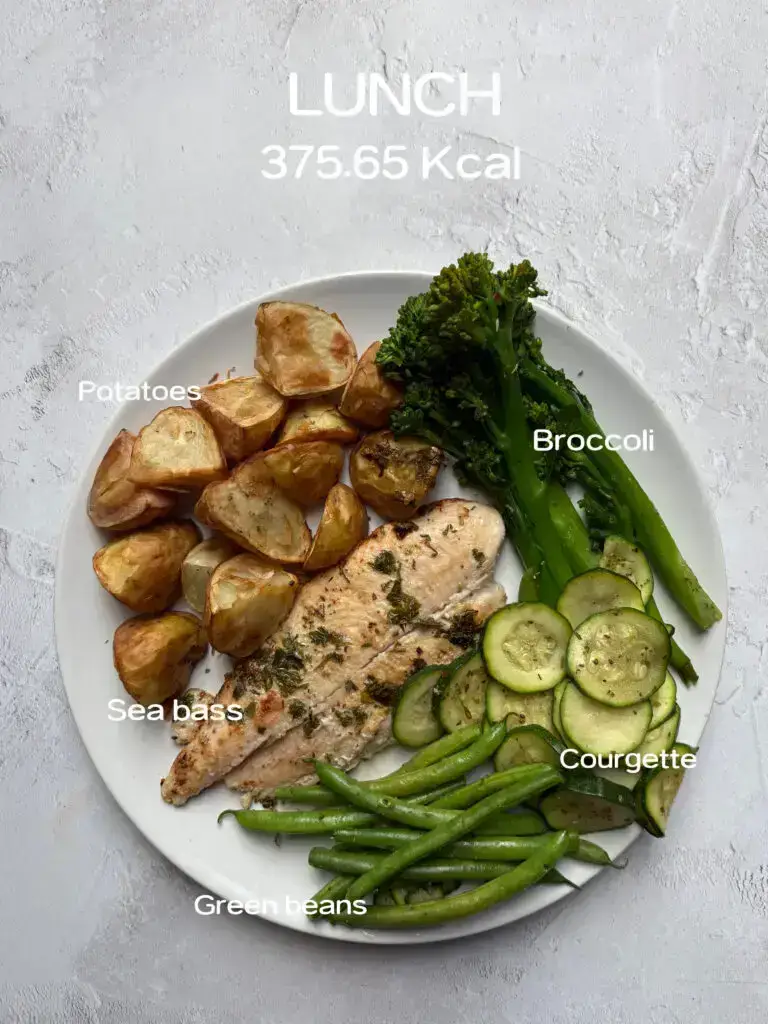
- White fish (cod, haddock, sea bass)
- Salmon
- Prawns
- Eggs and egg whites
- Greek yoghurt
- Cottage cheese
•Whey protein powder
Carbohydrates: Your Energy Source
Carbs fuel your training. They fill your muscles with glycogen which gives you energy for hard sessions. They also help with recovery after training.
How Many Carbs Do You Need?
For fat loss with muscle building, aim for 2 to 3 grams of carbs per kilogram of body weight.
Woman at 70kg: 140 to 210 grams of carbs per day Man at 85kg: 170 to 255 grams of carbs per day
If you are very active or train with high intensity, go towards the higher end. If you are less active or find you lose fat better on lower carbs, go towards the lower end.
Best Carb Sources
- Rice (white or brown)
- Potatoes and sweet potatoes
- Oats
- Whole grain bread
- Pasta
- Quinoa
- Fruits (bananas, berries, apples)
- Vegetables (all types)
Fats: Essential for Hormones
Fats support hormone production, brain function, and vitamin absorption. Too little fat and your hormones suffer. Too much and calories add up quickly.
How Much Fat Do You Need?
Aim for 0.8 to 1 gram of fat per kilogram of body weight.
Woman at 70kg: 56 to 70 grams of fat per day Man at 85kg: 68 to 85 grams of fat per day
Best Fat Sources
- Olive oil
- Avocado
- Nuts (almonds, walnuts, cashews)
- Nut butters
- Eggs
- Salmon and oily fish
- Seeds (chia, flax, pumpkin)
The Difference Between Men and Women
Men and women can follow the same principles. But there are some differences to consider.
Men typically:
- Have higher calorie needs due to more muscle mass
- Can eat more carbs without fat gain
- Lose fat faster initially
- Need more total protein due to larger body size
Women typically:
- Have lower calorie needs
- May do better with slightly higher fat intake
- Experience more hormonal fluctuations affecting water weight
- Should not compare weekly weight loss to men
Both can build muscle and lose fat. Both need high protein. Both benefit from strength training. The main difference is the total amounts, not the approach.
Meal Templates
Here are example meal plans for a woman and man both aiming to lose 5 to 10kg while building muscle.
Woman’s Meal Plan (1,700 calories)
Target: 140g protein, 170g carbs, 60g fat
| Meal | Food | Protein | Carbs | Fat | Calories |
|---|---|---|---|---|---|
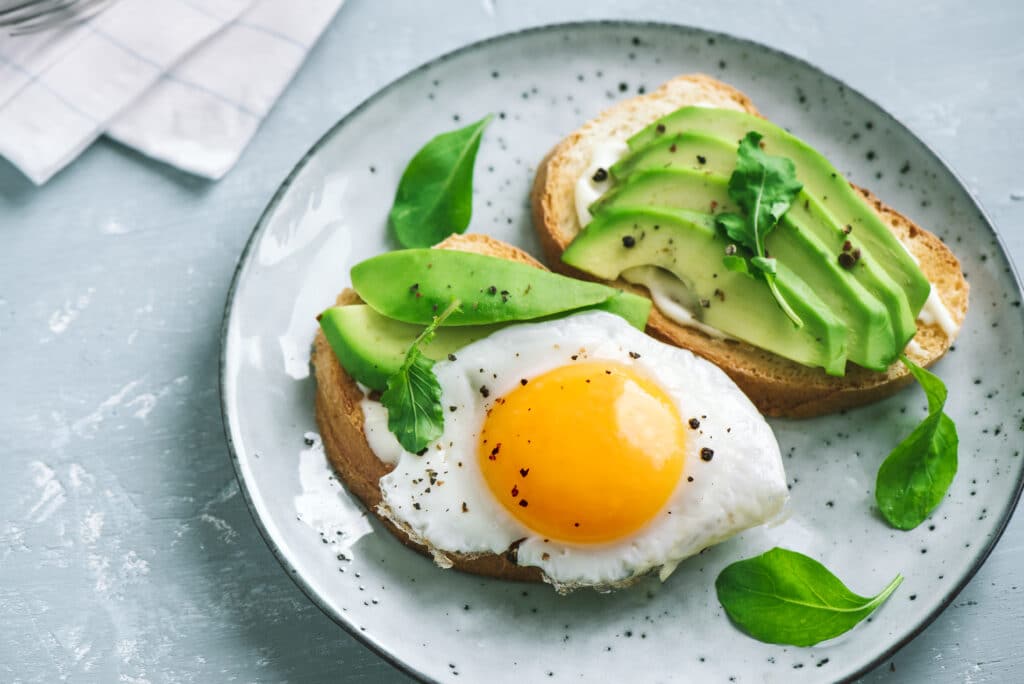
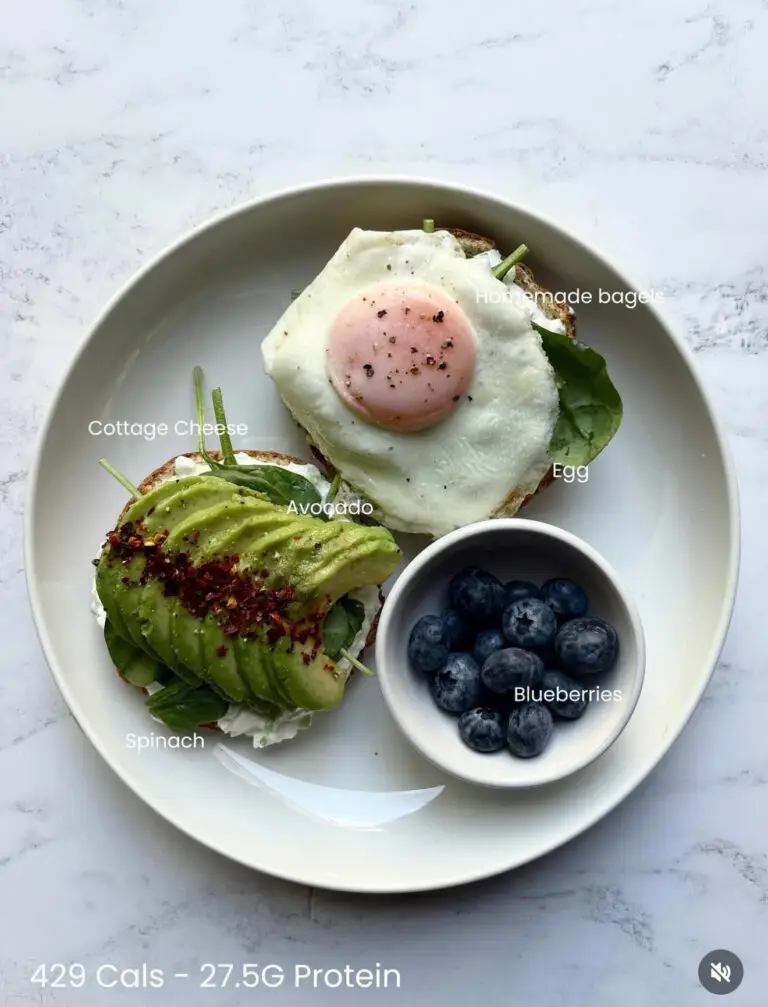
| Breakfast | 3 egg whites, 1 whole egg, 2 slices whole grain toast, half avocado | 20g | 30g | 15g | 335 |
| Snack | Greek yoghurt (150g) with berries | 15g | 15g | 5g | 165 |
| Lunch | Chicken breast (150g), rice (100g cooked), mixed vegetables, olive oil drizzle | 45g | 40g | 10g | 430 |
| Snack | Protein shake with water, apple | 25g | 25g | 2g | 220 |
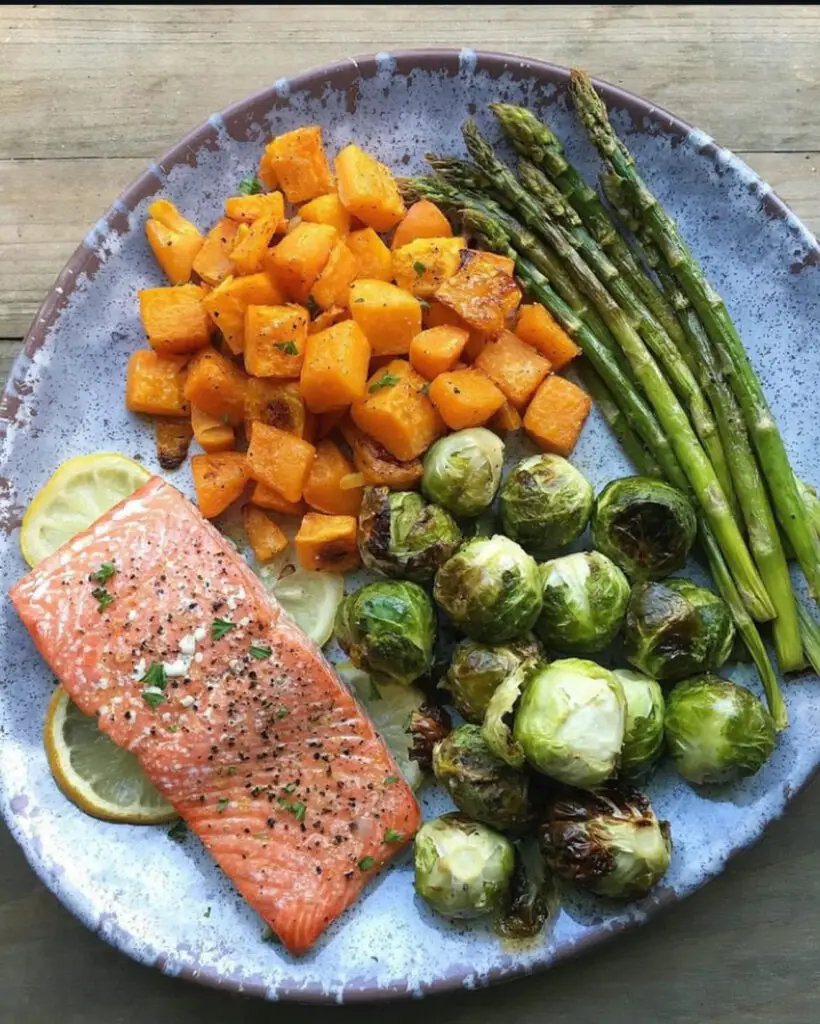
| Dinner | Salmon fillet (150g), sweet potato (150g), broccoli and green beans | 35g | 40g | 18g | 460 |
| Evening | Cottage cheese (100g) | 12g | 4g | 4g | 100 |
| Total | 152g | 154g | 54g | 1,710 |
Man’s Meal Plan (2,150 calories)
Target: 170g protein, 215g carbs, 75g fat
| Meal | Food | Protein | Carbs | Fat | Calories |
|---|---|---|---|---|---|
| Breakfast | 4 egg whites, 2 whole eggs, 3 slices whole grain toast, half avocado | 30g | 45g | 20g | 480 |
| Snack | Greek yoghurt (200g) with banana and handful of almonds | 20g | 35g | 12g | 325 |
| Lunch | Chicken breast (200g), rice (150g cooked), mixed vegetables, olive oil | 55g | 55g | 12g | 550 |
| Snack | Protein shake with water, 2 rice cakes with peanut butter | 30g | 25g | 10g | 310 |
| Dinner | Lean beef mince (200g), pasta (100g dry weight), tomato sauce, side salad | 50g | 80g | 15g | 660 |
| Evening | Cottage cheese (150g) with handful of walnuts | 18g | 6g | 12g | 200 |
| Total | 203g | 246g | 81g | 2,525 |
Note: Adjust portions up or down based on your specific targets.
Portion Control Made Simple
You do not need to weigh everything forever. But weighing food for two to four weeks teaches you what proper portions look like.
Quick portion guides:
- Protein: Palm sized portion equals roughly 25 to 30g protein
- Carbs: Fist sized portion of rice or potato equals roughly 30 to 40g carbs
- Fats: Thumb sized portion equals roughly 10g fat
- Vegetables: Fill half your plate, unlimited amounts
Once you learn what portions look like, you can estimate without scales.
Meal Prep for Success
Preparing meals in advance removes daily decisions and keeps you on track.
Simple meal prep approach:
- Pick one day (Sunday works well)
- Cook protein in bulk (grill 1kg chicken breast, cook 500g mince)
- Prepare carbs (cook a large batch of rice, bake several potatoes)
- Chop vegetables (prepare containers of ready to cook veg)
- Portion into containers (5 to 6 meals ready for the week)
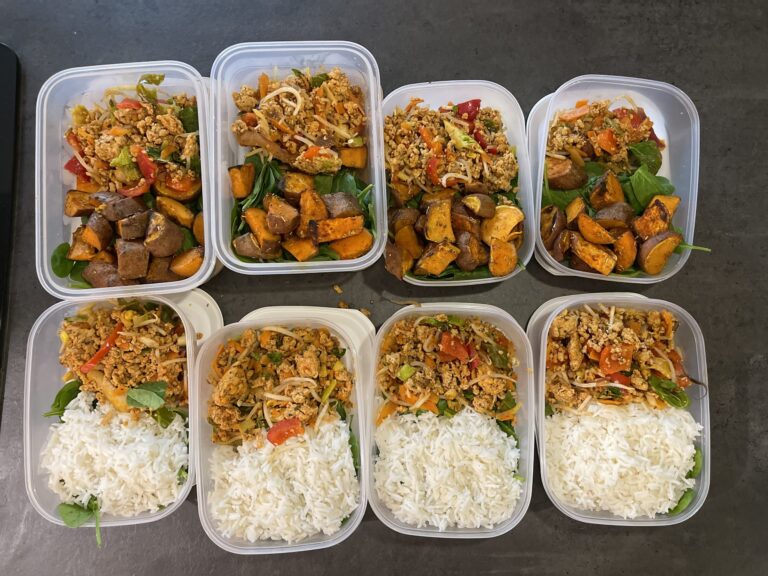
Meal prep takes two to three hours once per week. It saves time every other day and removes the temptation to grab unhealthy options.
Supplements Worth Considering
Supplements are not magic. They fill gaps in your nutrition. Focus on food first, then add these if helpful.
Protein Powder
Whey protein is convenient when you struggle to hit protein targets from food alone. One scoop typically provides 20 to 25g protein with minimal carbs and fat.
When to use: After training, as a snack, or added to breakfast if protein is low.
Creatine Monohydrate
Creatine is one of the most researched supplements. It helps with strength, power, and muscle building. It is safe and effective for both men and women.
How to use: 5 grams per day, every day. Timing does not matter. Mix with water or add to your protein shake.
L Glutamine
Glutamine supports recovery and gut health. It may help reduce muscle soreness after hard training.
How to use: 5 grams per day, typically after training or before bed.
What You Do Not Need
Most other supplements are unnecessary. Fat burners, testosterone boosters, and most pre workouts are not worth the money. Focus on food, protein powder, creatine, and possibly glutamine. Everything else is optional.
Tracking Your Progress
Weigh yourself once per week at the same time (morning, after bathroom, before eating). Track the trend over weeks, not daily fluctuations.
Take progress photos every two to four weeks. The mirror shows changes that the scale misses.
Use the 12REPS app to track your training. When your lifts go up while your weight goes down, you know you are building muscle and losing fat at the same time.
Final Thoughts
Nutrition does not need to be complicated. Eat enough protein. Control your calories. Choose mostly whole foods. Prepare meals in advance. Be consistent.
The meal templates in this guide give you a starting point. Adjust based on your results. If you are not losing fat after two weeks, reduce calories slightly. If you are losing weight too fast and feeling weak, increase calories slightly.
Combine this nutrition approach with structured training from the 12REPS app and you have everything you need to transform your body.
References
- Morton, R.W. et al. (2018). A systematic review, meta-analysis and meta-regression of the effect of protein supplementation on resistance training-induced gains in muscle mass and strength. British Journal of Sports Medicine. https://pubmed.ncbi.nlm.nih.gov/28698222/
- Helms, E.R. et al. (2014). Evidence-based recommendations for natural bodybuilding contest preparation: nutrition and supplementation. Journal of the International Society of Sports Nutrition. https://pubmed.ncbi.nlm.nih.gov/24864135/
- Kreider, R.B. et al. (2017). International Society of Sports Nutrition position stand: safety and efficacy of creatine supplementation. Journal of the International Society of Sports Nutrition. https://pubmed.ncbi.nlm.nih.gov/28615996/
Related Articles on just12reps.com
Article | Description | Link |
Complete Beginner’s Guide to Strength Training | Pair proper nutrition with a solid training programme. | |
The Science of Progressive Overload | Build muscle effectively while following this nutrition plan. | |
3 Day Strength Training Split for Men | A training programme to complement your nutrition. | |
Strength Training for Women Over 40 | Nutrition and training advice for women in midlife. | |
The Science Behind 12 Rep Training | Understand how training and nutrition work together. |
About the Author: Will Duru holds a BSc (Hons) in Sport and Exercise Science and is an award-winning personal trainer with over 10 years of experience. He has helped hundreds of clients transform their bodies through proper nutrition and structured training. Will created the 12REPS app to make professional guidance accessible to everyone.