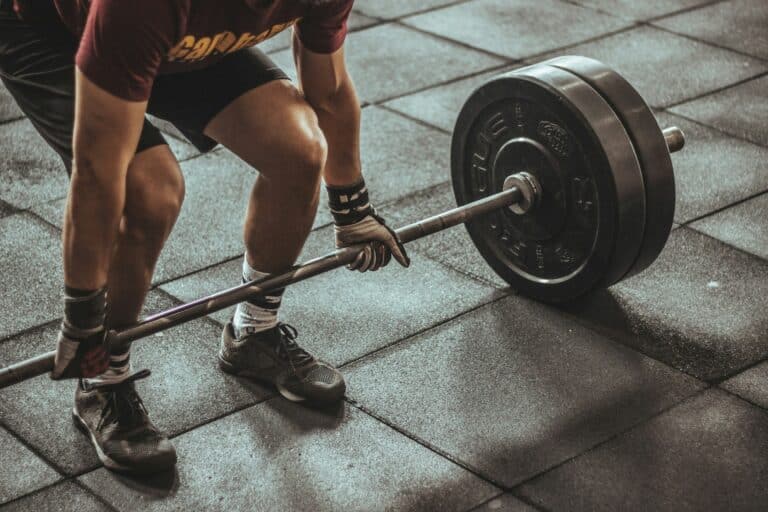


The best back workout at the gym combines a heavy row, an overhead pull, a rear-shoulder exercise and a machine row. This 5-exercise gym session uses the barbell bent-over row, kneeling cable face pull, plate-loaded seated row, lat pulldown and chin-ups to train your back from every main pulling direction.
It suits anyone with access to barbells, cables and machines. If you train at home with dumbbells only, try our dumbbell back workout instead.
Back training isn’t just about how you look from behind. Strong back muscles help you pull, row and carry with more control, and they help hold your shoulder blades and spine steady when you lift.
Whether you’re pulling a barbell from the floor or sitting at a desk for hours, your back works hard. This session trains it in a set order, from the heaviest lift to the lightest.

Why Back Training Matters
Your back is a group of muscles that work together to move your arms and steady your trunk. They include the traps, lats, rhomboids, rear delts and the spinal erectors that run along your spine.
Training these muscles helps you:
- Row and pull heavier weights.
- Keep your shoulder blades steady when you press.
- Hold your spine in position during lifts like deadlifts and squats.
- Carry bags, luggage or children with more control.

How This Workout Is Built
This isn’t a random list of back exercises. It covers horizontal pulls (rows), vertical pulls (pulldowns and chin-ups) and the rear delts. The heaviest lift comes first, while you are fresh.
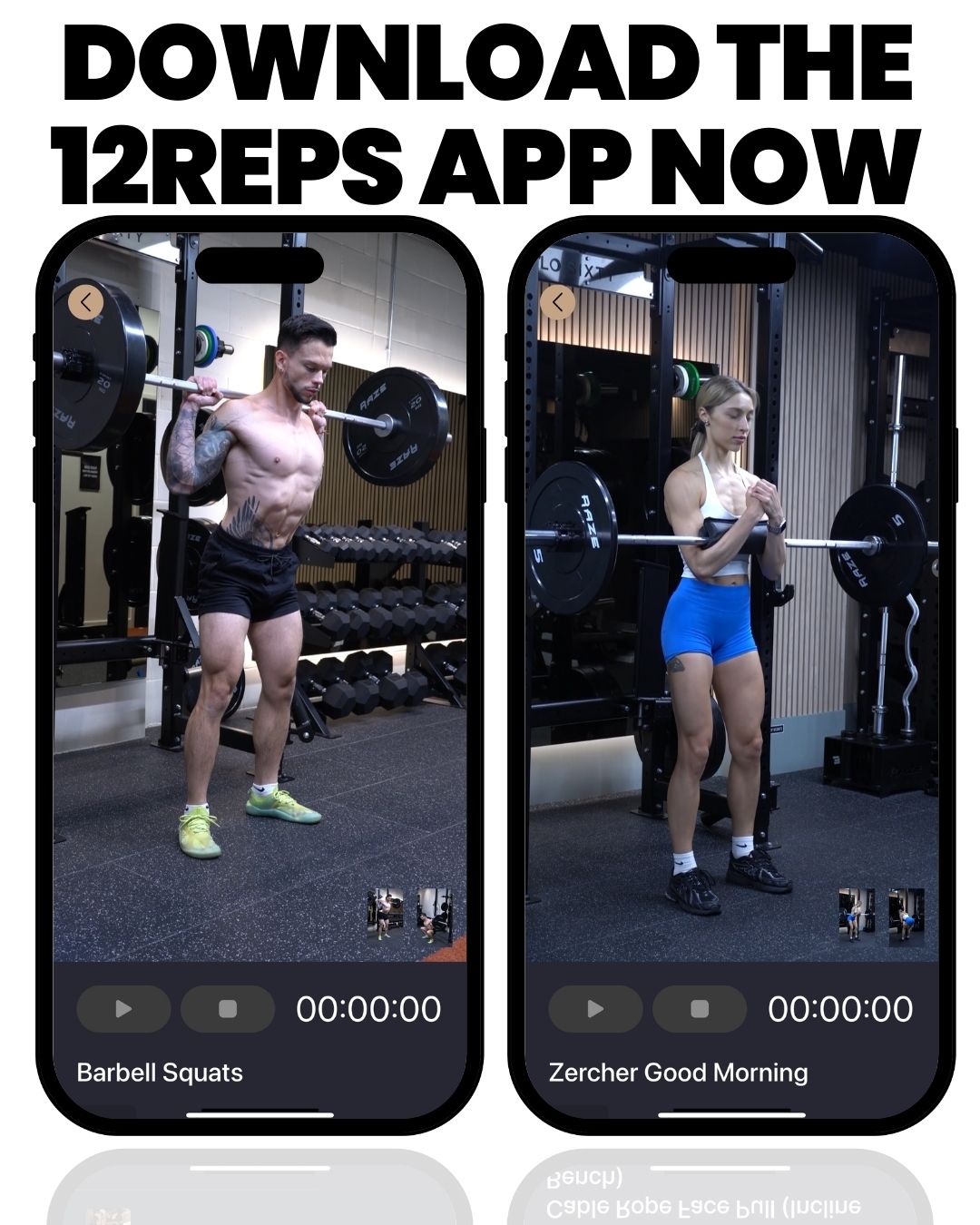
You can do it at any commercial gym, or in a home gym if you have the equipment. In the 12REPS app, you log every set, and the app remembers what you lifted last time.

The 5-Exercise Gym Back Workout
| Exercise | Sets and reps | Main muscles |
|---|---|---|
| Barbell bent-over row | 5 x 10 to 12 | Lats, traps, rhomboids, lower back |
| Kneeling cable face pull | 5 x 12 to 15 | Rear delts, upper back |
| Plate-loaded seated row | 5 x 10 to 12 | Mid-back, lats |
| Lat pulldown | 5 x 10 to 12 | Lats, biceps |
| Chin-ups or assisted chin-ups | 4 x 4 to 5 (or 10 to 12 assisted) | Lats, biceps |
1. Barbell Bent-Over Row: 5 sets of 10 to 12 reps
Grip the bar just wider than shoulder-width. Hinge at the hips and row the bar toward your belly button. Keep your spine flat and your core tight.
Why it works: it trains your lats, traps and lower back in one lift. In a comparison of rowing exercises, it produced large, even muscle activity from the upper to the lower back. It also put the most load on the lower spine, so build up the weight gradually. See the barbell bent-over row exercise page for full technique.
2. Kneeling Cable Face Pull: 5 sets of 12 to 15 reps
Use the rope attachment on a cable machine and set it at about eye level when you kneel. Pull the rope toward your face with your elbows high. Squeeze your rear delts at the end of each rep.
Why it works: it trains your rear delts and the upper back muscles that pull your shoulder blades back. See the cable rope face pull demo and our face pull guide for setup options.
3. Plate-Loaded Seated Row: 5 sets of 10 to 12 reps
Sit tall, brace your core, and pull the handles toward your torso. Control the eccentric (lowering) phase to keep tension on your back.
Why it works: it focuses on your mid-back and on scapular retraction, which means pulling your shoulder blades together. The Hammer Strength seated low row demo shows one common plate-loaded machine.
4. Lat Pulldown: 5 sets of 10 to 12 reps
Use an overhand grip a little wider than your shoulders and pull through your elbows. Control the bar on the way up and down. Don’t rush the reps.
Why it works: it targets the lats, the muscles that give your back width. A study of lat pulldown grips found an overhand grip produced more lat activity than an underhand grip, whether the grip was wide or narrow. See the cable machine lat pulldown exercise page.
5. Chin-Ups or Assisted Chin-Ups: 4 sets of 4 to 5 reps (or 10 to 12 with assistance)
Hang from the bar with an underhand grip about shoulder-width apart. Pull until your chin passes the bar, then lower all the way down. Avoid swinging.
If you can’t do bodyweight chin-ups yet, use the assisted machine. Our guide to doing your first pull-up shows how to build up.
Why it works: you pull your own bodyweight, which trains your lats and biceps together.
Back Training and Long-Term Health
The NHS and the CDC both advise adults to do muscle-strengthening activities on at least two days a week. Both list the back among the major muscle groups to work.
Regular strength training is also linked with better long-term health. A 2022 meta-analysis of cohort studies found muscle-strengthening activity was associated with about a 10% to 20% lower risk of early death, cardiovascular disease and cancer. The largest difference was seen at about 30 to 60 minutes a week.
These studies show an association, not proof of cause, and the authors rated the certainty of most results as very low. If you have a health condition or back pain, check with your doctor before starting a new program.
Many people train their chest more than their back. A simple way to keep your week balanced is to do about as much pulling as pushing.
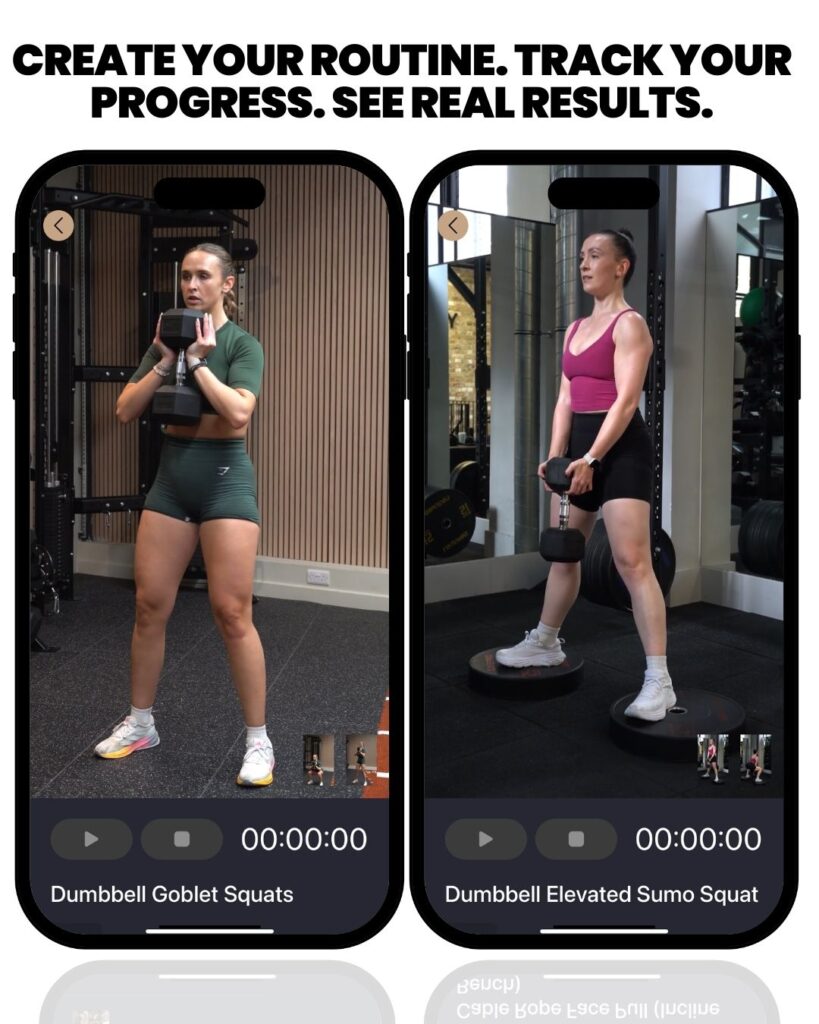
In the 12REPS app, you enter the reps and weight for every set. The app remembers what you lifted, so each session you have a number to beat.

More Back and Pull Day Workouts
- Pull day workout: building a stronger back: a full pull session for a push/pull/legs split.
- Pull day exercises to grow your back: four simple pulling moves.
- The 12REPS back workout: warm-up sets, drop sets and a cool-down in one session.
- 4 back exercises for strength: a shorter gym routine.
Ready to Train Your Back With a Plan?
If you want a plan built around your goal, your equipment and the time you’ve got, 12REPS sets out each session and shows a trainer demonstration for every exercise. Track every set and see your progress build week by week.

Sources
- Fenwick CMJ, Brown SHM, McGill SM. Comparison of different rowing exercises: trunk muscle activation and lumbar spine motion, load, and stiffness. Journal of Strength and Conditioning Research, 2009. https://lida.sport-iat.de/ta/Record/4025850?lng=en
- Lusk SJ, Hale BD, Russell DM. Grip width and forearm orientation effects on muscle activity during the lat pull-down. Journal of Strength and Conditioning Research, 2010. https://pure.psu.edu/en/publications/grip-width-and-forearm-orientation-effects-on-muscle-activity-dur/
- Physical activity guidelines for adults aged 19 to 64. NHS. https://www.nhs.uk/live-well/exercise/physical-activity-guidelines-for-adults-aged-19-to-64/
- Adult Activity: An Overview. Centers for Disease Control and Prevention, 2023. https://www.cdc.gov/physical-activity-basics/guidelines/adults.html
- Momma H, et al. Muscle-strengthening activities are associated with lower risk and mortality in major non-communicable diseases: a systematic review and meta-analysis of cohort studies. British Journal of Sports Medicine, 2022. https://bjsm.bmj.com/content/56/13/755