


By Will Duru, BSc (Hons) Sport and Exercise Science, Award-winning Personal Trainer with over 10 years of experience in strength training and optimising recovery.
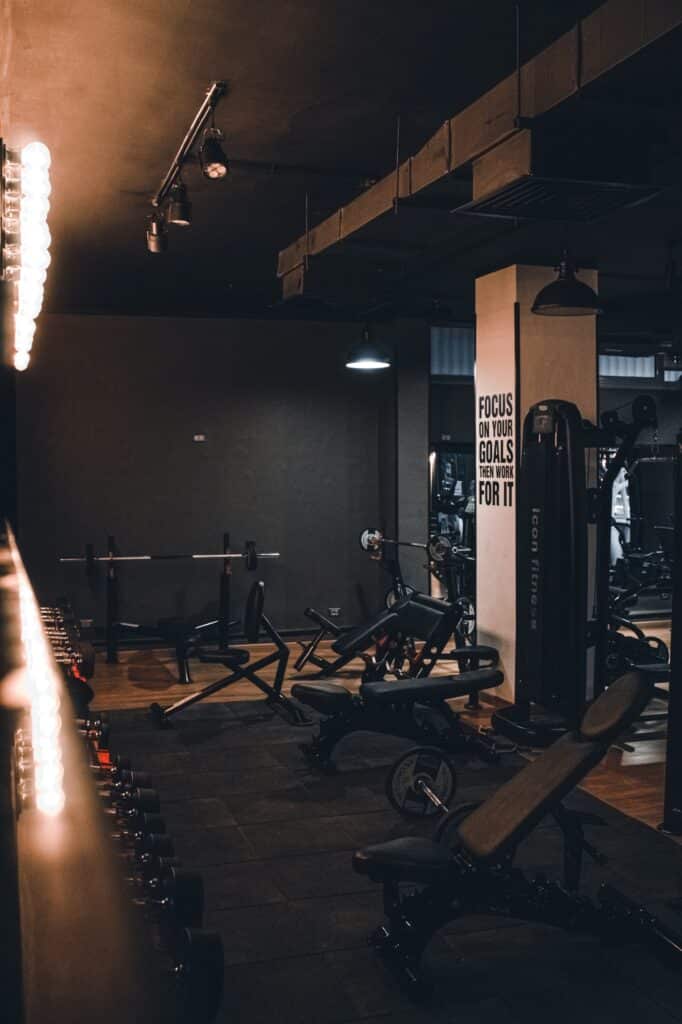
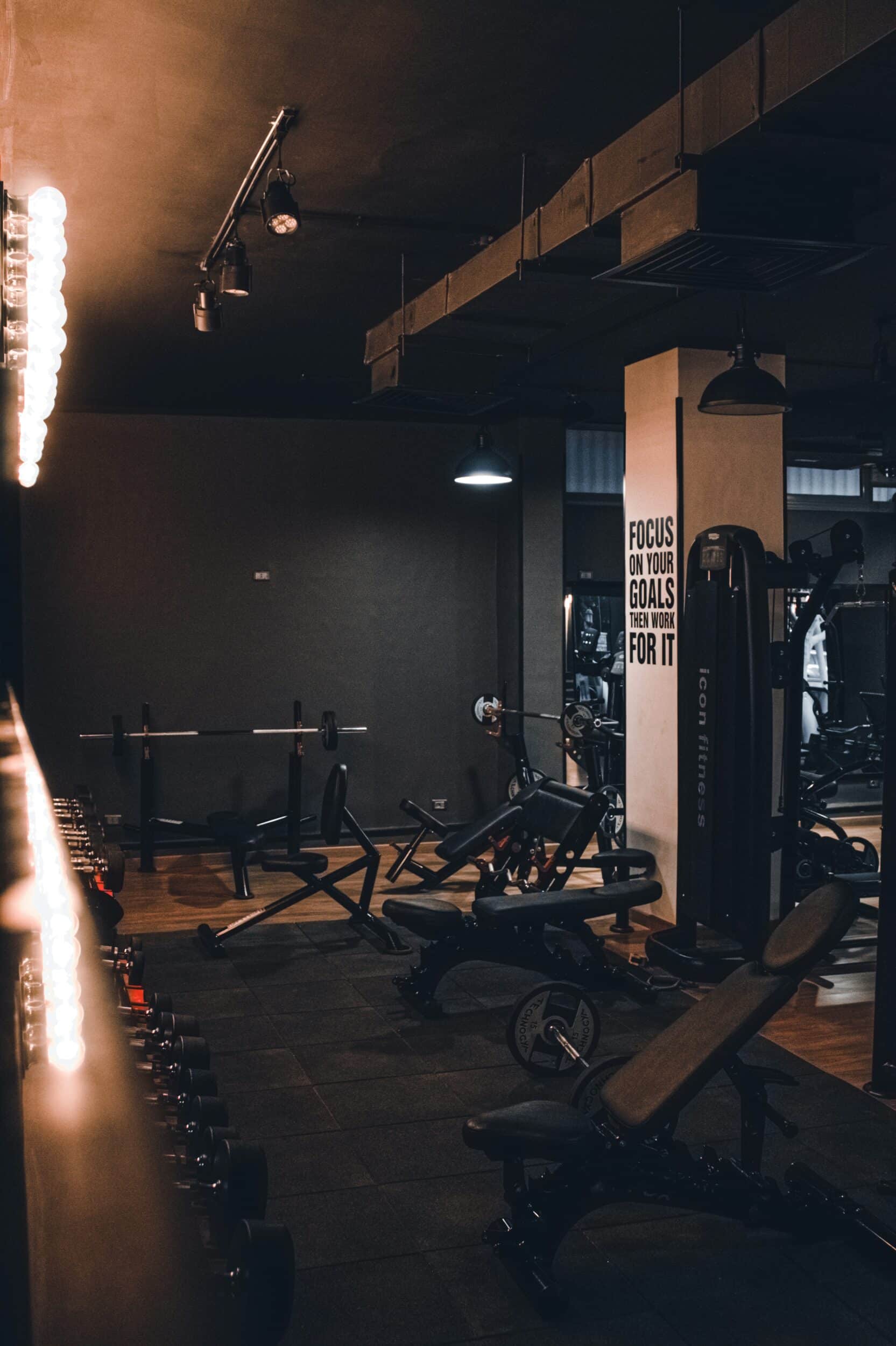
Imagine this: you walk into the gym, ready to crush your workout, only to find every machine taken, the free weight area swarming, and a queue forming for the squat rack. Your carefully planned session grinds to a halt. You wait, you lose momentum, and frustration sets in. What was meant to be an energising hour becomes a disheartening battle against the crowds. The problem is not your motivation; it is your timing. This article will show you exactly when to train to avoid the chaos, reclaim your focus, and make consistent progress.

2. Why Timing Matters More Than You Think
Many gym goers underestimate the profound impact of workout timing on their results. When the gym is busy, your workout flow is constantly interrupted. Waiting for equipment kills intensity, turning a high energy session into a stop-start affair. These disruptions often lead to skipped exercises, compromised form, and ultimately, a less effective workout. It is a simple equation: better timing equals better workouts. Are you truly training hard, or are you just waiting around? Optimising your gym timing is not just about convenience; it is about maximising every minute you dedicate to your fitness goals.

3. Typical Gym Busy Times
Understanding when gyms are typically busiest is the first step to avoiding the crowds. Our research, including insights from PureGym’s UK Fitness Report, highlights clear patterns in gym traffic .
Weekdays:
- 6:00 AM – 9:00 AM: This is a peak period as people squeeze in a workout before heading to work. Expect high traffic, especially on Mondays and Tuesdays .
- 12:00 PM – 2:00 PM: The lunch crowd creates a moderate rush. Many use their lunch break for a quick session.
- 5:00 PM – 8:00 PM: This is the absolute peak time, often referred to as the ‘after-work rush’. Gyms are typically packed, with equipment in high demand.
Weekends:
- 9:00 AM – 12:00 PM: Weekend mornings are popular, particularly for those who prefer a more relaxed start to their day.
- Afternoons: Generally quieter than mornings, offering a better window for a less crowded workout.
These patterns are largely driven by work schedules and routine habits. Mondays and Tuesdays are consistently the busiest days, while Sundays tend to be the quietest . January is also the busiest month due to New Year resolutions, with February and March also seeing high traffic .
4. The Best Times to Go to the Gym (Core Section)
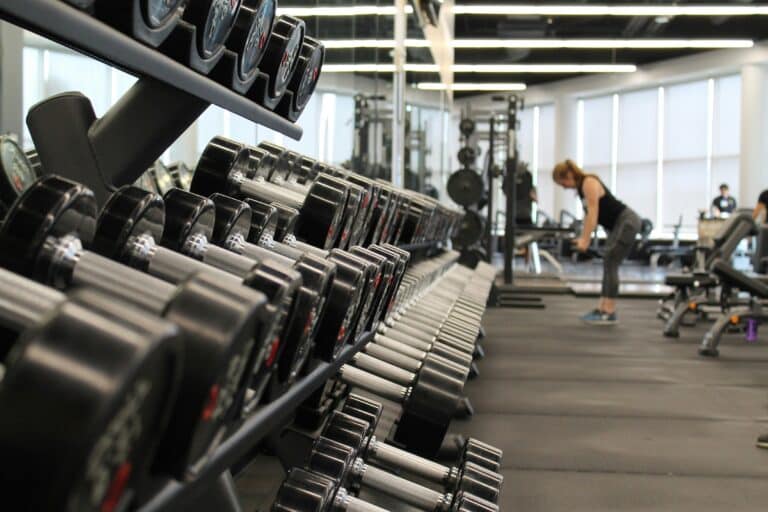
To truly unlock uninterrupted workouts and consistent progress, consider shifting your gym visits to these less crowded times:
- Early Morning (5:00 AM – 7:00 AM): This is a golden hour for many. The gym is typically quiet, offering a focused environment where you can move freely between equipment. It is ideal for those who thrive on structure and want to get their workout done before the day’s demands kick in. Research suggests that morning exercise, particularly before breakfast, is highly effective for fat loss and can positively influence your sleep-wake cycle .
- Mid-Morning (9:00 AM – 11:00 AM): Often one of the quietest periods, mid-morning is perfect if you have a flexible schedule. The pre-work rush has subsided, and the lunch crowd has not yet arrived. This window allows for deep, uninterrupted workouts, giving you ample time to focus on form and technique without feeling rushed.
- Mid-Afternoon (2:00 PM – 4:00 PM): This is another low traffic period, nestled between the lunch and after-work peaks. It is an excellent time for longer sessions, trying new exercises, or dedicating extra time to mobility work. The relaxed atmosphere can significantly enhance your gym productivity.
- Late Evening (8:00 PM – 10:00 PM): After the evening peak, gym traffic drops off considerably. If you are a night owl or prefer a slower pace, this can be an ideal time. It offers a less pressured environment, allowing you to unwind and focus on your workout without the hustle and bustle.
5. The Worst Times to Train
To avoid frustration and maximise your workout quality, it is best to steer clear of these peak times:
- After Work (5:00 PM – 8:00 PM): This is universally the busiest period. Expect queues for popular machines, crowded free weight areas, and a general sense of urgency. Your workout will likely be rushed, equipment will be taken, and the overall experience can be highly frustrating. You will find yourself fighting the crowd rather than focusing on your training.
- Weekend Mornings (9:00 AM – 12:00 PM): While not as intense as weekday evenings, weekend mornings are still very popular. Many people use this time to catch up on their fitness, leading to busier conditions than other weekend slots. If you value a quiet gym, these hours are best avoided.
6. How to Choose Your Best Time
Finding your optimal gym time is a personal journey. Consider these factors:
- Your Energy Levels: When do you naturally feel most energised and motivated to train? Some people are morning larks, others are night owls. Align your gym time with your body’s natural rhythm.
- Your Schedule: Be realistic about what fits consistently into your week. The best time is the one you can stick to regularly, without constant rescheduling or stress.
- Gym Traffic: Use the insights above to identify quieter periods that align with your availability. Many gyms, like PureGym, offer apps that show live busyness levels, which can be incredibly helpful .
The key idea is simple: the best time to go to the gym is the one you consistently adhere to, allowing you to focus and make progress.
What If You Can Only Train at Busy Times?
For many, avoiding peak times is simply not an option. If you find yourself in this majority, do not despair; adaptation is key. Here are some solutions to help you navigate a crowded gym:
- Have Backup Exercises: Always have alternative exercises ready for when your preferred equipment is occupied. If the squat rack is busy, switch to dumbbell squats or lunges. If the bench press is taken, opt for dumbbell presses or push-ups. This keeps your workout moving and prevents wasted time.
- Train Less Popular Muscle Groups: During peak hours, focus on exercises or muscle groups that are typically less in demand. For example, instead of hitting chest and biceps, consider a leg day with less machine reliance, or focus on core work.
- Use Free Weights Instead of Machines: Machines are often the first to be occupied. Free weights, such as dumbbells and barbells, offer a versatile alternative and are often more readily available. They also engage more stabiliser muscles, providing an added benefit.
- Shift Your Mindset: Instead of waiting, adapt. Be flexible, be creative, and be efficient. Remember, a slightly modified workout is always better than no workout at all.
8. Where 12reps Fits In
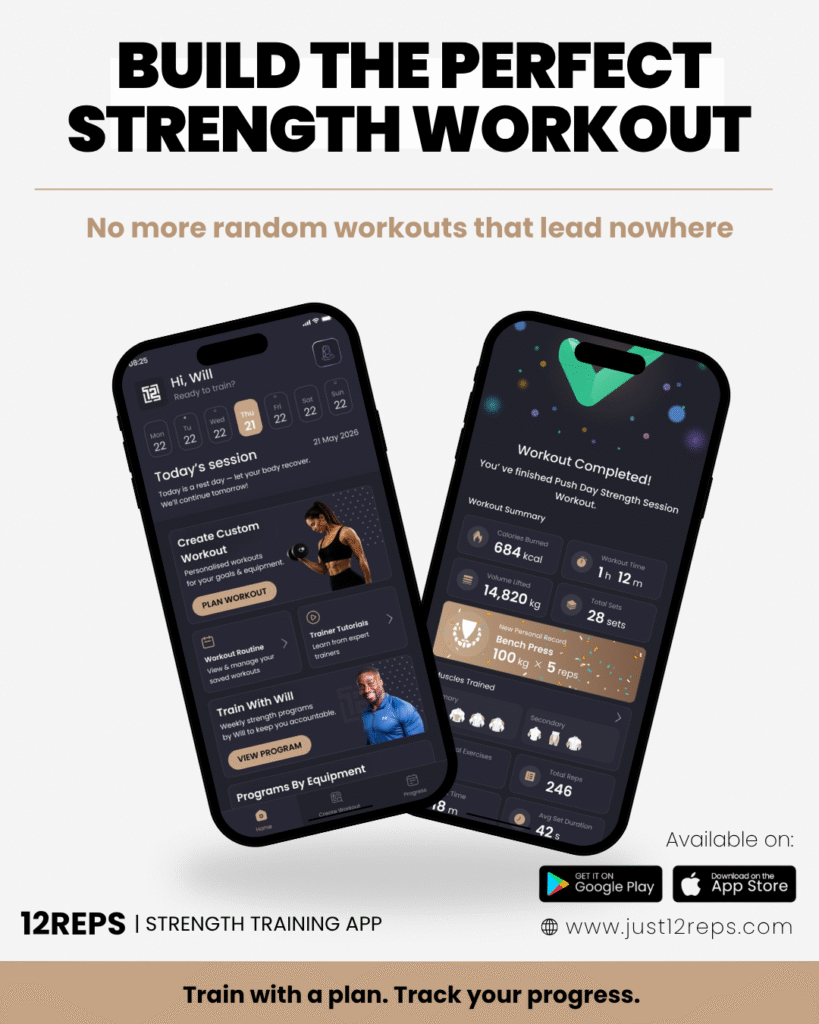
Navigating a busy gym can be a significant source of friction, disrupting your flow and hindering your progress. This is precisely where the 12reps app becomes your ultimate gym partner. The 12reps app is designed to solve the problem of interrupted workouts by allowing you to instantly swap exercises. Machine taken? No problem. With a tap, you can find an effective alternative, keeping your strength training session moving seamlessly. This means no more overthinking, no more wasted time, and no more losing momentum. Even when the gym is at its busiest, the 12reps app ensures you can still complete your muscle building workout efficiently. You stay efficient even in chaos, making consistent progress towards your goals. Download the workout tracker today for free trial and transform your gym experience.
20 Strength, Bodyweight and Cable Exercises From the 12REPS Library
The linked exercises support pressing strength, upper-back stability, shoulder development and triceps strength. Use the recommended sets and repetitions as starting points.
Exercise | Main focus | Sets | Recommended reps | Role in bench training |
Chest and triceps | 3-4 | 6-12 | Primary pressing volume | |
Upper chest and shoulders | 3-4 | 6-12 | Secondary press | |
Triceps and chest | 3-4 | 8-12 | Lockout strength | |
Chest, triceps and core | 3 | 8-20 | Volume and technique | |
Chest and triceps | 3 | 10-20 | Beginner pressing | |
Chest, shoulders and triceps | 3 | 8-15 | Press-up progression | |
Chest | 3 | 10-15 | Chest accessory | |
Chest | 3 | 10-15 | Cable chest accessory | |
Chest | 3 | 10-15 | Controlled chest work | |
Triceps | 3-4 | 10-15 | Triceps volume | |
Triceps | 3 | 10-15 each arm | Single-arm lockout work | |
Triceps | 3 | 8-12 | Heavy triceps work | |
Triceps, chest and shoulders | 3 | 6-12 | Compound accessory | |
Triceps | 3 | 8-15 | Dip progression | |
Lats and upper back | 3-4 | 8-12 | Back stability | |
Mid-back | 3-4 | 8-12 | Bench support | |
Upper back | 3-4 | 8-12 | Upper-back strength | |
Back and biceps | 3-4 | 8-15 | Bodyweight pull | |
Rear shoulders and upper back | 3 | 12-20 | Shoulder balance | |
Shoulders and triceps | 3 | 8-12 | Shoulder strength |
Conculsion
Your gym timing controls the quality and consistency of your workouts more than you might realise. Are you actively choosing your gym time, or are you simply fitting it in around the crowds? By strategically planning your visits, you can train when it is quiet, stay consistent, and remove the friction that often derails progress. Take charge of your fitness journey and make every workout count. Helping women build muscle has been my passion for almost a decade as a personal trainer in the City of London, and I know the difference a focused, uninterrupted session makes. Optimise your gym timing, and watch your progress soar.