


Written by Will Duru, BSc (Hons) Sport and Exercise Science, award-winning Personal Trainer with over 10 years of experience in strength training and optimising recovery .
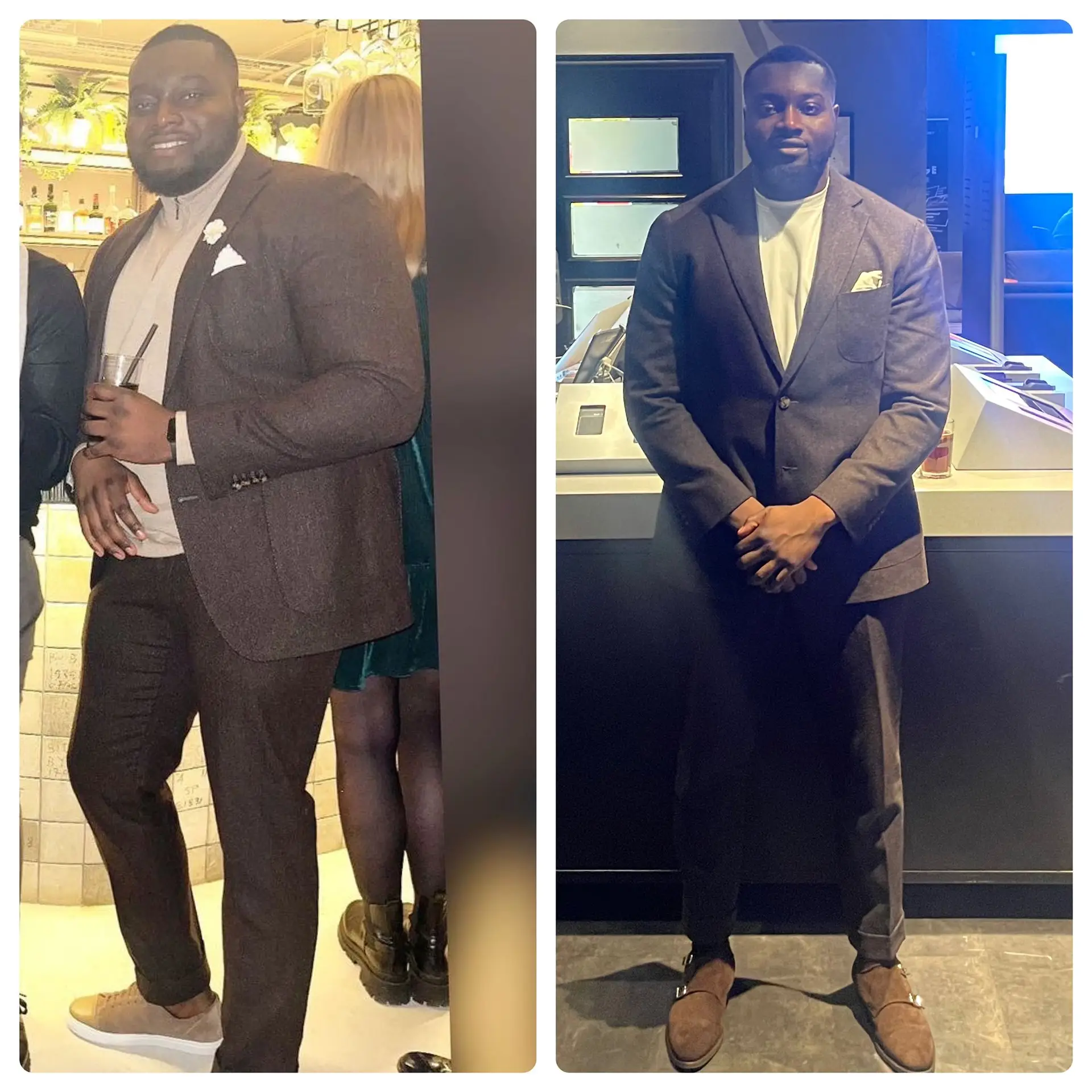
Strength training improves body composition by adding or keeping lean muscle while you lose body fat. On its own it brings modest fat loss and small muscle gains. Combined with a sensible calorie deficit, it helps make sure most of the weight you lose is fat, not muscle.
Body composition is the mix of fat mass and lean mass in your body. Lean mass includes muscle, bone, organs and water. Your weight on the scale cannot tell these apart.
It is common for the scale to barely move while your clothes start to fit differently. This guide explains why that happens, what the research shows, and how to track the changes that matter.
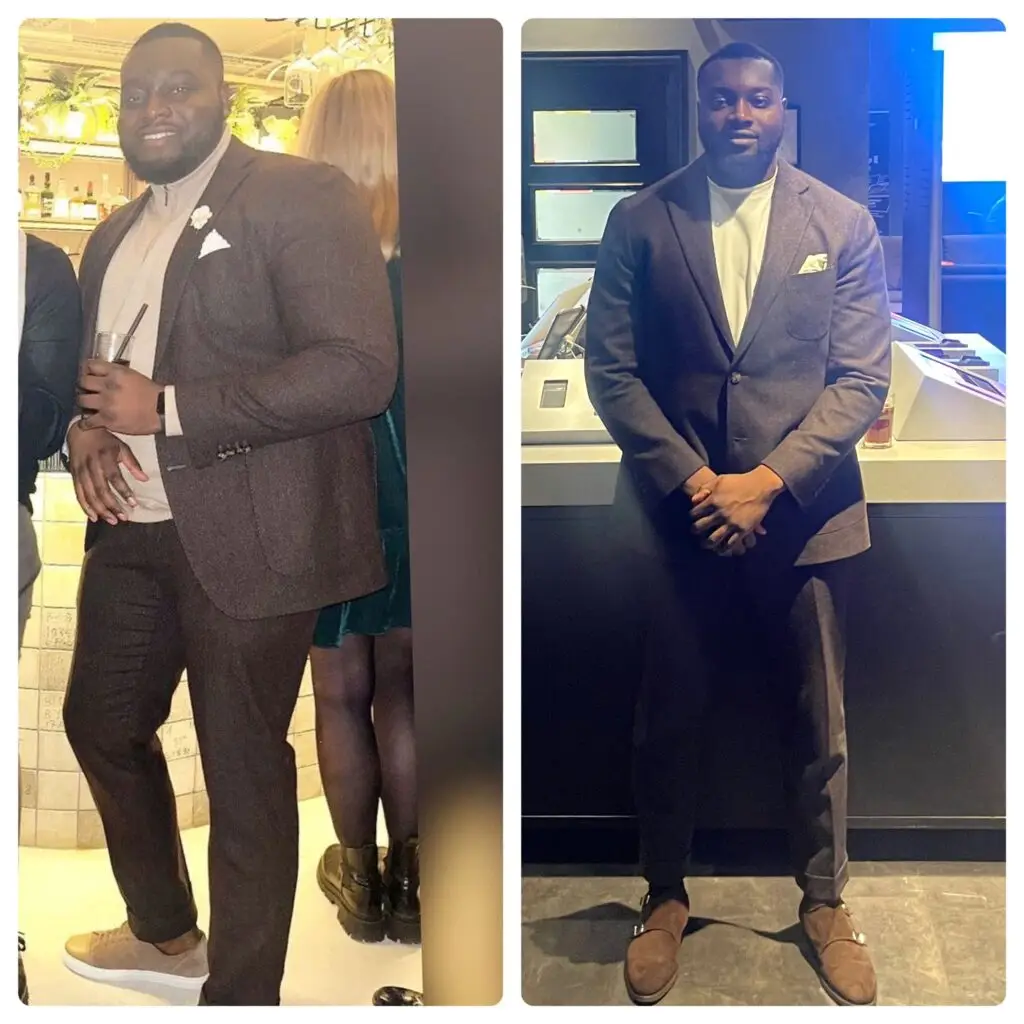
Why body weight does not tell the whole story
Two people can weigh the same and look very different. One may carry more muscle and less fat. The scale shows the same number for both.
This matters most when you diet. Eating less without lifting can mean losing muscle as well as fat. In a meta-analysis of 114 trials in people with overweight or obesity, resistance training combined with calorie restriction cut fat mass by about 5.3 kg and kept lean mass steady.
If you are lifting and the scale is stuck, you may still be making progress. Read more in strength training but not losing weight.
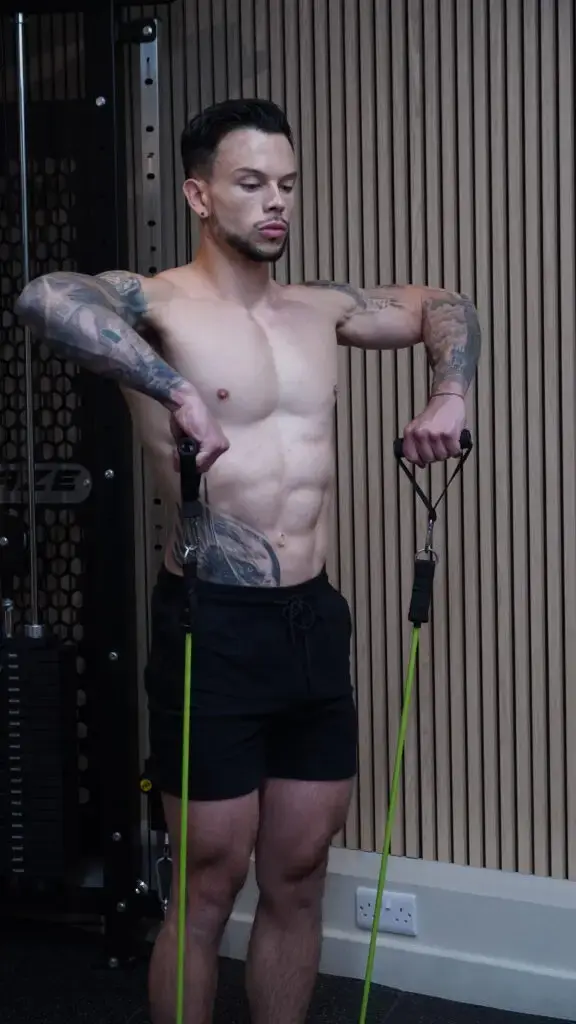
What strength training does to fat and muscle
Here is what the best evidence shows when people lift weights without changing their diet.
- Healthy adults: a 2022 meta-analysis found resistance training lowered body fat by about 1.5 percentage points and fat mass by about 0.5 kg. It also reduced visceral fat, the fat stored around the organs.
- People with overweight or obesity: resistance training alone lowered body fat by about 1.6 percentage points and raised lean mass by about 0.8 kg, according to Lopez and colleagues.
These are average changes over weeks or months, not overnight results. They are real but modest. The bigger changes come when training and eating work together.
How lifting builds muscle
Muscle grows when you challenge it with progressive overload. That means doing a little more over time, such as more weight, reps or sets. Your body responds by building new muscle protein, as long as you eat enough protein and recover well.
Most people do well training each muscle group at least twice a week. See the guide to strength training frequency for how to set up your week.
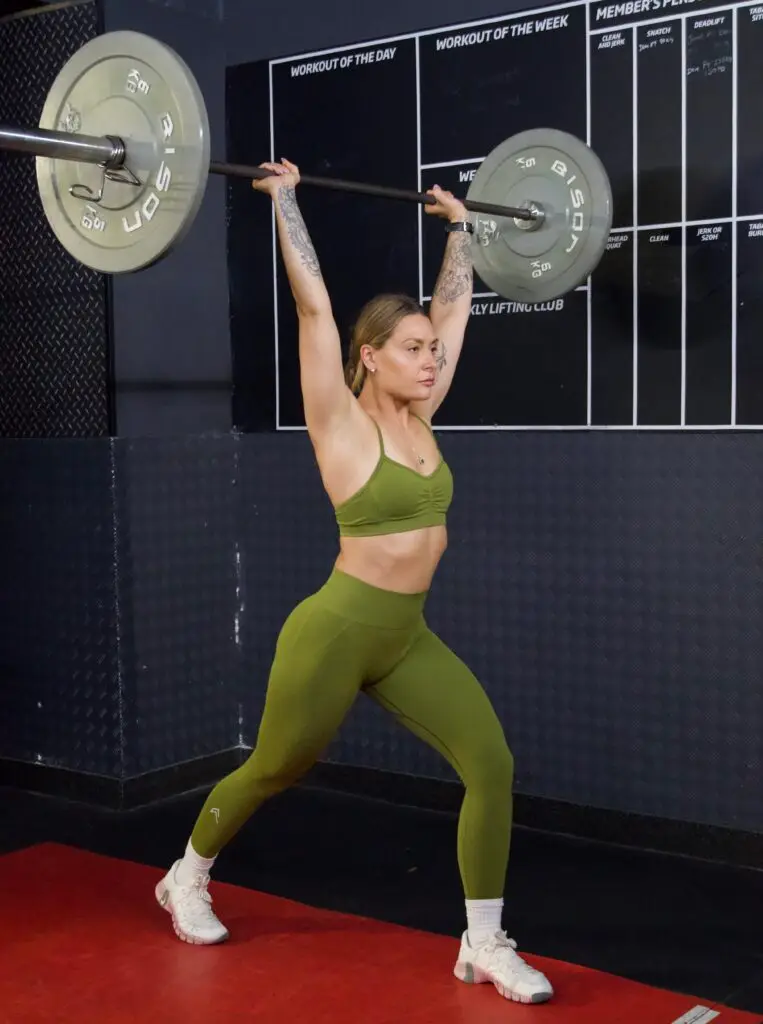
Strength training vs cardio for body composition
Cardio and lifting do different jobs. In the STRRIDE AT/RT trial, 8 months of aerobic training cut body mass and fat mass more than resistance training alone. Resistance training, alone or combined with aerobic work, increased lean mass more than aerobic training.
The ACSM position stand on weight loss agrees. Resistance training does not boost weight loss by itself, but it may increase fat-free mass and fat loss.
| Goal | What helps most |
|---|---|
| Lose body weight | Calorie deficit, with cardio helping |
| Keep or build muscle | Strength training and enough protein |
| Improve body composition overall | Strength training, a moderate calorie deficit and some cardio |
Video: How strength training helps with fat loss. A short explainer on why lifting belongs in a fat-loss plan, even though cardio burns more calories per session.
Does more muscle speed up your metabolism?
A little. Research on tissue metabolic rates puts skeletal muscle at about 13 kcal per kg per day at rest, compared with about 4.5 kcal for fat. Gaining 2 kg of muscle adds roughly 26 kcal a day. That helps, but it will not replace a calorie deficit.
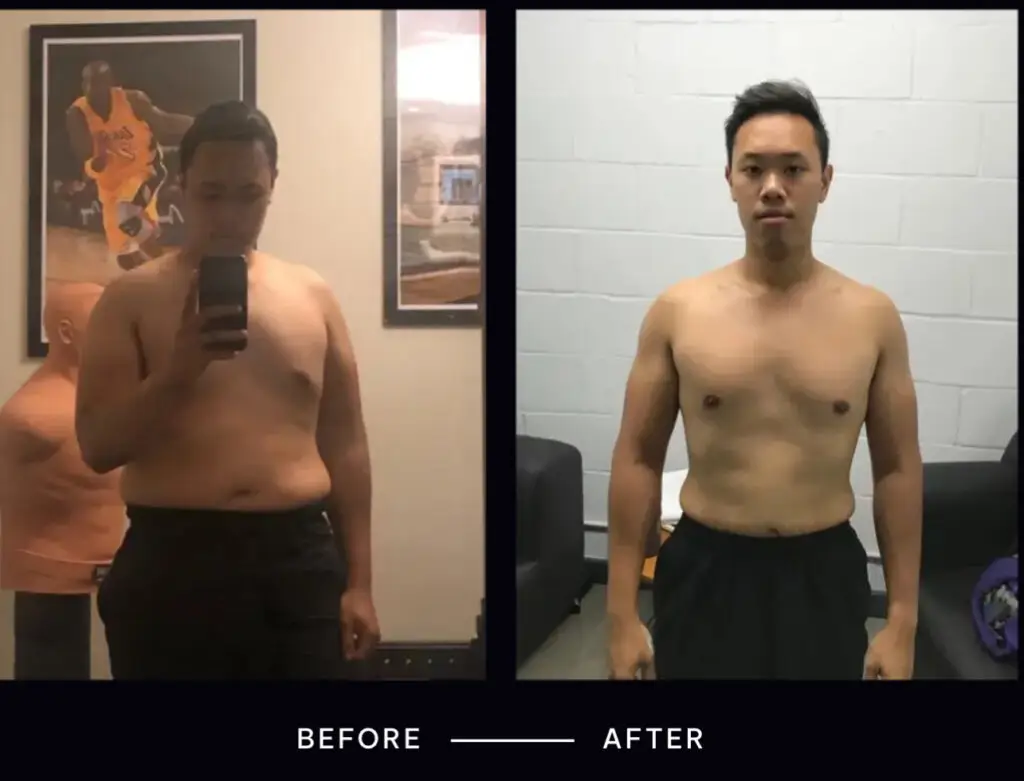
Can you lose fat and build muscle at the same time?
Yes, this is called body recomposition. A 2020 review found evidence for it even in trained lifters, not only in beginners. The two key factors were progressive resistance training and good nutrition.
To give yourself the best chance:
- Eat in a small calorie deficit. Aim to lose about 0.5 to 1 kg a week, as the NHS suggests. The guide on how many calories to eat shows you how to set your number.
- Eat enough protein. Around 1.6 g per kg of body weight a day suits most lifters. A large review found that protein above about 1.6 g per kg a day added little extra muscle on average. See how much protein you need to build muscle.
- Keep lifting heavy enough. Keep challenging your muscles while you diet, so your body has a reason to hold on to them.
- Sleep and be patient. Recomposition is slower than a bulk or a cut, so give it months.
For more on this approach, read can you build muscle and lose fat at the same time.
If you have a medical condition such as diabetes, or take medication, check with your doctor before changing your diet or training.
How to track body composition changes
Use more than one measure. Each method has limits, and the recomposition review also notes that body composition tests have their limits.
| Method | How often | Notes |
|---|---|---|
| Scale weight | Weekly average, same time of day | Changes with water, food and fat; cannot separate muscle from fat |
| Waist measurement | Every 2 to 4 weeks | A tape at the same spot each time; tracks belly fat changes |
| Progress photos | Every 4 weeks | Same light, pose and clothing; shows shape changes the scale misses |
| Strength log | Every session | Rising weights or reps show you are keeping or building muscle |
| Body fat scans | Occasionally | Useful but not perfectly precise; compare results from the same machine |
Video: Scale or photos? How to track progress. The video is aimed at women, but the advice on using photos alongside the scale applies to everyone.
Strength often rises within the first few weeks. Visible changes usually take a few months of steady training and eating.
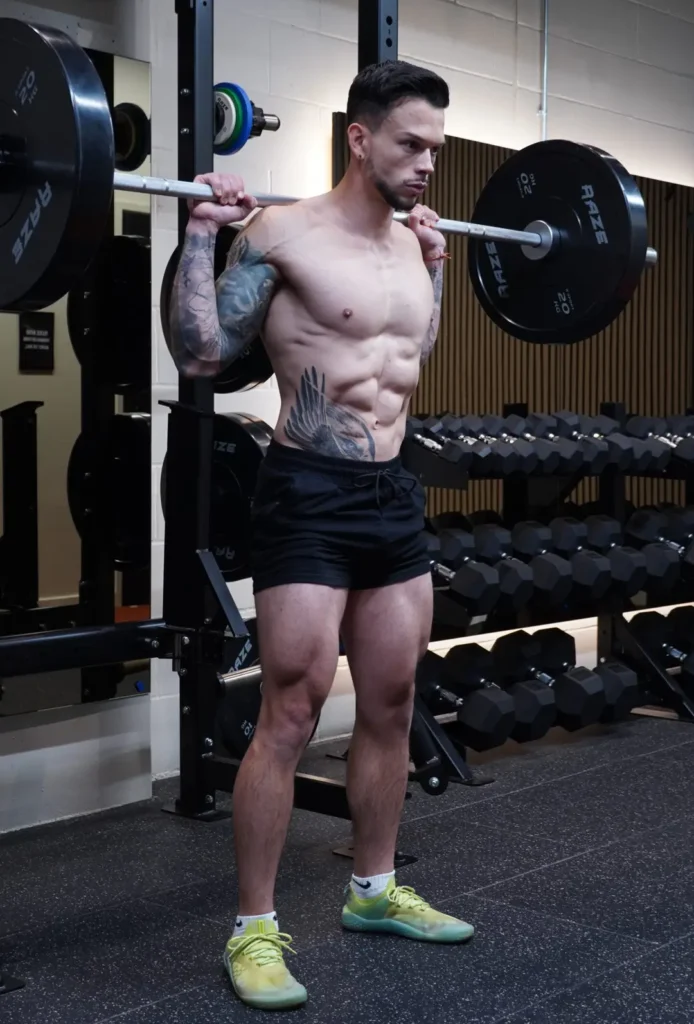
A 6-week body recomposition program
This three-day push/pull/legs plan uses bodyweight, bands, dumbbells, kettlebells, barbells and machines. It builds from lighter work in week 1 to heavier compound lifts by weeks 4 to 6.
How to use it
- Rest at least one day between sessions.
- Do exercise A, rest for the time shown, then do exercise B. Rest for the second time shown, then repeat.
- Progress by adding weight first, then reps, then sets.
- Choose loads that let you keep good form on every rep.
- No barbell? Use dumbbells or kettlebells for the same movement. No machines? Use a band or free-weight option.
Week 1: Foundation (bodyweight and light equipment)
Day 1: Push (chest, shoulders, triceps)
| Exercise A | Sets x reps | Rest | Exercise B (superset) | Sets x reps | Rest |
|---|---|---|---|---|---|
| Push-up | 3 x 8-12 | 30s | Resistance band chest press | 3 x 12-15 | 60s |
| Pike push-up | 3 x 5-8 | 30s | Light dumbbell shoulder press | 3 x 10-12 | 60s |
| Triceps dip | 3 x 6-10 | 30s | Kettlebell overhead hold | 3 x 20-30 sec | 60s |
Day 2: Pull (back, biceps)
| Exercise A | Sets x reps | Rest | Exercise B (superset) | Sets x reps | Rest |
|---|---|---|---|---|---|
| Inverted row | 3 x 5-8 | 30s | Resistance band row | 3 x 12-15 | 60s |
| Superman hold | 3 x 15-20 sec | 30s | Light dumbbell bent-over row | 3 x 10-12 | 60s |
| Bodyweight reverse fly | 3 x 10-15 | 30s | Kettlebell high pull | 3 x 8-10 | 60s |
Day 3: Legs (quads, glutes, hamstrings)
| Exercise A | Sets x reps | Rest | Exercise B (superset) | Sets x reps | Rest |
|---|---|---|---|---|---|
| Bodyweight squat | 3 x 15-20 | 30s | Kettlebell goblet squat | 3 x 10-15 | 60s |
| Lunge | 3 x 8 each | 30s | Resistance band squat | 3 x 12-15 | 60s |
| Glute bridge | 3 x 15-20 | 30s | Light dumbbell Romanian deadlift | 3 x 10-12 | 60s |
Weeks 2 to 3: Strength building
Day 1: Push
| Exercise A | Sets x reps | Rest | Exercise B (superset) | Sets x reps | Rest |
|---|---|---|---|---|---|
| Dumbbell bench press | 4 x 8-12 | 30s | Push-up | 4 x 8-12 | 90s |
| Barbell overhead press | 4 x 6-10 | 30s | Resistance band lateral raise | 4 x 12-15 | 90s |
| Machine chest press | 4 x 10-12 | 30s | Kettlebell press | 4 x 8-10 each | 90s |
Day 2: Pull
| Exercise A | Sets x reps | Rest | Exercise B (superset) | Sets x reps | Rest |
|---|---|---|---|---|---|
| Barbell bent-over row | 4 x 8-12 | 30s | Resistance band face pull | 4 x 15-20 | 90s |
| Lat pulldown | 4 x 10-12 | 30s | Dumbbell biceps curl | 4 x 10-15 | 90s |
| Kettlebell single-arm row | 4 x 8-10 each | 30s | Inverted row | 4 x 6-10 | 90s |
Day 3: Legs
| Exercise A | Sets x reps | Rest | Exercise B (superset) | Sets x reps | Rest |
|---|---|---|---|---|---|
| Barbell back squat | 4 x 8-12 | 30s | Kettlebell swing | 4 x 15-20 | 90s |
| Leg press | 4 x 12-15 | 30s | Dumbbell lunge | 4 x 10 each | 90s |
| Dumbbell Romanian deadlift | 4 x 10-12 | 30s | Resistance band glute bridge | 4 x 15-20 | 90s |
Weeks 4 to 6: Heavier compound lifts
Day 1: Push
| Exercise A | Sets x reps | Rest | Exercise B (superset) | Sets x reps | Rest |
|---|---|---|---|---|---|
| Barbell bench press | 5 x 6-8 | 30s | Kettlebell push press | 5 x 8-10 each | 90s |
| Incline dumbbell press | 5 x 8-12 | 30s | Resistance band chest fly | 5 x 12-15 | 90s |
| Machine shoulder press | 4 x 10-15 | 30s | Dumbbell lateral raise | 4 x 12-15 | 90s |
| Close-grip bench press | 4 x 8-12 | 30s | Kettlebell bottoms-up press | 4 x 5-8 each | 90s |
Day 2: Pull
| Exercise A | Sets x reps | Rest | Exercise B (superset) | Sets x reps | Rest |
|---|---|---|---|---|---|
| Barbell deadlift | 5 x 5-8 | 30s | Kettlebell high pull | 5 x 8-12 | 90s |
| Seated cable row | 5 x 10-15 | 30s | Dumbbell hammer curl | 5 x 10-15 | 90s |
| Dumbbell single-arm row | 4 x 8-12 each | 30s | Resistance band reverse fly | 4 x 15-20 | 90s |
| Lat pulldown | 4 x 12-15 | 30s | Kettlebell upright row | 4 x 10-12 | 90s |
Day 3: Legs
| Exercise A | Sets x reps | Rest | Exercise B (superset) | Sets x reps | Rest |
|---|---|---|---|---|---|
| Barbell front squat | 5 x 6-10 | 30s | Kettlebell goblet squat | 5 x 12-15 | 90s |
| Leg press | 5 x 12-18 | 30s | Dumbbell step-up | 5 x 8 each | 90s |
| Barbell Romanian deadlift | 4 x 8-12 | 30s | Resistance band lateral walk | 4 x 12 each | 90s |
| Machine leg curl | 4 x 12-15 | 30s | Kettlebell single-leg deadlift | 4 x 6-8 each | 90s |
Key takeaways
- Body composition is your mix of fat and lean mass. The scale cannot show it.
- Strength training on its own brings modest fat loss and small muscle gains.
- Lifting plus a moderate calorie deficit and enough protein gives the best change in body composition.
- Cardio helps with weight loss; strength training helps you keep and build muscle. Use both.
- Track with photos, a tape measure and your training log, not just the scale.

Body composition FAQs
Why am I gaining weight after starting strength training?
Your weight shifts day to day with water and food, and you may be adding some muscle. Check your waist and photos before you worry.
How long does body recomposition take?
Plan for months, not weeks. Strength often improves first, and visible change follows with consistent training and eating.
If you want a plan and a simple way to see your progress, 12REPS sets out each session for your goal, equipment and time. You can log your body weight to see the trend and save private progress photos to compare stages. See how the 12REPS app works.


Sources
- The effect of resistance training in healthy adults on body fat percentage, fat mass and visceral fat: a systematic review and meta-analysis. Wewege MA et al., Sports Medicine, 2022. https://pubmed.ncbi.nlm.nih.gov/34536199/
- Resistance training effectiveness on body composition and body weight outcomes in individuals with overweight and obesity across the lifespan: a systematic review and meta-analysis. Lopez P et al., Obesity Reviews, 2022. https://doi.org/10.1111/obr.13428
- Effects of aerobic and/or resistance training on body mass and fat mass in overweight or obese adults. Willis LH et al., Journal of Applied Physiology, 2012. https://pubmed.ncbi.nlm.nih.gov/23019316/
- American College of Sports Medicine position stand: Appropriate physical activity intervention strategies for weight loss and prevention of weight regain for adults. Donnelly JE et al., Medicine & Science in Sports & Exercise, 2009. https://pubmed.ncbi.nlm.nih.gov/19127177/
- Specific metabolic rates of major organs and tissues across adulthood: evaluation by mechanistic model of resting energy expenditure. Wang Z et al., American Journal of Clinical Nutrition, 2010. https://pmc.ncbi.nlm.nih.gov/articles/PMC2980962
- Body recomposition: can trained individuals build muscle and lose fat at the same time? Barakat C et al., Strength and Conditioning Journal, 2020. https://doi.org/10.1519/SSC.0000000000000584
- A systematic review, meta-analysis and meta-regression of the effect of protein supplementation on resistance training-induced gains in muscle mass and strength in healthy adults. Morton RW et al., British Journal of Sports Medicine, 2018. https://doi.org/10.1136/bjsports-2017-097608
- Tips to help you lose weight. NHS, n.d. https://www.nhs.uk/live-well/healthy-weight/managing-your-weight/12-tips-to-help-you-lose-weight/