



Short answer: The 12-3-30 workout means walking on a treadmill at a 12% incline and 3 miles per hour for 30 minutes. It is a solid, low-impact cardio session that most people can work up to. A small 2025 study found that, compared with running for the same number of calories, it took longer and burned a higher share of fat during the session. But burning more fat during a workout does not automatically mean losing more body fat. Your overall diet, activity and strength training matter more.
This guide is for anyone who has seen the 12-3-30 online and wants to know whether it is worth doing. I cover what it is, what the research says, how to build up to it safely and how to fit it around your strength training.
What is the 12-3-30 workout?
- 12: a treadmill incline of 12%.
- 3: a speed of 3 miles per hour, which is about 4.8 kilometers per hour.
- 30: 30 minutes of walking.
It became popular through social media. The appeal is easy to see: it is simple, needs no running and feels hard enough to be worth the effort. It raises your heart rate without the impact of running, and most people feel it in their calves and glutes.
What the research says
- It burns calories more slowly than running, but uses more fat for fuel. In 16 adults, a 12-3-30 session was compared with self-paced treadmill running, with both sessions matched for total calories burned. The 12-3-30 took longer to reach the same calorie total and burned calories at a lower rate. It also used a higher percentage of fat for fuel and a lower percentage of carbohydrate (Wong et al., 2025).
- Burning more fat during exercise is not the same as losing more fat. In a 4-week study of 20 young women on a calorie deficit, doing an hour of steady cardio before or after a meal led to similar losses of weight and body fat (Schoenfeld et al., 2014). This suggests that what fuel you burn during a session matters less than your overall calorie balance over weeks.
- Current guidelines support this kind of exercise. US guidelines recommend that adults do 150 to 300 minutes of moderate aerobic activity a week, plus muscle-strengthening activity on 2 or more days (US Department of Health and Human Services, 2018). Five 12-3-30 sessions a week would meet the lower end of the aerobic target.
The 12-3-30 study was small and short, and it only looked at single sessions. It does not tell us how 12-3-30 compares with other cardio over months.
My take: the 12-3-30 is a good cardio option, especially if running hurts or you dislike it. It is not a shortcut to fat loss. I would treat it as one way to hit your weekly cardio, alongside two or three strength sessions.
How to do the 12-3-30 workout
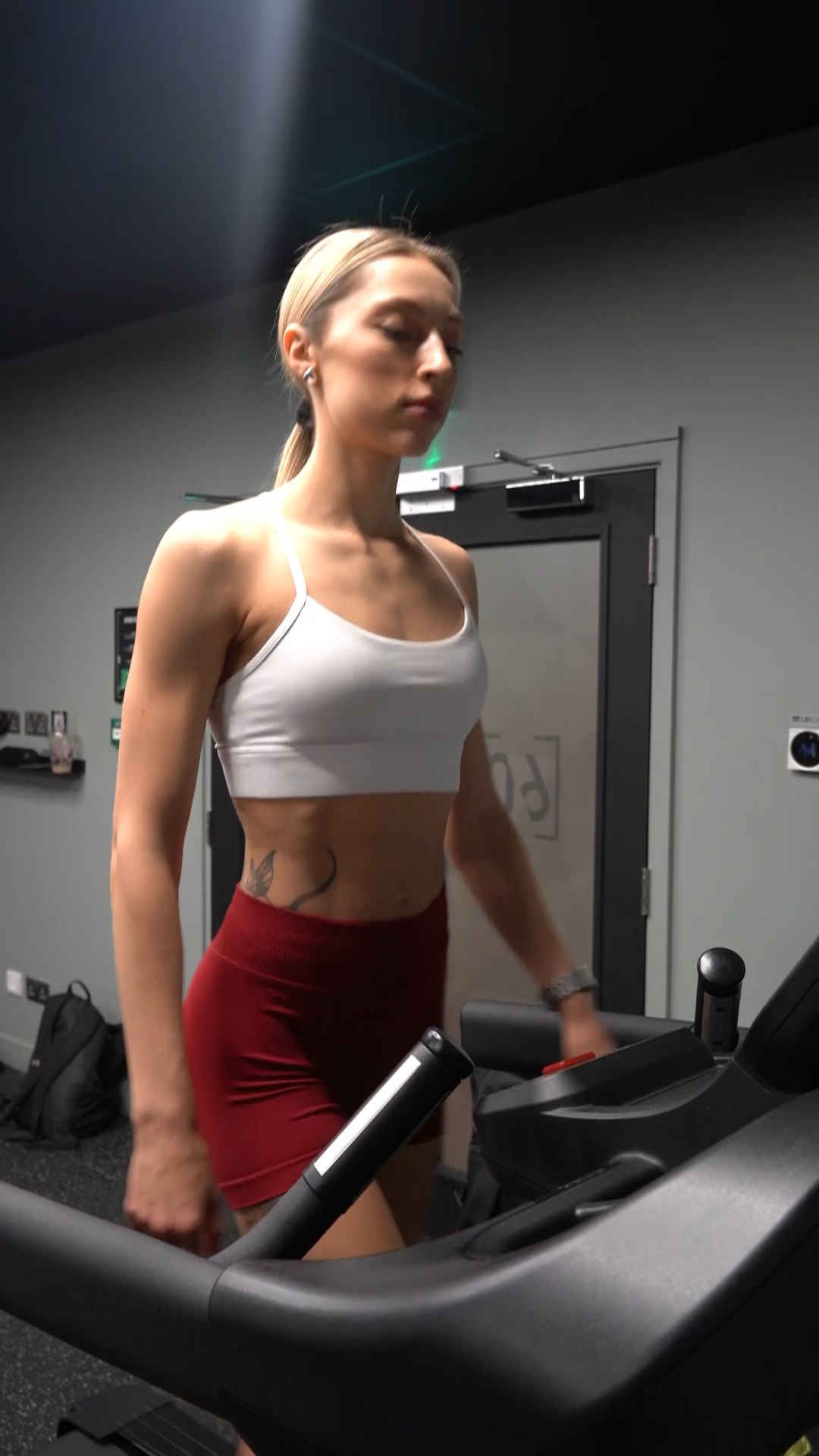
- Warm up. Walk for 3 to 5 minutes on a flat or low incline at an easy pace.
- Raise the incline and speed. Gradually increase the incline to 12% and the speed to 3 mph.
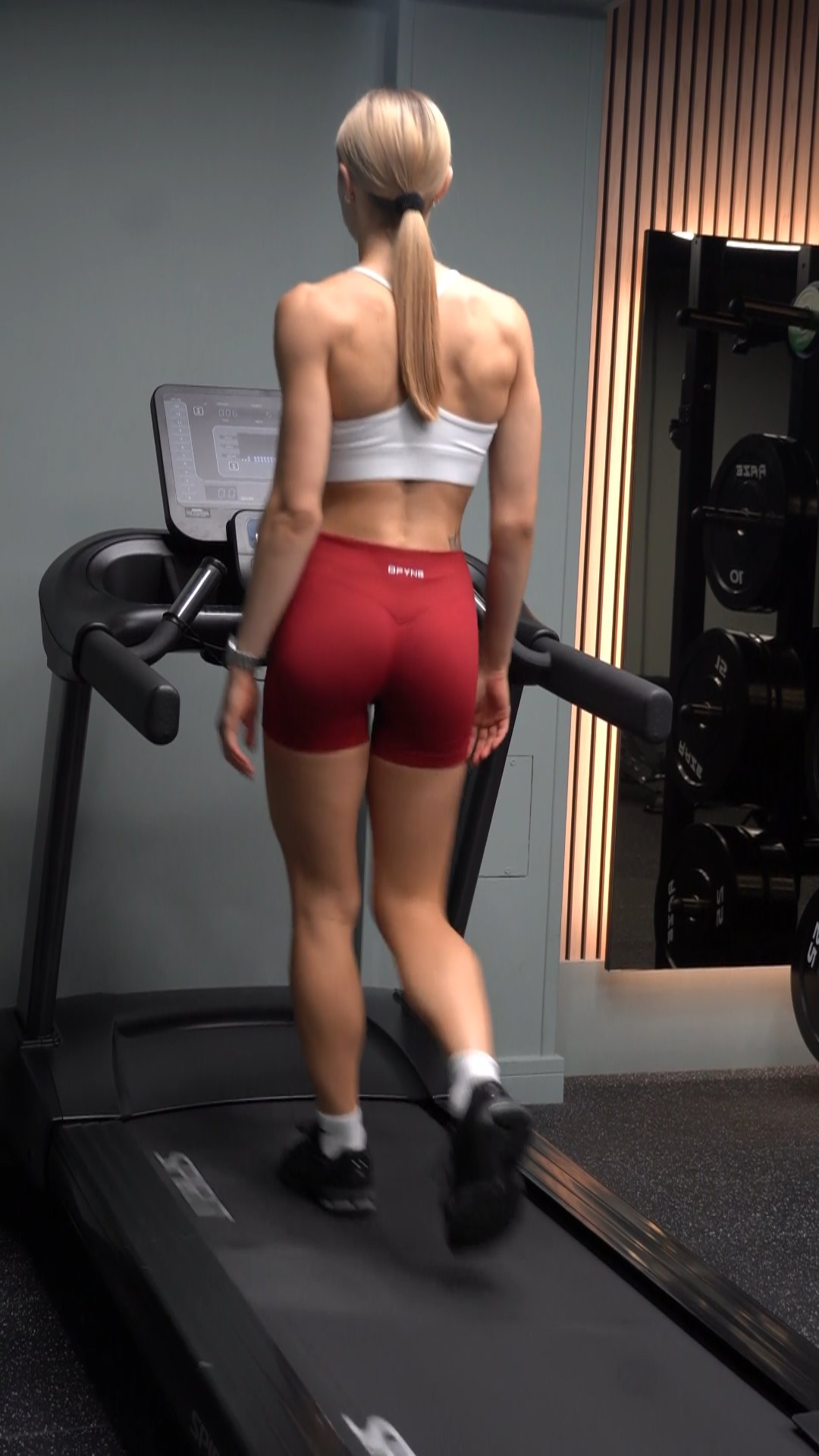
- Let go of the handrails. Swing your arms naturally. Holding on takes weight off your legs and makes the workout easier than the settings suggest.
- Stand tall. Lean forward slightly from your ankles, but avoid bending at the waist.
- Keep a steady pace. You should be breathing harder but still able to speak in short sentences.
- Cool down. Lower the incline and speed and walk easily for 3 to 5 minutes.
How to build up to 12-3-30
Going straight to 12% for 30 minutes is a big jump if you are new to incline walking. Your calves and the backs of your heels tend to feel it first. These are my coaching suggestions for building up over several weeks:
| Stage | Incline | Speed | Time |
|---|---|---|---|
| 1 | 5 to 6% | 2.5 to 3 mph | 15 to 20 minutes |
| 2 | 8% | 3 mph | 20 minutes |
| 3 | 10% | 3 mph | 20 to 25 minutes |
| 4 | 12% | 3 mph | 20 minutes |
| 5 | 12% | 3 mph | 30 minutes |
Stay at each stage for at least a week, or until it feels comfortable on two or three sessions in a row. Then change one thing at a time: incline, speed or time.
Common mistakes
| Mistake | Why it matters | The fix |
|---|---|---|
| Holding the handrails | It takes weight off your legs and reduces the work | Let go and swing your arms. Lower the incline if you can’t manage without holding on. |
| Bending at the waist | It puts strain on your lower back | Stand tall and lean slightly from your ankles. |
| Starting at full settings | Your calves, Achilles tendons and shins may not be ready | Build up over several weeks using the table above. |
| Doing it instead of strength training | Cardio alone does little to maintain muscle during weight loss | Keep two or three strength sessions in your week. |
| Ignoring how you feel | Sharp pain in your calves, heels or shins can signal overload | Reduce the incline or time, and see a professional if it persists. |
How to fit it around strength training
- On separate days: this is the simplest option and keeps your strength sessions fresh.
- After lifting: if you do both on the same day, lift first so your legs are fresh for strength work. My guide to cardio or weights first explains why.
- Not right before leg day: a hard incline walk can leave your calves and glutes tired for squats and lunges.
If you want other low-impact cardio options, try zone 2 cardio, the rowing machine or sled pushes and pulls.
Who should take care
Steep incline walking puts more demand on your calves, Achilles tendons and heart than flat walking. If you have a heart condition, high blood pressure, or an ankle, knee, hip or back problem, check with a doctor or physical therapist before you start. Stop and seek help if you feel chest pain, dizziness or unusual shortness of breath.
Summary
- The 12-3-30 workout is 30 minutes of treadmill walking at a 12% incline and 3 mph.
- A small study found it burns calories more slowly than running but uses a higher share of fat for fuel during the session.
- Fat loss depends on your overall calorie balance, not just the fuel you burn during exercise.
- Build up gradually, let go of the handrails and stand tall.
- Use it as part of your weekly cardio, alongside two or three strength sessions.
Balance cardio and strength with a plan
The 12-3-30 works best as one part of a training week. The tricky part is balancing it with strength training so you keep building muscle while you work on your fitness.
That is what I built 12REPS to help with. You set your goal, your available time and your equipment, and the app builds your strength workouts around your week. Every exercise comes with a trainer demonstration, and you can log your sets and reps to see your progress over time.
Download 12REPS and see what you’ll get:
Sources
- Wong MWH, Davis DW, Perez OR, et al. An exploratory study comparing the metabolic responses between the 12-3-30 treadmill workout and self-paced treadmill running. Int J Exerc Sci. 2025;18(6):56–64.
- Schoenfeld BJ, Aragon AA, Wilborn CD, Krieger JW, Sonmez GT. Body composition changes associated with fasted versus non-fasted aerobic exercise. J Int Soc Sports Nutr. 2014;11(1):54.
- US Department of Health and Human Services. Physical Activity Guidelines for Americans, 2nd edition. 2018.
Related reading
- What Is Zone 2 Cardio? Heart Rate, Benefits and How to Do It
- What’s the Best Workout for Fat Loss? Strength, HIIT or Cardio
- Cardio and Weights Same Day: How to Set It Up
- Cardio or Weights First? How to Order Your Workout by Goal
- Body Recomposition: Can You Build Muscle and Lose Fat at Once?
- How to Use a Rowing Machine: Right vs Wrong Technique
I’m Will Duru, a personal trainer and the founder of 12REPS. I hold a BSc (Hons) in Sport and Exercise Science and have more than a decade of experience coaching people in strength training.
This article is for general education and isn’t medical advice.

