



By Will Duru, personal trainer and founder of 12REPS.
The Short Answer
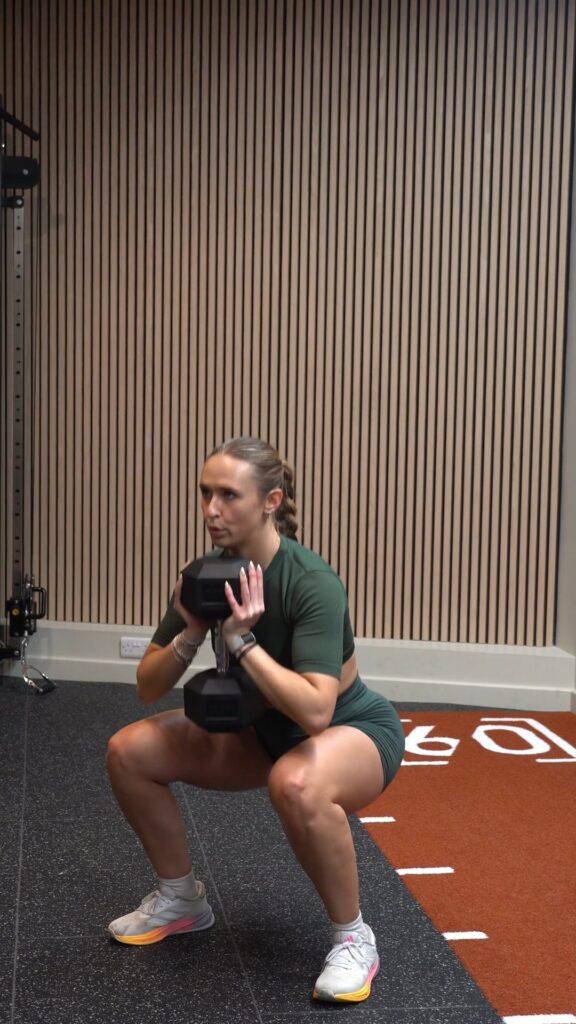
Neither is better overall. Squats let you lift more weight with both legs at once, which makes them great for building overall leg strength. Lunges train one leg at a time, so they also challenge your balance and help even out differences between your sides.
For most people, the best answer is to do both. If you can only pick one, choose the one you can do well, progress over time and enjoy enough to stick with.
Squats vs Lunges at a Glance
| Squats | Lunges | |
|---|---|---|
| Legs working | Both at once | One at a time (mostly) |
| Main muscles | Quads, glutes, inner thighs | Quads, glutes, inner thighs, plus hip stabilizers |
| Weight you can lift | Higher | Lower |
| Balance demand | Lower | Higher |
| Fixes side-to-side differences | Less | More |
| Easiest to load heavy | Yes, with a barbell | Harder, usually dumbbells |
| Equipment | Bodyweight to barbell | Bodyweight to dumbbells |
What the Research Says
There isn’t much research directly comparing lunges with squats for muscle growth. The closest training study compares a split squat with a back squat.
In a 5-week study by Speirs and colleagues, academy rugby players trained with either rear-foot-elevated split squats (a single-leg exercise) or back squats, twice a week. Both groups improved back squat strength by similar amounts (about 5–6%), improved split squat strength by about 9–10%, and got faster over 40 meters. The authors concluded that single-leg and two-leg training were equally effective.
It was a short study in young athletes, so it doesn’t settle the question for everyone. But it supports what I see in coaching: both styles work, and they work well together.
When to Choose Squats
- You want to lift heavier weights and build overall strength.
- You find balance hard and want to focus on the muscles first.
- You have a barbell and rack available.
- You’re training for a sport or test that uses a squat.
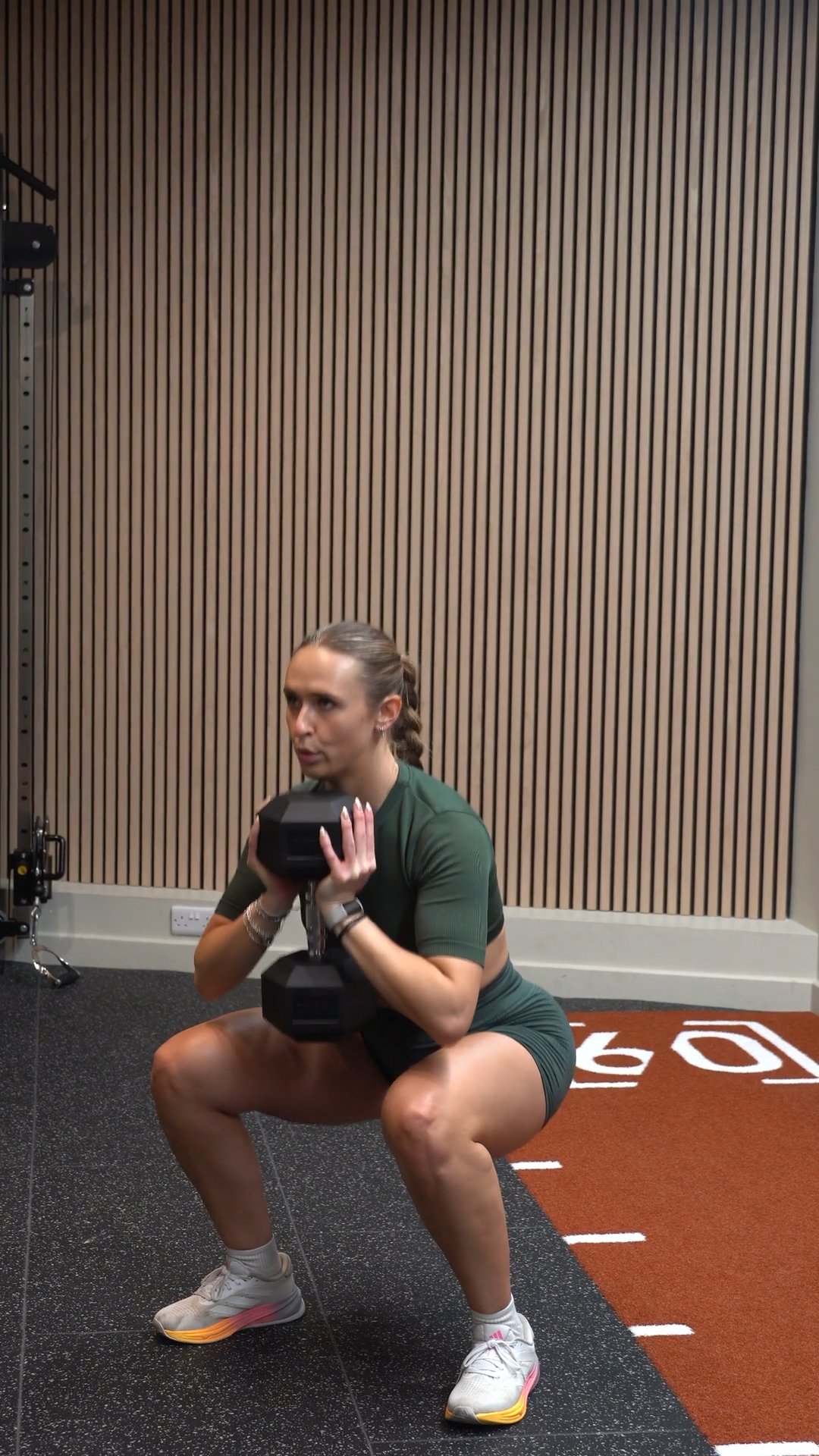
At home or new to squatting? Start with a goblet squat.
When to Choose Lunges
- One leg is noticeably weaker than the other.
- You want to train balance and hip control.
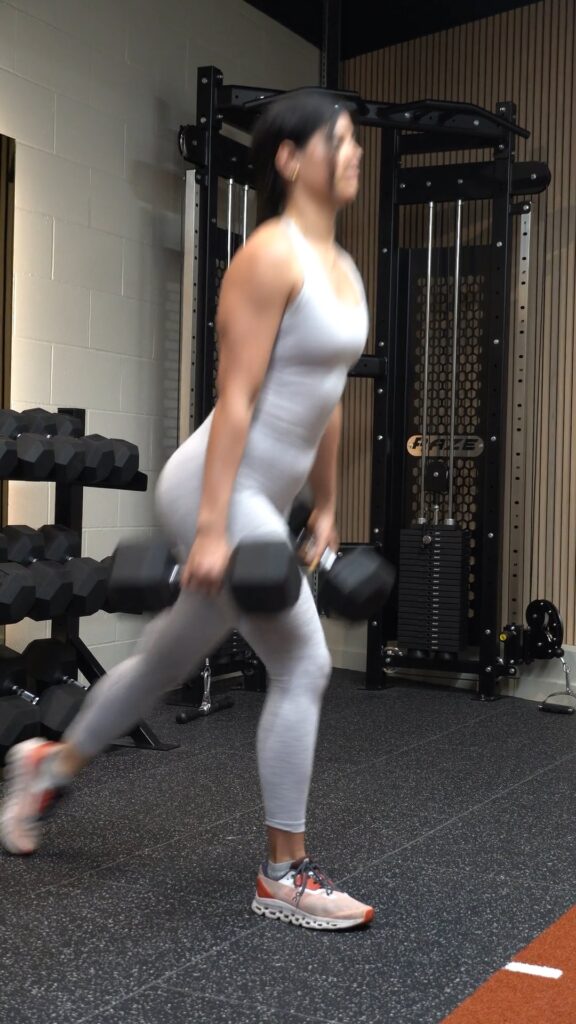
- You only have light dumbbells, because each leg works harder with the same weight.
- Heavy squats bother your back. Lunges usually need less weight for a hard set.
Reverse lunges are usually the easiest to learn. See walking lunges vs reverse lunges.
Want a harder single-leg option? Try the Bulgarian split squat.
How to Use Both in Your Week
This is how I usually program them. These are my coaching recommendations, not rules from the research.
| Day | Main exercise | Second exercise |
|---|---|---|
| Leg day A | Squat, 3–4 sets of 5–10 reps | Reverse lunge, 2–3 sets of 8–10 each leg |
| Leg day B | Romanian deadlift or hip thrust | Bulgarian split squat, 2–3 sets of 8–12 each leg |
Do the heavier two-leg exercise first while you’re fresh, then the single-leg work. For a full session, see this dumbbell and cable leg workout.
Common Mistakes
- Treating it as either/or. Most people do best with both.
- Short lunge steps. A tiny step puts more load on the front knee and less on the glutes.
- Squatting with the knees caving in. Keep them in line with your toes. Knees going past your toes is normal. See knees past toes when squatting.
- Only training your stronger side harder. On lunges, start with your weaker leg and match the reps on the other side.
- Never adding weight. Progress both exercises over time.
Summary
- Squats let you lift more weight and are great for overall strength.
- Lunges train one leg at a time, adding balance and helping fix side-to-side differences.
- A short study found single-leg and two-leg squats built strength equally well.
- Doing both is the best choice for most people.
- Pick the exercise you can do well and progress consistently.
Build Your Leg Day With 12REPS
Not sure how to fit squats and lunges into your week? In 12REPS, pick your workout time and the equipment you have, and the app builds a leg session that fits.
Every exercise has a demo and a coach tutorial from me, and your log shows what you lifted last time, so you know when to add weight.
Download 12REPS and see what you’ll get:
Sources
Related Reading
- Walking lunges vs reverse lunges
- How to do lunges: forward, reverse and walking
- Bulgarian split squats
- Front squat vs back squat
- 5 leg exercises that actually grow your legs
I’m Will Duru, a personal trainer and the founder of 12REPS. I hold a BSc (Hons) in Sport and Exercise Science and have more than a decade of experience coaching people in strength training.
