



Gym intimidation for women is the feeling of being watched, judged or out of place, most often in the weight room. It’s common, and it has real causes. The most useful step is to understand how the weight room works: what each area is for, the handful of unwritten rules, and what to say when something awkward happens.
I’ve trained in commercial gyms for over a decade. Many women I’ve coached felt this way before their first session in the weights area. The fear of judgment is real. But the rules you’re worried about breaking are simpler than you think.
This guide covers the weight room itself. For the mindset side, see our guide to gym anxiety. For a step-by-step plan for your first visit, use our day-one gym plan.
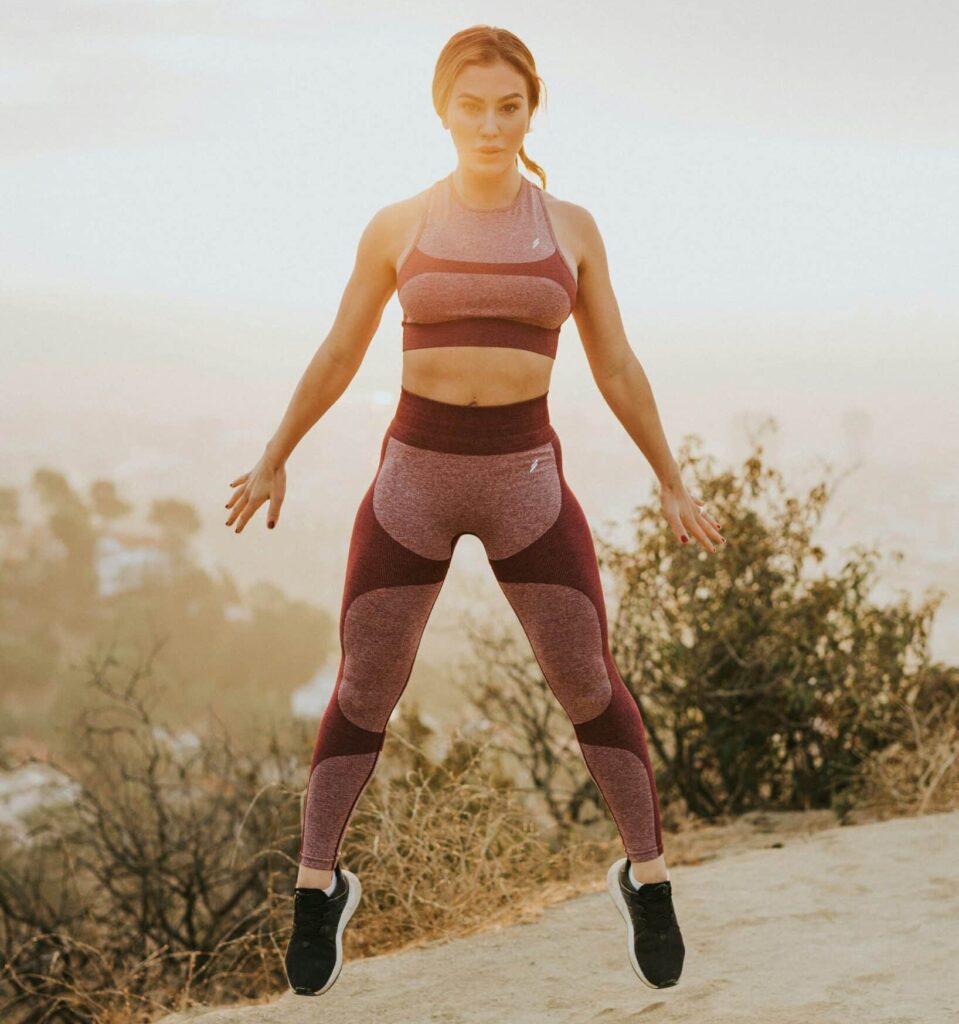
Why the weight room feels intimidating
These feelings have real roots. In a 2018 Canadian study, gym-goers described “gendered lines” in the gym, with men mostly on the weights side and women on the cardio side. Women said they cut back the time and space they used, often because of crowding and small put-downs from men.
A 2025 survey of 279 women about exercising in gyms found a similar picture. One of its main themes was feeling “always on display,” and some women said they had to fight for space. Our guide to training as the only woman in the weight room looks at this research in more detail.
None of that is your fault. But knowing how the room works takes away a lot of the guesswork. Most worries about the weight room fall into a few groups:
- not knowing how the equipment works.
- not knowing the unwritten rules.
- worrying about doing an exercise wrong or looking weak.
- worrying about being in someone’s way.
- worrying about being stared at.
The rest of this guide takes each one apart.
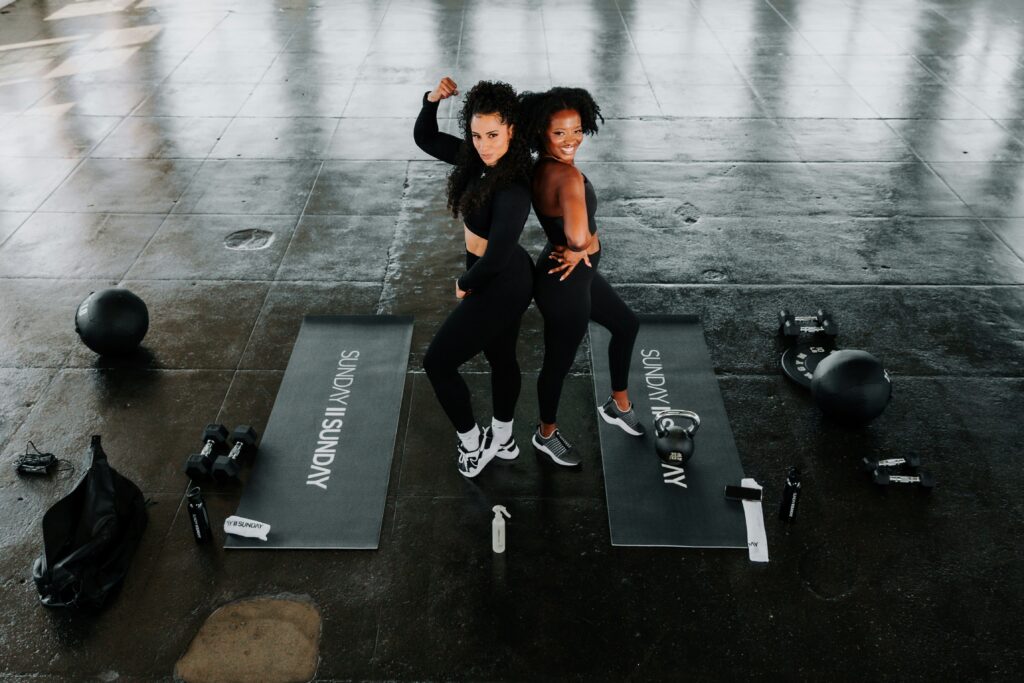
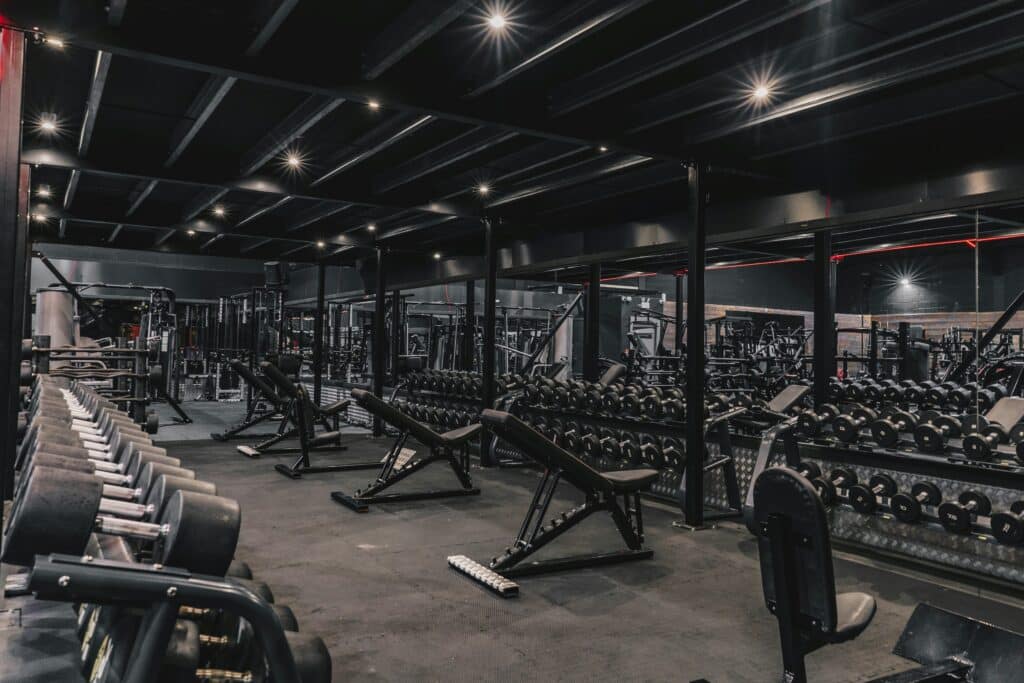
A quick map of the weight room
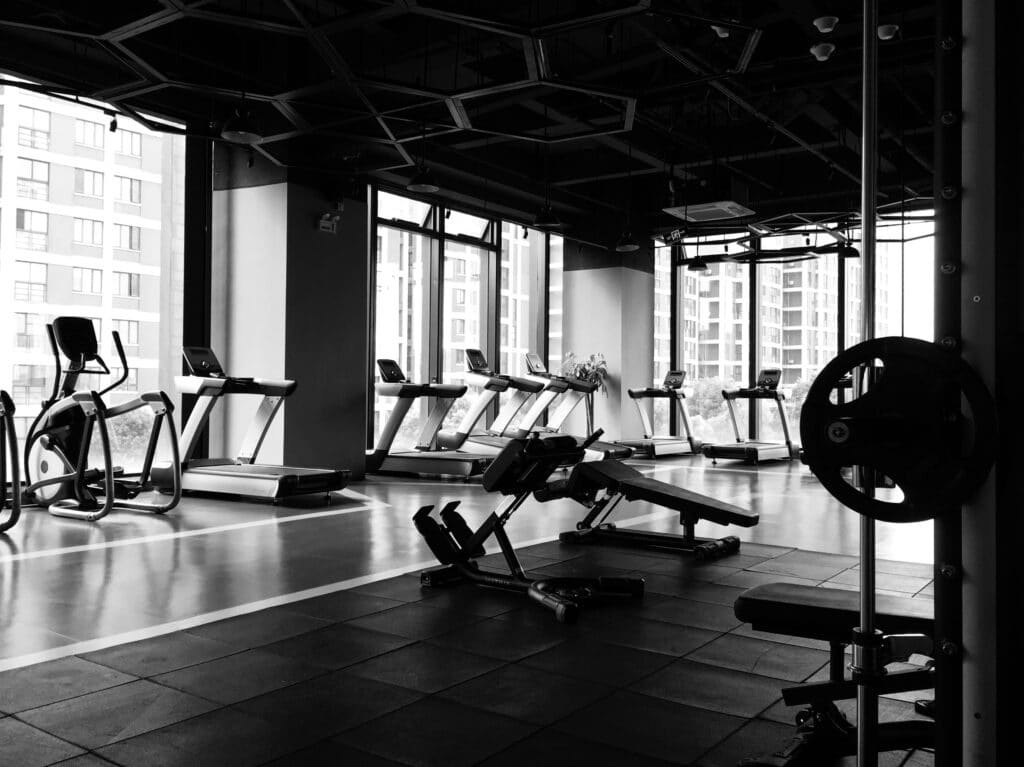
Weight rooms look chaotic until you know the zones. Most commercial gyms have some version of these.
| Area | What it’s for | Beginner tip |
|---|---|---|
| Dumbbell rack | Pairs of dumbbells, usually ordered from light to heavy | Take your pair and step a few paces away before you lift. |
| Benches | Flat and adjustable benches for presses, rows and step-ups | Carry a bench to a quieter spot if the gym allows it. |
| Squat or power racks | Barbell squats, overhead presses and other lifts that need safety bars | Use them for barbell lifts that need the rack, not for curls. |
| Cable stations | Adjustable pulleys for rows, pulldowns, kickbacks and more | Check the pin and handle before you start; ask staff if unsure. |
| Weight machines | Guided movements such as leg press, chest press and lat pulldown | Read the diagram on the machine and adjust the seat first. |
| Mat or stretching area | Warm-ups, core work, glute bridges and stretching | A good place to start if you want lower stakes. |
If you want the gentlest start, a quiet-corner dumbbell routine uses only a pair of dumbbells, a bench and a mat.
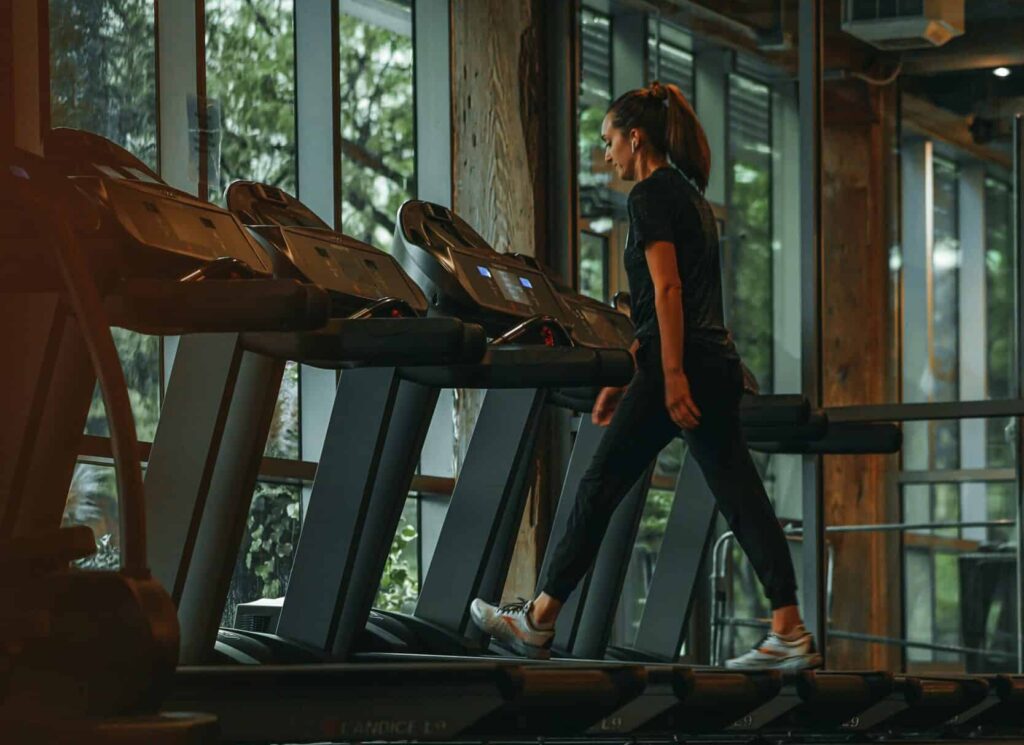
Plenty of people stay on the treadmill because it feels safer. That’s understandable. But the weights area runs on a few simple rules, and once you know them, there’s no reason it can’t be your space too.
The unwritten rules of the weight room
Here they are. There are only seven.
- Put your weights back. Return dumbbells and plates to where they belong. This is the rule people care about most.
- Wipe down what you used. Most gyms provide spray and paper towels. It takes five seconds.
- Share equipment. If someone asks to “work in,” they want to use your equipment between your sets. Say yes unless you’re nearly finished.
- Clear the dumbbell rack. Take your weights a few steps back so others can reach the rack.
- Don’t interrupt a set. If you need to ask something, wait until the person is resting.
- Use racks for rack lifts. Squat racks are limited, so keep them for exercises that need them.
- Skip the unasked-for advice. Unless someone is about to get hurt, let them train.
None of these need gym experience. They’re basic consideration. If you get one wrong, apologize, fix it and move on.
What to say in common situations
Having a line ready takes most of the stress out of these moments.
You're not sure if something is free
Ask: “Are you using this?” A towel or water bottle left on a bench usually means it’s taken. If nobody is nearby and nothing is left on it, it’s probably free. If it’s clearly in use, wait for a rest between sets and ask to work in, or come back later.
You don't know how a machine works
Ask a member of staff to show you how to set it up. That’s part of their job. You can also read the diagram on the machine or watch a demonstration before you go. Our guide to asking for help at the gym has the exact words to use.
You get in someone's way or forget to rerack
Say “Sorry!” and move, or put the weights back. Everyone does this at some point. It only becomes a problem if it keeps happening.
Someone's advice or attention makes you uncomfortable
A short “Thanks, I’m good” is enough for advice you didn’t ask for. If someone stares, comments or follows you, move away and report it at the front desk. Our guide to unwanted attention at the gym explains what to do next.
Lower the stakes for your first few visits
You don’t have to face the whole weight room at once. Make it smaller.
- Walk the room first. Use the map above to find the dumbbells, benches and mats before you start.
- Watch how it runs. Notice where people warm up, how they share benches and where the weights go back. You’ll pick up the rules faster by seeing them.
- Start with one exercise. Do one move, like goblet squats, in a quiet corner. That’s session one. Add one exercise each session after that.
- Film a set. It helps you check your form and gives you something to do between sets.
For when to go, what to pack and what to wear, see our day-one gym plan, linked at the top of this guide.
Video: What every new gym beginner should know. Short pointers from 12REPS for your first weeks in the gym.
How the feeling changes over time
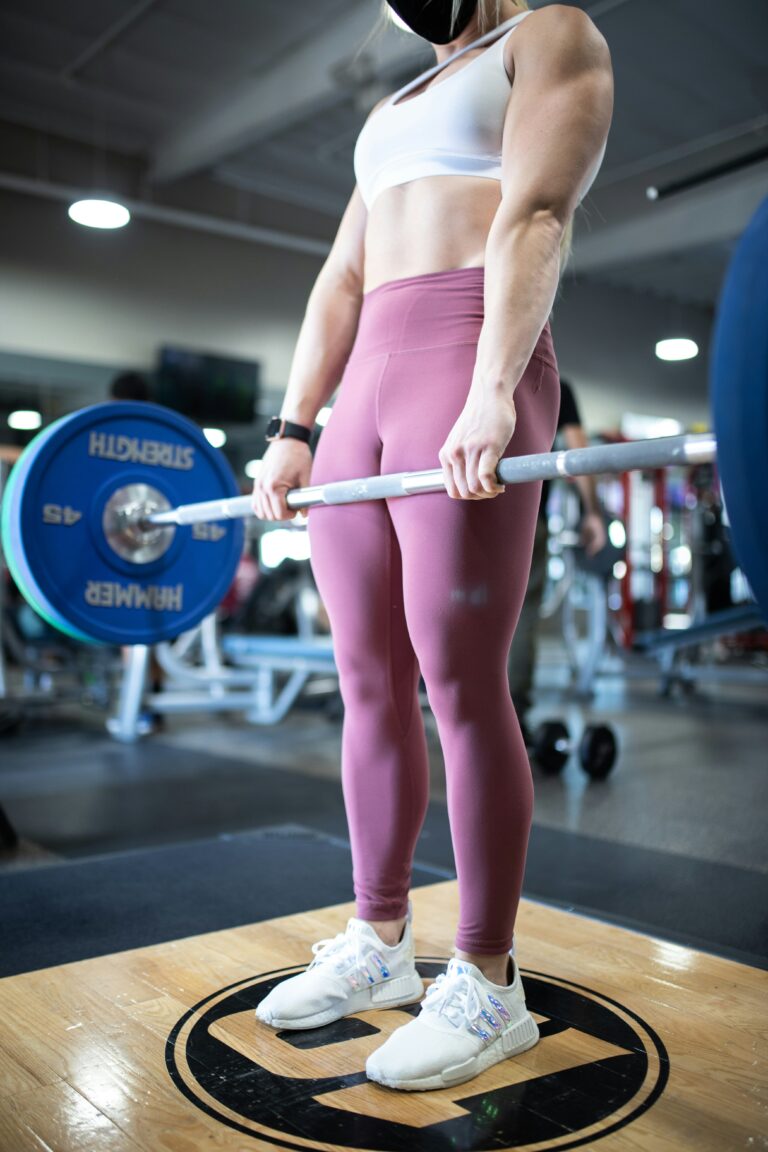
Familiarity is what shrinks gym nerves. Once you know where everything is and how the room runs, each visit tends to feel a little more normal. Everyone moves at their own pace. For a week-by-week version, follow our 8-week gym confidence plan.
What other women in the weight room are thinking
In my experience, women who lift remember their own first weeks. Far more often than not, the reaction to a new face is quiet support: a smile, an offer to share equipment, sometimes a chat about an exercise.
How 12REPS helps with gym nerves
A big source of gym intimidation is not knowing what to do next. Wandering between machines makes you feel more exposed.
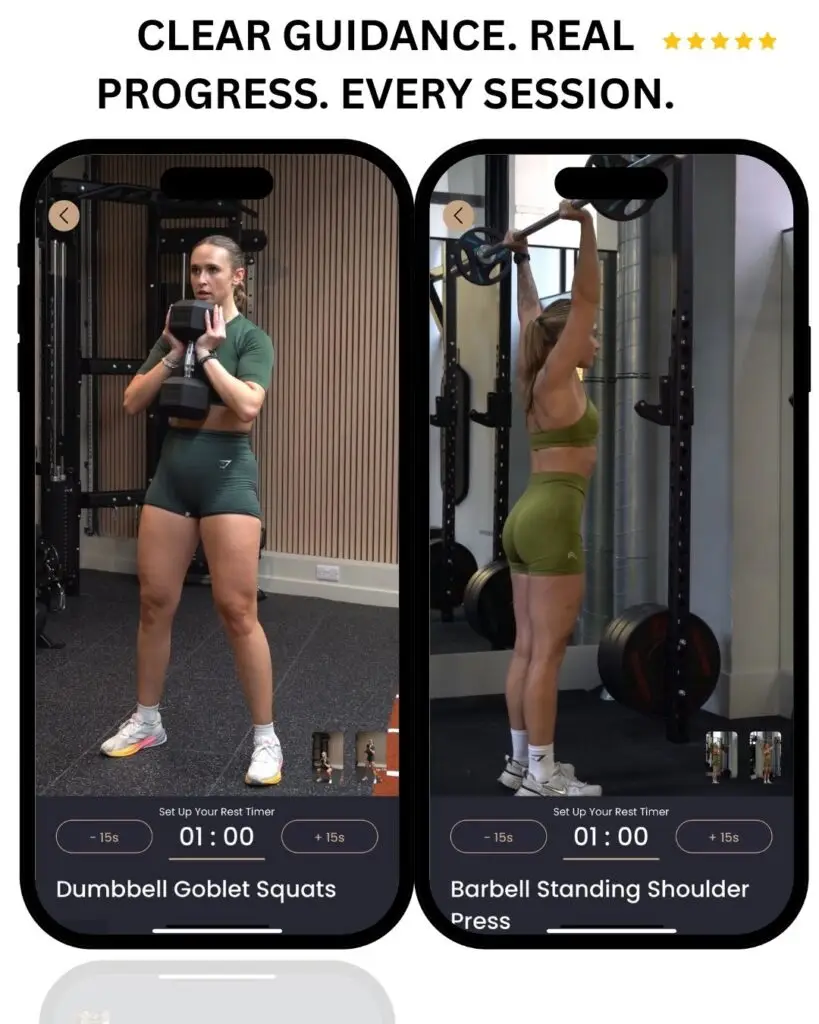
12REPS gives you a workout built around your goal, the equipment you have and the time you’ve got. You walk in knowing which exercises to do and in what order. Each exercise has a demonstration from a qualified personal trainer that you can watch before your set. The app remembers the weight and reps you logged, so you can see your progress over the weeks.
The perspective shift
What finally helped my own gym nerves years ago was realizing that nobody there was thinking about me much at all. They were focused on their own sets. That’s not an insult. It means you’re free to focus on your training too.
The bottom line
Gym intimidation is real, and research backs up what many women feel. But it gets smaller when you:
- learn the layout and what each area is for.
- follow the seven simple etiquette rules.
- keep a few phrases ready for awkward moments.
- start at quiet times with one exercise, then build up.
- keep showing up, because familiarity is what builds confidence.
The women who look at home in the weight room all started somewhere. Walk in, do one exercise, and leave. That’s session one.
Ready to plan the lifting itself? Read our guide on how to start lifting weights as a woman.
Sources
- “It’s gym, like g-y-m not J-i-m”: Exploring the role of place in the gendering of physical activity. Coen SE, Rosenberg MW, Davidson J. Social Science and Medicine, 2018. https://doi.org/10.1016/j.socscimed.2017.10.036
- “I sometimes feel like I can’t win!”: An exploratory mixed-methods study of women’s body image and experiences of exercising in gym settings. Cowley ES, Schneider J. PLOS ONE, 2025. https://doi.org/10.1371/journal.pone.0316756