


By Will Duru, BSc (Hons) Sport and Exercise Science Award-winning Personal Trainer with over 10 years of experience in strength training and optimising recovery
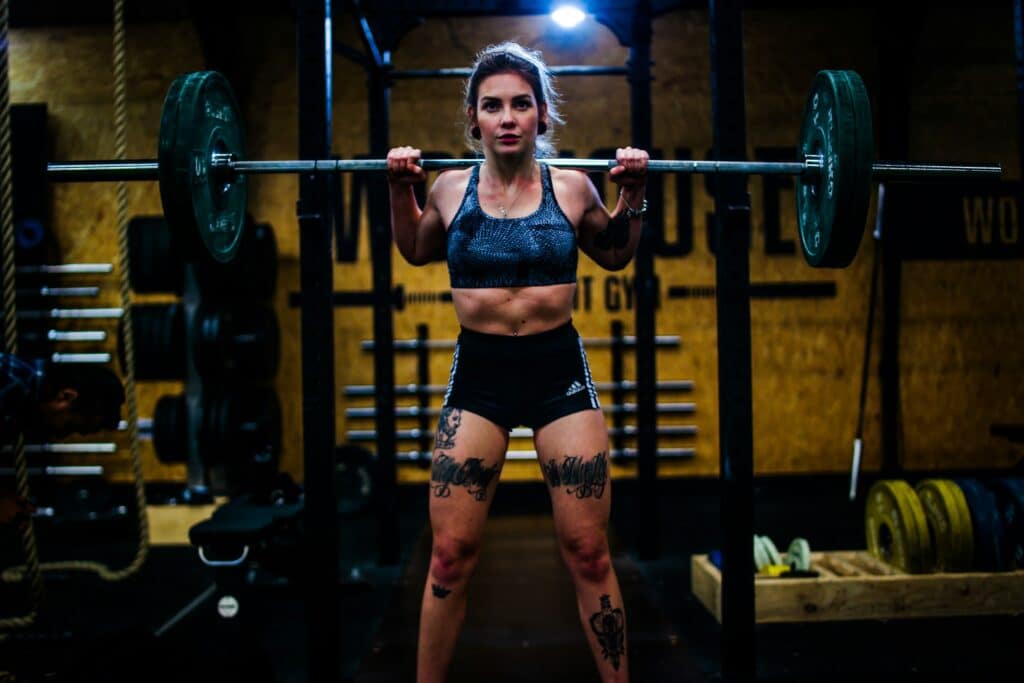
For your first weeks, here’s what to wear to the gym: a supportive sports bra, leggings or shorts you can squat in, a breathable top and flat, stable training shoes. That’s all you need. Comfort, support and freedom to move matter far more than brand or style.
As a personal trainer, I’ve seen women hide in oversized clothes, hoping to blend into the background. Others feel they must buy expensive, trendy gear just to fit in. Some turn up in jeans because nobody told them what to wear. When you feel good in your clothes, you can stop thinking about them and focus on training.
Clothes can be a real barrier. A 2025 study of 279 women’s gym experiences found that gym clothing could both help and hold women back. Many chose clothes for comfort and function, but some still worried about being compared or judged, even for wearing non-branded clothes (Cowley and Schneider, 2025).
This guide covers the practical side: support, fabric, fit and shoes, plus a simple starter kit. For what to pack in your bag, see our list of beginner gym essentials.
Start with a supportive sports bra
If you buy one new thing, make it a sports bra that fits. It makes the biggest difference to how comfortable you feel.
Breasts have little built-in support, so they can move a lot when you run or jump. That movement can cause exercise-induced breast pain. Researchers say pain like this can discourage women from exercising, and a well-fitted, supportive sports bra can reduce discomfort (University of Wollongong, 2020). Their 2020 review appeared in a journal of the American College of Sports Medicine. It calls for more research into how breasts move and how best to support them (McGhee and Steele, 2020).
Choose your level of support
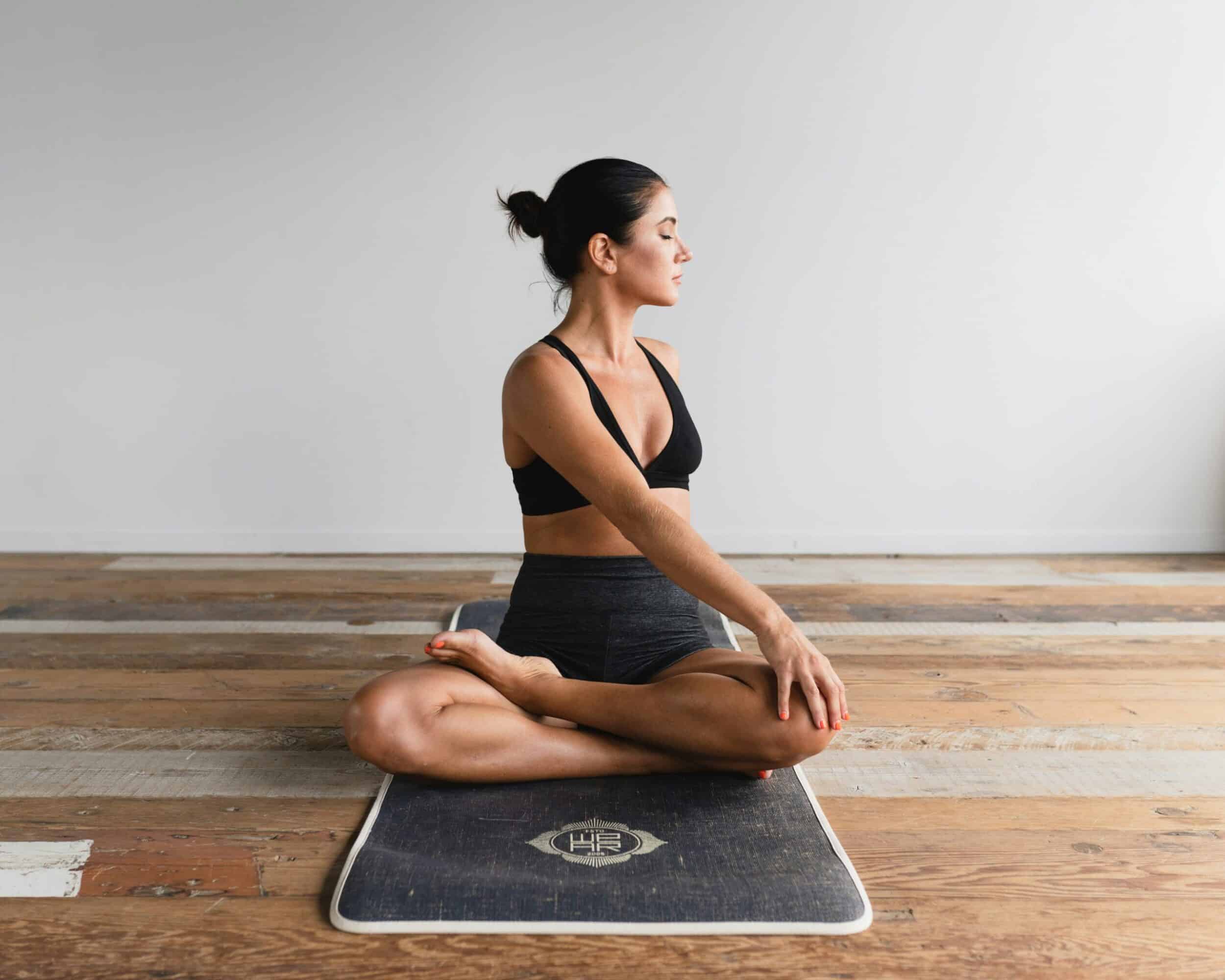
- Low support: stretching, yoga and walking. Usually a pull-on style with light compression.
- Medium support: most strength training, cycling and moderate cardio. Look for wider straps and a firmer band.
- High support: running, jumping, skipping and high-intensity classes. Look for encapsulation (separate cups for each breast) with compression, adjustable straps and a firm band.
If your strength session includes jumping, box jumps or a treadmill warm-up, go for high support.
Check the fit
- The band sits snugly around your ribcage without digging in.
- The straps stay put without slipping or cutting into your shoulders.
- Jump up and down in the fitting room. If there’s a lot of bounce, you need more support.
Bra sizes vary between brands, so try a few. A fitting service can help if you’re unsure.
Fabric, fit and shoes
Choose fabric that copes with sweat
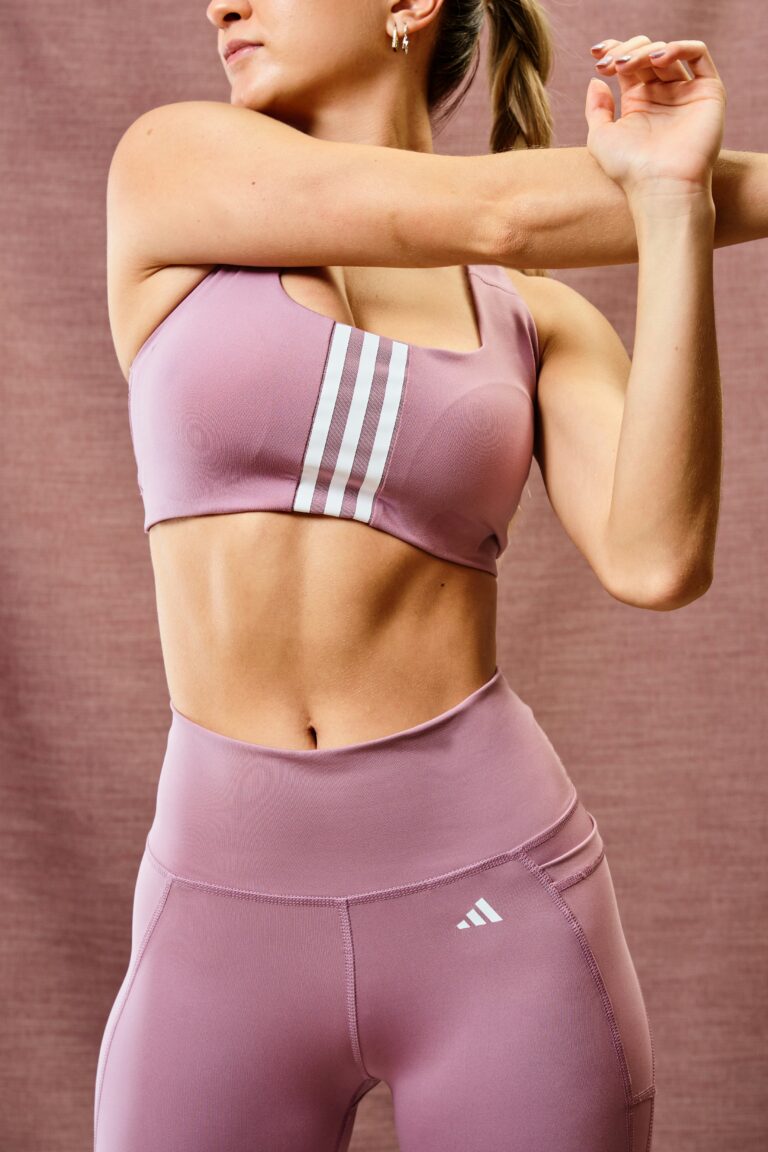
Cotton feels soft at first, but it holds on to sweat. Once you start working, it can feel heavy and damp. Most gym clothing is made from polyester, nylon or blends that are designed to move sweat away from your skin and dry faster.
Test the fit before you buy
Your clothes should let you squat, lunge, bend and reach overhead without tugging or adjusting. In the fitting room, do a few squats, reach up high and touch your toes. If anything rides up, slides down or pinches, try another size or style.
Very loose clothes can catch on equipment or get in the way when you lie on a bench. Fitted or semi-fitted pieces are easier to train in.
Wear flat, stable shoes for lifting
For strength training, look for training shoes with a firm, fairly flat sole. Cross-training shoes work well for most beginners. Thick, soft running shoes are great on the treadmill, but they can feel wobbly under a squat or deadlift.
You’ll push through your whole foot in exercises like the squat, so you want your foot to stay planted. For mat work like stretching or yoga, some people take their shoes off. Check your gym’s rules first.
Leggings, shorts and tops
Leggings
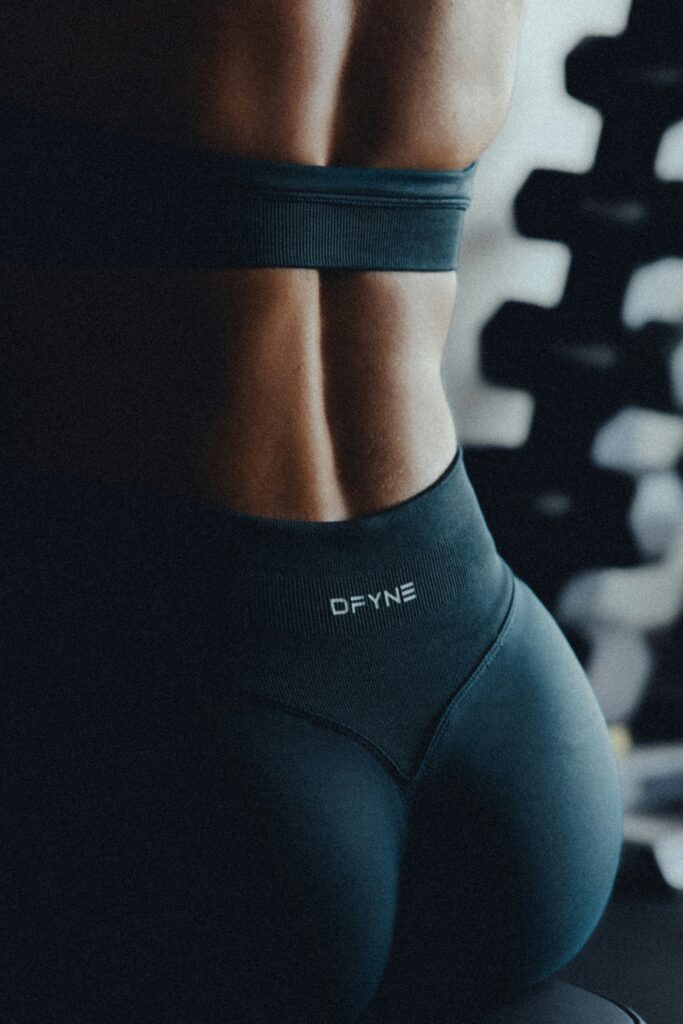
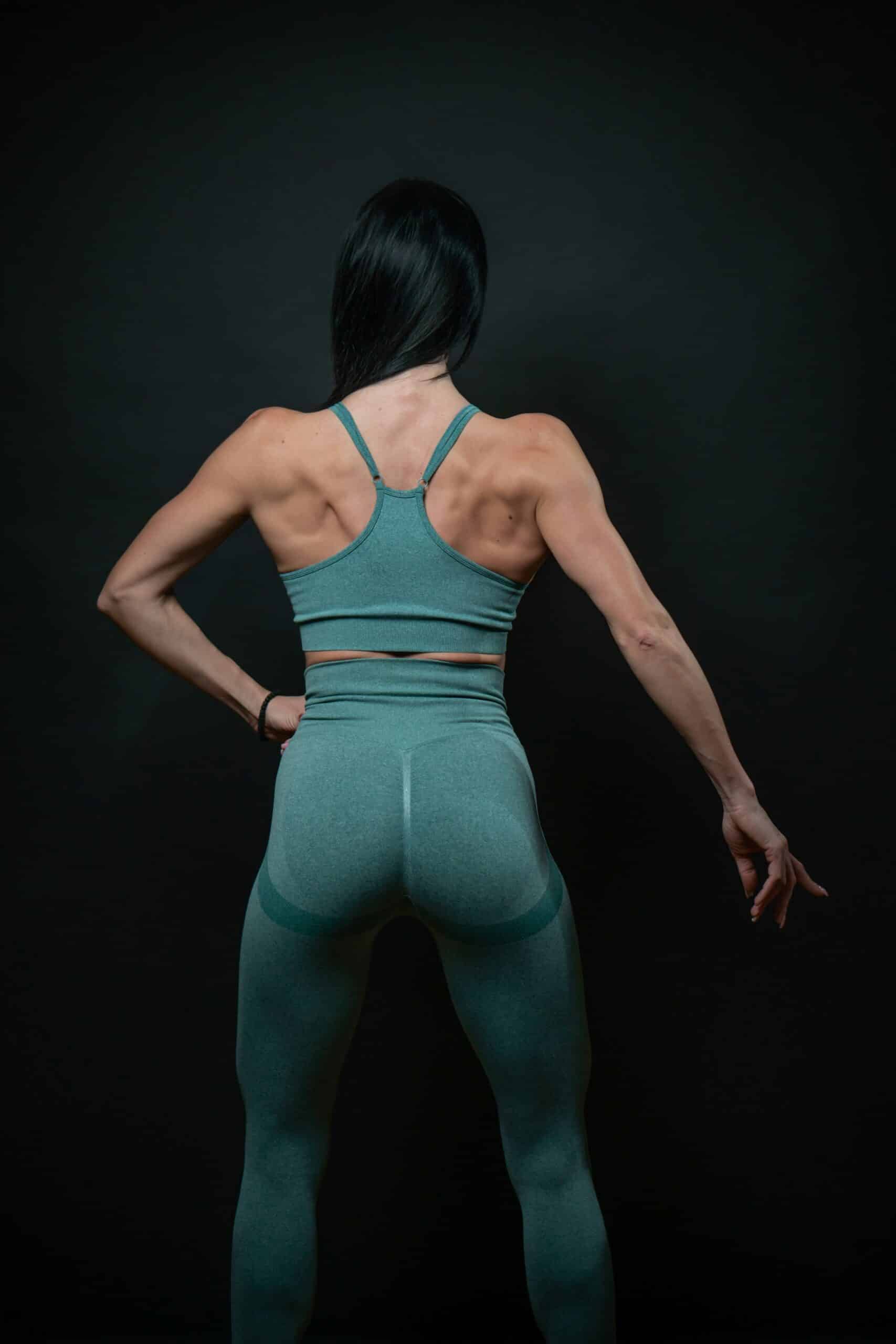
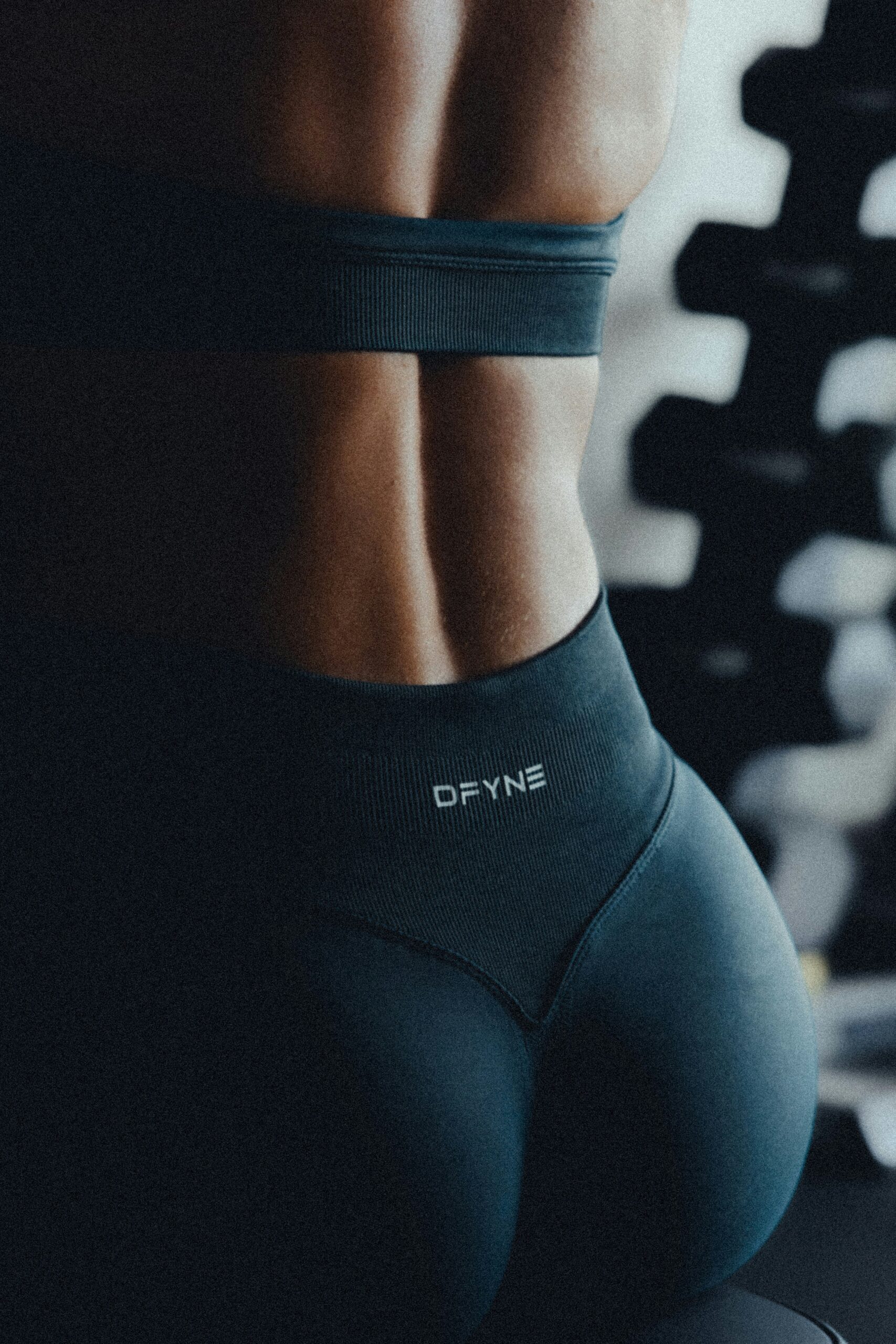
- High-waisted styles tend to stay in place through squats and deadlifts, so you’re not pulling them up between sets.
- Pockets are more useful than they look. A side pocket holds your phone or locker key while you train.
- Length is personal. Full-length gives the most coverage. Seven-eighths, which stop just above the ankle, suit you if you run hot. Avoid pairs that bunch at the ankle.
- Squat-proof: do a deep squat in front of a mirror under bright light. If the fabric goes see-through when it stretches, choose a thicker pair or size up.
Prefer shorts? Look for a built-in liner or wear cycling shorts underneath, so you can squat and lunge without worrying.
Tops and layers
- Tank tops: good for warm gyms. Choose wider straps that cover your sports bra if you prefer.
- T-shirts: more coverage. Fitted or semi-fitted styles won’t ride up when you lie on a bench or hang from a bar.
- Long sleeves: useful in cooler gyms or for outdoor sessions. Thumbholes keep the sleeves in place.
- A zip-up layer: wear it to warm up and between sets if the gym is cold. Keep it fitted so it doesn’t catch on equipment.
What to wear to the gym: a simple starter kit
You don’t need a new wardrobe to start. Too many options can even become one more reason to put off going. This covers you for weeks of training:
- One or two pairs of leggings or lined shorts. Darker colors show sweat less.
- Two supportive sports bras, so one is always clean.
- Three tops you can move in.
- One light layer for warming up.
- A pair of flat, stable training shoes.
Once training is a habit, add pieces if you want to. Buy for function first, then for what you like the look of.
Wear what makes you feel ready to train
You don’t need a flat stomach to wear a crop top, or a certain shape to wear leggings. You can also cover up as much as you like. Whatever your size or shape, you can wear whatever lets you move and feel comfortable.
The same 2025 study found many women dressed to hide parts of their body they felt self-conscious about, or to hide visible sweat. If loose layers help you feel settled, wear them, as long as they don’t catch on equipment.
Before you leave the house, ask yourself one question: do I feel ready to move? If the answer is yes, you’re wearing the right thing.
Then shift your focus from the mirror to your progress. The weights going up and the reps adding up are a better measure than any outfit.
If clothes are only part of the worry, read our guides to your first day in the weight room and training when you are the only woman there.
Once you’re dressed and ready, 12REPS gives you a plan built around your goal, equipment and time. It shows a trainer demonstration for every exercise and remembers what you lifted, so you can see your strength go up week by week.
Sources
- “I sometimes feel like I can’t win!”: an exploratory mixed-methods study of women’s body image and experiences of exercising in gym settings. Cowley ES, Schneider J. PLOS One, 2025. https://journals.plos.org/plosone/article?id=10.1371/journal.pone.0316756
- How better-designed sports bras can help women to exercise comfortably. University of Wollongong, 2020. https://www.uow.edu.au/media/2020/how-better-designed-sports-bras-can-help-women-to-exercise-comfortably.php
- Biomechanics of breast support for active women. McGhee DE, Steele JR. Exercise and Sport Sciences Reviews, 2020. https://doi.org/10.1249/JES.0000000000000221