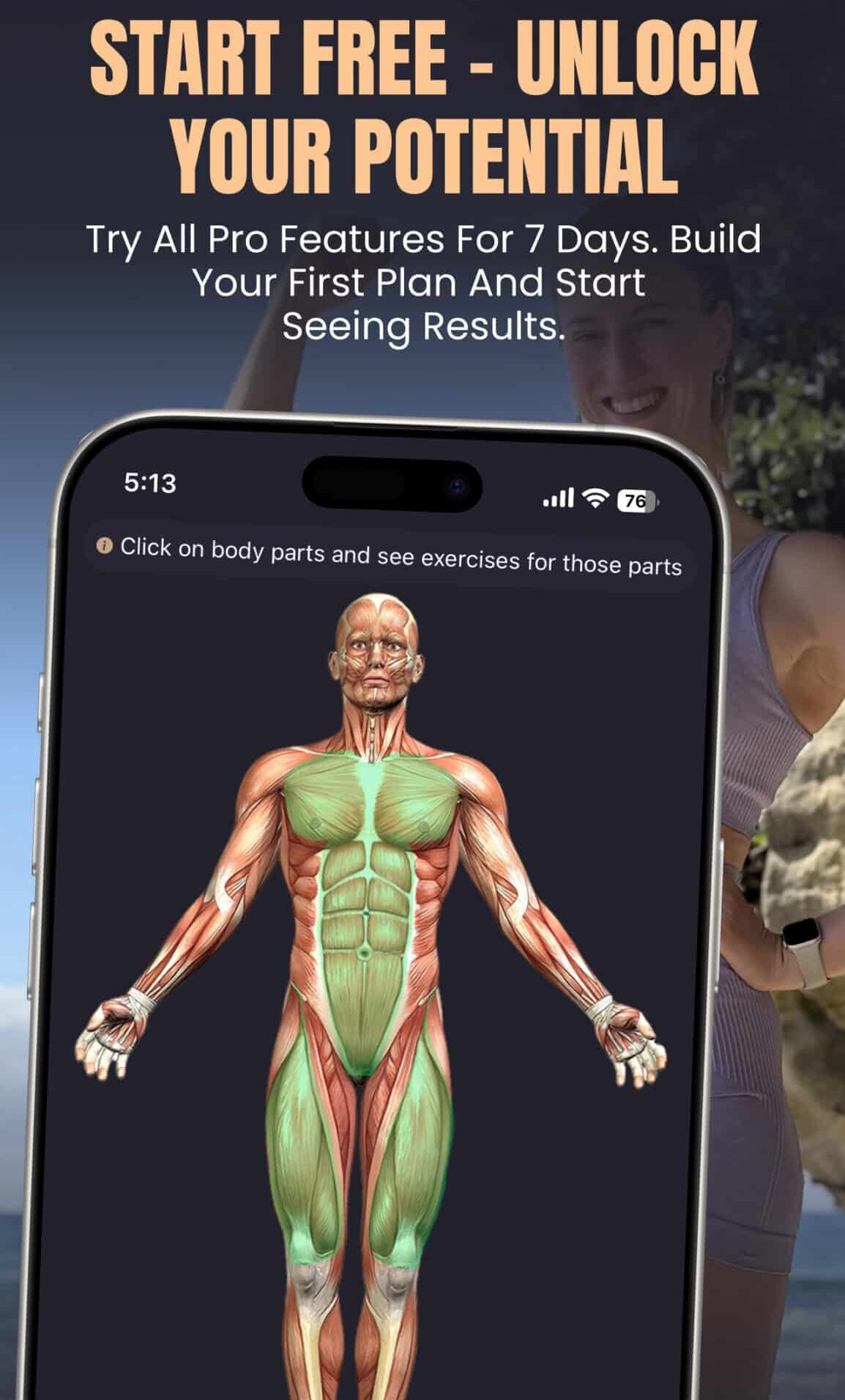


By Will Duru, BSc (Hons) Sport and Exercise Science, Award winning Personal Trainer with over 10 years of experience in strength training
I see it every single day in my London gym. Someone walks in after eight hours hunched over a laptop, shoulders rounded forward, neck craned, lower back aching. They want to get fit but they can barely stand up straight.
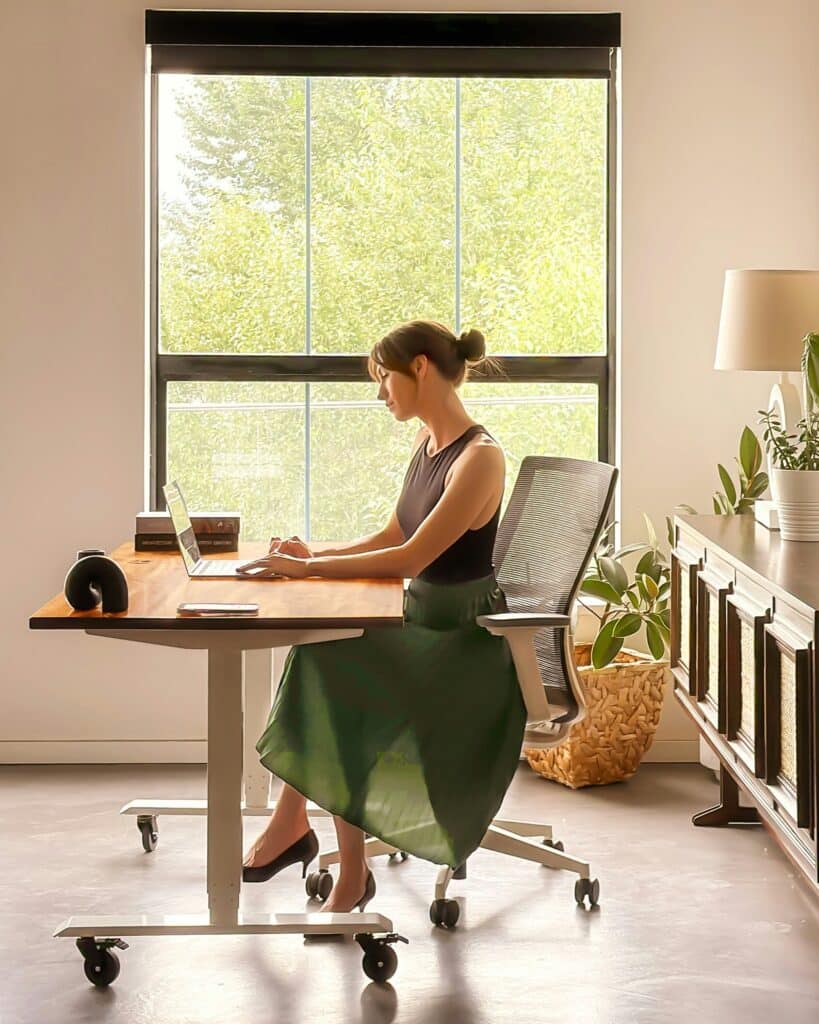
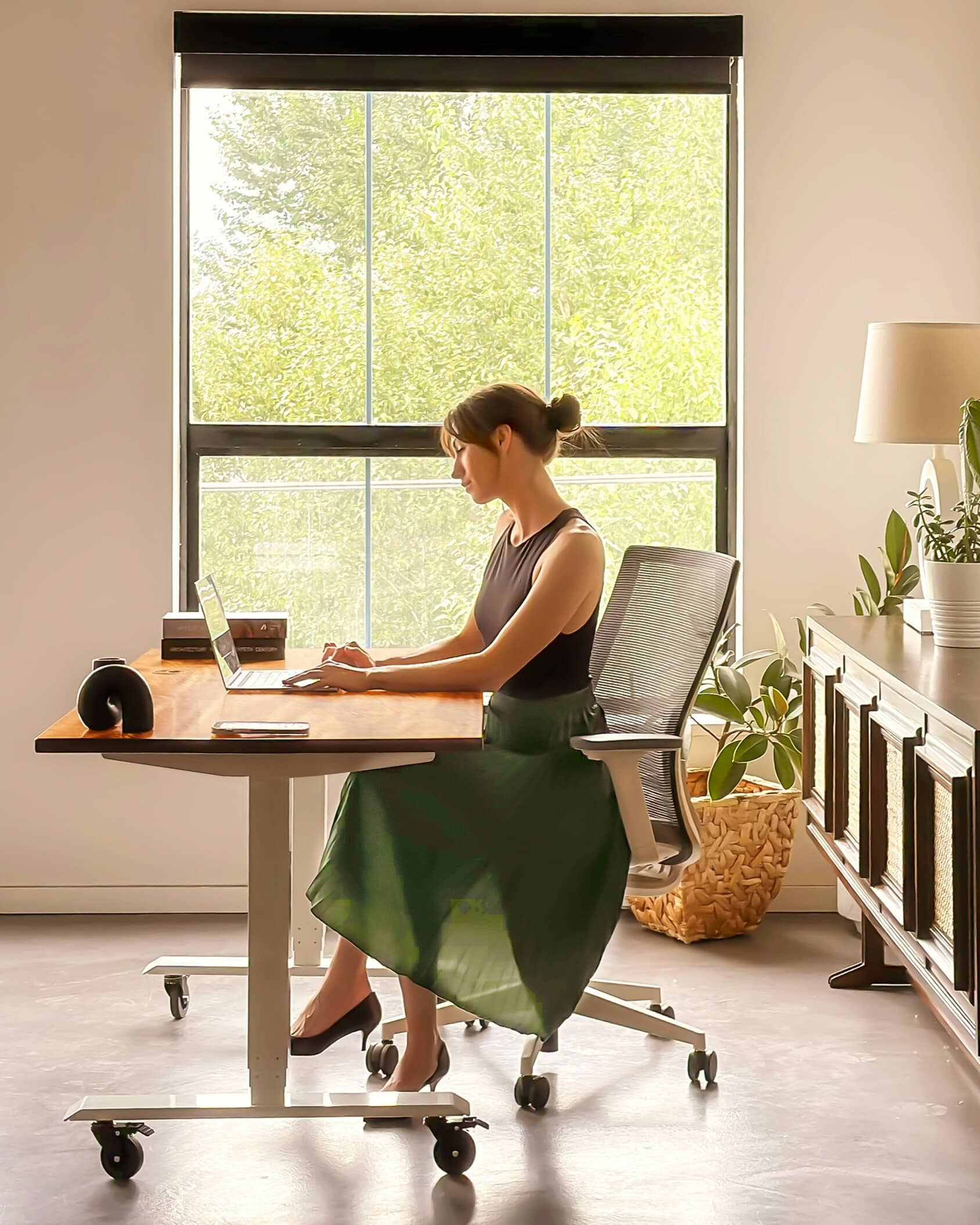
If this sounds familiar, you are not alone. The average office worker in the UK sits for over nine hours per day. That is more time than most people spend sleeping. And your body is paying the price.
Here is the good news. Strength training is the single most effective way to reverse the damage that desk work does to your body. Not stretching alone. Not yoga alone. Not just standing up more often. Proper resistance training that targets the muscles weakened by sitting and strengthens the structures that support good posture. [1]
In this guide, I will show you exactly how to use strength training to fix your posture, eliminate pain, and build a body that can handle whatever your work throws at it.
What Sitting All Day Does to Your Body
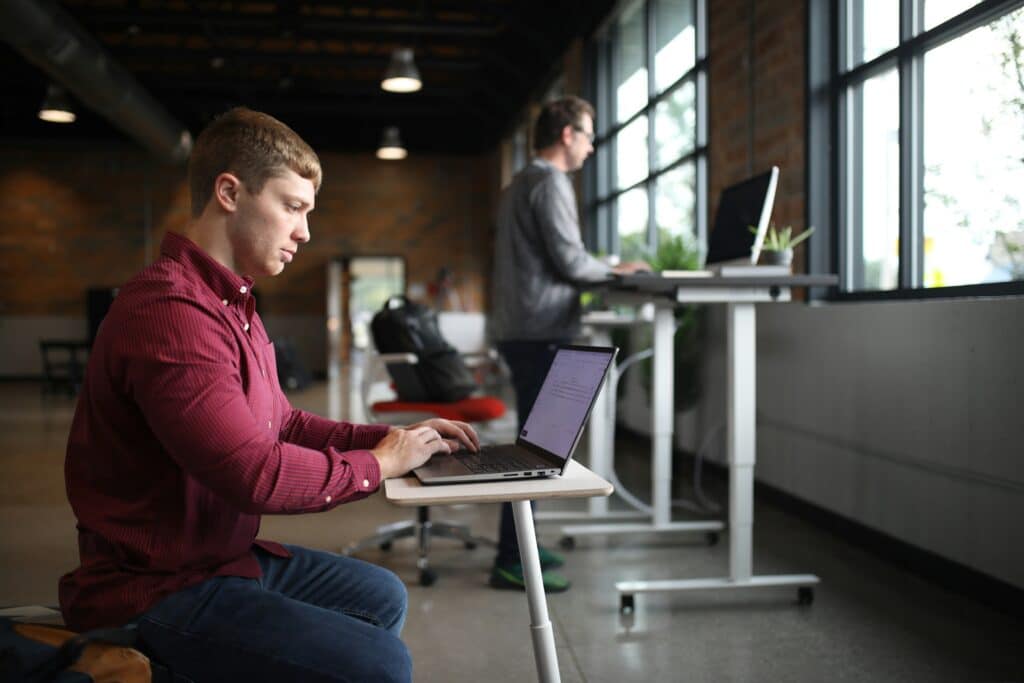
Before we fix the problem, you need to understand what is actually happening. Sitting for extended periods creates a predictable pattern of dysfunction that I call “desk worker syndrome.”
Your hip flexors shorten and tighten. When you sit, your hips are flexed at roughly 90 degrees for hours at a time. The muscles at the front of your hips adapt by becoming shorter and tighter. This pulls your pelvis forward and contributes to lower back pain.
Your glutes essentially switch off. Your gluteal muscles are designed to be the powerhouse of your body. But when you sit on them all day, they become weak and inactive. This is called gluteal amnesia, and it forces other muscles to compensate, leading to pain and dysfunction. [2]
Your upper back rounds forward. Reaching toward a keyboard and screen pulls your shoulders forward and rounds your thoracic spine. Over time, your chest muscles tighten while your upper back muscles weaken.
Your neck cranes forward. Looking at a screen encourages your head to drift forward of your shoulders. For every inch your head moves forward, it adds roughly 10 pounds of effective weight that your neck muscles must support. [3]
Your core muscles weaken. A chair provides external support that your core muscles should be providing. Without the need to stabilise your spine, these muscles become weak and deconditioned. [4]
The result is a body that is tight where it should be mobile and weak where it should be strong. This creates pain, limits movement, and sets you up for injury both in and out of the gym.

Why Stretching Alone Does Not Work
Most desk workers try to fix their problems with stretching. They stretch their hip flexors, stretch their chest, stretch their neck. And while stretching provides temporary relief, it does not solve the underlying problem.
Here is why. Stretching lengthens tight muscles, but it does nothing to strengthen weak muscles. And the imbalances created by sitting are fundamentally about weakness, not just tightness.
Your rounded shoulders are not just caused by tight chest muscles. They are caused by weak upper back muscles that cannot hold your shoulders in the correct position. You can stretch your chest all day, but until you strengthen your upper back, your shoulders will keep rounding forward.
The same principle applies throughout your body. Tight hip flexors are part of the problem, but weak glutes are equally responsible. A stiff thoracic spine matters, but so do the muscles that should be extending it.
This is why strength training is essential. It addresses both sides of the equation, lengthening what is tight through full range of motion movements while strengthening what is weak. [5]
The Key Muscles Desk Workers Need to Target
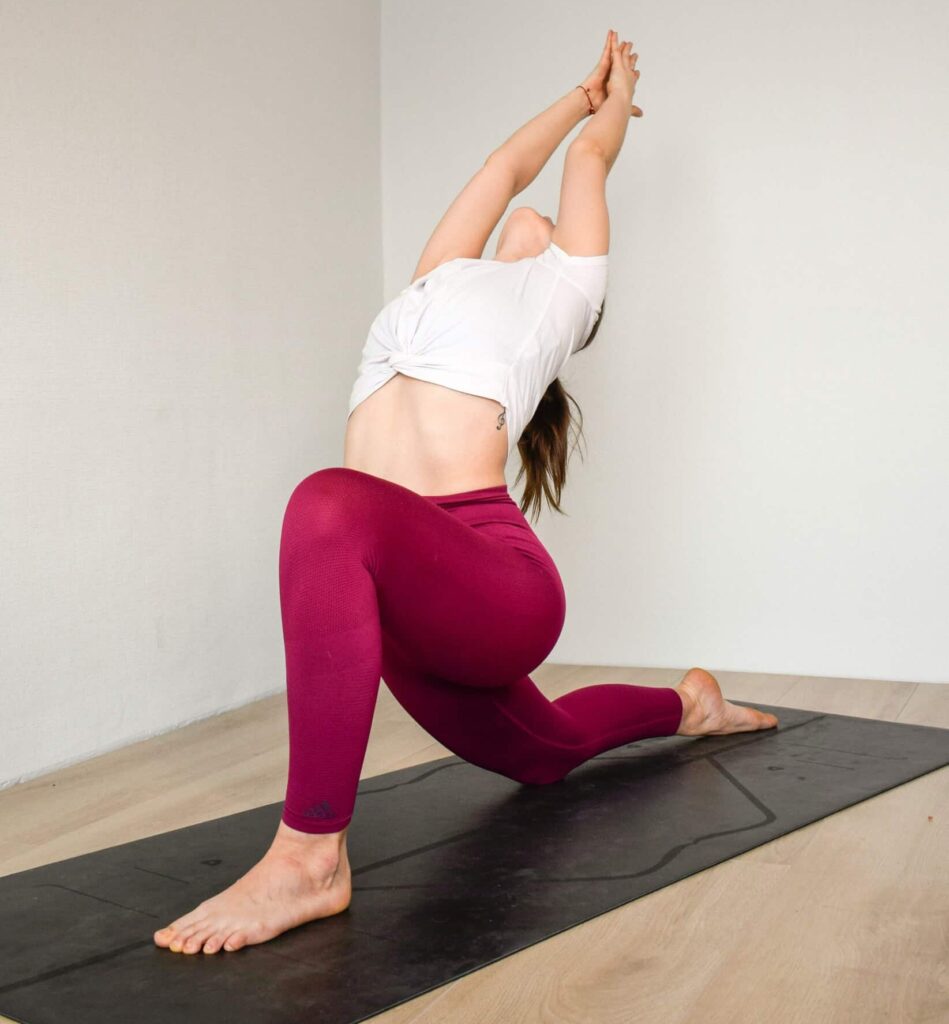
Effective training for desk workers focuses on specific muscle groups that are universally affected by prolonged sitting.
Glutes. These are your primary hip extensors and the foundation of lower body power. Strong glutes support your pelvis, protect your lower back, and allow you to move efficiently. Exercises include hip thrusts, glute bridges, Romanian deadlifts, and lunges.
Upper back (rhomboids, middle and lower trapezius). These muscles pull your shoulder blades back and down, counteracting the forward pull of desk work. Strengthening them improves posture immediately. Exercises include rows, face pulls, reverse flyes, and band pull aparts.
Core (deep stabilisers). Your transverse abdominis, multifidus, and other deep core muscles stabilise your spine during movement. Strong core muscles reduce back pain and improve overall function. Exercises include planks, dead bugs, bird dogs, and Pallof presses.
Posterior chain. The muscles along the back of your body, including your hamstrings, glutes, and spinal erectors, are typically weak in desk workers. Strengthening them improves posture and reduces injury risk. Exercises include deadlifts, good mornings, and back extensions.
Neck and shoulder stabilisers. Small muscles around your shoulder blades and neck help maintain proper head position and shoulder mechanics. Exercises include external rotations, face pulls, and neck stretches with resistance.
A Desk Worker Strength Training Programme
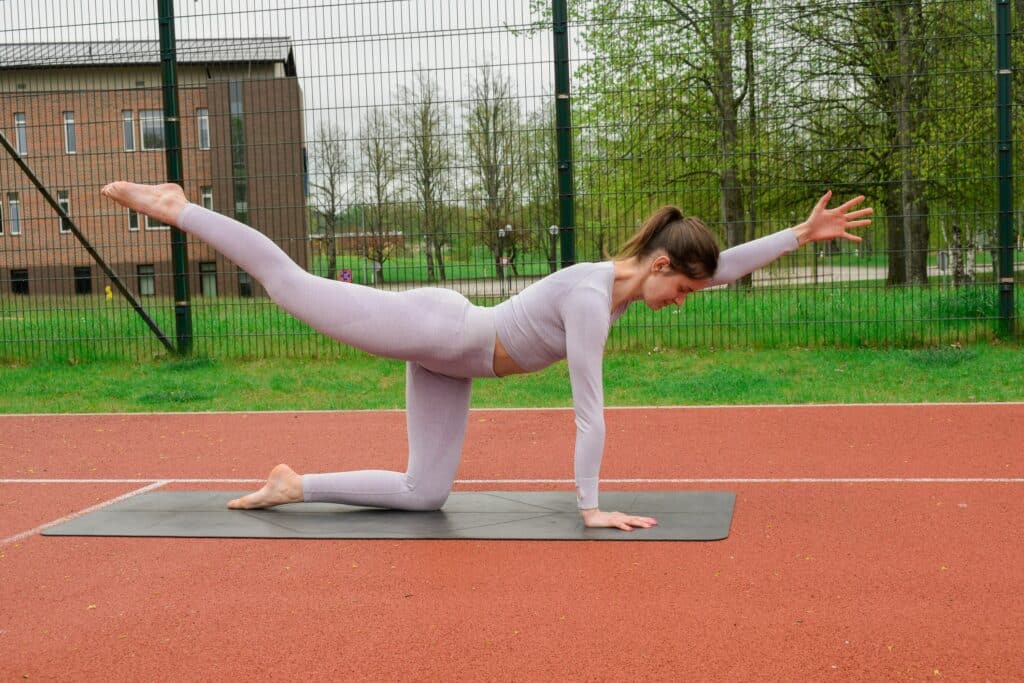
As a personal trainer with over 10 years of experience training professionals in London, here are the four most important stretches I recommend you do every day, either before bed or before your training session.
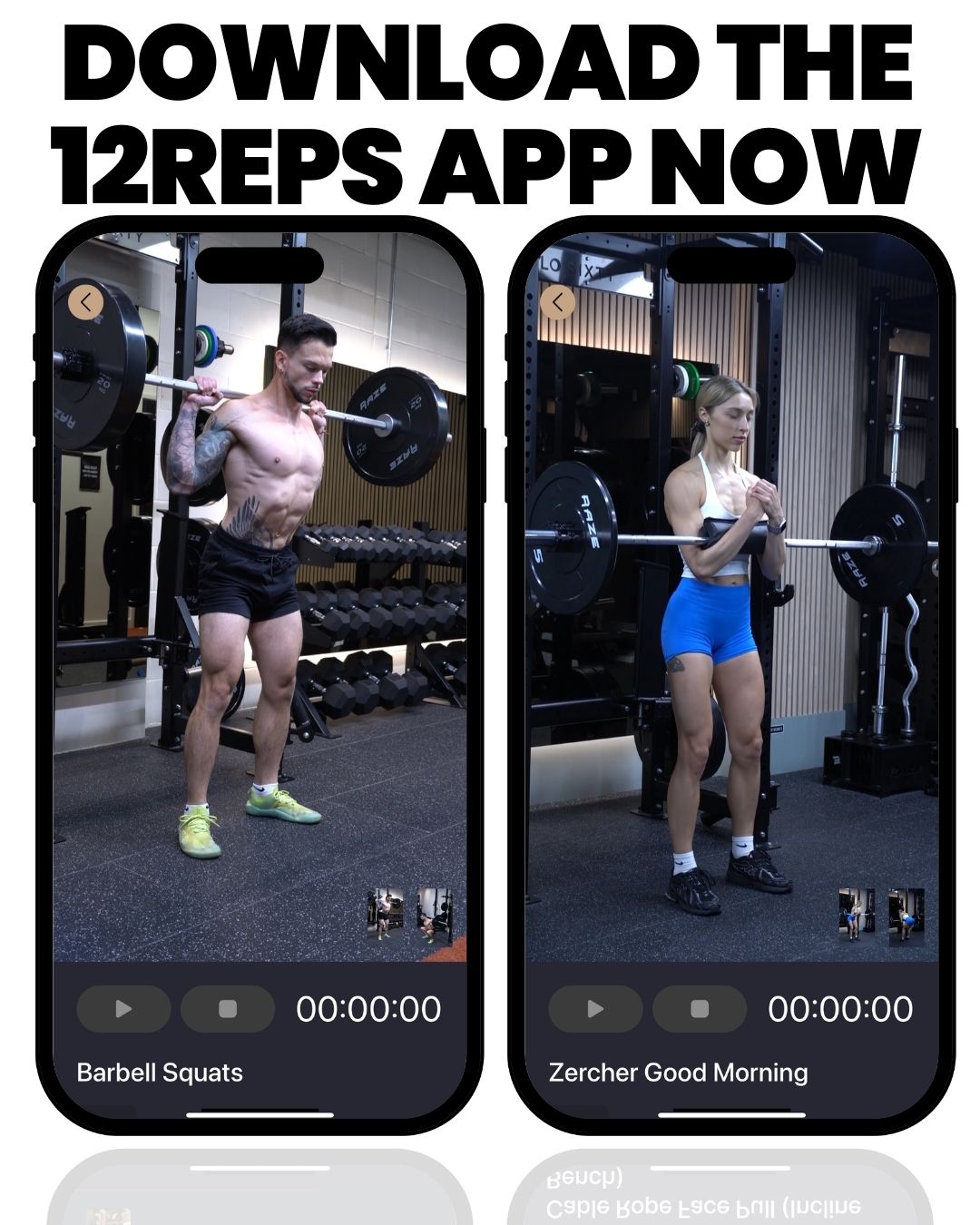
You can find all of these stretches and exercises on the 12reps app below.
• World’s Greatest Stretch — 2 sets x 4 reps
• Figure Four Stretch — 2 sets x 20 second hold
• Cat Cow — 2 sets x 8 reps
• Pigeon Stretch — 2 sets x 20 second hold
This programme is designed specifically for people who sit for extended periods. It addresses the common imbalances while building overall strength and fitness.
Train three days per week with at least one rest day between sessions. Each session takes approximately 45 minutes. [7]
Day 1: Lower Body and Posterior Chain
| Exercise | Sets | Reps | Rest |
|---|---|---|---|
| Goblet Squat | 3 | 12 | 90 sec |
| Romanian Deadlift | 3 | 10 | 90 sec |
| Hip Thrust | 3 | 12 | 90 sec |
| Walking Lunge | 3 | 10 each leg | 60 sec |
| Dead Bug | 3 | 10 each side | 60 sec |
Goblet Squat. Hold a dumbbell or kettlebell at your chest. Squat down while keeping your chest up and weight in your heels. This teaches proper squat mechanics while opening up tight hips.
Romanian Deadlift. Hold dumbbells or a barbell with a slight bend in your knees. Hinge at your hips, pushing them back while lowering the weight along your legs. Feel the stretch in your hamstrings, then drive your hips forward to stand.
Hip Thrust. Sit on the floor with your upper back against a bench. Place a barbell or dumbbell across your hips. Drive through your heels to lift your hips until your body forms a straight line from shoulders to knees. Squeeze your glutes at the top.
Day 2: Upper Body Push and Pull
| Exercise | Sets | Reps | Rest |
|---|---|---|---|
| Dumbbell Row | 3 | 12 each arm | 60 sec |
| Push Up or Dumbbell Chest Press | 3 | 10 | 90 sec |
| Face Pull | 3 | 15 | 60 sec |
| Dumbbell Shoulder Press | 3 | 10 | 90 sec |
| Band Pull Apart | 3 | 15 | 45 sec |
| Plank | 3 | 30 sec | 60 sec |
Dumbbell Row. Place one hand and knee on a bench for support. Pull a dumbbell toward your hip, squeezing your shoulder blade back. Lower under control. This strengthens your entire upper back.
Face Pull. Using a cable machine or resistance band at face height, pull toward your face while externally rotating your shoulders. Your hands should finish beside your ears with elbows high. This exercise is essential for counteracting forward shoulder posture.
Band Pull Apart. Hold a resistance band in front of you with straight arms. Pull the band apart by squeezing your shoulder blades together until the band touches your chest. Control the return.
Day 3: Full Body and Core Focus
| Exercise | Sets | Reps | Rest |
|---|---|---|---|
| Trap Bar or Conventional Deadlift | 3 | 8 | 2 min |
| Bulgarian Split Squat | 3 | 10 each leg | 90 sec |
| Single Arm Dumbbell Row | 3 | 10 each arm | 60 sec |
| Pallof Press | 3 | 10 each side | 60 sec |
| Glute Bridge | 3 | 15 | 60 sec |
| Bird Dog | 3 | 10 each side | 45 sec |
Pallof Press. Stand sideways to a cable machine or anchor a resistance band at chest height. Hold the handle at your chest, then press straight out in front of you. Resist the rotation. This builds anti rotational core strength.
Bird Dog. Start on your hands and knees. Extend your right arm forward and left leg back simultaneously while keeping your core tight and hips level. Return and repeat on the opposite side.
Office Exercises to Do During the Day
Strength training three times per week is essential, but what you do during your working hours matters too. These exercises take less than two minutes and can be done at or near your desk.
Standing hip flexor stretch. Step one foot forward into a lunge position. Tuck your pelvis under and lean slightly forward until you feel a stretch in the front of your back hip. Hold for 30 seconds each side.
Wall angels. Stand with your back against a wall, feet about six inches away. Press your lower back, upper back, and head against the wall. Raise your arms to a “goal post” position and slowly slide them up and down the wall while maintaining contact.
Chair squats. Stand up from your chair without using your hands, then lower yourself back down under control. Repeat 10 times. This activates your glutes and reminds your body how to use them.
Thoracic extension over chair. Sit forward in your chair and lean back over the backrest, extending your upper back. Let your head drop back gently. This mobilises your thoracic spine in the opposite direction to your usual working position.
Chin tucks. Sit tall and gently pull your chin straight back, creating a “double chin.” Hold for five seconds and repeat 10 times. This strengthens the deep neck flexors that support proper head position.
Do these exercises every hour or two throughout your working day. Set a timer if needed. The cumulative effect of frequent movement breaks is significant.
Common Mistakes Desk Workers Make in the Gym
Even when desk workers start strength training, they often make mistakes that limit their progress or reinforce their existing problems.
Skipping the warm up. Your body has been in a compressed position for hours. Jumping straight into heavy lifting is asking for injury. Spend at least 10 minutes warming up with dynamic movements and activation exercises for your glutes and upper back.
Neglecting pulling exercises. Most desk workers instinctively gravitate toward pushing exercises like bench press and shoulder press. But your body needs more pulling than pushing to correct postural imbalances. Aim for a 2:1 ratio of pulling to pushing exercises.
Using too much weight with poor form. Your weakened postural muscles cannot support heavy loads initially. Start lighter than you think you need to and focus on perfect form. Weight can increase once movement quality is established.
Sitting between sets. You have been sitting all day. Do not sit down to rest between exercises. Stand, walk around, or do mobility work during rest periods.
Ignoring the core. Strong abs alone do not make a strong core. Focus on exercises that build stability and anti rotation strength rather than just doing crunches.
What Results to Expect
If you follow this programme consistently, here is what you can expect.
Week 1 to 2. You will feel sore in muscles you did not know you had, particularly your glutes and upper back. This is normal and indicates that previously dormant muscles are waking up.
Week 3 to 4. Soreness decreases as your body adapts. You may notice that standing and sitting feel different. Your awareness of posture improves.
Week 5 to 8. Visible improvements in posture become apparent. Others may comment that you look taller or more confident. Back and neck pain typically reduces significantly.
Week 9 to 12. Strength gains become noticeable. Exercises that were challenging become manageable. The new movement patterns start to feel natural rather than forced.
Beyond 12 weeks. Continued training builds on these foundations. Many clients report that chronic pain they assumed was permanent has resolved. Energy levels improve. Confidence in physical activities increases.
The key is consistency. Three sessions per week, every week, for at least 12 weeks. Sporadic training produces sporadic results.
How 12REPS Helps Desk Workers
The 12REPS app is particularly useful for desk workers starting strength training.
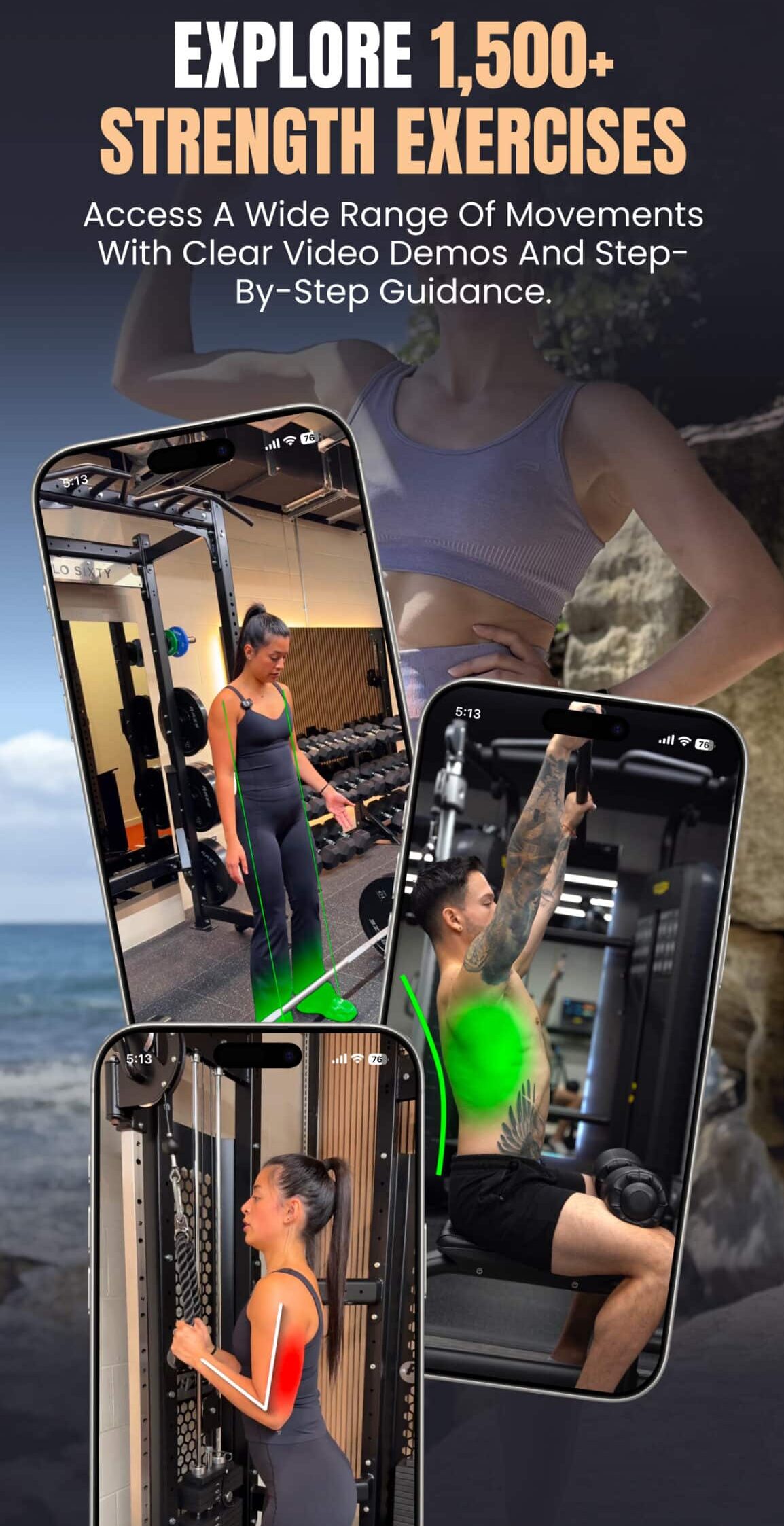
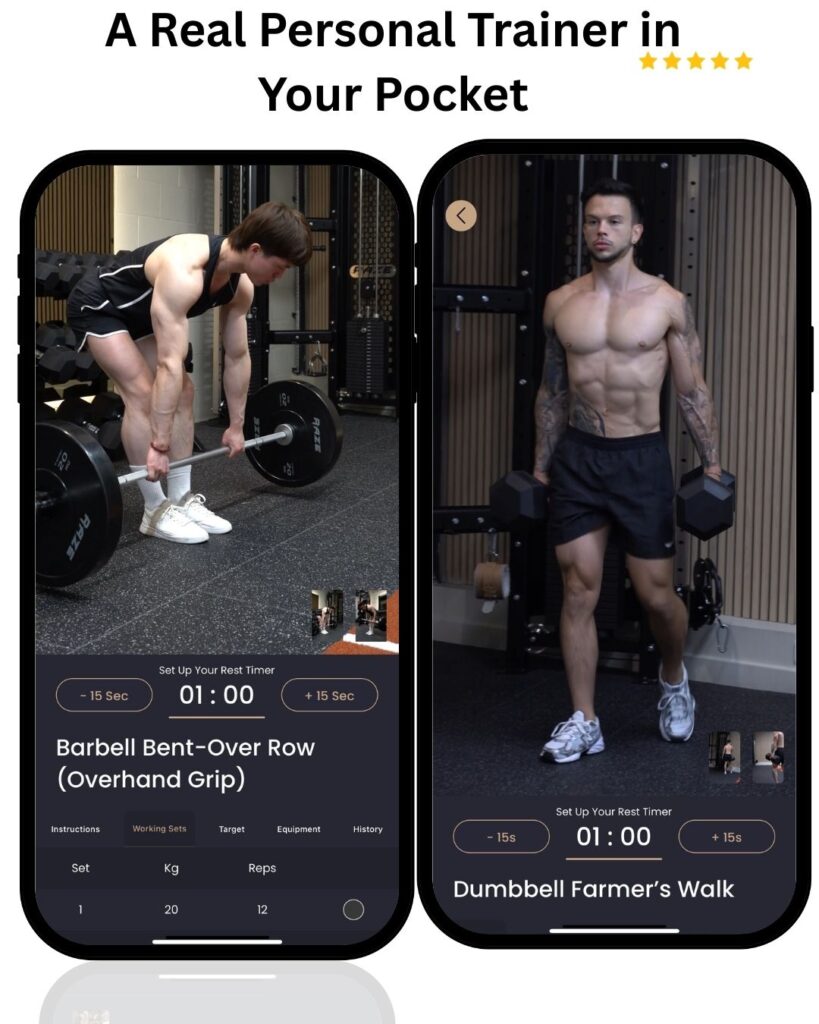
Video demonstrations for every exercise. When you are learning new movements, seeing exactly how they should be performed is invaluable. The app includes over 1,500 exercise demonstrations from certified trainers.
Structured programmes. Instead of guessing what to do, you follow a clear plan designed for progressive results. The programmes in the app are built by trainers who understand how to correct postural imbalances.
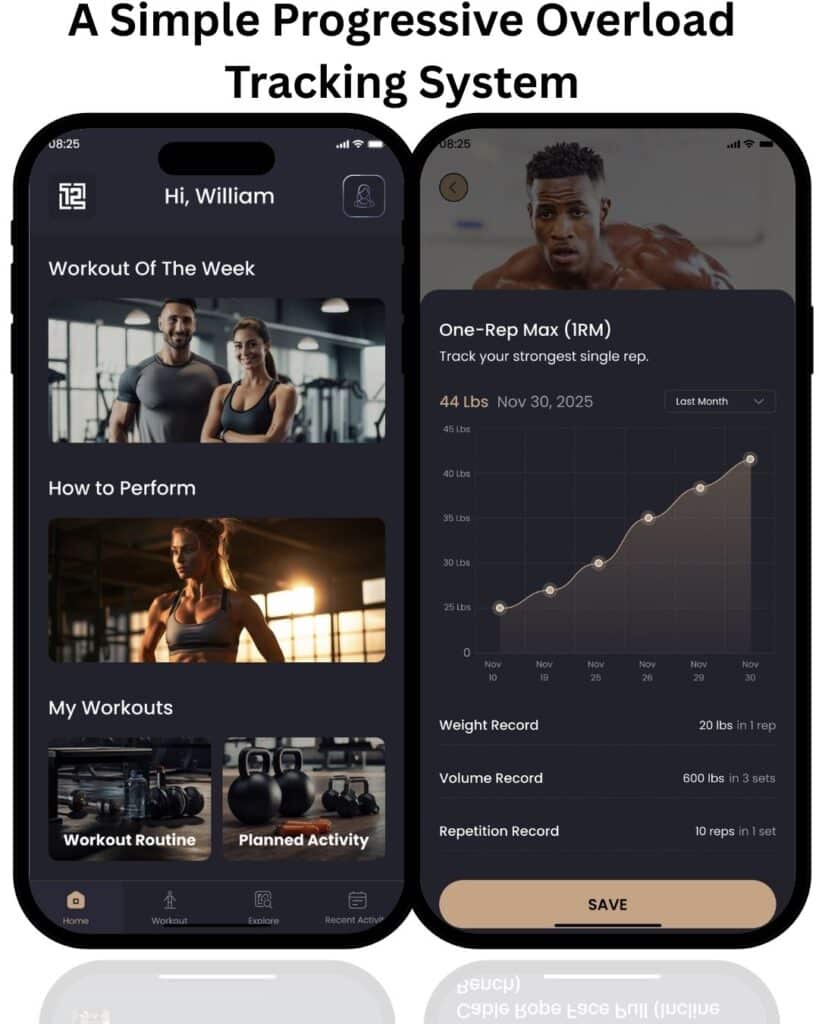
Progress tracking. Seeing your strength improve week over week is motivating. The app logs every workout so you can see exactly how far you have come.
Flexibility for any equipment. Whether you train at a fully equipped gym, a basic leisure centre, or at home with minimal equipment, the app adapts to what you have available.
Works offline. Perfect for training during lunch breaks when gym WiFi might be unreliable.
Your Body Was Not Designed to Sit
Here is the fundamental truth. Your body evolved to move. To walk, run, lift, carry, climb. Sitting in a chair staring at a screen for eight or more hours daily is deeply unnatural, and your body is telling you so through pain and dysfunction.
Strength training is not just about building muscle or looking better, although those are nice bonuses. For desk workers, it is about restoring your body to proper function. It is about being able to move without pain, stand without fatigue, and live without the constant background hum of discomfort that you have probably come to accept as normal.
That discomfort is not normal. It is your body asking for help. And the help it needs is stronger muscles, better movement patterns, and regular physical challenges that remind it what it was built for.
Download the 12REPS app and start your transformation today.
Frequently Asked Questions
Can I start strength training if I already have back pain?
In most cases, yes. Strength training is often recommended by physiotherapists for managing back pain. [6] However, if you have a diagnosed condition or severe pain, consult a healthcare professional first. Start with lighter weights and focus on form.
How quickly will my posture improve?
Most people notice improvements within four to six weeks of consistent training. However, changing ingrained postural habits takes time. Expect three to six months for significant, lasting changes.
Should I stretch before or after strength training?
Dynamic stretching and mobility work before training, static stretching after. The warm up should prepare your body for the movements you are about to perform, not make muscles loose and relaxed.
What if I can only train twice per week?
Twice per week is better than nothing. Combine elements from the three day programme into two fuller sessions. Prioritise the pulling exercises and glute work that address your specific imbalances.
Can I do this programme at home?
Yes, with basic equipment. A set of dumbbells, resistance bands, and something to use as a bench will allow you to perform most exercises. The 12REPS app can adapt programmes to your available equipment.
How do I know if an exercise is working the right muscles?
You should feel the target muscles working during the exercise. If you are doing rows but only feel your arms, your form needs adjustment. Use lighter weight and focus on squeezing the correct muscles. Video demonstrations in the 12REPS app show exactly where you should feel each exercise.
Related Articles on just12reps.com
| Article | Description | Link |
|---|---|---|
| Complete Beginner’s Guide to Strength Training | Start your training journey with proper fundamentals. | Read Article |
| The Science of Progressive Overload | Understand how to keep making progress week after week. | Read Article |
| Bodyweight Exercises for Strength Training at Home | Train effectively with no equipment. | Read Article |
| 3 Day Strength Training Split for Men | A proven programme for building muscle and strength. | Read Article |
| The Science Behind 12 Rep Training | Learn why this rep range is optimal for most people. | Read Article |
References
- British Heart Foundation. (2024). Sedentary Behaviour and Health. https://www.bhf.org.uk/informationsupport/heart-matters-magazine/activity/sitting
- Physiopedia. (2024). Gluteal Amnesia. https://www.physio-pedia.com/Gluteal_Amnesia
- Hansraj, K. K. (2014). Assessment of Stresses in the Cervical Spine Caused by Posture and Position of the Head. Surgical Technology International, 25, 277-279. https://pubmed.ncbi.nlm.nih.gov/25393825/
- Harvard Health Publishing. (2024). Strengthening Your Core. https://www.health.harvard.edu/healthbeat/strengthening-your-core
- American Council on Exercise. (2024). Benefits of Strength Training. https://www.acefitness.org/resources/everyone/blog/5107/benefits-of-strength-training/
- NHS. (2024). Back Pain at Work. https://www.nhs.uk/live-well/exercise/strength-and-flexibility-exercises/back-exercises-for-office-workers/
- Schoenfeld, B. J. et al. (2016). Effects of Resistance Training Frequency on Measures of Muscle Hypertrophy. Sports Medicine, 46(11), 1689-1697. https://pubmed.ncbi.nlm.nih.gov/27102172/
About the Author: Will Duru holds a BSc (Hons) in Sport and Exercise Science and is an award winning personal trainer with over 10 years of experience. Based in London, he has helped hundreds of desk bound professionals reclaim their bodies through structured, science based strength training. Will created the 12REPS app to make professional training guidance accessible to everyone.