

By Will Duru, BSc (Hons) Sport and Exercise Science, Award-winning Personal Trainer with over 10 years of experience in strength training
You have decided to start lifting weights. Now you face the most confusing question in fitness: how should you structure your training?
Full body three times per week? Upper body one day, lower the next? The popular push/pull/legs split everyone on social media uses?
The internet offers endless opinions. Fitness influencers insist their split is best. Forums argue endlessly about optimal training frequency. Everyone seems certain, yet nobody agrees.
Here is the truth: all three approaches work for beginners. But one is better suited to your specific situation than the others. This guide explains each split honestly, provides complete programmes for all three, and helps you choose the right one for your goals, schedule, and experience level.
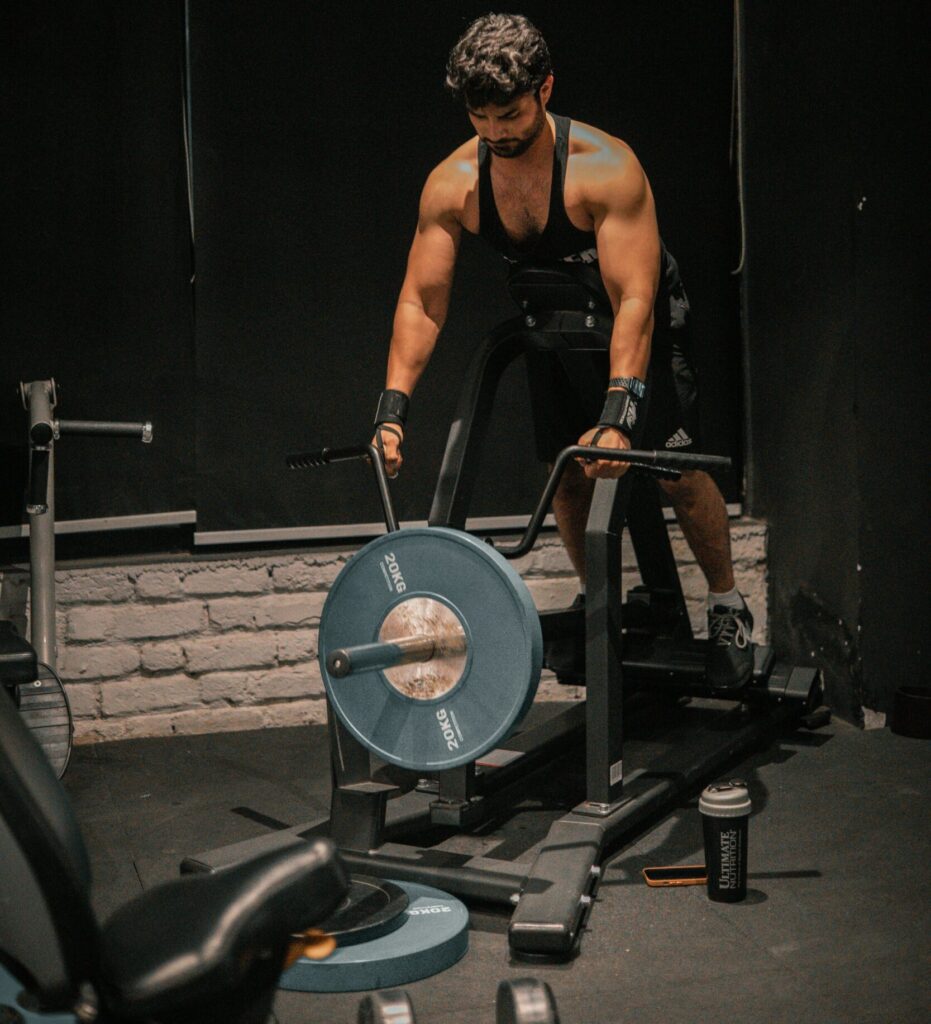
Understanding Workout Splits
A workout split is how you organise which muscles you train on which days. The three most common approaches for beginners are:
Full Body: Train all major muscle groups every session, typically 3 days per week.
Upper/Lower: Alternate between upper body and lower body sessions, typically 4 days per week.
Push/Pull/Legs (PPL): Separate sessions for pushing muscles (chest, shoulders, triceps), pulling muscles (back, biceps), and legs, typically 3 or 6 days per week.
Each approach distributes weekly training volume differently. The total work can be similar; the organisation varies.
Full Body Training for Beginners
How It Works
Full-body training means training every major muscle group in a single session. You perform compound exercises that hit multiple muscles, covering your entire body each workout.
Typical structure: 3 sessions per week on non-consecutive days (Monday, Wednesday, Friday).
Why Full Body Works for Beginners
Higher frequency per muscle. Training each muscle three times per week provides more practice with movement patterns. Beginners need repetition to develop technique.
Fewer sessions to schedule. Three gym visits per week is manageable for most people. Miss one session and you still trained twice.
Neurological adaptation. Beginners gain strength primarily through neural adaptations (learning to use existing muscle). Frequent practice accelerates this process.
Simplicity. One type of session to learn. No complex rotation to remember.
Research supported. Studies show higher frequency training produces equal or better results for beginners compared to lower frequency approaches.
Potential Drawbacks
Longer sessions. Training everything takes 60 to 75 minutes if you include adequate volume for each muscle group.
Fatigue accumulates. By exercise five or six, you are tired. Later exercises may suffer.
Less exercise variety. With limited time, you cannot include as many exercises per muscle group.

Sample Full Body Programme for Beginners
Schedule: Monday, Wednesday, Friday
Session A:
| Exercise | Sets | Reps | Rest | Target |
|---|---|---|---|---|
| Barbell Back Squat | 3 | 8, 8, 6 | 2-3 minutes | Quads, glutes |
| Barbell Bench Press | 3 | 8, 8, 6 | 2-3 minutes | Chest, triceps |
| Barbell Row | 3 | 8, 8, 8 | 2 minutes | Back, biceps |
| Dumbbell Romanian Deadlift | 3 | 10, 10, 8 | 90 seconds | Hamstrings, glutes |
| Dumbbell Shoulder Press | 2 | 10, 10 | 90 seconds | Shoulders |
| Plank | 2 | 30-45 seconds | 60 seconds | Core |
Session B:
| Exercise | Sets | Reps | Rest | Target |
|---|---|---|---|---|
| Trap Bar Deadlift | 3 | 6, 6, 6 | 2-3 minutes | Posterior chain |
| Dumbbell Bench Press | 3 | 10, 10, 8 | 2 minutes | Chest, triceps |
| Lat Pulldown | 3 | 10, 10, 8 | 2 minutes | Back, biceps |
| Leg Press | 3 | 12, 10, 10 | 2 minutes | Quads, glutes |
| Dumbbell Lateral Raise | 2 | 12, 12 | 60 seconds | Shoulders |
| Dead Bug | 2 | 10 each side | 60 seconds | Core |
Session C:
| Exercise | Sets | Reps | Rest | Target |
|---|---|---|---|---|
| Goblet Squat | 3 | 10, 10, 8 | 2 minutes | Quads, glutes |
| Incline Dumbbell Press | 3 | 10, 10, 8 | 2 minutes | Upper chest |
| Seated Cable Row | 3 | 10, 10, 8 | 2 minutes | Back |
| Dumbbell Lunge | 3 | 8 each leg | 90 seconds | Legs |
| Face Pull | 2 | 15, 12 | 60 seconds | Rear delts, posture |
| Bird Dog | 2 | 10 each side | 60 seconds | Core stability |
Weekly rotation: A, B, C, A, B, C…
Total time per session: 50 to 60 minutes
Upper/Lower Split for Beginners
How It Works
Upper/lower splits separate training into upper body days (chest, back, shoulders, arms) and lower body days (quads, hamstrings, glutes, calves). You alternate between the two.
Typical structure: 4 sessions per week (Upper, Lower, Rest, Upper, Lower, Rest, Rest).
Why Upper/Lower Works for Beginners
Balanced frequency. Each muscle group gets trained twice per week, which research shows is effective for muscle growth.
More volume per muscle. With dedicated sessions, you can include more exercises for each body part compared to full body.
Manageable session length. Upper and lower sessions typically run 45 to 60 minutes.
Good recovery. While you train upper body, lower body recovers completely, and vice versa.
Progression path. Upper/lower is a natural step up from full body when you want more volume.
Potential Drawbacks
Four sessions required. Some beginners struggle to commit to four gym visits weekly.
Slightly lower frequency. Twice per week per muscle is effective but less than three times offered by full body.
More complexity. Two session types to learn instead of one.
Sample Upper/Lower Programme for Beginners
Schedule: Monday (Upper), Tuesday (Lower), Thursday (Upper), Friday (Lower)
Upper A:
| Exercise | Sets | Reps | Rest | Target |
|---|---|---|---|---|
| Barbell Bench Press | 4 | 8, 8, 6, 6 | 2-3 minutes | Chest |
| Barbell Row | 4 | 8, 8, 8, 6 | 2 minutes | Back |
| Dumbbell Shoulder Press | 3 | 10, 10, 8 | 90 seconds | Shoulders |
| Lat Pulldown | 3 | 10, 10, 8 | 90 seconds | Lats |
| Tricep Pushdown | 2 | 12, 12 | 60 seconds | Triceps |
| Dumbbell Curl | 2 | 12, 12 | 60 seconds | Biceps |
Lower A:
| Exercise | Sets | Reps | Rest | Target |
|---|---|---|---|---|
| Barbell Back Squat | 4 | 8, 8, 6, 6 | 2-3 minutes | Quads, glutes |
| Romanian Deadlift | 4 | 10, 10, 8, 8 | 2 minutes | Hamstrings |
| Leg Press | 3 | 12, 10, 10 | 2 minutes | Quads |
| Leg Curl | 3 | 12, 12, 10 | 90 seconds | Hamstrings |
| Standing Calf Raise | 3 | 15, 12, 12 | 60 seconds | Calves |
| Plank | 2 | 45 seconds | 60 seconds | Core |
Upper B:
| Exercise | Sets | Reps | Rest | Target |
|---|---|---|---|---|
| Incline Dumbbell Press | 4 | 10, 10, 8, 8 | 2 minutes | Upper chest |
| Seated Cable Row | 4 | 10, 10, 8, 8 | 2 minutes | Back |
| Dumbbell Lateral Raise | 3 | 12, 12, 10 | 60 seconds | Side delts |
| Face Pull | 3 | 15, 12, 12 | 60 seconds | Rear delts |
| Overhead Tricep Extension | 2 | 12, 12 | 60 seconds | Triceps |
| Hammer Curl | 2 | 12, 12 | 60 seconds | Biceps |
Lower B:
| Exercise | Sets | Reps | Rest | Target |
|---|---|---|---|---|
| Trap Bar Deadlift | 4 | 6, 6, 6, 5 | 2-3 minutes | Posterior chain |
| Bulgarian Split Squat | 3 | 8 each leg | 90 seconds | Single leg |
| Hip Thrust | 3 | 12, 10, 10 | 90 seconds | Glutes |
| Leg Extension | 3 | 12, 12, 10 | 60 seconds | Quads |
| Seated Calf Raise | 3 | 15, 12, 12 | 60 seconds | Calves |
| Dead Bug | 2 | 10 each side | 60 seconds | Core |
Weekly rotation: Upper A, Lower A, Rest, Upper B, Lower B, Rest, Rest
Total time per session: 45 to 55 minutes
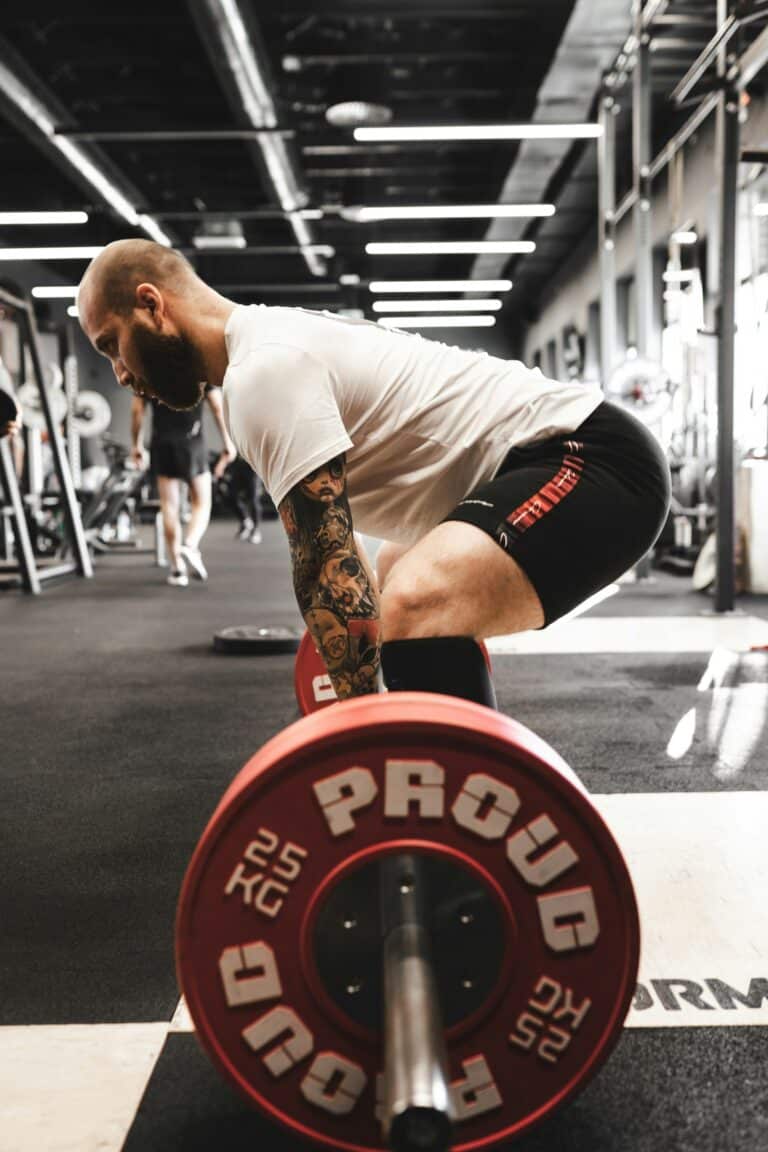
Push/Pull/Legs Split for Beginners
How It Works
Push/pull/legs divides training by movement pattern:
Push: Chest, shoulders, triceps (all pushing movements) Pull: Back, biceps, rear delts (all pulling movements) Legs:Quads, hamstrings, glutes, calves
Typical structure: 3 days per week (each once) or 6 days per week (each twice).
Why Push/Pull/Legs Works
Logical organisation. Muscles that work together are trained together. No overlap means complete recovery before training a muscle again.
Focused sessions. You can really hammer pushing muscles on push day without fatiguing them on other days.
Popular and proven. PPL has produced countless successful physique transformations.
Flexible frequency. Run it 3 days for maintenance or 6 days for maximum growth.
Potential Drawbacks for Beginners
Lower frequency at 3 days. Training each muscle once per week may be suboptimal for beginners who benefit from higher frequency.
High commitment at 6 days. Most beginners cannot sustain six sessions weekly. Life interrupts, motivation wavers, recovery suffers.
Leg day avoidance. Some beginners skip leg day, creating imbalances.
Potentially excessive for beginners. The volume in a typical PPL may exceed what beginners need to progress.
My Honest Opinion on PPL for Beginners
Push/pull/legs is extremely popular online, but it is not ideal for most beginners. Here is why:
At 3 days per week, you train each muscle only once weekly. Research consistently shows twice weekly produces better results, especially for beginners still developing neural pathways.
At 6 days per week, most beginners cannot maintain consistency. They start strong, then life happens. Missed sessions create guilt. The programme falls apart.
PPL works best for intermediate lifters who have built the training habit and can sustain six sessions weekly. Beginners are usually better served by full body or upper/lower.
That said, if you are committed to training six days and have the schedule to support it, PPL can work. Here is a beginner-appropriate version:
Sample Push/Pull/Legs Programme for Beginners
Schedule: Monday (Push), Tuesday (Pull), Wednesday (Legs), Thursday (Rest), Friday (Push), Saturday (Pull), Sunday (Legs) OR Monday (Push), Wednesday (Pull), Friday (Legs) for 3 day version.
Push Day:
Exercise | Sets | Reps | Rest | Target |
Barbell Bench Press | 4 | 8, 8, 6, 6 | 2-3 minutes | Chest |
Incline Dumbbell Press | 3 | 10, 10, 8 | 2 minutes | Upper chest |
Dumbbell Shoulder Press | 3 | 10, 10, 8 | 90 seconds | Shoulders |
Cable Fly | 2 | 12, 12 | 60 seconds | Chest isolation |
Lateral Raise | 3 | 12, 12, 10 | 60 seconds | Side delts |
Tricep Pushdown | 3 | 12, 12, 10 | 60 seconds | Triceps |
Overhead Tricep Extension | 2 | 12, 12 | 60 seconds | Triceps long head |
Pull Day:
Exercise | Sets | Reps | Rest | Target |
Barbell Row | 4 | 8, 8, 8, 6 | 2 minutes | Back thickness |
Lat Pulldown | 3 | 10, 10, 8 | 2 minutes | Lat width |
Seated Cable Row | 3 | 10, 10, 8 | 90 seconds | Mid back |
Face Pull | 3 | 15, 12, 12 | 60 seconds | Rear delts |
Barbell Curl | 3 | 10, 10, 10 | 60 seconds | Biceps |
Hammer Curl | 2 | 12, 12 | 60 seconds | Brachialis |
Leg Day:
Exercise | Sets | Reps | Rest | Target |
Barbell Back Squat | 4 | 8, 8, 6, 6 | 2-3 minutes | Quads, glutes |
Romanian Deadlift | 4 | 10, 10, 8, 8 | 2 minutes | Hamstrings |
Leg Press | 3 | 12, 10, 10 | 2 minutes | Quads |
Walking Lunge | 3 | 10 each leg | 90 seconds | Single leg |
Leg Curl | 3 | 12, 12, 10 | 60 seconds | Hamstrings |
Standing Calf Raise | 4 | 15, 12, 12, 10 | 60 seconds | Calves |
Total time per session: 50 to 60 minutes
Full Body vs Upper/Lower vs PPL: Direct Comparison
| Factor | Full Body | Upper/Lower | Push/Pull/Legs |
|---|---|---|---|
| Sessions per week | 3 | 4 | 3 or 6 |
| Frequency per muscle | 3x/week | 2x/week | 1-2x/week |
| Session length | 60-75 minutes | 45-55 minutes | 50-60 minutes |
| Weekly gym time | 3-3.75 hours | 3-3.5 hours | 2.5-6 hours |
| Complexity | Low | Medium | Medium |
| Best for beginners | Excellent | Good | Depends |
| Volume per session | Moderate | High | High |
| Recovery demands | Moderate | Moderate | High at 6 days |
| Flexibility | High | Medium | Low at 6 days |
What the Research Says
Studies on training frequency provide useful guidance:
Schoenfeld et al. (2016) found that training muscles twice per week produced greater muscle growth than once per week. This favours full-body and upper/lower over a 3-day PPL.
Grgic et al. (2018) found that training frequency of 2 to 3 times per week per muscle maximises strength gains. Again, full body and upper/lower meet this threshold.
For beginners specifically, higher frequency allows more practice of movement patterns, accelerating technique development and neural adaptations.
The research does not declare a winner. It suggests that frequency of at least twice per week per muscle is beneficial. Full body at 3 days, upper/lower at 4 days, and PPL at 6 days all achieve this.

Which Split Should You Choose?
Choose Full Body If:
- You are a complete beginner (first 6 to 12 months)
- You can only commit to 3 gym sessions weekly
- You want maximum simplicity
- Your schedule is unpredictable
- You are returning to training after a long break
- You value movement practice over volume
My recommendation: Start here. Most beginners should use full-body training for their first 6 to 12 months.
Choose Upper/Lower If:
- You can commit to 4 sessions weekly consistently
- You have been training full body for 6+ months and want more volume
- You want dedicated arm and isolation work
- You enjoy slightly longer, more focused sessions
- Your schedule reliably allows four gym visits
My recommendation: Progress to upper/lower after establishing the training habit with full body.
Choose Push/Pull/Legs If:
- You can truly commit to 6 sessions weekly (be honest)
- You have been training consistently for 12+ months
- You want maximum volume and specialisation
- Training is a priority in your life, not just an addition
- You recover well and can handle high frequency
My recommendation: Save PPL for when you are intermediate. If you insist on starting with it, use the 6 day version and be prepared to drop back if consistency suffers.
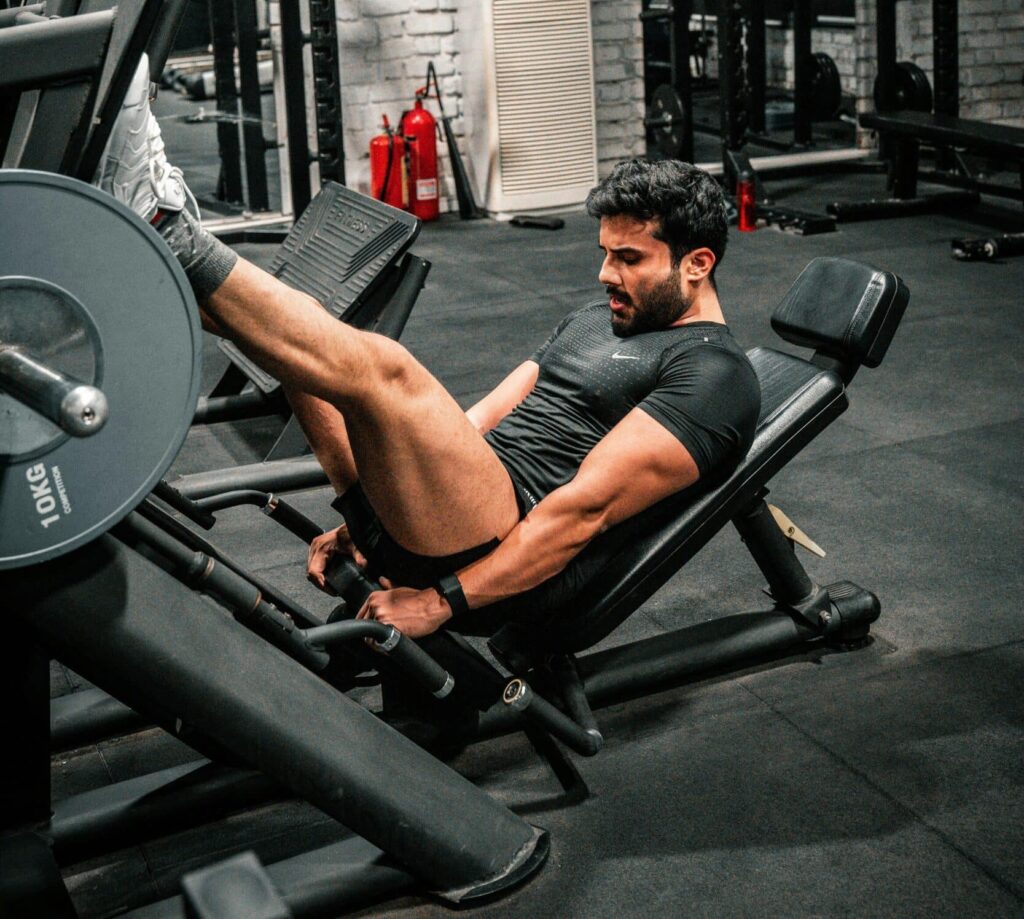
The Progression Path
Here is how I typically progress beginners through splits:
Months 1 to 6: Full body, 3 days per week
Focus on learning compound movements, building the training habit, and developing baseline strength. This is the foundation phase.
Months 6 to 12: Upper/lower, 4 days per week
Add more volume and exercise variety. Develop individual muscle groups further. Solidify the habit of regular training.
Year 2 and beyond: PPL or other advanced splits
If you want maximum muscle development and can sustain 5 to 6 training days, progress to PPL or specialised programmes.
Important: There is nothing wrong with staying on full body or upper/lower indefinitely. Many experienced lifters use these splits successfully for years. Progress is not about complexity; it is about results.
Common Beginner Questions
Can I build muscle with only 3 days per week?
Absolutely. Research shows beginners can build significant muscle training 3 days weekly. Consistency and progressive overload matter more than session frequency.
Is PPL bad for beginners?
Not bad, but often suboptimal. At 3 days, frequency is too low. At 6 days, most beginners cannot sustain consistency. Full body or upper/lower typically produces better results for new lifters.
How do I know when to change splits?
Change when: you stop progressing despite good effort, you want more volume that does not fit your current split, or your schedule changes. Do not change because you are bored or saw a new programme online.
Can I mix approaches?
Yes. Some people use full body twice per week plus one PPL style session (legs day, for example). Hybrid approaches work if the total volume and frequency remain appropriate.
What about bro splits (chest day, back day, etc.)?
Traditional body part splits that train each muscle once weekly are generally inferior for beginners. The research strongly favours higher frequency. Avoid bro splits until you are advanced, if ever.
Tracking Your Progress
Whatever split you choose, track your workouts.
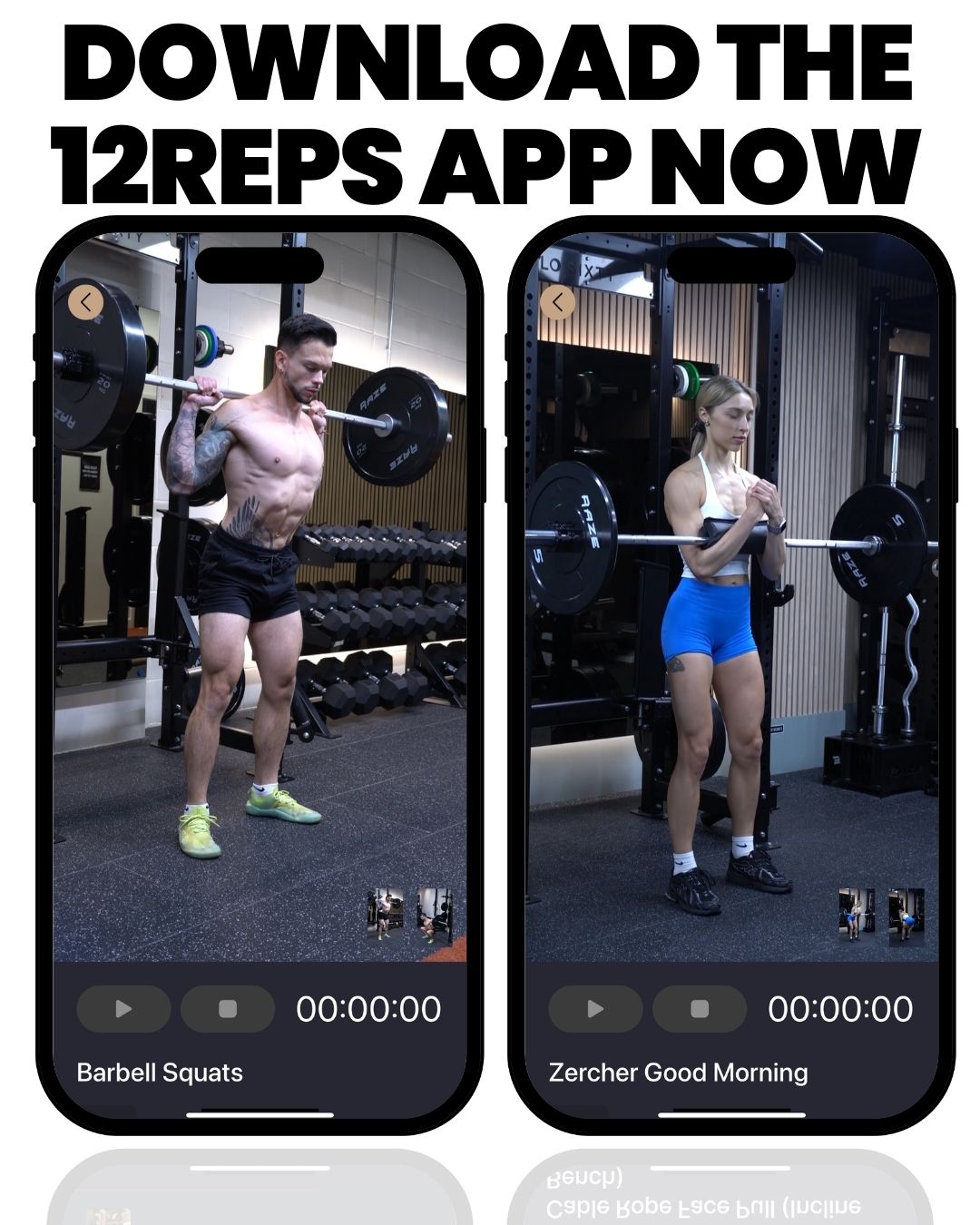
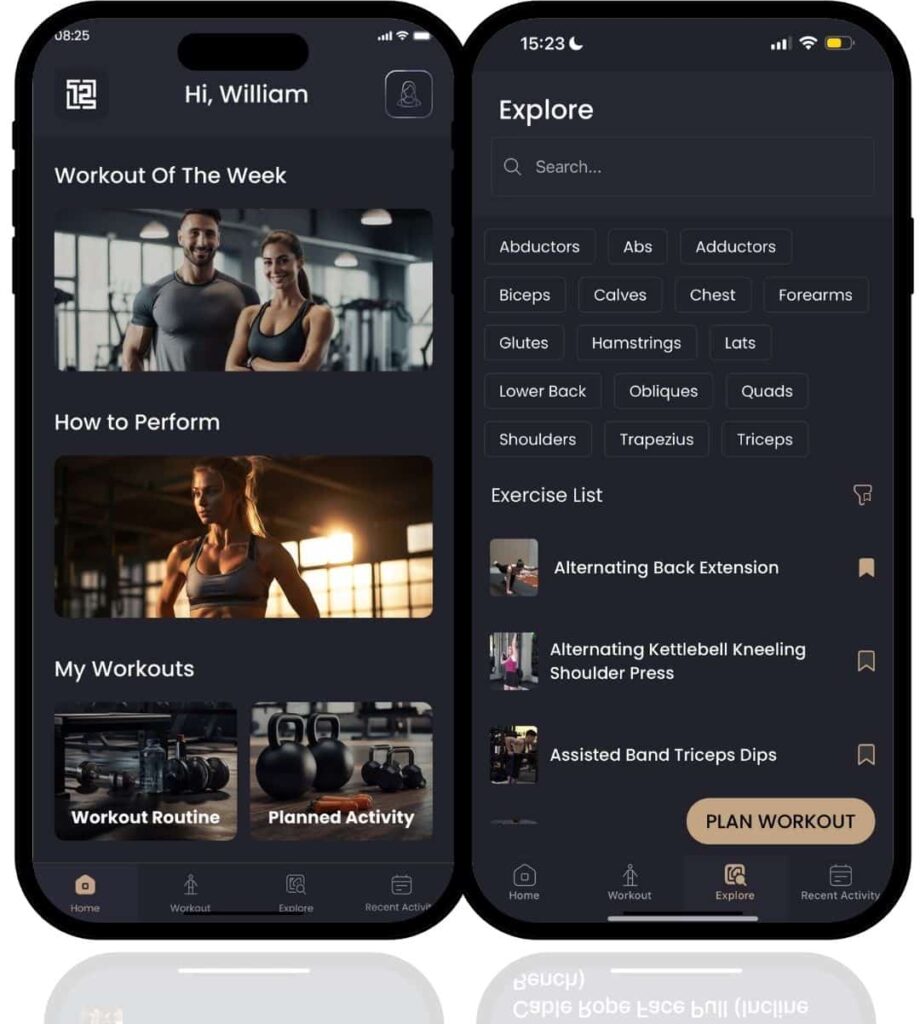
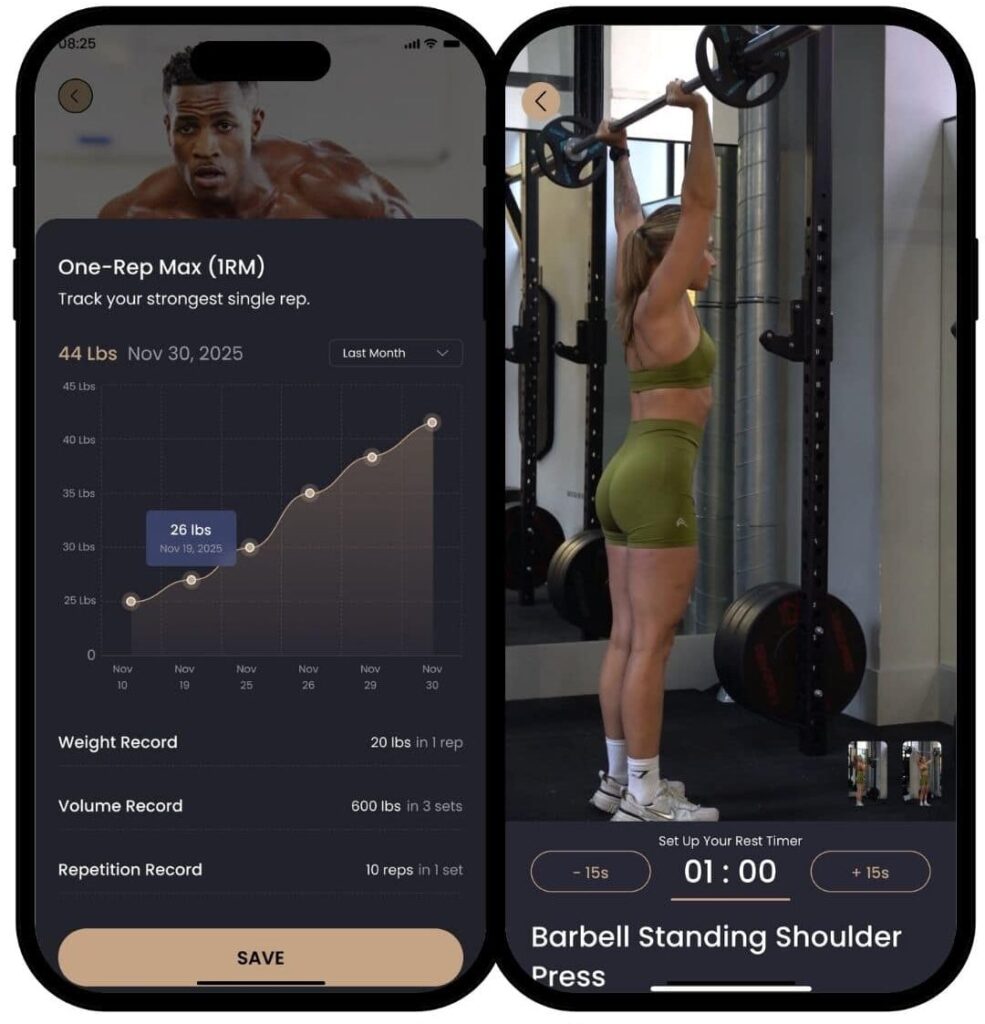
The 12REPS app provides:
- Programmes for all split types including full body, upper/lower, and PPL
- Video demonstrations for every exercise
- Progress tracking showing weights and reps over time
- Workout logging so you know exactly what to do
- Flexible scheduling that adapts to your available training days
Write down every weight and rep. Progressive overload requires knowing what you did last time.
Making Your Decision
Stop overthinking. The best split is the one you will actually follow consistently.
If you are a true beginner, start with full-body. It is simple, effective, and research-supported. Train three days per week for six months. Build the habit. Learn the movements. Get stronger.
After establishing that foundation, evaluate whether you want more. f yes, progress to upper/lower. If you are happy and still progressing, stay with full-body.
PPL can wait until you are truly ready for high volume, high frequency training.
Download the 12REPS app and start with a beginner programme designed for your schedule and goals.
Frequently Asked Questions
How long should I stay on each split?
Full body: 6 to 12 months minimum. Upper/lower: as long as you continue progressing (potentially years). PPL: when you are intermediate and can sustain 6 days.
Is full body 3 days enough to build muscle?
Yes. Beginners can build substantial muscle on 3 days per week. The key is progressive overload and consistency, not more sessions.
Can I do upper/lower 3 days per week instead of 4?
You can, but frequency drops. Running upper, lower, upper one week and lower, upper, lower the next maintains balance with 3 days.
Why do so many people recommend PPL?
PPL is popular online because it suits intermediate and advanced lifters who create content. It is not necessarily best for beginners consuming that content.
What if I can only train 2 days per week?
Two full body sessions can still produce results. It is not optimal, but far better than nothing. Focus on compound movements and progressive overload.
Should I do the same exercises every session?
With full body, rotating between two or three sessions (A, B, C) provides variety while maintaining movement practice. Upper/lower and PPL naturally provide variety.
References
- Schoenfeld, B.J. et al. (2016). Effects of Resistance Training Frequency on Measures of Muscle Hypertrophy. Sports Medicine. https://pubmed.ncbi.nlm.nih.gov/27102172/
- Grgic, J. et al. (2018). Effect of Resistance Training Frequency on Gains in Muscular Strength. Sports Medicine. https://pubmed.ncbi.nlm.nih.gov/29470825/
- Schoenfeld, B.J. et al. (2017). Dose-response relationship between weekly resistance training volume and increases in muscle mass. International Journal of Sports Nutrition and Exercise Metabolism. https://pubmed.ncbi.nlm.nih.gov/28834797/
- Ralston, G.W. et al. (2017). The Effect of Weekly Set Volume on Strength Gain. Sports Medicine. https://pubmed.ncbi.nlm.nih.gov/28755103/
Related Articles on just12reps.com
Article | Description | Link |
3 Day vs 5 Day Workout Split | Comparing training frequency options. | |
Complete Beginner’s Guide to Strength Training | Fundamentals for new lifters. | |
Best Workout Split for Natural Lifters | Optimising training for natural athletes. | |
The Science of Progressive Overload | The principle that drives all progress. | |
3 Day Strength Training Split for Men | Complete 3 day programme. |
About the Author: Will Duru holds a BSc (Hons) in Sport and Exercise Science and is an award-winning personal trainer with over 10 years of experience. He has guided hundreds of beginners through their first years of training, helping them choose and progress through appropriate workout splits. Will created the 12REPS app to provide structured programmes for every training level and schedule.