

By Will Duru, BSc (Hons) Sport and Exercise Science, Award-winning Personal Trainer with over 10 years of experience in strength training
Strength or size. Power or muscle. Heavy weights for few reps or moderate weights for many reps.
This is one of the most common questions I get from clients. Should I train for strength or train for hypertrophy? What is the difference? Which one is better?
After a decade of training clients with every goal imaginable, here is my honest view: most people overthink this. Both approaches build muscle. Both make you stronger. The differences matter less than consistency and progressive overload.
But the differences do exist. And understanding them helps you train smarter.
This guide breaks down the benefits of strength training versus hypertrophy training, explains the science behind each, and helps you choose the right approach for your goals. I will also share what I have learned from training hundreds of clients through both styles.

What Is Strength Training?
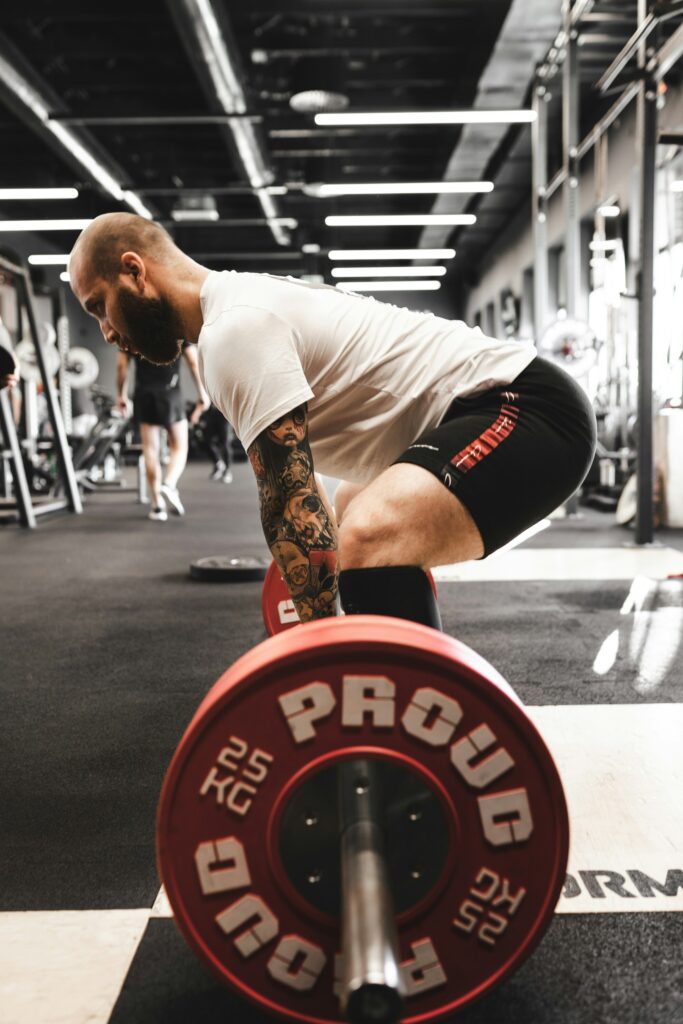
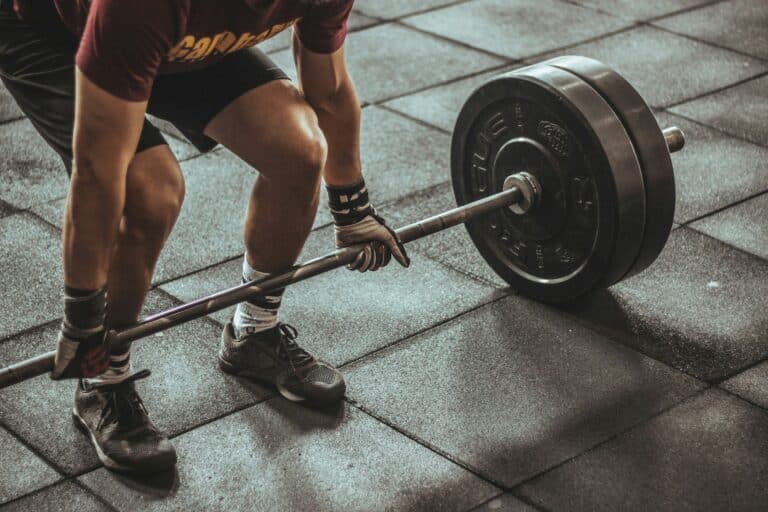
Strength training focuses on increasing your ability to produce maximum force. The goal is to lift heavier weights, regardless of how much muscle you build in the process.
Typical characteristics:
- Heavy weights (80 to 95 percent of your one rep max)
- Low reps (1 to 6 reps per set)
- Longer rest periods (3 to 5 minutes between sets)
- Focus on compound movements (squat, bench, deadlift, overhead press)
- Lower total volume (fewer sets per session)
- Emphasis on progressive overload through weight increases
When you train for strength, you are teaching your nervous system to recruit more muscle fibres and coordinate them more efficiently. You become better at producing force, even if your muscles do not grow significantly larger.
What Is Hypertrophy Training?
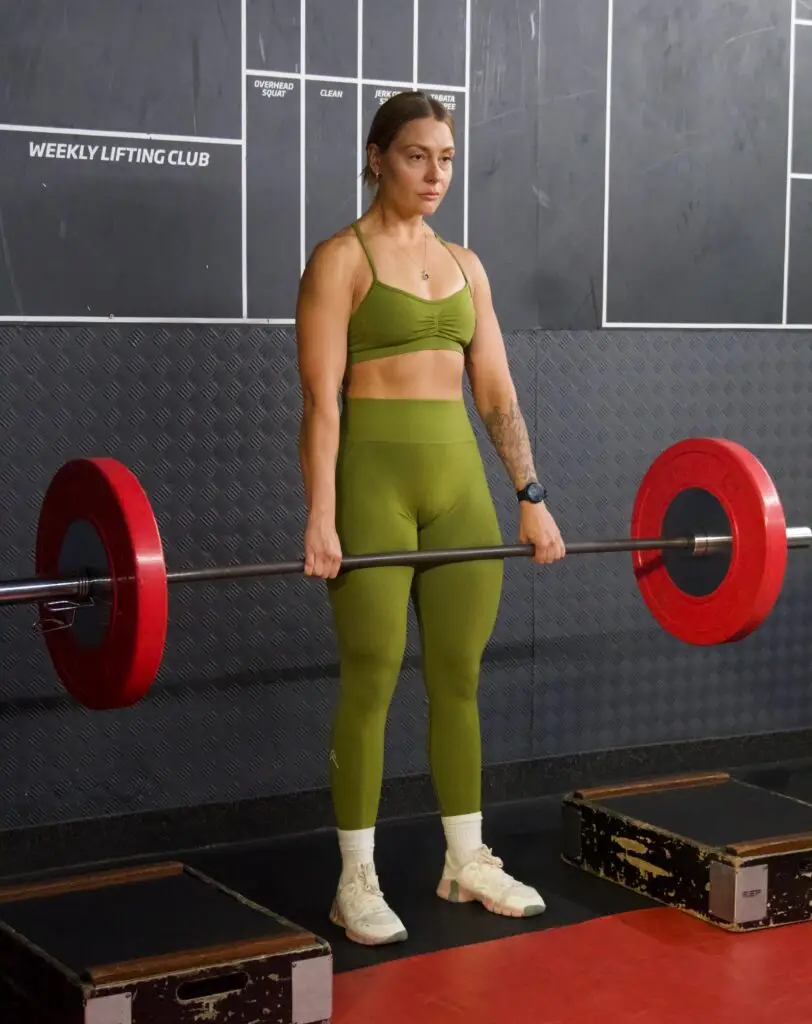
Hypertrophy training focuses on increasing muscle size. The goal is to build bigger muscles, regardless of how much your maximum strength improves.
Typical characteristics:
- Moderate weights (60 to 80 percent of your one rep max)
- Higher reps (8 to 15 reps per set)
- Shorter rest periods (60 to 90 seconds between sets)
- Mix of compound and isolation exercises
- Higher total volume (more sets per session)
- Emphasis on progressive overload through volume and weight
When you train for hypertrophy, you are creating metabolic stress and mechanical tension that stimulates muscle growth. Your muscles get bigger, which eventually allows you to lift heavier weights, but maximum strength is not the primary focus.
The Key Differences
Factor | Strength Training | Hypertrophy Training |
Primary goal | Lift heavier weights | Build bigger muscles |
Rep range | 1 to 6 reps | 8 to 15 reps |
Weight used | 80 to 95% of 1RM | 60 to 80% of 1RM |
Rest periods | 3 to 5 minutes | 60 to 90 seconds |
Volume | Lower (fewer sets) | Higher (more sets) |
Exercise focus | Compound movements | Compound and isolation |
Session length | Often shorter | Often longer |
Nervous system demand | Very high | Moderate |
Metabolic stress | Lower | Higher |
Benefits of Strength Training
1. Maximum Force Production
Strength training makes you as strong as possible for your current muscle mass. You learn to use every fibre you have more efficiently.
This matters for sports, for daily life, and for any situation where you need to produce maximum effort. Lifting a heavy object, sprinting, jumping, pushing a car. Strength training prepares you for these demands.
2. Efficient Use of Time
Because strength training uses fewer sets and longer rest periods, individual sessions can be shorter. You might do only 15 to 20 working sets in a strength session compared to 25 to 30 in a hypertrophy session.
For busy people, this efficiency matters. You get significant benefits from relatively brief training sessions.
3. Improved Bone Density
Heavy loading stimulates bone formation more effectively than lighter weights. The mechanical stress signals your bones to strengthen.
This is particularly important as you age. Strong bones reduce fracture risk and protect long term health.
4. Neural Adaptations
Strength training improves the connection between your brain and muscles. You become better at activating muscle fibres, coordinating movements, and producing force quickly.
These neural adaptations transfer to many activities beyond the gym.
5. Foundation for Other Goals
Getting stronger makes everything else easier. When you can squat 100kg, training with 60kg for hypertrophy feels manageable. When you can bench 80kg, doing sets of 10 at 50kg is straightforward.
Strength provides a foundation that makes hypertrophy training more effective
My Experience as a Trainer
I have seen clients transform their training by focusing on strength first. One client, Marcus, spent his first year with me building a strength base. He went from struggling with 40kg squats to hitting 120kg. When we shifted to higher rep training, he was using weights that would have been impossible before.
Strength training also teaches discipline. The focus required to lift near maximum weights builds mental toughness that transfers to everything else.

Benefits of Hypertrophy Training
1. Maximum Muscle Growth
If your goal is to build as much muscle as possible, hypertrophy training is more efficient. The higher volume creates more total stimulus for muscle growth.
Research consistently shows that higher training volumes produce more muscle growth, up to a point. Hypertrophy training maximises this volume.
2. Improved Body Composition
More muscle means higher metabolism. Every kilogram of muscle burns more calories at rest than a kilogram of fat. Building muscle through hypertrophy training improves your body composition even without aggressive dieting.
3. Better Muscle Definition
Hypertrophy training builds muscle size, which creates the definition and shape that most people want. You cannot see muscle detail if the muscle is not big enough to show.
4. Joint Friendly Training
The lighter weights used in hypertrophy training put less stress on joints. You can train hard without the joint strain that comes from constantly lifting near maximum weights.
For people with joint issues or those recovering from injury, hypertrophy training allows effective muscle building with reduced risk.
5. Metabolic Conditioning
The shorter rest periods in hypertrophy training keep your heart rate elevated. You get some cardiovascular benefit alongside muscle building.
This is not a replacement for dedicated cardio, but it adds a conditioning element that pure strength training lacks.
6. The Pump
Hypertrophy training creates the pump, that feeling of blood rushing into your muscles during training. Beyond feeling good, research suggests this metabolic stress contributes to muscle growth.
My Experience as a Trainer
Many of my clients come to me wanting to look better. They want defined arms, visible abs, sculpted shoulders. For these clients, hypertrophy training delivers faster visible results.
I trained a client named Sarah who had been doing heavy strength training for two years. She was strong but frustrated that her physique had not changed much. We shifted to hypertrophy focused training with higher volume and shorter rest periods. Within three months, she saw more visual change than in the previous two years.
Hypertrophy training is also more forgiving. Missing a rep at 70 percent of your max is no big deal. Missing a rep at 95 percent can be dangerous. For clients who train alone or have less experience, hypertrophy training provides a larger margin for error.
The Truth: They Overlap Significantly
Here is what most articles do not tell you. Strength training builds muscle. Hypertrophy training builds strength. The distinction is not as sharp as people think.
When you get stronger, you can lift more weight for any rep range. This means more stimulus for muscle growth.
When you build more muscle, you have more contractile tissue to produce force. This means greater strength potential.
Research shows that both approaches produce both outcomes. The difference is in degree, not kind.
A study comparing strength focused and hypertrophy focused training found that both groups gained muscle and strength. The strength group gained slightly more strength. The hypertrophy group gained slightly more muscle. But both groups improved on both measures.
This is why I tell clients not to stress about choosing perfectly. Either approach will move you towards both goals.
How to Choose: My Recommendations
After training hundreds of clients, here is how I guide the decision.
Choose Strength Training If:
You are a complete beginner. Learning to lift heavy with good form builds a foundation for everything else. Start with strength, add hypertrophy later.
You have limited time. Strength training delivers significant benefits in shorter sessions. Three 45 minute sessions per week can produce excellent results.
You play sports that require power. Athletes benefit from maximum force production. Strength transfers directly to sprinting, jumping, throwing, and tackling.
You want to lift impressive weights. If your goal is to squat double bodyweight or bench 100kg, strength training is the direct path.
You get bored with high rep sets. Some people hate doing sets of 15. If you prefer lifting heavy for fewer reps, strength training will be more sustainable.
Choose Hypertrophy Training If:
Your primary goal is appearance. If you want to look more muscular, hypertrophy training produces faster visible results.
You have joint issues. The lighter weights in hypertrophy training are easier on joints while still building muscle effectively.
You enjoy longer workouts with variety. Hypertrophy training includes more exercises and more sets. If you like spending time in the gym, this approach fits.
You want the metabolic benefits. The shorter rest periods and higher volume create more metabolic stress, burning more calories during sessions.
You have hit a strength plateau. Sometimes building more muscle through hypertrophy training breaks strength plateaus by increasing your muscle mass base.
The Best Approach: Periodisation
In my experience, the best long term approach is not choosing one forever. It is cycling between them.
Periodisation means systematically varying your training over time. You might spend eight to twelve weeks focused on strength, then eight to twelve weeks focused on hypertrophy, then repeat.
This provides several benefits:
- Prevents plateaus by constantly varying the stimulus
- Develops both strength and muscle size over time
- Keeps training interesting and mentally fresh
- Allows recovery from the specific demands of each style
I use this approach with most of my clients. We build strength phases and hypertrophy phases into their yearly plan. They end up both stronger and more muscular than if they had stuck with one approach exclusively.

A Practical Example: 12 Week Periodised Block
Here is how I might structure a 12 week training block that includes both approaches.
Weeks 1 to 4: Strength Phase
| Day | Focus | Rep Range | Rest |
|---|---|---|---|
| Monday | Lower Body Strength | 4 to 6 reps | 3 to 4 minutes |
| Wednesday | Upper Body Strength | 4 to 6 reps | 3 to 4 minutes |
| Friday | Full Body Strength | 4 to 6 reps | 3 to 4 minutes |
Goal: Increase weights on main lifts. Build neural efficiency.
Weeks 5 to 8: Hypertrophy Phase
| Day | Focus | Rep Range | Rest |
|---|---|---|---|
| Monday | Lower Body Hypertrophy | 8 to 12 reps | 60 to 90 seconds |
| Tuesday | Upper Body Push | 8 to 12 reps | 60 to 90 seconds |
| Thursday | Lower Body Hypertrophy | 8 to 12 reps | 60 to 90 seconds |
| Friday | Upper Body Pull | 8 to 12 reps | 60 to 90 seconds |
Goal: Increase volume. Build muscle size. Use the strength gained in weeks 1 to 4 to lift heavier in higher rep ranges.
Weeks 9 to 12: Combination Phase
| Day | Focus | Rep Range | Rest |
|---|---|---|---|
| Monday | Lower Body (heavy compounds, moderate accessories) | 5 to 8 main, 10 to 12 accessories | Mixed |
| Wednesday | Upper Body (heavy compounds, moderate accessories) | 5 to 8 main, 10 to 12 accessories | Mixed |
| Friday | Full Body (moderate everything) | 8 to 10 reps | 90 seconds |
Goal: Maintain strength while continuing muscle growth. Prepare for next strength phase.
This structure ensures you develop both qualities over time rather than neglecting one.
Sample Workouts
Strength Focused Lower Body Session
| Exercise | Sets | Reps | Rest |
|---|---|---|---|
| Barbell Back Squat | 5 | 5 | 4 minutes |
| Romanian Deadlift | 4 | 5 | 3 minutes |
| Barbell Hip Thrust | 4 | 6 | 3 minutes |
| Walking Lunge | 3 | 6 each leg | 2 minutes |
Total working sets: 16 Session time: 50 to 60 minutes
Hypertrophy Focused Lower Body Session
| Exercise | Sets | Reps | Rest |
|---|---|---|---|
| Leg Press | 4 | 12, 10, 10, 8 | 90 seconds |
| Romanian Deadlift | 3 | 10, 10, 8 | 90 seconds |
| Hack Squat | 3 | 12, 10, 10 | 90 seconds |
| Leg Extension | 3 | 15, 12, 12 | 60 seconds |
| Leg Curl | 3 | 12, 12, 10 | 60 seconds |
| Hip Thrust | 3 | 12, 10, 10 | 60 seconds |
| Standing Calf Raise | 4 | 15, 15, 12, 12 | 45 seconds |
Total working sets: 23 Session time: 60 to 75 minutes
Notice the difference. Strength training has fewer exercises, fewer sets, longer rest. Hypertrophy training has more exercises, more sets, shorter rest.
Tracking Both Approaches
Regardless of which approach you choose, tracking is essential.
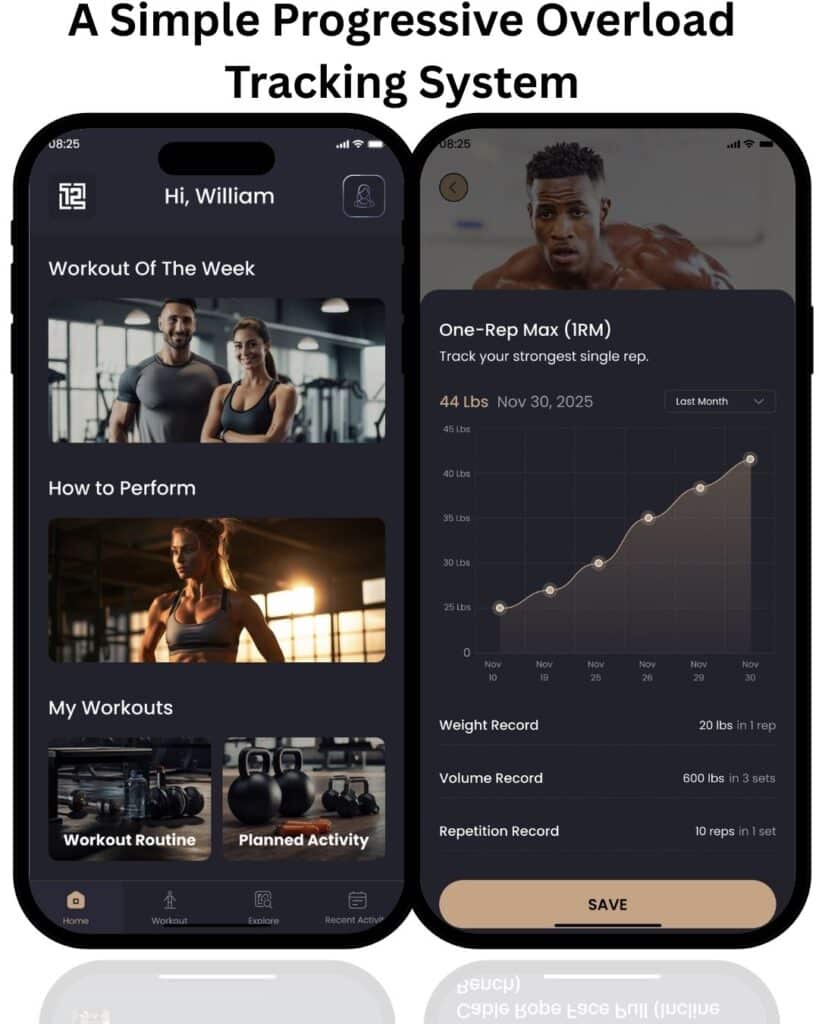
For strength training, track your one rep max estimates and your working weights. The goal is to see these numbers increase over time.
For hypertrophy training, track total volume (sets x reps x weight). The goal is to see volume increase over time, either through more weight or more reps.
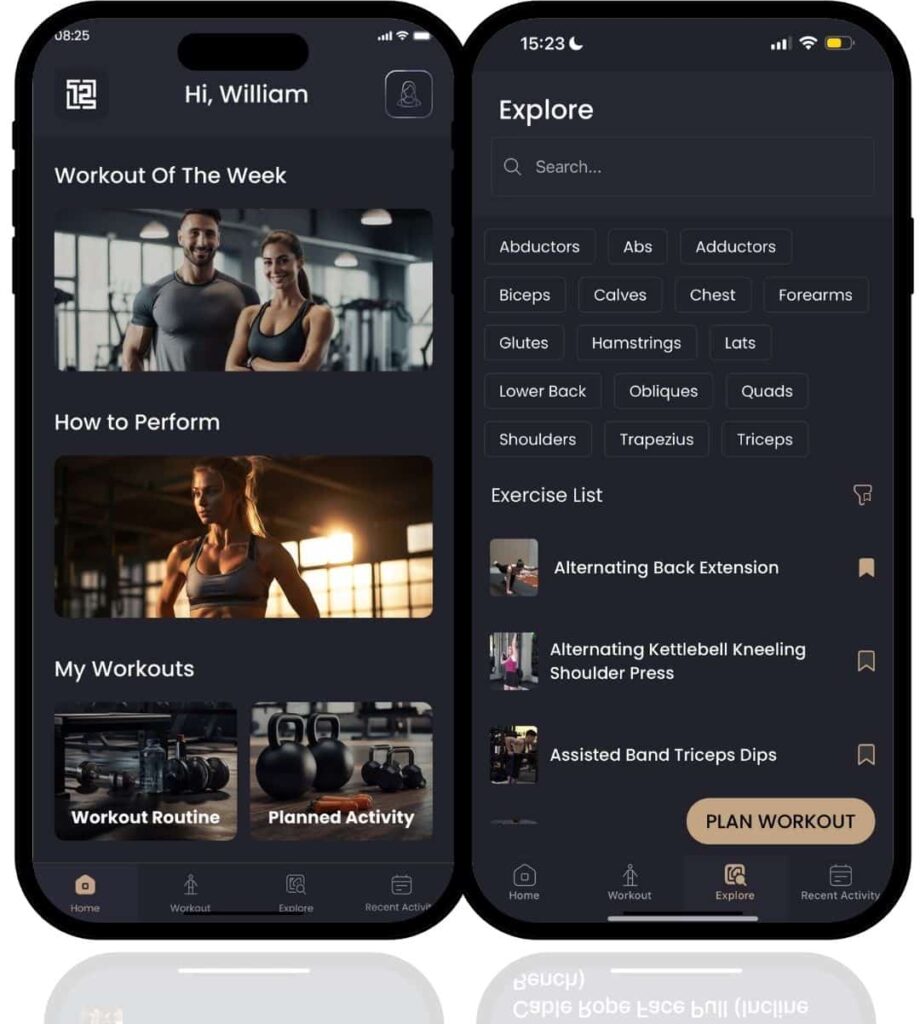
The 12REPS app tracks both automatically. You can see your strength progression through estimated maxes and your volume progression through weekly totals. This data helps you understand what is working and when to adjust.
Common Mistakes
Mistake 1: Never Lifting Heavy
Some people stay in the 10 to 15 rep range forever because it feels safer. They never experience the neural adaptations that come from heavy lifting. Over time, their progress stalls because their nervous system never learns to recruit muscle efficiently.
Include some heavy work, even if hypertrophy is your focus.
Mistake 2: Never Training Volume
Some people only lift heavy singles, doubles, and triples. They never accumulate the volume needed for maximum muscle growth. They get strong but never build the muscle mass they want.
Include some higher rep work, even if strength is your focus.
Mistake 3: Changing Too Often
Jumping between strength and hypertrophy every week does not allow adaptation to either. Your body needs consistent stimulus for several weeks to adapt.
Stick with a focus for at least four to eight weeks before changing.
Mistake 4: Ignoring Progressive Overload
Both strength and hypertrophy require progressive overload. If you lift the same weights for the same reps indefinitely, you will not improve regardless of your rep range.
Always aim to do more than last time, whether that means more weight, more reps, or more sets.
My Final View as a Trainer
After ten years of training clients, here is my honest perspective.
Most people should not worry about this distinction as much as they do. If you train consistently, eat enough protein, and progressively overload your muscles, you will get stronger and build muscle. The specific rep range matters far less than showing up and working hard.
That said, if you want to optimise, periodise. Spend time in both strength and hypertrophy phases. Develop both qualities. Become both strong and muscular.
And remember that the best programme is the one you actually follow. If you hate high rep training, do more strength work. If you hate grinding out heavy singles, do more hypertrophy work. Sustainability beats optimisation every time.
Download the 12REPS app to track your training regardless of your approach. The app supports both strength and hypertrophy focused programmes with video demonstrations, progress tracking, and intelligent programming.
Frequently Asked Questions
Can I build muscle with strength training?
Yes. Strength training builds muscle, just potentially less efficiently than hypertrophy training. Many people build impressive physiques training primarily in the 4 to 6 rep range.
Can I get stronger with hypertrophy training?
Yes. Building more muscle increases your strength potential. Many people see their maxes increase during hypertrophy phases even though they are not training heavy.
How do I know which approach is working?
Track your progress. For strength, watch your maxes increase. For hypertrophy, watch your measurements and photos change. The data tells you what is working.
Should beginners focus on strength or hypertrophy?
I recommend strength first for most beginners. Learning to lift heavy with good form builds a foundation. After six to twelve months, adding hypertrophy work makes sense.
Can I do both in the same workout?
Yes. You can start with heavy compound movements (strength) and finish with lighter isolation movements (hypertrophy). This is a common and effective approach.
How often should I switch between approaches?
Every four to twelve weeks is typical. Some people prefer longer phases of eight to twelve weeks. Others prefer shorter phases of four to six weeks. Experiment to find what works for you.
References
- Schoenfeld, B.J. et al. (2017). Strength and Hypertrophy Adaptations Between Low- vs. High-Load Resistance Training. Journal of Strength and Conditioning Research. https://pubmed.ncbi.nlm.nih.gov/27941492/
- Schoenfeld, B.J. et al. (2016). Effects of Resistance Training Frequency on Measures of Muscle Hypertrophy. Sports Medicine. https://pubmed.ncbi.nlm.nih.gov/27102172/
- Mangine, G.T. et al. (2015). The effect of training volume and intensity on improvements in muscular strength and size in resistance-trained men. Physiological Reports. https://pubmed.ncbi.nlm.nih.gov/26272733/
- Kraemer, W.J. & Ratamess, N.A. (2004). Fundamentals of resistance training: progression and exercise prescription. Medicine and Science in Sports and Exercise. https://pubmed.ncbi.nlm.nih.gov/15076791/
Related Articles on just12reps.com
Article | Description | Link |
The Science of Progressive Overload | Understand the principle that drives all progress. | |
Complete Beginner’s Guide to Strength Training | Start your journey with proper fundamentals. | |
The Science Behind 12 Rep Training | Learn why moderate rep ranges build muscle effectively. | |
Arnold 5 Day Workout Programme | A high volume approach to building muscle. | |
3 Day Strength Training Split for Men | A strength focused programme for building power. |
About the Author: Will Duru holds a BSc (Hons) in Sport and Exercise Science and is an award-winning personal trainer with over 10 years of experience. He has trained hundreds of clients using both strength and hypertrophy approaches and believes periodisation between the two produces the best long-term results. Will created the 12REPS appto help people train effectively regardless of their chosen approach.