


By Will Duru | Certified Personal Trainer | BSc Sport Science
You train three, four, maybe five times a week. You show up. You put in the work. But when you look in the mirror, nothing has changed.
Sound familiar?
Here is the truth most people do not want to hear. Going to the gym is not the same as building muscle. If you do not have a plan, do not track what you are doing, and do not progress over time, you are just exercising. You are not training.
Training means every session has a purpose. Every set moves you forward. Every week is better than the last. That is what builds muscle. Not random workouts. Not copying what someone else does. Not switching programmes every two weeks because you saw something on social media.
This guide covers exactly what you need. How to train. How to eat. How to progress. And how to track it all so you actually see results.
Are you building muscle, or just working out? By the end of this, you will know the difference.
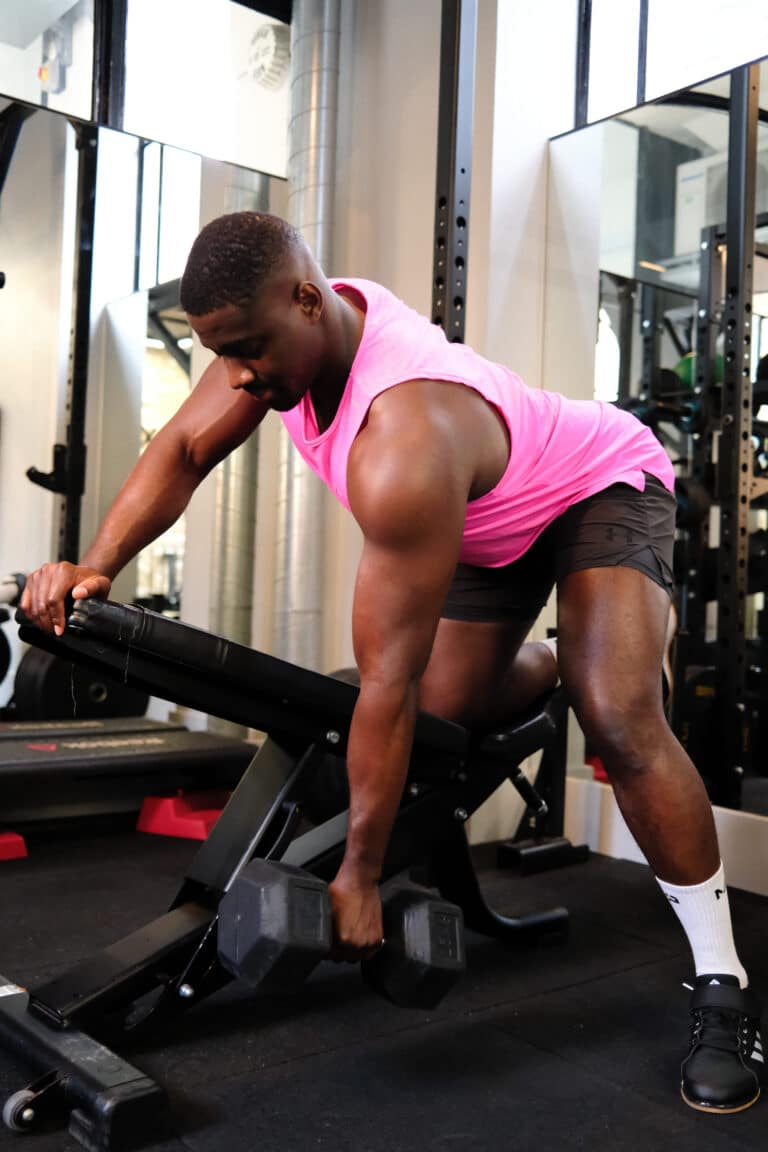
What Actually Builds Muscle
Muscle growth comes down to three things. Miss one, and your results slow down. Miss two and they stop.
1. Progressive Overload
Your muscles only grow when you give them a reason to. That means doing more over time. More weight. More reps. More control. If you are lifting the same weight for the same reps month after month, your body has no reason to adapt.
2. Consistency
Training twice this week and once next week does not cut it. Muscle growth responds to regular stimulus. Three to four sessions per week, every week, for months. That is what it takes. There are no shortcuts here.
3. Recovery and Nutrition
You do not build muscle in the gym. You break it down in the gym. You build it when you rest, sleep, and eat properly. If you are not sleeping 7 to 9 hours and eating enough protein, you are leaving results on the table.
Pro tip: Think of it like a three-legged stool. Training, nutrition, and recovery. Remove one leg, and the whole thing falls over. Most people focus only on the training leg and wonder why they are not growing.
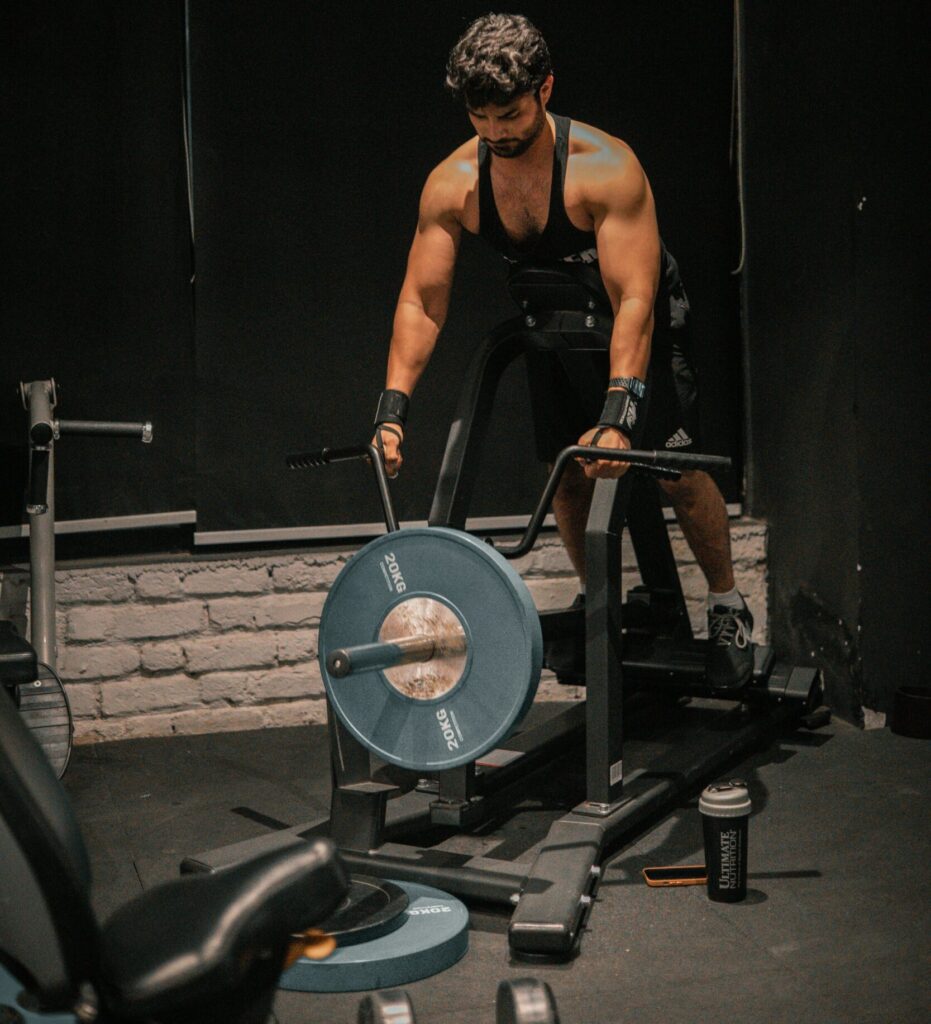
Progressive Overload: The Engine of Muscle Growth
Progressive overload is the single most important principle in strength training. Without it, nothing happens. Your body adapts to stress. Once it has adapted, it stops growing. You must keep pushing.
There are three ways to do it.
Add Weight
The most obvious one. When you can complete all your target reps with clean form, add weight next session. Even 1.25kg per side adds up fast. That is 10kg over a couple of months.
Add Reps
Sometimes you are not ready to add weight. That is fine. Add a rep. If you did 8 reps last week, aim for 9 this week. Once you hit the top of your rep range, add the weight.
Improve Control
Slow the lowering phase. Pause at the bottom. Squeeze at the top. Same weight, same reps, but harder. Your muscles do not know what number is on the bar. They only know tension.
Here is what progressive overload looks like in practice.
- Week 1: 60kg for 8 reps
- Week 2: 60kg for 10 reps
- Week 3: 62.5kg for 8 reps
- Week 4: 62.5kg for 10 reps
Small jumps. Steady progress. That is how muscle is built. Not by maxing out every session. Not by testing your one-rep max every week. Just consistent, measurable progress.
Pro tip: If you cannot remember what you lifted last session, you cannot progressively overload. Write it down. Or better yet, let an app do it for you.

The Best Workout Structure for Building Muscle
You need a gym workout plan that is simple, balanced, and repeatable. The best one for most people is Push-Pull-Legs.
How It Works
You split your training into three types of movement.
- Push: chest, shoulders, and triceps.
- Pull: back and biceps.
- Legs: quads, hamstrings, glutes, and calves.
Every muscle gets trained. Nothing gets missed. Recovery is built in because you never hit the same muscles on back-to-back days.
3 Days Per Week
Push on Monday. Pull on Wednesday. Legs on Friday. Each muscle group gets one session per week. This works well for beginners or anyone who cannot get to the gym more than three times.
6 Days Per Week
Push, pull, legs, push, pull, legs, rest. Each muscle group gets trained twice per week. More volume. More stimulus. More growth. This suits intermediate lifters who want faster results and can handle the recovery demands.
A Sample Week
- Monday: Push — bench press, overhead press, lateral raises, tricep pushdowns.
- Tuesday: Pull — barbell rows, pull-ups, face pulls, bicep curls.
- Wednesday: Legs — squats, Romanian deadlifts, leg press, calf raises.
- Thursday: Push — incline dumbbell press, dips, cable flyes, overhead tricep extension.
- Friday: Pull — deadlifts, seated cable rows, reverse flyes, hammer curls.
- Saturday: Legs — front squats, walking lunges, leg curls, glute bridges.
- Sunday: Rest.
Start each session with a compound lift. That is your priority. Then add 2-3 accessory exercises to support it. Keep it to 4-6 exercises per session. More is not better. Better is better.
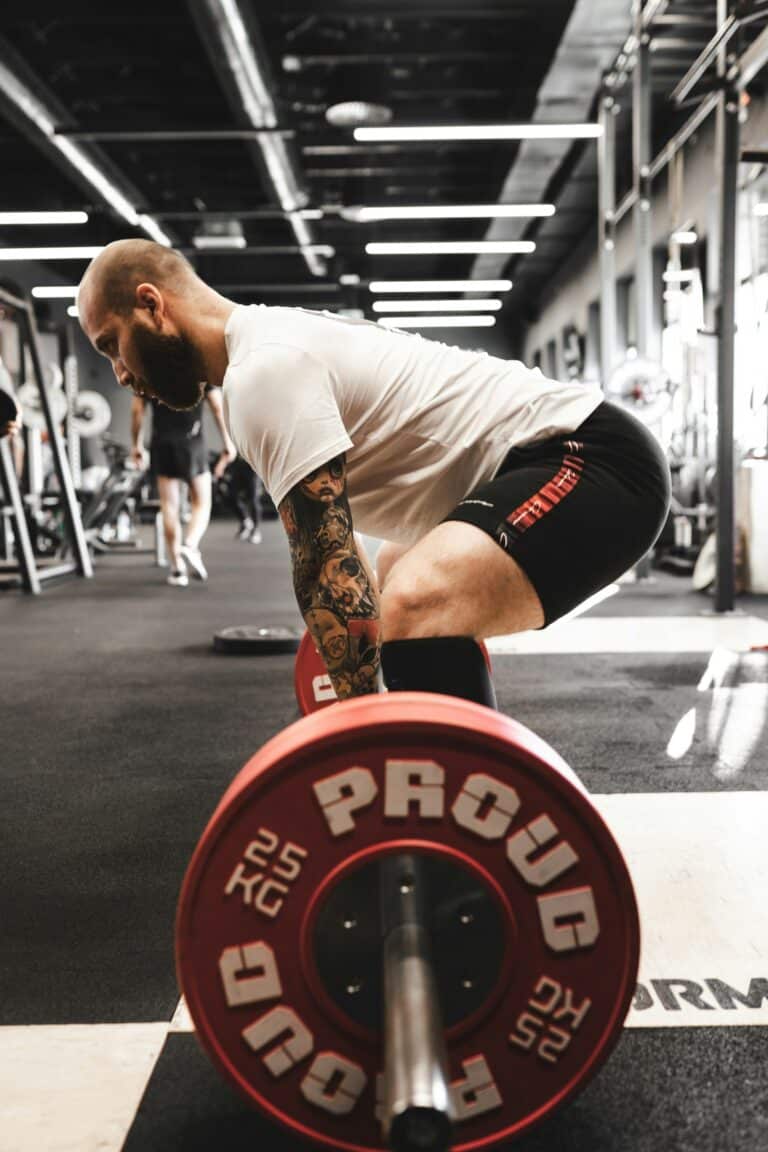
Exercise Selection That Actually Works
Not all exercises are equal. If you want to build muscle efficiently, build your strength training plan around compound movements. These are the lifts that work multiple joints and multiple muscle groups at once.
The big five.
- Squat — quads, glutes, core.
- Bench press — chest, shoulders, triceps.
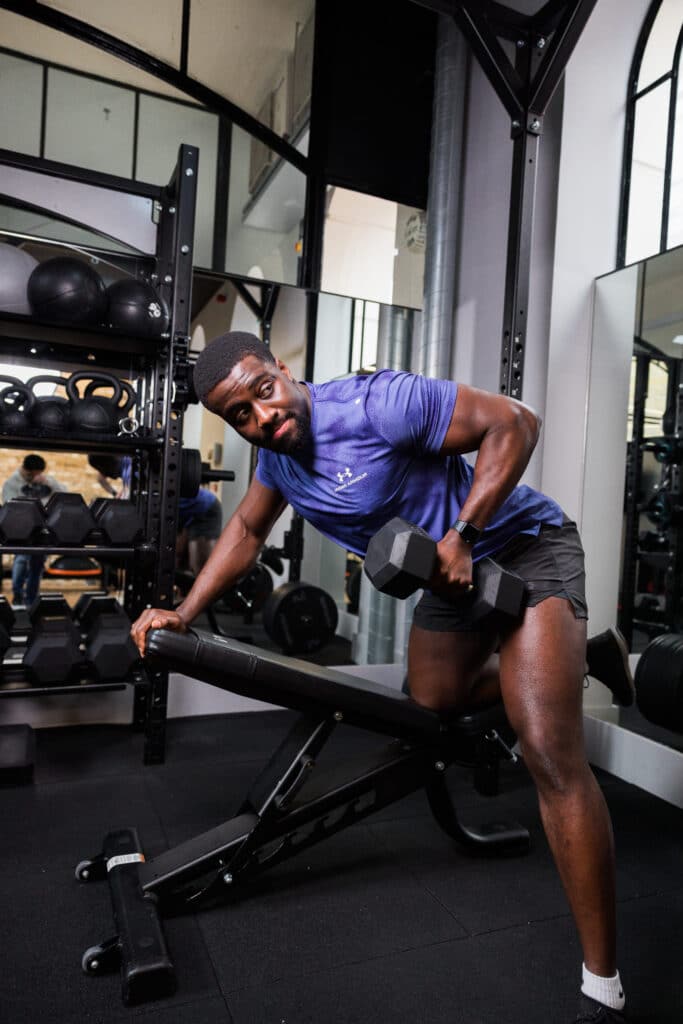
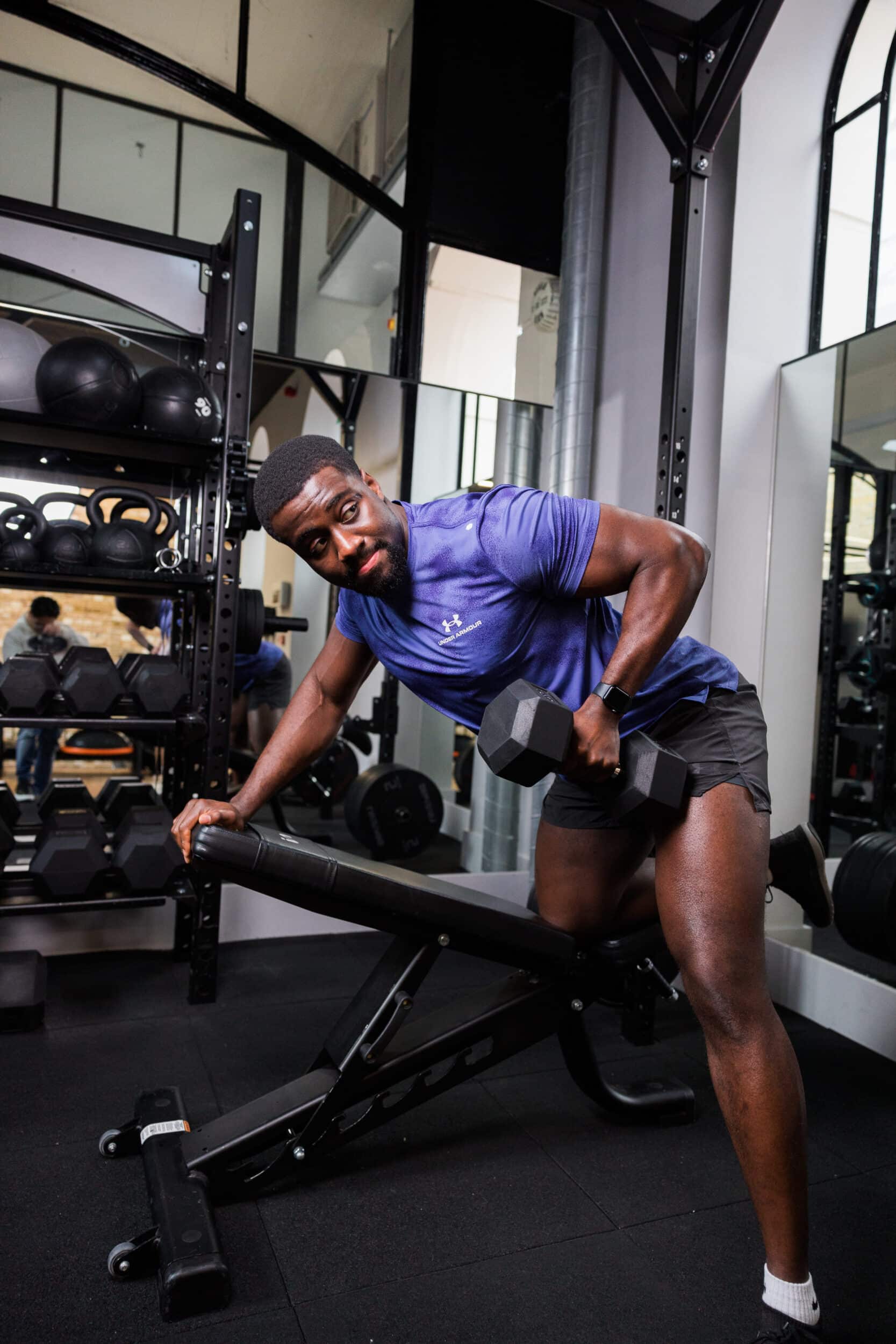
- Barbell row — upper back, lats, biceps.
- Deadlift — posterior chain, grip, core.
- Overhead press — shoulders, triceps, core.
These five exercises should form the backbone of your programme. Everything else is an accessory. Isolation exercises like bicep curls, lateral raises, and leg curls have their place. They fill in the gaps. But they come after the main lifts, not instead of them.
A common mistake is building a programme entirely around machines and isolation work. Machines are useful. But they do not teach your body to stabilise, brace, or coordinate multiple muscle groups. Free weight compound movements do. That is why they build more muscle in less time.
Pro tip: If you only have 30 minutes in the gym, do one compound lift for 4 to 5 working sets and leave. That alone is enough to drive muscle growth. You do not need 90 minutes to make progress.
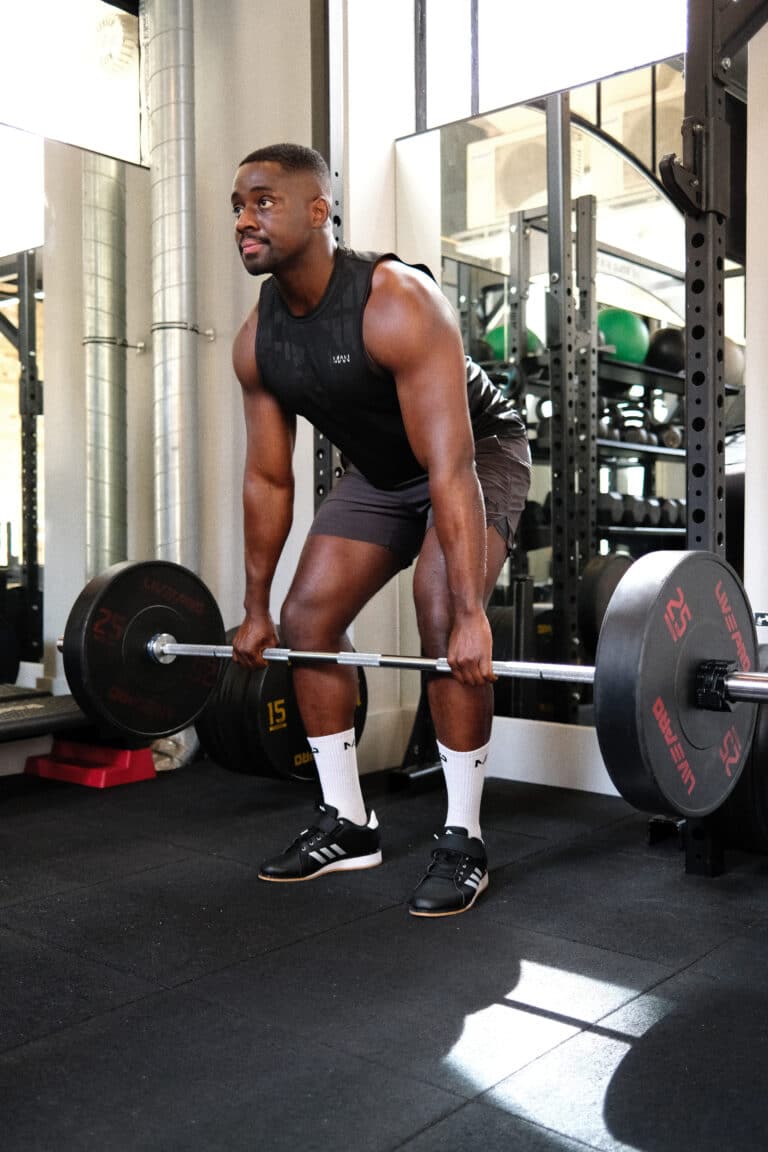
How Much Protein You Actually Need for Muscle Growth
Protein is the building block of muscle. Without enough of it, your training does not translate into growth. The research is clear on how much you need.
1.6 to 2.2 grams of protein per kilogram of body weight per day.
If you weigh 80kg, that is 128 to 176 grams per day. Hit that range consistently and you are covered. Going above 2.2g per kg is not harmful for healthy people, but it will not build more muscle either. Your body has a daily ceiling.
How to Hit Your Target
- Spread protein across 3 to 4 meals. Aim for 25 to 40 grams per meal.
- Prioritise whole food. Chicken, fish, eggs, Greek yoghurt, lean beef, lentils, tofu.
- Use supplements to fill gaps, not replace meals. A whey shake after training is fine. But food comes first.
Timing matters less than total intake. Having protein within a couple of hours of training is helpful. But if you are hitting your daily target spread across meals, you are doing enough. Do not stress about the anabolic window. It is wider than the internet tells you.
The most important thing with protein is consistency. Hit your target most days. Not just on training days. Your muscles recover and grow on rest days, too.

Why Most People Do Not See Results
You are training. You are eating. But nothing is happening. Here is why.
No Structure
You walk into the gym and decide what to do based on what is available. That is not training. That is hoping. A muscle growth workout plan means knowing exactly what you are doing before you walk through the door.
No Tracking
If you do not know what you lifted last session, how do you know what to lift this session? Guessing is not progressive overload. It is gambling. And most people lose.
Too Much Variety
Changing your exercises every week feels productive. It is not. Your muscles need repeated exposure to the same movements to adapt and grow. Pick your exercises. Stick with them for at least 6 to 8 weeks. Then reassess.
Not Enough Intensity
If your last rep was easy, it was not your last rep. To build muscle, most of your working sets should finish with 1 to 2 reps left in the tank. Close to failure. Not miles away from it.
The pattern is always the same. No plan. No data. No progress. Fix the plan and the data first. The progress follows.

The Missing Piece: Tracking Your Workouts
This is where most people fail. They train hard. They eat well. But they do not track anything. So they have no idea whether they are actually getting stronger.
Think about your last session.
- Can you remember the exact weight you used on every exercise?
- Do you know how many reps you did on each set?
- Can you compare this week to last week?
If the answer is no, you are guessing. And guessing does not build muscle.
Tracking is what turns working out into training. When you log your sets, your reps, and your weights, you create a record. That record shows you exactly where you are, where you have been, and what you need to do next. It removes the guesswork entirely.
It also keeps you accountable. When you can see that you squatted 70kg for 8 reps last Friday, you know the target this Friday is 70kg for 9 or 10. That is progressive overload made simple. No complicated spreadsheets. No mental gymnastics. Just data that drives decisions.
The best workout tracking app is the one you actually use. It needs to be fast, simple, and show you what you did last time so you know what to beat.
How to Fix Your Training
You know the principles now. Progressive overload. Compound lifts. Protein. Consistency. The question is how to put it all together and actually follow through.
That is what 12REPS was built for.
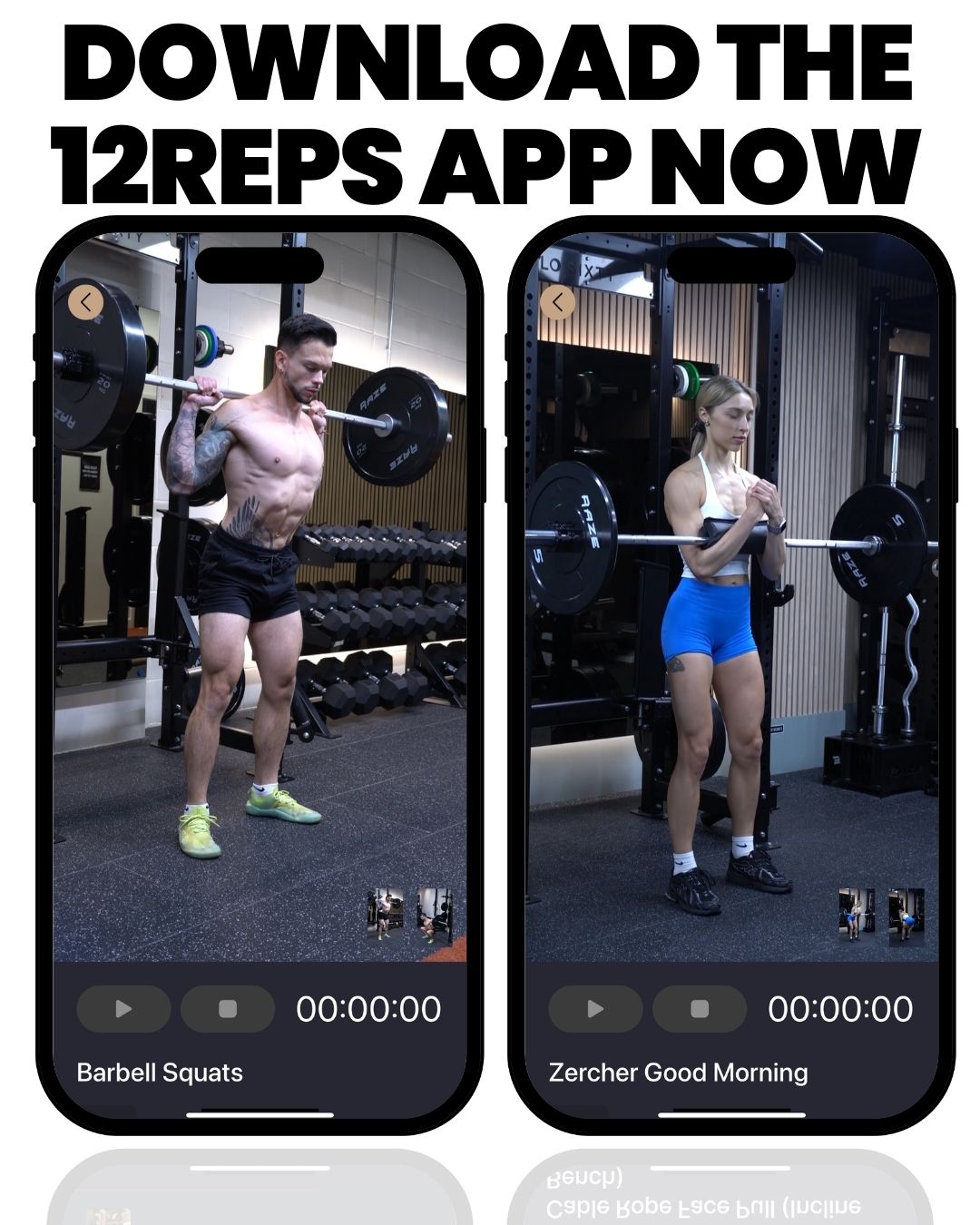
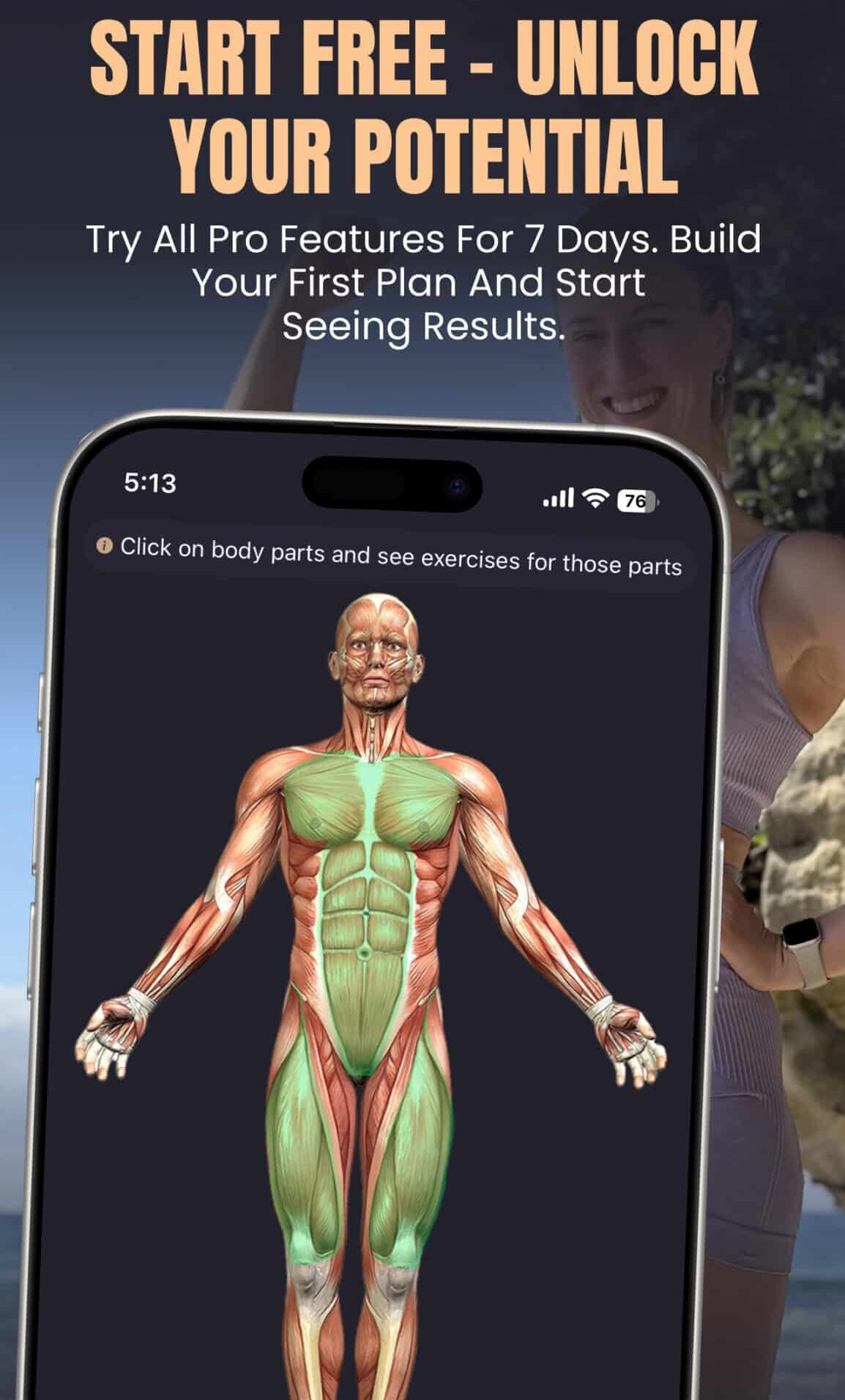
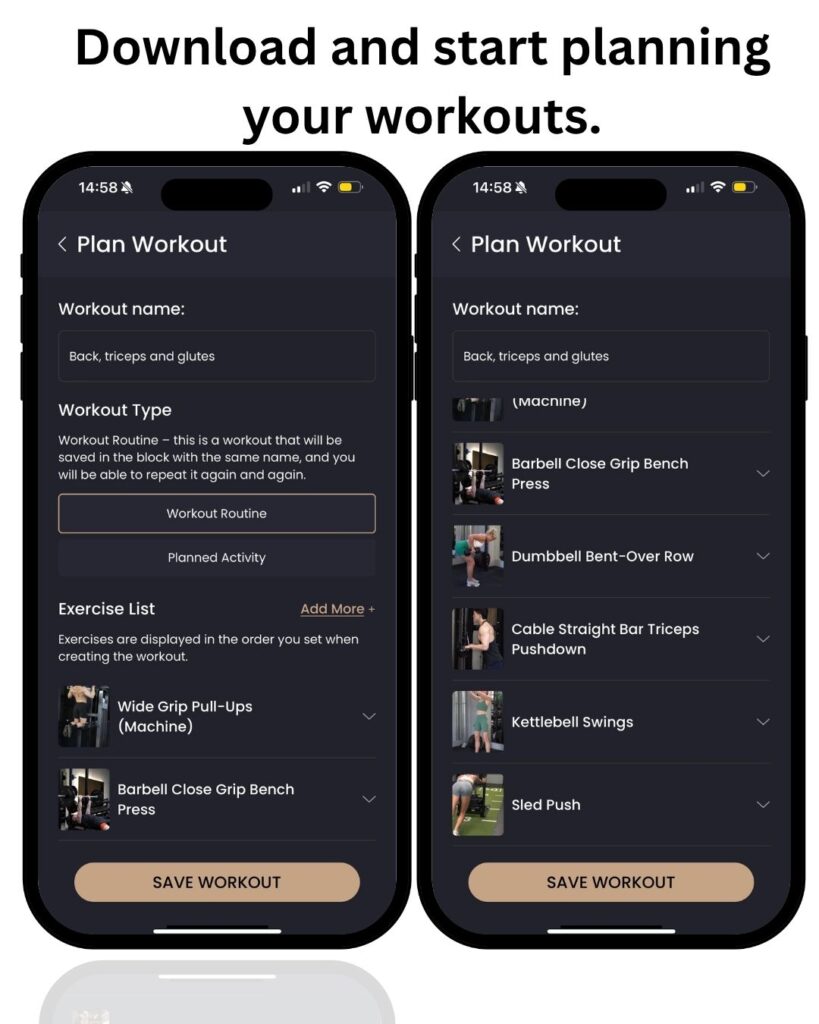
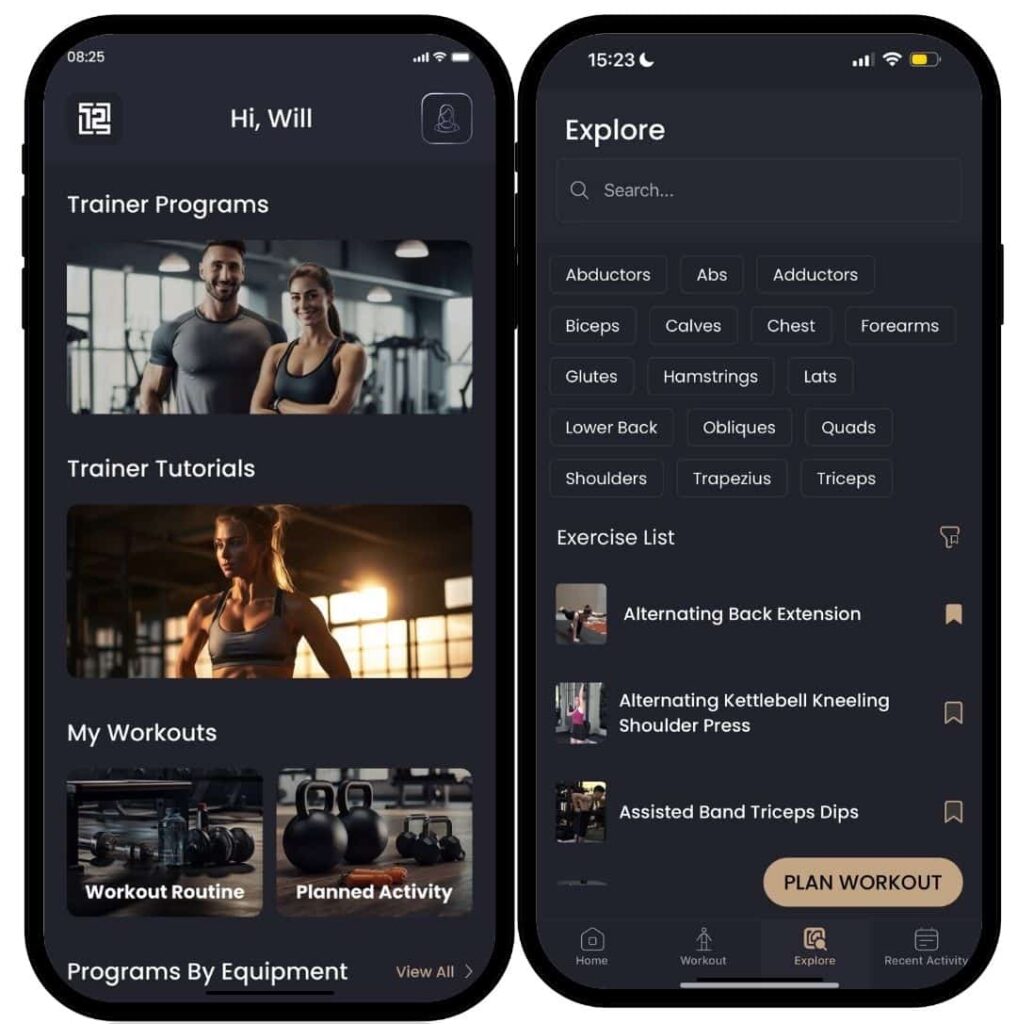
12REPS is a workout tracking app designed by a certified personal trainer with over 10 years of experience. It is not an algorithm guessing what you should do. It is built on real programming from someone who has trained hundreds of clients and knows what works.
Here is what it does.
- Build structured workouts around compound lifts and accessories.
- Log every set, every rep, every weight.
- See your history so you know what to beat next session.
- Progress week to week with a clear record of what you have done.
It is not about motivation. Motivation fades. It is about having a system that shows you exactly what to do and exactly how you are improving. When you can see the numbers going up, you do not need motivation. You have momentum.
Most people who stall in the gym do not have a training problem. They have a tracking problem. Fix the tracking, and the training fixes itself.
Your Action Plan
Stop overcomplicating this. Building muscle is not complicated. It is demanding. But the steps are simple.
- Pick a training split. Push-pull legs work for most people. Three or six days a week, depending on your schedule.
- Choose your key exercises. Squat, bench, row, deadlift, overhead press. Build around these.
- Track every session. Reps. How it felt. If you are not writing it down, you are guessing.
- Progress weekly. Add weight or reps. Small jumps. Consistent gains.
- Eat enough protein. 6 to 2.2g per kg of bodyweight. Spread across meals. Every day.
That is the entire system. No secrets. No hacks. No shortcuts. Just a clear plan, consistent execution, and a record that proves you are moving forward.
The people who build muscle are not the ones who train the hardest for a week. They are the ones who train smart for a year. Start today. Track everything. Let the numbers do the talking.