


By Will Duru, BSc (Hons) Sport and Exercise Science, Award-winning Personal Trainer with over 10 years of experience in strength training and optimising recovery
Strength training for women over 50 helps you keep muscle, support your bones and stay strong for daily life through and after menopause. A simple way to begin is two sessions a week: one for your upper body and one for your lower body. Start with light weights and add a little at a time. The 6-week plan below shows you how.
I have worked as a personal trainer in the City of London for over ten years. In that time, I have seen more and more women want to get stronger, not just smaller. This guide is for them, whether you have lifted before or not.
Health check: if you have a medical condition, such as osteoporosis, heart disease or joint problems, or you take regular medication, check with your doctor or physiotherapist before you start.
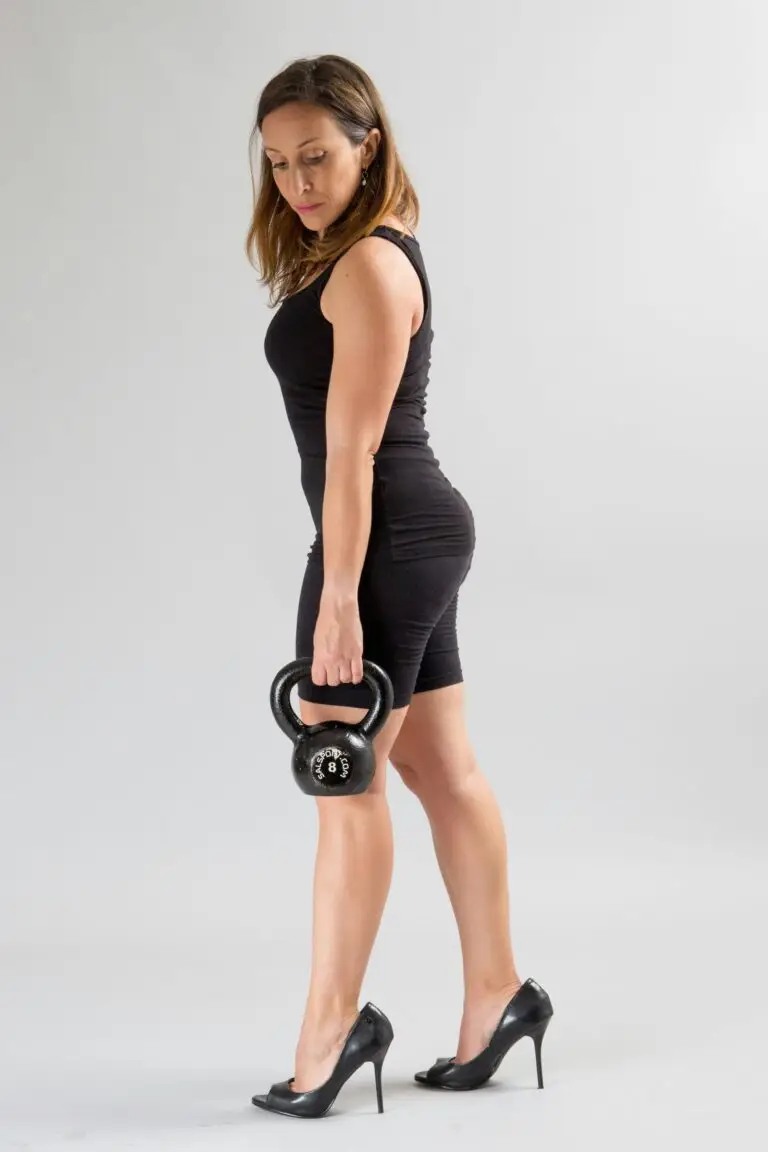
Why strength training matters in your 50s
Muscle mass and strength tend to fall as you age. When the loss becomes severe it is called sarcopenia. A 2019 European consensus on sarcopenia describes it as a muscle disease that builds up across a lifetime. It is most common in older age but can start earlier.
The good news is that muscle still responds to training in your 50s. A meta-analysis of 49 studies in adults aged 50 and over found resistance training added about 1.1 kg of lean mass on average. Higher-volume programs gave larger gains.
Menopause matters too. In a 2023 trial in women with an average age of 52, 10 weeks of free-weight training twice a week increased squat and bench press strength in every group. Muscle mass rose only in the women who had not yet reached menopause. The authors suggest that women after menopause may need more weekly sets to build muscle. The groups were small, so treat this as an early finding.
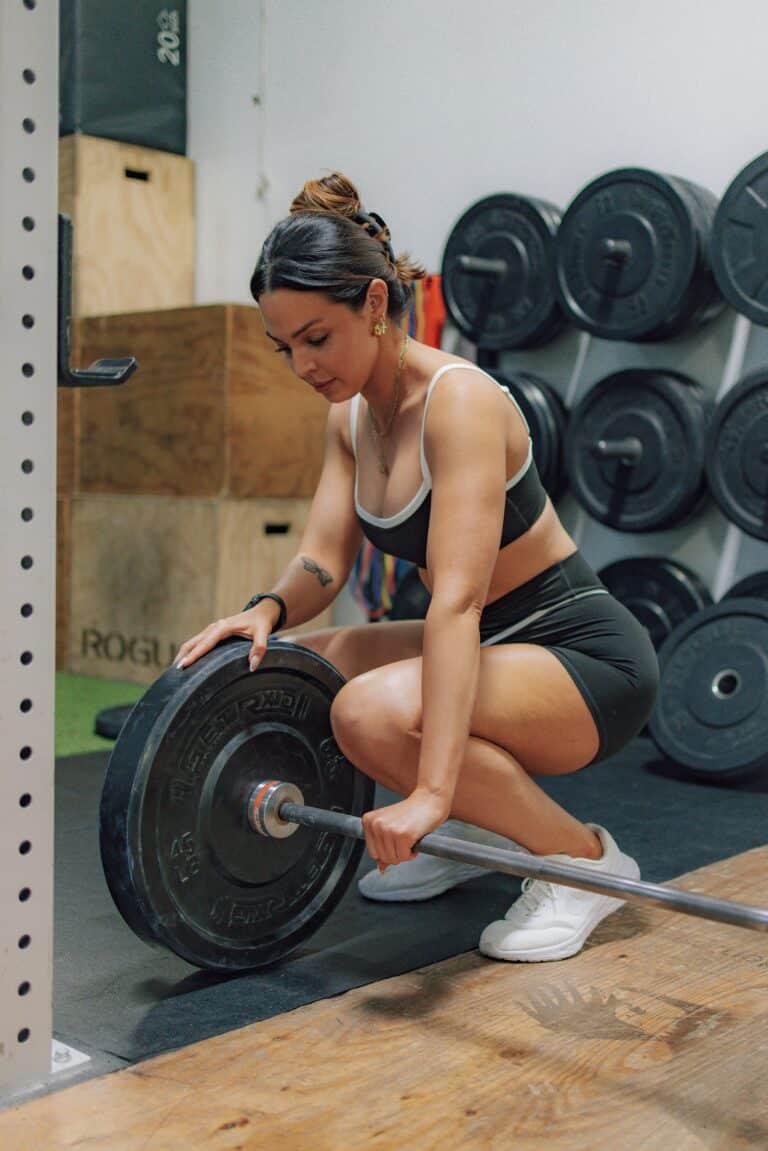
The main benefits after 50
Strength for daily life
Carrying shopping, climbing stairs, lifting a suitcase into an overhead locker and getting up from the floor all need strength. Training the same movements in the gym keeps them easier.
Support for your bones
Bone density drops around menopause. The Better Health Channel says women lose up to 10% of their bone density, on average, in the first 5 years after menopause. It lists resistance training as one type of exercise that supports bone health.
The effect of exercise on bone is real but modest. A Cochrane review of exercise after menopause found that women who exercised lost about 1% less bone at the hip and spine than women who did not. In the LIFTMOR trial, women with low bone mass, with an average age of 65, did 8 months of closely supervised heavy lifting and impact training. Their spine and hip bone density and their physical function improved compared with a low-intensity home program.
That trial was carefully supervised. If you have osteoporosis or low bone density, get guidance from your doctor or a qualified professional before lifting heavy. Our article on bone density after menopause goes into more detail.
Balance and confidence
Exercise that builds strength and balance can also lower your risk of falls, according to the Better Health Channel. Many women also find that getting stronger makes them more confident in the gym and outside it.
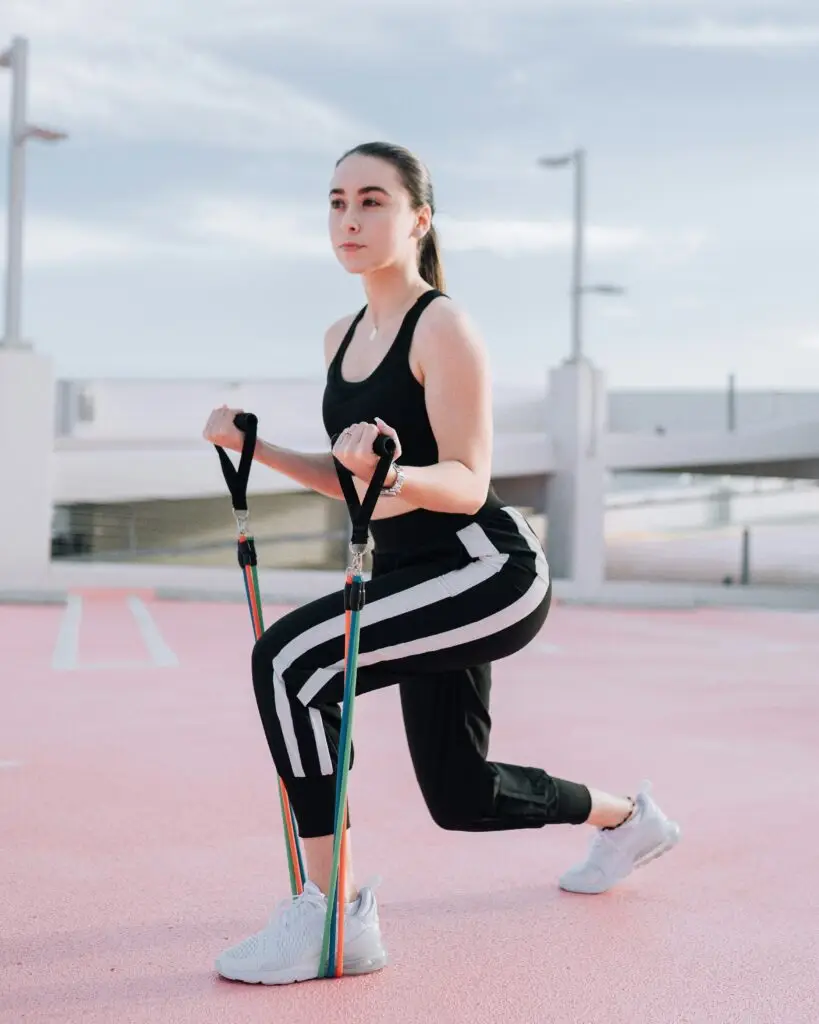
Is strength training safe after 50?
For most healthy women, yes. The authors of the 2023 menopause trial concluded that free-weight training was safe and effective for middle-aged women in their study. These habits help you start well:
- Learn good form first. Clean technique with a light weight beats poor technique with a heavy one. Every rep is practice.
- Start light and add weight slowly. Begin with weights that feel comfortable. Add more only when every rep feels steady and pain-free.
- Warm up every time. Spend 5 to 8 minutes moving the joints you will train and raising your heart rate gradually.
- Know the difference between effort and pain. Muscles that burn or feel tired are normal. Sharp or joint pain is a sign to stop and get advice.
If you have a health condition or take medication, check with your doctor before you increase the intensity of your training.
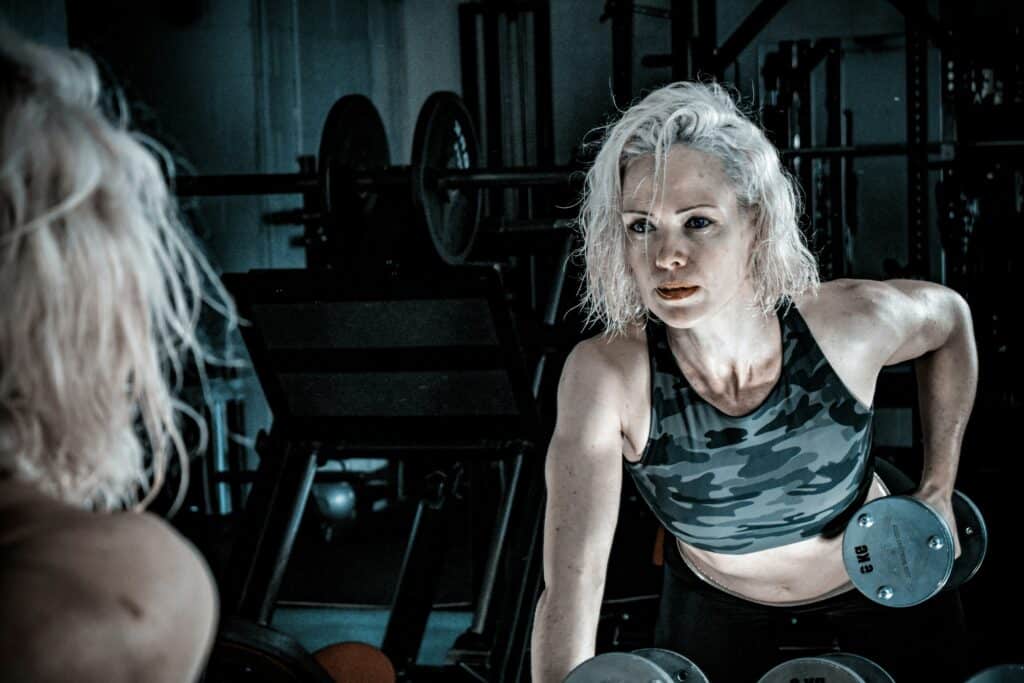
Nutrition and recovery after 50
Eat protein at most meals
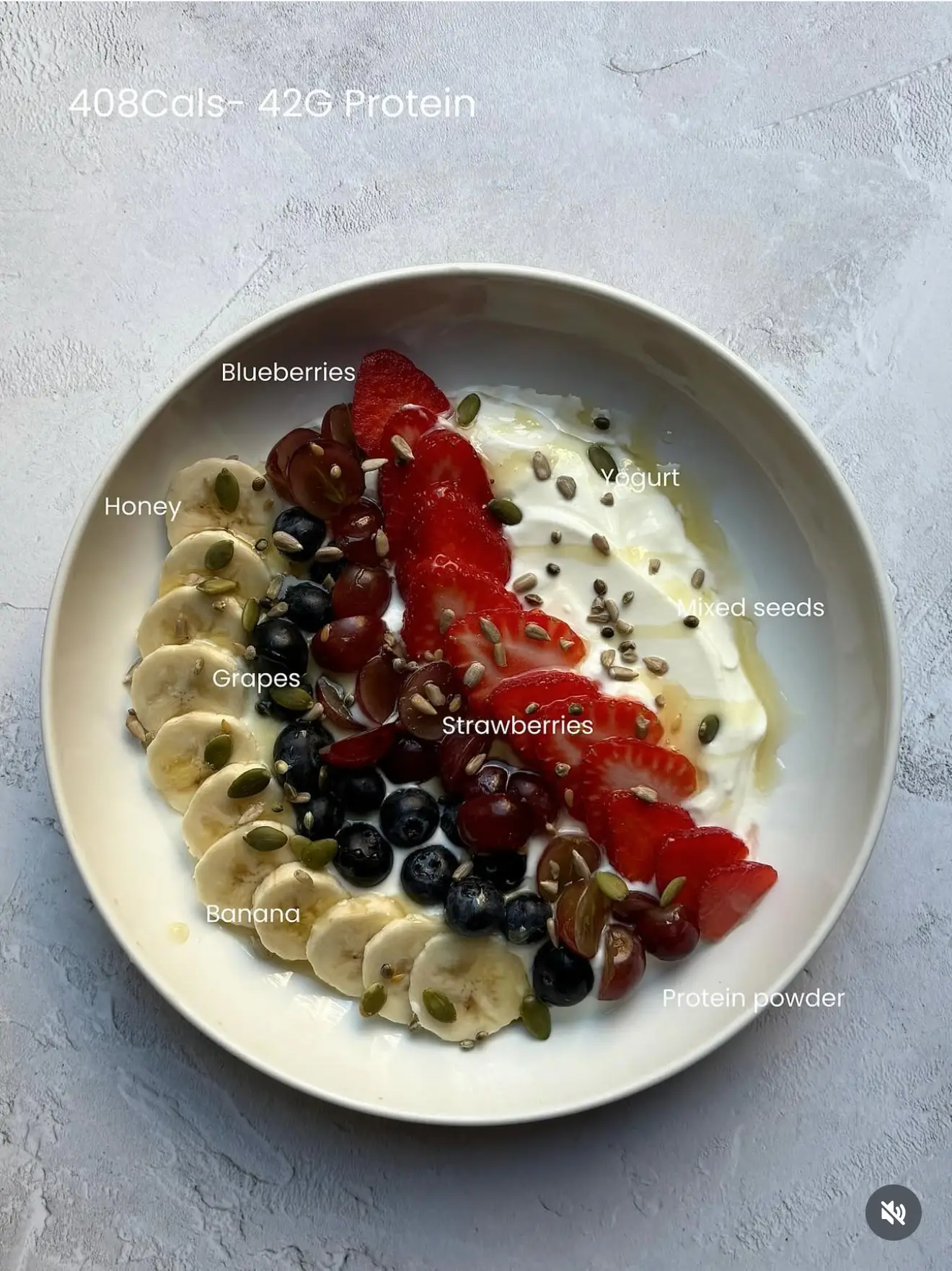
A 2018 meta-analysis found that muscle gains from strength training leveled off at about 1.6 g of protein per kg of body weight per day. A practical way to get there is about 0.4 g/kg per meal across four meals. For a 70 kg woman, that is roughly 28 grams per meal.
For people over 65, the PROT-AGE group recommends at least 1.0 to 1.2 g/kg a day, and more for those who exercise. Eggs, Greek yogurt, fish, chicken, beans and lentils all help. People with severe kidney disease may need to limit protein, so ask your doctor if this applies to you.
Consider creatine
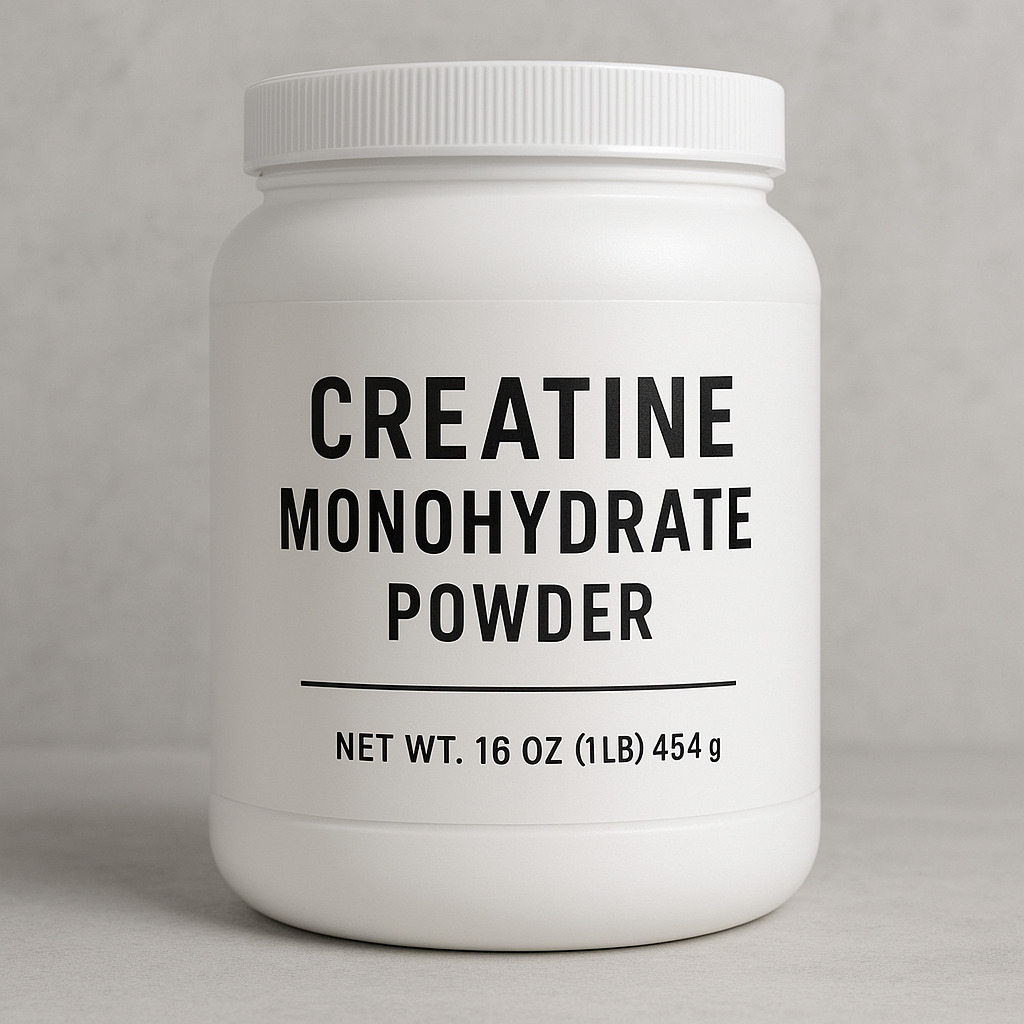
Creatine monohydrate is one of the most studied supplements. A 2017 meta-analysis looked at older adults with average ages of 57 to 70. Creatine plus resistance training added about 1.4 kg more lean mass than training alone, with small extra strength gains. The International Society of Sports Nutrition states that creatine is safe and well tolerated in healthy people.
Speak to your doctor or pharmacist before taking creatine if you have a kidney condition or take regular medication.
Sleep and stress
Your muscles recover between sessions, not during them. Keep regular sleep habits and find simple ways to manage stress, such as walking, reading or time with friends.
How to plan your first 6 weeks
Train twice a week for the first 6 weeks, with at least one rest day between sessions. Each session takes about 45 minutes to an hour. Two days a week meets the NHS guideline of strengthening activities on at least 2 days, covering all major muscle groups.
What to train: the basic movements
The plan is built on movements you use in real life:
- Squat: start by sitting to a chair and standing up, then move to goblet squats. This helps with stairs and getting out of a chair.
- Hip hinge: learn to push your hips back, then add light Romanian deadlifts. This trains your glutes and hamstrings.
- Push: begin with wall push-ups, then knee push-ups, then full push-ups.
- Pull: rows strengthen your upper back.
- Carry: farmer carries train grip and trunk strength, like carrying shopping bags.
- Balance: standing on one leg and walking heel to toe practice your balance.
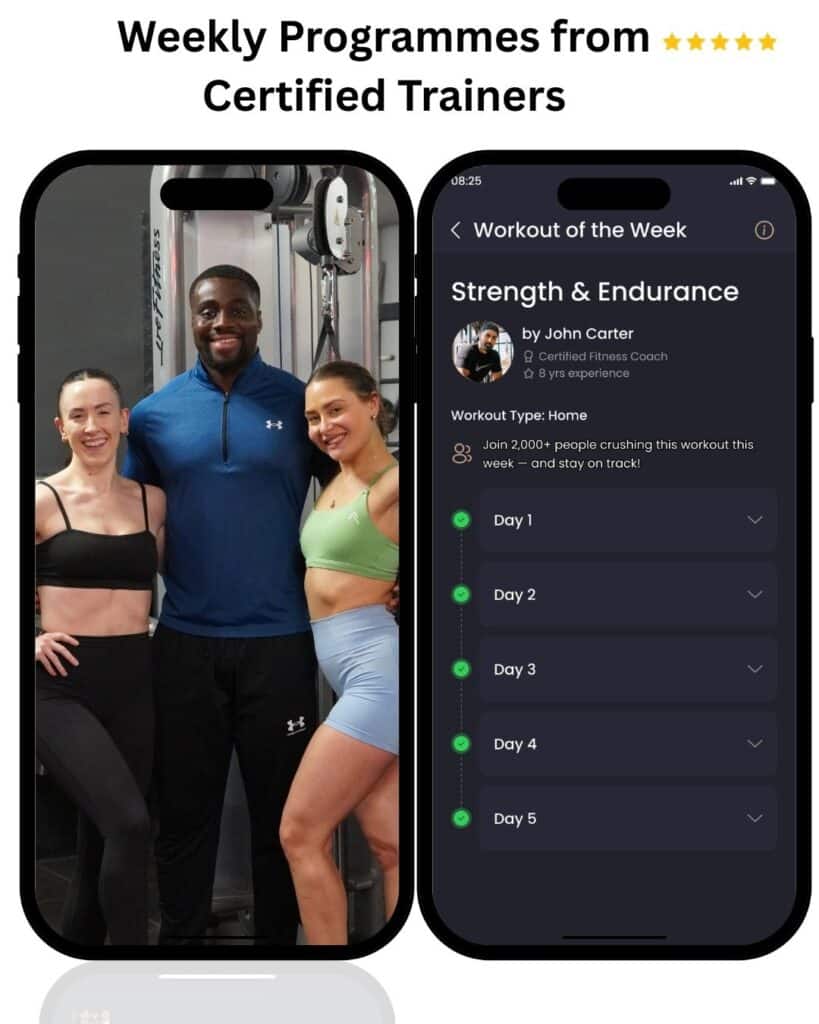
In 12REPS, the body map lets you choose the muscle, the equipment and the time you have. The app then builds the session for you.
Your 6-week starter plan
Start with weights that feel easy, and use good form on every rep. Rest for the time shown, then move on. If an exercise does not feel right, use the easier option in brackets.
Day 1: Upper body and core
| Exercise | Sets | Reps | Rest |
|---|---|---|---|
| TRX row | 4 | 12 | 45 seconds |
| Dumbbell floor press | 4 | 12 | 45 seconds |
| Dumbbell shoulder press | 3 | 12 | 45 seconds |
| TRX or bench triceps dips | 4 | 10 | 45 seconds |
| Dumbbell biceps curl | 4 | 12 | 45 seconds |
| Plank (or knee plank) | 3 | 30-second hold | 45 seconds |
Finisher: do 3 rounds with 30 seconds of rest after each round.
- 10 TRX push-ups or knee push-ups
- 10 dumbbell overhead presses (light weight)
- 30 seconds of mountain climbers
Day 2: Lower body and core
| Exercise | Sets | Reps | Rest |
|---|---|---|---|
| Goblet squat (dumbbell or kettlebell) | 4 | 12-15 | 45 seconds |
| Dumbbell Romanian deadlift | 4 | 12 | 45 seconds |
| Dumbbell or kettlebell reverse lunge | 4 | 10 per leg | 45 seconds |
| Kettlebell swing | 4 | 15 | 45 seconds |
| Dumbbell glute bridge | 4 | 15 | 45 seconds |
| Plank (or knee plank) | 3 | 30-second hold | 45 seconds |
Finisher: do 3 rounds with 30 seconds of rest after each round.
- 10 goblet squats
- 10 reverse lunges per leg
- 30 seconds of jogging on the spot
How to progress through the 6 weeks
- Weeks 1-2, learning: focus on doing each exercise well. If something feels too hard, make it easier, for example squats to a chair or wall push-ups.
- Weeks 3-4, building: if you can do all the reps with good form, add 2 or 3 reps to each set or hold planks 5 to 10 seconds longer. You can also use slightly heavier dumbbells or kettlebells.
- Weeks 5-6, getting stronger: move to harder versions, such as knee push-ups to full TRX push-ups, or lighter weights to heavier ones. Progress at a pace that feels challenging but doable.
Watch two key lifts before you start
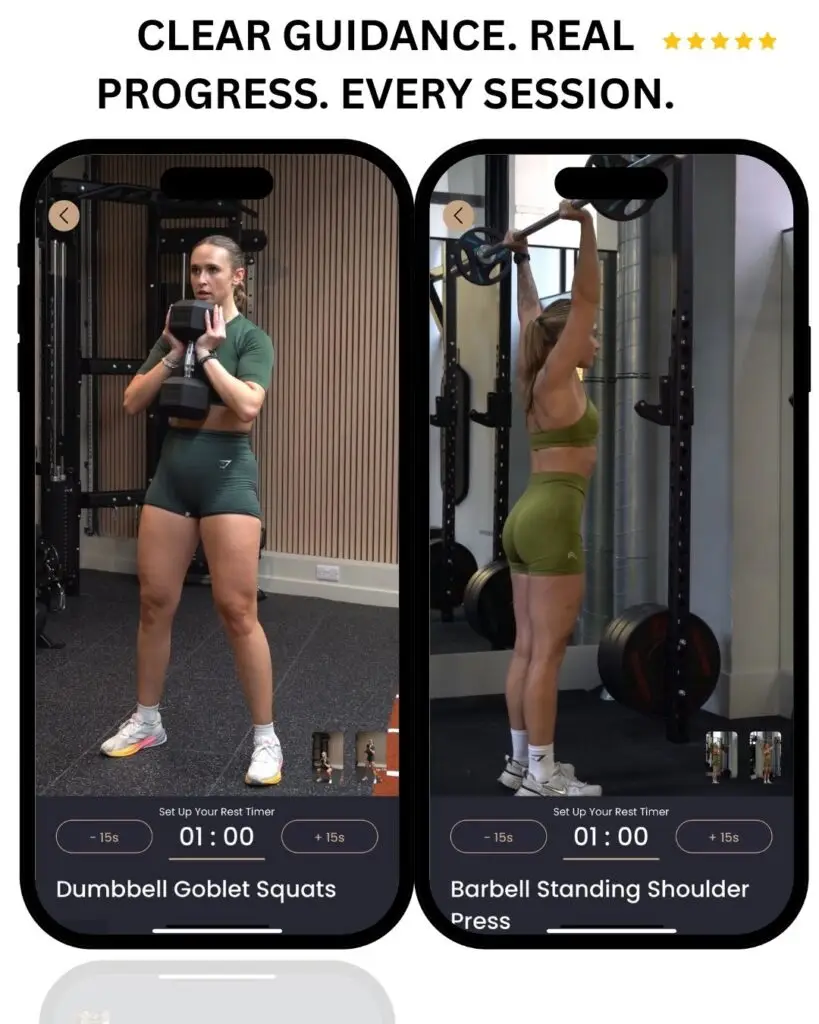
Video: Dumbbell goblet squats. The goblet squat opens Day 2. Watch this 12REPS demo to see how to hold the dumbbell and how deep to sit.
Video: Dumbbell RDL. The dumbbell Romanian deadlift teaches the hip hinge. Watch this demo to see how to push your hips back and keep the weights close to your legs.
After 6 weeks: what next?
Once the plan feels steady, you can add a third session or move to a longer program. These guides can help:
- Resistance gym training program for women over 50
- Strength training in perimenopause
- Strength training after 60: a safe guide for beginners
- Strength training for men over 50
If you would like each session laid out for you, 12REPS builds training around your goal, your equipment and the time you have. Every exercise comes with a trainer demonstration, and the app remembers what you lifted last time.
Sources
- Sarcopenia: revised European consensus on definition and diagnosis. Cruz-Jentoft AJ, Bahat G, Bauer J, et al. Age and Ageing, 2019. https://pubmed.ncbi.nlm.nih.gov/30312372/
- Resistance training alters body composition in middle-aged women depending on menopause – A 20-week control trial. Isenmann E, Kaluza D, Havers T, et al. BMC Women’s Health, 2023. https://doi.org/10.1186/s12905-023-02671-y
- Influence of resistance exercise on lean body mass in aging adults: a meta-analysis. Peterson MD, Sen A, Gordon PM. Medicine & Science in Sports & Exercise, 2011. https://pubmed.ncbi.nlm.nih.gov/20543750/
- Menopause and osteoporosis. Better Health Channel, Victorian Government Department of Health, accessed 2026. https://betterhealth.vic.gov.au/health/conditionsandtreatments/menopause-and-osteoporosis
- Exercise for preventing and treating osteoporosis in postmenopausal women. Howe TE, Shea B, Dawson LJ, et al. Cochrane Database of Systematic Reviews, 2011 (Cochrane Library 2022, Issue 3). https://www.cochrane.org/CD000333
- High-Intensity Resistance and Impact Training Improves Bone Mineral Density and Physical Function in Postmenopausal Women With Osteopenia and Osteoporosis: The LIFTMOR Randomized Controlled Trial. Watson SL, Weeks BK, Weis LJ, et al. Journal of Bone and Mineral Research, 2018. https://doi.org/10.1002/jbmr.3284
- Physical activity guidelines for adults aged 19 to 64. NHS, 2024. https://www.nhs.uk/live-well/exercise/physical-activity-guidelines-for-adults-aged-19-to-64/
- A systematic review, meta-analysis and meta-regression of the effect of protein supplementation on resistance training-induced gains in muscle mass and strength in healthy adults. Morton RW, Murphy KT, McKellar SR, et al. British Journal of Sports Medicine, 2018. https://bjsm.bmj.com/content/52/6/376
- How much protein can the body use in a single meal for muscle-building? Implications for daily protein distribution. Schoenfeld BJ, Aragon AA. Journal of the International Society of Sports Nutrition, 2018. https://doi.org/10.1186/s12970-018-0215-1
- Evidence-based recommendations for optimal dietary protein intake in older people: a position paper from the PROT-AGE Study Group. Bauer J, Biolo G, Cederholm T, et al. Journal of the American Medical Directors Association, 2013. https://doi.org/10.1016/j.jamda.2013.05.021
- Effect of creatine supplementation during resistance training on lean tissue mass and muscular strength in older adults: a meta-analysis. Chilibeck PD, Kaviani M, Candow DG, Zello GA. Open Access Journal of Sports Medicine, 2017. https://doi.org/10.2147/OAJSM.S123529
- International Society of Sports Nutrition position stand: safety and efficacy of creatine supplementation in exercise, sport, and medicine. Kreider RB, Kalman DS, Antonio J, et al. Journal of the International Society of Sports Nutrition, 2017. https://doi.org/10.1186/s12970-017-0173-z