

By Will Duru, BSc (Hons) Sport and Exercise Science, Award-winning Personal Trainer with over 10 years of experience in strength training and optimising recovery
Hey there! I’m Will, and I’ve been helping people transform their bodies for over a decade. When I first stepped into a gym at 16, I was that skinny kid who had no clue what he was doing. I made every mistake imaginable – terrible form, random workouts, and a complete lack of understanding of nutrition. But here’s the thing that changed everything for me: I discovered the power of structured strength training combined with smart technology.
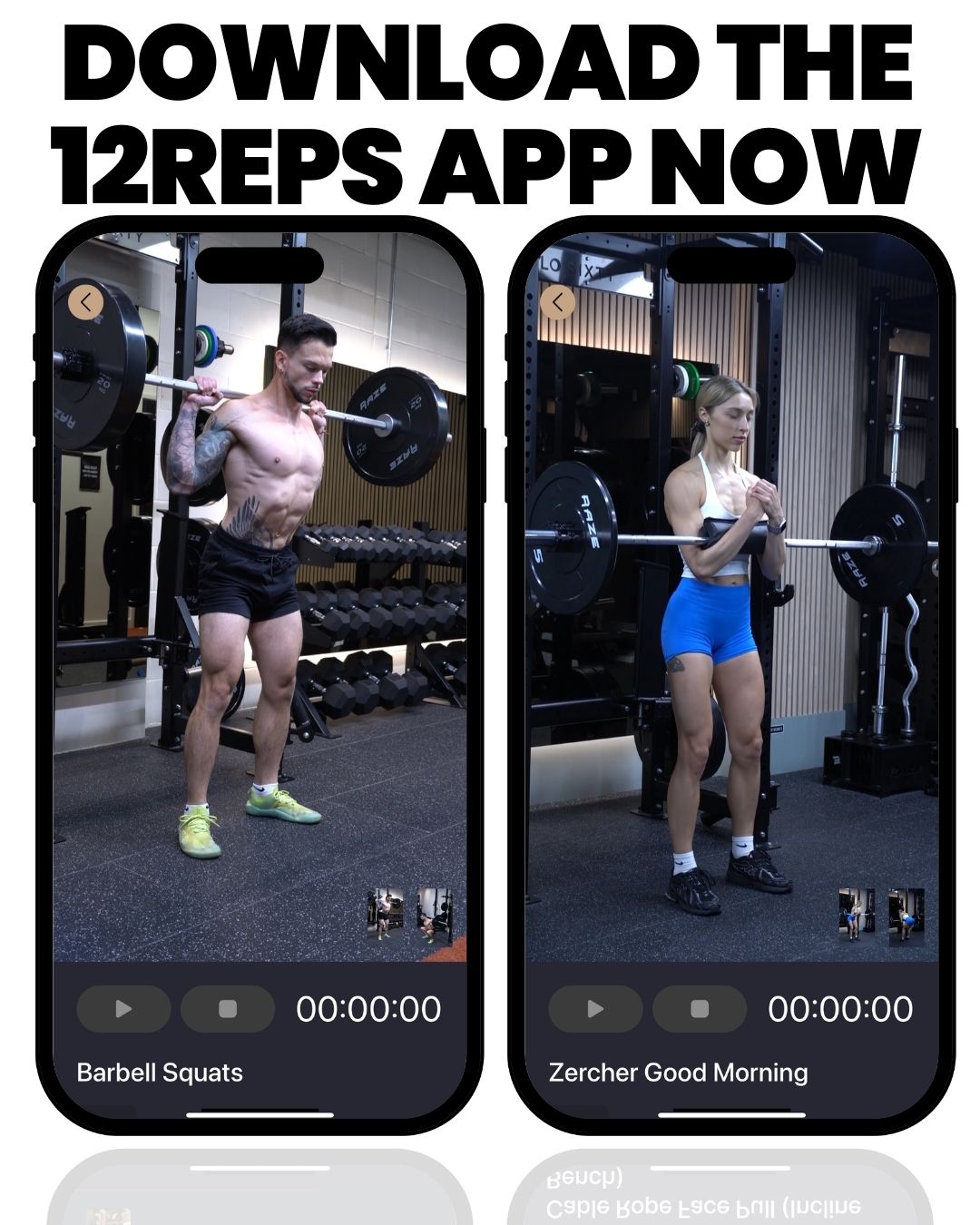
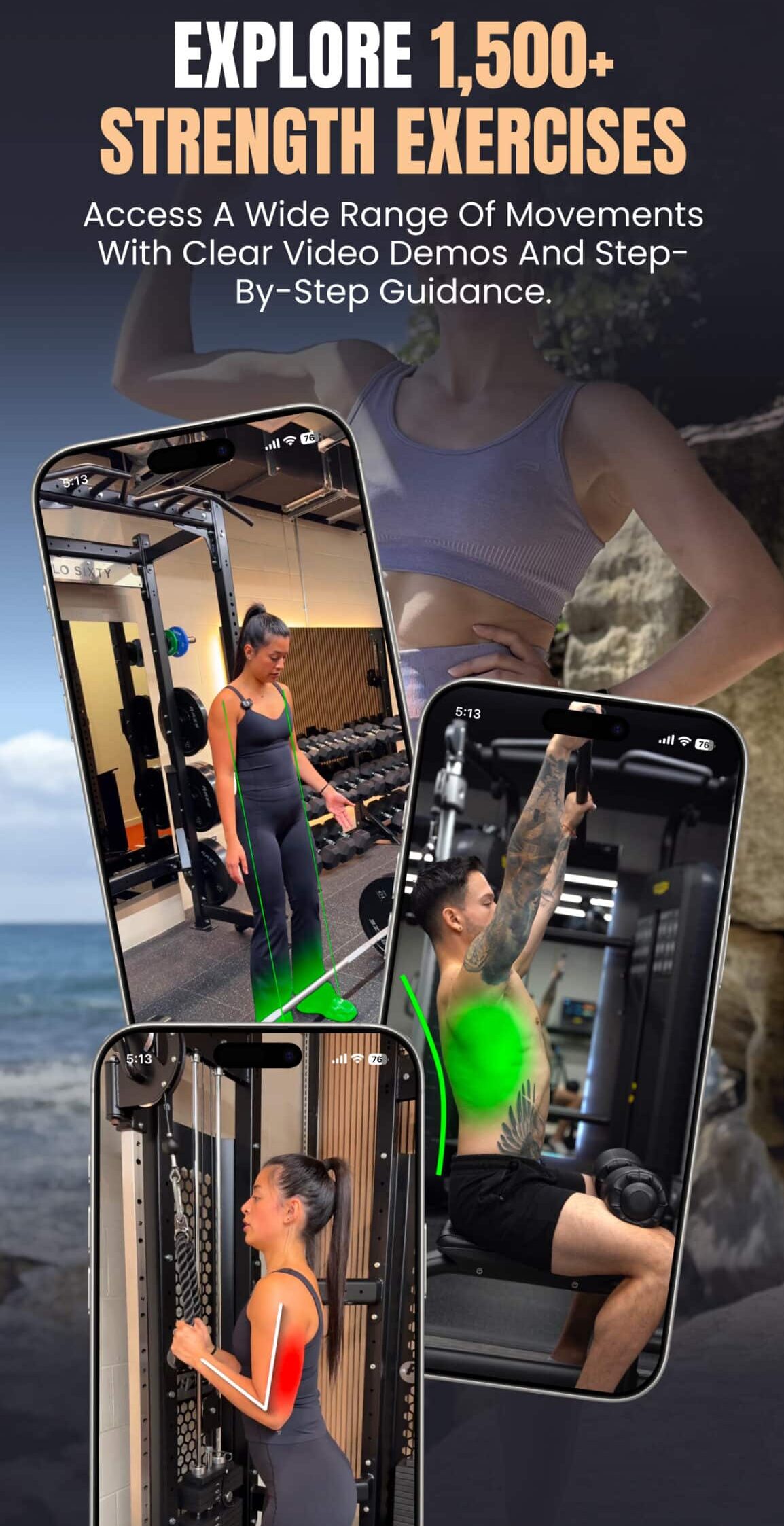
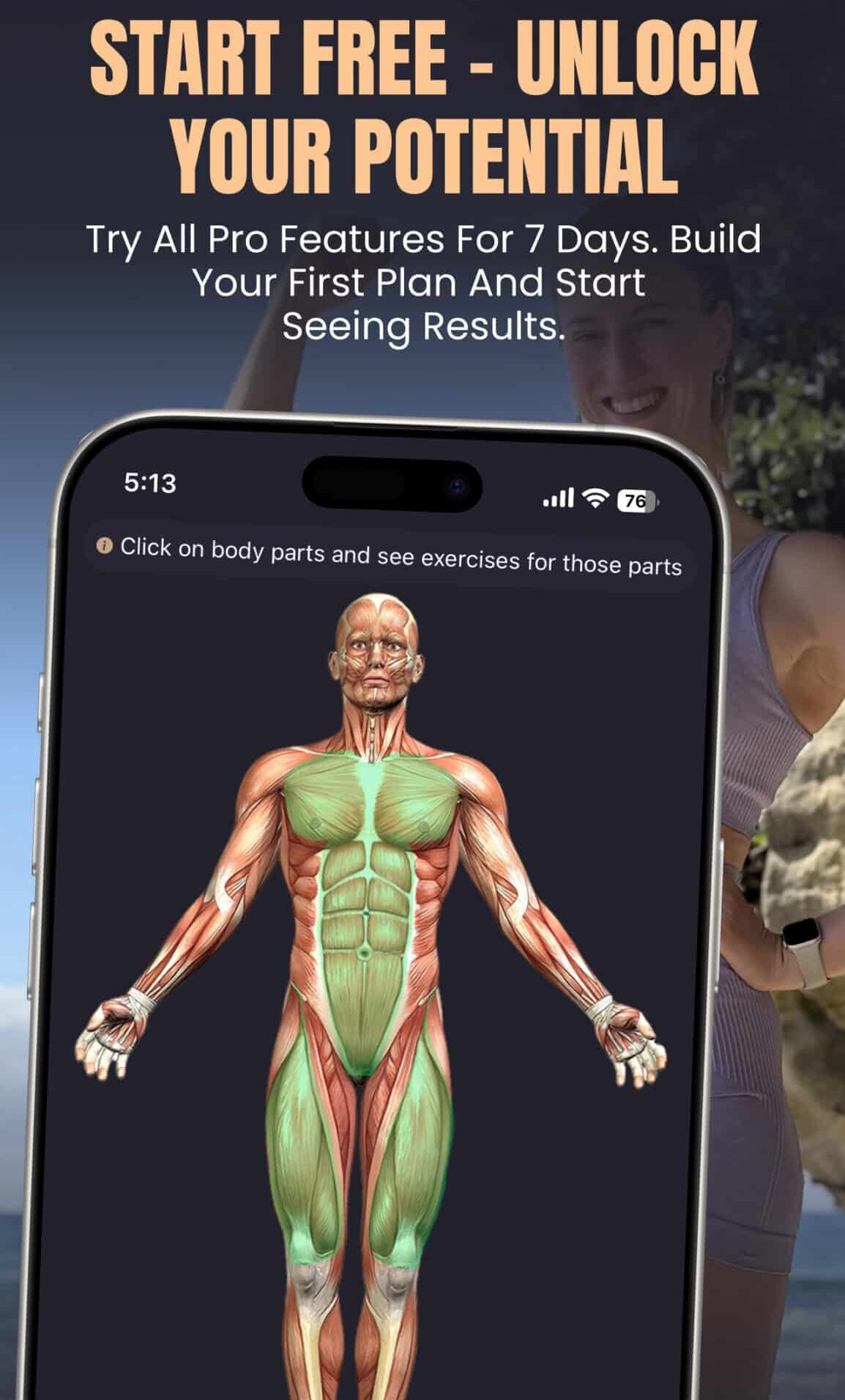
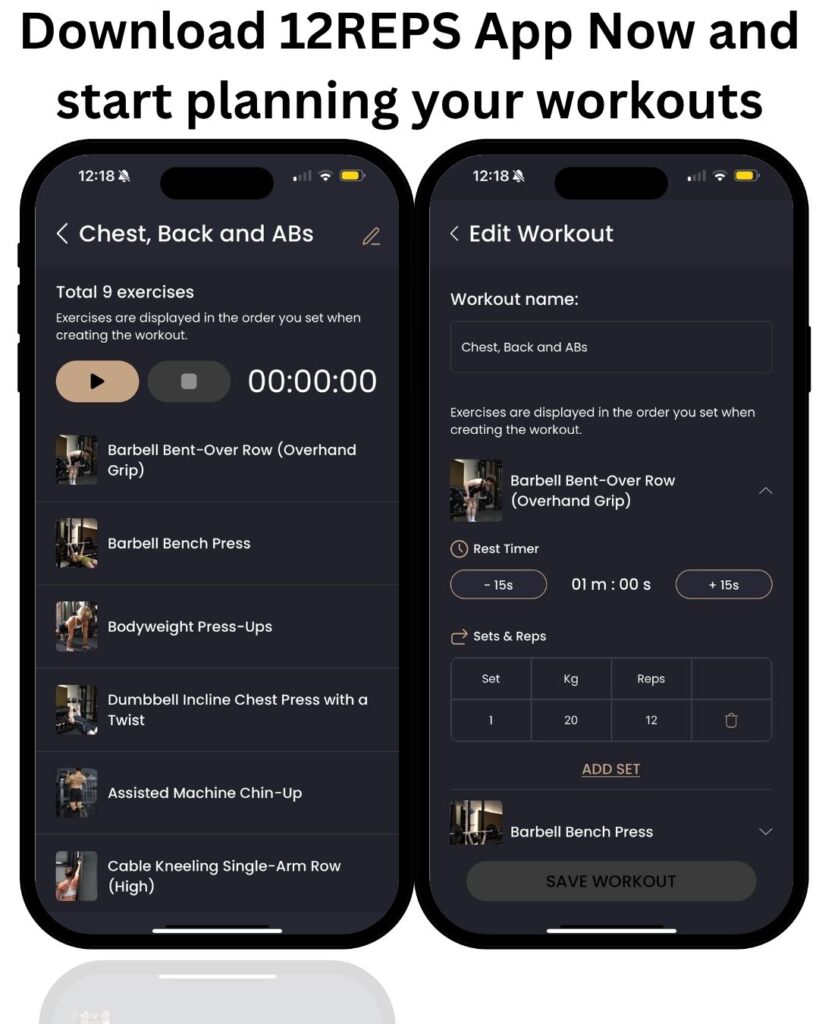
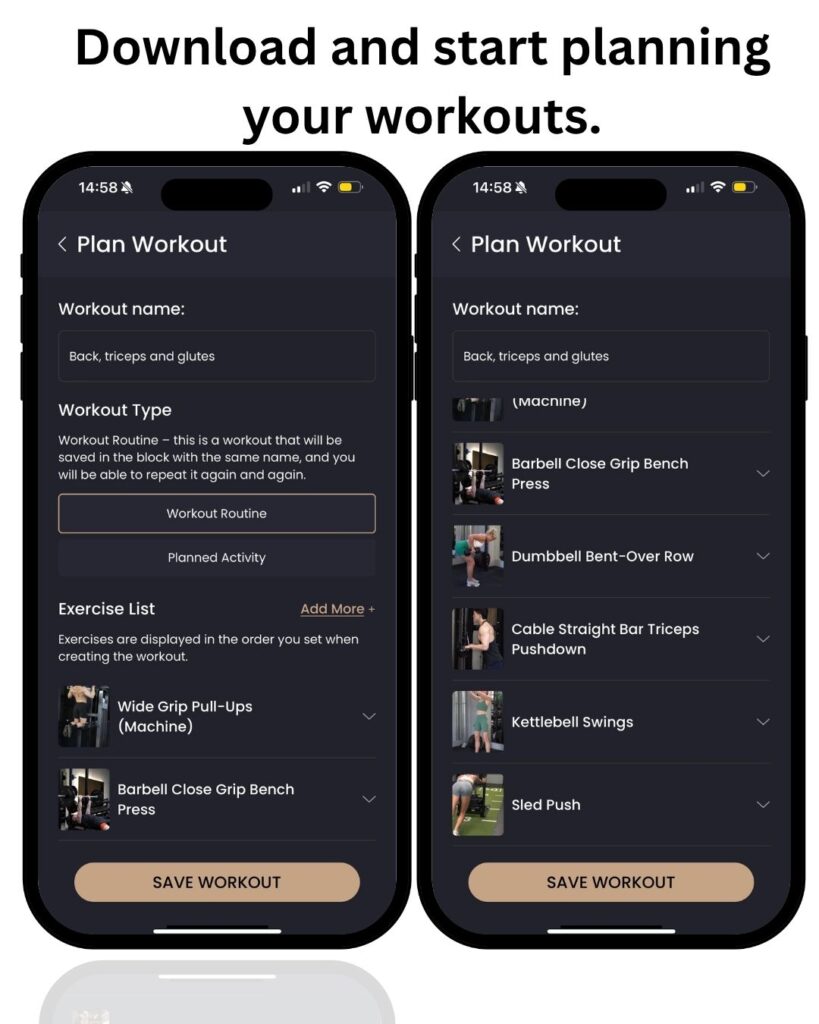
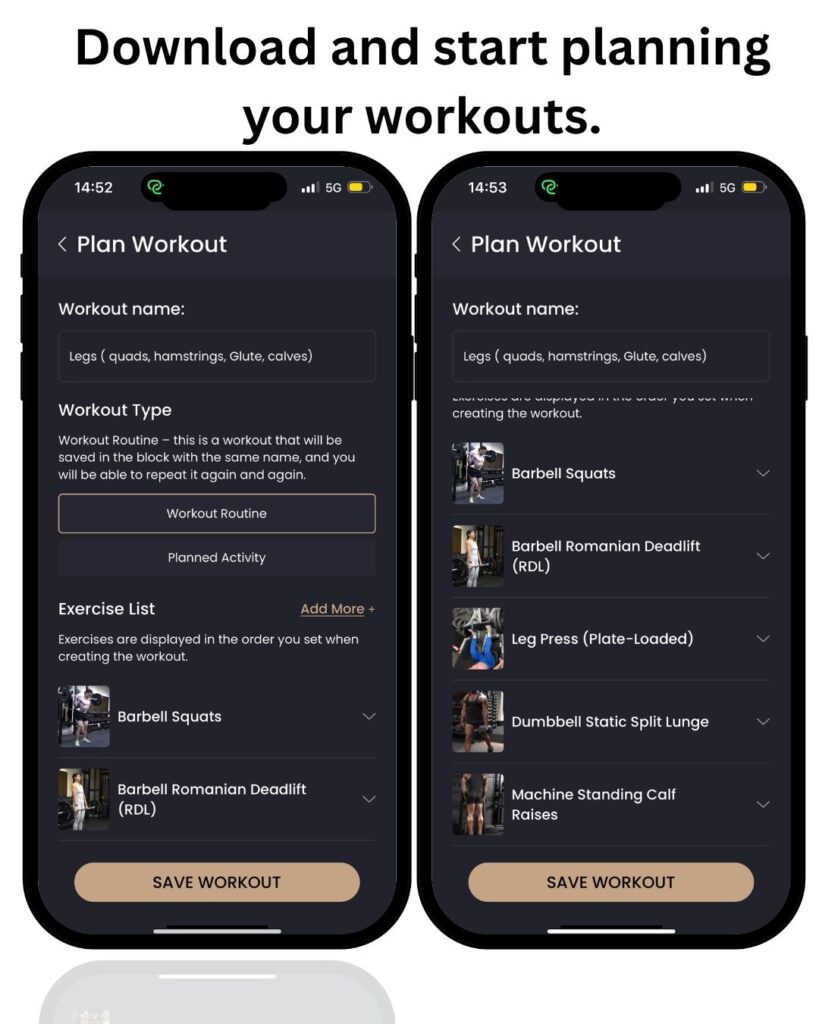
That’s where the 12Reps app comes in. This isn’t just another fitness app; it’s your personal trainer in your pocket. Throughout this guide, I’ll show you exactly how to use it to track your workouts, master proper form through video demonstrations, and see real progress that’ll keep you motivated for months to come.
The program you’re about to start isn’t some crazy, intense routine that’ll burn you out in two weeks. It’s a carefully designed 12-week journey that takes you from complete beginner to confident gym-goer. We’re talking about a push/pull/legs/core split that works around your busy life, just four days a week, using equipment you’ll find in any decent gym.
But before we dive into the workouts, let’s talk about why strength training is literally one of the best things you can do for your body and your life.

The Life-Changing Benefits of Strength Training
Living Longer and Better
Here’s something that’ll blow your mind: regular strength training can literally add years to your life. Recent research shows that people who do strength training for just 90 minutes a week can slow down biological ageing by almost four years [1]. That’s not just living longer, that’s living better for longer.
Think about your grandparents or older relatives. The ones who stay active and strong are the ones who can still climb stairs, carry groceries, and live independently. That’s what strength training gives you, it’s like making a deposit in your future health bank account.
The Harvard Medical School puts it perfectly: “Unless you are doing strength training, you will become weaker and less functional” [1]. The average 30-year-old loses approximately 25% of their muscle strength by age 70 and a substantial 50% by age 90. However, here’s the good news: strength training can completely prevent this muscle loss, and it’s never too late to start.
Injury Prevention That Actually Works
One of the biggest myths about strength training is that it’s dangerous and causes injuries. The truth is exactly the opposite. When done properly (which is what this guide teaches you), strength training is one of the best ways to prevent injuries in your daily life and other sports.
Strong muscles protect your joints, improve your balance, and make you more resilient to falls and accidents [2]. Think about it, if your legs are strong, you’re less likely to get hurt when you trip. If your core is solid, your back won’t give out when you lift something heavy at work.
The Mayo Clinic research shows that strength training can reduce the signs and symptoms of many chronic conditions, including arthritis, back pain, obesity, heart disease, depression, and diabetes [2]. It’s like having a medicine that treats multiple conditions at once, except this medicine not only treats your ailments but also makes you look and feel amazing.
Mental Health and Confidence Boost
Here’s something I’ve noticed with every single client I work with: Strength training doesn’t just change your body; it changes your mind. There’s something incredibly powerful about setting a goal to lift a certain weight and then achieving it. It builds confidence that carries over into every area of your life.
The research supports this as well. Studies have shown that regular strength training can enhance cognitive and learning skills, particularly as we age [2]. It’s like your brain gets stronger along with your muscles. Plus, let’s be honest – looking good feels good. When you see your body getting stronger and more defined over these 12 weeks, it’s going to boost your confidence in ways you can’t even imagine right now.
Gym Rules: Do's and Don'ts That'll Make You a Respected Member
The Three Golden Rules
Before we delve into specific rules, remember these three principles that guide all gym etiquette: be aware of your surroundings, treat the equipment as if it were yours, and remain respectful [3]. Everything else is just specific examples of these three rules.
Essential Do’s
Do read and follow your gym’s specific rules. Every gym is different. Some allow chalk, others don’t. Some allow you to deadlift and drop weights, while others have strict no-dropping policies. Spend five minutes reading the posted rules when you join, it’ll save you embarrassment later.
Do use a towel and wipe down equipment. This should be obvious, but you may be surprised how many people overlook it. Bring a towel (or use the ones provided) and wipe down every surface your skin comes into contact with. Most gyms have spray bottles and wipes throughout the facility.
Do put equipment back where it belongs. This is huge. Don’t wait until the end of your workout – clean up as you go. Put the dumbbells back in order, strip the weight plates from the barbells, and return everything to its proper place. Your laziness becomes someone else’s problem, and that’s not cool.
Do give people space. When someone’s lifting, especially with free weights, give them plenty of room. Dumbbells can swing in unexpected directions, and getting hit with a 20-pound weight is no joke for anyone involved.
Do ask if you can work in. If someone’s using equipment you need and they have multiple sets left, it’s perfectly fine to ask if you can work in between their sets. Most people are happy to share, especially if you’re polite about it.
Critical Don’ts
Don’t hog equipment. If you’re doing multiple exercises, don’t claim three different pieces of equipment at once. Complete your sets, then proceed. Other people are also paying to use the gym.
Don’t block the dumbbell rack. This is probably the most common mistake beginners make. Grab your dumbbells and step back so others can access the rack. Standing directly in front of it while you do your entire set is like blocking the entrance to a store.
Don’t drop weights unnecessarily. Yes, sometimes you need to drop heavy weights for safety. But slamming down 15-pound dumbbells after a set of bicep curls is just showing off and annoying everyone around you.
Don’t use your phone excessively. The 12Reps app is perfect because it’s designed for quick logging between sets. But don’t sit on equipment scrolling social media for five minutes between sets. Other people are waiting.
Don’t give unsolicited advice. Unless someone is about to seriously hurt themselves, keep your tips to yourself. Everyone’s at different levels and following different programs.
Special Equipment Etiquette
Squat racks and bench press stations are premium real estate in most gyms. Don’t use them for exercises you can do elsewhere (like bicep curls in the squat rack – seriously, don’t do this). When you’re done, strip all the weight plates off the bar.
Cardio equipment usually has time limits during busy periods. Respect these limits and wipe down the machine when you’re done. Don’t save machines for friends who aren’t there yet.
Free weight areas can get crowded. Move with purpose, keep your head up, and remain aware of your surroundings. If you need to walk through someone’s lifting space, wait for them to finish their rep or make eye contact and get permission first.
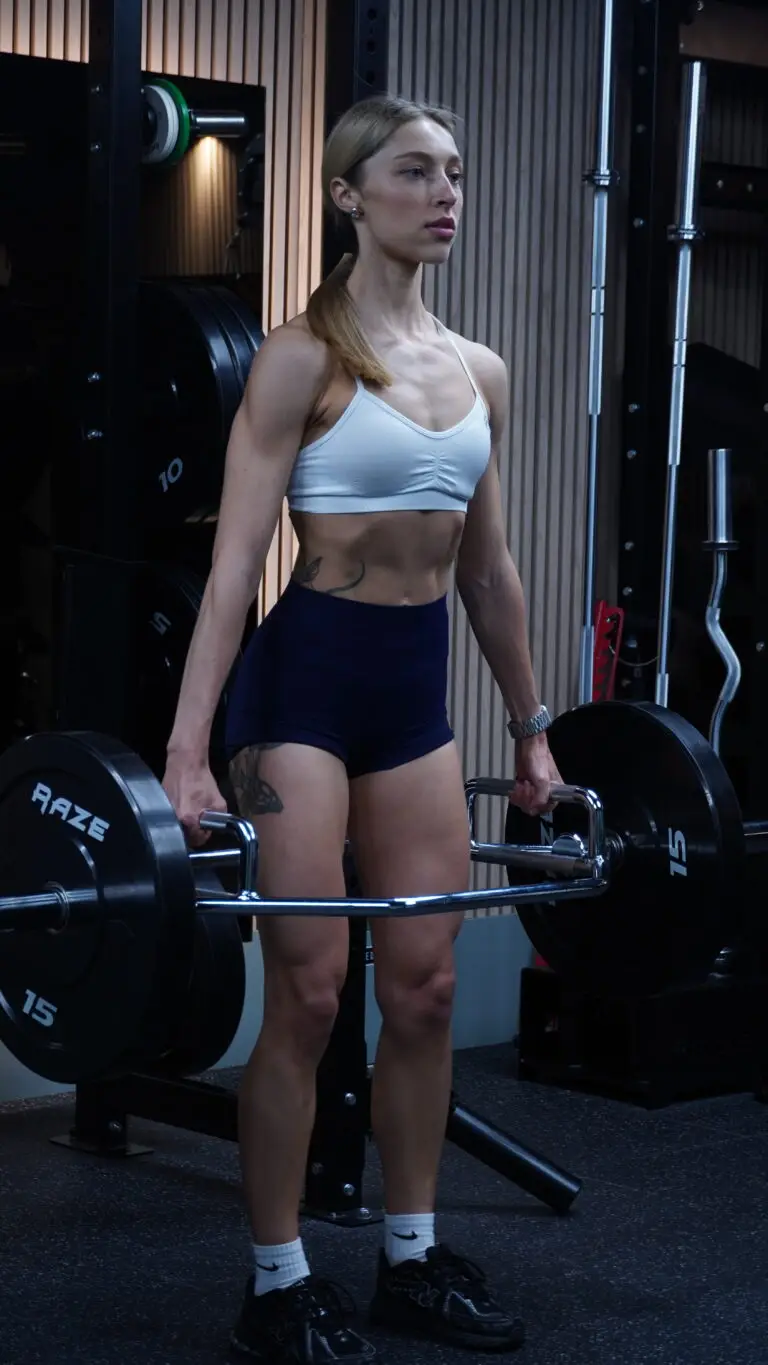
The Critical Importance of Warming Up and Cooling Down
Why Your Warm-Up Can Make or Break Your Workout
Think of your muscles like a rubber band that’s been sitting in the freezer. If you try to stretch it immediately, it’ll snap. But if you warm it up first, it becomes flexible and strong. That’s exactly what happens with your muscles.
A proper warm-up does three crucial things: it increases blood flow to your muscles, raises your core body temperature, and prepares your nervous system for the work ahead. The Mayo Clinic recommends 5-10 minutes of light aerobic activity before strength training, as cold muscles are more prone to injury [2].
The Perfect Warm-Up Routine
For this program, your warm-up should take about 8-10 minutes and include these components:
General warm-up (3-4 minutes): Begin with light cardio, such as walking on a treadmill, easy cycling, or marching in place. You want to break a light sweat without getting tired.
Dynamic stretching (3-4 minutes): This involves moving stretches, rather than holding static positions. Think arm circles, leg swings, torso twists, and bodyweight squats. You’re taking your joints through their full range of motion.
Activation exercises (2-3 minutes): These are light versions of the movements you’ll be doing in your workout. If it’s push day, do some light push-ups or arm circles. If it’s leg day, do some bodyweight squats and lunges.
The 12Reps app has built-in warm-up routines for each workout type, complete with video demonstrations. Use these religiously; they’re designed specifically for the workout you’re about to do.
Cooling Down: The Recovery Secret Most People Skip
Here’s where most people mess up, they finish their last set and immediately head to the locker room. Big mistake. Your cool-down is just as important as your warm-up, especially for recovery and preventing soreness.
A proper cool-down helps your heart rate return to normal gradually, prevents blood from pooling in your muscles, and starts the recovery process immediately. It should take about 5-8 minutes and include:
Light cardio (2-3 minutes): Perform easy walking or slow cycling to gradually lower your heart rate.
Static stretching (3-5 minutes): This is the time to hold stretches. Focus on the muscles you just worked, holding each stretch for 20-30 seconds.
Deep breathing: Take a few minutes to breathe deeply and signal to your nervous system that the workout is over.
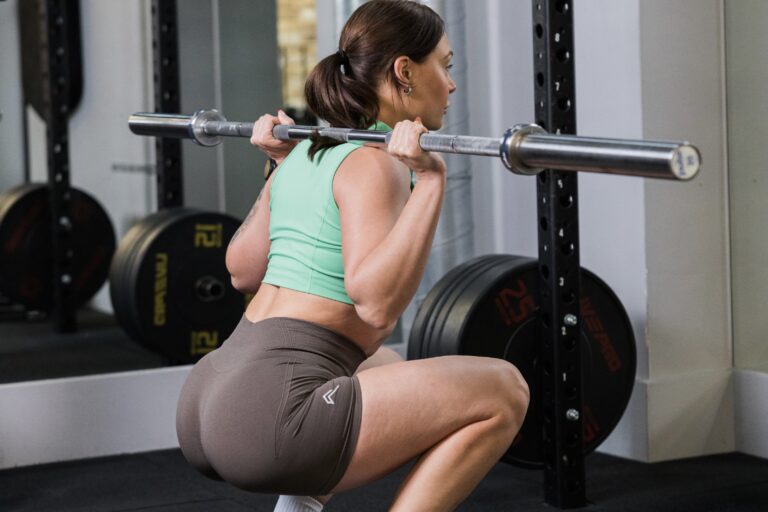
Stretching: Your Secret Weapon for Better Results
The Truth About Flexibility and Strength Training
There’s a huge myth that strength training makes you “muscle-bound” and inflexible. This is complete nonsense when you train properly. In fact, strength training through a full range of motion can actually improve your flexibility.
The key is understanding when and how to stretch. There are two main types: dynamic stretching (also known as moving stretches) and static stretching (holding positions). Each has its place in your routine.
Pre-Workout Stretching: Dynamic Movement
Before your workout, you want dynamic stretches that prepare your body for movement. These should mimic the exercises you’re about to do, but at a lower intensity. For example:
Before push day: Arm circles, shoulder rolls, light push-ups, and chest openers.
Before pull day: Arm swings, band pull-aparts, and light rowing motions.
Before leg day: Leg swings, walking lunges, and bodyweight squats.
Before core day: Torso twists, standing side bends, and marching in place.
The 12Reps app features specific dynamic warm-ups tailored to each workout day. Follow these exactly – they’re designed by experts who understand how to prepare your body for optimal performance.
Post-Workout Stretching: The Recovery Accelerator
After your workout, static stretching becomes incredibly valuable. Your muscles are warm and pliable, making it the perfect time to improve flexibility and start the recovery process.
Focus on the muscles you just worked, but don’t ignore the rest of your body. Hold each stretch for 20-30 seconds, breathing deeply. This isn’t about pushing through pain – it should feel good and relaxing.
Some of the most important stretches for this program include:
For push days: Chest doorway stretch, shoulder cross-body stretch, and tricep overhead stretch.
For pull days: Lat stretch against a wall, seated spinal twist, and bicep doorway stretch.
For leg days: Standing quad stretch, seated hamstring stretch, and calf stretch against a wall.
For core days: Cat-Cow stretch, Child’s Pose, and Standing Side Bend.
The Flexibility-Strength Connection
Here’s something most people don’t realise: being more flexible actually makes you stronger. When you can move through a full range of motion, you’re able to recruit more muscle fibres and generate more force.
Additionally, flexible muscles recover more quickly and are less prone to injury. Think of flexibility as an investment in your long-term strength gains.
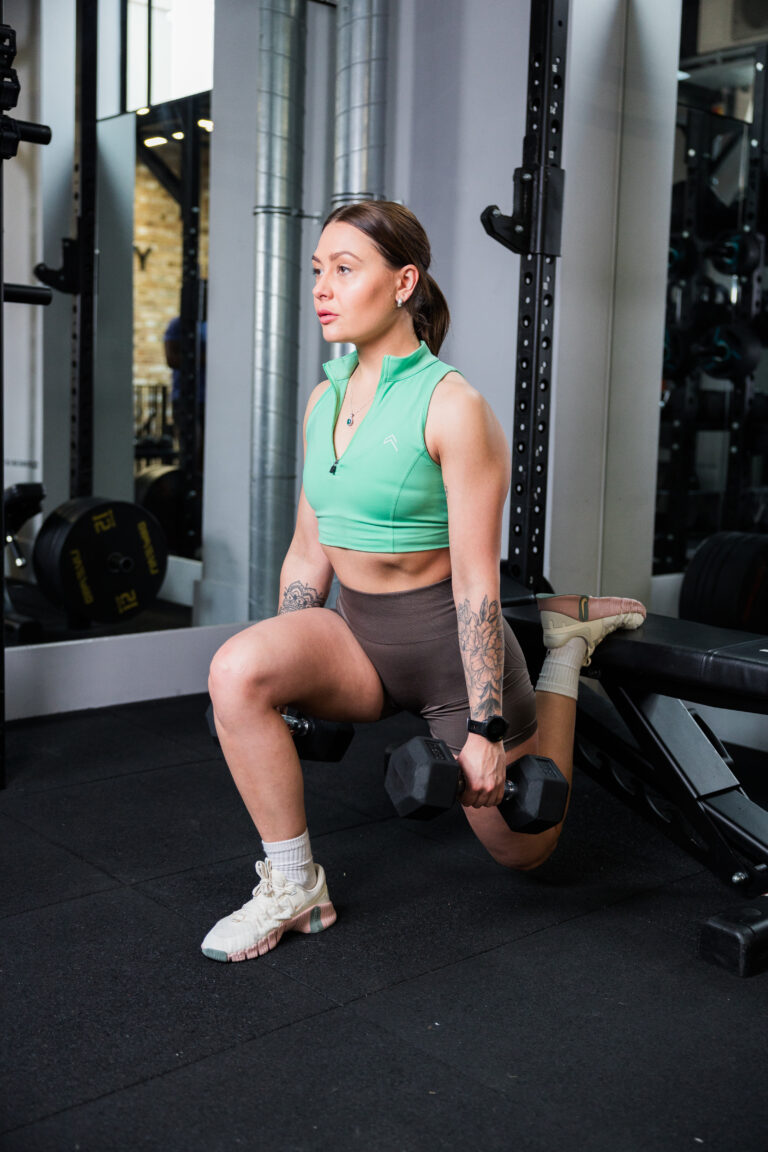
The 12-Week Program Overview
Program Structure and Philosophy
This isn’t just another random workout program thrown together to look impressive. Every single exercise, set, rep, and rest period has been carefully selected based on proven training principles and my decade of experience helping beginners transform their bodies.
The program is structured around a push/pull/legs/core split, one of the most effective training methods for beginners. Here’s why this split works so well:
Push days target all the muscles involved in pushing movements, including the chest, shoulders, and triceps. Training these together makes sense because they all work as a team during pushing exercises.
Pull days focus on pulling muscles, specifically the back and biceps. Again, these muscles work together naturally, so training them together maximises efficiency and results.
Legs days hit your entire lower body: quads, hamstrings, glutes, and calves. Your legs are your largest muscle group and deserve their own dedicated day.
Core days combine core strengthening with metabolic conditioning. This isn’t just about getting abs – a strong core improves every other exercise and protects your back.
Phase 1: Foundation Building (Weeks 1-4)
PUSH DAY – Phase 1
| Exercise | Equipment | Sets | Reps | Weight/Resistance | Rest |
| 1. Dumbbell Chest Press | Dumbbells + Bench | 4 | 10-12 | Start: 10-15 lbs each | 90 sec |
| 2. Dumbbell Shoulder Press | Dumbbells | 4 | 10-12 | Start: 8-12 lbs each | 90 sec |
| 3. Incline Dumbbell Flyes | Dumbbells + Incline Bench | 4 | 10-12 | Start: 5-8 lbs each | 90 sec |
| 4. Lateral Raises | Dumbbells | 4 | 10-12 | Start: 3-5 lbs each | 90 sec |
| 5. TRX Tricep Press | TRX | 4 | 10-12 | Body angle adjustment | 90 sec |
| 6. Dumbbell Tricep Extensions | Dumbbells | 4 | 10-12 | Start: 8-10 lbs | 90 sec |
Push Day Form Focus:
•Keep your core engaged throughout all pressing movements
•Don’t let your lower back arch excessively during chest press
•Control the weight on the way down – this is where muscle growth happens
•For shoulder exercises, keep your shoulders back and down
•On tricep exercises, keep your elbows stable and close to your body
PULL DAY – Phase 1
| Exercise | Equipment | Sets | Reps | Weight/Resistance | Rest |
| 1. Lat Pulldown Machine | Cable Machine | 4 | 10-12 | Start: 40-60 lbs | 90 sec |
| 2. Dumbbell Bent-Over Rows | Dumbbells | 4 | 10-12 | Start: 10-15 lbs each | 90 sec |
| 3. Dumbbell Romanian Deadlifts | Dumbbells | 4 | 10-12 | Start: 15-20 lbs each | 90 sec |
| 4. TRX Reverse Flyes | TRX | 4 | 10-12 | Body angle adjustment | 90 sec |
| 5. Dumbbell Hammer Curls | Dumbbells | 4 | 10-12 | Start: 8-12 lbs each | 90 sec |
| 6. Dumbbell Bicep Curls | Dumbbells | 4 | 10-12 | Start: 8-10 lbs each | 90 sec |
Pull Day Form Focus:
•Initiate all pulling movements with your back muscles, not your arms
•Squeeze your shoulder blades together at the end of each rep
•Keep your chest up and shoulders back during rows
•For Romanian deadlifts, hinge at the hips and keep the weight close to your body
•Don’t swing the weights during bicep curls – control the movement
LEGS DAY – Phase 1
| Exercise | Equipment | Sets | Reps | Weight/Resistance | Rest |
| 1. Goblet Squats | Dumbbell or Kettlebell | 4 | 10-12 | Start: 15-25 lbs | 90 sec |
| 2. Dumbbell Lunges | Dumbbells | 4 | 10-12 each leg | Start: 8-12 lbs each | 90 sec |
| 3. Dumbbell Romanian Deadlifts | Dumbbells | 4 | 10-12 | Start: 15-20 lbs each | 90 sec |
| 4. Dumbbell Glute Bridges | Dumbbell | 4 | 10-12 | Start: 15-25 lbs | 90 sec |
| 5. Dumbbell Calf Raises | Dumbbells | 4 | 10-12 | Start: 10-15 lbs each | 90 sec |
| 6. TRX Assisted Squats | TRX | 4 | 10-12 | Body assistance level | 90 sec |
Legs Day Form Focus:
•Keep your knees aligned with your toes during squats and lunges
•Go as deep as your mobility allows while maintaining good form
•Focus on pushing through your heels, not your toes
•Keep your core tight during all movements to protect your lower back
•Control the descent – don’t just drop down and bounce back up
CORE DAY – Phase 1
| Exercise | Equipment | Sets | Reps/Time | Weight/Resistance | Rest |
| 1. Plank Hold | Bodyweight | 4 | 30-45 seconds | Bodyweight | 90 sec |
| 2. Medicine Ball Slams | Medicine Ball | 4 | 10-12 | Start: 8-12 lbs | 90 sec |
| 3. Dead Bugs | Bodyweight | 4 | 10-12 each side | Bodyweight | 90 sec |
| 4. Side Plank Hold | Bodyweight | 4 | 20-30 sec each side | Bodyweight | 90 sec |
| 5. Kettlebell Swings | Kettlebell | 4 | 10-12 | Start: 15-20 lbs | 90 sec |
| 6. TRX Mountain Climbers | TRX | 4 | 10-12 each leg | Body angle adjustment | 90 sec |
Core Day Form Focus:
•Maintain a neutral spine during all exercises – no sagging or excessive arching
•Breathe normally during holds – don’t hold your breath
•For kettlebell swings, the power comes from your hips, not your arms
•Keep your shoulders stable during mountain climbers
•Focus on quality over speed – perfect reps are more important than fast reps
Phase 2: Development & Supersets (Weeks 5-8)
PUSH DAY – Phase 2
Superset A1 & A2
| Exercise | Equipment | Sets | Reps | Weight/Resistance | Rest |
| A1. Dumbbell Chest Press | Dumbbells + Bench | 4 | 10-12 | Increase from Phase 1 | No rest |
| A2. Push-ups | Bodyweight | 4 | 10 | Bodyweight | 75 sec |
Superset B1 & B2
| Exercise | Equipment | Sets | Reps | Weight/Resistance | Rest |
| B1. Dumbbell Shoulder Press | Dumbbells | 4 | 10-12 | Increase from Phase 1 | No rest |
| B2. Pike Push-ups | Bodyweight | 4 | 8-10 | Bodyweight | 75 sec |
Superset C1 & C2
| Exercise | Equipment | Sets | Reps | Weight/Resistance | Rest |
| C1. Dumbbell Flyes | Dumbbells + Bench | 4 | 10-12 | Increase from Phase 1 | No rest |
| C2. TRX Chest Press | TRX | 4 | 10 | Body angle adjustment | 60 sec |
Push Day Superset Strategy: The beauty of these pairings is that they target the same muscle groups from different angles. After fatiguing your chest with heavy dumbbell presses, the push-ups force your muscles to work in a different rep range and movement pattern, maximizing muscle fiber recruitment.
PULL DAY – Phase 2
Superset A1 & A2
| Exercise | Equipment | Sets | Reps | Weight/Resistance | Rest |
| A1. Lat Pulldown Machine | Cable Machine | 4 | 10-12 | Increase from Phase 1 | No rest |
| A2. TRX Assisted Pull-ups | TRX | 4 | 8-10 | Body assistance level | 75 sec |
Superset B1 & B2
| Exercise | Equipment | Sets | Reps | Weight/Resistance | Rest |
| B1. Dumbbell Bent-Over Rows | Dumbbells | 4 | 10-12 | Increase from Phase 1 | No rest |
| B2. TRX Inverted Rows | TRX | 4 | 10 | Body angle adjustment | 75 sec |
Superset C1 & C2
| Exercise | Equipment | Sets | Reps | Weight/Resistance | Rest |
| C1. Dumbbell Hammer Curls | Dumbbells | 4 | 10-12 | Increase from Phase 1 | No rest |
| C2. TRX Bicep Curls | TRX | 4 | 10 | Body angle adjustment | 60 sec |
Pull Day Superset Strategy: These combinations work your pulling muscles through different planes of motion. The weighted exercises build strength, while the TRX exercises improve stability and work your muscles through different angles.
LEGS DAY – Phase 2
Superset A1 & A2
| Exercise | Equipment | Sets | Reps | Weight/Resistance | Rest |
| A1. Dumbbell Squats | Dumbbells | 4 | 10-12 | Increase from Phase 1 | No rest |
| A2. Jump Squats | Bodyweight | 4 | 8-10 | Bodyweight | 75 sec |
Superset B1 & B2
| Exercise | Equipment | Sets | Reps | Weight/Resistance | Rest |
| B1. Dumbbell Lunges | Dumbbells | 4 | 10-12 each leg | Increase from Phase 1 | No rest |
| B2. Reverse Lunges | Bodyweight | 4 | 10 each leg | Bodyweight | 75 sec |
Superset C1 & C2
| Exercise | Equipment | Sets | Reps | Weight/Resistance | Rest |
| C1. Dumbbell Romanian Deadlifts | Dumbbells | 4 | 10-12 | Increase from Phase 1 | No rest |
| C2. Single-leg Glute Bridges | Bodyweight | 4 | 10 each leg | Bodyweight | 60 sec |
Legs Day Superset Strategy: The explosive bodyweight movements (jump squats) paired with strength exercises create a powerful combination for building both strength and power. This is where you’ll really start to feel your legs getting stronger and more athletic.
CORE DAY – Phase 2
Superset A1 & A2
| Exercise | Equipment | Sets | Reps/Time | Weight/Resistance | Rest |
| A1. Medicine Ball Slams | Medicine Ball | 4 | 12-15 | Increase from Phase 1 | No rest |
| A2. Plank to Push-up | Bodyweight | 4 | 8-10 | Bodyweight | 75 sec |
Superset B1 & B2
| Exercise | Equipment | Sets | Reps/Time | Weight/Resistance | Rest |
| B1. Kettlebell Swings | Kettlebell | 4 | 15-20 | Increase from Phase 1 | No rest |
| B2. Russian Twists | Bodyweight | 4 | 20 total | Bodyweight | 75 sec |
Superset C1 & C2
| Exercise | Equipment | Sets | Reps/Time | Weight/Resistance | Rest |
| C1. TRX Pike | TRX | 4 | 10-12 | Body angle adjustment | No rest |
| C2. Bicycle Crunches | Bodyweight | 4 | 20 total | Bodyweight | 60 sec |
Phase 3: Advanced Development (Weeks 9-12)
PUSH DAY – Phase 3
Tri-Set A1, A2 & A3
| Exercise | Equipment | Sets | Reps | Weight/Resistance | Rest |
| A1. Dumbbell Chest Press | Dumbbells + Bench | 4 | 10-12 | Increase from Phase 2 | No rest |
| A2. Push-ups | Bodyweight | 4 | 10-12 | Bodyweight | No rest |
| A3. TRX Chest Fly | TRX | 4 | 8-10 | Body angle adjustment | 60 sec |
Superset B1 & B2
| Exercise | Equipment | Sets | Reps | Weight/Resistance | Rest |
| B1. Dumbbell Thrusters | Dumbbells | 4 | 10-12 | Moderate weight | No rest |
| B2. Burpees | Bodyweight | 4 | 8-10 | Bodyweight | 60 sec |
Superset C1 & C2
| Exercise | Equipment | Sets | Reps | Weight/Resistance | Rest |
| C1. Dumbbell Tricep Dips | Dumbbells + Bench | 4 | 10-12 | Bodyweight + weight | No rest |
| C2. Diamond Push-ups | Bodyweight | 4 | 8-10 | Bodyweight | 60 sec |
Push Day Advanced Strategy: The tri-set completely exhausts your pushing muscles through three different movement patterns and resistance types. The dumbbell thrusters combine a squat with an overhead press, making it a full-body exercise that will have your heart pounding.
PULL DAY – Phase 3
Tri-Set A1, A2 & A3
| Exercise | Equipment | Sets | Reps | Weight/Resistance | Rest |
| A1. Dumbbell Bent-Over Rows | Dumbbells | 4 | 10-12 | Increase from Phase 2 | No rest |
| A2. TRX Inverted Rows | TRX | 4 | 10-12 | Body angle adjustment | No rest |
| A3. Band Pull-Aparts | Resistance Band | 4 | 15 | Light resistance | 60 sec |
Superset B1 & B2
| Exercise | Equipment | Sets | Reps | Weight/Resistance | Rest |
| B1. Dumbbell Deadlift to Row | Dumbbells | 4 | 10-12 | Moderate weight | No rest |
| B2. TRX Y-Pulls | TRX | 4 | 10-12 | Body angle adjustment | 60 sec |
Superset C1 & C2
| Exercise | Equipment | Sets | Reps | Weight/Resistance | Rest |
| C1. Dumbbell 21s (Bicep Curls) | Dumbbells | 4 | 21 total (7+7+7) | Moderate weight | No rest |
| C2. TRX Bicep Curls | TRX | 4 | 10-12 | Body angle adjustment | 60 sec |
Pull Day Advanced Strategy: The “21s” bicep curl technique involves 7 partial reps in the bottom half of the movement, 7 partial reps in the top half, and 7 full reps. This creates an incredible burn and forces your muscles to work through different strength curves.
LEGS DAY – Phase 3
Tri-Set A1, A2 & A3
| Exercise | Equipment | Sets | Reps | Weight/Resistance | Rest |
| A1. Dumbbell Squat to Press | Dumbbells | 4 | 10-12 | Moderate weight | No rest |
| A2. Jump Squats | Bodyweight | 4 | 10-12 | Bodyweight | No rest |
| A3. Wall Sit | Bodyweight | 4 | 30-45 seconds | Bodyweight | 60 sec |
Superset B1 & B2
| Exercise | Equipment | Sets | Reps | Weight/Resistance | Rest |
| B1. Dumbbell Bulgarian Split Squats | Dumbbells + Bench | 4 | 10-12 each leg | Increase from Phase 2 | No rest |
| B2. Lateral Lunges | Bodyweight | 4 | 10 each leg | Bodyweight | 60 sec |
Superset C1 & C2
| Exercise | Equipment | Sets | Reps | Weight/Resistance | Rest |
| C1. Dumbbell Single-Leg RDL | Dumbbells | 4 | 10 each leg | Moderate weight | No rest |
| C2. Single-Leg Calf Raises | Bodyweight | 4 | 15 each leg | Bodyweight | 60 sec |
Legs Day Advanced Strategy: The squat-to-press tri-set is brutal but incredibly effective. You’ll be working your legs, core, and shoulders simultaneously while your heart rate stays elevated throughout. The single-leg exercises challenge your balance and stability while building unilateral strength.
CORE DAY – Phase 3
Tri-Set A1, A2 & A3
| Exercise | Equipment | Sets | Reps/Time | Weight/Resistance | Rest |
| A1. Medicine Ball Slam to Squat | Medicine Ball | 4 | 12-15 | Increase from Phase 2 | No rest |
| A2. Mountain Climbers | Bodyweight | 4 | 20 total | Bodyweight | No rest |
| A3. Plank Hold | Bodyweight | 4 | 45-60 seconds | Bodyweight | 60 sec |
Superset B1 & B2
| Exercise | Equipment | Sets | Reps/Time | Weight/Resistance | Rest |
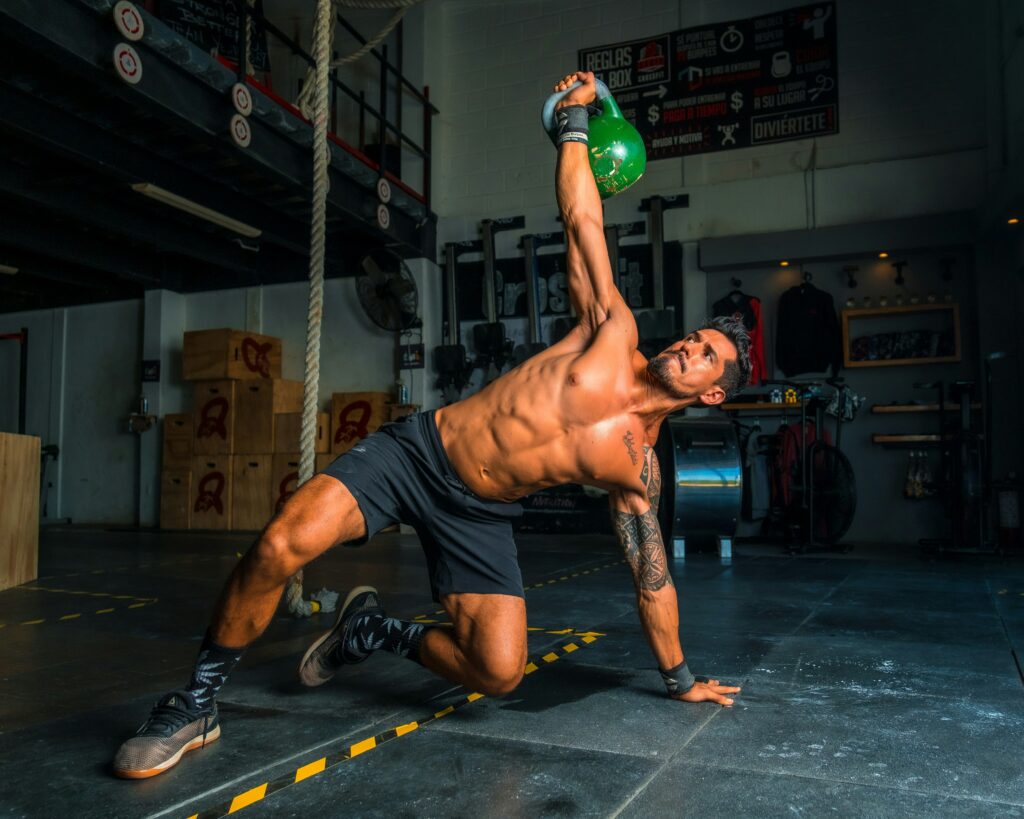
| B1. Kettlebell Turkish Get-ups | Kettlebell | 4 | 5 each side | Light-moderate weight | No rest |
| B2. Bear Crawl | Bodyweight | 4 | 10 steps forward/back | Bodyweight | 60 sec |
Superset C1 & C2
| Exercise | Equipment | Sets | Reps/Time | Weight/Resistance | Rest |
| C1. Sledgehammer Tire Strikes | Sledgehammer + Tire | 4 | 20 total | 10-15 lb sledge | No rest |
| C2. TRX Atomic Push-ups | TRX | 4 | 8-10 | Body angle adjustment | 60 sec |
Conclusion: Your Journey Starts Now
As we reach the end of this comprehensive guide, I want you to take a moment to appreciate what you’re about to accomplish. This isn’t just a 12-week workout program, it’s a complete transformation system that will change not just your body, but your entire relationship with fitness and health.
Over the past decade of helping people transform their lives, I’ve seen this program work for complete beginners who were intimidated by the gym, busy professionals who thought they didn’t have time, and people who had tried and failed with other programs. The difference isn’t in their genetics or their circumstances – it’s in having a structured, progressive system combined with the right tools and mindset.
The 12Reps app isn’t just a nice-to-have addition to this program – it’s an integral part of your success. It removes the guesswork, provides expert guidance when you need it, and tracks your progress in ways that will keep you motivated throughout your entire journey. Every video demonstration, every rest timer, and every logged workout is designed to maximise your results and minimise your time spent figuring things out.
Remember, transformation doesn’t happen overnight. It happens through consistent daily actions compounded over time. Some days will be harder than others. Some workouts will feel amazing, others will feel like a struggle. That’s completely normal and part of the process. What matters is that you show up, do the work, and trust the process.
The knowledge you’ll gain from this program extends far beyond these 12 weeks. You’ll understand how your body responds to different types of training, how to progress safely and effectively, and how to maintain your results for the long term. These are skills that will serve you for decades to come.
Your journey starts the moment you step into that gym for your first Phase 1 workout. Trust the process, use the 12Reps app religiously, and prepare to amaze yourself with what you’re capable of achieving. I’m eager to see your transformation!
References {#references}
[1] Harvard Health Publishing. (2021). Want to live longer and better? Do strength training. https://www.health.harvard.edu/staying-healthy/want-to-live-longer-and-better-do-strength-training
[2] Mayo Clinic. (2023). Strength training: Get stronger, leaner, healthier. https://www.mayoclinic.org/healthy-lifestyle/fitness/in-depth/strength-training/art-20046670
[3] Nerd Fitness. (2024). Gym Etiquette: 29 Unwritten Rules. https://www.nerdfitness.com/blog/gym-etiquette-101/
[4] Mayo Clinic Health System. (2025). 5 nutrition tips to maximize your workouts. https://www.mayoclinichealthsystem.org/hometown-health/speaking-of-health/5-nutrition-tips-to-maximize-your-workouts
About the Author: Will Duru holds a BSc (Hons) in Sport and Exercise Science and is an award-winning personal trainer with over 10 years of experience specialising in strength training and recovery optimisation. He has helped hundreds of beginners transform their bodies and build lifelong healthy habits through structured, science-based training programs.