

By Will Duru, BSc (Hons) Sport and Exercise Science, Award winning Personal Trainer with over 10 years of experience in strength training
Marcus came to me with a specific goal. He was 32, reasonably fit, but felt his physique lacked presence. “My shoulders are my weak point,” he told me. “I want that V taper look. Broad shoulders that make me look like I actually lift.”
I see this request constantly. Broad shoulders are one of the most desired physical attributes for men. They create the illusion of a narrower waist, fill out shirts properly and project confidence and strength. Unfortunately, they are also one of the most commonly undertrained body parts.
Most men make the mistake of thinking a few sets of shoulder press will do the job. It will not. Building truly impressive shoulders requires understanding the anatomy, training all three heads of the deltoid properly and being strategic about exercise selection and volume.
After ten years of helping men build boulder shoulders, I have refined an approach that works consistently. This guide shares everything I have learned.
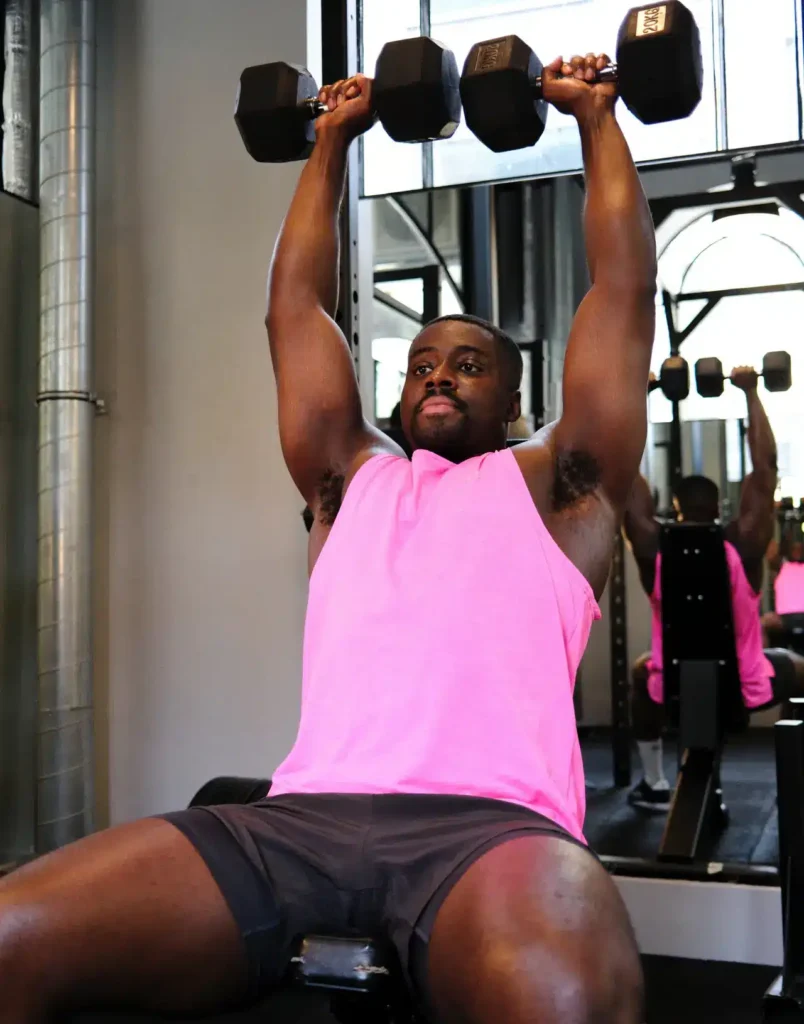
Understanding Shoulder Anatomy
Before you can build impressive shoulders, you need to understand what you are working with. The deltoid muscle has three distinct heads, each requiring different exercises to develop fully.
The Anterior Deltoid (Front Delt)
The front delt sits at the front of your shoulder and is responsible for raising your arm forward and assisting with pressing movements. This head gets worked heavily during all pressing exercises, including bench press and overhead press.
Most men have overdeveloped front delts relative to their side and rear delts because pressing movements are so common in typical gym routines. If you bench press regularly, your front delts are probably already getting enough work.
The Lateral Deltoid (Side Delt)
The side delt sits on the outer edge of your shoulder and is responsible for raising your arm out to the side. This is the head that creates shoulder width and the round, capped look that most men are after.
The lateral deltoid is notoriously difficult to isolate. Many exercises that feel like they are working the side delt actually recruit the front delt and traps more heavily. Proper exercise selection and technique are critical.
The Posterior Deltoid (Rear Delt)
The rear delt sits at the back of your shoulder and is responsible for pulling your arm backwards and externally rotating your shoulder. This head is almost universally underdeveloped in gym goers.
Weak rear delts contribute to the rounded shoulder posture that plagues people who sit at desks and do too much pressing. They also limit your pressing strength and increase injury risk. Strong rear delts are essential for both aesthetics and shoulder health.
Why Your Shoulders Are Not Growing
If you have been training shoulders but not seeing results, you are probably making one of these common mistakes.
Mistake 1: Neglecting the Side and Rear Delts
The classic shoulder workout is overhead press followed by maybe some lateral raises as an afterthought. This approach overdevelops the front delt while leaving the side and rear delts behind.
For balanced, broad shoulders, you need to train all three heads with equal attention. In fact, most men should prioritise their side and rear delts since the front delt gets worked during all chest pressing movements.
Mistake 2: Using Too Much Weight on Isolation Exercises
Lateral raises and rear delt exercises are not strength exercises. They are muscle building exercises that require precise technique and mind muscle connection.
When you load up lateral raises with heavy dumbbells, you end up using momentum and recruiting your traps rather than isolating your side delts. Lighter weight with strict form produces better results.
Mistake 3: Not Training Shoulders Frequently Enough
Shoulders recover quickly and respond well to frequent training. Training them once per week is not optimal for most people.
Research from the Journal of Strength and Conditioning Research shows that training muscle groups twice per week produces superior hypertrophy compared to once per week. Your shoulders can handle even more frequency than that.
Mistake 4: Ignoring Progressive Overload
Even though isolation exercises require lighter weights, you still need to progress over time. If you have been using the same weight on lateral raises for months, your shoulders have no reason to grow.
Track your weights and aim to add small amounts over time, even if it is just half a kilogram every few weeks.
Mistake 5: Poor Exercise Execution
Shoulder exercises have more technical nuances than most people realise. Small adjustments to grip, angle and range of motion can dramatically change which muscles are being worked.
I will cover proper technique for each exercise later in this guide.
The Best Exercises for Broad Shoulders
Here are the exercises I rely on most for building impressive shoulders, organised by which deltoid head they target.
Compound Pressing Movements (Front Delt Emphasis)
These exercises should form the foundation of your shoulder training. They allow you to use heavy weights and stimulate the most overall muscle growth.
Standing Barbell Overhead Press
The overhead press is the king of shoulder exercises. It works all three deltoid heads with emphasis on the front delt, plus your triceps and core.
Stand with feet hip width apart, grip the bar just outside shoulder width and press it straight overhead. Keep your core braced and avoid excessive arching of the lower back. Lower the bar under control to your upper chest.
Seated Dumbbell Shoulder Press
The seated variation removes the stability demands and allows you to focus purely on your shoulders. It also allows for a slightly greater range of motion than the barbell version.
Sit on a bench set to 90 degrees with dumbbells at shoulder height. Press straight up, bringing the dumbbells together at the top. Lower with control until your upper arms are parallel to the floor.
Arnold Press
Named after Arnold Schwarzenegger, this variation adds rotation to the pressing movement, hitting the front and side delts through a larger range of motion.
Start with dumbbells at shoulder height, palms facing you. As you press up, rotate your wrists so your palms face forward at the top. Reverse the motion on the way down.
Lateral Deltoid Exercises (Side Delt Emphasis)
These exercises are what create shoulder width. Master the technique on these and train them frequently.
Dumbbell Lateral Raises
The classic side delt exercise. Stand with dumbbells at your sides and raise them out to shoulder height, leading with your elbows rather than your hands.
The key mistake to avoid is raising your arms too high. Stop at shoulder height. Going higher shifts the work to your traps. Keep a slight bend in your elbows and maintain the same bend throughout the movement.
Cable Lateral Raises
Cables provide constant tension throughout the movement, unlike dumbbells which are easiest at the bottom. This makes cables excellent for side delt development.
Stand sideways to a low cable pulley, grab the handle with your far hand and raise it out to shoulder height. The angle of resistance hits the side delt perfectly.
Upright Rows (Wide Grip)
A controversial exercise, but effective when done correctly. Use a wide grip, hands outside shoulder width, and pull to chest height only, not to your chin.
The wide grip shifts emphasis from your traps to your side delts and reduces shoulder impingement risk. If upright rows cause you pain, skip them and stick to lateral raises.
Machine Lateral Raises
Many gyms have lateral raise machines that lock you into the correct movement pattern. These are excellent for beginners or when you want to push to failure safely.
Posterior Deltoid Exercises (Rear Delt Emphasis)
These exercises balance your shoulder development and improve your posture. Train them with the same attention you give your side delts.
Face Pulls
My favourite rear delt exercise. Set a cable at face height, grab the rope attachment with both hands and pull it towards your face, separating the rope at the end and externally rotating your shoulders.
The external rotation at the end is critical. It activates the rotator cuff muscles and rear delts fully. Do not skip this part of the movement.
Reverse Pec Deck (Rear Delt Fly Machine)
Sit facing the pad on a pec deck machine and grab the handles in front of you. Pull them back in a wide arc until your arms are extended out to your sides. Squeeze your shoulder blades together at the end.
This machine isolates the rear delts effectively and allows you to load the movement progressively.
Bent Over Dumbbell Reverse Flyes
Bend forward at the hips until your torso is nearly parallel to the floor. Let dumbbells hang straight down, then raise them out to your sides, leading with your elbows.
Keep your chest up and avoid swinging. Use lighter weight than you think you need and focus on feeling your rear delts work.
Prone Incline Reverse Flyes
Set an incline bench to 30 to 45 degrees and lie face down on it. This removes the temptation to use momentum and ensures you are isolating the rear delts.
Raise the dumbbells out to your sides, squeeze at the top and lower with control.
The Complete Shoulder Training Programme
Here is a shoulder specialisation programme designed to bring up lagging shoulders over 8 to 12 weeks. It trains shoulders three times per week with different focuses each day.
Day 1: Heavy Pressing Day (Push Day)
This workout focuses on building overhead pressing strength and front delt mass.
| Exercise | Sets | Reps | Rest |
|---|---|---|---|
| Standing Barbell Overhead Press | 4 | 6 to 8 | 2 min |
| Seated Dumbbell Shoulder Press | 3 | 8 to 10 | 90 sec |
| Dumbbell Lateral Raises | 3 | 12 to 15 | 60 sec |
| Face Pulls | 3 | 15 to 20 | 60 sec |
Day 2: Width Focus Day (Standalone or Pull Day)
This workout emphasises the lateral deltoid for maximum shoulder width.
| Exercise | Sets | Reps | Rest |
|---|---|---|---|
| Cable Lateral Raises | 4 | 12 to 15 | 60 sec |
| Dumbbell Lateral Raises | 3 | 12 to 15 | 60 sec |
| Reverse Pec Deck | 3 | 12 to 15 | 60 sec |
| Arnold Press | 3 | 10 to 12 | 90 sec |
Day 3: Rear Delt and Health Day (Pull Day or Standalone)
This workout focuses on rear delts and rotator cuff health.
| Exercise | Sets | Reps | Rest |
|---|---|---|---|
| Face Pulls | 4 | 15 to 20 | 60 sec |
| Prone Incline Reverse Flyes | 3 | 12 to 15 | 60 sec |
| Bent Over Dumbbell Reverse Flyes | 3 | 12 to 15 | 60 sec |
| Dumbbell Lateral Raises | 3 | 15 to 20 | 60 sec |
| External Rotation (Cable or Dumbbell) | 2 | 15 to 20 | 45 sec |
Weekly Schedule Example
| Day | Workout |
|---|---|
| Monday | Push Day (Day 1 shoulder work included) |
| Tuesday | Pull Day (Day 3 shoulder work included) |
| Wednesday | Legs |
| Thursday | Rest |
| Friday | Push Day (Day 1 shoulder work) |
| Saturday | Width Focus Day (Day 2) |
| Sunday | Rest |
This schedule provides three shoulder sessions per week while fitting into a typical push pull legs structure.
Technique Tips for Maximum Results
Lateral Raise Technique
The lateral raise is butchered more than any other shoulder exercise. Here is how to do it properly.
Lead with your elbows. Imagine pouring water out of a jug. Your pinky finger should be slightly higher than your thumb at the top of the movement.
Stop at shoulder height. Any higher and you are recruiting your traps, not your side delts.
Control the negative. Lower the weight slowly over two to three seconds. The eccentric portion builds muscle.
Keep a slight forward lean. Leaning forward 10 to 15 degrees shifts more work onto the side delt and away from the front delt.
Use lighter weight. If you cannot control the weight through the full range of motion, it is too heavy.
Overhead Press Technique
Grip width matters. Too narrow and you stress your wrists. Too wide and you lose power. Hands just outside shoulder width is usually optimal.
Brace your core. A strong core protects your lower back during heavy pressing. Take a deep breath before each rep and keep your abs tight.
Press in a straight line. The bar should travel straight up, not forward. You may need to move your head back slightly as the bar passes your face.
Full lockout at the top. Extend your arms fully and push your head through at the top. This completes the range of motion and engages your traps.
Face Pull Technique
External rotation is essential. At the end of the movement, rotate your hands outward so your thumbs point behind you. This activates the rear delts and rotator cuff fully.
Pull to face height, not chest height. The cable should come to your eye level or forehead.
Squeeze at the end. Hold the contracted position for one to two seconds on each rep.
Use moderate weight. This is not a strength exercise. Focus on feeling the contraction.
Nutrition for Shoulder Growth
Building muscle requires more than just training. Your nutrition must support growth.
Eat enough calories. If you are in a significant caloric deficit, your shoulders will not grow regardless of how well you train them. Aim for maintenance calories or a slight surplus during a shoulder specialisation phase.
Prioritise protein. Consume 1.6 to 2.2 grams of protein per kilogram of body weight daily. Research from the British Journal of Sports Medicine confirms this range is optimal for muscle building.
Time protein around training. Consume 30 to 40 grams of protein within two hours before or after your shoulder workout to maximise muscle protein synthesis.
Stay hydrated. Dehydration impairs performance and recovery. Drink water consistently throughout the day.

Common Shoulder Injuries and Prevention
Shoulders are vulnerable to injury because of their range of motion and the demands we place on them. Prevention is easier than rehabilitation.
Warm up properly. Before any pressing, do 5 to 10 minutes of light cardio followed by arm circles, band pull aparts and light lateral raises.
Balance pushing and pulling. For every set of pressing, do at least one set of pulling. This maintains shoulder health and prevents the rounded shoulder posture.
Do not neglect rear delts and rotator cuff. These muscles stabilise the shoulder joint. Weak stabilisers lead to injury during heavy pressing.
Respect pain. Sharp pain is always a signal to stop. Pushing through shoulder pain leads to serious injuries that can sideline you for months.
Control the weight. Jerky, momentum driven movements stress the shoulder joint. Use weights you can control through the full range of motion.
Back to Marcus
Remember Marcus from the beginning? After 12 weeks following this approach, his shoulders had transformed. His front delts were fuller. His side delts had developed the round, capped look he wanted. And his rear delts had caught up, improving his posture noticeably.
“People have started commenting on how much bigger I look,” he told me. “I actually fill out my shirts now. It’s exactly what I wanted.”
The key was not doing anything revolutionary. It was training all three deltoid heads properly, increasing frequency, using appropriate technique and being consistent.
How to Get Started
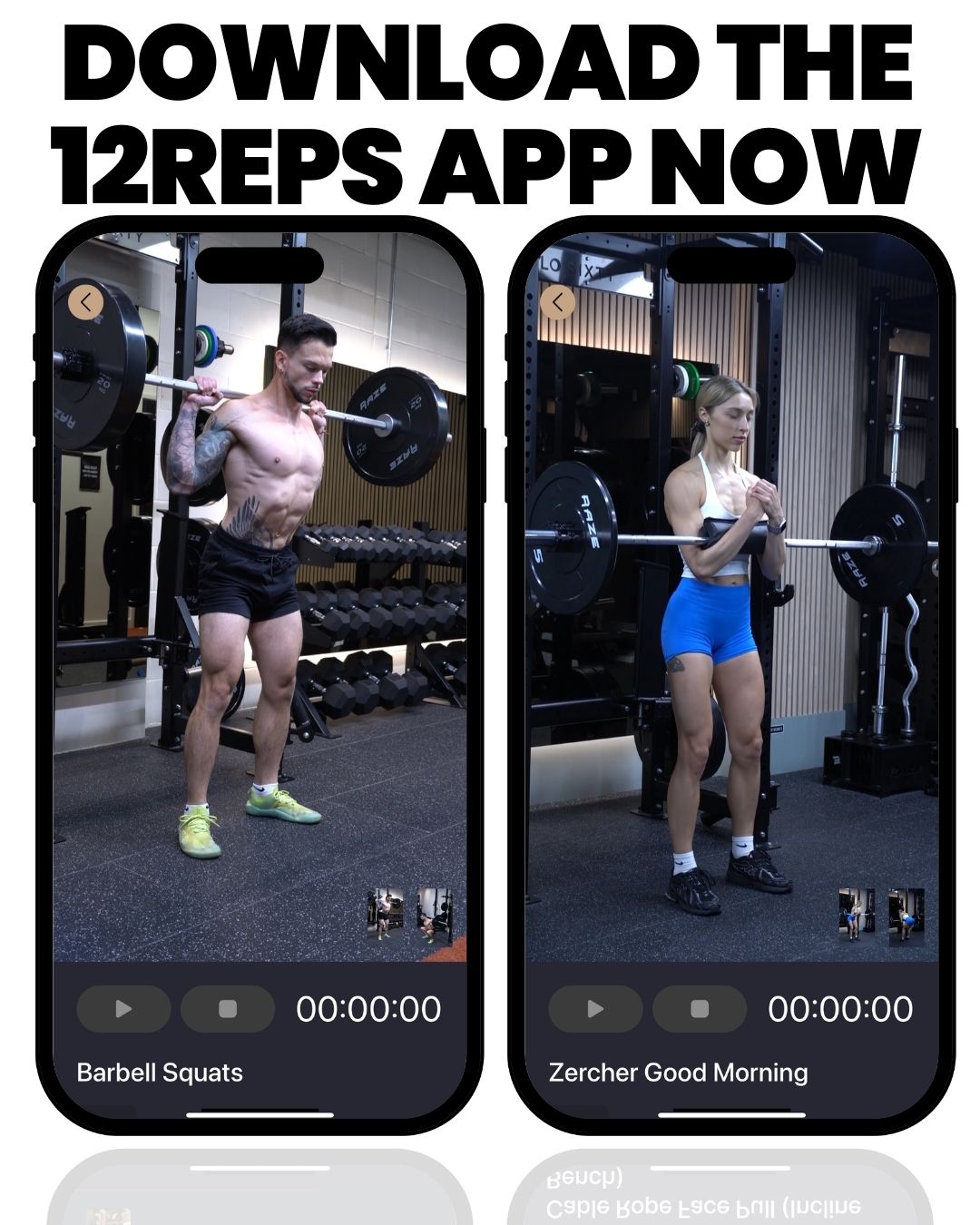
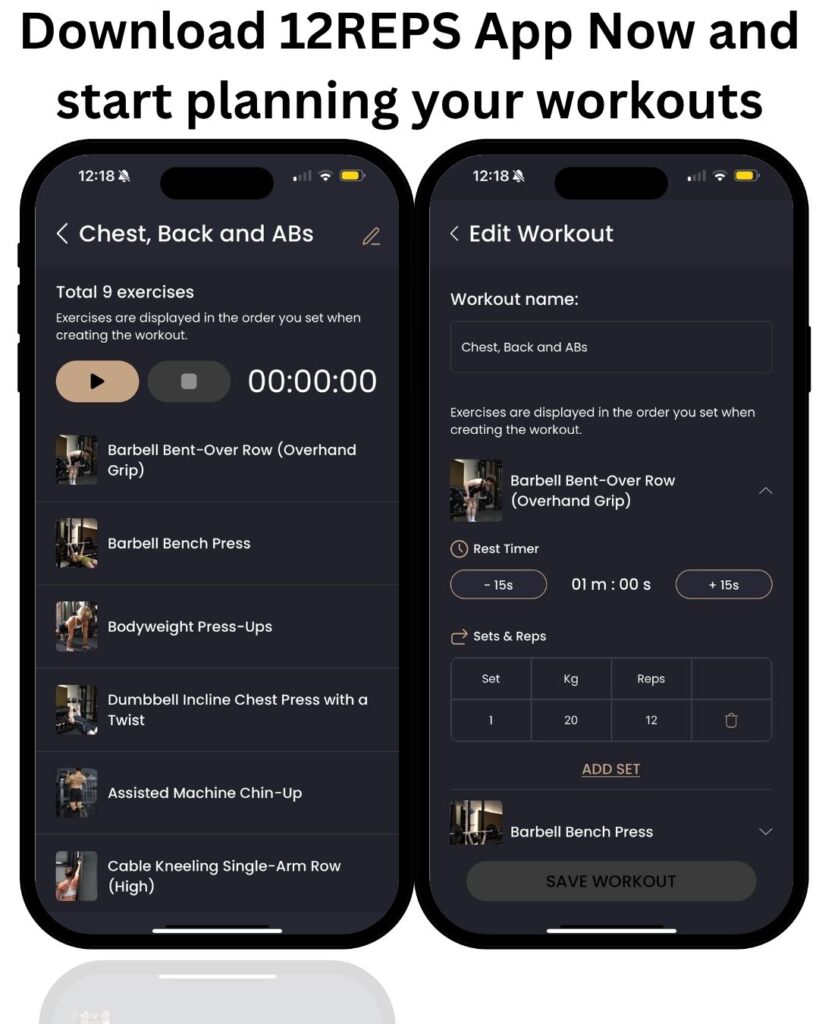
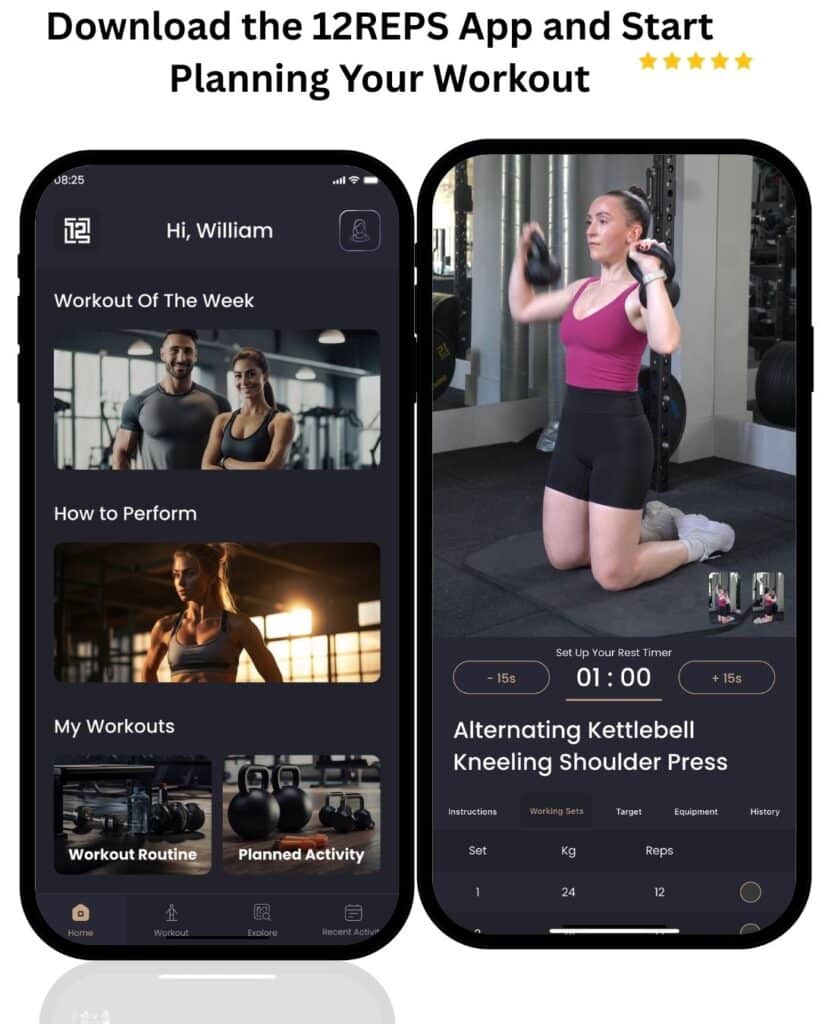
If you want to follow a structured shoulder programme without figuring out all the details yourself, the 12REPS app can help.
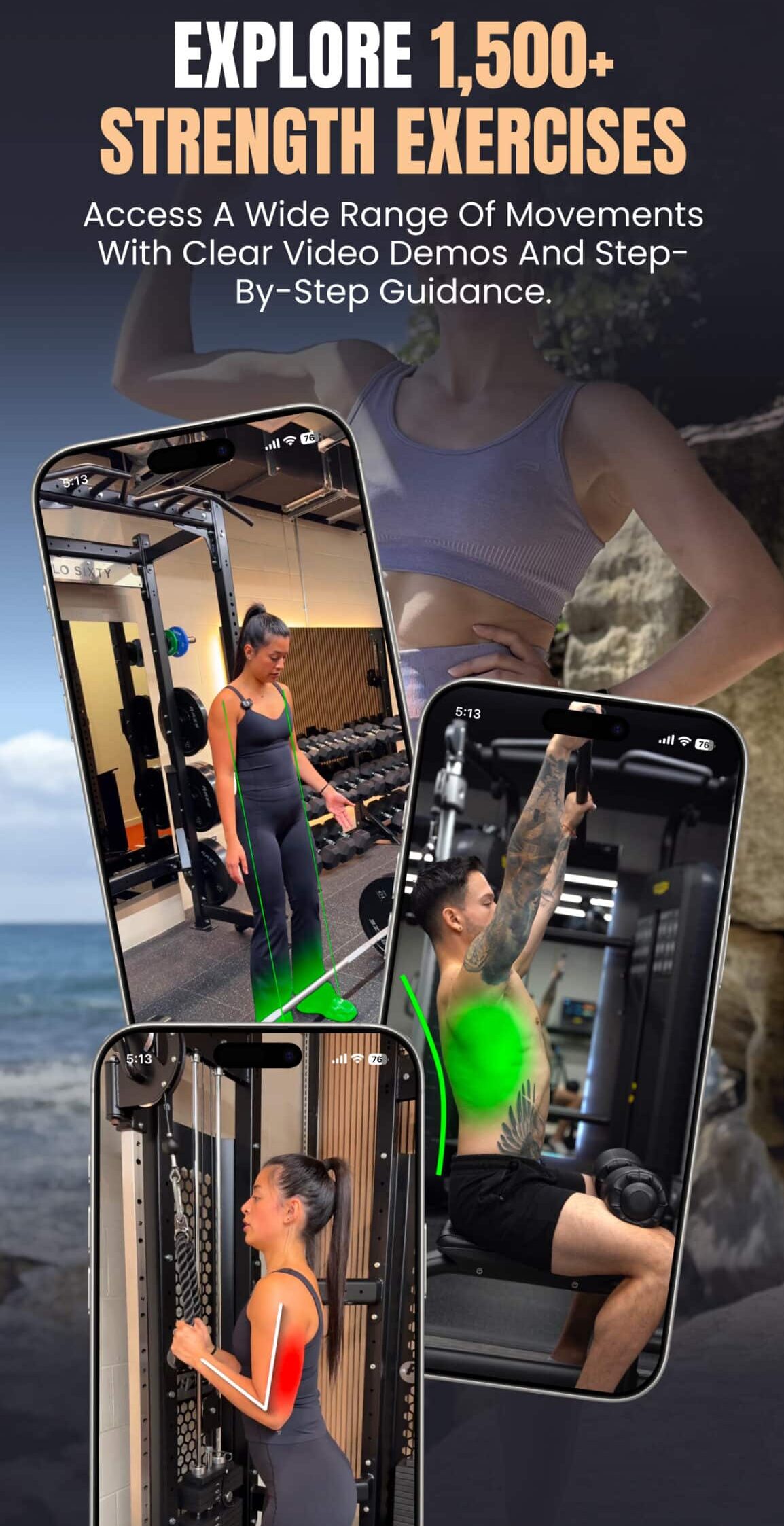
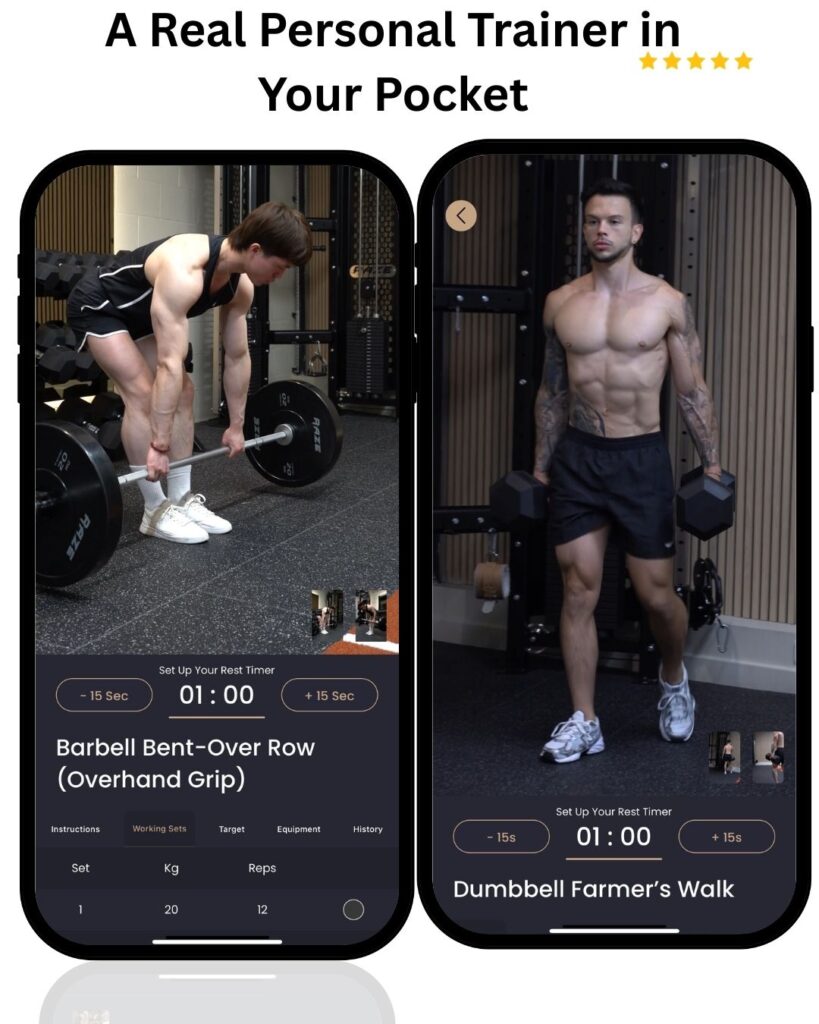
The app includes over 1,500 exercises with video demonstrations, including every shoulder exercise in this guide. You can build custom routines, track your progress and ensure you are adding weight over time.
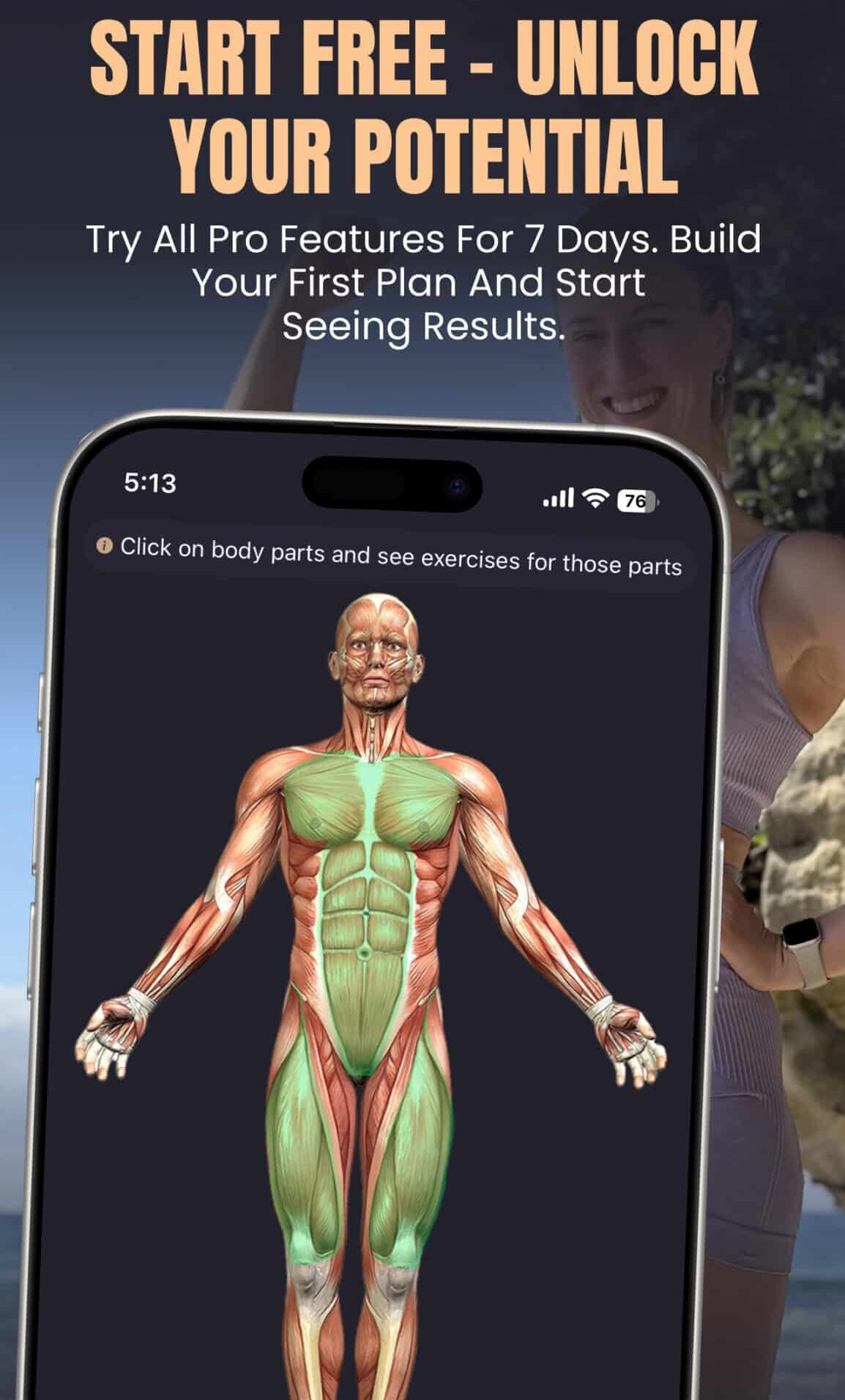
Whether you train at home or in a commercial gym, the app adapts to your equipment. You can start your free trial at 12REPS.
Final Thoughts
Building broad shoulders is not complicated, but it requires attention to detail. You need to train all three deltoid heads, not just the front. You need to use proper technique, especially on isolation exercises. And you need to be consistent over months, not weeks.
The reward is worth the effort. Broad shoulders transform your physique more than almost any other muscle group. They create that athletic, powerful look that commands attention.
Start training your side and rear delts with the same intensity you give your pressing. Increase your shoulder training frequency. Master the technique on lateral raises and face pulls. Track your progress and add weight over time.
Your shoulders will respond. And in a few months, you will fill out your shirts the way you have always wanted.
Related Articles on just12reps.com
| Article | Description | Link |
|---|---|---|
| The Complete Shoulder and Back Push Pull Workout | A full upper body workout combining shoulder pressing with back work using just dumbbells. | Read Article |
| Best Push Pull Exercises for Muscle Building | A comprehensive guide to the most effective pushing and pulling exercises. | Read Article |
| 3 Day Strength Training Split for Men | A complete programme that includes effective shoulder training within a 3 day split. | Read Article |
| The Science Behind 12 Rep Training | Understand why the 10 to 12 rep range is optimal for building muscle, including shoulder mass. | Read Article |
| Pull Day Workout: Building a Stronger Back | A complete pull day routine that includes rear delt work for balanced shoulder development. | Read Article |
References
[1] Schoenfeld, B.J. et al. (2016). Effects of Resistance Training Frequency on Measures of Muscle Hypertrophy: A Systematic Review and Meta Analysis. Sports Medicine. https://link.springer.com/journal/40279
[2] Campos, Y.A.C. et al. (2020). Different Shoulder Exercises Affect the Activation of Deltoid Portions in Resistance Trained Individuals. Journal of Human Kinetics. https://www.johk.pl/
[3] Reinold, M.M. et al. (2009). Electromyographic Analysis of the Rotator Cuff and Deltoid Musculature During Common Shoulder External Rotation Exercises. Journal of Orthopaedic and Sports Physical Therapy. https://www.jospt.org/
[4] Morton, R.W. et al. (2018). A systematic review, meta analysis and meta regression of the effect of protein supplementation on resistance training induced gains in muscle mass and strength. British Journal of Sports Medicine. https://bjsm.bmj.com/
[5] Cools, A.M. et al. (2007). Rehabilitation of Scapular Muscle Balance: Which Exercises to Prescribe? American Journal of Sports Medicine. https://journals.sagepub.com/home/ajs
About the Author: Will Duru holds a BSc (Hons) in Sport and Exercise Science and is an award winning personal trainer with over 10 years of experience specialising in muscle building and body transformation. He has helped hundreds of men build the broad, athletic physique they desire. Will is the creator of the 12REPS app, designed to make professional training guidance accessible to everyone.