

By Will Duru, BSc (Hons) Sport and Exercise Science, Award-winning Personal Trainer with over 10 years of experience in strength training and optimising recovery
Can female lifters build muscle without meat? Yes. Research shows that when total protein is high enough, plant-based and mixed diets support similar gains in muscle and strength. What matters most is eating enough protein each day, spreading it across your meals and choosing protein sources rich in the amino acid leucine.
“Do I have to eat meat to build muscle?” is one of the questions women who lift ask me most. Some want to eat less meat, some are vegetarian or vegan, and some simply do not enjoy it. The good news is that the source of your protein is a choice, not a requirement.
This guide focuses on meat vs plant protein: what the research shows, where plant-based eaters need to plan more, and simple ways to hit your target. For a deeper look at daily amounts, read how much protein women need for strength training.
If you have a medical condition, are pregnant or are planning a big change to your diet, check with your doctor or a registered dietitian first.
How much protein do female lifters need?
Before comparing sources, it helps to know your daily target. The International Society of Sports Nutrition (ISSN) gives a range for people who exercise. It says 1.4 to 2.0 g of protein per kg of body weight a day is enough for most (Jäger et al., 2017).
The ISSN’s position stand on female athletes suggests a slightly wider range of 1.4 to 2.2 g per kg a day. It advises aiming for the upper end in the luteal phase, the second half of the menstrual cycle. The same applies around and after menopause (Sims et al., 2023).
For a 65 kg woman, 1.4 to 2.2 g per kg works out at about 91 to 143 g of protein a day. A large meta-analysis found that lean mass gains from resistance training leveled off at about 1.6 g per kg a day. That is about 104 g for the same woman (Morton et al., 2018).
The ISSN also suggests about 20 to 40 g of protein per meal, spread every 3 to 4 hours across the day (Jäger et al., 2017).
Meat vs plant protein: what the research shows
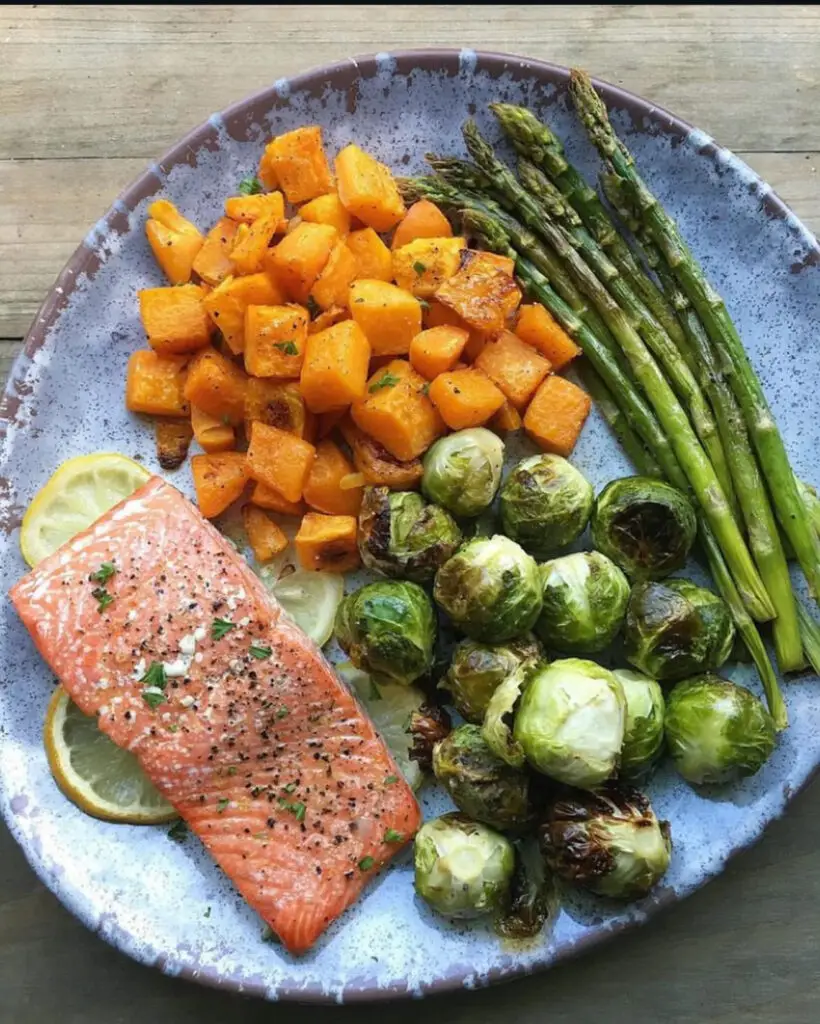
Animal proteins, such as meat, fish, eggs and dairy, contain all the essential amino acids and tend to be high in leucine. Many plant proteins contain less leucine per gram, so you may need a bit more food, or a mix of sources, to match them.
Here is what the main studies found:
- Strength: a 2021 meta-analysis found that protein source did not affect gains in muscle strength or absolute lean mass. In adults under 50, animal protein gave slightly more lean mass (Lim et al., 2021).
- Soy: a 2018 meta-analysis of nine studies looked at resistance training. Soy protein gave similar gains in strength and lean mass as whey or other animal proteins (Messina et al., 2018).
- Vegan vs omnivore diets: in a 12-week trial, vegans and meat eaters who both ate about 1.6 g of protein per kg a day gained similar muscle mass and strength. The participants were young, untrained men (Hevia-Larraín et al., 2021).
- Plant protein with added leucine: a 2024 study tested young men and women. A plant protein blend with added leucine raised muscle protein synthesis about as much as whey. This is the process of building new muscle protein. The same blend without added leucine gave a smaller response (Lim et al., 2024).
Why leucine matters
Leucine is an amino acid that helps switch on muscle protein synthesis after a meal. The ISSN suggests each protein serving should contain about 700 to 3,000 mg of leucine (Jäger et al., 2017).
Animal foods make this easy. With plant foods, you can get there by eating slightly larger portions, combining sources or choosing higher-protein options like soy foods.
Where plant-based lifters need to plan more
A plant-based diet can work well for muscle, but it does not happen by default. In a small 2024 study, nine recreationally trained women switched from a mixed diet to a vegan diet for eight weeks, without set protein targets. Their protein intake fell from about 1.4 to 1.1 g per kg a day, and their skeletal muscle mass dropped slightly (Isenmann et al., 2024).
The lesson is not that plant-based diets fail. It is that protein can drop without a plan.
How to build muscle without meat
- Set a daily protein target. Use the ranges above and check your intake for a few typical days.
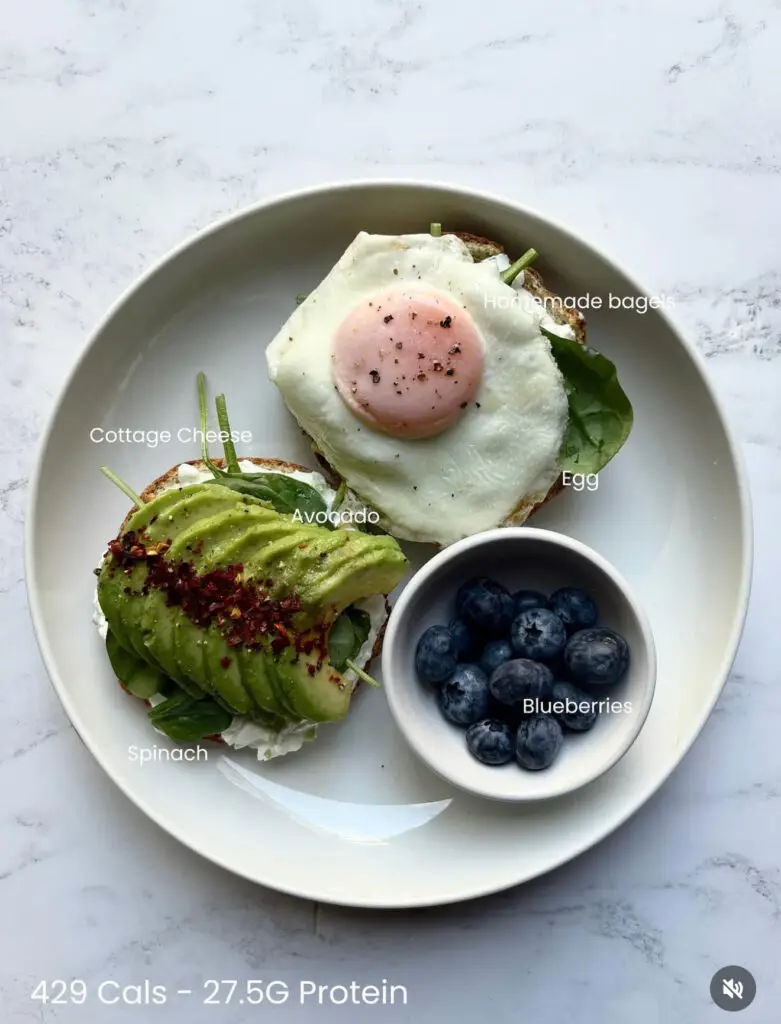
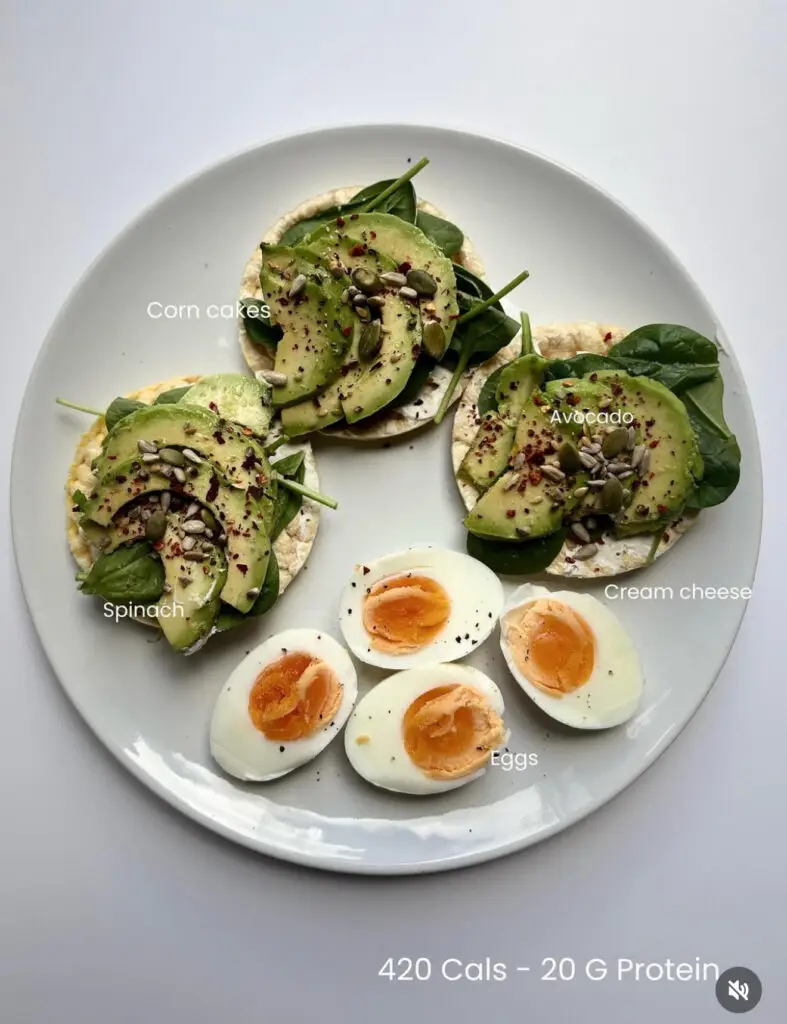
- Put a protein food at every meal. Tofu, tempeh, edamame, lentils, beans, chickpeas and peas are good plant choices. If you eat them, eggs, Greek yogurt, milk and cheese make targets simpler.
- Mix your sources. Combining different plant proteins across the day gives a broader range of amino acids.
- Use a protein powder only if it helps. The ISSN suggests focusing on whole-food protein sources (Jäger et al., 2017). A pea, rice or soy powder can be a convenient top-up.
- Plan your vitamins and minerals. The NHS says vegans may need a vitamin B12 supplement. It also advises planning for iron, calcium, vitamin D, iodine and omega-3 fats (NHS).
For more food ideas, see our list of protein sources for building muscle.
Meat-eater, vegetarian or vegan: a quick comparison
| Eating style | Main protein foods | What to watch |
|---|---|---|
| Includes meat and fish | Chicken, fish, lean meat, eggs, dairy | Usually simple to hit targets; keep portions in balance with the rest of your plate |
| Vegetarian | Eggs, dairy, soy foods, lentils, beans | Make sure each meal has a clear protein food |
| Vegan | Tofu, tempeh, edamame, lentils, beans, chickpeas, peas | Daily protein total, leucine per meal, vitamin B12, iron, calcium, iodine |
Protein is only half the story
Protein gives your body the building material. Training gives it the reason to build. Follow a plan that adds a little weight or a few reps over time, and eat enough carbohydrate to fuel your sessions. Our guide to carbs for female lifters explains how much you may need for muscle gain or fat loss.
Video: Why You’re Not Gaining Muscle: The Real Reasons. If you are eating enough protein but still not seeing progress, this 12REPS video covers common reasons muscle gain stalls.
FAQs
Is plant protein as good as meat for women who lift?
For strength, studies show no clear difference when total protein is high enough. Some evidence favors animal protein for lean mass in younger adults. Plant-based lifters may want to aim toward the higher end of their protein range (Lim et al., 2021).
Will eating more protein make me bulky?
No. Protein supports repair and growth, but muscle builds slowly and depends on your training and total food intake. Read more in will lifting weights make me bulky.
When should I eat protein around my workout?
Spreading protein across your meals matters more than the exact minute. See what to eat before and after a workout for simple timing ideas.
When your nutrition is in place, the next step is a training plan you can follow. 12REPS builds each session around your goal, your equipment and your time. It shows a trainer demonstration for every exercise and remembers what you lifted, so you know what to beat next time.
Sources
- International Society of Sports Nutrition Position Stand: protein and exercise. Jäger R et al., Journal of the International Society of Sports Nutrition, 2017. https://doi.org/10.1186/s12970-017-0177-8
- International society of sports nutrition position stand: nutritional concerns of the female athlete. Sims ST et al., Journal of the International Society of Sports Nutrition, 2023. https://doi.org/10.1080/15502783.2023.2204066
- A systematic review, meta-analysis and meta-regression of the effect of protein supplementation on resistance training-induced gains in muscle mass and strength in healthy adults. Morton RW et al., British Journal of Sports Medicine, 2018. https://doi.org/10.1136/bjsports-2017-097608
- Animal Protein versus Plant Protein in Supporting Lean Mass and Muscle Strength: A Systematic Review and Meta-Analysis of Randomized Controlled Trials. Lim MT et al., Nutrients, 2021. https://doi.org/10.3390/nu13020661
- No Difference Between the Effects of Supplementing With Soy Protein Versus Animal Protein on Gains in Muscle Mass and Strength in Response to Resistance Exercise. Messina M et al., International Journal of Sport Nutrition and Exercise Metabolism, 2018. https://doi.org/10.1123/ijsnem.2018-0071
- High-Protein Plant-Based Diet Versus a Protein-Matched Omnivorous Diet to Support Resistance Training Adaptations: A Comparison Between Habitual Vegans and Omnivores. Hevia-Larraín V et al., Sports Medicine, 2021. https://doi.org/10.1007/s40279-021-01434-9
- Muscle Protein Synthesis in Response to Plant-Based Protein Isolates With and Without Added Leucine Versus Whey Protein in Young Men and Women. Lim C et al., Current Developments in Nutrition, 2024. https://doi.org/10.1016/j.cdnut.2024.103769
- The influence of a vegan diet on body composition, performance and the menstrual cycle in young, recreationally trained women: a 12-week controlled trial. Isenmann E et al., Journal of the International Society of Sports Nutrition, 2024. https://doi.org/10.1080/15502783.2024.2413961
- The vegan diet. NHS, accessed 2026. https://www.nhs.uk/live-well/eat-well/how-to-eat-a-balanced-diet/the-vegan-diet/