

By Will Duru, BSc (Hons) Sport and Exercise Science, Award-winning Personal Trainer with over 10 years of experience in strength training and optimising recovery
Most people do not need a harder workout plan. They need one they can actually follow. I’m Will Duru, and after more than 10 years of helping people build stronger bodies, I have learned something that sounds almost too simple: you do not need to live in the gym to make real progress. Some of my best results have come from clients who train just twice per week. Not six days. Not two-hour sessions. Just two focused workouts, done properly, every week.
That is where push-pull training works so well. Instead of confusing yourself with random exercises, you train the two movement patterns your upper body needs most. Push exercises train your chest, shoulders, and triceps. Pull exercises train your back and biceps. Together, they build strength, muscle, posture, and balance without making training feel like a second job.
This programme is built for busy people. If you work long hours, have family commitments, or keep starting and stopping because training feels too much, this is for you. You do not need a perfect schedule. You need a simple plan you can repeat.
It also works if you are new to lifting. You do not need to know every exercise in the gym. You need to learn the basics, track your progress, and get stronger over time. That is how real muscle is built.
The problem with many workout plans is that they sell intensity before consistency. They make you feel motivated for a week, then leave you tired, confused, or bored. This plan does the opposite. It gives you structure, realistic progress, and a clear reason behind every session.
You will not become a bodybuilder in six weeks. That is not the promise. But you can become stronger. You can build visible muscle. You can improve your posture. You can feel more confident in the gym. You can finally stop guessing what to do.
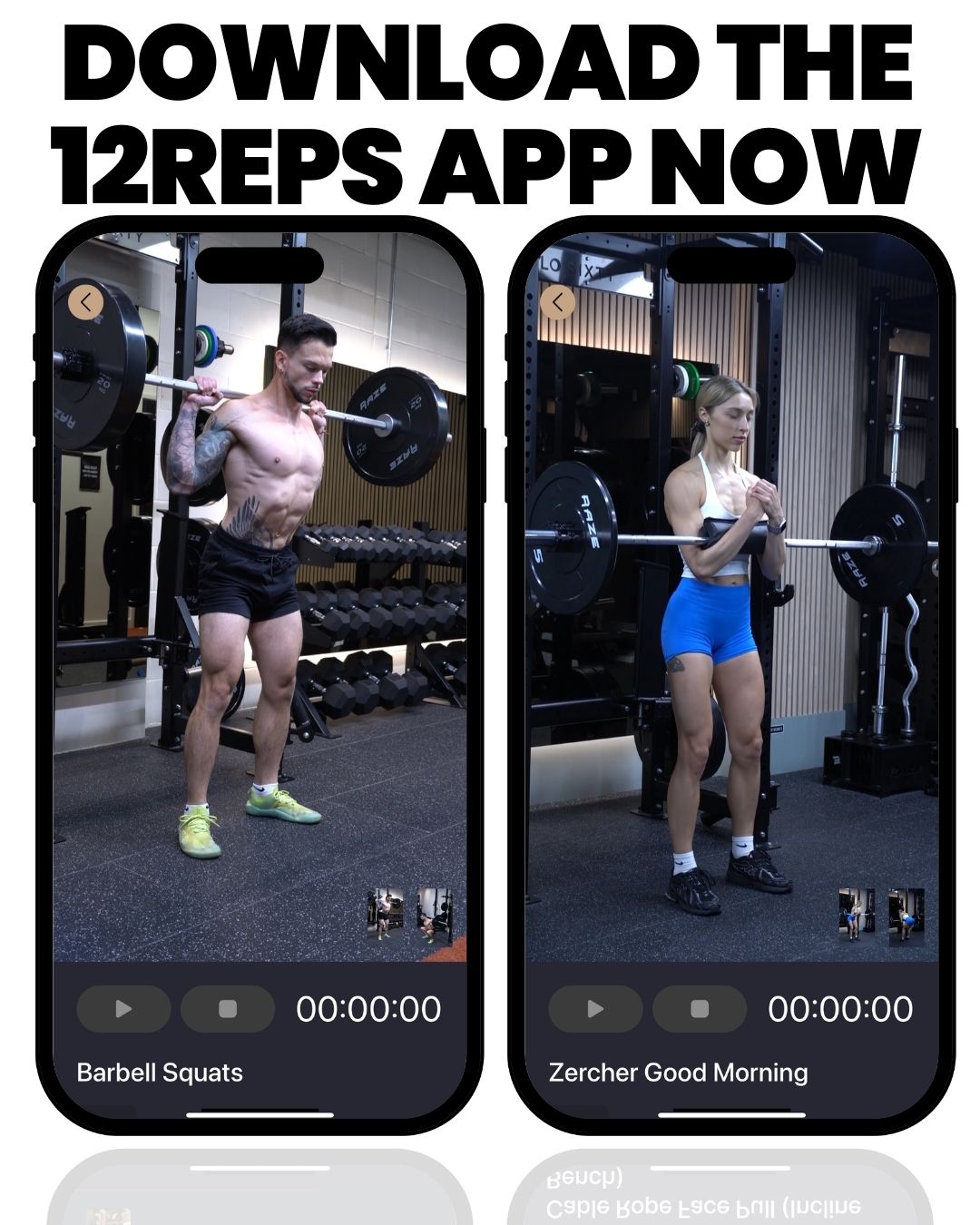
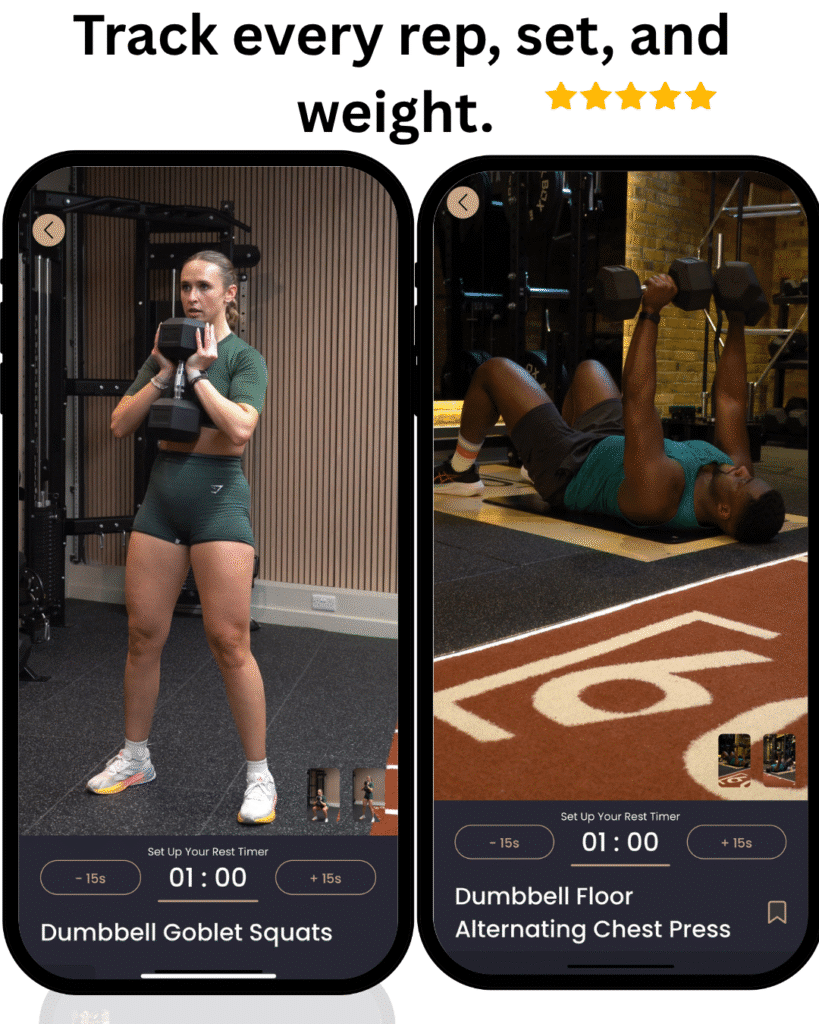
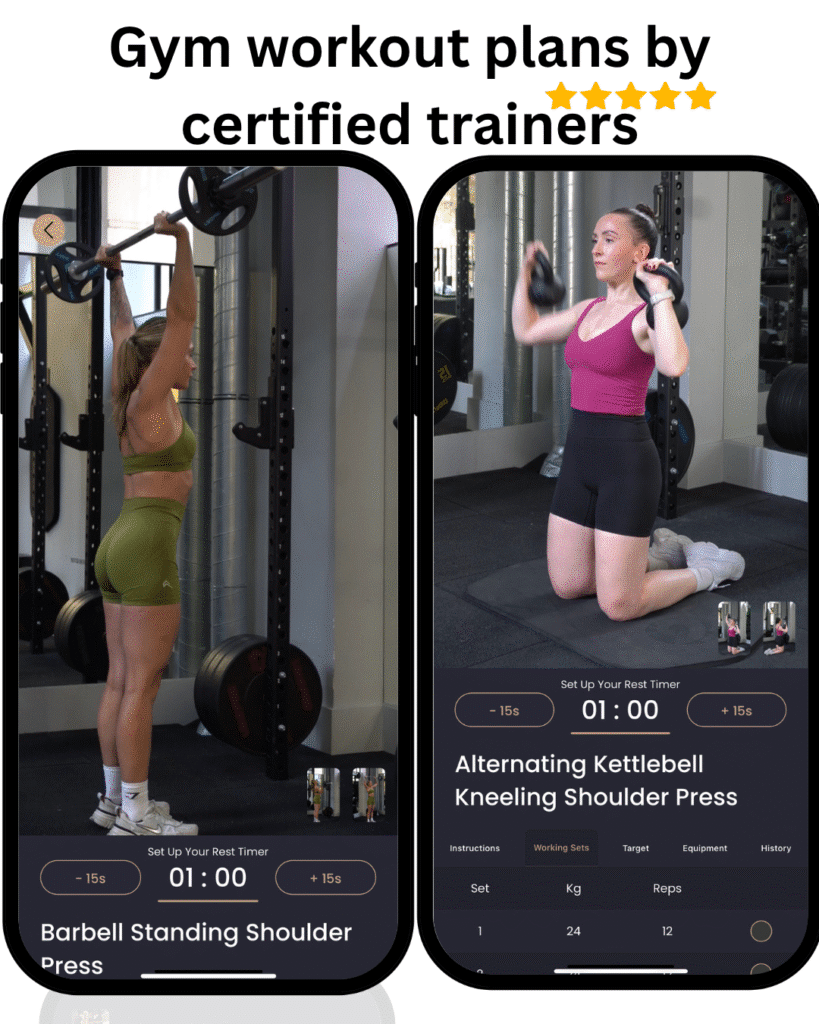
The 12Reps app helps you follow that process. It gives you access to over 1,500 exercise demonstrations, smart progress tracking, and personalised workout recommendations, so you know what to train, how to train it, and when to progress.
Think of it as a training system in your pocket. Not noise. Not random workouts. A plan.
Across the next six weeks, you will train twice per week using a simple push-pull structure. You will build strength, improve technique, track your progress, and learn how to make training part of your life without letting it take over your life.
The people who get results are not always the ones who do the most. They are the ones who repeat the right things long enough for their body to change. That is the goal here. Two workouts per week. Clear structure. Progress you can measure. A stronger body you can keep building.
The Science Behind Strength Training
Let me share some facts that will completely change how you think about strength training. According to Harvard Health Publishing, strength training isn’t just about building muscle or looking good, it’s literally about adding years to your life and improving every aspect of your health [1].
Here’s something that should motivate you to start lifting weights immediately: the average person loses approximately 25% of their muscle strength between the ages of 30 and 70, and a massive 50% by age 90 [1]. However, here’s the incredible part: this muscle loss isn’t inevitable. With the right strength training app and consistent effort, you can not only prevent this decline but actually become stronger as you age.
Recent research has revealed some remarkable benefits of strength training that extend far beyond simply building muscle. A study published in 2024 found that individuals who engaged in strength training for just 90 minutes per week experienced biological ageing that was nearly four years slower than those who didn’t lift weights [2]. Think about that – by following our twice-weekly program, you could literally be ageing more slowly than your friends who don’t train.
Dr. Robert Schreiber from Harvard Medical School puts it perfectly: “Just doing aerobic exercise is not adequate. Unless you are doing strength training, you will become weaker and less functional” [1]. This is why cardio alone isn’t enough. You need to challenge your muscles with resistance to maintain and build the strength that keeps you independent and healthy as you age.
But the benefits don’t stop there. Strength training has been shown to reduce the risk of heart disease, diabetes, and certain types of cancer. It increases bone density, resulting in stronger bones and a lower risk of fractures. It improves balance and coordination, reducing your risk of falls. It also boosts your metabolism, helping you burn more calories even when you’re not exercising.
The Complete 6-Week Push/Pull Program
Now we get to the exciting part, the actual program that will transform your body over the next six weeks. This isn’t just any random collection of exercises. This is a carefully designed, scientifically-backed progression that will take you from wherever you are now to a significantly stronger and more muscular version of yourself.
The program is divided into three distinct phases, each lasting two weeks. This progression is crucial because it prevents your body from adapting to the same stimulus and hitting a plateau. Every two weeks, we’ll challenge your muscles in a new way, forcing them to continue growing and getting stronger.
Program Overview:
– Duration: 6 weeks (3 phases of 2 weeks each)
– Frequency: 2 times per week
– Split: Push/Pull alternating
– Equipment: Dumbbells, kettlebells, barbells, machines
– Sets: 4 per exercise
– Reps: 10-12 per exercise
– Exercises per workout: 6
Weekly Schedule Options:
You have flexibility in when you train, but you need at least 72 hours between workouts to allow for proper recovery. Here are two popular options:
Option A: Monday/Thursday
– Monday: Push (Chest, Shoulders, Triceps)
– Thursday: Pull (Back, Biceps)
Option B: Tuesday/Friday
– Tuesday: Push (Chest, Shoulders, Triceps)
– Friday: Pull (Back, Biceps)
This schedule gives you the perfect balance of training stimulus and recovery time. Each muscle group gets a full week to recover between sessions, which is ideal for muscle growth and strength development.
Phase 1: Foundation Building (Weeks 1-2)
Phase 1 is all about building a solid foundation. We’re focusing on perfect technique, learning the movement patterns, and establishing the habit of consistent training. There are no supersets in this phase; instead, there are straight sets with adequate rest between exercises.
This might seem easy compared to some of the intense workouts you see on social media, but don’t underestimate the importance of this phase. The habits and techniques you develop here will determine your success throughout the entire program and beyond.
Exercise | Equipment | Sets | Reps | Weight | Rest Period |
|---|---|---|---|---|---|
Barbell Bench Press | Barbell | 4 | 10-12 | 60-70% 1RM | 2 minutes |
Dumbbell Shoulder Press | Dumbbells | 4 | 10-12 | Moderate | 90 seconds |
Incline Dumbbell Press | Dumbbells | 4 | 10-12 | Moderate | 90 seconds |
Lateral Raises | Dumbbells | 4 | 10-12 | Light-Moderate | 75 seconds |
Tricep Dips | Machine / Assisted | 4 | 10-12 | Bodyweight+ | 75 seconds |
Overhead Tricep Extension | Dumbbell | 4 | 10-12 | Light-Moderate | 75 seconds |
Pull Workout: Weeks 1-2
Exercise | Equipment | Sets | Reps | Weight | Rest Period |
|---|---|---|---|---|---|
Lat Pulldown | Machine | 4 | 10-12 | Moderate-Heavy | 2 minutes |
Barbell Rows | Barbell | 4 | 10-12 | Moderate | 90 seconds |
Seated Cable Rows | Machine | 4 | 10-12 | Moderate | 90 seconds |
Dumbbell Bicep Curls | Dumbbells | 4 | 10-12 | Light-Moderate | 75 seconds |
Hammer Curls | Dumbbells | 4 | 10-12 | Light-Moderate | 75 seconds |
Face Pulls | Cable Machine | 4 | 10-12 | Light | 75 seconds |
Phase 2: Progressive Intensity
Weeks 3-4
In Phase 2, the programme increases intensity without using supersets. Each exercise is performed on its own, with a clear rest period between sets.
This keeps the plan simple, easy to follow, and better for tracking progress. You can focus on good technique, controlled reps, and increasing the weight when you are ready.
The goal is still progressive overload. You are lifting slightly heavier than in Weeks 1-2, while keeping the same 10-12 rep range.
Push Workout: Weeks 3-4
Exercise | Equipment | Sets | Reps | Weight | Rest Period |
|---|---|---|---|---|---|
Barbell Bench Press | Barbell | 4 | 10-12 | 65-75% 1RM | 2 minutes |
Push-ups | Bodyweight | 4 | 10-12 | Bodyweight | 90 seconds |
Dumbbell Shoulder Press | Dumbbells | 4 | 10-12 | Moderate-Heavy | 90 seconds |
Lateral Raises | Dumbbells | 4 | 10-12 | Light-Moderate | 75 seconds |
Close-Grip Bench Press | Barbell | 4 | 10-12 | Moderate | 90 seconds |
Tricep Rope Pushdowns | Cable Machine | 4 | 10-12 | Moderate | 75 seconds |
Pull Workout: Weeks 3-4
Exercise | Equipment | Sets | Reps | Weight | Rest Period |
|---|---|---|---|---|---|
Pull-ups or Lat Pulldown | Bar / Machine | 4 | 10-12 | Bodyweight / Heavy | 2 minutes |
Barbell Rows | Barbell | 4 | 10-12 | Moderate-Heavy | 90 seconds |
T-Bar Rows | Machine | 4 | 10-12 | Moderate | 90 seconds |
Reverse Flyes | Dumbbells | 4 | 10-12 | Light | 75 seconds |
Barbell Curls | Barbell | 4 | 10-12 | Moderate | 75 seconds |
Cable Hammer Curls | Cable Machine | 4 | 10-12 | Light-Moderate | 75 seconds |
Phase 3: Advanced Training
Weeks 5-6
Phase 3 is where the programme becomes more demanding. You have already built the foundation in Weeks 1-2 and increased the intensity in Weeks 3-4. Now the goal is to push harder while still keeping the plan simple and structured.
There are no supersets in this phase. Each exercise is performed on its own, with a clear rest period between sets. This helps you lift with better control, track progress more accurately, and use heavier weights without rushing through the session.
The exercises are slightly more advanced, and the weights increase again. You should aim to train close to failure, but not at the cost of technique. The last 1-2 reps should feel challenging, but your form should stay strong.
Push Workout: Weeks 5-6
Exercise | Equipment | Sets | Reps | Weight | Rest Period |
|---|---|---|---|---|---|
Incline Barbell Press | Barbell | 4 | 10-12 | 70-80% 1RM | 2 minutes |
Decline Push-ups | Bodyweight | 4 | 10-12 | Bodyweight | 90 seconds |
Dumbbell Flyes | Dumbbells | 4 | 10-12 | Moderate | 90 seconds |
Arnold Press | Dumbbells | 4 | 10-12 | Moderate | 90 seconds |
Diamond Push-ups | Bodyweight | 4 | 10-12 | Bodyweight | 90 seconds |
Overhead Cable Extension | Cable Machine | 4 | 10-12 | Moderate | 75 seconds |
Pull Workout: Weeks 5-6
Exercise | Equipment | Sets | Reps | Weight | Rest Period |
|---|---|---|---|---|---|
Weighted Pull-ups | Bodyweight + Weight | 4 | 10-12 | Bodyweight + 10-20lbs | 2 minutes |
Wide-Grip Lat Pulldown | Machine | 4 | 10-12 | Heavy | 90 seconds |
Pendlay Rows | Barbell | 4 | 10-12 | Heavy | 2 minutes |
Cable Reverse Flyes | Cable Machine | 4 | 10-12 | Light-Moderate | 75 seconds |
21s Bicep Curls | Barbell | 4 | 21 total | Light-Moderate | 90 seconds |
Cable Concentration Curls | Cable Machine | 4 | 10-12 | Light-Moderate | 75 seconds |
Progressive Overload Guidelines
The key to success with this program is progressive overload, which involves gradually increasing the demands on your muscles over time. Here’s how to progress through each phase:
Weeks 1-2 (Phase 1): Focus on perfect form and technique. Use moderate weights (60-70% of your estimated 1RM for compound exercises). You should be able to complete all reps with 2-3 reps left in reserve. Rest fully between sets to maintain quality.
Weeks 3-4 (Phase 2): Increase the weight by 5-10% from Phase 1. The introduction of supersets will increase the intensity even with similar weights. Focus on maintaining good form while pushing yourself to the limit.
Weeks 5-6 (Phase 3): Increase the weight by another 5-10% from Phase 2. These are advanced exercises with challenging supersets. Push closer to failure, leaving only 1-2 reps in reserve.
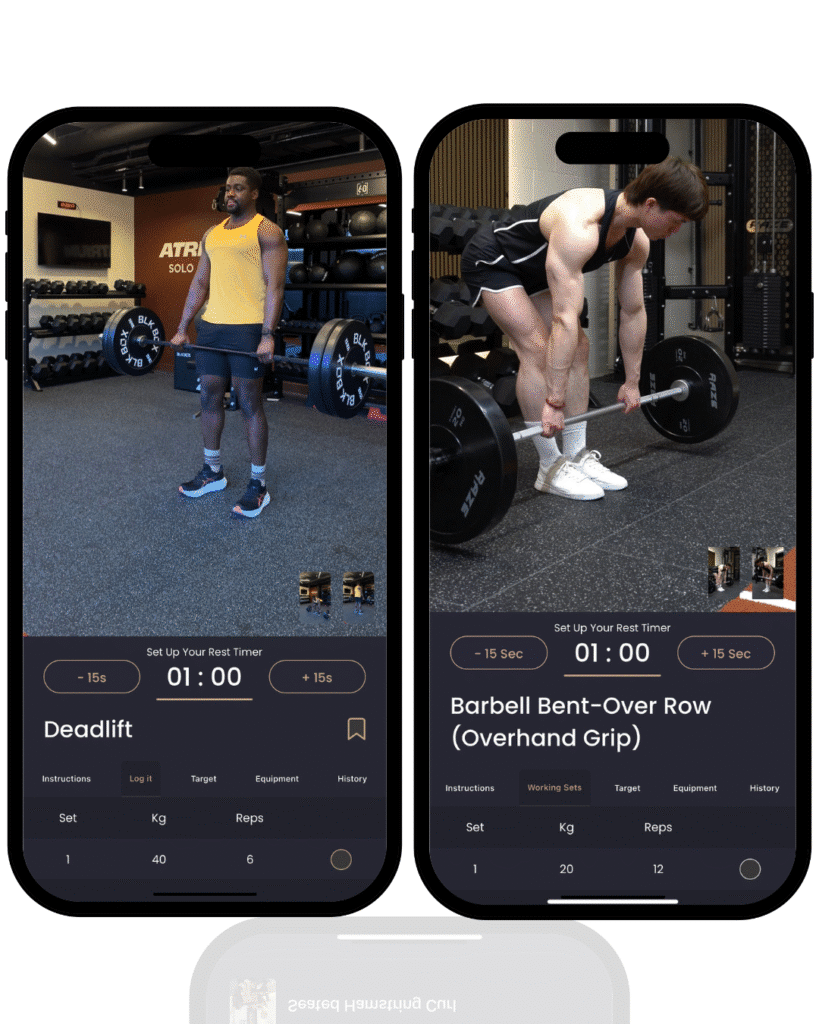
The 12Reps app makes tracking this progression incredibly easy. You can see exactly what weights you used in previous workouts and get recommendations for how much to increase each week. The app’s progress tracking features will show you graphs of your strength gains over time, which is incredibly motivating.
Conclusion: Your Transformation Starts Today
We’ve covered a lot of ground in this article, from the science behind strength training to the specific exercises you’ll be doing over the next six weeks. But all of this information is worthless unless you take action. Your transformation doesn’t happen by reading about exercise – it happens by doing it.
I want you to understand something: the program I’ve outlined here isn’t just a 6-week fitness plan. It’s a foundation for a lifetime of strength, health, and confidence. The habits you build over the next six weeks – the consistency, the attention to technique, the commitment to tracking your progress – these are the habits that will serve you for decades to come.
The 12Reps app isn’t just a workout tracker – it’s your partner in this journey. Every time you log a workout, every time you see your strength numbers increase, every time you watch a technique video to perfect your form, you’re investing in your future self.
Here’s what I want you to do right now:
- Download the 12Reps app and start your 7-day free trial
- Take your “before” photos and measurements
- Schedule your first push and pull workouts in your calendar
- Commit to following the program for the full six weeks
That’s it. Don’t overthink it, don’t wait for the perfect time, don’t make excuses. Just start.
References
[1] Harvard Health Publishing. (2021, February 15). Want to live longer and better? Do strength training. Harvard Health. https://www.health.harvard.edu/staying-healthy/want-to-live-longer-and-better-do-strength-training
[2] Prevention. (2024, December 30). Study: Strength Training May Add Up to 4 Years to Your Life. Prevention Magazine. https://www.prevention.com/fitness/a63238499/strength-training-adds-years-to-your-life-study/
[3] American Heart Association. (2024, January 16). Warm Up, Cool Down. American Heart Association. https://www.heart.org/en/healthy-living/fitness/fitness-basics/warm-up-cool-down
Will Duru is a BSc (Hons) Sport and Exercise Science graduate and award-winning personal trainer with over 10 years of experience in strength training and optimising recovery. He is the founder of the 12Reps app and has been featured in Men’s Health, Women’s Fitness, The Telegraph, and other leading fitness publications. His evidence-based approach to training has helped thousands of people achieve their fitness goals and build lifelong healthy habits.