

Written by Will Duru, BSc (Hons) Sport and Exercise Science, award-winning Personal Trainer with over 10 years of experience in strength training and optimising recovery .
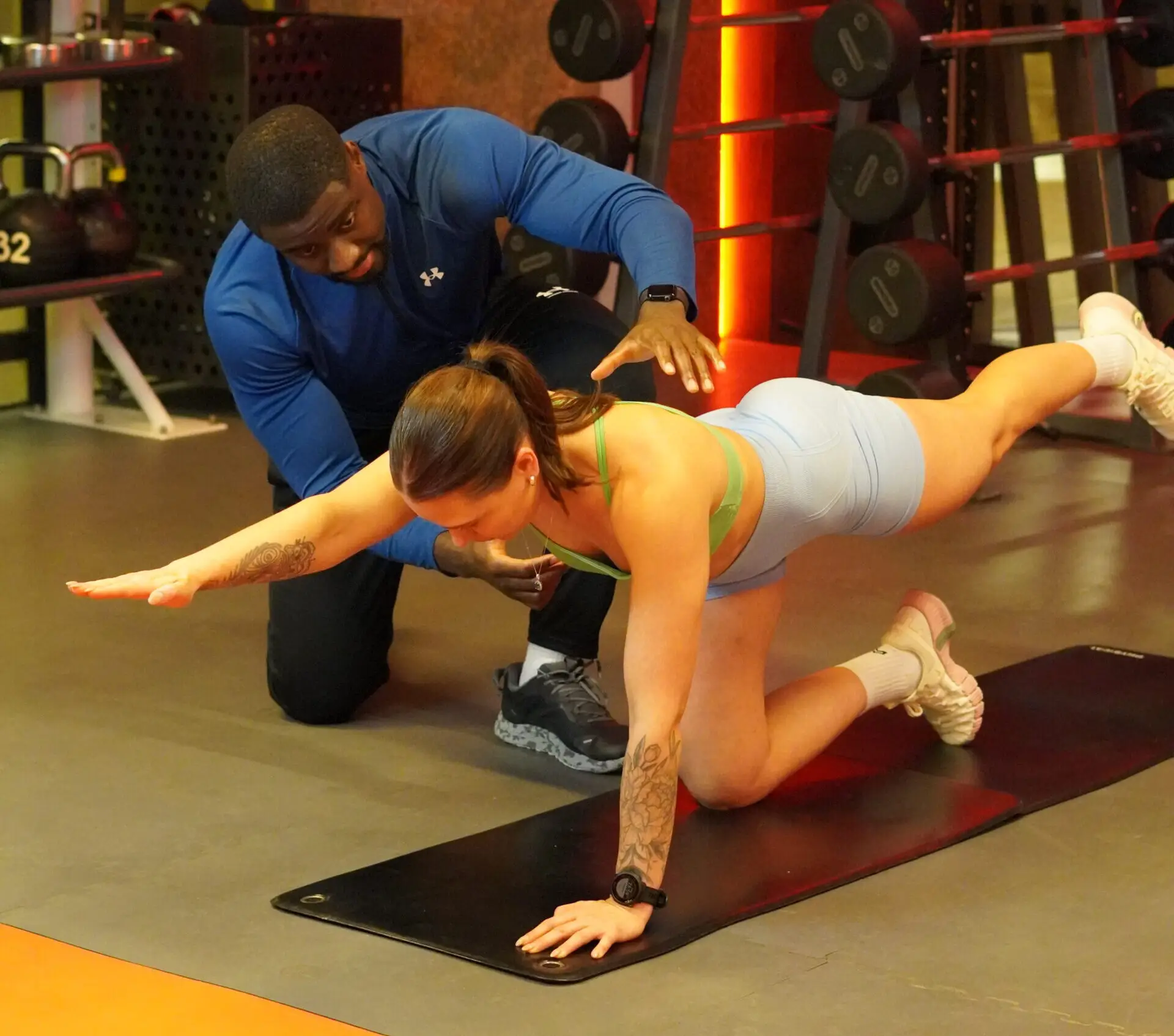
Strength training in menopause helps you keep muscle and supports your bones while your hormones change. NHS menopause advice includes weight-bearing and strength exercise to help protect against weakening bones. It will not stop every symptom, but it is one of the most useful habits you can build at this stage.
This guide explains what changes in your body, how to adapt your training, and a 12-week plan. The plan starts with body weight and builds up to dumbbells and kettlebells. For the years before menopause, read our guide to strength training in perimenopause.

Understanding your body during menopause
Why these changes happen
What you are going through is common, and it is not your fault. Menopause is when your periods stop because your body makes less estrogen. Perimenopause is the time before that, when symptoms often start.
Muscle and bone
Muscle mass declines with age and menopause, according to Wellbeing of Women. Bones can also become weaker, which raises the risk of osteoporosis. That is why the NHS recommends weight-bearing and resistance exercise during menopause.
Strength training can make a measurable difference. In the LIFTMOR trial, 101 postmenopausal women with low bone mass trained twice a week for 8 months. They did supervised, high-intensity resistance and impact training. Their spine and hip bone density improved compared with a low-intensity home program.
That training was closely supervised, so do not copy it without guidance. For more detail, read can you improve bone density after menopause?
Metabolism and body shape
Many women notice weight gain or a change in body shape around this time. Wellbeing of Women notes that losing muscle lowers the rate at which your body uses calories. Keeping or building muscle helps, alongside a balanced diet.
Energy, mood and sleep
Low mood, anxiety and sleep problems are common during perimenopause and menopause. The NHS says rest, exercise and relaxing activities can help with mood. Cognitive behavioral therapy (CBT), a talking therapy, can help with low mood, anxiety and sleep problems.
The evidence on exercise for hot flashes is mixed, according to the European Menopause and Andropause Society. One small Swedish trial of 58 women found that 15 weeks of resistance training cut hot flashes by 44% on average. The control group saw no change.
For more on lifting and rest, see our guide to strength training and sleep.

How to adapt your training in menopause
Work with your body, day by day
Training now may feel different from training in your 20s or 30s. Your energy, mood and symptoms can change from one day to the next. That is normal.
Check in before each session
Before every workout, ask yourself one question: “How do I feel today?” Some days you will feel ready to push hard. Other days you may be tired or dealing with a hot flash. Both are fine. Adjust the session to match.
Managing heat and hot flashes
Hot flashes during exercise are real and can be frustrating. These steps can help, based partly on NHS advice:
- Wear lightweight layers you can take off.
- Train in a cool room or keep a fan nearby.
- Have a cold drink and a cool towel ready.
- Sip water through your session.
If a hot flash hits mid-workout, you do not need to stop completely. Swap a heavy lift for a lighter option, such as a resistance band version, or take a longer rest. The goal is to keep moving in a way that feels manageable.
Prioritize recovery
- Aim for 7 to 9 hours of sleep where you can.
- Take rest days seriously.
- Do not push through pain or extreme fatigue.
- Make time for relaxing activities.
Consistency over intensity
Showing up and doing something beats pushing too hard and burning out. If you can only do 15 minutes instead of 30, that still counts. If you need lighter weights because you are tired, that is fine too.
Celebrate non-scale wins
Your body composition can change even if your weight stays the same. Look out for these wins:
- Carrying groceries upstairs without getting out of breath.
- Sleeping better.
- Having more energy during the day.
- Feeling stronger and more confident.
- Clothes fitting better.
- A better mood.
If your joints feel sore, our guide to low impact strength training shows how to build muscle with less stress on your joints.

Your 12-week strength training plan for menopause
This plan starts slowly and builds gradually. It uses 3 full-body sessions a week, such as Monday, Wednesday and Friday. That gives you a rest day between sessions.
This fits current guidance. The International Menopause Society recommends strength training on at least 2 days a week, plus at least 150 minutes of moderate aerobic activity. A UK consensus statement on bone health, Strong, Steady and Straight, suggests muscle strengthening 2 to 3 days a week.
Speak to your GP before you start if you have not exercised for a while or have a health condition. This also applies if you have osteoporosis or a past fracture. The consensus statement advises people with osteoporosis to avoid lots of forward bending of the spine, such as toe touches and sit-ups.
Phase 1: Build your foundation (weeks 1 to 4)
Goal: Learn the basic movements, build confidence and create a routine.
Equipment: Body weight only, plus a bench or step for incline push-ups.
Structure: Full body, 3 days a week.
| Exercise | Equipment | Sets | Reps | Notes |
|---|---|---|---|---|
| Bodyweight squats | None | 4 | 10-15 | |
| Incline push-ups | Bench or step | 3 | 8-12 | |
| Glute bridges | None | 4 | 12-15 | |
| Modified plank | None | 3-4 | 30 seconds | On knees if needed |
| Wall sits | None | 2-3 | 15-30 seconds | |
| Reverse lunges | None | 4 | 10 per leg |
Focus: Good form and listening to your body. If 15 reps feels too easy, do more. If 10 feels hard, that is your starting point.
Rest 30 to 60 seconds between sets, or longer if you need it. This phase is about building the habit and getting comfortable with movement.
Phase 2: Add weights (weeks 5 to 8)
Goal: Add light resistance to build strength and put more load through your bones.
Equipment: Light dumbbells (about 2 to 7 kg) and a light kettlebell (about 8 to 12 kg).
Structure: Full body, 3 days a week.
| Exercise | Equipment | Sets | Reps | Notes |
|---|---|---|---|---|
| Goblet squats | Dumbbell | 3 | 10-12 | Hold the dumbbell at chest height |
| Dumbbell rows | Dumbbell | 3 | 8-12 each arm | Single-arm or bent-over rows |
| Dumbbell chest press | Dumbbell | 3 | 8-12 | On a bench or the floor |
| Romanian deadlifts | Dumbbell | 3 | 10-12 | Focus on the hip hinge |
| Kettlebell swings | Kettlebell | 3 | 10-15 | Start with a light weight |
Focus: Keep good form as you add weight. Start lighter than you think you need. You can always increase the weight next week. If the hip hinge is new to you, our Romanian deadlift form guide breaks it down.
Rest 60 to 90 seconds between sets. Pay attention to how you feel and adjust as needed.
Phase 3: Build strength and confidence (weeks 9 to 12)
Goal: Feel noticeably stronger, more confident with weights, and ready to keep going.
Equipment: Moderate dumbbells and kettlebells.
Structure: Full body, 3 days a week.
| Exercise | Equipment | Sets | Reps | Notes |
|---|---|---|---|---|
| Dumbbell squats | Dumbbell | 3-4 | 8-10 | |
| Dumbbell overhead press | Dumbbell | 3-4 | 6-10 | |
| Kettlebell Romanian deadlifts | Kettlebell | 3-4 | 8-10 | |
| Push-ups | None | 3-4 | 5-12 | Progress toward full push-ups |
| Plank variations | None | 3-4 | 30-60 seconds | |
| Dumbbell walking lunges | Dumbbell | 3 | 16 | |
| Dumbbell hip thrust | Dumbbell | 3 | 20 | |
| Dumbbell farmer’s carry | Dumbbell | 3 | 30-second walk |
Focus: Use slightly heavier weights or more reps, but put form and how you feel first. Some days you will feel strong and can push harder. Other days you may need to back off. Both are fine.
Notes for all phases:
- Warm up for 5 to 10 minutes with light movement before each workout.
- Cool down with 5 to 10 minutes of gentle stretching afterward.
- If you miss a day, do not try to make it up by doing extra the next day.
- Progress at your own pace. Some people need to stay in Phase 1 for longer.
- Listen to your body above all else.

Nutrition to support your strength through menopause
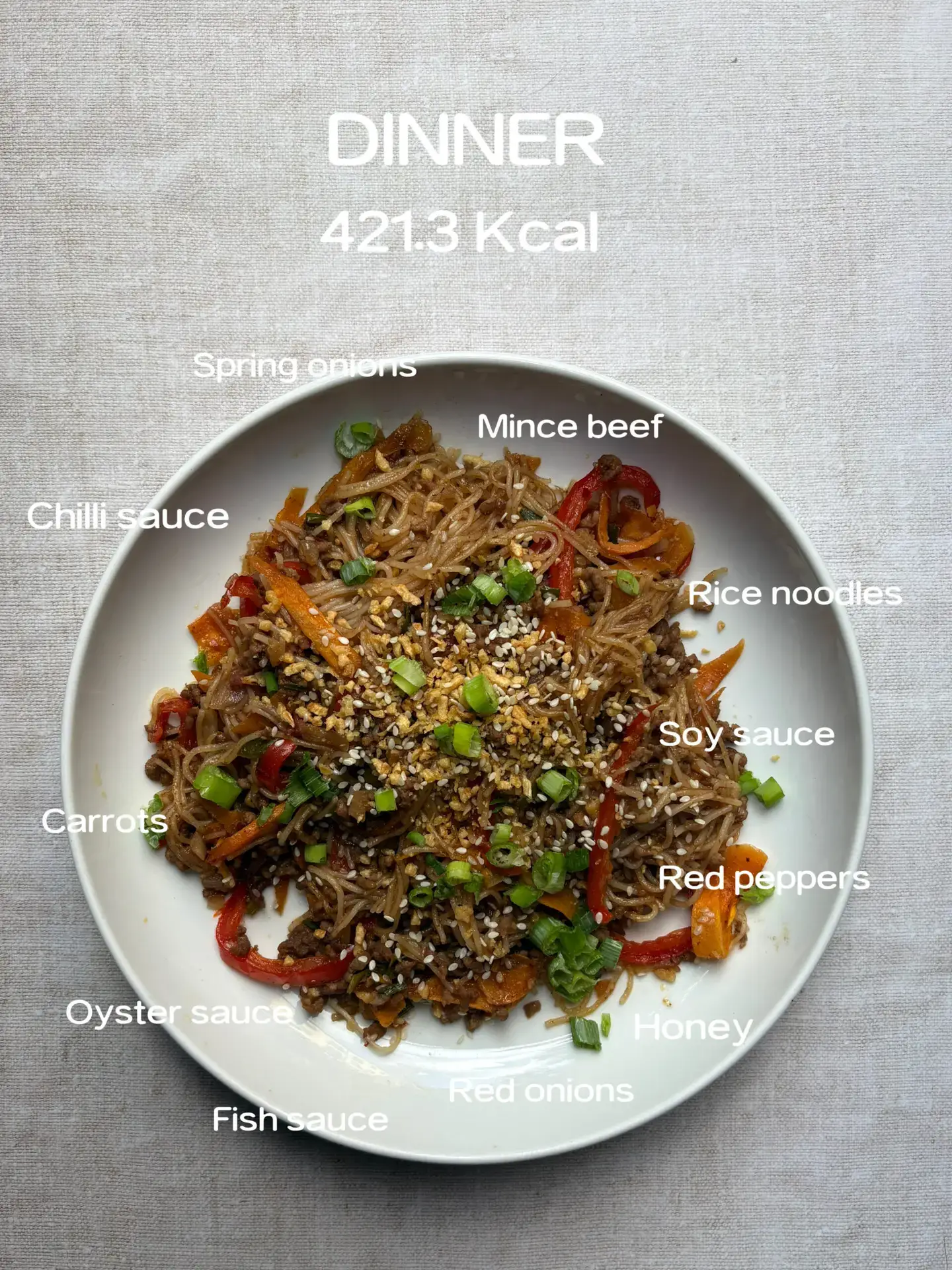
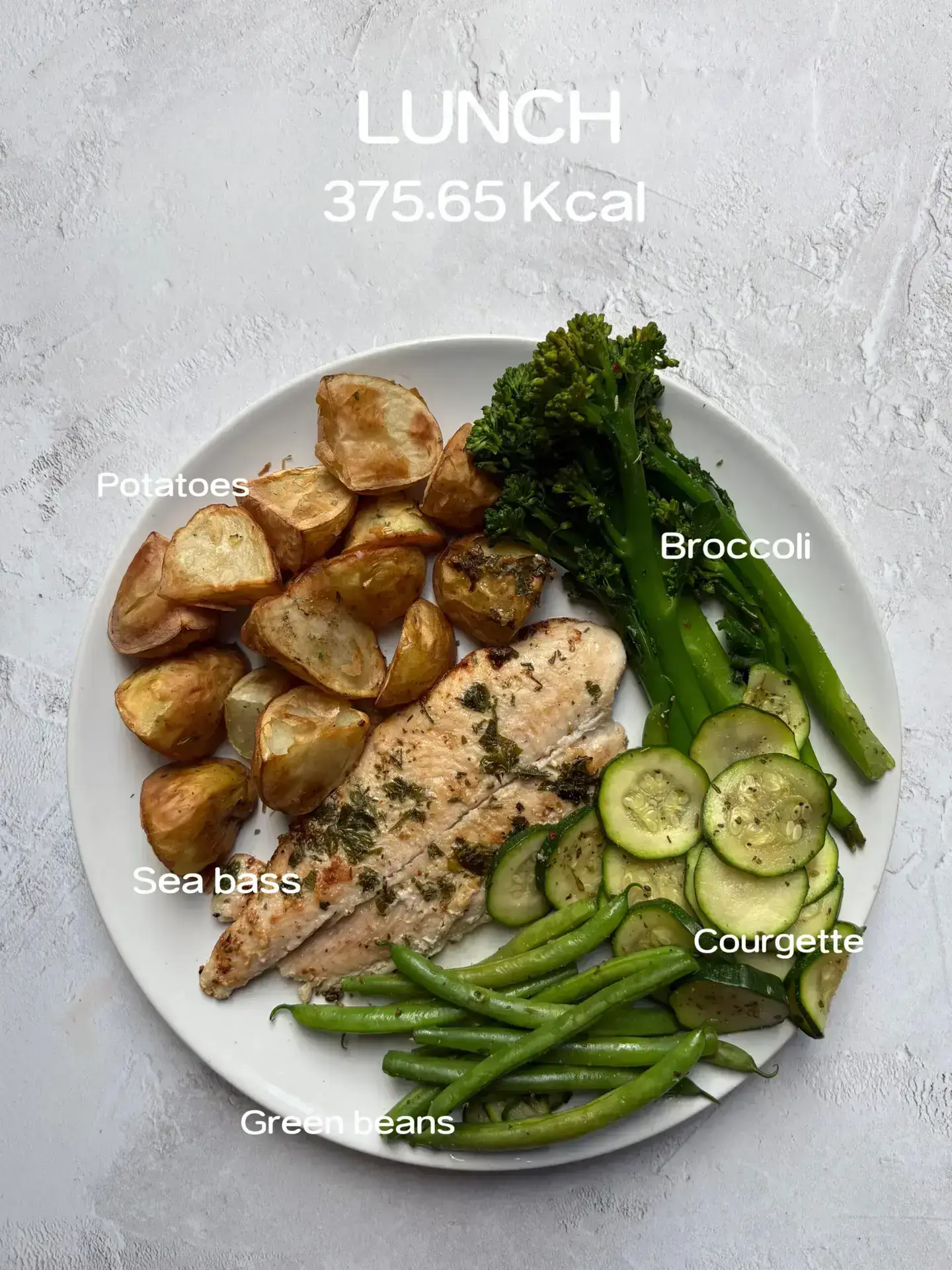
Good nutrition helps your body build muscle and keep your bones healthy. The NHS recommends a healthy, balanced diet with plenty of fruit, vegetables and calcium-rich foods.
Protein
Protein helps you build and keep muscle. A large meta-analysis by Morton and colleagues found that extra protein stopped adding to strength-training muscle gains at about 1.6 g per kg of body weight a day. A target of 1.2 to 1.6 g per kg is a reasonable range. For a 70 kg woman, that is about 84 to 112 g a day.
Good sources include lean meat, fish, poultry, eggs, Greek yogurt, beans, lentils, nuts and seeds.
Calcium and vitamin D
The NHS says adults need 700 mg of calcium a day. Good sources include milk, cheese, yogurt, kale, fortified soy drinks, and small fish eaten with their bones, such as sardines. Sunlight helps your body make vitamin D, and the NHS notes that vitamin D supplements are an option.
Herbal and plant-based remedies
Some women try soy foods, flaxseed or herbal products for symptoms. Soy foods and legumes can be part of a balanced diet. If you are thinking about herbal supplements or complementary medicines, the NHS advises talking to a doctor first.
Hydration
Drink regularly through the day, especially if you have hot flashes or train hard. A cold drink can also help when a hot flash starts.
The NHS also notes that regular physical activity can reduce hot flashes and improve sleep, and a balanced diet helps you manage your weight and keep your bones healthy.
Key takeaways
Menopause brings real changes, but you can still build strength. Strength training helps you keep muscle and supports your bones. It may also help your mood, sleep and energy.
- Check in with how you feel each day.
- Choose consistency over perfection.
- Celebrate wins that are not on the scale.
- Build up gradually, one phase at a time.
- Strength train at least 2 days a week.
When you finish week 12, our 12-week strength plan for menopause gives you another program to follow.

Train with a clear plan
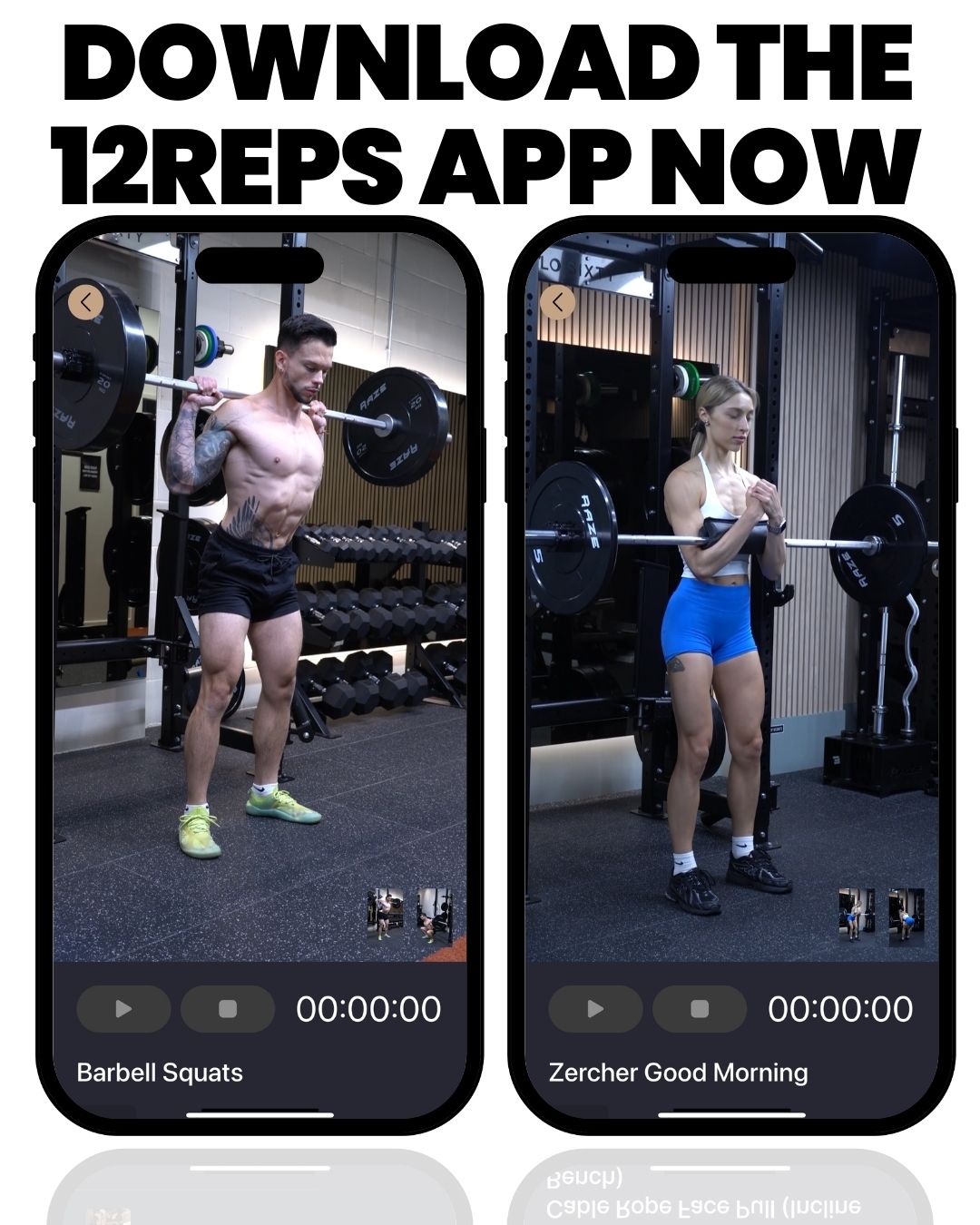
Want a plan built around your goal, your equipment and the time you have? 12REPS sets out each session and shows a trainer demonstration for every exercise. It remembers what you lifted, so you have a number to beat on days you feel strong.
Check with your GP or pharmacist before starting if you have a health condition, take medication, or have osteoporosis or a past fracture. Strength training does not replace medical care. Talk to your doctor about treatments such as HRT.
Disclaimer: This article is for education only and is not medical advice.
About the Author
Written by Will Duru, BSc (Hons) Sport and Exercise Science, Level 3 Personal Trainer. Will has over a decade of experience training women and is passionate about helping them navigate menopause with strength and confidence. He is also the founder of the 12Reps app.
Sources
- Lifestyle changes to help menopause and perimenopause. NHS, accessed 2026. https://www.nhs.uk/conditions/menopause/things-you-can-do
- Lifestyle changes to make if you’re unable to take HRT. NHS, accessed 2026. https://www.nhs.uk/medicines/hormone-replacement-therapy-hrt/alternatives-to-hormone-replacement-therapy-hrt/lifestyle-changes-to-make-if-youre-unable-to-take-hrt
- Vitamins and minerals: Calcium. NHS, 2020. https://www.nhs.uk/conditions/vitamins-and-minerals/calcium/
- How do I keep active during the menopause?. Wellbeing of Women, accessed 2026. https://www.wellbeingofwomen.org.uk/health-information/how-do-i-keep-active-during-the-menopause/
- Menopause Essentials: Menopause and lifestyle, Exercise. European Menopause and Andropause Society (EMAS), 2026. https://emas-online.org/wp-content/uploads/2026/07/Menopause-Essentials-2026-Exercise.pdf
- Factsheet 2: Physical Activity and Menopause. International Menopause Society (World Menopause Day), 2025. https://menopause.org.au/images/wmd/WMD_2025_Factsheet_Physical_Activity.pdf
- News release on Strong, steady and straight: UK consensus statement on physical activity and exercise for osteoporosis (British Journal of Sports Medicine). BMJ via EurekAlert!, 2022. https://www.eurekalert.org/news-releases/952512
- High-Intensity Resistance and Impact Training Improves Bone Mineral Density and Physical Function in Postmenopausal Women With Osteopenia and Osteoporosis: The LIFTMOR Randomized Controlled Trial (Watson et al.). Journal of Bone and Mineral Research, 2018. https://academic.oup.com/jbmr/article/33/2/211/7605709
- News item on Berin et al., Resistance training for hot flushes in postmenopausal women: a randomized controlled trial (Maturitas). Linköping University, 2019. https://liu.se/en/news-item/styrketraning-kan-hjalpa-mot-klimakterieproblem
- A systematic review, meta-analysis and meta-regression of the effect of protein supplementation on resistance training-induced gains in muscle mass and strength in healthy adults (Morton et al.). British Journal of Sports Medicine, 2018. https://bjsm.bmj.com/content/52/6/376.abstract