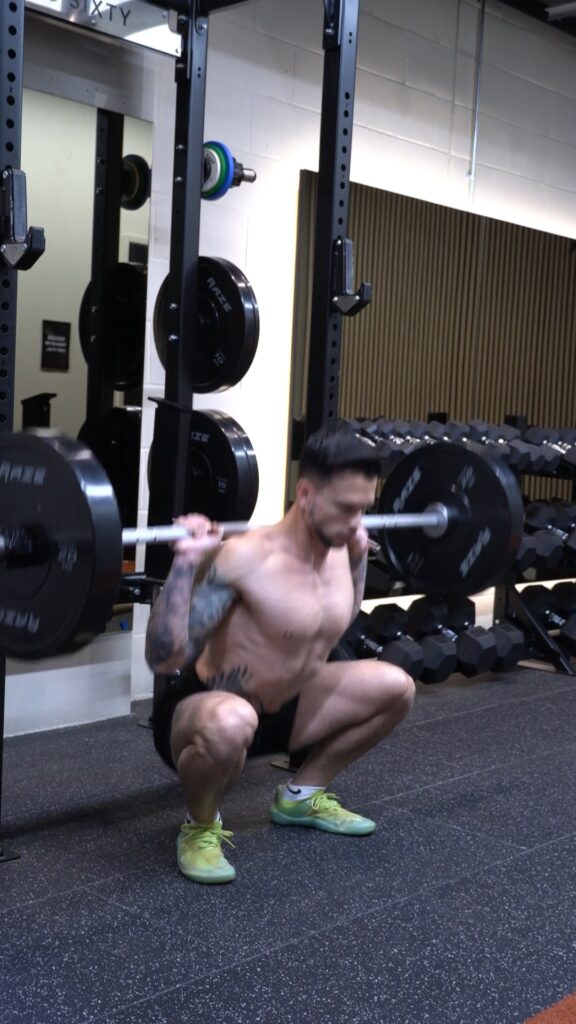
Short answer: Velocity-based training (VBT) uses a device to measure how fast the bar moves on each rep. You then use that speed to choose your weight for the day and to decide when to end a set, usually when the bar slows down by a set percentage. Research suggests VBT can build maximum strength slightly better than training from a fixed percentage of your max, especially in athletes. Stopping sets at a smaller slowdown, around 20%, built similar strength with far fewer reps in one study. For most beginners, though, simple effort ratings work well without the cost of a device.
This guide is for lifters who have seen bar speed trackers in the gym or online and want to know if VBT is worth trying. I explain how it works, what the research shows and how to use the idea even without a device.
How velocity-based training works
The heavier a weight is for you, the slower you can move it. When a weight is very light, the bar flies up. When it is close to your max, it moves slowly. VBT uses this relationship in two main ways.
- Choosing your load for the day. Your strength changes from day to day with sleep, stress and fatigue. If your warm-up sets move faster than usual, you might add weight. If they move slower, you might take some off.
- Deciding when to stop a set. As fatigue builds during a set, each rep gets slower. This drop is called velocity loss. You choose a limit, for example 20%, and stop the set when your rep speed drops that much below your fastest rep.
VBT is a form of autoregulation, meaning you adjust your training based on how you are performing that day, rather than following fixed numbers no matter what.
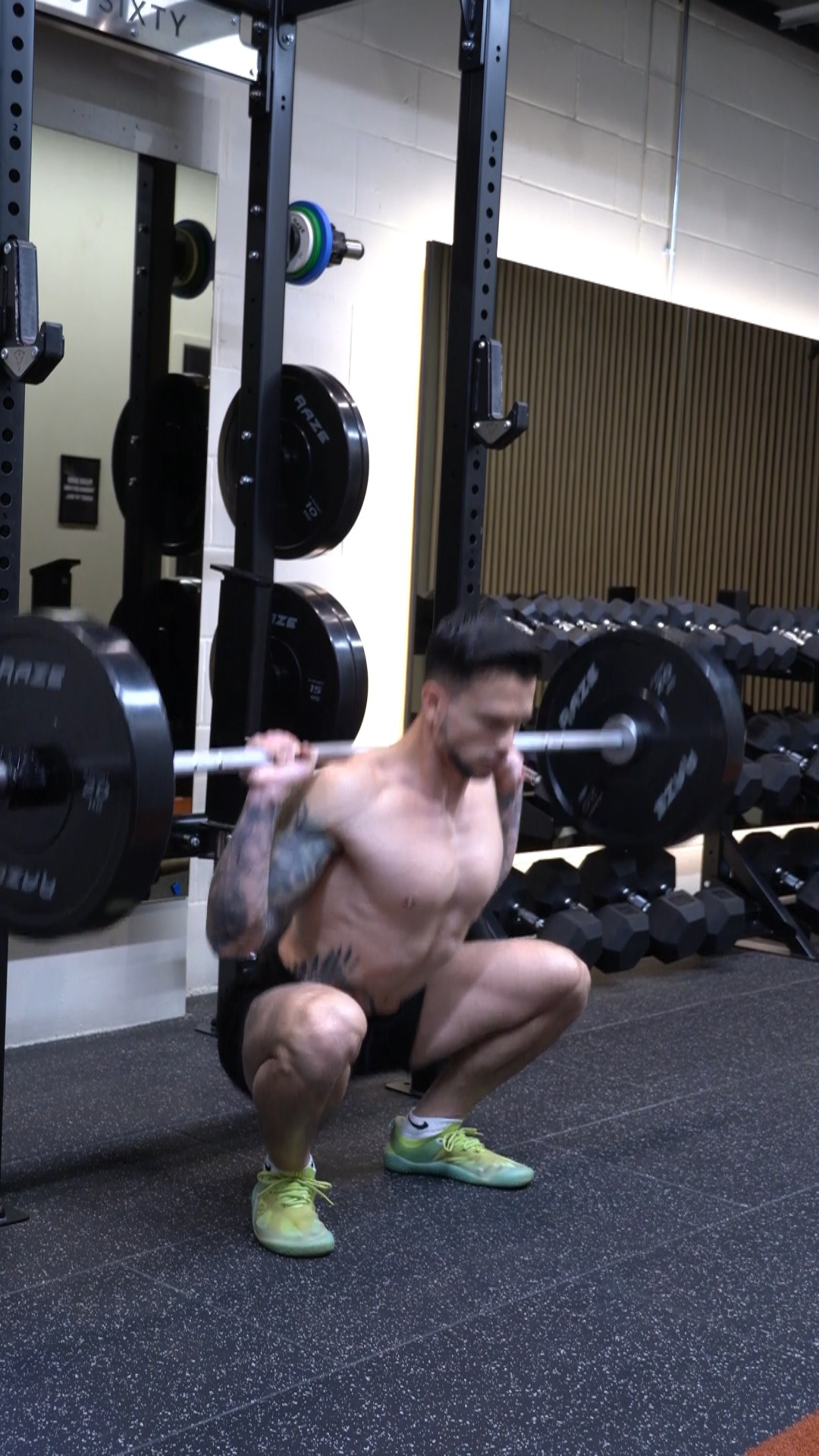
What the research says about velocity-based training
VBT vs percentage-based training
A 2022 meta-analysis pooled 7 studies with 139 participants comparing VBT with training from a percentage of one-rep max (Zhang et al., 2022). VBT led to slightly greater gains in maximum strength overall. The difference was clearer in athletes. The authors suggested VBT suits athletes during their competitive season, while percentage-based training is a good fit for the general population.
How much should the bar slow down before you stop?
- Smaller slowdowns, similar strength. In an 8-week squat study, 22 young men stopped each set at either a 20% or a 40% velocity loss (Pareja-Blanco et al., 2017). Both groups gained similar squat strength, but the 20% group did 40% fewer reps and improved their jump height more (9.5% vs 3.5%).
- Bigger slowdowns, more muscle growth in some areas. In that same study, both groups increased their thigh muscle size. The 40% group grew more in two of the quad muscles. Pushing closer to failure may help muscle growth, while stopping earlier may suit strength and speed.
- A middle ground for strength. A 2023 dose-response meta-analysis of 9 studies with 336 trained men found that strength gains were highest with moderate velocity loss, around 20 to 30% (Zhang et al., 2023). Lower velocity loss gave the most strength gain per rep, meaning it was the most efficient.
VBT vs effort ratings
A 2025 study compared four ways of prescribing squats and bench presses in 15 people: percentage of one-rep max, rating of perceived exertion (RPE), reps in reserve (RIR) and VBT (Cowley et al., 2025). The percentage method often pushed sets to failure. RIR and VBT kept training volume up better. VBT was the most accurate, with every set starting within 5% of the target bar speed. There were no differences in fatigue or soreness the next day.
All of these are small studies, many in trained men or athletes. The evidence points in a consistent direction, but it doesn’t show that VBT is essential for everyday lifters.
What equipment do you need?
VBT needs something to measure bar speed. Common options include:
- Linear position transducers. A small unit on the floor with a cable that clips to the bar. These are widely used in research.
- Wearable or bar-mounted sensors. Small devices that attach to the bar or your wrist.
- Phone apps. Apps that track the bar using your phone’s camera.
Accuracy and price vary a lot between devices. If you’re thinking of buying one, look for independent research testing that specific device against a lab-grade measure.
How to start with VBT
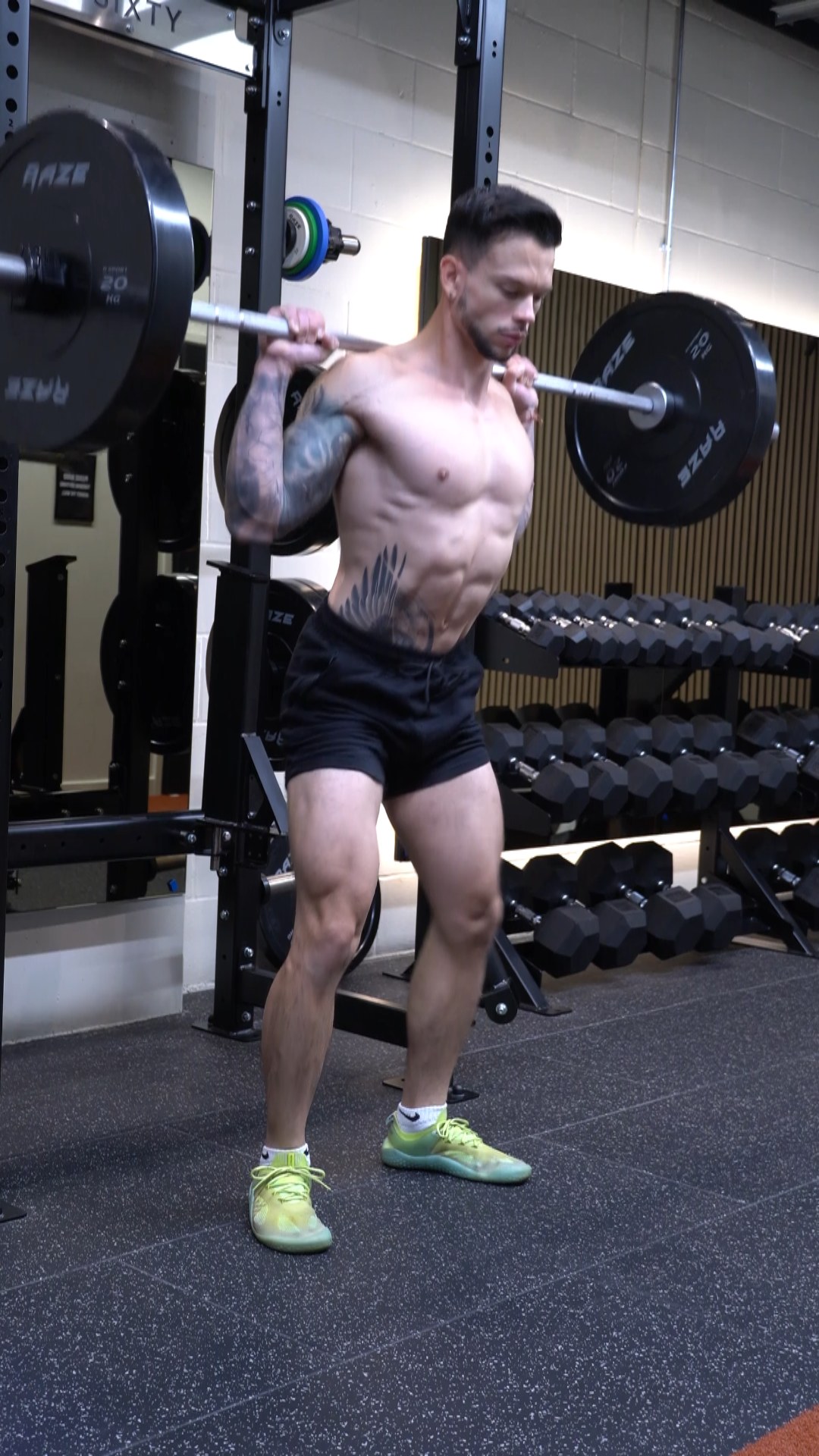
This is how I would suggest setting it up. It is coaching guidance based on the research above.
- Pick one or two main lifts. The squat, bench press and deadlift are the most common choices.
- Record your speed in your warm-ups for a few weeks. This shows you what “normal” looks like for you at different weights.
- Choose a velocity loss limit. Around 20% suits strength and speed work. A higher limit, closer to failure, may suit muscle-building sets.
- Stop each set when you hit it. Compare each rep with the fastest rep in that set. When the speed drops by your limit, rack the bar.
- Adjust your load day to day. If your first working set is clearly faster or slower than usual for that weight, change the weight a little.
- Keep your technique consistent. Always push the bar up as fast as you can with good form. VBT only works if every rep has the same intent.
Can you use the idea without a device?
Yes, to a point. This is my coaching view.
- Watch for slow, grinding reps. When a rep clearly slows down compared with your first rep, you have probably passed a large velocity loss. For strength work, that is a good time to stop.
- Use reps in reserve. Stopping with 2 or 3 reps left in the tank is a simple way to avoid training to failure. My guide to RPE vs RIR explains how.
- Film your sets. Watching a set back makes slowing reps easier to spot.
Who should use velocity-based training?
- Athletes and competitive lifters. The research benefits are clearest here, especially when training around games or competitions.
- Intermediate lifters who like data. VBT gives clear, objective feedback that can make progress easier to track.
- Beginners can skip it. You will make good progress by adding weight gradually and stopping a couple of reps short of failure. You don’t need a device to do that.
Watch: squat and bench press technique
VBT only helps if your technique is consistent. Here are two 12REPS demonstrations, with form cues, of the lifts most often used with VBT.
Summary
- Velocity-based training measures bar speed to set your load and decide when to end a set.
- Research shows a small advantage over percentage-based training for maximum strength, mainly in athletes.
- Stopping sets at around 20 to 30% velocity loss appears to work well for strength, with fewer reps.
- Going closer to failure may help muscle growth more.
- Beginners can get similar benefits by stopping a couple of reps short of failure, without a device.
Track your progress, with or without a device
Whether you use a bar speed tracker or not, logging your training is what shows you are progressing. That’s what I built 12REPS to help with. You set your goal, your available time and your equipment, and the app builds your workouts. Every exercise comes with a trainer demonstration, and you can log your sets and reps to see your progress over time.
Download 12REPS and see what you’ll get:
Sources
- Zhang M, Tan Q, Sun J, Ding S, Yang Q, et al. Comparison of velocity and percentage-based training on maximal strength: meta-analysis. Int J Sports Med. 2022;43(12):981–995.
- Pareja-Blanco F, Rodríguez-Rosell D, Sánchez-Medina L, Sanchis-Moysi J, Dorado C, et al. Effects of velocity loss during resistance training on athletic performance, strength gains and muscle adaptations. Scand J Med Sci Sports. 2017;27(7):724–735.
- Zhang X, Feng S, Li H. The effect of velocity loss on strength development and related training efficiency: a dose-response meta-analysis. Healthcare (Basel). 2023;11(3):337.
- Cowley N, Nicholson V, Timmins R, Munteanu G, Wood T, et al. The effects of percentage-based, rating of perceived exertion, repetitions in reserve, and velocity-based training on performance and fatigue responses. J Strength Cond Res. 2025;39(4):e516–e529.
Related reading
- RPE vs RIR: How to Rate Effort in Strength Training
- Training to Failure: When It Helps and When to Stop Short
- How to Get Stronger: The Complete Guide to Building Real Strength
- Progressive Overload Plan: How to Keep Getting Stronger for Months
- One Rep Max Calculator
I’m Will Duru, a personal trainer and the founder of 12REPS. I hold a BSc (Hons) in Sport and Exercise Science and have more than a decade of experience coaching people in strength training.