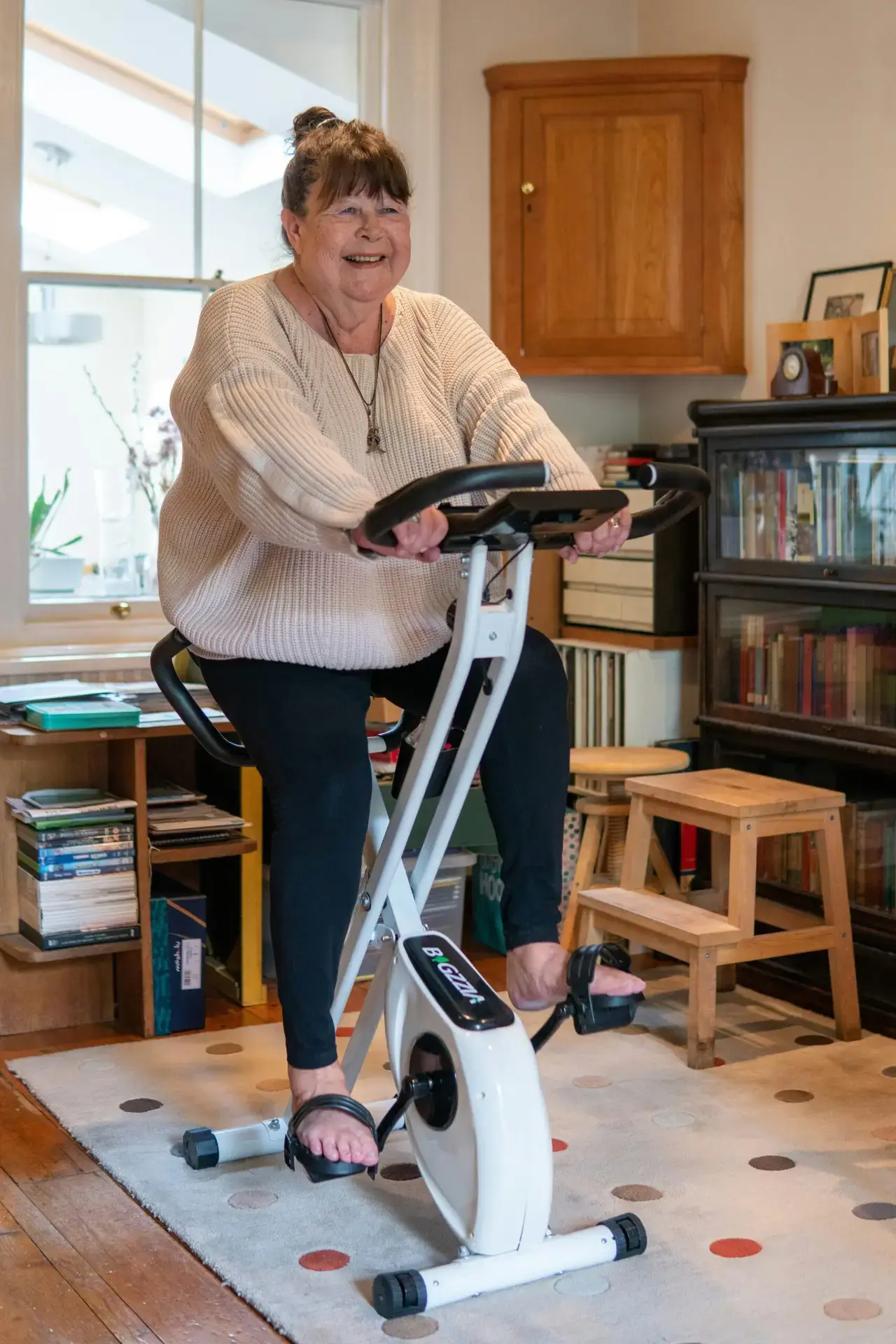



Written by Will Duru, BSc (Hons) Sport and Exercise Science, Level 3 Personal Trainer
Strength training for longevity means doing regular muscle-strengthening exercise so you keep your strength, balance and independence as you get older. Research links it with better physical function, fewer falls and a lower risk of early death. You can start at almost any age, and you do not need heavy weights.
Keeping your strength matters for more than how you look. It helps you climb stairs, carry groceries and get up from a chair without help. This guide explains what the research shows, how strong the evidence is, and how to build strength training into your week.
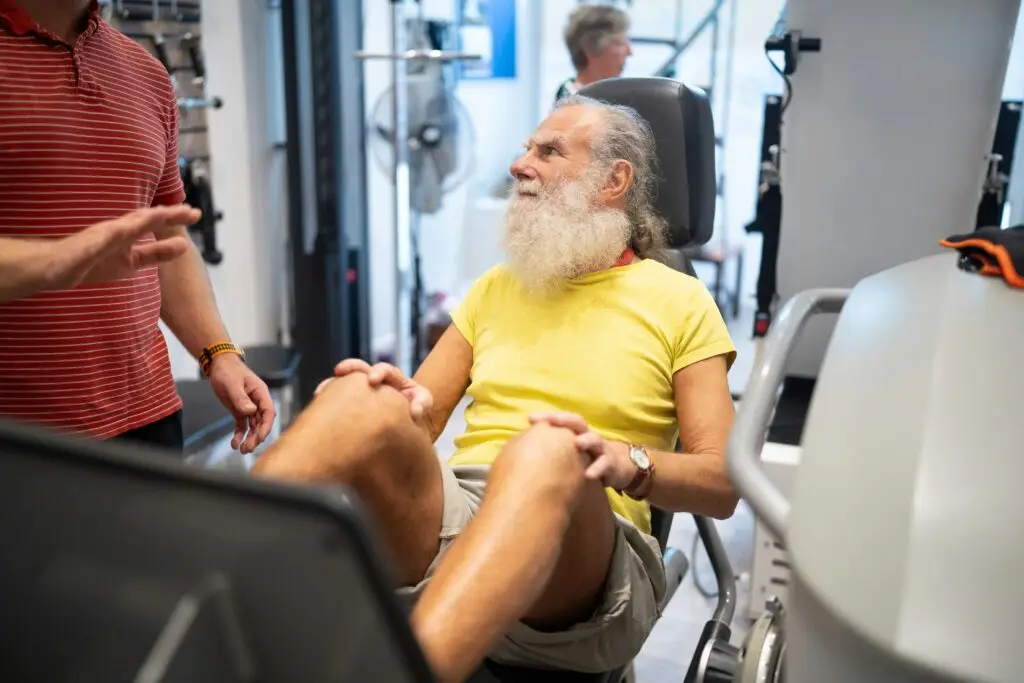
The Long-Term Health Benefits of Strength Training
Regular strength training supports several parts of health that tend to decline with age. Here is what the research shows.
Preserving Muscle Mass and Strength
Adults lose muscle mass, strength and function with age, even without disease. When this loss becomes severe, it is called sarcopenia. The National Strength and Conditioning Association (NSCA) says resistance training can reduce these losses and their effects on mobility and independence.
It is never too late to start. A Cochrane review of 121 trials in older adults found that progressive resistance training led to large gains in strength. Progressive resistance training means you slowly increase the load as you get stronger.
For a closer look at sarcopenia, falls and daily tasks, read how resistance training helps older adults stay strong and independent.
Stronger Bones and Joint Support
Bones tend to lose density as you age, which raises the risk of fractures. The NHS lists resistance exercise as one way to support bone strength, because tendons pulling on bones help keep them strong. Examples include press-ups and lifting weights.
Stronger muscles also support your joints. In the same Cochrane review, strength training led to a small reduction in pain for people with osteoarthritis.
Metabolic Health
Muscle-strengthening activity is linked with better metabolic health. A 2022 meta-analysis of cohort studies found that people who did muscle-strengthening activities had about a 17% lower risk of developing type 2 diabetes. A cohort study follows a group of people over time and records what happens to them.
Studies like this show an association, not proof of cause. People who lift weights may also eat better, sleep more or smoke less.
Better Balance and Fewer Falls
Falls can take away your confidence and your independence. A 2019 Cochrane review found that exercise programs reduced the rate of falls in older adults by about 23%.
The strongest evidence was for balance and functional exercises, such as standing up from a chair or stepping. Programs that combined these with strength work also looked helpful, though that evidence was less certain. So pair your strength training with balance practice.
Brain Health and Mood
Strength training may also support your brain. A 2018 meta-analysis of trials in adults over 50 found that resistance training improved cognitive function. The benefit showed up across the different thinking skills tested.
Resistance training is also linked with fewer depressive symptoms. A 2018 meta-analysis of 33 trials found a moderate reduction, though trial quality varied. These findings are promising, but they do not show that lifting weights stops dementia or replaces treatment for depression.
For more on memory, mood and energy, read what research says about strength training and brain health.
Heart Health and Longevity
Resistance training can lower blood pressure a little. A 2013 meta-analysis found that resistance training with moving weights lowered resting blood pressure by roughly 2 to 3 mmHg on average.
Strength training is also linked with a longer life. A US study followed 115,489 adults aged 65 and over for about eight years. People who did strength exercises 2 to 6 times a week had a lower risk of death. Those who met both the strength and aerobic guidelines did best. In most combinations, their risk was about 30% to 40% lower than people who met neither.
This was an observational study, so it cannot prove that strength training caused the longer lives. Read what the research shows about muscle strength and mortality for a fuller look at the evidence and its limits.

How to Start Strength Training for Healthy Aging
Starting strength training can feel intimidating, especially if you are older or new to exercise. It is never too late, and you do not need to be a bodybuilder to benefit. Consistency and steady progress matter more than heavy lifting.
If you have a health condition, take medication or have not exercised for a while, check with your doctor before you start. The NHS gives the same advice.
Know the Guidelines
The World Health Organization (WHO) recommends muscle-strengthening activities that work the major muscle groups on 2 or more days a week. This applies to adults and older adults. Older adults with poor mobility should also do balance activities on 3 or more days a week.
The NHS advises adults aged 65 and over to do activities that improve strength, balance and flexibility on at least 2 days a week. For help planning your week, see how often you should lift.
Start Small and Progress Gradually
Begin with light resistance and short sessions. You can start with no weights at all. Simple bodyweight exercises, such as chair squats, wall push-ups and calf raises, are a good place to begin.
As you get stronger, slowly increase the challenge. For example, add a small amount of weight or one more repetition. This is called progressive overload. Our beginner’s guide to progressive overload explains how to do it step by step.
Focus on Form and Functional Movements
Good technique helps you train safely and get more from each exercise. Take time to learn the correct form, ideally with a qualified trainer or clear exercise demonstrations.
Choose functional movements that copy everyday tasks. Squats and step-ups build the leg strength you use to climb stairs or stand up from a chair. Overhead presses help you lift objects onto a shelf. Aim for controlled movement through a comfortable range of motion, not maximum weights.
Use Joint-Friendly Equipment
You do not need an expensive gym to strength train. Resistance bands are a good starting tool, and light dumbbells or kettlebells work well once you are comfortable. Gym machines guide your movement and add stability, which can help if your balance is limited.
Even household items, such as water bottles, can work as light weights. If your muscles are working against resistance, you are building strength.
Include Balance and Core Exercises
Balance tends to decline with age, so it is worth training it directly. Try standing on one foot while you hold a support. Many strength exercises, such as squats and lunges, also challenge your balance and core.
Tai chi and yoga can complement your strength work. Both appear on the NHS list of activities for strength and balance. A one-minute balance drill after each workout is a simple way to start.
Make It Enjoyable and Sustainable
The best plan is one you can keep doing. You might enjoy a group class, training with a friend or using music to lift your mood. Keep sessions simple so they fit into your week.
You can also build strength into daily life. Do a set of wall push-ups after a walk, or practice standing up from a chair without using your hands. Celebrate small wins. If you can lift a slightly heavier weight than last month, that is progress.
If you are over 60 and new to lifting, our safe guide to strength training after 60 covers the first steps.
Making strength training part of your life is one of the most useful steps you can take for healthy aging. Over time, everyday tasks such as carrying groceries, climbing stairs or playing with kids may feel easier as your functional strength improves.
You are also investing in your future independence. The strength you build now gives you more reserve for later years. Research links it with better physical function, fewer falls and a lower risk of early death.
Start with small, achievable goals. For example, commit to two strength sessions a week that work different muscle groups. Track what you lift so you can see your progress.
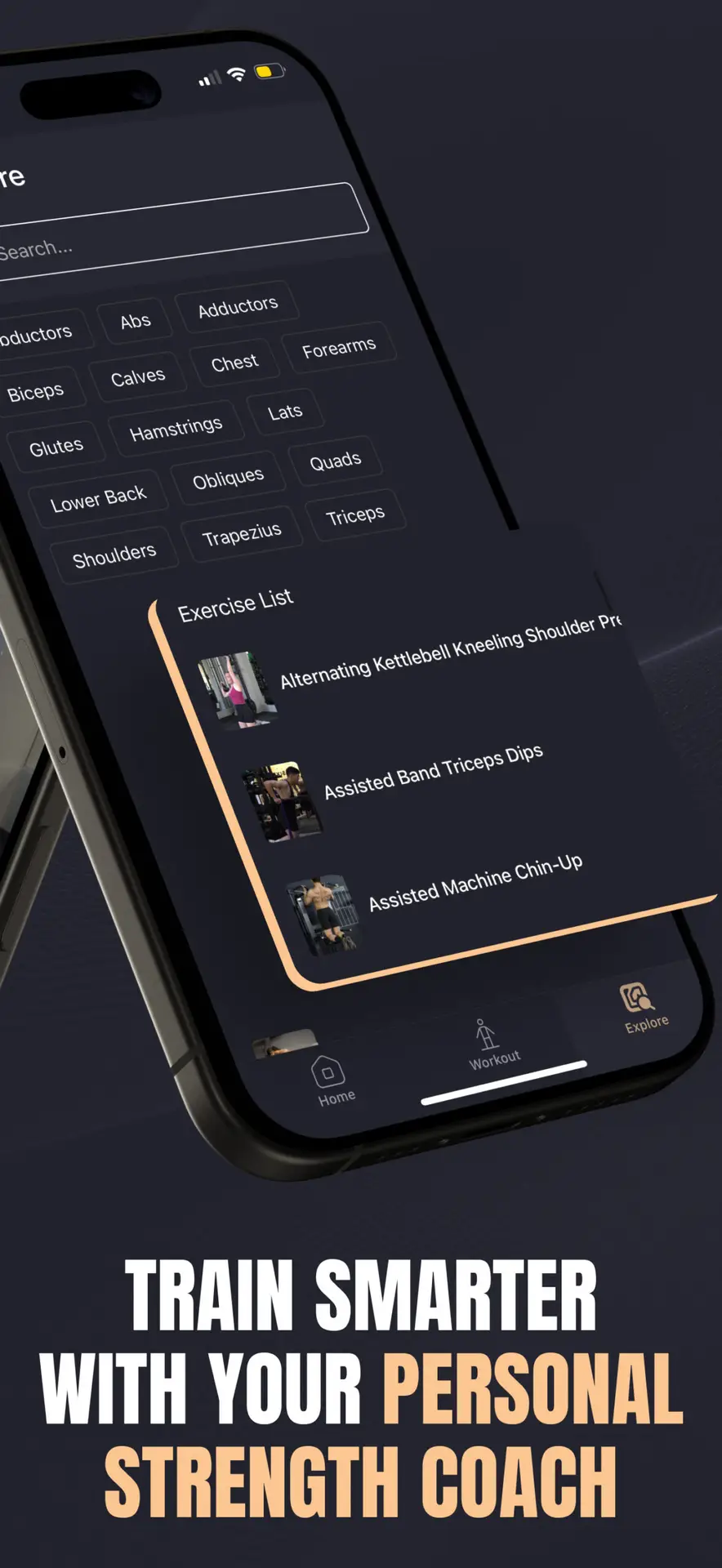
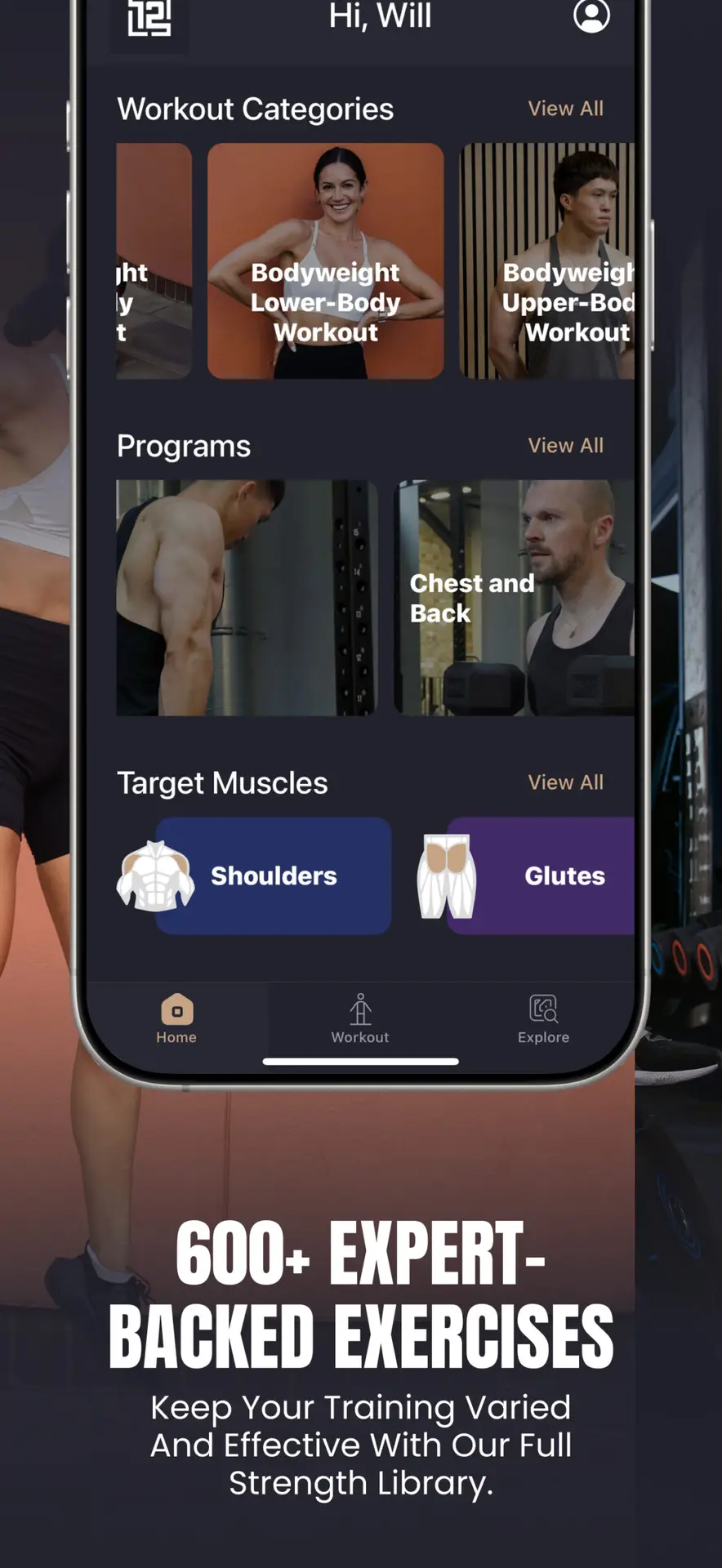
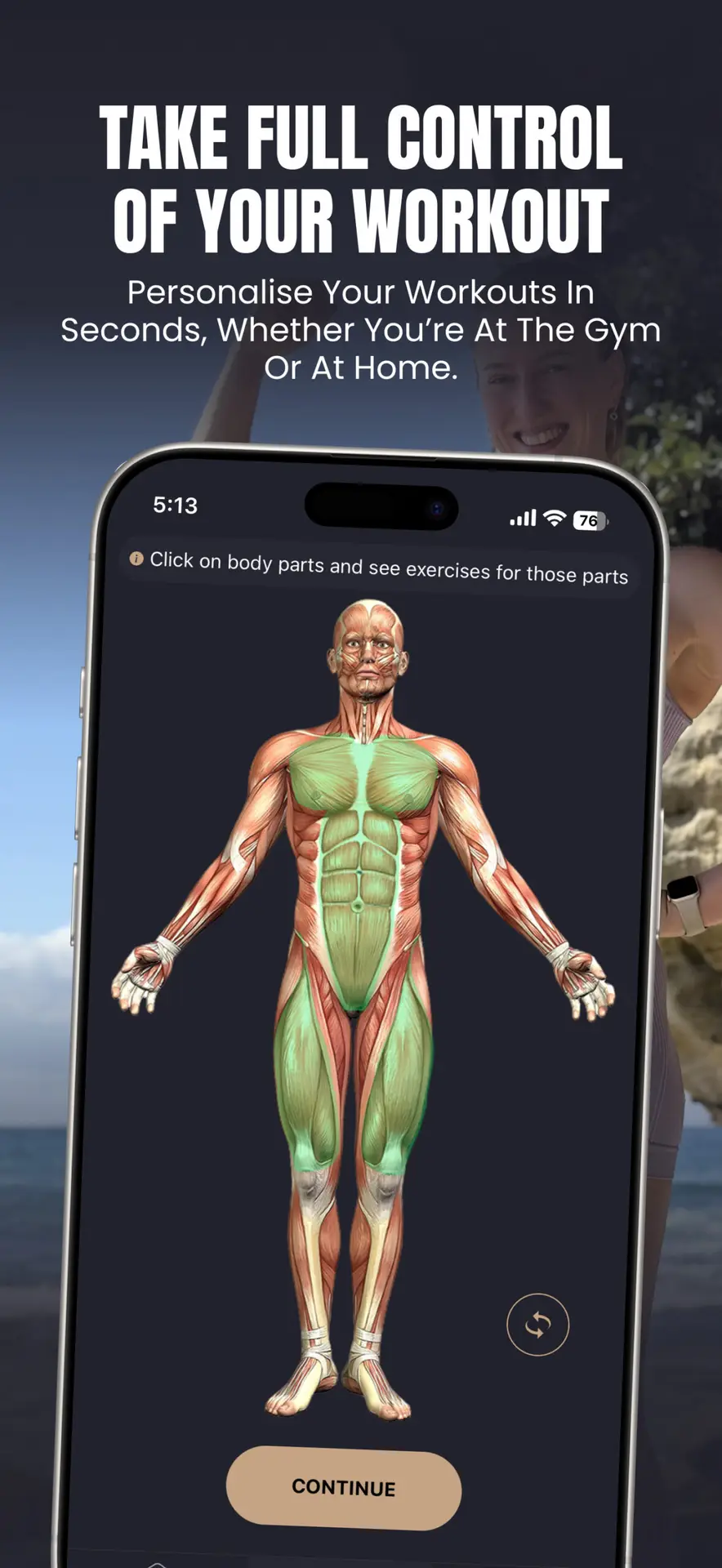
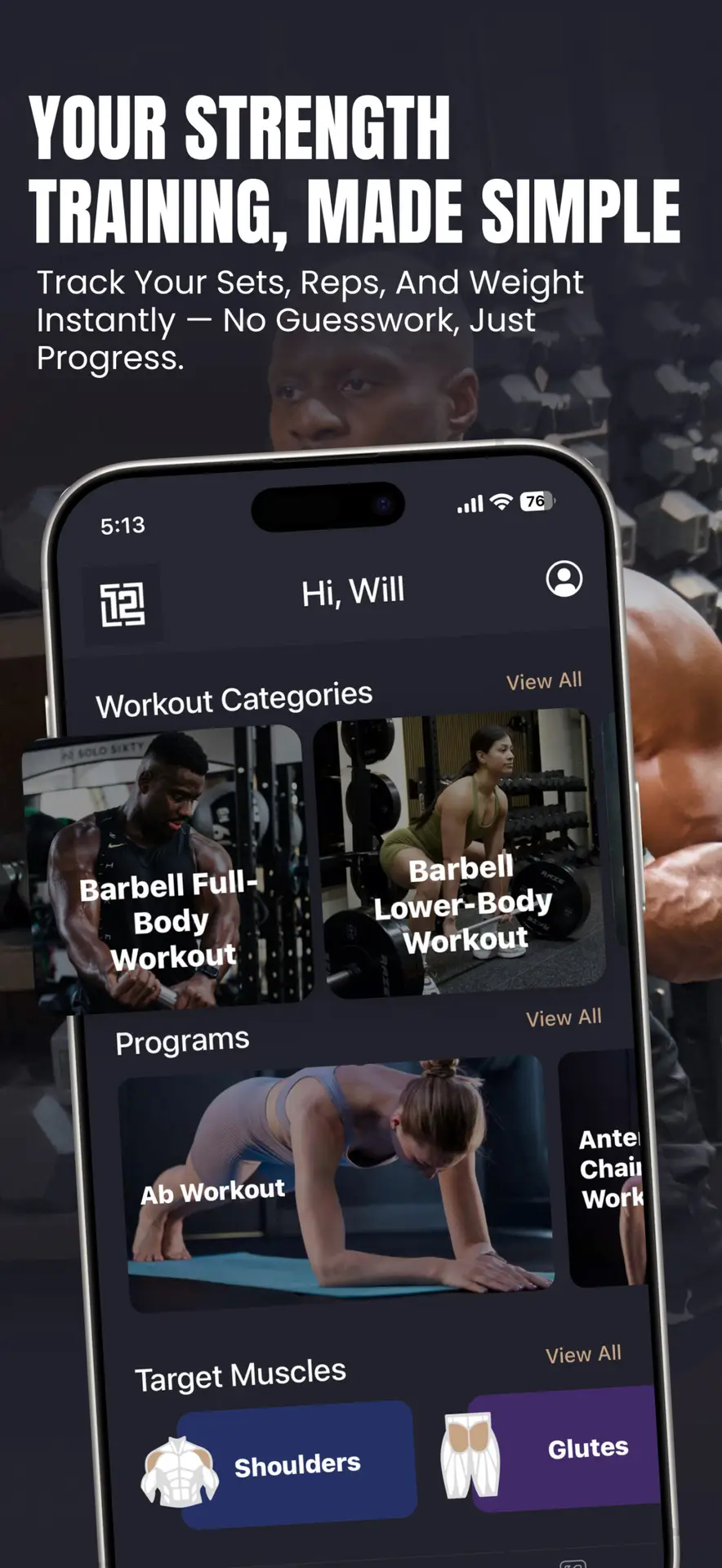
If you want a plan built around your goal, your equipment and the time you have, the 12REPS app sets out each session. It shows a trainer demonstration for every exercise and remembers what you lifted, so you always have a number to beat.
Strength training for longevity is not about perfection or comparing yourself to others. It is about looking after your body so you can enjoy every stage of life. Whether you are 35 or 75, it starts with your first workout.
Sources
- Resistance Training for Older Adults: Position Statement From the National Strength and Conditioning Association. Journal of Strength and Conditioning Research, 2019. https://scholarworks.utep.edu/kines_papers/60
- Progressive resistance strength training for improving physical function in older adults. Cochrane Database of Systematic Reviews, 2009. https://www.cochrane.org/evidence/CD002759.progressive-resistance-strength-training-improving-physical-function-older-adults
- Osteoporosis: Prevention. NHS, 2022. https://www.nhs.uk/conditions/osteoporosis/prevention/
- Muscle-strengthening activities are associated with lower risk and mortality in major non-communicable diseases: a systematic review and meta-analysis of cohort studies. British Journal of Sports Medicine, 2022. https://bjsm.bmj.com/content/56/13/755
- Exercise for preventing falls in older people living in the community (Cochrane review summary). Cochrane, 2019. https://www.cochrane.org/news/new-cochrane-review-assesses-benefits-and-harms-exercise-preventing-falls-older-people-living
- Exercise interventions for cognitive function in adults older than 50: a systematic review with meta-analysis. British Journal of Sports Medicine, 2018. https://bjsm.bmj.com/content/52/3/154
- Association of Efficacy of Resistance Exercise Training With Depressive Symptoms: Meta-analysis and Meta-regression Analysis of Randomized Clinical Trials. JAMA Psychiatry, 2018. https://dr.lib.iastate.edu/entities/publication/678d2a9c-4a2d-4cb3-9170-807faced6055
- Exercise training for blood pressure: a systematic review and meta-analysis. Journal of the American Heart Association, 2013. https://pubmed.ncbi.nlm.nih.gov/23525435/
- Association of Muscle-Strengthening and Aerobic Physical Activity With Mortality in US Adults Aged 65 Years or Older. JAMA Network Open, 2022. https://jamanetwork.com/journals/jamanetworkopen/fullarticle/2797402
- Physical activity guidelines for older adults. NHS, 2024. https://www.nhs.uk/live-well/exercise/physical-activity-guidelines-older-adults/
- Physical activity (Be He@lthy, Be Mobile initiative). World Health Organization, accessed 2026. https://who.int/initiatives/behealthy/physical-activity