

By Will Duru | BSc Sport Science | Personal Trainer | 10+ Years Experience
I have trained many people in their late 30s and early 40s. Men and women. Some come to me after years of not training. Some come after decades. And they all say the same thing.
“Will, I know I need to do this. But I have never been this busy in my life. I do not know how to fit it in.”
I understand. Because when you are in your 40s, life is at its most demanding. You are raising a family. You are working long hours. You are chasing a promotion. Your parents are getting older, and they need more of your time. You are managing a mortgage. Running a household. Trying to be there for everyone.
And somewhere in all of that, your body has changed. The weight has crept on. Your clothes do not fit. You feel tired. You feel stiff. You look in the mirror, and you do not recognise yourself.
This newsletter is for you. I am going to explain what happens to your body from the age of 30. I am going to explain the changes women experience in their 40s. I am going to back it all up with science. And I am going to show you what to do about it.
What Happens to Your Body From the Age of 30
Most people think the problems start in their 40s. They do not. The changes start in your 30s. You just do not notice them at first.
You Start Losing Muscle
From around your 30s, your body starts to lose muscle mass. This is called sarcopenia. The British Dietetic Association says adults lose around 0.5 to 1 per cent of their muscle mass every year from the age of 40 [1]. But the Cleveland Clinic says this process can begin in your 30s, and you can lose as much as 8 per cent of your muscle per decade [2].
This matters because muscle burns calories. The more muscle you have, the more energy your body uses, even at rest. When you lose muscle, your body burns less energy. That means the same food you ate at 25 can start causing weight gain at 35. Not because you are eating more. Because your body is burning less.
Men: Your Testosterone Starts to Drop
Testosterone is the hormone that helps men build muscle, burn fat, stay energised, and maintain a healthy sex drive. From around the age of 30, testosterone levels start to drop by about 1 per cent per year [3]. That might not sound like much. But by the time you reach 40, you could have 10 per cent less testosterone than you did at 30. By 50, you could be down 20 per cent.
What does lower testosterone feel like? You feel more tired. You lose muscle more easily. You gain fat more easily, especially around your belly. Your mood changes. Your motivation drops. You do not recover from exercise as fast. Many men in their 40s think they are just getting old. They are not. Their hormones are changing, and most of them do not know it.
Research from the Massachusetts Male Aging Study found that total testosterone levels fall at an average of 1.6 per cent per year, while free testosterone drops even faster, by 2 to 3 per cent per year [4]. Free testosterone is the type your body can use. So the decline is even bigger than most people think.
Women: Your Oestrogen and Progesterone Start to Shift
Women produce less progesterone from their late 30s. Progesterone helps regulate your cycle and your mood. When it drops, you might notice your periods become less regular. You might feel more anxious or irritable. You might sleep worse.
Oestrogen also starts to fluctuate in your late 30s. It does not drop in a straight line. It goes up and down. Some months it spikes higher than normal. In other months, it drops low. This hormonal roller coaster affects your energy, mood, sleep, and weight.
Both men and women also produce less growth hormone from their 30s. Growth hormone helps your body repair muscle, burn fat, and recover from exercise. Less growth hormone means slower recovery, less fat burning, and more effort needed to see results.
“The changes start in your 30s. Most people do not notice until their 40s when the weight has crept on, and they feel tired all the time. But the good news is, you can fight back.” – Will Duru
What Happens to Women at 40: Perimenopause
This is the part that most fitness apps and programs completely ignore. And it is one of the most important topics I discuss with my female clients.
From around the age of 40, most women enter a phase called perimenopause. This is the transition period leading up to menopause. The Cleveland Clinic says perimenopause usually starts in your mid-40s, but it can start earlier [5]. It can last anywhere from 4 to 10 years.
During perimenopause, your ovaries start to produce less oestrogen. But it does not happen smoothly. Oestrogen levels swing wildly. One week they are high. The next week they crash. This is what causes so many of the symptoms women experience in their 40s.
What Declining Oestrogen Does to Your Body
Weight gain, especially around the belly. Oestrogen helps control where your body stores fat. When oestrogen drops, fat shifts from your hips and thighs to your stomach. This is visceral fat. It wraps around your organs and is the most dangerous type of fat for your health.
Loss of muscle mass. Oestrogen helps protect muscle. When it drops, you lose muscle faster. Less muscle means a slower resting metabolism. That makes weight gain even easier.
Hot flushes and night sweats. These are caused by your brain struggling to regulate temperature as oestrogen drops. They affect up to 75 per cent of women during perimenopause.
Poor sleep. Night sweats wake you up. Anxiety keeps you awake. Fluctuating hormones disrupt your sleep cycle. And poor sleep makes everything worse. It raises cortisol. It increases hunger. It reduces your energy to train.
Mood changes. Oestrogen affects serotonin, the chemical in your brain that controls mood. When oestrogen drops, you can feel more anxious, more irritable, and more emotional. This is not in your head. It is hormonal.
Weaker bones. Oestrogen protects bone density. During and after menopause, women lose bone density faster than men. The NHS recommends strength training as one of the best ways to protect your bones [6].
Brain fog. About two thirds of women report memory and concentration problems during perimenopause. Forgetting words. Losing your train of thought. Struggling to focus at work. Oestrogen affects brain function, and when it drops, your brain feels it.
Here is what I want you to understand. If you are a woman in your 40s and you feel like your body is working against you, it is not your fault. Your hormones are changing in a major way. But strength training, good nutrition, and the right support can make a huge difference.
“I tell every woman in her 40s the same thing. You are not broken. Your hormones are changing. And the best thing you can do is start strength training.” – Will Duru
What Type of Training Should You Be Doing
This is the most important thing you can do. Full stop. Strength training rebuilds the muscle you are losing. It raises the amount of calories your body burns at rest. It strengthens your bones. For women in perimenopause, it helps protect bone density and manage weight gain. For men with dropping testosterone, it has been shown to boost testosterone levels naturally [3].
The NHS recommends that adults do strength training on at least 2 days a week [6]. I say 3 days is better. You do not need long sessions. 45 minutes is enough.
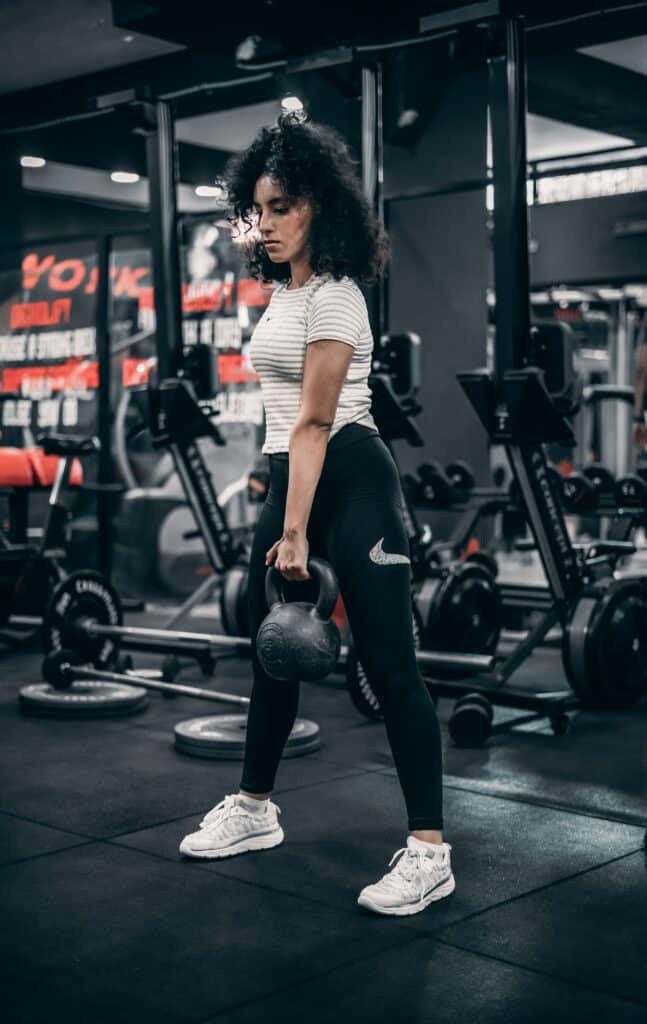
Use compound movements. Squats. Deadlifts. Rows. Presses. Lunges. These exercises work multiple muscles simultaneously. They burn more calories. They build more strength. They are the most effective use of your time.
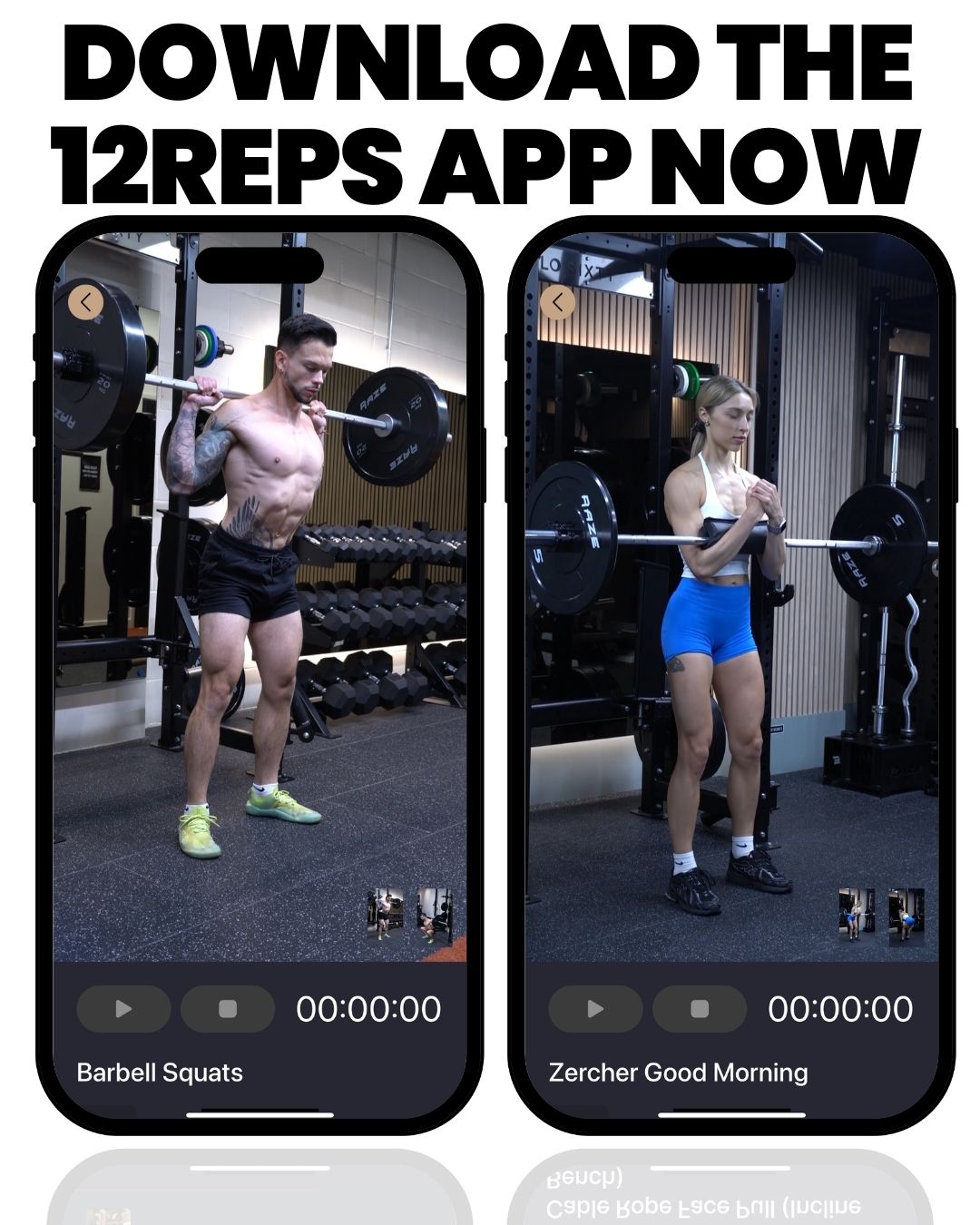
The 12REPS app provides a structured plan, with every exercise demonstrated on video. You walk into the gym knowing exactly what to do. No guessing. No wasted time.
Walking: Every Day
Do not underestimate walking. It burns calories without raising cortisol. It reduces stress. It improves sleep. It is easy on your joints. Aim for 7,000 to 10,000 steps a day. Walk to work. Walk at lunch. Walk after dinner. Every step counts.
Short Cardio: 1 to 2 Sessions Per Week
I do not give my clients hours of cardio. It raises cortisol and can break down muscle. Instead, I use short, sharp sessions. 15 to 20 minutes. Interval training on a bike or rower. Or a fast walk with intervals. That is enough.
Recovery: Take It Seriously
In your 40s, recovery matters more than it did in your 20s. Your body does not bounce back as fast. Sleep 7 to 8 hours. Take rest days. Stretch. Manage your stress. Recovery is when your body builds muscle and burns fat. Do not skip it.
What Type of Diet Should You Be Eating
I am not a registered dietitian. But I have a BSc in Sport Science, and I have worked with hundreds of people in their 30s and 40s. Here is what works.
- Protein at Every Meal
This is the single most important thing. Protein protects your muscles when you are in a calorie deficit. It keeps you full. It helps your body recover from training. Aim for 1.6 to 2 grams per kilogram of bodyweight per day. For an 80kg person, that is 128 to 160 grams.
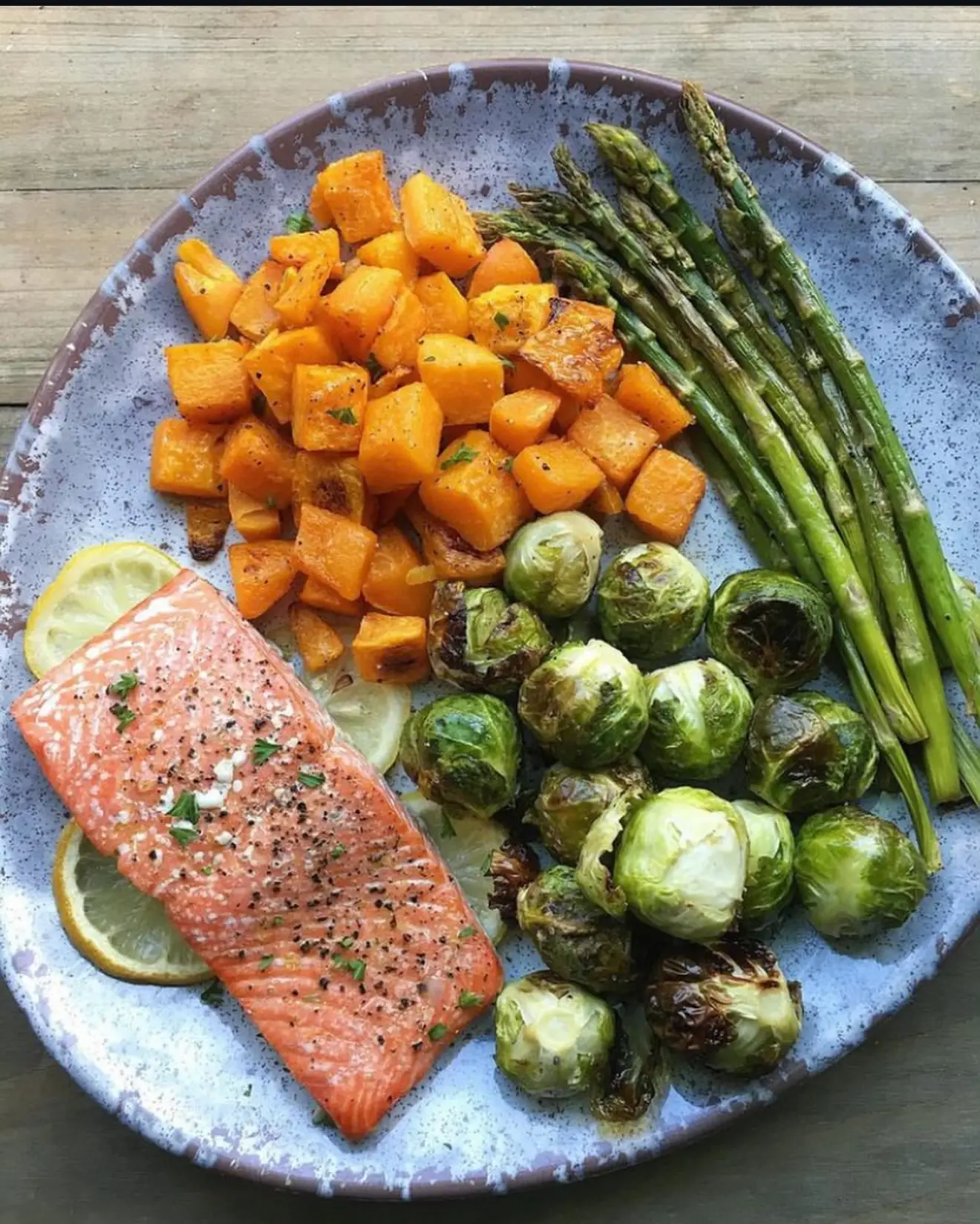
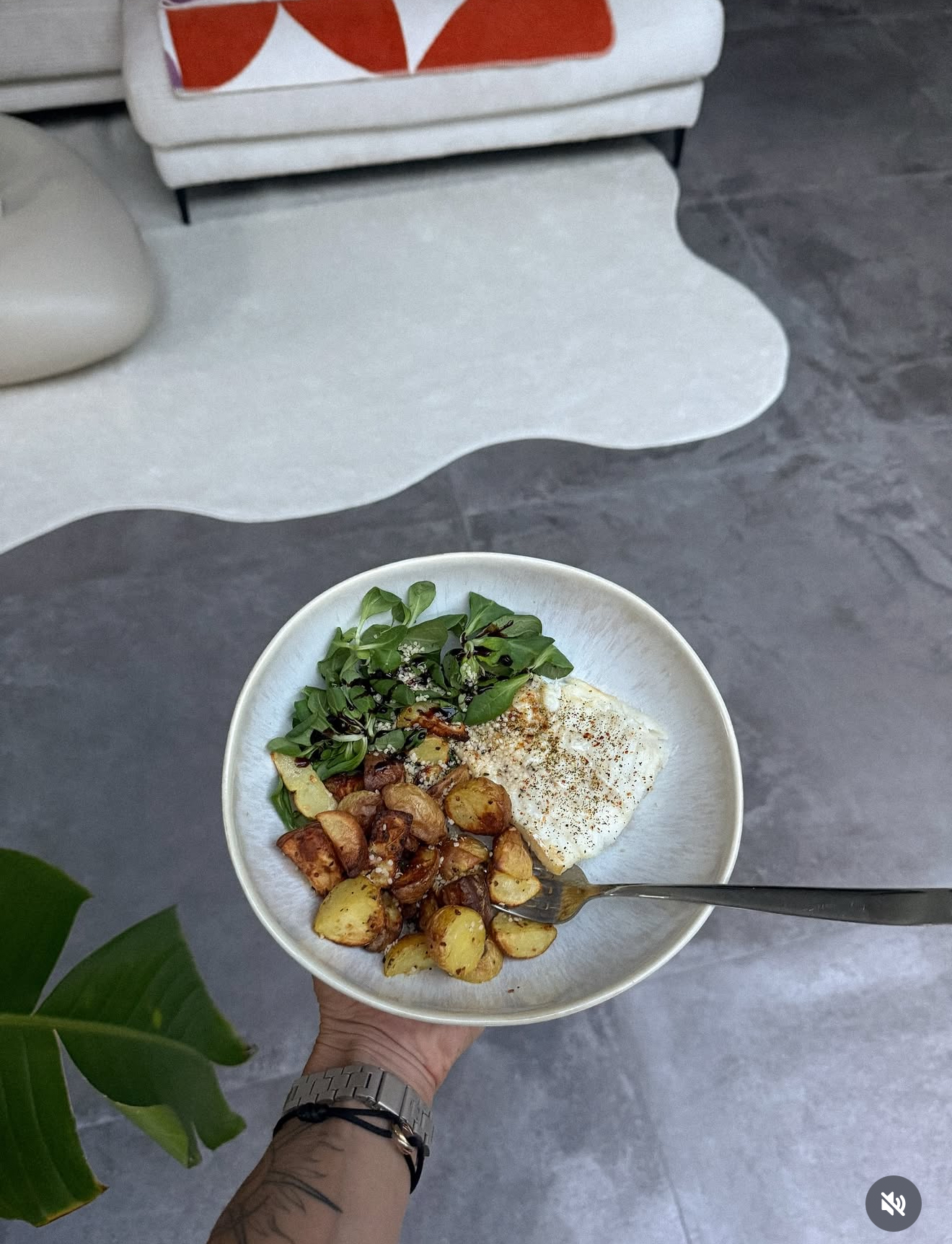
Good sources: chicken, fish, eggs, Greek yoghurt, lean beef, turkey, beans, and lentils. Have protein at breakfast, lunch, dinner, and snacks.
- Eat Enough Calories
Do not starve yourself. Crash diets do not work in your 40s. They make you lose muscle, which is the opposite of what you need. Eat in a moderate deficit. Multiply your bodyweight in kilograms by 22 to 24. That gives you a daily calorie target. For most people, that is a comfortable deficit that lets you lose fat without feeling terrible.
- Eat Foods That Help Your Hormones
For men, foods rich in zinc and vitamin D support testosterone production. Think red meat, eggs, shellfish, and oily fish like salmon and mackerel. Get outside in the sun when you can for vitamin D.
For women in perimenopause, focus on calcium and vitamin D for bone health. Eat oily fish, dairy, leafy greens, and fortified foods. Phytoestrogens found in soy, flaxseeds, and chickpeas may also help manage some symptoms. Cut down on alcohol, caffeine, and spicy food if you are getting hot flushes.
- Cut the Liquid Calories
Fizzy drinks. Fruit juice. Alcohol. Fancy coffees. They add up fast and they do not fill you up. Switch to water, black coffee, or herbal tea. This one change can drop 300 to 500 calories a day for some people.
- Do Not Skip Meals
When you skip meals, your energy drops. You get hungry. You make bad choices later. Eat three solid meals and one or two snacks. Keep your blood sugar steady and your hunger under control.
Why It Is the Most Rewarding Thing You Will Do
I have watched people in their 40s transform their bodies and their lives. Every single one of them has said the same thing. It was worth it.
You get your energy back. My clients tell me they feel 10 years younger within a few weeks. Better sleep. More energy at work. More energy for their kids.
You protect your long-term health. Losing weight in your 40s is not just about now. It is about your 50s, 60s, and 70s. Strong muscles. Strong bones. Lower risk of heart disease, diabetes, and osteoporosis.
You set an example for your family. Your kids are watching. When they see you training and eating properly, they learn from it.
You prove something to yourself. This is the one that gets me every time. When someone in their 40s walks into my gym and says I do not think I can do this, and 12 weeks later they are stronger and more confident than they have been in years. That moment is worth everything.
You have spent your life looking after everyone else. This is the one thing you do just for you. And when you achieve it, it changes how you see yourself.

How the 12REPS App Helps You Get There
When you are juggling work, family, and everything else, you need something that makes training as easy as possible. That is what the 12REPS app does.
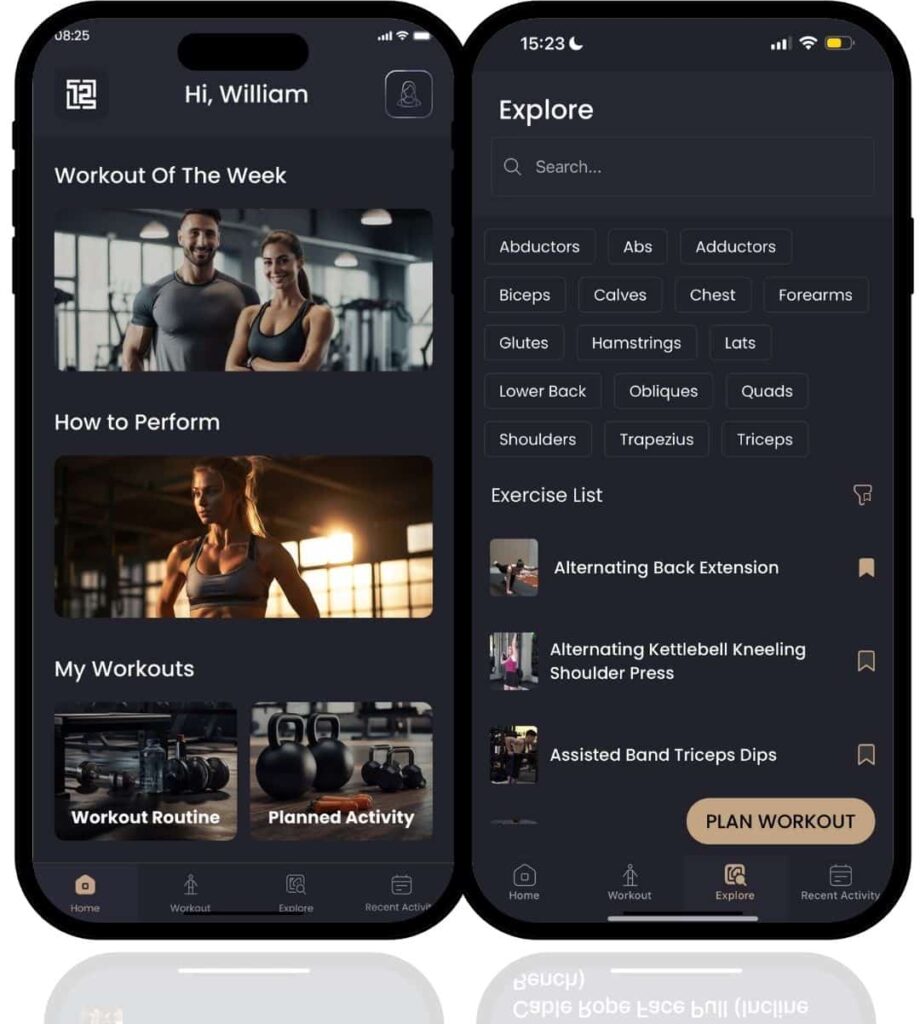
Plan your workouts. Set up your sessions in the 12REPS app before the week starts. Your plan is on your phone. You just follow it.
Log everything. After every set, log your weight and reps in the 12REPS app. When you can see what you did last week, you know what to aim for this week.
Check in with a trainer. The 12REPS app gives you access to a real trainer who can guide you. If you are struggling, ask. If you need your programme adjusted, ask. That support is the difference between quitting and sticking with it.
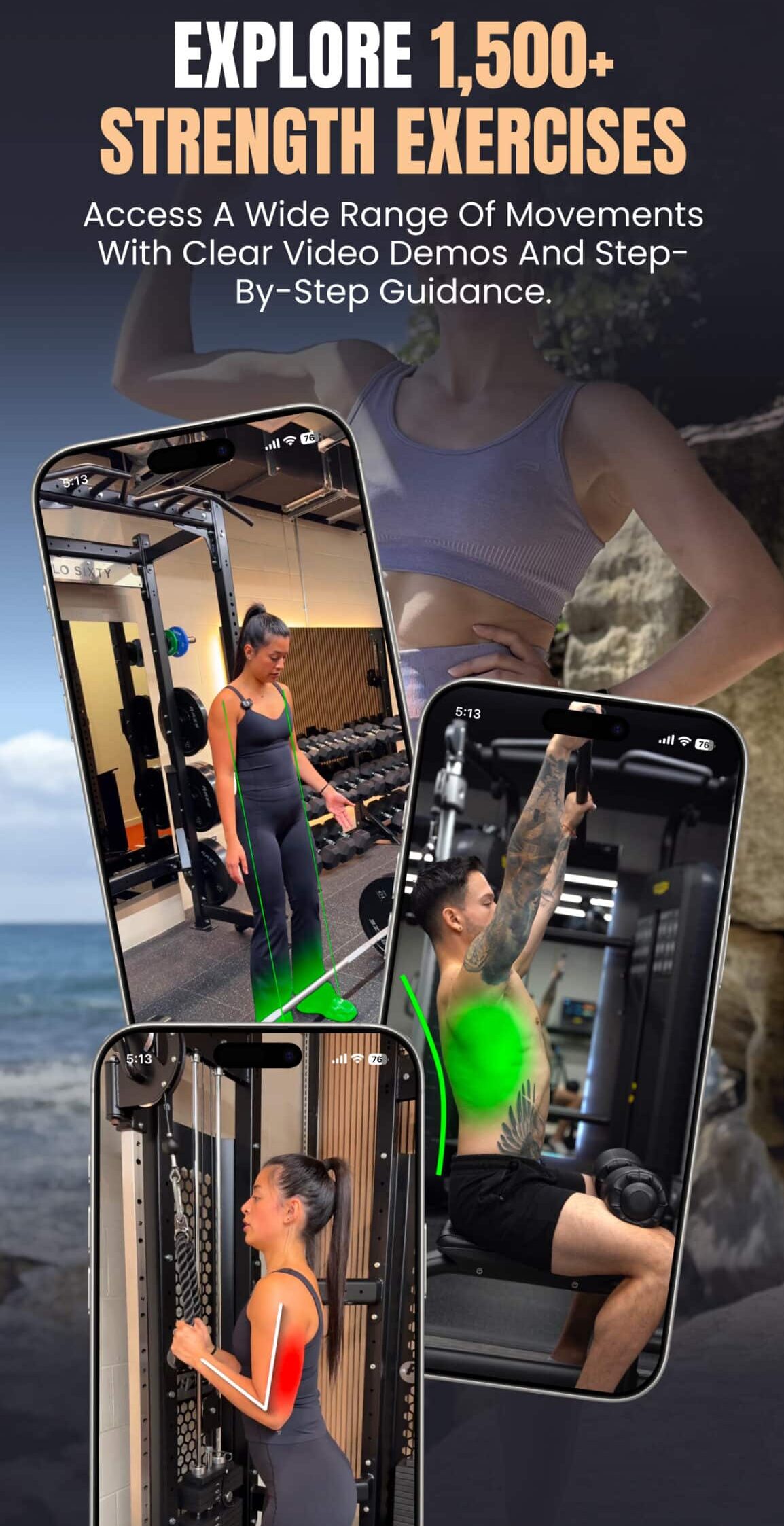
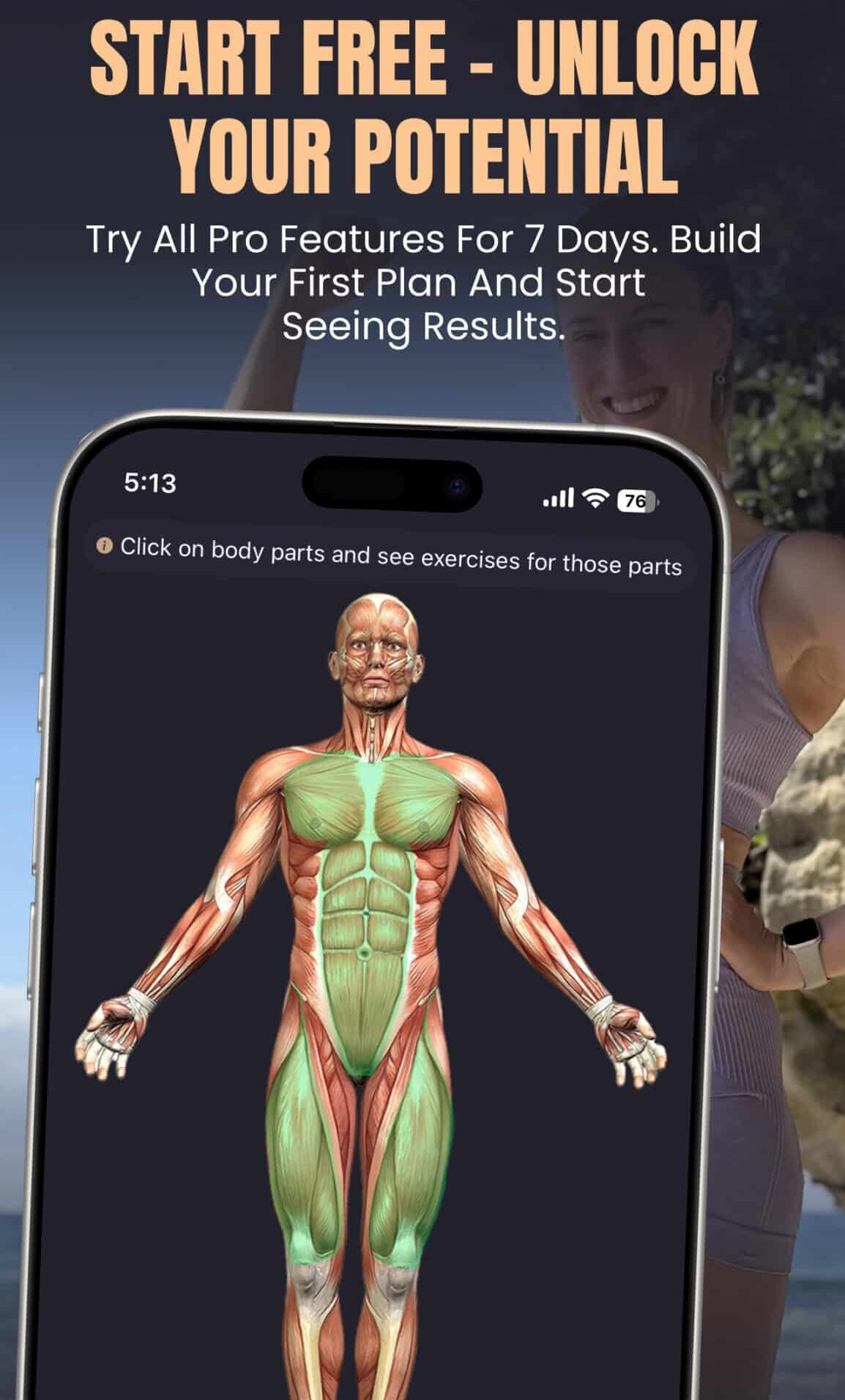
Watch every exercise. Every exercise in the 12REPS app has a video showing you the correct form. Plus muscle highlight technology so you can see which muscles you are working.
The 12REPS app costs £24.99 a month. That is less than one personal training session. For that you get trainer-designed programmes, video demonstrations, workout planning, progress tracking, and access to a real trainer.
“You do not have time to waste. The 12REPS app gives you a plan, shows you how to do it, and keeps you accountable. That is what gets results.” – Will Duru
My Final Words
I am not going to tell you it is easy. It is not. Your body is changing. Your hormones are shifting. Life is at its busiest. But here is what I know from 10 years of training people just like you. It is doable. And it is worth it.
Start with three strength sessions a week. Eat enough protein. Walk more. Sleep more. Use the 12REPS app to plan your training, log your progress, and check in with a trainer.
Every person I have trained in their 40s has come out the other side stronger, healthier, and more confident. Not one of them has regretted it. You have spent your whole life looking after everyone else. Now look after yourself.
Start Your Transformation Today
Trainer-designed programmes. Video demonstrations. Real coaching.
£24.99/month. Less than the price of one PT session.