

By Will Duru, BSc (Hons) Sport and Exercise Science, Award winning Personal Trainer with over 10 years of experience in strength training
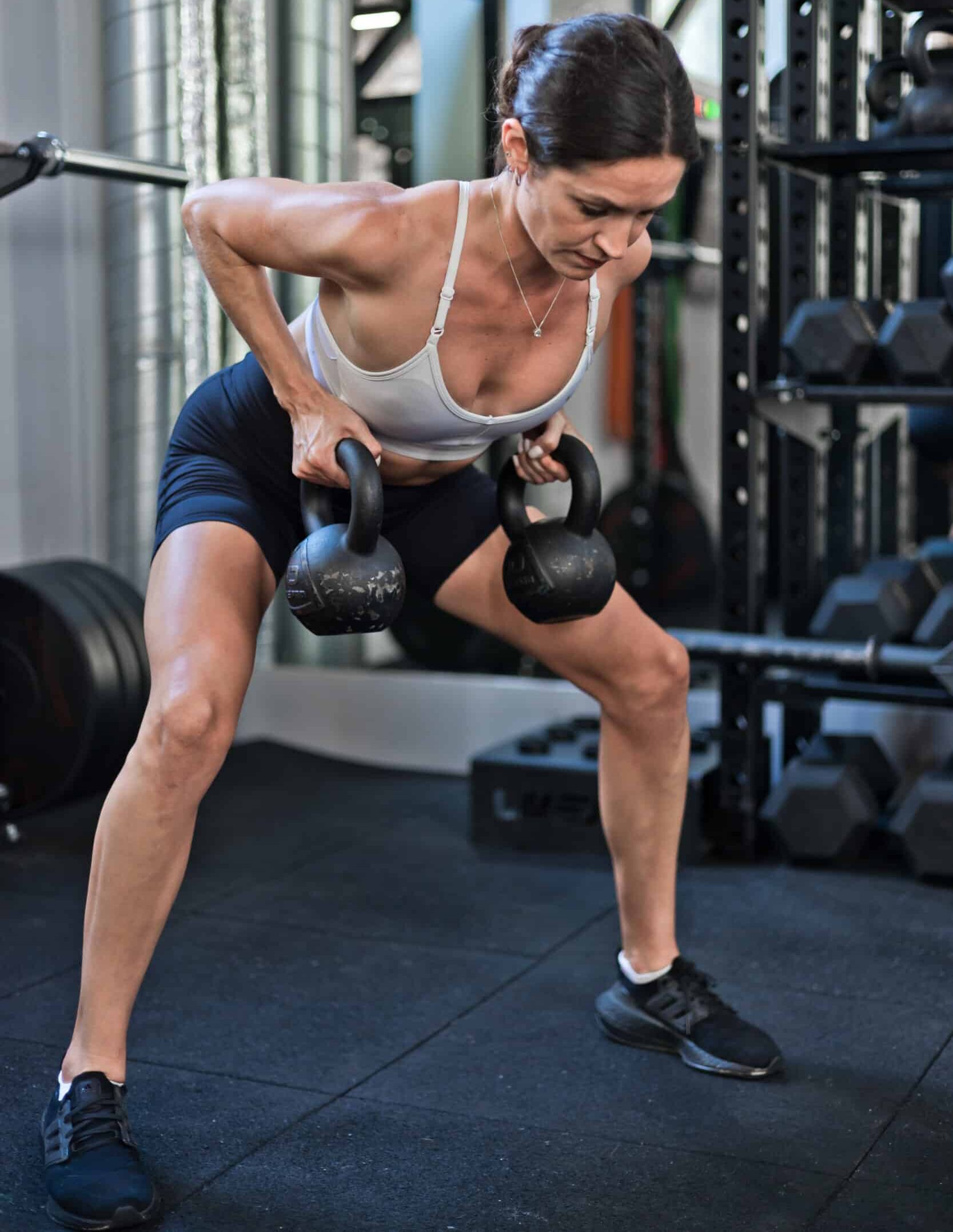
Kettlebells are the perfect training tool for athletic women.
They build strength without bulk. They develop explosive power that translates directly to running and sport. They improve endurance while building the resilient muscles that prevent injury. And they do all of this in minimal time with minimal equipment.
If you are a runner, trail runner, or simply a woman who loves being active and athletic, this programme is designed specifically for you.
Over my 10 years of personal training, I have worked with dozens of amateur athletes: weekend warriors, park run enthusiasts, trail runners, triathletes, and women who simply refuse to slow down. The ones who add kettlebell training to their routine consistently perform better, recover faster, and stay injury-free longer than those who only do their sport.
I have trained amateur marathon runners who shaved minutes off their times after adding kettlebells. I have worked with trail runners who stopped getting injured once we built their posterior chain strength. I have helped busy professional women who play weekend netball or hockey become more explosive and resilient.
The kettlebell is the secret weapon these athletes never knew they needed.
This 8-week programme requires just two sessions per week, leaving plenty of time and energy for your running, hiking, cycling, or whatever sport you love. Each session builds strength, power, endurance, and agility, the four qualities that make you a better athlete.
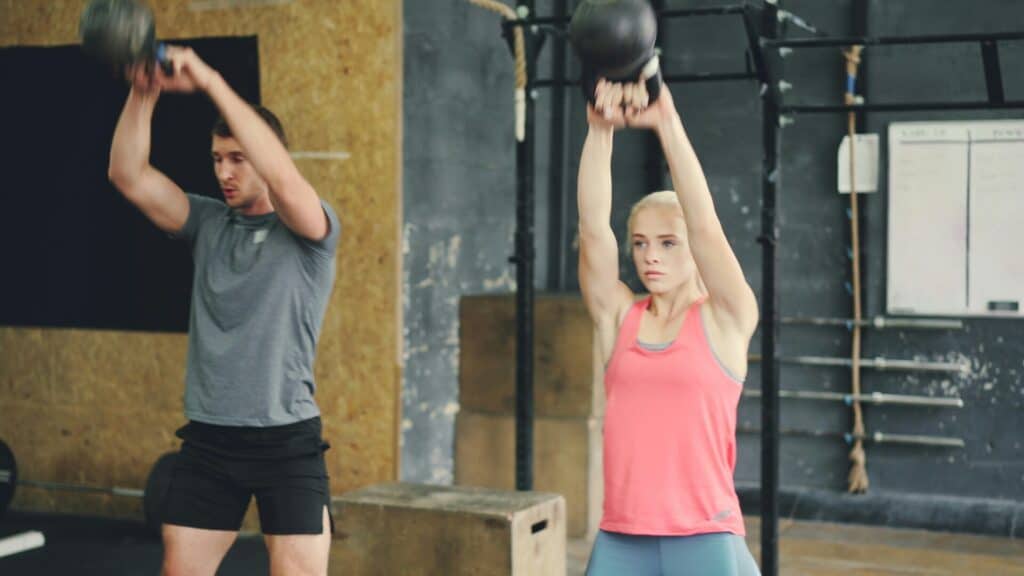
Why Kettlebells for Athletic Women
The Perfect Complement to Running
Running is repetitive. The same movement pattern, thousands of times per session. This builds endurance but creates imbalances and overuse injuries.
Kettlebell training addresses what running misses:
Posterior chain strength. Running underworks the glutes and hamstrings relative to the quads. Kettlebell swings, deadlifts, and cleans build the powerful posterior chain that drives faster running and protects your knees.
Hip power. The explosive hip extension in kettlebell swings directly transfers to running stride power. Stronger hips mean faster turnover and more efficient running.
Core stability. Every kettlebell movement demands core engagement. This translates to better running posture and reduced lower back fatigue on long runs.
Single-leg strength. Many kettlebell exercises work one leg at a time, addressing the asymmetries that running creates and preventing injury.
Strength Without Bulk
Kettlebell training builds functional, athletic muscle. The dynamic nature of the movements develops power and endurance rather than size.
You will become stronger and more powerful without gaining weight that slows your running. This is exactly what competitive runners and athletic women need.
Time Efficiency
Two sessions per week, 40 to 45 minutes each. That is all you need. The rest of your time remains available for running, sport, and life.
From My Training Experience
Over 10 years of training amateur athletes, I have seen kettlebells transform performance in ways that surprise even the athletes themselves.
One client, Hannah, is a trail runner who came to me after her second knee injury in 18 months. Her physio identified weak glutes and hip instability as the cause. We added twice-weekly kettlebell training focusing on swings, single-leg work, and core stability.
She has not had a knee issue since. Her trail running times improved by over 10 percent. And she credits the kettlebell work with her newfound confidence on technical descents.
“My legs feel so much more stable now,” she told me. “I trust them on rough terrain in a way I never did before.”
Another client, Rachel, is a 42-year-old amateur triathlete juggling training with a demanding job and two children. She could not commit to gym sessions, but she could manage two 45-minute kettlebell workouts at home. Within 12 weeks, her run splits improved, her cycling power increased, and she reported feeling “unbreakable” during races.
I have also trained weekend netballers, hockey players, and CrossFit enthusiasts. The pattern is always the same: kettlebell training builds the strength, power, and endurance that carries over to every sport.
This is what kettlebell training does for athletic women. It makes you more powerful, more resilient, and more confident in your sport.
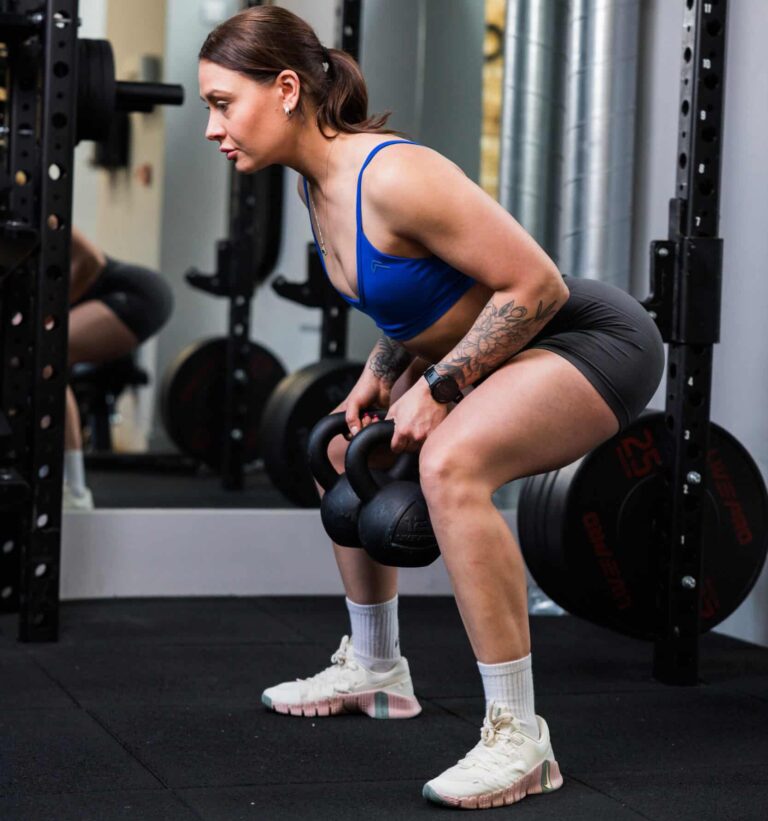
Weekly Schedule
| Day | Session | Focus |
|---|---|---|
| Day 1 (e.g., Tuesday) | Power and Strength | Explosive movements, heavy loading |
| Day 2 (e.g., Friday) | Endurance and Agility | Sustained effort, dynamic movements |
Space sessions at least two days apart. This allows recovery while leaving time for running and other activities.
Equipment Needed
- 2 to 3 kettlebells of different weights
- Recommended: 8kg, 12kg, 16kg (adjust based on your strength level)
- A mat (optional)
- Timer or interval app
Session Structure
The 8-Week Progression
| Phase | Weeks | Focus |
|---|---|---|
| Foundation | 1-2 | Learn movements, establish baseline |
| Building | 3-4 | Increase intensity, add complexity |
| Power | 5-6 | Explosive emphasis, heavier loading |
| Peak | 7-8 | Maximum intensity, test improvements |
Warm-Up Protocol (8 Minutes)
Complete before every session.
| Exercise | Duration/Reps |
|---|---|
| Light jog or high knees in place | 60 seconds |
| Leg swings (forward/back) | 10 each leg |
| Leg swings (side to side) | 10 each leg |
| Hip circles | 10 each direction |
| Bodyweight squats | 10 reps |
| Glute bridges | 10 reps |
| Arm circles | 30 seconds |
| Thoracic rotations | 10 each side |
| Kettlebell halo (light weight) | 10 each direction |
| Kettlebell goblet squat (light weight) | 5 reps |
Cool-Down Protocol (5 Minutes)
Complete after every session.
Exercise | Duration |
Standing quad stretch | 30 seconds each leg |
Standing hamstring stretch | 30 seconds each leg |
Hip flexor stretch (kneeling) | 30 seconds each side |
Pigeon stretch | 30 seconds each side |
Child’s pose | 45 seconds |
Cat-cow | 30 seconds |
Deep breathing | 30 seconds |
Phase 1: Foundation (Weeks 1-2)
Day 1: Power and Strength
Exercise | Sets | Reps | Rest | Weight |
Kettlebell Deadlift | 3 | 10 | 60 sec | Medium |
Kettlebell Swing (Two-Hand) | 4 | 15 | 45 sec | Medium |
Goblet Squat | 3 | 10 | 60 sec | Medium |
Kettlebell Row (Each Arm) | 3 | 10 | 45 sec | Medium |
Kettlebell Floor Press (Each Arm) | 3 | 10 | 45 sec | Light-Medium |
Kettlebell Farmer Carry | 3 | 30 metres | 45 sec | Medium-Heavy |
Technique Focus:
Kettlebell Swing: The foundation movement. Power comes from the hips, not the arms. Hinge at hips, snap forward explosively, let the bell float. Arms are just ropes holding the weight.
Kettlebell Deadlift: Feet hip-width, bell between feet. Hinge at hips, grip the handle, drive through floor to stand. Squeeze glutes at top. This teaches the hip hinge pattern essential for swings.
Day 2: Endurance and Agility
Exercise | Sets | Reps | Rest | Weight |
Kettlebell Swing | 3 | 20 | 30 sec | Light-Medium |
Goblet Reverse Lunge (Alternating) | 3 | 8 each leg | 45 sec | Light-Medium |
Kettlebell High Pull | 3 | 10 each arm | 45 sec | Light |
Kettlebell Halo | 3 | 10 each direction | 30 sec | Light |
Kettlebell Figure 8 | 3 | 10 passes | 30 sec | Light |
Kettlebell Goblet Squat Hold | 3 | 30 seconds | 30 sec | Medium |
Technique Focus:
Figure 8: Pass the kettlebell between your legs in a figure-8 pattern. Builds coordination, agility, and grip endurance. Start slow, increase speed as you master the pattern.
High Pull: From swing position, pull the elbow high and back as the bell rises. Develops explosive pulling power useful for climbing and trail running.
Phase 2: Building (Weeks 3-4)
Day 1: Power and Strength
| Exercise | Sets | Reps | Rest | Weight |
|---|---|---|---|---|
| Kettlebell Swing (Two-Hand) | 4 | 20 | 45 sec | Medium |
| Kettlebell Goblet Squat | 4 | 12 | 60 sec | Medium-Heavy |
| Single Leg Kettlebell Deadlift | 3 | 8 each leg | 60 sec | Light-Medium |
| Kettlebell Push Press (Each Arm) | 3 | 8 | 60 sec | Medium |
| Kettlebell Renegade Row | 3 | 8 each arm | 60 sec | Light-Medium |
| Kettlebell Suitcase Carry (Each Side) | 3 | 30 metres | 45 sec | Medium-Heavy |
New Exercises:
Single Leg Deadlift: Stand on one leg, kettlebell in opposite hand. Hinge forward while extending free leg behind. Incredible for runner-specific single-leg strength and balance.
Push Press: Start with kettlebell at shoulder. Slight dip in knees, then drive up explosively, pressing the bell overhead. Builds total body power.
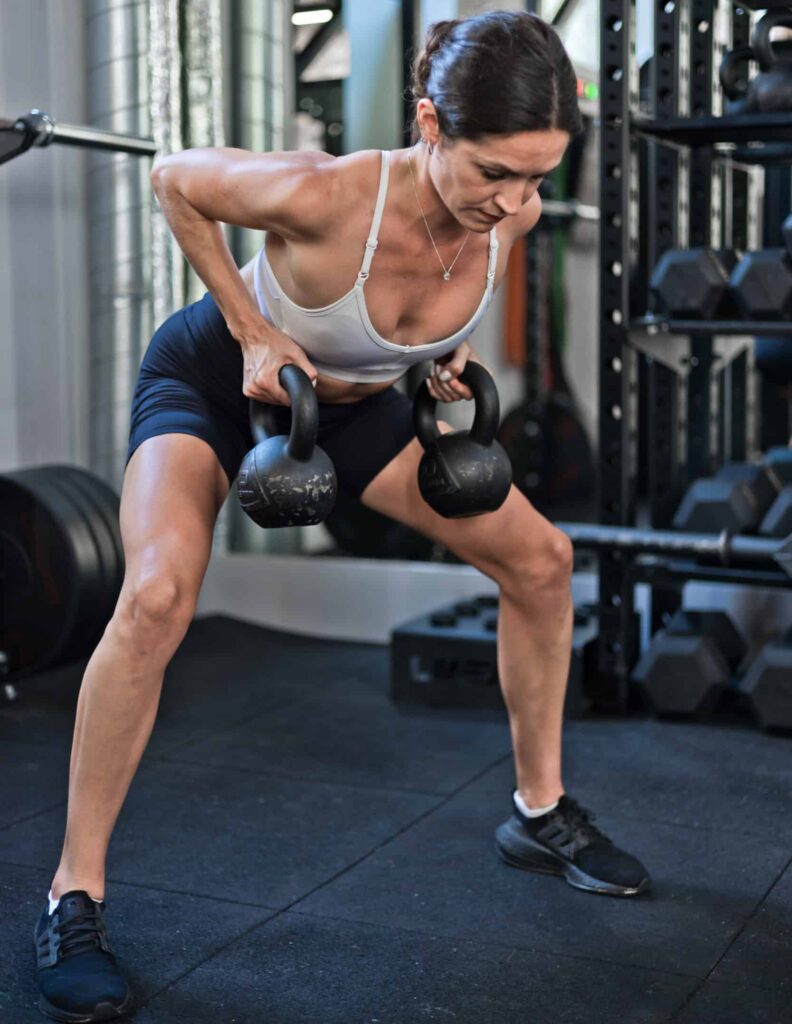
Renegade Row: Plank position with hands on kettlebells. Row one bell while stabilising with the other. Builds core stability and pulling strength simultaneously.
Day 2: Endurance and Agility
| Exercise | Format | Work | Rest | Weight |
|---|---|---|---|---|
| Kettlebell Swing | EMOM x 8 min | 15 reps | Remainder of minute | Medium |
Every Minute On the Minute: Start 15 swings at the top of each minute. Rest until the next minute starts. Repeat for 8 minutes.
| Exercise | Sets | Reps | Rest | Weight |
|---|---|---|---|---|
| Kettlebell Lateral Lunge | 3 | 8 each side | 45 sec | Light-Medium |
| Kettlebell Clean (Each Arm) | 3 | 8 | 45 sec | Light-Medium |
| Kettlebell Around the World | 3 | 10 each direction | 30 sec | Light |
| Kettlebell Squat Jump (Goblet Hold) | 3 | 8 | 60 sec | Light |
| Kettlebell Plank Pull Through | 3 | 8 each side | 45 sec | Light-Medium |
New Exercises:
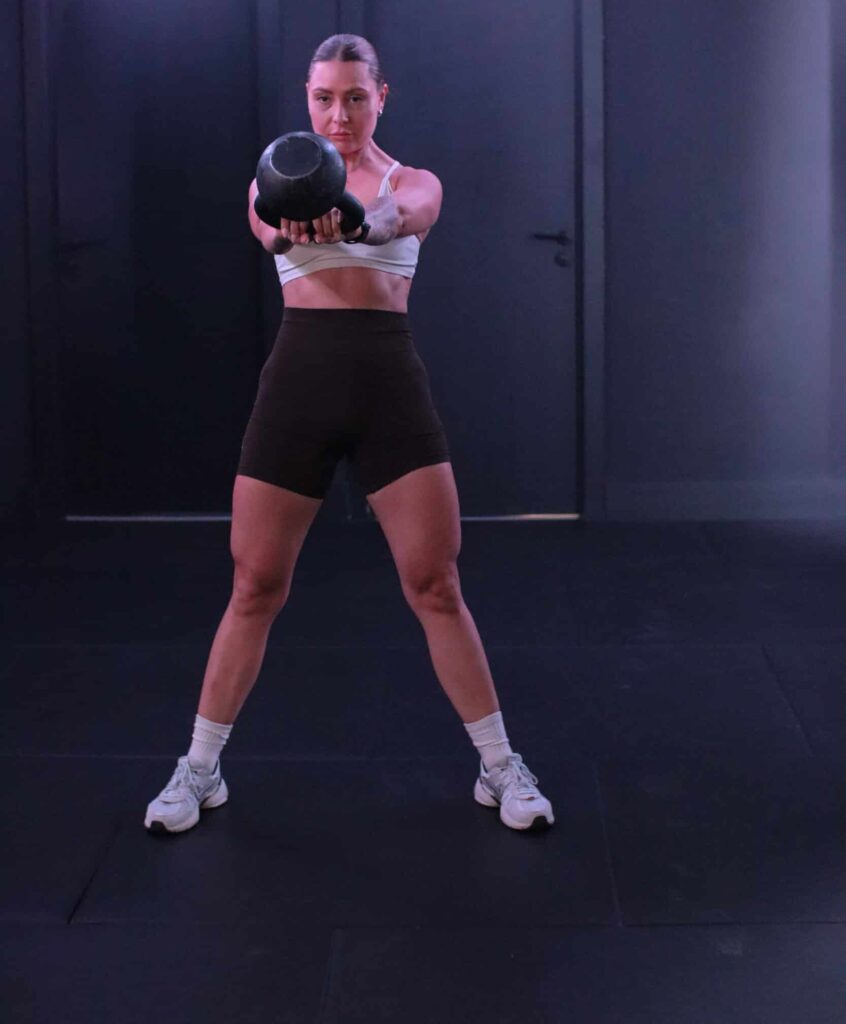
Lateral Lunge: Step wide to one side, pushing hips back, kettlebell at chest. Builds lateral stability crucial for trail running and agility sports.
Clean: Swing the bell to shoulder height, catching it in the “rack” position at your shoulder. Develops coordination and power.
Squat Jump: Hold light kettlebell at chest, squat down, explode up into a jump. Builds explosive leg power for hill running and sprints.
Phase 3: Power (Weeks 5-6)
Day 1: Power and Strength
Exercise | Sets | Reps | Rest | Weight |
Kettlebell Swing (One-Hand) | 4 | 12 each hand | 45 sec | Medium |
Kettlebell Front Squat (Double or Single) | 4 | 10 | 90 sec | Medium-Heavy |
Kettlebell Snatch | 4 | 6 each arm | 60 sec | Light-Medium |
Kettlebell Single Leg Deadlift | 3 | 10 each leg | 60 sec | Medium |
Kettlebell Half Turkish Get Up | 3 | 3 each side | 60 sec | Light-Medium |
Kettlebell Loaded Carry Complex | 2 | See below | 90 sec | Medium-Heavy |
Loaded Carry Complex: Farmer carry 20m, rack carry 20m (each side), overhead carry 20m (each side). Builds total body strength and endurance.
New Exercises:
One-Hand Swing: Same as two-hand swing but with one arm. Increases rotational demand on core. Alternate hands each set.
Snatch: The king of kettlebell exercises. Swing the bell overhead in one fluid motion. Develops explosive total body power. Start light and master technique before adding weight.
Half Turkish Get Up: Lying on back, press kettlebell to ceiling, sit up to elbow, then to hand. Builds shoulder stability, core strength, and body awareness.
Day 2: Endurance and Agility
Exercise | Format | Duration |
Kettlebell Complex | 4 rounds | See below |
The Complex (perform without putting bell down):
- 5 Swings
- 5 Cleans (each arm)
- 5 Push Press (each arm)
- 5 Goblet Squats
Rest 90 seconds between rounds. Use a challenging but manageable weight.
Exercise | Sets | Reps | Rest | Weight |
Kettlebell Lateral Bound to Swing | 3 | 6 each side | 60 sec | Light |
Kettlebell Reverse Lunge with Rotation | 3 | 8 each leg | 45 sec | Light-Medium |
Kettlebell Dead Clean | 3 | 8 each arm | 45 sec | Medium |
Kettlebell Figure 8 to Hold | 3 | 8 passes | 30 sec | Light-Medium |
New Exercises:
Lateral Bound to Swing: Bound laterally, land, immediately perform a swing. Builds reactive power and lateral agility.
Reverse Lunge with Rotation: Hold kettlebell at chest, step back into lunge, rotate torso toward front leg. Builds rotational stability crucial for trail running.
Phase 4: Peak (Weeks 7-8)
Day 1: Power and Strength
Exercise | Sets | Reps | Rest | Weight |
Kettlebell Snatch | 5 | 8 each arm | 60 sec | Medium |
Kettlebell Front Squat | 4 | 8 | 90 sec | Heavy |
Kettlebell Swing (One-Hand) | 4 | 15 each hand | 45 sec | Medium-Heavy |
Kettlebell Single Leg Deadlift | 3 | 10 each leg | 60 sec | Medium-Heavy |
Full Turkish Get Up | 3 | 2 each side | 90 sec | Medium |
Kettlebell Farmer Carry | 3 | 40 metres | 60 sec | Heavy |
Full Turkish Get Up: Complete the movement from lying to standing. One of the most complete exercises for total body strength, stability, and mobility.
Day 2: Endurance and Agility
The Ladder Workout:
Exercise | Reps Pattern |
Kettlebell Swing | 10, 15, 20, 25, 20, 15, 10 |
Rest | 30 seconds between each set |
After ladder, complete:
Exercise | Sets | Reps | Rest | Weight |
Kettlebell Goblet Squat Jump | 3 | 10 | 60 sec | Light |
Kettlebell Alternating Clean | 3 | 10 total | 45 sec | Medium |
Kettlebell Lateral Shuffle Pass | 3 | 30 seconds | 30 sec | Light |
Kettlebell Single Arm Swing | 3 | 12 each arm | 45 sec | Medium |
Kettlebell Plank with Shoulder Tap | 3 | 10 each side | 45 sec | – |
Lateral Shuffle Pass: Shuffle sideways while passing the kettlebell hand to hand. Develops agility and coordination.
Exercise Technique Guide
The Kettlebell Swing (Foundation of Everything)
The swing is the most important kettlebell exercise. Master it before progressing to cleans and snatches.
Setup:
- Stand behind the kettlebell, feet slightly wider than hip-width
- Hinge at hips, grab the handle with both hands
- Pull shoulders back, engage lats
The Swing:
- Hike the bell back between your legs like a rugby pass
- Explosively snap hips forward, squeezing glutes
- Let the bell float to chest height (arms stay relaxed)
- Allow gravity to bring it back, hinge as it approaches
- Repeat without pausing at the bottom
Common Mistakes:
- Using arms to lift (fix: keep arms relaxed, power from hips)
- Squatting instead of hinging (fix: push hips back, minimal knee bend)
- Rounding lower back (fix: maintain flat back, engage core)
The Kettlebell Clean
From swing position:
- Pull the bell close to your body as it rises
- Rotate your hand around the bell (not bell around hand)
- “Catch” in the rack position: bell resting on forearm, elbow tucked, hand at collarbone
- Keep wrist straight, not bent back
The rack position: Bell sits in the triangle formed by your forearm, upper arm, and chest. This is the starting position for presses and front squats.
The Kettlebell Snatch
From swing position:
- Swing the bell back between legs
- As hips drive forward, pull the bell close to your body
- When bell reaches chest height, punch your hand through
- Lock out overhead with straight arm
- Let the bell drop back (close to body) into the backswing
Start light. The snatch requires timing and technique. A 8kg or 12kg bell is appropriate for learning.
Progressive Overload for Kettlebells
How to Progress
Increase reps first. If the programme calls for 12 reps, build to 15 before adding weight.
Add weight in small jumps. Move from 12kg to 14kg or 16kg when ready. Kettlebell jumps are typically 4kg.
Reduce rest periods. If 45 seconds rest feels easy, try 30 seconds.
Progress to single-arm versions. Two-hand swing → One-hand swing. Double front squat → Single front squat.
Weight Selection Guide
Your Fitness Level | Swings | Squats/Deadlifts | Presses | Snatches |
Beginner | 8-12kg | 8-12kg | 6-8kg | 6-8kg |
Intermediate | 12-16kg | 12-16kg | 8-12kg | 8-12kg |
Advanced | 16-24kg | 16-24kg | 12-16kg | 12-16kg |
How This Programme Improves Your Running
Strength Benefits
Stronger glutes and hamstrings: The posterior chain power from swings and deadlifts drives a more powerful running stride.
Hip stability: Single-leg exercises build the stability that prevents knee and IT band issues.
Core endurance: Every kettlebell exercise challenges the core, reducing fatigue-related form breakdown on long runs.
Power Benefits
Explosive hip extension: Swings, cleans, and snatches train the same hip snap that powers fast running.
Improved stride power: The explosive nature of kettlebell training translates to more powerful pushoff during running.
Endurance Benefits
Metabolic conditioning: High-rep swings and complexes build the cardiovascular system while strengthening muscles.
Work capacity: Your ability to sustain effort improves, benefiting long trail runs and races.
Agility Benefits
Lateral strength: Lateral lunges and shuffles build the side-to-side stability crucial for technical trail running.
Reactive power: Exercises like lateral bounds develop the quick reactions needed for uneven terrain.
Integrating with Your Running Schedule
Sample Week (Marathon Training)
Day | Activity |
Monday | Easy run |
Tuesday | Kettlebell Day 1 (Power and Strength) |
Wednesday | Speed work or tempo run |
Thursday | Rest or cross-training |
Friday | Kettlebell Day 2 (Endurance and Agility) |
Saturday | Long run |
Sunday | Rest |
Sample Week (Trail Running Focus)
Day | Activity |
Monday | Trail run |
Tuesday | Kettlebell Day 1 |
Wednesday | Easy road run |
Thursday | Rest |
Friday | Kettlebell Day 2 |
Saturday | Long trail run |
Sunday | Active recovery (hike, yoga) |
Key Principles
Do not do kettlebell training the day before a hard run. Your legs need to be fresh for speed work, tempo runs, and long runs.
Kettlebell training after easy runs is fine. If you prefer training on the same day, do an easy run in the morning, kettlebells in the evening.
Reduce kettlebell volume before races. In the 7 to 10 days before a race, either skip kettlebell training entirely or do a light session with reduced intensity.
Tracking Progress
What to Track
Kettlebell weights used. Note when you move up in weight.
Reps completed. Record actual reps achieved, especially for challenging sets.
How it felt. Rate difficulty 1-10. This helps identify when you are ready to progress.
Running performance. Note improvements in pace, hill strength, and technical confidence.
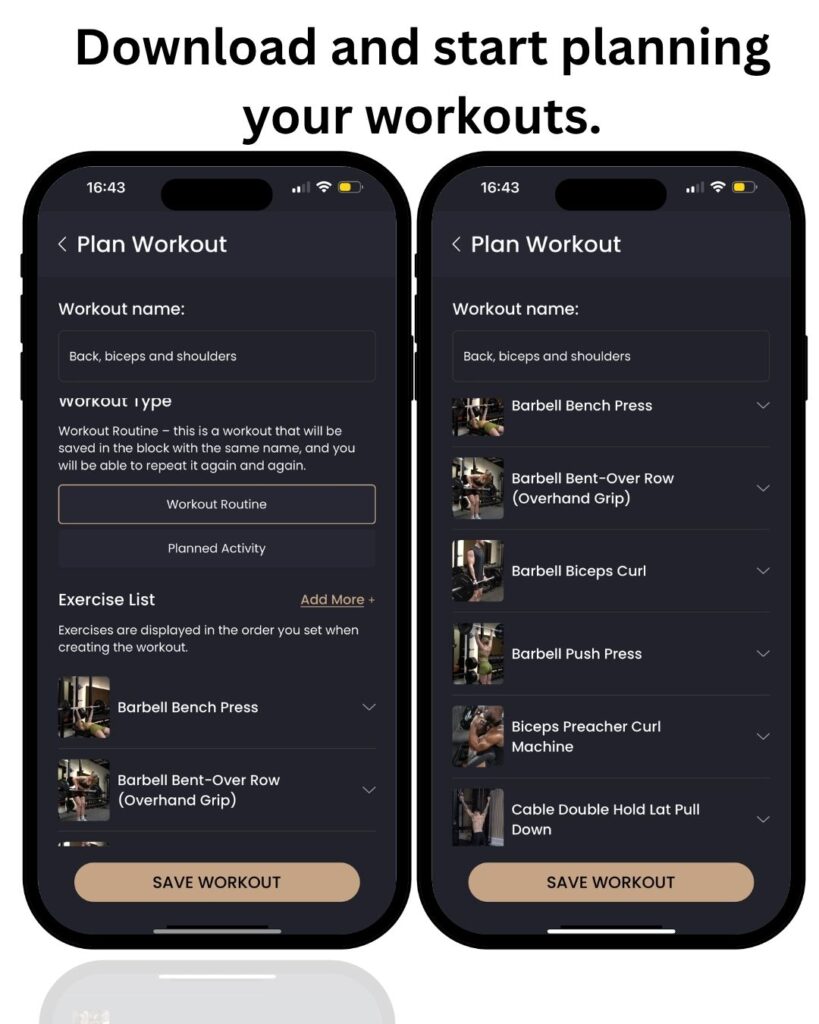
Using the 12REPS App
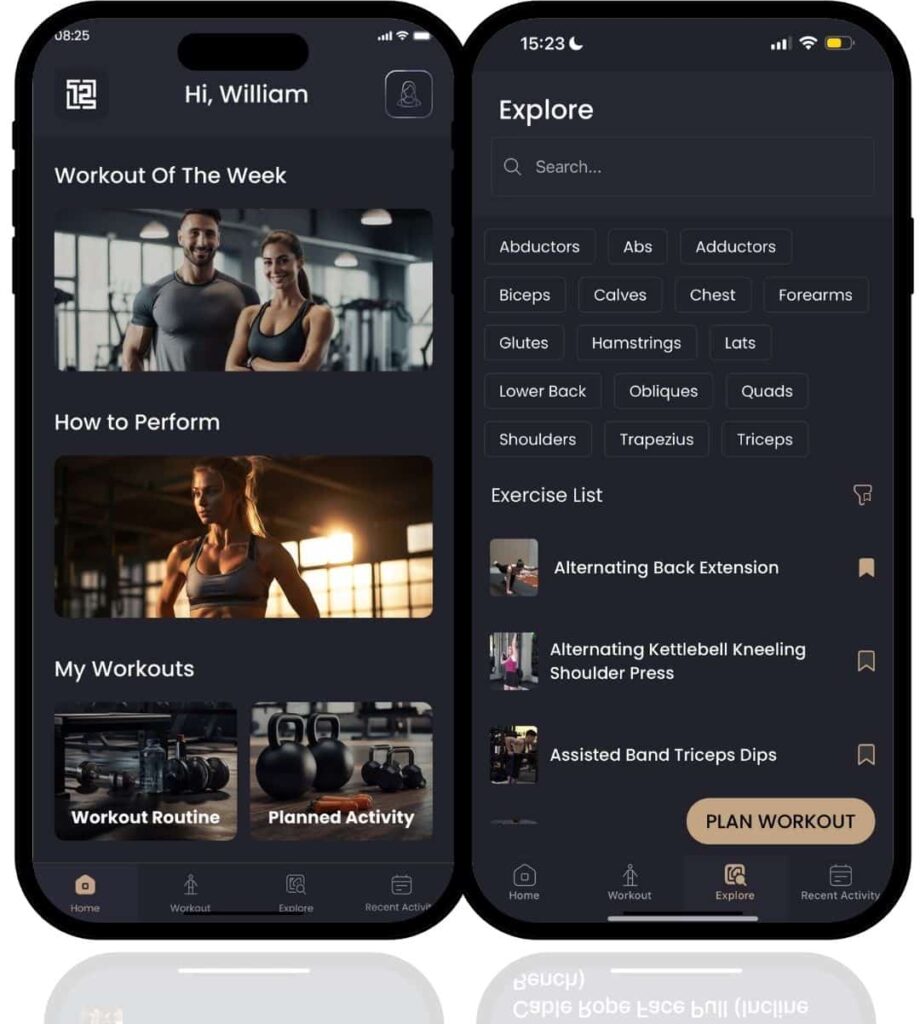
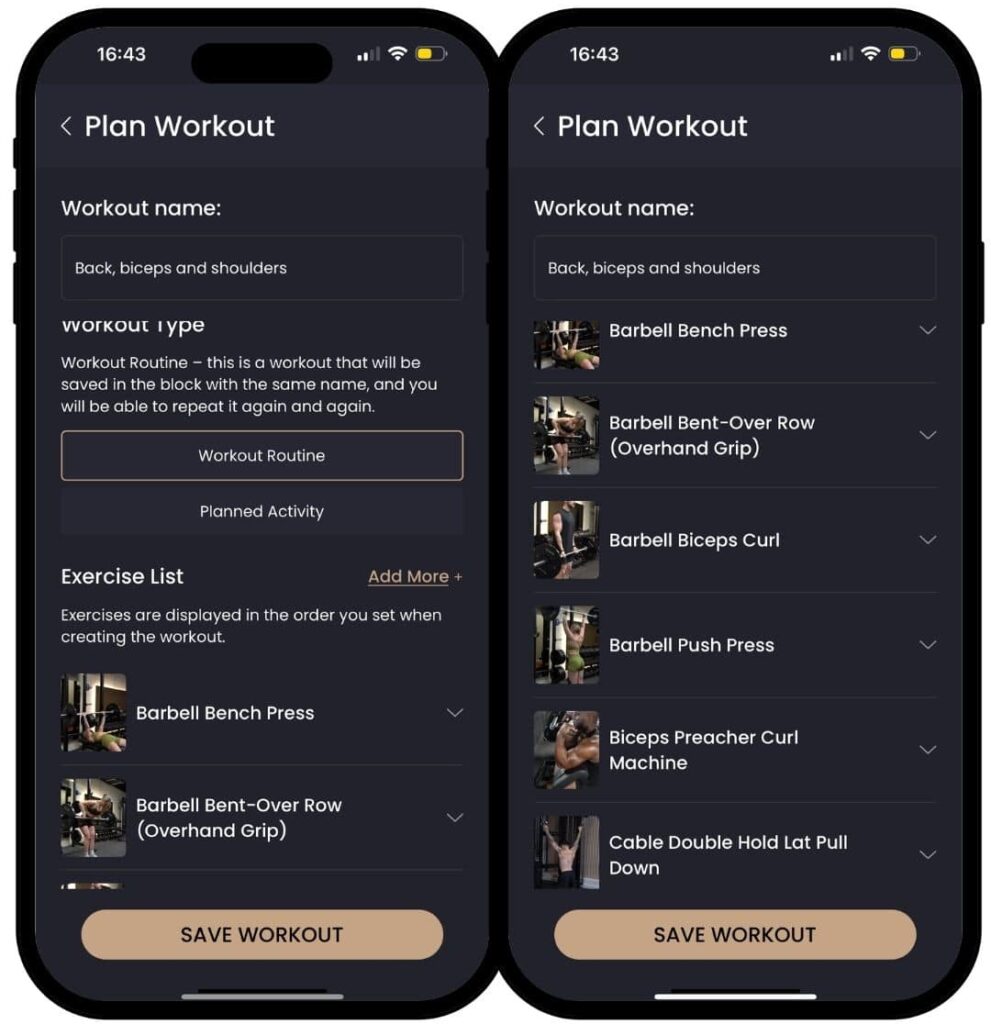
The 12REPS app makes tracking effortless:
- Log kettlebell weights and reps for every exercise
- See previous workout before each session
- Video demonstrations for every kettlebell exercise
- Track progress over the 8 weeks
- Customise workouts if you need to adjust
The app shows you exactly what you did last time, so you know what to beat today.
Common Questions
Will kettlebells make my legs bulky?
No. Kettlebell training builds lean, functional muscle, not bulk. The dynamic nature of the movements develops power without significant size. Your legs will become stronger and more defined, not bigger.
I am new to kettlebells. Can I do this programme?
Yes. Phase 1 teaches foundational movements with appropriate progression. Start with lighter weights than you think you need and focus on technique.
Can I do more than two sessions per week?
For athletic women who are also running or doing other sports, two sessions is optimal. More can interfere with recovery and sport performance. If you want additional training, add mobility work or easy cycling rather than more kettlebell volume.
What if I only have one kettlebell?
The programme works with a single kettlebell. Choose a weight appropriate for swings (your main movement). You may need to adjust reps for exercises where that weight is too heavy or light.
How do I know when to increase weight?
When you can complete all prescribed reps with good form and the last few reps do not feel challenging, it is time to increase weight.
The Bottom Line
This 8-week programme will make you a better athlete.
Stronger hips that power faster running. More resilient muscles that resist injury. Better endurance that carries you further. Greater agility that handles any terrain.
Two sessions per week. Forty-five minutes each. The rest of your time is yours for running, trails, and adventure.
Start with Phase 1. Master the movements. Progress through the phases. By week 8, you will feel the difference in every run.
Download the 12REPS app to access this programme with video demonstrations, progress tracking, and the tools to become your most athletic self.
Quick Reference: All Phases
Phase 1 (Weeks 1-2)
Day 1: KB Deadlift, Two-Hand Swing, Goblet Squat, Row, Floor Press, Farmer Carry Day 2: Swing, Goblet Reverse Lunge, High Pull, Halo, Figure 8, Goblet Squat Hold
Phase 2 (Weeks 3-4)
Day 1: Two-Hand Swing, Goblet Squat, Single Leg Deadlift, Push Press, Renegade Row, Suitcase Carry Day 2: EMOM Swings, Lateral Lunge, Clean, Around the World, Squat Jump, Plank Pull Through
Phase 3 (Weeks 5-6)
Day 1: One-Hand Swing, Front Squat, Snatch, Single Leg Deadlift, Half Turkish Get Up, Loaded Carry Complex Day 2:Complex (Swing-Clean-Press-Squat), Lateral Bound to Swing, Reverse Lunge with Rotation, Dead Clean, Figure 8 to Hold
Phase 4 (Weeks 7-8)
Day 1: Snatch, Front Squat, One-Hand Swing, Single Leg Deadlift, Full Turkish Get Up, Farmer Carry Day 2: Swing Ladder, Squat Jump, Alternating Clean, Lateral Shuffle Pass, Single Arm Swing, Plank Shoulder Tap
References
- Lake, J.P. & Lauder, M.A. (2012). Kettlebell swing training improves maximal and explosive strength. Journal of Strength and Conditioning Research. https://pubmed.ncbi.nlm.nih.gov/22580981/
- Manocchia, P. et al. (2013). Transference of kettlebell training to strength, power, and endurance. Journal of Strength and Conditioning Research. https://pubmed.ncbi.nlm.nih.gov/22692109/
- Otto, W.H. et al. (2012). Effects of weightlifting vs. kettlebell training on vertical jump, strength, and body composition. Journal of Strength and Conditioning Research. https://pubmed.ncbi.nlm.nih.gov/22344055/
- Jay, K. et al. (2011). Kettlebell training for musculoskeletal and cardiovascular health. Scandinavian Journal of Work, Environment & Health. https://pubmed.ncbi.nlm.nih.gov/21206466/
Related Articles on just12reps.com
Article | Description | Link |
Strength Training for Runners | Complete guide for runners. | |
Kettlebell Workout for Runners | Running-specific kettlebell training. | |
Best Exercises for Each Muscle Group | Comprehensive exercise guide. | |
How to Get Stronger | Complete strength building guide. | |
Complete Beginner’s Guide to Strength Training | Start your journey. |
About the Author: Will Duru holds a BSc (Hons) in Sport and Exercise Science and is an award-winning personal trainer with over 10 years of experience. He specialises in training amateur athletes, including runners, trail runners, triathletes, and recreational sports players, helping them build strength, prevent injury, and improve performance through kettlebell training. Will created the 12REPS app to make athletic training accessible to everyone.