

By Will Duru, BSc (Hons) Sport and Exercise Science, Award-winning Personal Trainer with over 10 years of experience in strength training
The 6 day push pull legs split is the gold standard for serious muscle building. If you can commit to training six days per week and have at least a year of lifting experience, this programme will deliver results that 3 and 4 day programmes simply cannot match.
Over my decade of personal training, I have seen the 6 day PPL transform dozens of intermediate lifters who had stalled on lower frequency programmes. The combination of high volume, optimal frequency, and logical muscle groupings creates the perfect environment for muscle growth.
But this programme is not for everyone. It demands commitment, recovery capacity, and consistency that most beginners cannot sustain. If you are ready for it, this guide provides everything you need: the complete programme, progression strategy, and the knowledge to execute it properly.
What Is Push Pull Legs?
Push pull legs organises training by movement pattern rather than individual muscles.
Push days: Chest, shoulders, and triceps. All muscles involved in pushing movements.
Pull days: Back, biceps, and rear delts. All muscles involved in pulling movements.
Legs days: Quadriceps, hamstrings, glutes, and calves. The entire lower body.
Why This Organisation Works
Muscles that work together train together. Your triceps assist every pressing movement. Training them with chest and shoulders makes sense because they are already being used.
Complete recovery between sessions. While you train push muscles, pull muscles recover completely. By the time you return to push, you are fresh.
No overlap. Unlike body part splits where chest Monday might fatigue triceps needed for shoulders Tuesday, PPL eliminates interference.
The 6 Day Structure
| Day | Session |
|---|---|
| Monday | Push A |
| Tuesday | Pull A |
| Wednesday | Legs A |
| Thursday | Push B |
| Friday | Pull B |
| Saturday | Legs B |
| Sunday | Rest |
Each muscle group is trained twice per week with different exercise variations. This provides optimal frequency for hypertrophy while allowing adequate volume per session.
Who Should Use This Programme
Ideal Candidates
Intermediate lifters. At least 12 to 18 months of consistent training experience. You should have mastered basic compound movements and established the training habit.
Those who recover well. If you sleep 7 to 9 hours, eat adequately, and manage stress reasonably, you can handle this volume.
People with flexible schedules. Six gym sessions require time commitment. You need reliable availability.
Those prioritising muscle growth. If maximising hypertrophy is your primary goal, this programme delivers.
Who Should Avoid This Programme
Complete beginners. You will not recover adequately and will likely burn out or get injured. Start with 3 day full body.
Very busy people. If you cannot consistently make six sessions, choose a lower frequency programme you can actually follow.
Those over 50 without training history. Recovery demands increase with age. Build up to this volume gradually.
Anyone with significant life stress. Major work pressure, family demands, or health issues compromise recovery. More training is not better when you cannot recover.
From My Training Experience
I only recommend 6 day PPL to clients who have demonstrated consistency on lower frequency programmes first. The clients who jump straight to 6 days often burn out within 6 to 8 weeks.
The successful ones built up: 3 day full body for 6 months, then 4 day upper lower for 6 months, then 6 day PPL. This progression builds both the physical capacity and the habit required.
The Complete 6 Day PPL Programme
Push A (Monday)
Focus: Flat pressing emphasis, overall push development
| Exercise | Sets | Reps | Rest | Notes |
|---|---|---|---|---|
| Barbell Bench Press | 4 | 6, 6, 8, 8 | 3 minutes | Primary strength movement |
| Incline Dumbbell Press | 3 | 8, 10, 10 | 2 minutes | Upper chest development |
| Seated Dumbbell Shoulder Press | 3 | 8, 10, 10 | 2 minutes | Front and side delts |
| Cable Fly (Mid) | 3 | 12, 12, 10 | 60 seconds | Chest isolation |
| Dumbbell Lateral Raise | 4 | 12, 12, 15, 15 | 60 seconds | Side delt width |
| Tricep Pushdown | 3 | 12, 12, 10 | 60 seconds | Lateral and medial heads |
| Overhead Tricep Extension | 2 | 12, 12 | 60 seconds | Long head emphasis |
Total working sets: 22 Estimated time: 55 to 65 minutes
Pull A (Tuesday)
Focus: Horizontal pulling emphasis, back thickness
| Exercise | Sets | Reps | Rest | Notes |
|---|---|---|---|---|
| Barbell Row | 4 | 6, 6, 8, 8 | 2-3 minutes | Primary back builder |
| Lat Pulldown | 3 | 8, 10, 10 | 2 minutes | Lat width |
| Seated Cable Row | 3 | 10, 10, 12 | 90 seconds | Mid back thickness |
| Face Pull | 3 | 15, 15, 12 | 60 seconds | Rear delts and posture |
| Dumbbell Shrug | 3 | 12, 12, 10 | 60 seconds | Upper trap development |
| Barbell Curl | 3 | 10, 10, 8 | 60 seconds | Bicep mass |
| Hammer Curl | 2 | 12, 12 | 60 seconds | Brachialis and forearms |
Total working sets: 21 Estimated time: 50 to 60 minutes
Legs A (Wednesday)
Focus: Quad emphasis, squat pattern
| Exercise | Sets | Reps | Rest | Notes |
|---|---|---|---|---|
| Barbell Back Squat | 4 | 6, 6, 8, 8 | 3 minutes | Primary leg builder |
| Romanian Deadlift | 3 | 8, 10, 10 | 2 minutes | Hamstring and glute development |
| Leg Press | 3 | 10, 12, 12 | 2 minutes | Additional quad volume |
| Walking Lunge | 3 | 10 each leg | 90 seconds | Single leg strength |
| Leg Curl | 3 | 12, 12, 10 | 60 seconds | Hamstring isolation |
| Standing Calf Raise | 4 | 12, 12, 15, 15 | 60 seconds | Gastrocnemius focus |
Total working sets: 20 Estimated time: 55 to 65 minutes
Push B (Thursday)
Focus: Incline pressing emphasis, shoulder development
| Exercise | Sets | Reps | Rest | Notes |
|---|---|---|---|---|
| Incline Barbell Press | 4 | 6, 6, 8, 8 | 3 minutes | Upper chest strength |
| Dumbbell Bench Press | 3 | 8, 10, 10 | 2 minutes | Chest development |
| Standing Overhead Press | 3 | 8, 8, 10 | 2 minutes | Shoulder strength |
| Cable Fly (Low to High) | 3 | 12, 12, 10 | 60 seconds | Upper chest isolation |
| Dumbbell Lateral Raise | 4 | 12, 12, 15, 15 | 60 seconds | Side delt volume |
| Dips | 3 | 8, 10, 10 | 90 seconds | Chest and triceps |
| Skull Crusher | 3 | 10, 10, 12 | 60 seconds | Tricep isolation |
Total working sets: 23 Estimated time: 55 to 65 minutes
Pull B (Friday)
Focus: Vertical pulling emphasis, lat width
| Exercise | Sets | Reps | Rest | Notes |
|---|---|---|---|---|
| Weighted Pull Up or Lat Pulldown | 4 | 6, 6, 8, 8 | 2-3 minutes | Lat width primary |
| Single Arm Dumbbell Row | 3 | 8, 10, 10 each | 60 seconds | Back thickness |
| Chest Supported Row | 3 | 10, 10, 12 | 90 seconds | Strict rowing |
| Straight Arm Pulldown | 3 | 12, 12, 10 | 60 seconds | Lat isolation |
| Rear Delt Fly | 3 | 15, 12, 12 | 60 seconds | Rear delt development |
| Incline Dumbbell Curl | 3 | 10, 10, 12 | 60 seconds | Long head bicep |
| Cable Curl | 2 | 12, 12 | 60 seconds | Constant tension |
Total working sets: 21 Estimated time: 50 to 60 minutes
Legs B (Saturday)
Focus: Hip hinge emphasis, posterior chain
| Exercise | Sets | Reps | Rest | Notes |
|---|---|---|---|---|
| Conventional Deadlift | 4 | 5, 5, 5, 5 | 3-4 minutes | Posterior chain strength |
| Front Squat | 3 | 8, 8, 10 | 2 minutes | Quad emphasis, core demand |
| Bulgarian Split Squat | 3 | 8 each leg | 90 seconds | Single leg development |
| Leg Extension | 3 | 12, 12, 10 | 60 seconds | Quad isolation |
| Nordic Curl or Leg Curl | 3 | 8, 10, 10 | 60 seconds | Hamstring strength |
| Seated Calf Raise | 4 | 15, 15, 12, 12 | 60 seconds | Soleus focus |
Total working sets: 20 Estimated time: 55 to 65 minutes
Progressive Overload Strategy
This programme only works with progressive overload. Here is exactly how to progress.
The Double Progression Method
Step 1: Start with a weight you can lift for the lower end of the rep range on all sets.
Step 2: Each session, aim to add reps while maintaining form.
Step 3: When you hit the top of the rep range on all sets, increase weight by the smallest increment (usually 2.5kg for upper body, 5kg for lower body).
Step 4: Drop back to the lower rep range with the new weight and repeat.
Example: Barbell Bench Press (Target: 4 sets of 6-8)
Week | Weight | Performance | Action |
1 | 80kg | 6, 6, 5, 5 | Stay at weight |
2 | 80kg | 6, 6, 6, 6 | Stay at weight |
3 | 80kg | 7, 7, 6, 6 | Stay at weight |
4 | 80kg | 8, 8, 7, 7 | Stay at weight |
5 | 80kg | 8, 8, 8, 8 | Increase next week |
6 | 82.5kg | 6, 6, 5, 5 | Repeat process |
Isolation Exercise Progression
For isolation exercises (lateral raises, curls, extensions), progress through reps first. Only add weight when you can complete all sets at the top of the range with perfect form.
Do not ego lift isolation exercises. The muscle does not know how much weight is on the dumbbell. It only knows tension and fatigue.
Volume and Recovery Considerations
Weekly Volume Per Muscle Group
Muscle | Weekly Sets | Notes |
Chest | 16-18 | Compound + isolation |
Back | 18-20 | Multiple angles |
Shoulders | 14-16 | Front delts get plenty from pressing |
Biceps | 10-12 | Also worked during pulling |
Triceps | 10-12 | Also worked during pressing |
Quads | 14-16 | Compounds + isolation |
Hamstrings | 10-12 | Hip hinge + knee flexion |
Calves | 8 | Direct work |
This volume is appropriate for intermediate lifters. If you are new to this volume, you may need to reduce sets initially and build up over 4 to 6 weeks.
Recovery Requirements
Sleep: 7 to 9 hours minimum. This is non-negotiable on 6 day programmes.
Nutrition: Eat at maintenance or a slight surplus. Adequate protein (1.6 to 2.2g per kg bodyweight).
Rest days: Take your rest day seriously. Light walking is fine. Intense sports or activities compromise recovery.
Deload weeks: Every 6 to 8 weeks, reduce all weights by 40 to 50 percent for one week. Maintain the routine but with lighter loads.
From My Training Experience
The clients who fail on 6 day PPL almost always fail on recovery, not training. They sleep 5 to 6 hours, eat poorly, and wonder why they feel run down.
I tell every client starting this programme: “Your training is only as good as your recovery. If you cannot commit to sleeping and eating properly, this programme will break you.”
Warm Up Protocol
Before every session:
Component | Duration | Details |
Light cardio | 5 minutes | Cycling, walking, rowing |
Dynamic stretches | 3 minutes | Arm circles, leg swings, hip circles |
Activation work | 2 minutes | Band pull aparts (push days), band rows (pull days), glute bridges (leg days) |
Warm up sets | 3-4 sets | Progressively heavier sets of first exercise |
Example warm-up sets for 80kg bench press working weight:
- Bar x 10
- 40kg x 8
- 60kg x 5
- 70kg x 3
- Begin working sets
Common Questions About 6 Day PPL
Is 6 days too much?
For beginners, yes. For intermediate lifters with good recovery, no. Research supports training each muscle twice per week for optimal hypertrophy. Six days allows sufficient volume with this frequency.
Can I do cardio on this programme?
Light cardio on rest day is fine. Do not add intense cardio sessions that compromise recovery. If fat loss is a goal, manage through diet primarily.
What if I miss a day?
Shift your schedule and continue. Do not try to combine sessions or add extra sets to compensate. Just pick up where you left off.
How long should I run this programme?
Run for 12 to 16 weeks minimum. After that, evaluate progress. If still progressing, continue. If stalled, consider a deload followed by resuming or trying a different programme variation.
Can I swap exercises?
Yes, but swap like for like. Replace a flat press with another flat press, not with a fly. Maintain the movement pattern and target muscle.
Expected Results
With consistent execution and proper recovery:
Weeks 1-4: Adaptation phase. Some soreness, learning the routine, establishing working weights.
Weeks 5-8: Noticeable strength increases. Weights going up. Beginning of visible changes.
Weeks 9-12: Clear visual progress. Clothes fitting differently. Strength significantly improved from week 1.
Months 4-6: Substantial transformation. Depending on starting point and diet, potentially 2 to 4kg of muscle gain.
From My Training Experience
The best results I have seen on 6 day PPL came from a client named James who ran it for 8 months. He gained 7kg of bodyweight (at controlled surplus), added 25kg to his bench press, and visibly transformed his physique.
The key was his consistency: never missed more than 2 sessions in those 8 months, slept 8 hours nightly, hit protein targets daily.
Tracking Your Progress
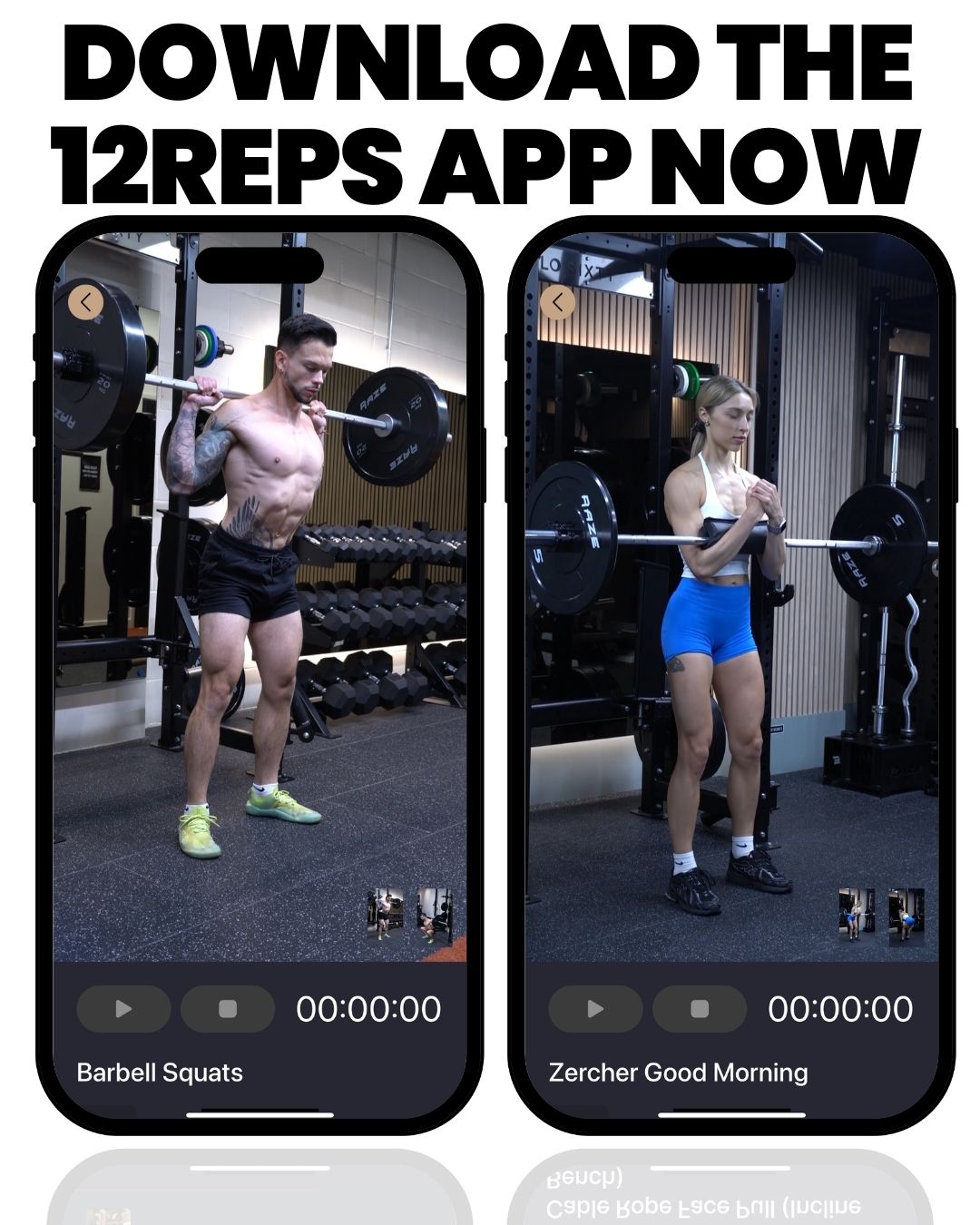
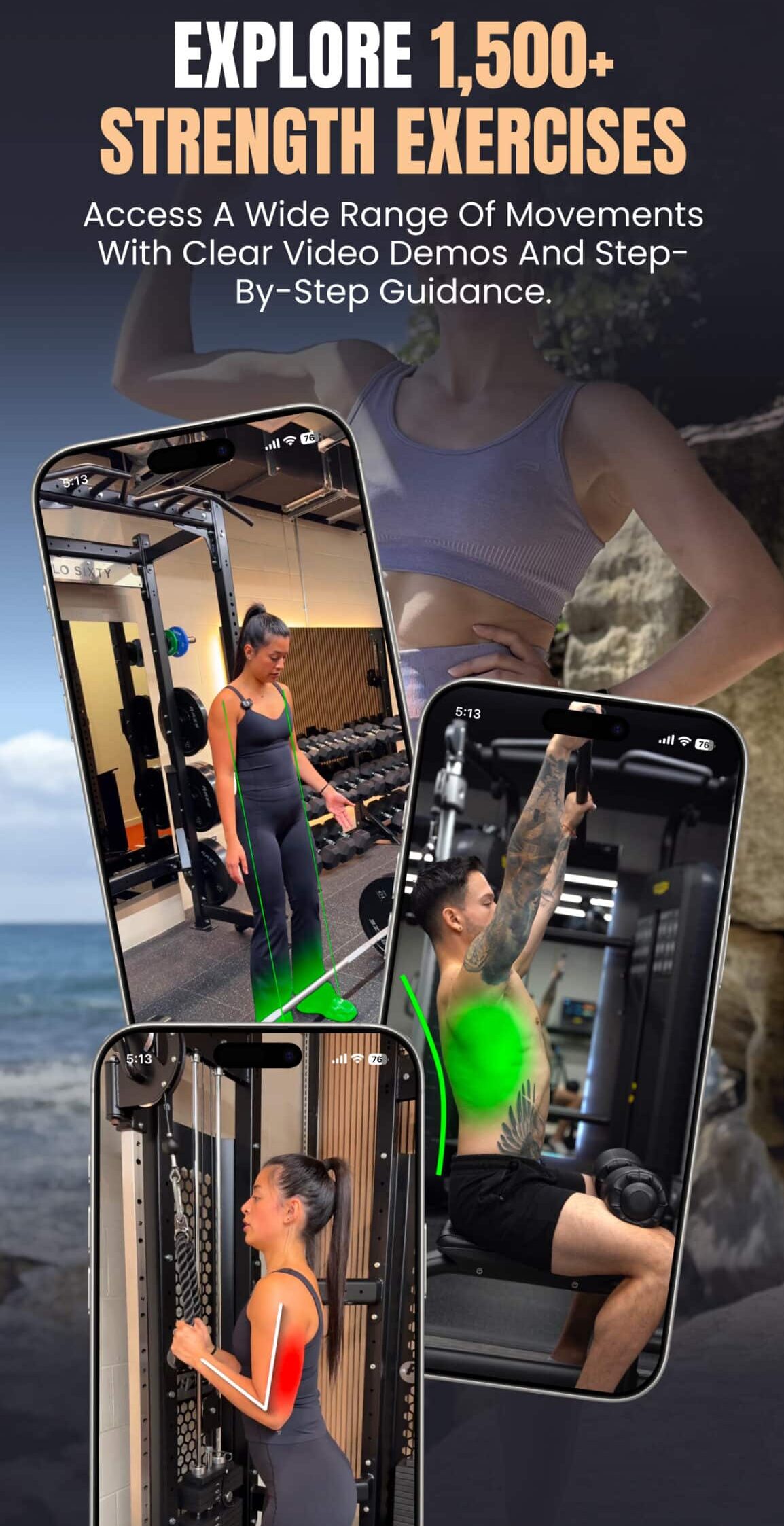
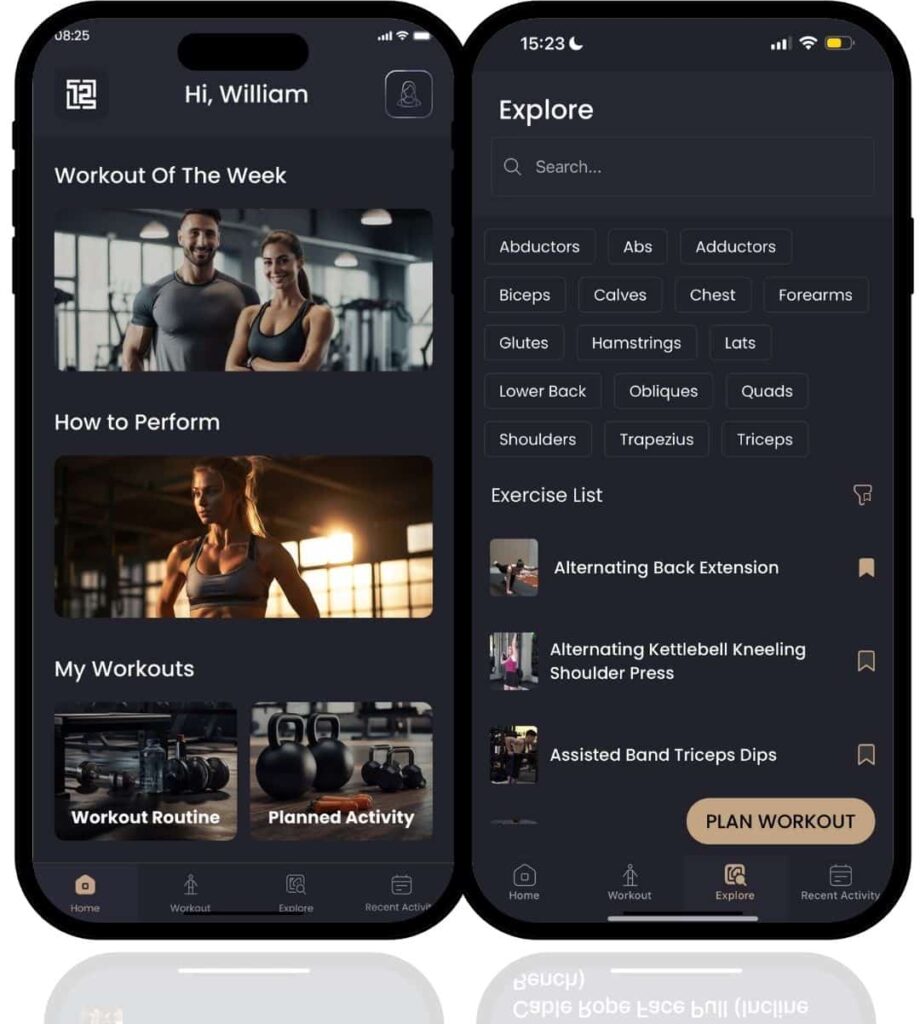
Track every workout. The 12REPS app provides:
- Previous workout visible before each set so you know what to beat
- Progress charts showing strength trends over weeks and months
- PR tracking celebrating personal records
- Volume tracking ensuring you hit weekly targets
- Exercise library with video demonstrations for every movement
Without tracking, progressive overload becomes guesswork. With tracking, it becomes systematic.
The Bottom Line
The 6 day push pull legs programme is demanding but effective. It provides the volume and frequency that intermediate lifters need to continue progressing when lower frequency programmes stall.
But it requires commitment: six sessions weekly, proper sleep, adequate nutrition, and consistent effort over months.
If you can meet these demands, the results will follow.
Download the 12REPS app to track your PPL programme with video demonstrations, progress tracking, and intelligent progression suggestions.
Frequently Asked Questions
How long should each workout take?
50 to 65 minutes, excluding warm-up. If sessions regularly exceed 75 minutes, you are resting too long or not training with sufficient intensity.
Should I train to failure?
Take the last set of each exercise close to failure (1 to 2 reps in reserve). Do not train to failure on every set, which accumulates excessive fatigue.
What about abs?
Add 2 to 3 sets of core work to the end of any two sessions per week. Planks, hanging leg raises, or cable crunches work well.
Can beginners do a 3 day version?
Yes. Running Push, Pull, Legs once per week is viable but suboptimal. Each muscle is only trained once weekly, which research shows is less effective than twice weekly.
What if my gym is busy?
Have backup exercises in mind. If the bench is taken, start with incline dumbbell press instead. Flexibility prevents wasted time.
References
- Schoenfeld, B.J. et al. (2016). Effects of Resistance Training Frequency on Measures of Muscle Hypertrophy. Sports Medicine. https://pubmed.ncbi.nlm.nih.gov/27102172/
- Schoenfeld, B.J. et al. (2017). Dose-response relationship between weekly resistance training volume and increases in muscle mass. International Journal of Sports Nutrition and Exercise Metabolism. https://pubmed.ncbi.nlm.nih.gov/28834797/
- Grgic, J. et al. (2018). Effect of Resistance Training Frequency on Gains in Muscular Strength. Sports Medicine. https://pubmed.ncbi.nlm.nih.gov/29470825/
- Ralston, G.W. et al. (2017). The Effect of Weekly Set Volume on Strength Gain. Sports Medicine. https://pubmed.ncbi.nlm.nih.gov/28755103/
Related Articles on just12reps.com
Article | Description | Link |
Upper Lower vs PPL vs Full Body | Comparing all major splits for beginners. | |
3 Day vs 5 Day Workout Split | Choosing the right training frequency. | |
How to Get Stronger | Complete guide to building strength. | |
The Science of Progressive Overload | The principle that drives all progress. | |
Best Workout Split for Natural Lifters | Optimising training for natural athletes. |
About the Author: Will Duru holds a BSc (Hons) in Sport and Exercise Science and is an award-winning personal trainer with over 10 years of experience. He has helped dozens of intermediate lifters maximise muscle growth through properly programmed push-pull legs splits. Will created the 12REPS app to provide structured programming and tracking for serious lifters.