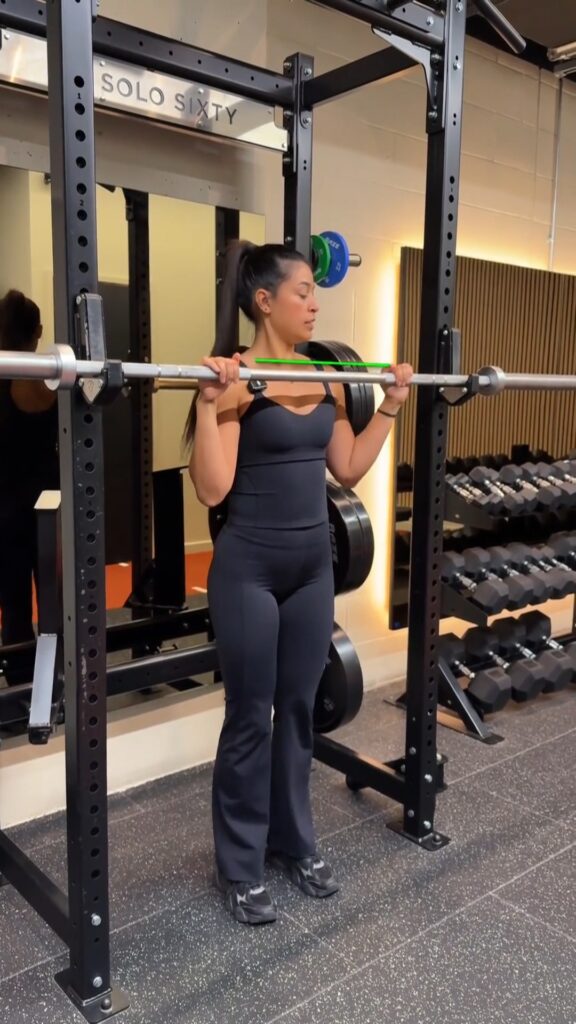
Short answer: Wrist wraps are stiff fabric bands you wind around your wrist to stop it bending back too far under a heavy bar. In the one controlled study on the bench press, wraps didn’t change how much people could lift, how fast they moved the bar or how many reps they did. Lifters did say their wrists felt more stable, but also less comfortable. Wraps are a comfort and confidence tool for heavy pressing. Most people don’t need them to train well.
This guide is for anyone wondering whether to buy a pair. I cover what wrist wraps do, what the research shows, when they make sense and how to wear them.
Wrist wraps vs lifting straps: what’s the difference?
People often mix these up. They do opposite jobs.
| Gear | What it does | Typical lifts |
|---|---|---|
| Wrist wraps | Support the wrist joint and limit how far it bends back | Pushing lifts such as the bench press, overhead press and dips |
| Lifting straps | Tie your hand to the bar so your grip doesn’t give out first | Pulling lifts such as deadlifts, rows and shrugs |
If your grip fails on pulls, you want straps. My lifting straps guide covers those. If your wrists ache or fold back on presses, wraps are the gear people usually reach for.

What the research says about wrist wraps
There isn’t much research on wrist wraps. Here is what we have.
- No change in bench press performance. Harris and colleagues (2024) tested 18 resistance-trained adults, 9 men and 9 women. Each person benched with a flexible wrap, a stiff wrap and no wrap. Neither type of wrap changed their one-rep max (the heaviest weight they could lift once), bar speed or power. The study title reports no effect on muscular endurance either.
- They feel more stable, but less comfortable. In that same study, lifters rated both wrapped conditions as more stable than going without, and also more uncomfortable. Flexible and stiff wraps didn’t differ on these ratings.
- No change in grip strength. A randomized trial of 54 CrossFit participants found that a wrist wrap didn’t increase maximum handgrip strength or grip endurance (Takemura et al., 2023).
- Injury prevention hasn’t been tested. A review of injuries across weight-training sports listed the wrist and hand among the most commonly injured areas, along with the shoulder, lower back, knee and elbow (Keogh and Winwood, 2017). But I couldn’t find any study showing that wrist wraps prevent those injuries.
So the honest summary is this. Wraps don’t seem to make you stronger. They may make heavy pressing feel more secure. That feeling can matter, but it is not the same as a measured performance boost.
When wrist wraps might make sense
This section is my coaching view, not research findings.
- Heavy pressing sets. If you’re benching or overhead pressing close to your max, and your wrists feel like they want to fold back, wraps can help you feel more locked in.
- Your wrists feel sore after heavy presses. Wraps may make these sets more comfortable. If you have ongoing wrist pain, though, get it checked by a doctor or physical therapist rather than just covering it with a wrap.
- Movements with a lot of weight on bent wrists. Some people like them for heavy dips or for holding a barbell in a front rack position.
When you can skip them
- You’re new to lifting. Learn to keep your wrists stacked first. A wrap can hide a bar position problem you’d be better off fixing.
- Light and moderate sets. If the weight isn’t heavy enough to bend your wrists back, there’s nothing for the wrap to do.
- Pulling exercises. Wraps don’t help your grip. Use straps if your grip is the limit.
Fix your wrist position first
Before you buy wraps, check how you hold the bar. These are the cues I use.
- Set the bar low in your palm. It should sit over the base of your palm, close to your forearm, not up near your fingers.
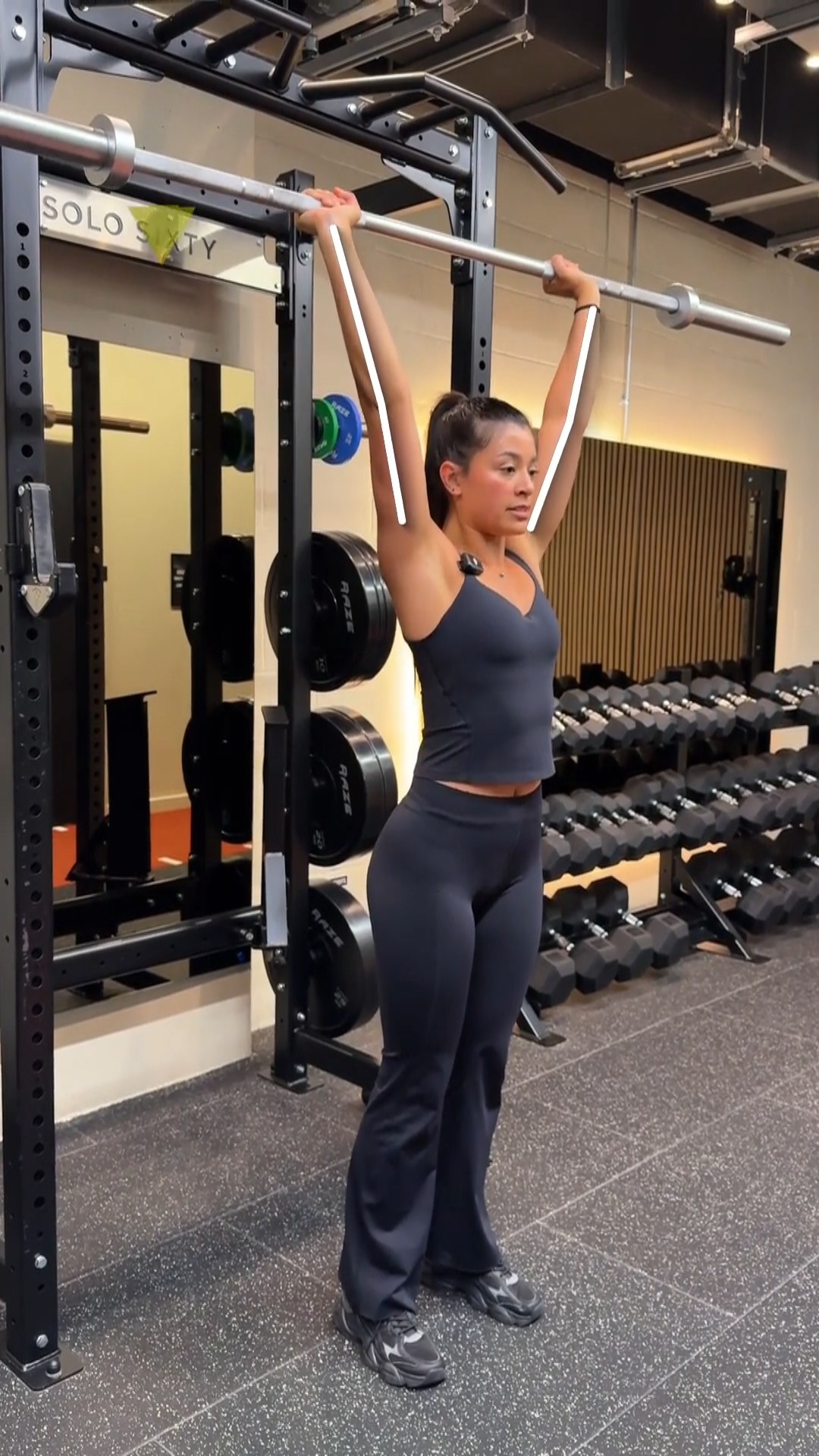
- Keep your wrist close to neutral. A slight bend back is normal under a heavy bar. Your wrist shouldn’t fold back so far that your knuckles point at the ceiling.
- Stack your wrists over your elbows. On the bench press, your forearms should be close to vertical at the bottom of the rep. On the overhead press, keep the bar over your wrists and your wrists over your elbows.
- Squeeze the bar. A firm grip helps keep your wrist in place.
How to wear wrist wraps
- Put your thumb through the loop, if your wraps have one.
- Cover the wrist joint itself. The wrap should sit over the joint, with part of it on the hand side. A wrap that sits only on your forearm won’t do much.
- Wrap firmly for heavy sets. Pull it snug as you wind it around, then secure the Velcro.
- Loosen it between sets. A tight wrap is uncomfortable to keep on, and you don’t need it while you rest.
In the bench press study, flexible and stiff wraps performed the same. So pick whichever feels better to you.
Watch: pressing technique
Here are two 12REPS demonstrations of the main barbell presses, with form cues.
Summary
- Wrist wraps support your wrist on pushing lifts. Lifting straps help your grip on pulling lifts.
- In a controlled bench press study, wraps didn’t change one-rep max, bar speed, power or endurance.
- Lifters felt more stable with wraps, but also less comfortable.
- There is no evidence that wraps prevent wrist injuries.
- Fix your bar position first. Use wraps on heavy pressing sets if they help you feel secure.
Train your presses with a plan
Gear can help you feel more secure, but steady progress comes from a plan. That’s what I built 12REPS to help with. You set your goal, your available time and your equipment, and the app builds your workouts. Every exercise comes with a trainer demonstration, and you can log your sets and reps to see your progress over time.
Download 12REPS and see what you’ll get:
Sources
- Harris DR, Harris DR, Cardaci TD, Cintineo HP, Funderburk LK, Machek SB. Wrist wraps do not affect barbell bench press muscular strength, power, or endurance in resistance-trained men and women. J Strength Cond Res. 2024;38(12):e708–e715.
- Takemura RL, Ortolani CC, Saito M, Escudero RB, et al. Effect of wrist wrap in handgrip strength in CrossFit. Acta Ortop Bras. 2023;31(spe3):e266236.
- Keogh JWL, Winwood PW. The epidemiology of injuries across the weight-training sports. Sports Med. 2017;47(3):479–501.
Related reading
- Lifting Straps: What They Do, When to Use Them and What the Research Says
- Do You Need a Lifting Belt? When to Wear One, and When Not To
- Do You Need Lifting Shoes? What They Do for Your Squat and Who They Help
- How to Bench Press: Step-by-Step Form Guide for Beginners
- How to Overhead Press: Step-by-Step Technique Guide for Women
I’m Will Duru, a personal trainer and the founder of 12REPS. I hold a BSc (Hons) in Sport and Exercise Science and have more than a decade of experience coaching people in strength training.
This article is for general education and isn’t medical advice.