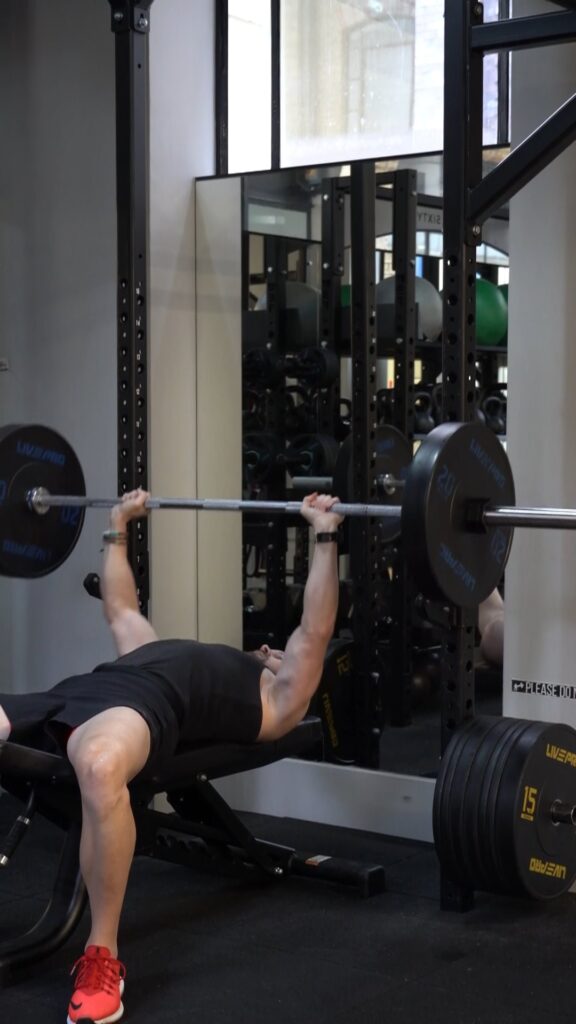
Short answer: For many people, yes, a little. In small studies, lifters who listened to music they chose or liked did more reps on exercises like the bench press, lat pulldown, squat and deadlift than when they listened to music they disliked. They also felt more motivated. One study found more reps than with no music at all. The key word is preferred. Music you don’t like may do nothing for you, or even hold you back, and music played only between sets made no difference to power in one study.
This guide is for anyone who trains with headphones in, or wonders whether they should. I cover what the research shows, where it falls short and how I suggest using music in your workouts.
What the research says about music and lifting
| Study | Who took part | What they compared | Main finding |
|---|---|---|---|
| Ballmann et al., 2021 | 12 resistance-trained college-age men | Preferred vs nonpreferred music during bench press at 75% of one-rep max, as many reps as possible | More reps, faster bar speed and higher power on the first 3 reps, and much higher motivation with preferred music |
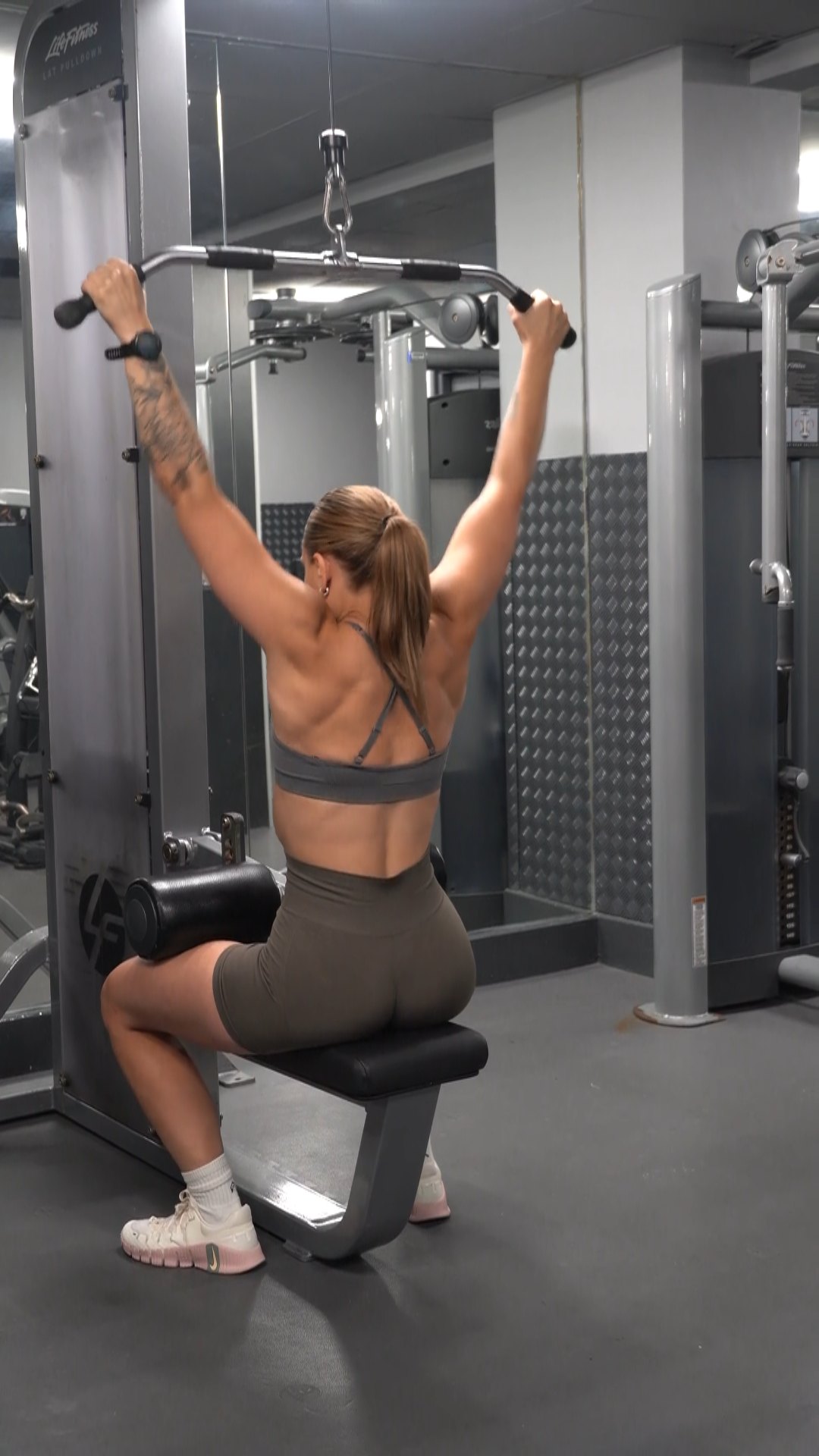
| Silva et al., 2021 | 20 young men | Preferred music genre vs nonpreferred genre vs no music | Higher grip strength, more lat pulldown reps and lower perceived effort with the preferred genre than with either other condition |
| Vinovrski et al., 2026 | 19 resistance-trained men and women | Self-selected 5-song playlist vs least-preferred genre, 3 sets to failure on squat, bench press, deadlift and bent-over row | More reps on squat and deadlift with self-selected music, without higher effort or fatigue. Motivation and enjoyment held steady with their own music but dropped with the disliked music |
| Latocha et al., 2024 | 15 moderately trained adults | Preferred music vs no music, played only during rest between sets of squat and bench press | No effect on power output or heart rate |
A quick note on terms. A one-rep max is the heaviest weight you can lift once with good form. Perceived effort (often called RPE) is how hard a set feels to you, usually rated on a number scale.
Why your own music matters more than any music
The pattern across these studies is clear. The benefit comes from music you like, not from music in general.
- Motivation is the likely link. In the Vinovrski study, heart rate, muscle activation, breathing and muscle oxygen levels didn’t change between the two playlists. What changed was how people felt: focus, energy, enjoyment and motivation all favored their own music. That suggests music works mainly on your mindset, not your muscles.
- Disliked music can drag you down. In that same study, motivation and enjoyment dropped across the workout with the nonpreferred playlist but held steady with the self-selected one.
- Timing may matter. The rest-period study played music only between sets and found no change in power. The positive studies played music during the sets themselves. That’s one study, so I wouldn’t draw a firm rule from it, but it fits the idea that music helps most while you are working.
The limits of the research
I want to be straight with you about how much these studies can tell us.
- The studies are small. Each one had between 12 and 20 people.
- Most participants were young, trained men. Only one of the four studies above included women in a meaningful number. Results may differ for beginners or older lifters.
- They measured single sessions. These studies show what happens in one workout. None of them tested whether training with music leads to more strength or muscle over months.
- Most compared liked vs disliked music. Only Silva et al. included a no-music condition. So the evidence that your music beats silence comes mainly from one study.
So the fair summary is this: preferred music may help you push out a few more reps and enjoy your session more. It is a small, useful edge. It is not a replacement for a good program, enough sleep or progressive overload (gradually asking your muscles to do more over time).
How I suggest using music in your workouts
This section is my coaching view, not research findings.
- Build your own playlist before you train. The research points to music you choose. Make a short list of songs that get you going, so you aren’t scrolling for the next track mid-workout.
- Save your favorite tracks for your hardest sets. If you’re about to attempt a heavy set or push for extra reps, that’s the moment you want the song you like most.
- Keep an eye on your rest periods. It’s easy to let a rest stretch out while you change songs or watch a video. Use a timer so your rest stays consistent from week to week.
- Stay aware of your surroundings. Keep the volume at a level where you can still hear a spotter, a gym staff member or someone moving around you. On heavy barbell lifts, many people find one earbud out is a good compromise.
- Don’t force it. If you train better in silence, or prefer to focus on your breathing and form, that’s fine. The research doesn’t say you need music. It says music you like may help if you enjoy it.
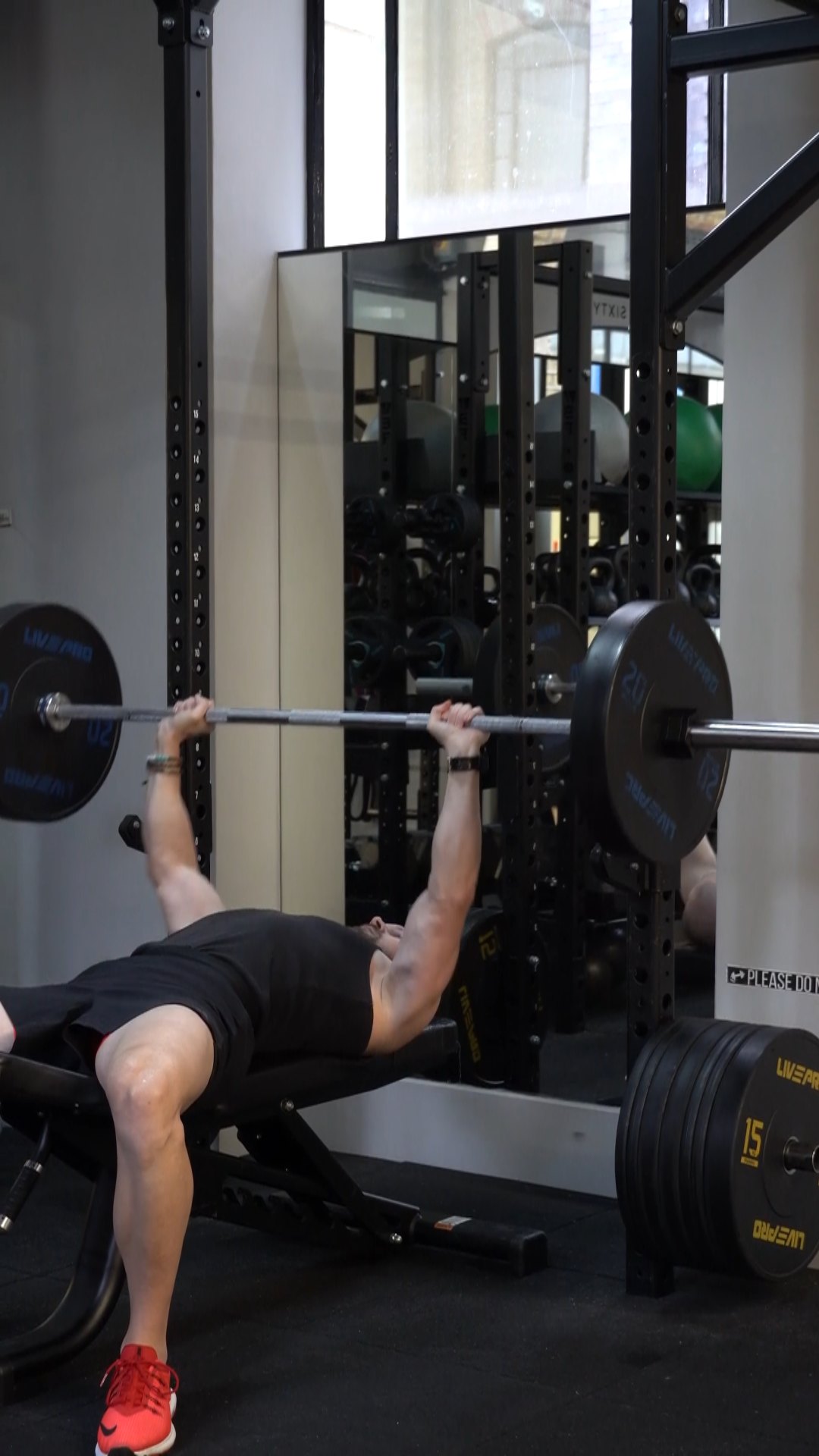
Watch: how to bench press with good form
Whatever is playing in your ears, your technique comes first. Here is the 12REPS demonstration of the barbell bench press, with the main form cues.
Summary
- Small studies show that music you like can help you do more reps and feel more motivated during a lifting session.
- The benefit seems to come from preference. Music you dislike may lower your motivation.
- Music played only during rest periods didn’t change power output in one study.
- The evidence is limited to small groups and single sessions, so treat music as a small extra, not a key part of your training.
- Make your own playlist, keep your rest periods on track and keep the volume at a safe level.
Plan the workout, then press play
Music can help you enjoy a session, but it can’t tell you what to do in it. That’s what I built 12REPS to help with. You set your goal, your available time and your equipment, and the app builds your workouts. Every exercise comes with a trainer demonstration, and you can log your sets and reps to see your progress over time.
Download 12REPS and see what you’ll get:
Sources
- Ballmann CG, McCullum MJ, Rogers RR, Marshall MR, Williams TD. Effects of preferred vs. nonpreferred music on resistance exercise performance. J Strength Cond Res. 2021;35(6):1650–1655.
- Silva NRDS, Rizardi FG, Fujita RA, et al. Preferred music genre benefits during strength tests: increased maximal strength and strength-endurance and reduced perceived exertion. Percept Mot Skills. 2021;128(1):324–337.
- Vinovrski MF, Moll RE, Odebode JO, et al. Physiologic and perceptual responses during resistance exercise with self-selected and nonpreferred music. J Strength Cond Res. 2026;40(1):9–15.
- Latocha A, Jarosz J, Helbin J, et al. Will music give me power? Effects of listening to music during active and passive rest intervals on power output during resistance exercise. J Funct Morphol Kinesiol. 2024;9(1):32.
Related reading
- How to Bench Press: Step-by-Step Form Guide for Beginners
- Mindful Strength Training: How to Focus and Stay Consistent
- The Only Woman in the Weight Room? How to Train With Confidence
- Lifting Straps: What They Do, When to Use Them and What the Research Says
- Eccentric Training: Do Negatives Build More Muscle?
I’m Will Duru, a personal trainer and the founder of 12REPS. I hold a BSc (Hons) in Sport and Exercise Science and have more than a decade of experience coaching people in strength training.