Gym workout
About 15 minPull-up bar, cable and ab wheel
- Hanging knee raise3 × 8–12
- Ab wheel roll-out3 × 6–10
- Cable crunch2 × 10–15
- Side plank2 × 20–40 sec each side

Free workout
Hundreds of crunches won’t give you abs on their own. This free ab workout uses the moves that worked the abs hardest in research, with a gym version and a home version. You get sets, reps and form cues for every move, plus demos from a qualified personal trainer for the hanging and plank exercises.
Jump to the workoutWhy it works
When researchers measured muscle activity in 21 adults across a range of ab exercises, roll-outs, hanging knee raises and incline reverse crunches worked the six-pack muscle and obliques hardest. Crunches and sit-ups came lower (Escamilla et al., 2006). That’s why this workout is built around them. But training your abs won’t burn the fat on top of them. In a 6-week study, 24 adults did seven ab exercises five days a week. Their abs got stronger, but their belly fat and waist size didn’t change (Vispute et al., 2011). Showing your abs comes down to your overall body fat.
The workout
Do it at the end of a strength session, or on its own. Rest 45 to 60 seconds between sets. Stop each set when your form starts to slip, one to three reps short of failure. Tap an exercise to watch how to do it.
Hanging knee raise: curl your pelvis up at the top so your abs do the work, not just your hip flexors. When 12 reps get easy, move on to the hanging leg raise. Read hanging leg raises vs knee raises. Ab wheel roll-out: kneel, brace your stomach and roll forward only as far as you can without your lower back sagging, then pull back. Cable crunch: kneel facing a high cable with a rope at your head, then curl your ribs toward your hips. Keep your hips still. Reverse crunch: lie on your back with knees bent and roll your hips up off the floor toward your ribs, then lower slowly. Doing it on a bench tilted so your head is higher makes it harder. Dead bug: lie on your back with arms up and knees over hips. Lower the opposite arm and leg while pressing your lower back into the floor. Side plank: keep a straight line from head to feet, with your hips lifted.
Get it right
Your week
Do this workout two or three times a week, at the end of a strength session. Training a muscle at least twice a week led to more growth than once a week (Schoenfeld et al., 2016).
Squats, deadlifts, overhead presses and carries also make your abs work hard to keep you steady, so a full strength program does a lot of the job already.
How to progress
Most ab exercises use your body weight, so you progress by adding reps and then moving to a harder version. When you hit the top of the rep range on every set, switch to the harder move and start again at the bottom.
For cable crunches, progress like any other lift: add reps, then add weight. The progressive overload calculator can help you plan your next step.
Example: hanging raises, 3 × 8–12
Illustration only. Your starting point will be different.
Follow it in 12REPS
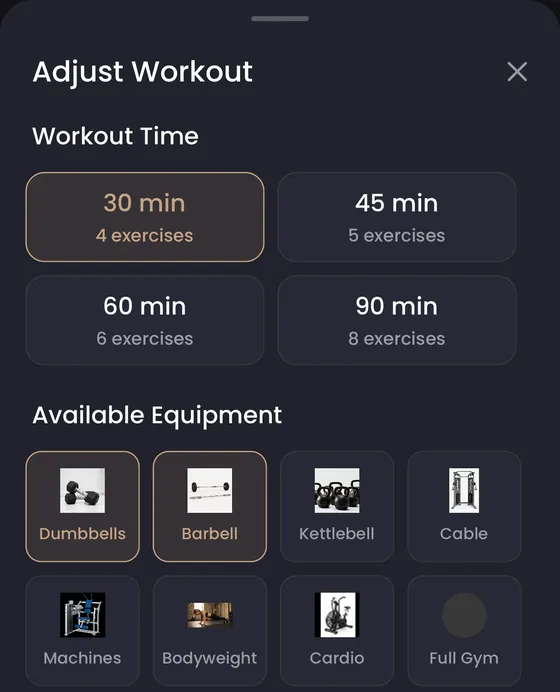
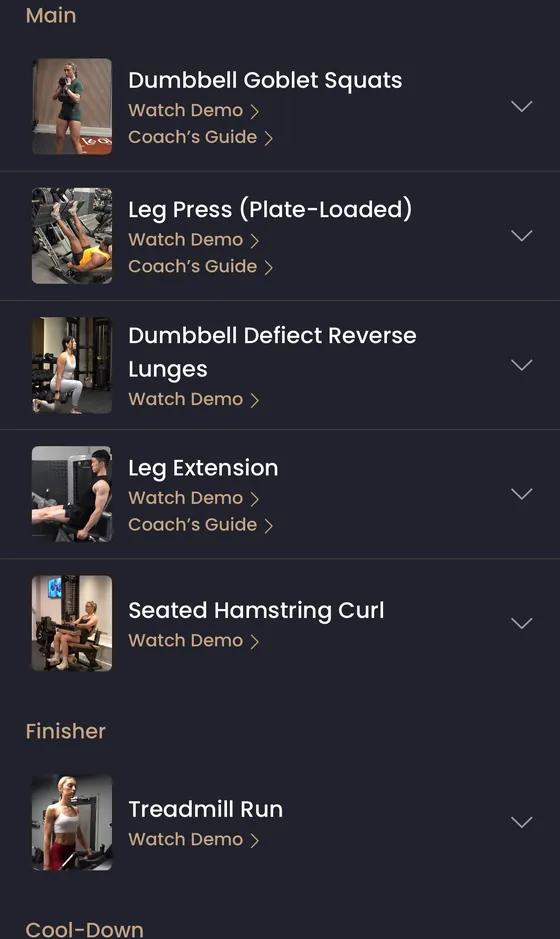
Choose 30, 45, 60 or 90 minutes and tell 12REPS what you have, from dumbbells to a full gym.
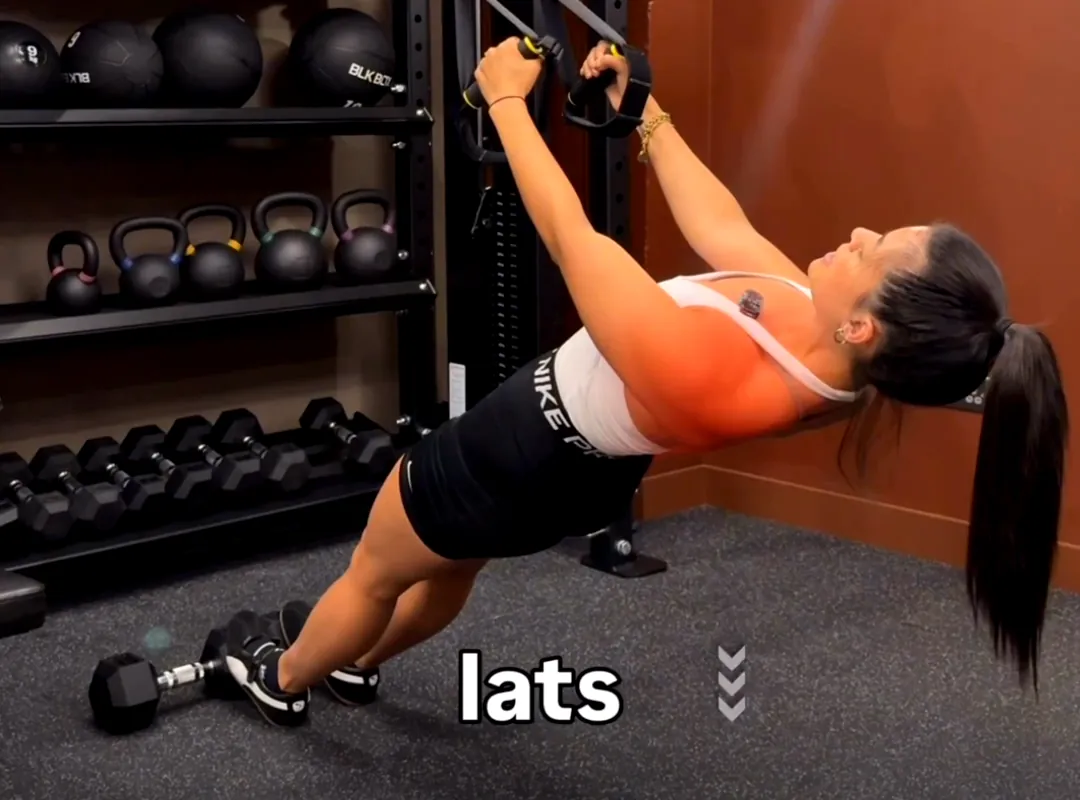
Every exercise in the app has a demonstration and technique guide from a qualified personal trainer.
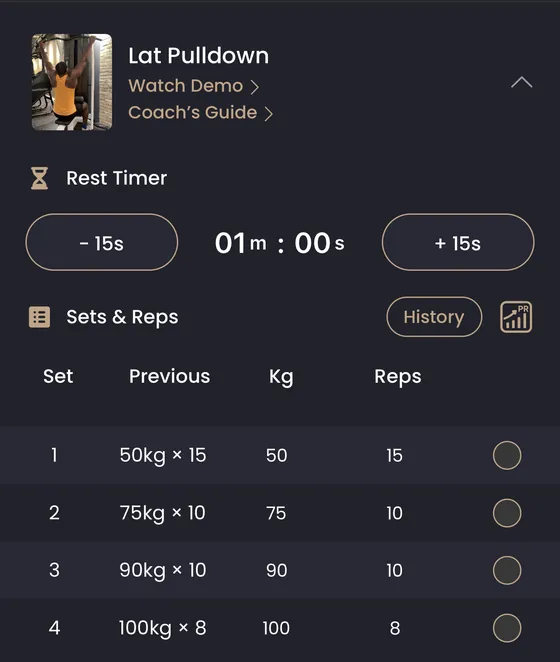
12REPS shows what you lifted last session, with a rest timer built in, so you always know your next target.
Questions
No. In a 6-week study, ab exercises five days a week made people’s abs stronger but didn’t change their belly fat or waist size (Vispute et al., 2011). To see your abs, you need to lower your overall body fat. The calorie calculator can help you set a target.
In one study, roll-outs, hanging knee raises and incline reverse crunches worked the abs and obliques harder than crunches and sit-ups (Escamilla et al., 2006). Pick one or two of these, add a side plank for your obliques, and progress them over time.
Two or three times a week works well. Your abs also work hard during heavy squats, deadlifts and presses, so you don’t need to train them every day.
Yes. The home workout above only needs a mat. When it gets easy, add reps, slow down the lowering or hold a light weight for dead bugs and reverse crunches.
Your six-pack is one muscle, so you can’t fully isolate the lower part. Moves that lift your legs and curl your pelvis, like hanging raises and reverse crunches, may shift a bit more of the work lower down. Read hanging leg raises vs knee raises.
Download 12REPS and your next workout is ready.
Written by Will Duru, BSc (Hons) Sport & Exercise Science, personal trainer and founder of 12REPS. This workout is general guidance for healthy adults. If you have an injury or a medical condition, speak to your doctor or a physiotherapist before starting.