

“ChatGPT, write me a push pull legs programme.”
Millions of people have typed similar requests into AI chatbots, hoping for a shortcut to fitness success. Within seconds, they receive a neatly formatted workout plan complete with exercises, sets, reps and rest periods. It looks professional. It seems comprehensive. It feels like progress.
Six months later, they look exactly the same.
The promise of AI-generated workout plans is seductive. Free, instant, seemingly personalised advice at your fingertips. But there is a fundamental problem: generic text responses cannot replace the systems that actually produce results.
This is not about AI being useless. It is about understanding what workout planning actually requires and why a chatbot conversation cannot provide it.
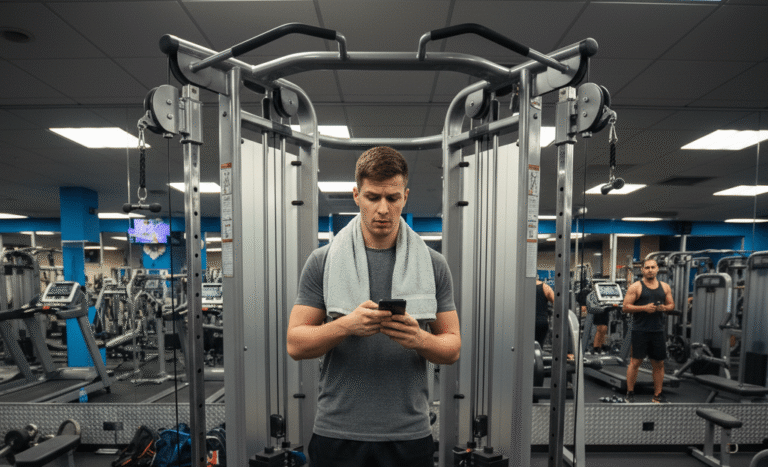
What ChatGPT Actually Gives You
When you ask ChatGPT for a workout plan, you receive a generic template based on common training structures. The AI draws from patterns in its training data to produce something that looks reasonable.
A typical response might include:
- Bench Press: 4 sets of 8 to 10 reps
- Overhead Press: 3 sets of 10 reps
- Incline Dumbbell Press: 3 sets of 12 reps
- Tricep Pushdowns: 3 sets of 15 reps
- Lateral Raises: 3 sets of 15 reps
This is not wrong, exactly. These are real exercises with sensible rep ranges. Someone could do this workout and not hurt themselves.
But will it build muscle? Will it produce the results you want? Almost certainly not, and here is why.
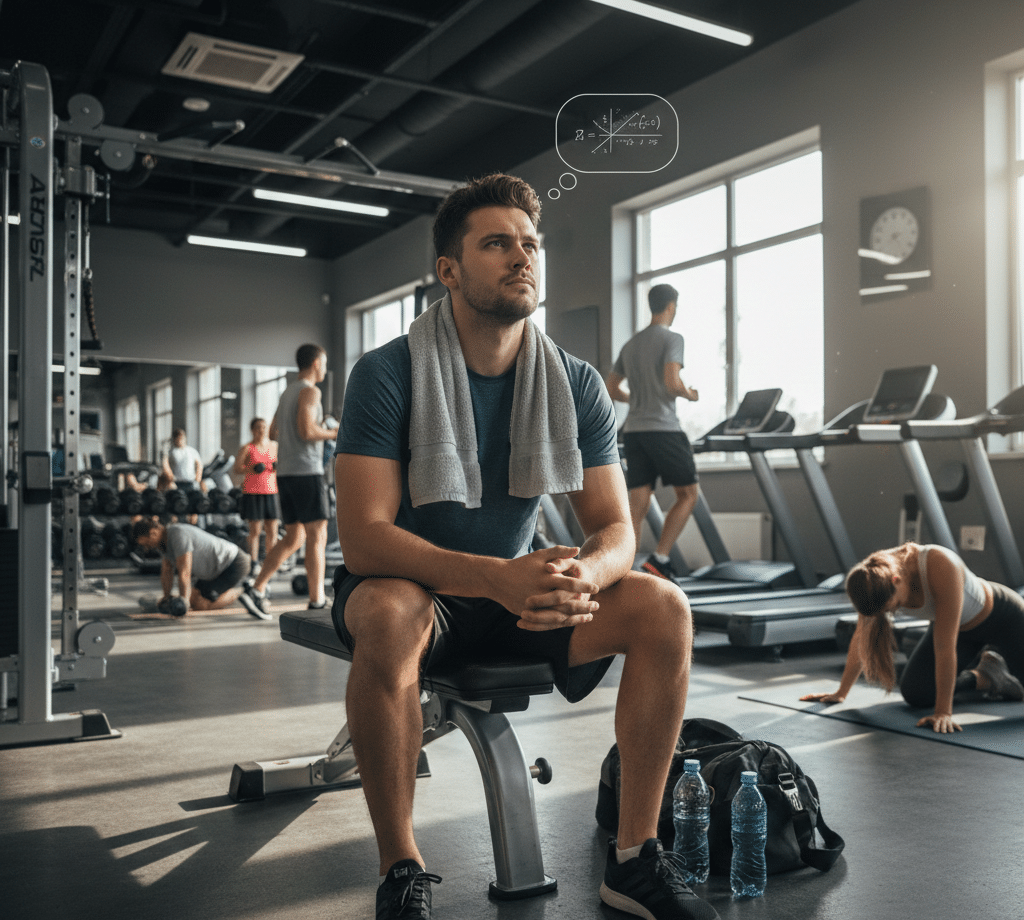
The Fatal Flaw: No Progression System
The single most important factor in long-term training results is progressive overload. Your body adapts to challenges by getting stronger. Once adapted, it needs increased challenge to continue improving.
A ChatGPT workout plan is static. It tells you what to do today but has no mechanism for what you should do next week, next month or next year. It cannot track that you benched 60 kilograms for 8 reps last Tuesday and should therefore attempt 60 kilograms for 9 reps or 62.5 kilograms for 8 reps this Tuesday.
Without this progression, you simply repeat the same workout indefinitely. Your body adapts within weeks, then stops changing because you have stopped challenging it.
I have seen this pattern repeatedly. Someone follows a ChatGPT plan religiously for months, doing exactly what the AI prescribed, and wonders why nothing has changed. The answer is simple: the plan never evolved, so neither did they.
Generic Plans Ignore Individual Differences
ChatGPT knows nothing about you beyond what you tell it in a brief prompt. It does not know:
- Your training history and current fitness level
- Your injury history and physical limitations
- What equipment you actually have access to
- Your schedule and realistic time commitment
- How you respond to different training volumes
- Your recovery capacity based on sleep, stress and nutrition
- Which exercises you can perform safely with good technique
A 25-year-old with five years of training experience needs a completely different programme than a 50-year-old beginner with a dodgy shoulder. ChatGPT gives both the same generic template, perhaps with minor adjustments if you mention specific constraints.
Real programme design requires understanding the individual. It requires knowing what has worked for you before, what has not and what your specific circumstances allow.
No Accountability or Tracking
Effective training requires consistent tracking. You need to know what you lifted last session to know what to attempt this session. You need records showing whether you are progressing, stalling or regressing.
ChatGPT generates a plan and then forgets you exist. It cannot remind you that you missed three sessions last week. It cannot show you that your squat has not increased in two months. It cannot identify patterns in your training that explain your plateaus.
The workout plan itself is perhaps 20 percent of what produces results. The other 80 percent is the system that ensures you follow it, progress appropriately and adjust when needed.
No Exercise Instruction
A ChatGPT plan lists exercises but cannot teach you how to perform them. “Barbell Back Squat: 4 sets of 6 to 8 reps” assumes you know what a proper back squat looks like, how to brace correctly, what depth to hit and how to identify and correct common errors.
For beginners especially, this gap is dangerous. Performing exercises incorrectly at best wastes time and at worst causes injury. Knowing what to do is useless without knowing how to do it.
The Illusion of Personalisation
ChatGPT can adjust its output based on your prompt. Tell it you want a home workout with dumbbells only, and it will produce something different than if you asked for a full gym programme. This feels personalised.
But this is surface-level customisation, not genuine personalisation. The AI is selecting from generic templates based on keywords in your request. It is not designing a programme specifically for your needs, capabilities and goals.
True personalisation requires ongoing relationship: understanding how you responded to previous training, what your weak points are, how your life circumstances affect your training capacity. A single conversation cannot provide this.
What Actually Works
If ChatGPT plans are inadequate, what does work? Effective training programmes share several characteristics:
Built-In Progression
Real programmes include systematic methods for increasing challenge over time. They specify not just what to do today but how to advance tomorrow. Progressive overload is programmed in, not left to chance.
Tracking Integration
Effective training requires recording what you do and referencing that history when planning future sessions. The programme and the tracking must be connected, not separate activities.
Exercise Guidance
Knowing what to do and knowing how to do it must come together. Video demonstrations, technique cues and form guidance ensure exercises are performed correctly.
Adaptability
Circumstances change. Injuries happen. Equipment availability varies. Life gets busy. Good programmes adapt to reality rather than assuming perfect conditions indefinitely.
Accountability Mechanisms
Something must ensure you actually follow through. Whether that is scheduled sessions, progress tracking, reminders or social accountability, the system must support consistency.
The 12REPS Difference
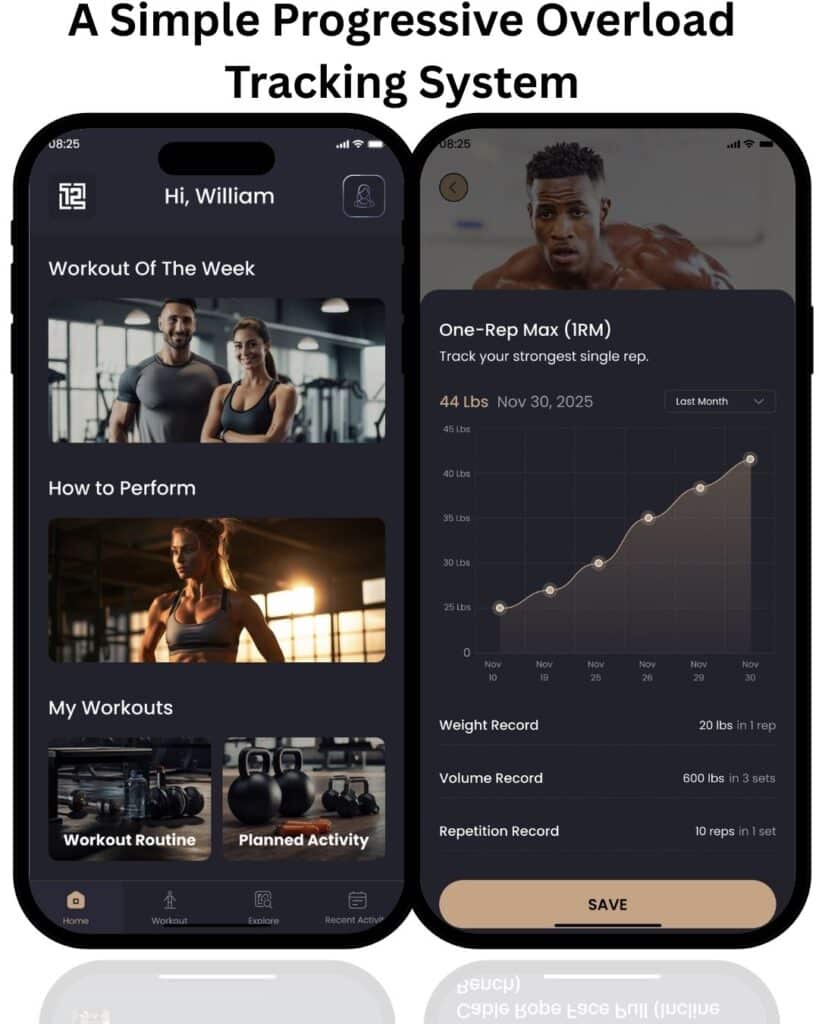
The 12REPS app was built specifically to address what ChatGPT and generic AI plans cannot provide.
Progressive Overload Built In
The app tracks every workout and shows your previous performance for each exercise. You always know what you did last time and can make informed decisions about progression. The system guides you toward appropriate increases rather than leaving you to guess.
Genuine Personalisation
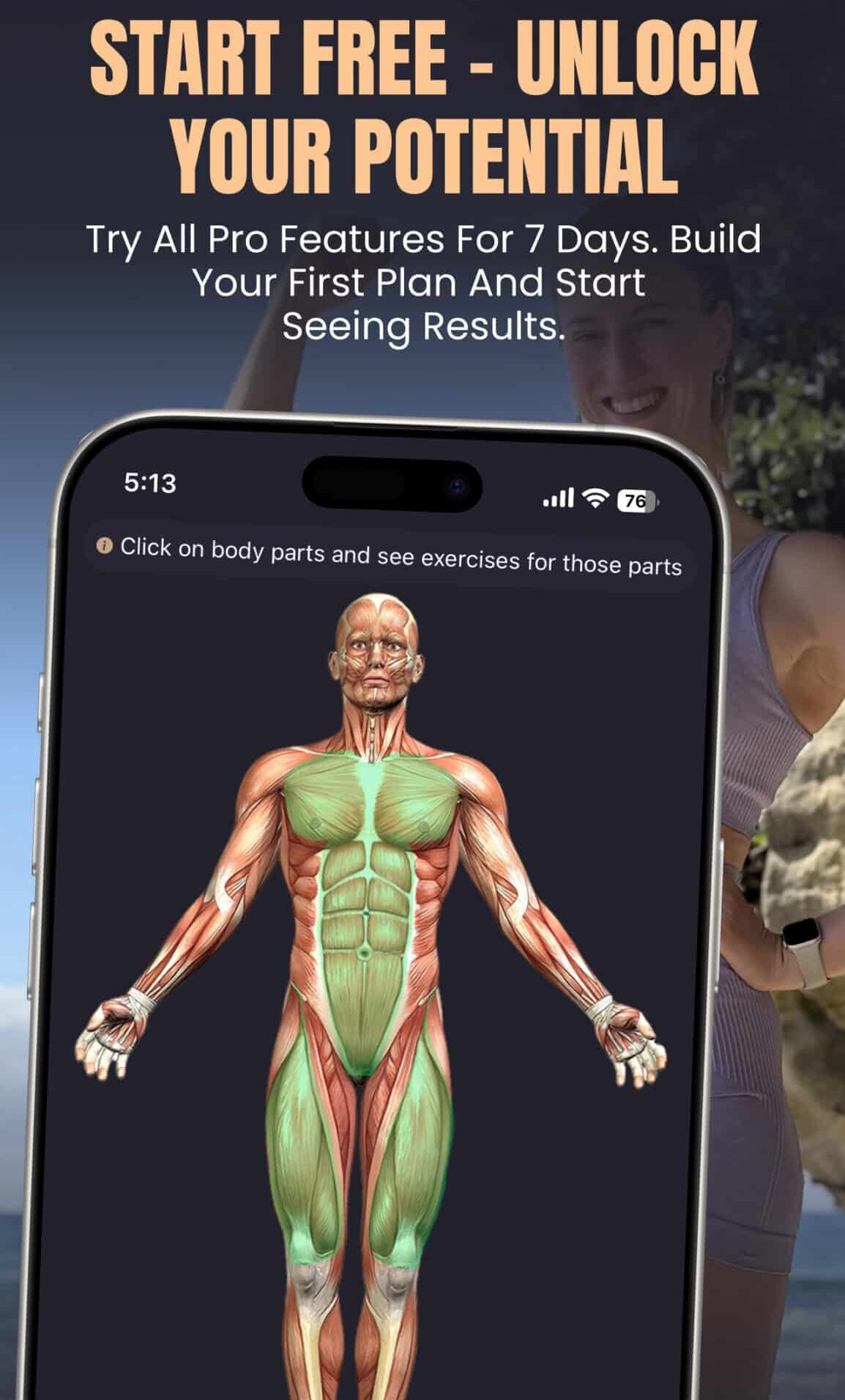
Rather than generating a generic template from a text prompt, 12REPS adapts to your actual training history. It learns what equipment you have, what exercises you perform and how you progress over time. The programme evolves with you.
Exercise Demonstrations
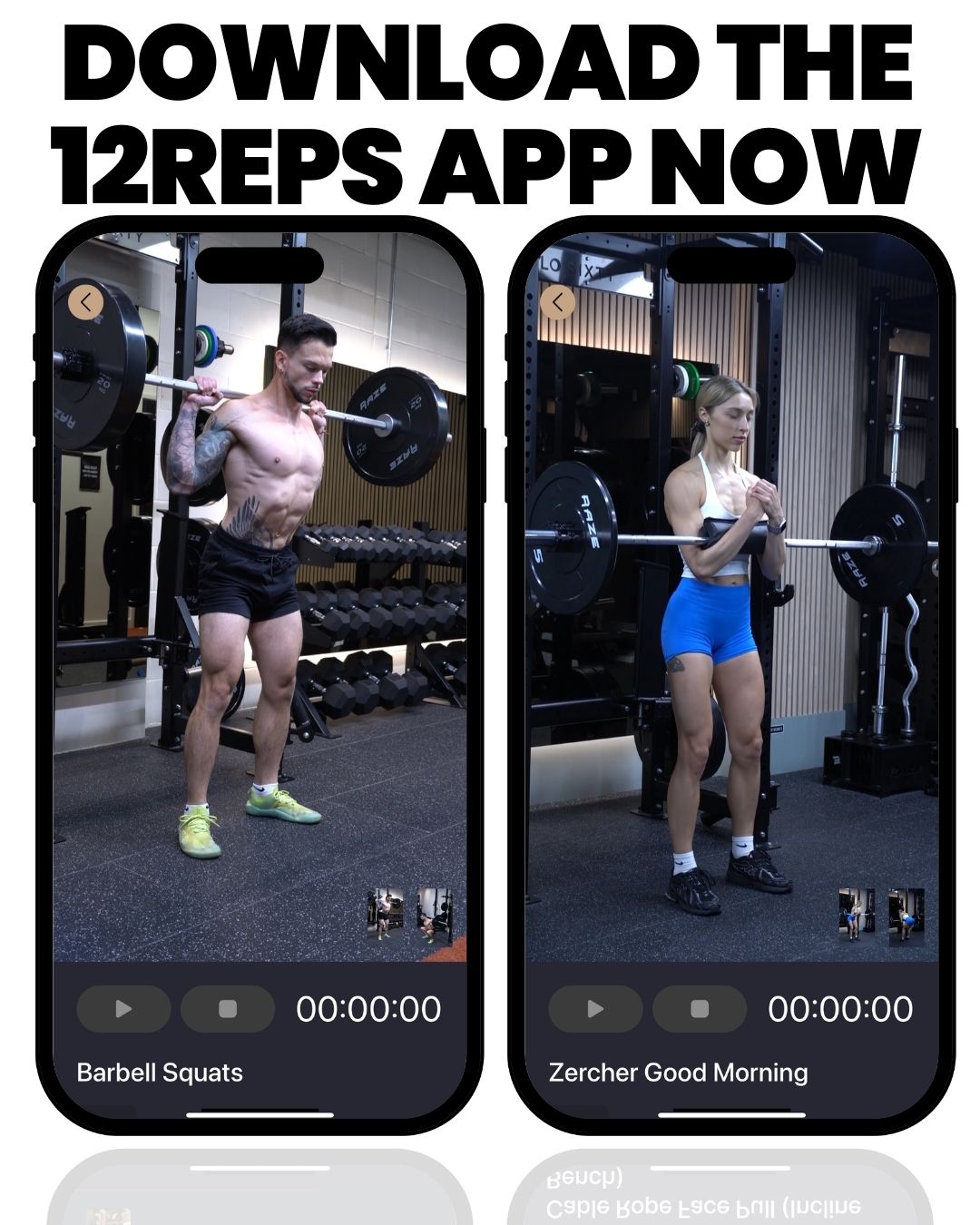
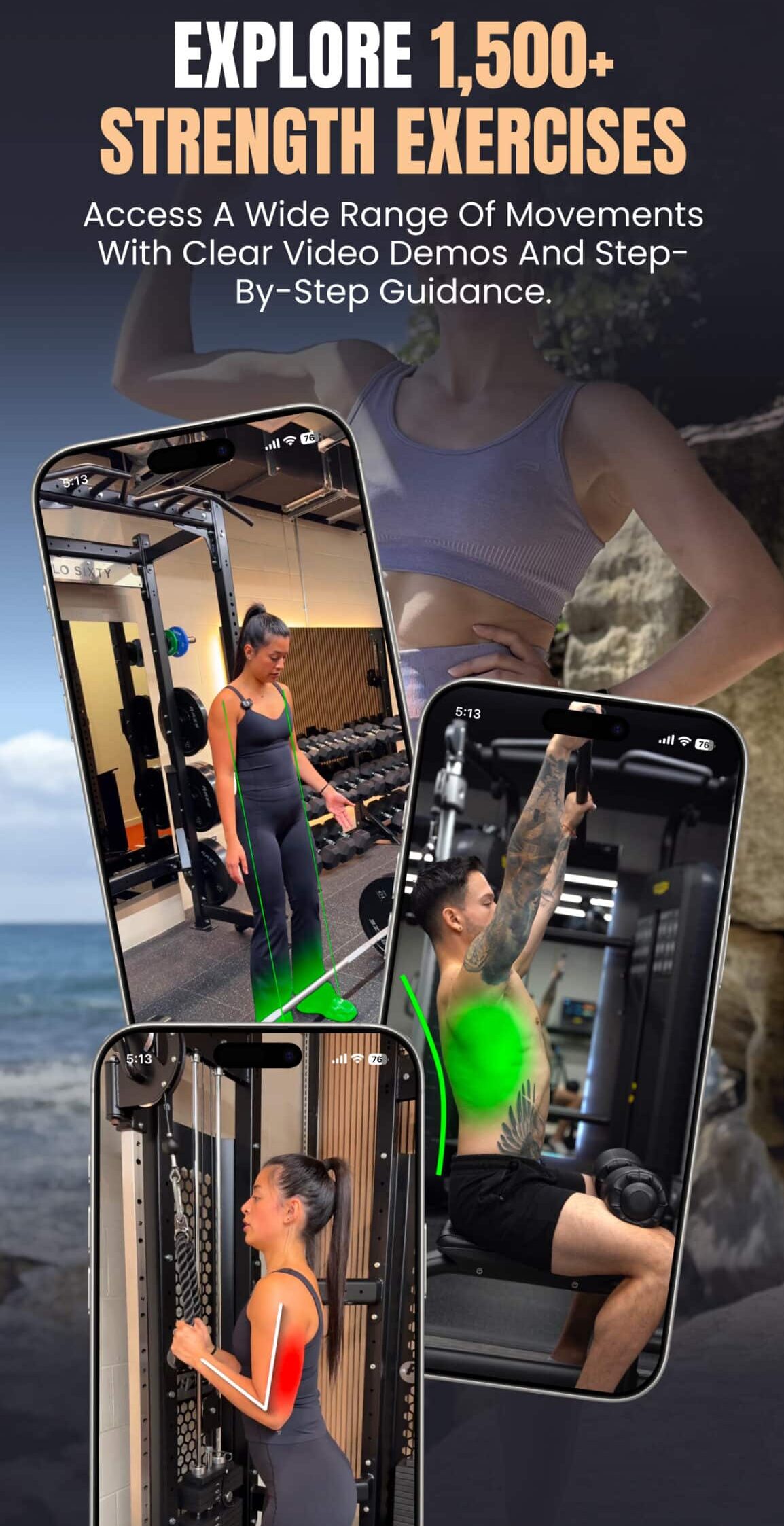
Every exercise includes video guidance from a qualified personal trainer. You see exactly how movements should be performed, not just their names on a list. Technique cues help you execute exercises safely and effectively.
Real Tracking and Accountability
The app maintains your complete training history. You can see progress over weeks, months and years. Missed sessions are visible. Patterns in your training become clear. This data informs adjustments and keeps you accountable.
Human Expertise Behind the System
12REPS programmes are designed by qualified personal trainers with real experience helping real people achieve results. The app delivers this expertise systematically rather than through generic AI text generation.
The Real Cost of Free Plans
ChatGPT workout plans cost nothing financially. But the true cost is measured in wasted time and effort.
Six months of following a static plan that produces no results costs six months of your training life. The workouts took time and energy. The hope invested in the approach was real. But without the systems that produce adaptation, it was largely wasted effort.
That time could have been spent following a programme that actually progresses, actually tracks and actually adapts to your development. The financial cost of proper tools is trivial compared to months or years of ineffective training.
A Client Who Learned the Hard Way
James came to me after 18 months of ChatGPT-planned training. He had asked the AI for a programme, followed it diligently and seen initial results in the first two months. Then progress stopped completely.
For the next 16 months, he did essentially the same workouts. The AI had no mechanism to tell him that his bench press had stalled at 70 kilograms for over a year. It could not identify that his volume was insufficient for continued growth. It simply repeated the same generic plan every time he asked.
When we looked at his situation properly, the problems were obvious. No progression tracking. No volume adjustments. No exercise substitutions when movements stalled. He had been running on a treadmill, putting in effort but going nowhere.
Within three months of structured training with actual progression systems, his bench press broke through 70 kilograms and reached 82.5 kilograms. His physique, unchanged for over a year, began developing again.
“I thought I was being smart using free AI,” he told me. “I was actually being foolish. I saved money on a personal trainer and wasted over a year of my life.”
Questions to Ask About Any Programme
Before following any workout plan, whether from ChatGPT, a fitness website, a social media influencer or anywhere else, ask:
- Does it include progression? How does the plan evolve over weeks and months?
- Does it track my performance? How will I know what I did last session?
- Does it show me how to perform exercises? Where is the technique guidance?
- Does it adapt to my feedback? What happens when something is not working?
- Is there accountability? What ensures I actually follow through?
If the answer to these questions is “no” or “I have to figure that out myself,” the plan is incomplete. It might be a starting point, but it is not a system for results.
The Bottom Line
ChatGPT can write you a workout plan in seconds. That plan will look reasonable. Following it will feel like you are doing something productive.
But appearance is not reality. A list of exercises is not a training programme. Without progression, tracking, guidance and adaptation, you are just going through motions without the systems that produce change.
The 12REPS app exists because real results require real systems. It provides the progression ChatGPT cannot, the tracking AI conversations cannot maintain and the expertise generic text generation cannot match.
Your training time is valuable. Your goals deserve more than a generic template that worked for nobody in particular. Invest in systems that actually work, and watch the difference proper programming makes.
Stop asking chatbots to plan your workouts. Start using tools designed to produce results.
Related Articles on just12reps.com
| Article | Description | Link |
|---|---|---|
| Progressive Overload Guide | The principle ChatGPT plans always miss. | Read Article |
| Why You’re Not Seeing Results | Common training mistakes including programme issues. | Read Article |
| Complete Beginner’s Guide to Strength Training | A properly structured starting programme. | Read Article |
| How to Choose the Right Weight | Guidance that generic plans cannot provide. | Read Article |
| Best Workout Planner and Tracker | Why tracking matters for results. | Read Article |
References
[1] Peterson, M.D. et al. (2004). Maximizing strength development in athletes: a meta-analysis to determine the dose-response relationship. Journal of Strength and Conditioning Research. https://journals.lww.com/nsca-jscr/pages/default.aspx
[2] Kiely, J. (2012). Periodization paradigms in the 21st century: evidence-led or tradition-driven? International Journal of Sports Physiology and Performance. https://journals.humankinetics.com/view/journals/ijspp/ijspp-overview.xml
[3] Schoenfeld, B.J. et al. (2017). Dose-response relationship between weekly resistance training volume and increases in muscle mass. Journal of Sports Sciences. https://www.tandfonline.com/toc/rjsp20/current
[4] Buckner, S.L. et al. (2017). The general adaptation syndrome: reassessing a classic for the 21st century. Strength and Conditioning Journal. https://journals.lww.com/nsca-scj/pages/default.aspx
[5] Mann, T.N. et al. (2010). Methods of prescribing relative exercise intensity: physiological and practical considerations. Sports Medicine. https://link.springer.com/journal/40279
About the Author: Will Duru holds a BSc (Hons) in Sport and Exercise Science and is an award-winning personal trainer with over 10 years of experience creating programmes that actually produce results. He is the creator of the 12REPS app, built to provide the systematic training guidance that generic AI cannot match.