




You finish your workout. You rush home. You frantically prepare a protein shake. You drink it whilst simultaneously cooking chicken and rice. Your watch shows 47 minutes post-workout. You’re still within the “anabolic window.” Success.
Except you’ve just created unnecessary stress around something that probably doesn’t matter as much as you think.
Here’s what usually happens: you read that you must consume protein within 30-60 minutes post-workout to maximise muscle growth. So you meticulously plan your entire day around workout timing. You bring protein shakes to the gym. You eat breakfast at specific times. You set phone alarms for meals.
Six months later, you’re stressed about meal timing whilst your total daily protein intake is inconsistent, and you’re not seeing the progress you expected.
The problem isn’t that meal timing is completely irrelevant—it’s that most women prioritise it above fundamentals that matter far more.
I’m Will Duru, a personal trainer with over 10 years’ experience in London. I’ve coached hundreds of women through proper nutrition for strength training, and the most common mistake I see is obsessing over meal timing whilst neglecting total daily intake.
This guide explains what meal timing actually matters (and what doesn’t), what the research really shows about the “anabolic window,” when meal timing becomes relevant for your training goals, and how to structure meals without creating unnecessary stress or rigidity.
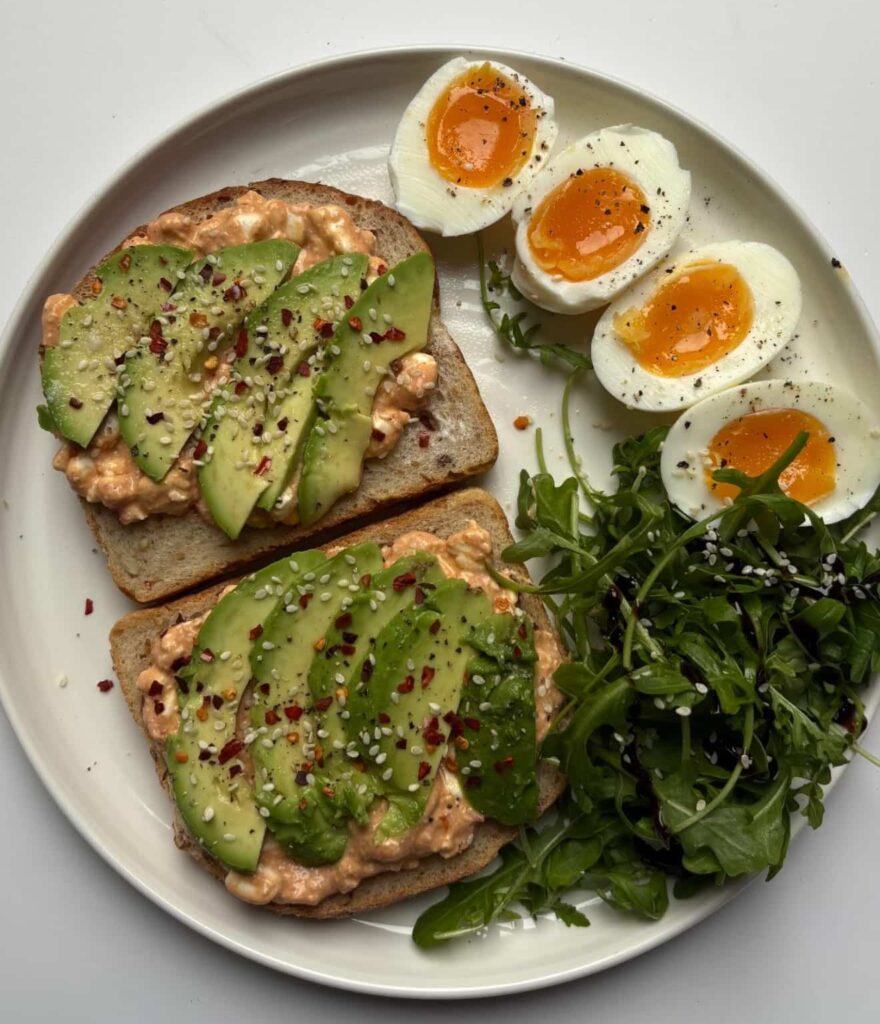
The Hierarchy of Nutritional Priorities
Before discussing meal timing, understand where it sits in the hierarchy of nutritional importance:
Tier 1 (Essentials): 80% of results
- Total daily calories (surplus for muscle gain, deficit for fat loss, maintenance for recomp)
- Total daily protein (1.8-2.2g/kg bodyweight)
- Consistency over time (hitting targets 6-7 days weekly for months)
Tier 2 (Important): 15% of results 4. Total daily carbohydrates (adequate for training performance) 5. Total daily fats (minimum 0.5g/kg for hormonal health) 6. Food quality (whole foods, micronutrients, fibre)
Tier 3 (Optimisation): 5% of results 7. Protein distribution across meals 8. Pre/post-workout nutrition timing 9. Meal frequency 10. Specific nutrient timing strategies
The critical insight: If your total daily protein is 120g when you need 140g, meal timing is irrelevant. If you’re eating 1,800 calories daily when you need 2,200 to build muscle, it doesn’t matter when those calories are consumed—you won’t gain muscle.
Fix the foundation first. Only optimise meal timing after you’ve consistently hit total daily targets for 8-12 weeks.

The "Anabolic Window": What Research Actually Shows
The Original Theory
The anabolic window theory suggested a 30-60 minute post-workout period during which protein consumption dramatically enhanced muscle growth. Miss this window, supposedly, and you’d compromise your gains.
Where this came from:
- Early research on glycogen replenishment after endurance exercise
- Studies on elite athletes training multiple times daily
- Supplement industry marketing
The problem: This research doesn’t apply to most people doing standard strength training.
What Recent Research Actually Shows
2013 meta-analysis by Schoenfeld et al.: Reviewed 23 studies on protein timing and muscle growth. Conclusion:Total daily protein intake was far more important than timing. When total protein was matched, consuming protein immediately post-workout vs several hours later made no significant difference to muscle or strength gains.
2017 study on postmenopausal women: Compared protein consumption before vs after resistance training over 12 weeks. Result: No difference in lean mass, muscular strength, or functional capacity between groups. Timing didn’t matter when total daily protein was adequate.
2020 study on acute muscle protein breakdown: Examined eating before vs after resistance exercise. Result: Both approaches effectively suppressed muscle protein breakdown. Whether you ate before or after training didn’t significantly impact anabolic response.
The Real “Anabolic Window”
It’s not 30-60 minutes—it’s 24-48 hours.
After strength training, muscle protein synthesis remains elevated for 24-48 hours (longer in beginners). As long as you consume adequate protein within this extended timeframe, you’ll maximise muscle growth.
Translation: If you train Monday at 6pm and don’t consume protein until Tuesday morning (15 hours later), you’re still within the anabolic window. Obviously not optimal, but not catastrophic either.
When the Anabolic Window Actually Matters
1. Training multiple times daily: Elite athletes training 2-3x daily need faster recovery between sessions. Immediate post-workout nutrition becomes relevant.
2. Training fasted: If you train completely fasted (no food for 10+ hours pre-workout), consuming protein soon after (within 1-2 hours) becomes more important.
3. Very long sessions (90+ minutes): Extended training depletes glycogen significantly. Post-workout carbohydrates become more time-sensitive.
For most women training 45-75 minutes, once daily: The traditional anabolic window is not a critical concern.
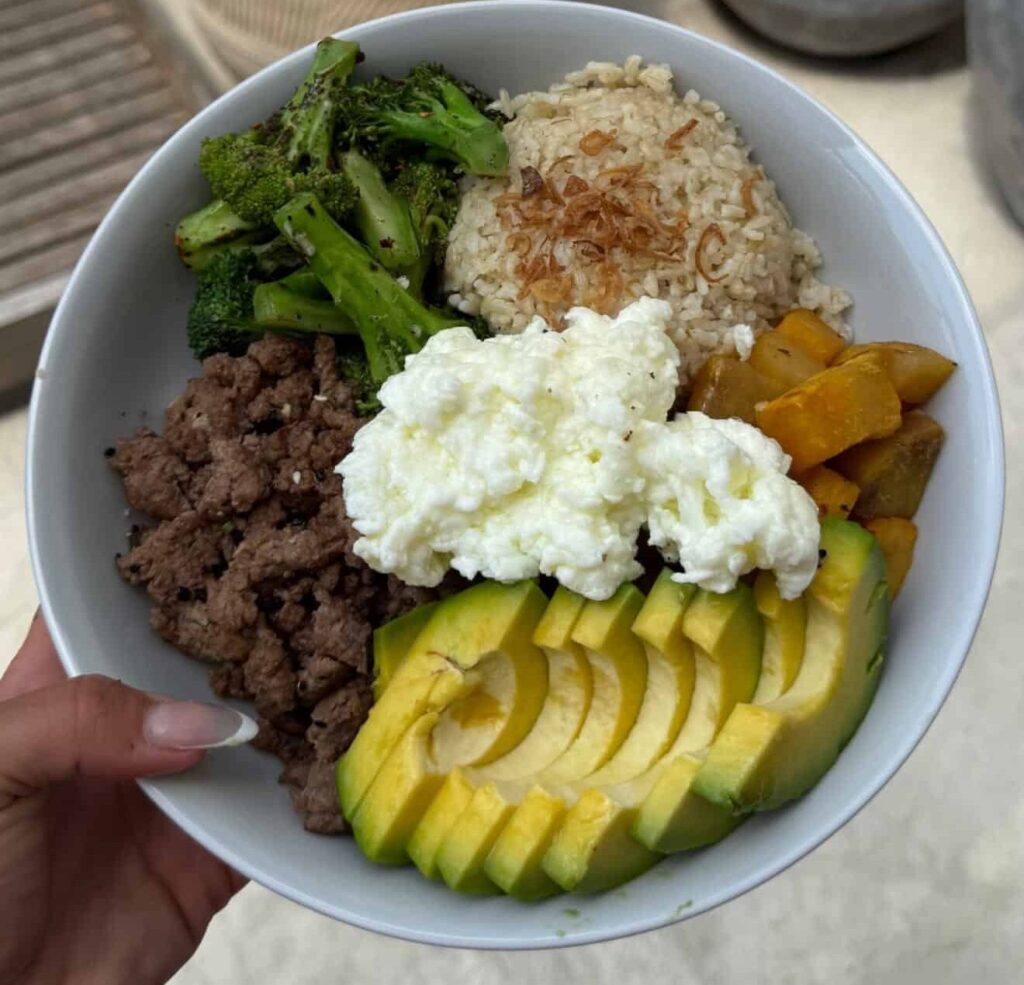
What Meal Timing Actually Matters
Whilst the post-workout window is overstated, some aspects of meal timing do impact training and results.
1. Protein Distribution Across the Day
What matters: Spreading protein relatively evenly across 3-5 meals, rather than consuming most protein in 1-2 large servings.
Why it matters:
- Muscle protein synthesis is maximised by consuming 20-40g protein per meal
- Each protein feeding stimulates muscle protein synthesis for 3-5 hours
- Consuming 90g protein in one meal doesn’t provide 90g worth of benefit—excess is oxidised or stored as fat
Research: Studies show distributing protein across 3-4 meals produces superior muscle growth compared to front-loading or back-loading daily protein.
Practical application (60kg woman needing 120g daily protein):
Not optimal (clustered):
- Breakfast: 10g protein (cereal)
- Lunch: 30g protein (chicken salad)
- Dinner: 80g protein (large steak, eggs)
- Result: Two meals stimulate muscle protein synthesis, one is “wasted”
Better (distributed):
- Breakfast: 30g protein (eggs, Greek yoghurt)
- Lunch: 30g protein (chicken, quinoa)
- Snack: 20g protein (protein shake or nuts)
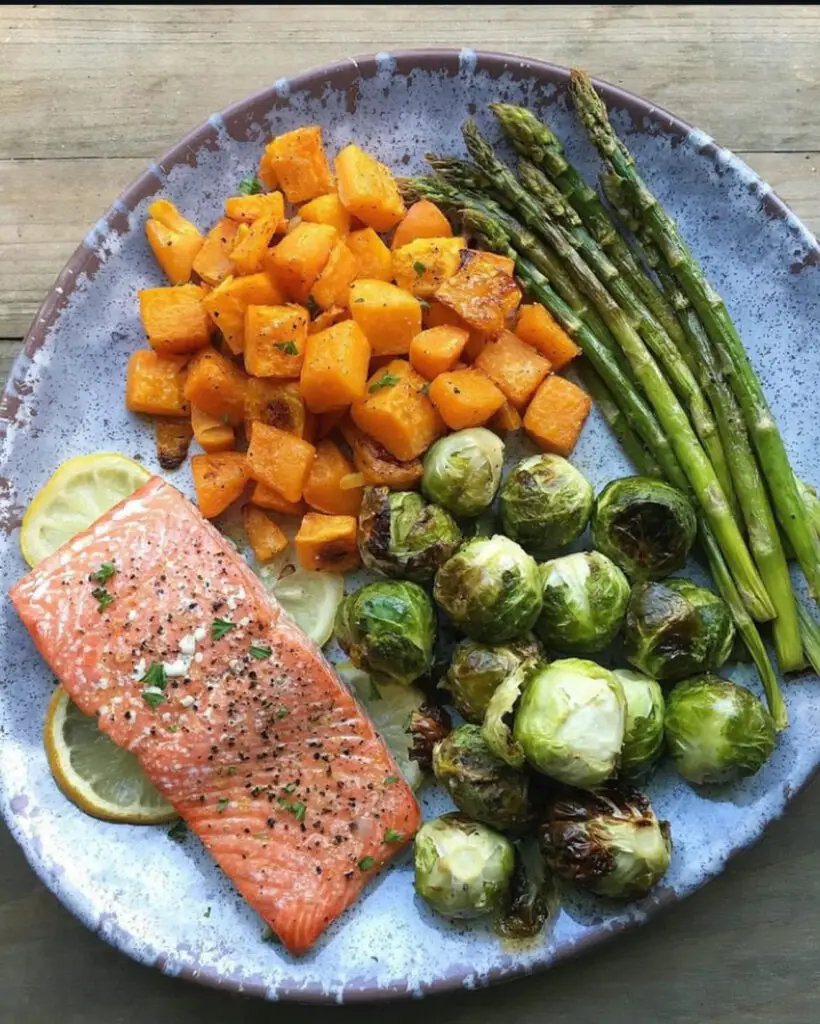
- Dinner: 40g protein (salmon, lentils)
- Result: Four separate muscle protein synthesis stimulations throughout day
How much difference does this make? Probably 5-10% better muscle growth over 12 months. Not enormous, but worthwhile if you’re already hitting total daily protein consistently.
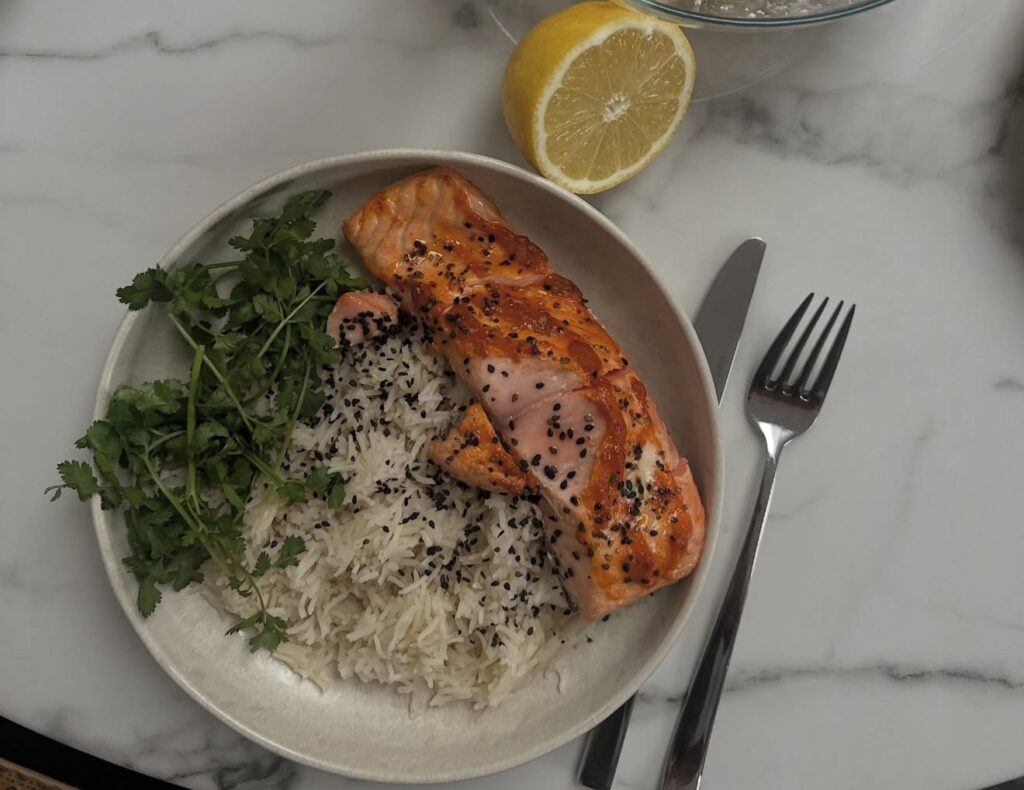
2. Pre-Workout Nutrition (Energy Availability)
What matters: Having adequate energy available for your training session to perform at your best.
Why it matters:
- Low blood sugar during training reduces performance (fewer reps, less weight, compromised form)
- Training on completely empty stomach (10+ hours fasted) impairs strength output
- Adequate pre-workout nutrition allows you to train harder, generating better stimulus for muscle growth
Research: Studies consistently show performance benefits from pre-workout carbohydrate consumption, particularly for sessions >60 minutes or high-intensity work.
Practical timing:
3-4 hours pre-workout (large meal):
- 3-4g/kg carbohydrates
- 20-30g protein
- Moderate fat acceptable
- Example for 60kg woman: 180-240g carbs, 20-30g protein
- Meals: Normal lunch or dinner
1-2 hours pre-workout (small meal):
- 1-2g/kg carbohydrates
- 15-20g protein
- Minimal fat (slows digestion)
- Example for 60kg woman: 60-120g carbs, 15-20g protein
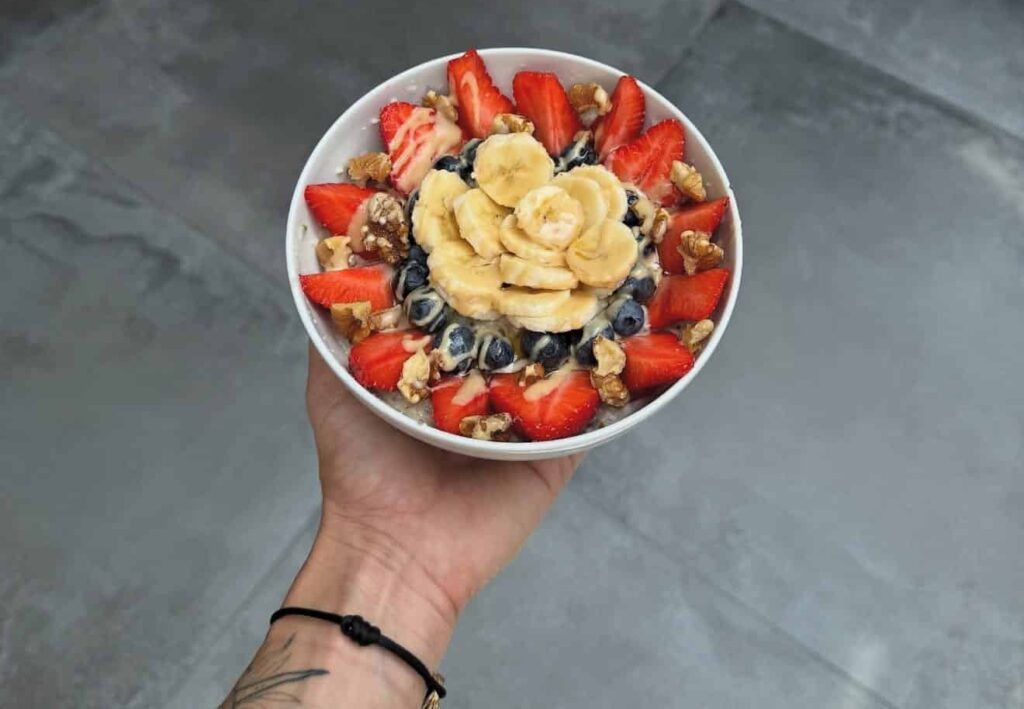
- Meals: Toast with peanut butter, banana with yoghurt, oats with berries
30-60 minutes pre-workout (snack):
- 0.5-1g/kg carbohydrates
- Minimal protein/fat
- Example for 60kg woman: 30-60g carbs
- Snacks: Banana, energy bar, dried fruit, small smoothie
Can you train completely fasted? Yes, particularly for fat loss goals or if training early morning. But expect 5-10% reduced performance compared to fed training. This trade-off may be worthwhile for schedule convenience.
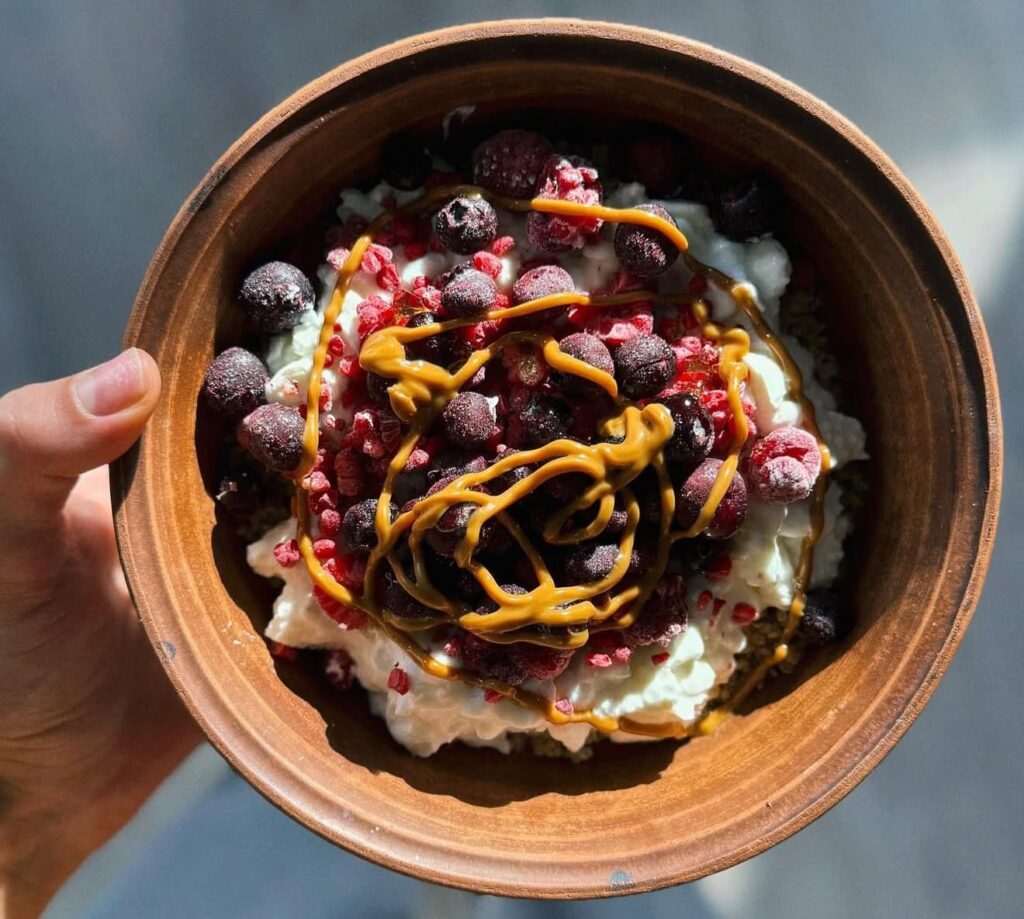
3. Post-Workout Nutrition (Recovery Optimisation)
What matters: Consuming adequate protein and carbohydrates within 2-4 hours post-workout (not necessarily immediately).
Why it matters:
- Replenishes glycogen used during training
- Provides amino acids for muscle protein synthesis
- Reduces muscle protein breakdown
The relaxed timeframe: If you’ve eaten adequately 2-3 hours before training, you have approximately 3-4 hours after training before post-workout nutrition becomes time-sensitive.
Example:
- Train 6pm after eating lunch at 1pm
- You have until approximately 9-10pm to consume post-workout meal
- No need to rush home for immediate shake
Practical recommendations:
If you train in the morning (fasted or light breakfast):
- Consume 20-40g protein + 40-80g carbohydrates within 1-2 hours
- This becomes your breakfast or mid-morning snack
If you train midday (after eating breakfast):
- Consume normal lunch within 1-2 hours
- Ensure lunch contains 20-40g protein + adequate carbs
If you train evening (after eating lunch/snacks):
- Consume normal dinner within 2-3 hours
- Alternatively, protein shake immediately post-workout, dinner later
The key: Don’t stress about consuming nutrition within 30 minutes unless you’re training again within 8 hours.
4. Evening Meals and Sleep
The myth: Eating before bed causes fat gain because food is stored overnight rather than used for energy.
The reality: Total daily calories determine fat gain, not timing. Eating before bed doesn’t cause extra fat storage if you’re within your calorie target.
What actually matters: Getting adequate nutrition to support overnight recovery.
Benefits of pre-bed protein:
- Muscle protein synthesis continues overnight
- Slow-digesting protein (casein, solid food) provides sustained amino acid delivery
- Prevents catabolism during 8-10 hour overnight fast
Research: Studies show consuming 30-40g protein before bed enhances overnight muscle protein synthesis without causing fat gain.
Practical application:
- Greek yoghurt (20g protein)
- Cottage cheese (25g protein)
- Protein shake with milk (30g protein)
- Small meal with lean protein
When not to eat before bed: If it disrupts your sleep quality or causes digestive discomfort. Sleep quality matters more than meal timing.
Meal Frequency: How Many Meals Per Day?
The outdated recommendation: Eat 6-8 small meals daily to “stoke the metabolic fire” and maximise muscle growth.
The modern understanding: Meal frequency doesn’t significantly impact metabolism or muscle growth when total calories and protein are matched.
What Research Shows
Studies comparing 3 meals vs 6 meals daily: When total calories and macronutrients are identical, no significant difference in muscle growth, fat loss, or metabolic rate.
Why the old advice persisted:
- Frequent eating slightly elevates metabolism temporarily (thermic effect of food)
- BUT: Total daily thermic effect is the same whether you eat 3 large meals or 6 small meals
- More meals ≠ faster metabolism
Practical Meal Frequency Recommendations
Choose based on personal preference, schedule, and satiety:
3 meals daily:
✅ Suits: Women with unpredictable schedules, those who prefer larger meals, intermittent fasting enthusiasts
✅ Works well: When total protein is distributed adequately (30-50g per meal for 120-150g daily target)
✅ Potential downside: Harder to hit high protein targets (120g+ daily) in only 3 meals
4 meals daily:
✅ Suits: Most women as balanced, flexible approach
✅ Works well: Allows good protein distribution (25-35g per meal for 100-140g daily)
✅ Structure: Breakfast, lunch, snack, dinner
5-6 meals daily:
✅ Suits: Women with very high calorie/protein requirements, those bulking, those who prefer frequent small meals
✅ Works well: Easily distributes protein (20-30g per meal for 120-180g daily)
✅ Potential downside: Time-consuming, requires planning, frequent meal preparation
My recommendation for most women: 4 meals daily (3 main meals + 1 snack) provides the best balance of protein distribution, schedule flexibility, and adherence.
Practical Meal Timing Strategies by Training Schedule
Morning Training (6-8am)
Option A: Train completely fasted
- Wake up → Train immediately → Post-workout meal within 1 hour
- Pros: Time-efficient, suits early risers, no pre-workout digestion concerns
- Cons: Reduced performance (5-10%), not optimal for heavy lifting days
Option B: Light pre-workout snack
- Wake up → Small snack (banana, toast) → Wait 20-30 minutes → Train → Full breakfast within 1 hour
- Pros: Better performance than fasted, still time-efficient
- Cons: Requires waking earlier
Sample daily structure (Option B):
- 6:30am: Banana (30g carbs)
- 7:00am: Train
- 8:00am: Breakfast (30g protein, 60g carbs)
- 12:30pm: Lunch (30g protein)
- 4:00pm: Snack (20g protein)
- 7:30pm: Dinner (30g protein)
Lunchtime Training (12-2pm)
Standard approach:
- Breakfast 3-4 hours before training → Train → Lunch 1-2 hours post-workout
Sample daily structure:
- 7:30am: Breakfast (30g protein, 60g carbs)
- 12:30pm: Train
- 2:00pm: Lunch (35g protein, 70g carbs)
- 5:00pm: Snack (20g protein)
- 8:00pm: Dinner (30g protein)
Advantage: Most people have eaten breakfast, so energy availability is good. Post-workout meal naturally aligns with lunch.
Evening Training (5-8pm)
Standard approach:
- Normal breakfast and lunch → Possible pre-workout snack → Train → Dinner within 2-3 hours
Sample daily structure:
- 7:30am: Breakfast (30g protein)
- 12:30pm: Lunch (30g protein)
- 5:00pm: Pre-workout snack (banana, energy bar)
- 6:00pm: Train
- 8:00pm: Dinner (40g protein, 80g carbs)
Challenge: Late dinner may disrupt sleep for some women. Alternative: protein shake immediately post-workout (20-30g), lighter dinner later (20g protein).
Late Night Training (8-10pm)
Approach:
- Normal meals throughout day → Train → Light post-workout meal/shake
Sample daily structure:
- 7:30am: Breakfast (30g protein)
- 12:30pm: Lunch (30g protein)
- 4:30pm: Pre-workout meal (30g protein, 60g carbs)
- 8:30pm: Train
- 10:00pm: Protein shake or light meal (30g protein)
Consideration: Prioritise sleep quality over perfect nutrition timing. If eating at 10pm disrupts sleep, have protein shake only.
Meal Timing Strategies for Specific Goals
Building Muscle (Calorie Surplus)
Priority: Eating enough total calories and protein. Timing is secondary.
Challenges: Eating 2,200-2,600+ calories daily requires planning.
Strategies:
- Space meals 3-4 hours apart to maintain appetite
- Include calorie-dense foods (nuts, avocado, oils, whole milk)
- Don’t skip meals—you need every feeding opportunity
- Consider liquid calories (smoothies, milk) if appetite is limiting factor
Sample meal timing:
- 3-4 substantial meals daily
- 1-2 snacks
- Optional: pre-bed protein shake (adds 200-300 calories)
Losing Fat (Calorie Deficit)
Priority: Maintaining satiety whilst eating fewer calories. Timing becomes more relevant for hunger management.
Strategies:
- Larger, more satisfying meals rather than frequent small meals (better satiety)
- Protein at every meal (most satiating macronutrient)
- Save majority of carbs for around training (performance + satiety when needed most)
- Possibly skip breakfast or practice intermittent fasting if it helps adherence
Sample meal timing (intermittent fasting approach):
- Skip breakfast (or just black coffee)
- 12:30pm: First meal – substantial (40g protein)
- 4:00pm: Snack
- 6:00pm: Train
- 8:00pm: Dinner – large (40g protein, most daily carbs)
Why this works for some: Skipping breakfast allows larger, more satisfying lunch and dinner whilst staying in calorie deficit.
Maintaining / Recomposition (Maintenance Calories)
Priority: Consistency with protein intake. Total calories stay stable.
Strategies:
- Establish routine meal schedule you can maintain long-term
- Flexible approach—don’t stress if individual meals shift by 1-2 hours
- Ensure adequate protein around training
- Focus on habit formation rather than perfect timing
Common Meal Timing Questions
“Should I eat carbs before or after training?”
Both are beneficial, but post-workout carbs may be slightly more important.
Pre-workout carbs: Fuel performance during session Post-workout carbs: Replenish glycogen, enhance recovery
If choosing: Prioritise post-workout carbs for recovery. You can train with moderate pre-workout carbs (or fasted if necessary), but inadequate post-workout carbs impairs recovery.
Optimal: Carbs both before and after training.
“Will I lose muscle if I don’t eat immediately after training?”
No. Muscle loss requires prolonged inadequate nutrition (weeks of insufficient protein/calories), not missing an immediate post-workout meal.
What happens if you delay post-workout nutrition:
- Muscle protein synthesis isn’t maximised immediately
- BUT: It will be maximised when you do eat (within 24-48 hour window)
- Recovery may be slightly delayed but not prevented
Analogy: Missing the immediate post-workout window is like earning interest daily vs weekly. You’ll still earn the interest—just not as quickly.
“Is intermittent fasting bad for muscle growth?”
No—IF you consume adequate total daily protein and calories.
Research: Studies comparing intermittent fasting (16:8) vs normal eating patterns show no difference in muscle growth when total protein and calories are matched.
Challenges with intermittent fasting for muscle gain:
- Eating 2,200-2,600+ calories in 8-hour window can be difficult
- Achieving 120-140g protein in 2-3 meals requires large protein servings
- Some women struggle with large meals
When intermittent fasting works well:
- Fat loss goals (calorie deficit easier to maintain)
- Maintenance / recomposition
- Personal preference for larger, less frequent meals
When it may not work well:
- Significant muscle gain (calorie surplus difficult to achieve)
- Women who train early morning (extended fast before training)
“Does eating before bed cause fat gain?”
No. Fat gain is determined by total daily calorie surplus, not timing of those calories.
Research: Studies show no difference in fat gain between eating calories earlier in day vs evening when total calories are matched.
The myth persists because: People who eat large evening meals often exceed their daily calorie target, causing fat gain—but the issue is too many total calories, not the timing.
Exception: If eating before bed disrupts your sleep (acid reflux, discomfort, frequent urination), avoid it. Sleep quality matters more than meal timing.
How 12REPS Handles Nutrition
Understanding meal timing principles is one thing. Actually coordinating nutrition with your training schedule, total calorie targets, and protein distribution requirements is another challenge entirely.
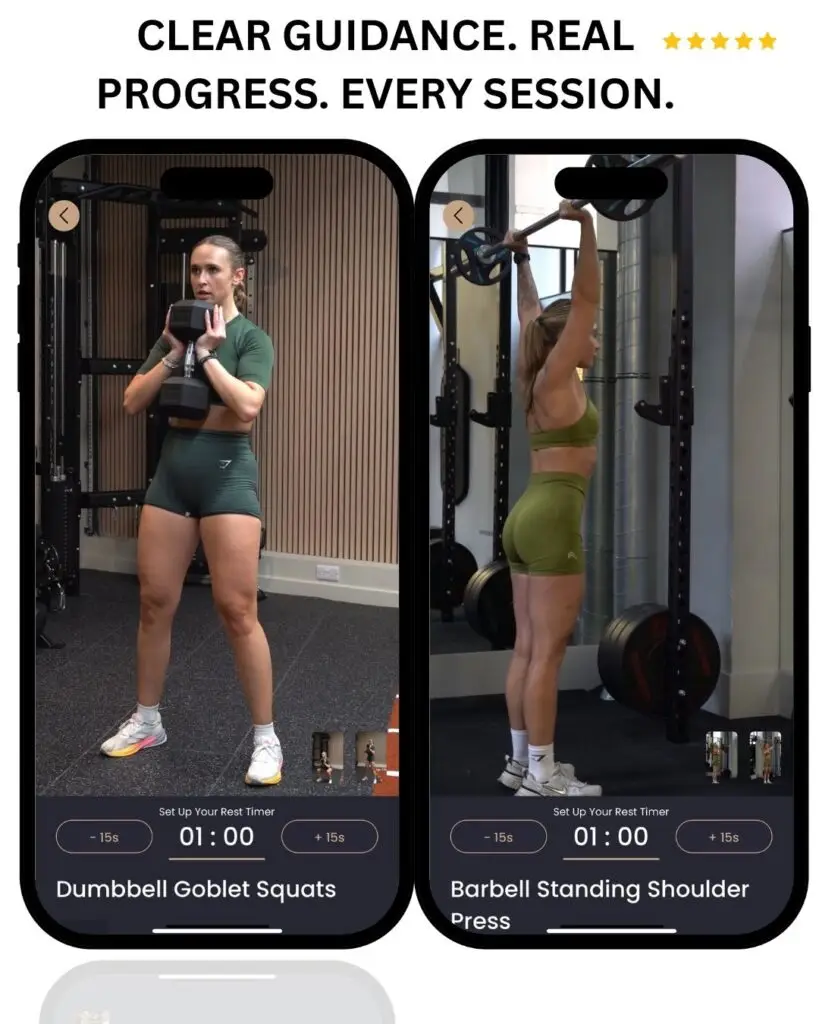
Whilst 12REPS is primarily a training app, understanding how your training schedule intersects with nutrition timing helps you structure your day.
12REPS helps by:
1. Consistent training times: Schedule workouts at the same time daily, making pre/post-workout meal planning predictable and routine.
2. Session duration: 30-45 minute workouts mean simpler nutrition requirements. You don’t need elaborate carb-loading strategies for 40-minute sessions.
3. Programme structure: Knowing your training days vs rest days helps you structure weekly nutrition (higher calories/carbs on training days if desired).
For nutrition tracking itself: Consider using a dedicated nutrition app alongside 12REPS to monitor total daily intake—the foundation that matters far more than perfect meal timing.
The Bottom Line
Meal timing matters, but much less than you probably think.
Hierarchy of importance:
- Total daily calories (80% of results) – surplus/deficit/maintenance
- Total daily protein (15% of results) – 1.8-2.2g/kg bodyweight
- Protein distribution (3% of results) – spread across 3-5 meals
- Pre-workout energy (1% of results) – adequate carbs 1-4 hours before
- Post-workout nutrition (1% of results) – protein + carbs within 2-4 hours
The “anabolic window” is 24-48 hours, not 30-60 minutes. As long as you consume adequate protein within a day of training, you’ll maximise muscle growth.
What actually matters for most women:
✅ Hitting total daily protein target (120-140g for most)
✅ Distributing protein across 3-4 meals (not clustering in 1-2)
✅ Having some pre-workout energy (don’t train on completely empty stomach for heavy sessions)
✅ Eating adequate post-workout nutrition within 2-4 hours (not necessarily immediately)
What doesn’t matter much:
❌ Consuming protein within exactly 30 minutes post-workout
❌ Eating 6 meals vs 3 meals (when total calories/protein match)
❌ Eating carbs before vs after bed (total daily calories determine results)
❌ Perfect nutrient timing when total daily intake is inconsistent
If you’re not currently hitting your total daily protein target 6-7 days weekly, meal timing is not your priority.
Fix the foundation first: consistent total daily intake, then optimise timing.
The women who build the most muscle and lose the most fat aren’t those obsessing over 30-minute post-workout windows—they’re those consistently hitting total daily calorie and protein targets month after month, with meal timing structured conveniently around their life and schedule.
Optimise timing once fundamentals are solid. Not before.
References
- Schoenfeld, B.J., Aragon, A.A. and Krieger, J.W. (2013). The Effect of Protein Timing on Muscle Strength and Hypertrophy: A Meta-Analysis. Journal of the International Society of Sports Nutrition, 10(1), 53. https://doi.org/10.1186/1550-2783-10-53
- Candow, D.G., Chilibeck, P.D., Forbes, S.C., Fairman, C.M., Gualano, B. and Roschel, H. (2019). Effectiveness of Creatine Supplementation and Resistance Training on Muscle Strength and Weightlifting Performance: A Comparison of Pre- Versus Post-Training Ingestion. Journal of the International Society of Sports Nutrition, 16(1), 46. https://doi.org/10.1186/s12970-019-0312-2
- Snijders, T., Res, P.T., Smeets, J.S., van Vliet, S., van Kranenburg, J., Maase, K., Kies, A.K., Verdijk, L.B. and van Loon, L.J. (2015). Protein Ingestion before Sleep Increases Muscle Mass and Strength Gains during Prolonged Resistance-Type Exercise Training in Healthy Young Men. The Journal of Nutrition, 145(6), pp.1178-1184. https://doi.org/10.3945/jn.114.208371
- Aragon, A.A. and Schoenfeld, B.J. (2013). Nutrient Timing Revisited: Is There a Post-Exercise Anabolic Window? Journal of the International Society of Sports Nutrition, 10(1), 5. https://doi.org/10.1186/1550-2783-10-5
- Areta, J.L., Burke, L.M., Ross, M.L., Camera, D.M., West, D.W., Broad, E.M., Jeacocke, N.A., Moore, D.R., Stellingwerff, T., Phillips, S.M., Hawley, J.A. and Coffey, V.G. (2013). Timing and Distribution of Protein Ingestion during Prolonged Recovery from Resistance Exercise Alters Myofibrillar Protein Synthesis. The Journal of Physiology, 591(9), pp.2319-2331. https://doi.org/10.1113/jphysiol.2012.244897