


You’re considering hiring a personal trainer. You want guidance, accountability, and expert help reaching your fitness goals. But you’re standing in the gym looking at several trainers and wondering: how do I know which one is actually good?
Here’s what usually happens: you pick the trainer with the best physique, or the one who’s available at your preferred time, or whoever the gym assigns you to. Three months and £800 later, you’ve made minimal progress and you’re frustrated.
The problem isn’t that you didn’t try—it’s that you hired the wrong trainer.
I’m Will Duru, a personal trainer with over 10 years’ experience in London. I’ve seen dozens of women waste money on unqualified trainers who promised transformation but delivered frustration.
This guide explains exactly how to evaluate personal trainers, which qualifications actually matter, the red flags that mean “run away immediately,” and how to find a trainer who’ll actually help you reach your goals.

Why Hiring the Right Trainer Matters
A good personal trainer can accelerate your progress dramatically. A poor personal trainer wastes your money and potentially injures you.
What a good personal trainer provides:
- Structured, progressive programming tailored to your goals
- Technical coaching on exercise form to prevent injury
- Accountability and consistency support
- Knowledge adaptation as you progress
- Realistic goal-setting and timeline expectations
What a poor personal trainer costs you:
- Money (£30-80+ per session in London)
- Time (months following ineffective programmes)
- Potential injury from poor coaching
- Frustration and loss of motivation
- False information that confuses your understanding
The difference between a qualified, experienced trainer and someone who completed a weekend certification course is substantial—and not always obvious until you’ve already paid.

Essential Qualifications: What Actually Matters
Level 3 Diploma in Personal Training (Minimum Requirement)
In the UK, legitimate personal trainers hold at minimum a Level 3 Diploma in Personal Training accredited by an awarding body like Active IQ, CIMSPA, or similar.
What this covers:
- Anatomy and physiology
- Exercise programming
- Health and safety
- Client assessment
- Exercise technique instruction
Duration: Typically 3-6 months of study plus practical assessments.
Important: This is the legal minimum qualification to work as a personal trainer in UK gyms. Anyone training clients without this is unqualified and uninsured.
Recognised Certifying Bodies (UK)
Reputable UK qualifications:
- CIMSPA (Chartered Institute for the Management of Sport and Physical Activity)
- REPS (Register of Exercise Professionals) – now part of CIMSPA
- Active IQ
- Focus Awards
- YMCA Awards
Reputable international certifications (recognised in UK):
- NASM (National Academy of Sports Medicine)
- ACE (American Council on Exercise)
- NSCA (National Strength and Conditioning Association)
- ISSA (International Sports Sciences Association)
Red flag certifications:
- “Certified” from Instagram courses
- Weekend certification courses offering “instant qualification”
- Online-only certificates requiring no practical assessment
- Vague “fitness diploma” with no accrediting body listed
Additional Valuable Qualifications
Level 4 qualifications (advanced):
- Level 4 Sports Performance
- Level 4 Obesity and Diabetes Management
- Level 4 GP Exercise Referral
These represent additional specialised training beyond basic Level 3.
Degree in Sport Science/Exercise Science:
Whilst not required, a BSc in Sport & Exercise Science or related field indicates deeper theoretical knowledge. However, a degree alone without practical coaching certification isn’t sufficient.
First Aid Certification:
All legitimate trainers should hold current First Aid and CPR certification. This is mandatory for insurance purposes.
How to Verify Qualifications
Ask directly: “What qualifications do you hold and from which awarding body?”
A legitimate trainer will immediately name their Level 3 Diploma provider (Active IQ, CIMSPA, etc.) and can show you their certificate.
Check online registries: CIMSPA maintains a public register of qualified professionals. Search: cimspa.co.uk/professional-register
Ask for insurance: All qualified trainers carry professional indemnity insurance. If they can’t provide proof, don’t hire them.
Warning: Qualifications Aren’t Everything
Here’s the uncomfortable truth: someone can hold a Level 3 Diploma but still be a mediocre trainer.
Why? The Level 3 covers basic knowledge but doesn’t guarantee:
- Actual coaching ability
- Experience working with diverse clients
- Continued education beyond minimum requirements
- Communication skills
- Programme design sophistication
Qualifications are the minimum threshold—they confirm the trainer isn’t dangerous. Experience, coaching ability, and continued learning determine whether they’re actually good.

Experience: What to Look For
Years in Practice
0-2 years: Newly qualified. May lack practical experience adapting programmes to individual responses. Not necessarily bad, but requires more supervision and potentially lower rates.
2-5 years: Developing practitioner. Has seen enough clients to handle most common scenarios. Usually competent if they’ve stayed engaged with learning.
5-10 years: Experienced professional. Has encountered most client situations and knows how to adapt. Generally reliable.
10+ years: Veteran trainer. Deep practical knowledge. Can handle complex clients and situations. (Full disclosure: this is my category.)
However: Years don’t automatically equal quality. A trainer who’s repeated the same basic programme for 10 years hasn’t truly gained 10 years of experience—they’ve repeated 1 year of experience 10 times.
Specialisation and Client Experience
Ask: “What types of clients do you primarily work with?”
Good answers indicate specialisation:
- “I work mostly with women aged 30-50 focusing on strength and body composition”
- “My clientele is primarily beginners learning foundational movement patterns”
- “I specialise in postnatal training and pelvic floor considerations”
Vague answers are red flags:
- “I work with everyone!” (Nobody specialises in everything)
- “I can help anyone with any goal” (This usually means they don’t deeply understand any particular demographic)
Does the trainer’s experience match your needs?
If you’re a 35-year-old woman wanting to build muscle and lose fat, a trainer whose entire clientele is 65+ seniors focused on mobility work isn’t ideal—even if they’re excellent at what they do.
Client Results and Testimonials
Ask: “Can you show me examples of clients with similar goals who’ve worked with you?”
Look for:
- Specific results (e.g., “Client X added 30kg to her squat over 8 months”)
- Long-term clients (retention indicates satisfaction)
- Progress photos with realistic timelines (12+ weeks, not “14-day transformations”)
Red flags:
- No client testimonials or examples
- Only showing their own transformation
- Unrealistic timelines (“lose 10kg in 3 weeks!”)
- Before/after photos with suspect lighting/posing differences
Where to find testimonials:
- Trainer’s website or social media
- Google Reviews
- Personal recommendations from gym members

Coaching Style and Personality Fit
A trainer could be technically excellent but still wrong for you if your personalities clash.
Different Coaching Styles
Authoritarian/Drill Sergeant:
- Direct, commanding approach
- Pushes you hard without extensive negotiation
- Works well if you respond to firm authority
- Can feel intimidating if you prefer softer approach
Collaborative/Educational:
- Explains reasoning behind programming
- Invites questions and discussion
- Adapts based on your feedback
- Works well if you want to understand the “why”
Supportive/Encouraging:
- Emphasises positive reinforcement
- Creates emotionally safe environment
- Celebrates small victories
- Works well if you need confidence-building
Most trainers blend these styles rather than using just one approach. The question is: which resonates with how you prefer to be coached?
Ask during consultation: “How would you describe your coaching style?”
Better yet: Observe them coaching other clients if possible. Do they seem engaged? Are they watching form closely? How do they communicate corrections?
Communication and Listening
Green flags:
- Asks about your goals, concerns, previous injuries, and limitations
- Listens fully before responding
- Explains things clearly without excessive jargon
- Checks for understanding (“does that make sense?”)
- Remembers details you’ve shared previously
Red flags:
- Talks about themselves excessively
- Interrupts you constantly
- Uses complex technical terminology without explanation
- Seems distracted or on their phone during sessions
- Doesn’t remember basic information about you
Gender Considerations
Should you choose a male or female trainer?
Honest answer: It depends entirely on your comfort level.
Some women prefer female trainers because:
- Shared experiences with women’s bodies and concerns
- May feel more comfortable discussing body image issues
- Potentially less intimidated by training environment
Some women prefer male trainers because:
- May prefer coaching style (though this varies individually)
- Demographic availability (there are more male trainers)
- Personal preference unrelated to trainer gender
The truth: Good trainers exist across genders. Poor trainers also exist across genders. Trainer quality and personality fit matter far more than gender.
What matters: Choose based on qualifications, experience, and whether you feel comfortable with that specific individual—not gender stereotypes.

Red Flags: When to Walk Away Immediately
1. No Verifiable Qualifications
If a trainer can’t or won’t show you their Level 3 certification and insurance, leave.
Why: They’re either unqualified or operating without insurance. If you’re injured, you have no legal recourse.
2. Promises Unrealistic Results
“Lose 15kg in 6 weeks!” “Get abs in 30 days!” “Transform your body in one month!”
Why: These timelines are impossible naturally. A trainer making these promises either doesn’t understand physiology or is deliberately misleading you.
Realistic timelines:
- Fat loss: 0.5-1kg weekly
- Muscle gain: 0.5-1kg monthly (beginners)
- Strength gains: 6-12 weeks to see substantial progress
- Visible body composition change: 12-16 weeks
3. Pushes Supplements or Products
If your trainer insists you need their branded supplements, protein powder, fat burners, or similar products to make progress, they’re prioritising their commission over your results.
Why: Whilst supplements can be useful, they’re never essential. No supplement produces results without proper training and nutrition. A trainer selling supplements has a financial conflict of interest.
Exception: Recommending general supplement categories (e.g., “you might benefit from creatine”) without pushing specific branded products is fine.
4. Provides Detailed Meal Plans
In the UK, only registered dietitians can legally provide personalised meal plans, especially for medical conditions.
What trainers CAN do:
- Provide general nutritional guidance
- Discuss macronutrient targets
- Suggest healthy food choices
- Share recipe ideas
What trainers CANNOT do:
- Create detailed meal-by-meal plans
- Prescribe specific diets for medical conditions
- Diagnose nutritional deficiencies
Why this matters: If your trainer is operating outside their scope of practice with nutrition, they’re likely doing the same with other aspects of training.
5. One-Size-Fits-All Programming
Every client gets the exact same workout regardless of goals, fitness level, or limitations.
Why: This indicates the trainer doesn’t actually programme individualised training—they’re just following a template. You’re paying premium rates for generic service.
What individualised programming looks like:
- Assessment of your current fitness level
- Discussion of goals and timeline
- Consideration of previous injuries or limitations
- Progressive difficulty increases over weeks/months
- Adjustments based on your specific responses
6. Inappropriate Behaviour
Immediate red flags:
- Requests progress photos in underwear (progress photos are for YOUR tracking, not their viewing)
- Excessive personal touching beyond what’s necessary for form correction
- Makes comments about your body beyond professional context
- Suggests meeting outside professional environment without legitimate reason
- Doesn’t maintain professional boundaries
If you feel uncomfortable for any reason, trust your instinct and find a different trainer. A professional trainer maintains appropriate boundaries at all times.
7. Can’t Explain Their Programming
Ask: “Why are we doing this particular exercise?”
Good answer: “We’re doing Romanian deadlifts because they target your hamstrings and glutes with a hip-hinge pattern, which addresses the posterior chain weakness we identified in your assessment.”
Bad answer: “Because it’s a good exercise” or “It’s what everyone does.”
Why this matters: If a trainer can’t articulate the reasoning behind their programming decisions, they’re likely following templates without understanding the underlying principles.
8. Constantly Late or Distracted
You’re paying £40-80 per hour. If your trainer regularly arrives late, ends early, spends time on their phone, or seems mentally absent, they’re not respecting your investment.
Professional behaviour includes:
- Arriving 5-10 minutes before your session
- Full attention during your session (phone away)
- Staying the complete contracted time
- Remembering your programme and progress without needing to check notes excessively

Practical Considerations
Location and Scheduling
Questions to ask:
- Where do you train clients? (Gym, studio, outdoor, client’s home)
- What times are you available?
- How far in advance do I need to book sessions?
- What’s your cancellation policy?
Realistic assessment: A trainer with perfect qualifications who’s only available 9am-2pm Tuesday-Thursday won’t work if you work full-time office hours.
Pricing
London pricing (2024-2025):
- Budget trainers: £30-45 per hour
- Mid-range trainers: £45-65 per hour
- Premium trainers: £65-100+ per hour
Factors affecting pricing:
- Experience and qualifications
- Location (central London vs suburbs)
- Training environment (exclusive studio vs chain gym)
- Additional services (programme design, nutrition guidance)
Package deals: Most trainers offer reduced rates for blocks of sessions (e.g., 10-session packages).
Important: Higher price doesn’t automatically mean better trainer. Conversely, extremely cheap rates may indicate lack of experience or qualifications.
Trial Session
Always request an initial consultation or trial session before committing to a package.
What to assess during trial:
- Do they assess your current fitness level?
- Do they ask about your goals and limitations?
- Do they explain what they’re doing and why?
- Do you feel comfortable with their coaching style?
- Do they watch your form closely and provide useful feedback?
If something feels off, you’re under no obligation to continue. “I’ll need to think about it” is a perfectly acceptable response.

Questions to Ask Before Hiring
Prepared questions demonstrate you’re an informed consumer and help identify quality trainers.
About Qualifications and Experience
- “What qualifications do you hold?” (Expect: Level 3 minimum, ideally plus specialisations)
- “How long have you been training clients?” (Context: experience level)
- “Do you have professional liability insurance?” (Essential: yes)
- “Do you continue professional development?” (Good trainers regularly update knowledge)
About Their Approach
- “What’s your coaching style?” (Assess fit with your preferences)
- “How do you typically programme for someone with my goals?” (Tests understanding and individualisation)
- “How do you track progress?” (Should be systematic, not just “how do you feel?”)
- “What happens if I plateau?” (Shows problem-solving approach)
About Logistics
- “What’s your cancellation policy?” (Standard: 24-48 hours notice required)
- “Do you offer package deals?” (Usually better value than single sessions)
- “Where do you train clients?” (Logistics and environment assessment)
About Results and Expectations
- “What results can I realistically expect in 12 weeks?” (Tests whether they’re honest or selling fantasy)
- “Can you show examples of clients with similar goals?” (Demonstrates relevant experience)
- “What would you need from me to make this successful?” (Good trainers know client adherence matters)
How they answer these questions tells you as much as what they answer. A defensive, evasive, or vague trainer is a red flag.

Alternatives to One-on-One Personal Training
Personal training isn’t the only option for getting expert guidance.
Small Group Training
Format: 2-4 clients training together with one trainer
Advantages:
- Lower cost (£15-30 per person per session)
- Still receive personalised attention
- Motivating group environment
Disadvantages:
- Less individual focus
- Programming can’t be as personalised
- Schedule dependent on group availability
Online Personal Training
Format: Trainer provides programming remotely, you train independently
Advantages:
- Significantly cheaper (£50-150 monthly typical)
- Flexible scheduling
- Access trainers anywhere in the world
Disadvantages:
- No in-person form correction
- Requires self-motivation
- Less immediate feedback
When this works: You have some training experience and primarily need programming and accountability rather than hands-on coaching.
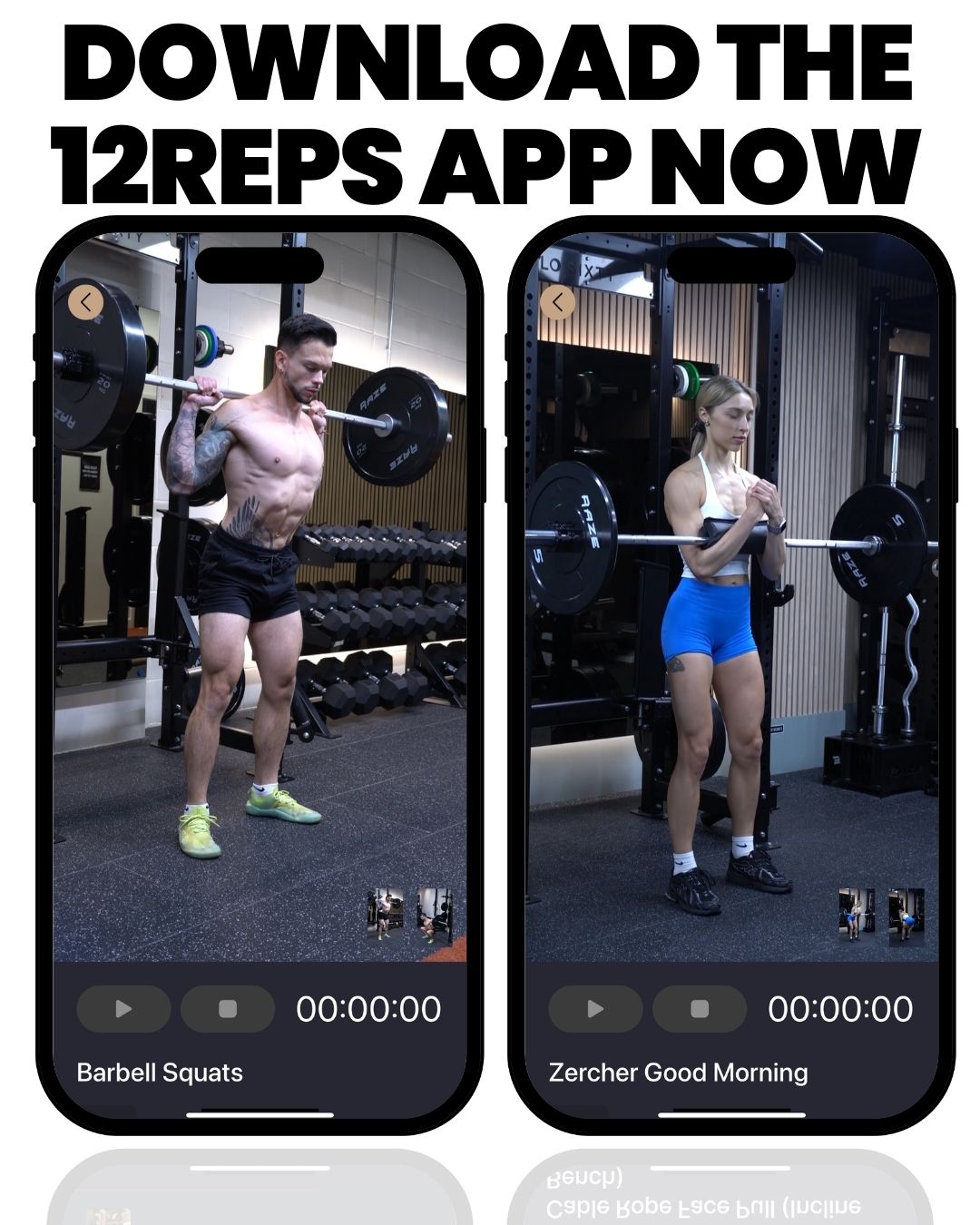
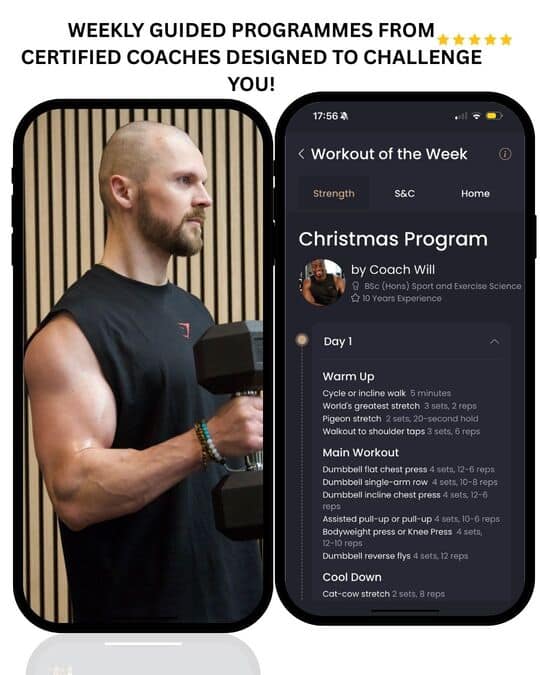
App-Based Training (Like 12REPS)
Format: Structured programmes designed by qualified trainers, delivered via app
Advantages:
- Very affordable (typically £10-15 monthly)
- Complete programmes with progression
- Exercise video demonstrations
- Progress tracking
Disadvantages:
- No personalised coaching
- No real-time form correction
- Self-guided (requires motivation)
When this works: You’re comfortable training independently with structured guidance but don’t need or can’t afford individualised coaching.
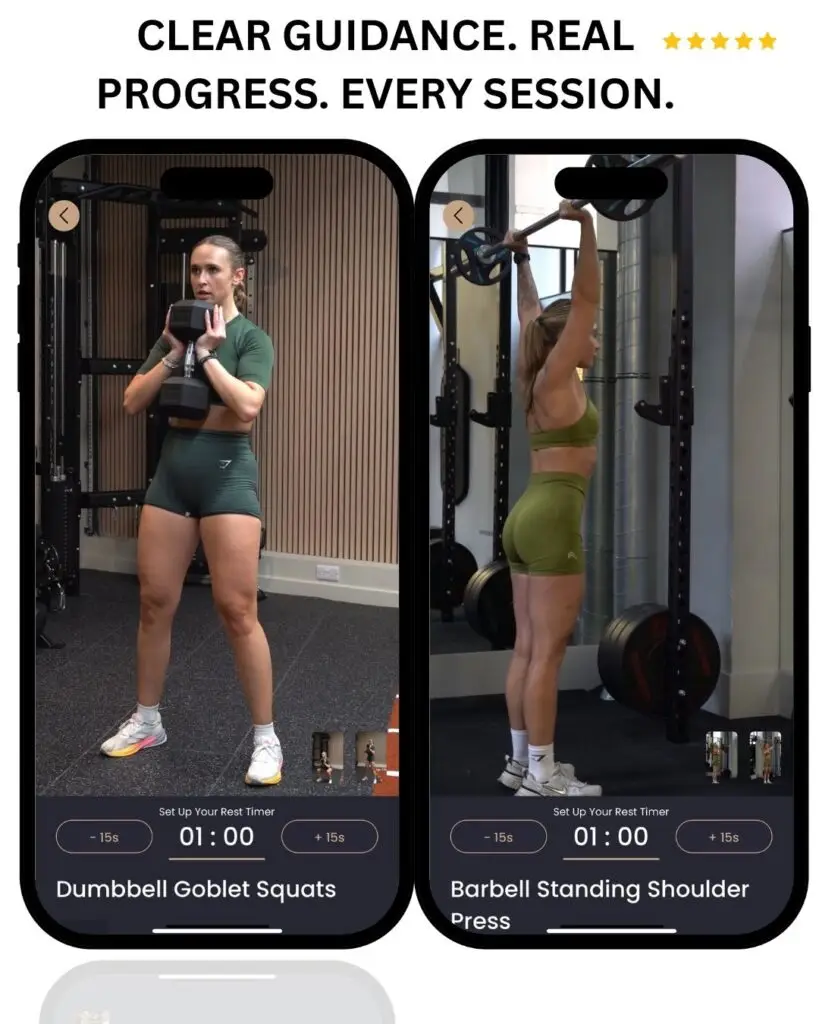
12REPS specifically provides:
- Programmes designed by qualified trainers (myself included)
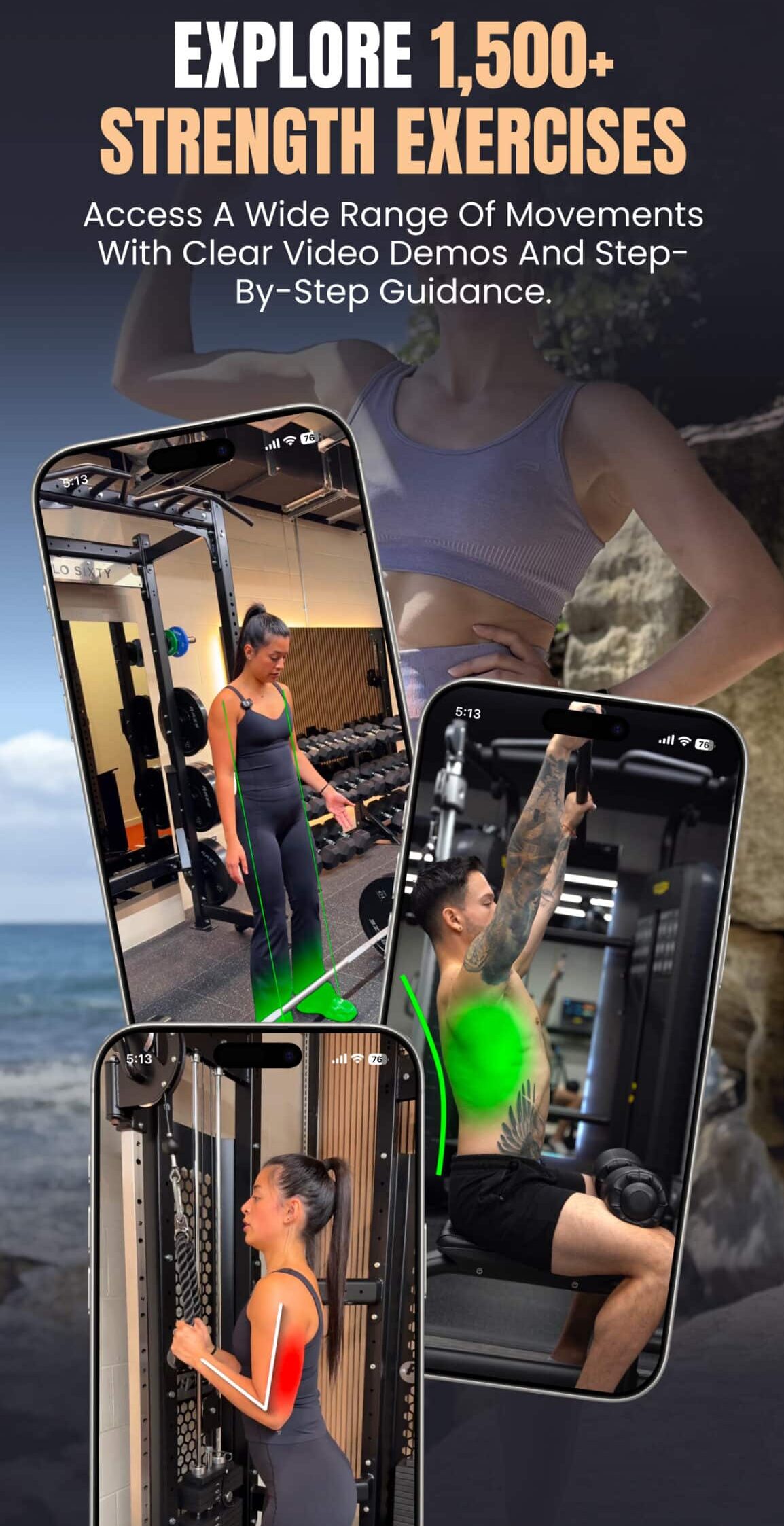
- 1,500+ exercise video demonstrations
- Personalised programme based on your goals and available equipment
- Progress tracking showing your strength gains
- Significantly more affordable than personal training (£9.99/month vs £50+ per session)
Try 12REPS free for 7 days if you want structured, professional programming without the cost of personal training.
Making Your Decision
You’ve evaluated qualifications, assessed red flags, asked questions, and completed a trial session. How do you decide?
Choose this trainer if:
✅ They hold legitimate qualifications (Level 3+ or equivalent)
✅ They have relevant experience with your demographic and goals
✅ They communicate clearly and listen to your concerns
✅ You feel comfortable with their coaching style
✅ They explain their programming rationale
✅ They set realistic expectations and timelines
✅ The logistics (location, schedule, pricing) work for you
✅ Your gut instinct says this person is trustworthy and professional
Don’t hire this trainer if:
✅ Any red flags appeared (qualification issues, inappropriate behaviour, unrealistic promises)
✅ You don’t feel comfortable with them (trust your instinct)
✅ They can’t clearly explain their approach
✅ The logistics don’t actually work (you’re convincing yourself you’ll make 6am sessions work when you know you won’t)
Remember: You’re entering a professional relationship where you’re the paying client. You have every right to ask questions, request qualifications, and choose based on your criteria.
The Bottom Line
Finding the right personal trainer requires more than picking whoever’s available or looks the fittest.
Essential criteria:
✅ Level 3 Personal Training qualification minimum (or recognised international equivalent)
✅ Professional liability insurance
✅ Relevant experience with your demographic and goals
✅ Communication style that works for you
✅ Realistic expectations and honest timeline projections
✅ Professional behaviour and appropriate boundaries
✅ Logical programming with clear progression
Immediate disqualifiers:
❌ No verifiable qualifications or insurance
❌ Unrealistic promises or guarantees
❌ Pushing products or supplements for commission
❌ Inappropriate behaviour or boundary violations
❌ One-size-fits-all programming with no individualisation
The right trainer accelerates your progress, prevents injury, and makes training enjoyable. The wrong trainer wastes your money and potentially sets your fitness journey backwards.
Take the time to properly evaluate trainers before committing. Ask questions. Request trial sessions. Trust your instinct.
And if personal training doesn’t fit your budget or schedule, structured app-based training like 12REPS provides professional programming at a fraction of the cost—designed by the same qualified trainers who charge £50-80 per hour for one-on-one coaching.
The important thing is getting quality guidance from qualified professionals, whether that’s in-person or digital. Your fitness progress deserves better than guesswork or following unqualified Instagram “trainers.”
References
Note: As this article focuses on practical guidance for trainer selection rather than exercise science, formal peer-reviewed references are less applicable. The information is based on UK professional standards (CIMSPA), personal training industry best practices, and professional experience.
For UK personal training qualification standards, see:
- CIMSPA Professional Standards: cimspa.co.uk
- Active IQ Level 3 Diploma specifications: activeiq.co.uk
- REPS UK Professional Standards (now integrated with CIMSPA)
For international certification body standards, see:
- NASM (National Academy of Sports Medicine): nasm.org
- ACE (American Council on Exercise): acefitness.org
- NSCA (National Strength and Conditioning Association): nsca.com