

By Will Duru, BSc (Hons) Sport and Exercise Science, Award winning Personal Trainer with over 10 years of experience in strength training
ChatGPT sounds confident. That is part of the problem.
When you ask about muscle building, the AI delivers responses with authority. No hesitation. No uncertainty. Just clear, definitive statements that sound like expert guidance.
But confidence is not accuracy. The AI learns from patterns in text, including outdated information, bro-science that spread online and oversimplified advice that misses crucial nuance. It presents all of this with equal conviction.
I have spent months analysing ChatGPT’s fitness responses, comparing them to current research and my decade of practical experience. The AI gets some things right. But it also perpetuates myths, oversimplifies complex topics and gives advice that sounds reasonable but produces poor results.
Here are the most common things ChatGPT gets wrong about building muscle.

Myth 1: You Must Eat Protein Within 30 Minutes Post-Workout
Ask ChatGPT about post-workout nutrition and it will likely emphasise the “anabolic window,” suggesting you must consume protein within 30 to 60 minutes after training or miss out on muscle-building benefits.
What ChatGPT Says
“Consuming protein within 30 minutes after your workout is optimal for muscle protein synthesis. This post-workout window is when your muscles are most receptive to nutrients.”
What the Research Actually Shows
The anabolic window is far less critical than once believed. Current research indicates that total daily protein intake matters far more than precise timing around workouts.
If you ate protein a few hours before training, amino acids are still available in your bloodstream afterward. The urgency to consume more immediately is minimal.
The “window” exists but extends for many hours, not 30 minutes. Unless you train completely fasted, rushing to consume protein post-workout provides little additional benefit over simply meeting your daily protein targets.
What Actually Matters
Eat sufficient protein throughout the day, approximately 1.6 to 2.2 grams per kilogram of body weight. Distribute it reasonably across meals. Do not stress about consuming it within arbitrary time windows.
If you train fasted, eating sooner rather than later makes sense. Otherwise, your post-workout meal can wait until it fits your schedule.

Myth 2: You Need to "Confuse" Your Muscles
ChatGPT often suggests constantly varying exercises to prevent your muscles from adapting and keep them “guessing.”
What ChatGPT Says
“Muscle confusion is important for continued progress. By constantly changing your exercises, you prevent your body from adapting and force continued growth.”
What the Research Actually Shows
Muscles do not get confused. They adapt to specific demands placed upon them. This adaptation is the goal, not something to prevent.
Progressive overload on consistent exercises produces superior results to constantly changing movements. When you switch exercises frequently, you lose the ability to track progress and apply systematic overload.
The initial difficulty of a new exercise comes from learning the movement, not from superior muscle stimulation. Once you become proficient, the exercise is no more effective than one you already know.
What Actually Matters
Select effective exercises and progressively overload them over time. Change exercises when you have a specific reason: plateau, injury, equipment change, boredom after extended periods.
Variation has its place. Changing exercises every few months can address staleness. But “confusing” muscles through constant change is counterproductive mythology.

Myth 3: High Reps for Toning, Low Reps for Bulk
ChatGPT frequently perpetuates the idea that different rep ranges produce fundamentally different aesthetic outcomes.
What ChatGPT Says
“For a toned look without bulk, use lighter weights and higher reps (15 to 20). For building size, use heavier weights with lower reps (6 to 8).”
What the Research Actually Shows
“Toning” is not a distinct physiological process. The toned appearance people seek comes from building muscle and reducing body fat. There is no special rep range that produces “tone” instead of “bulk.”
Muscle growth occurs across a wide rep range, from roughly 5 to 30 reps, provided sets are taken close to failure. Higher reps with light weight and lower reps with heavy weight can both build muscle effectively.
The fear that lifting heavy will create unwanted bulk is unfounded for most people, especially women. Building significant muscle mass requires years of dedicated effort, caloric surplus and often favourable genetics. It does not happen accidentally from using challenging weights
What Actually Matters
Choose rep ranges based on your goals and preferences. Train close to failure. Apply progressive overload. Manage nutrition based on whether you want to gain or lose weight.
The “toned” look requires building muscle and being lean enough to see it. Rep range is largely irrelevant to this outcome.
Myth 4: More Protein Is Always Better
Ask ChatGPT about protein intake and it often suggests amounts far exceeding what research supports as beneficial.
What ChatGPT Says
“Aim for 1 gram of protein per pound of body weight, or even higher if you’re serious about building muscle.”
What the Research Actually Shows
The oft-cited “1 gram per pound” (2.2 grams per kilogram) sits at the high end of what research supports. Most studies show diminishing returns above 1.6 grams per kilogram, with virtually no additional benefit beyond 2.2 grams per kilogram.
For a 75-kilogram person, this means 120 to 165 grams of protein daily is sufficient. Consuming 200 or more grams provides no additional muscle-building benefit while potentially displacing other important nutrients and straining food budgets.
Excessive protein does not harm healthy individuals but represents wasted resources that could go toward carbohydrates for training energy or simply saving money.
What Actually Matters
Consume 1.6 to 2.2 grams of protein per kilogram of body weight daily. Distribute it across meals. Focus remaining attention on overall diet quality, adequate calories and sufficient carbohydrates for training performance.
More is not always better. Enough is enough.
Myth 5: Cardio Kills Your Gains
ChatGPT often warns that cardiovascular exercise interferes with muscle building, sometimes to an exaggerated degree.
What ChatGPT Says
“Cardio can interfere with muscle growth through the interference effect. Minimize cardio if your goal is building muscle.”
What the Research Actually Shows
The interference effect is real but frequently overstated. High volumes of endurance training can indeed compromise strength and muscle adaptations. But moderate cardio has minimal impact.
Two to three sessions of 20 to 30 minutes of moderate cardio weekly is unlikely to meaningfully impair muscle growth. This amount supports cardiovascular health without significant interference.
Problems arise with excessive cardio, particularly high-intensity or long-duration endurance work combined with heavy strength training. Marathon training while trying to maximise muscle is problematic. Thirty minutes on the bike twice weekly is not.
What Actually Matters
Include moderate cardio for health benefits without fear of losing muscle. Separate cardio and lifting sessions when possible. Prioritise strength training if muscle building is your primary goal.
Avoiding cardio entirely based on exaggerated interference concerns sacrifices cardiovascular health unnecessarily.
Myth 6: You Must Train Each Muscle Once Per Week
ChatGPT often recommends traditional “bro splits” that train each muscle group once weekly.
What ChatGPT Says
“A typical bodybuilding split trains each muscle once per week with high volume, allowing full recovery before the next session.”
What the Research Actually Shows
Research suggests that training each muscle group twice weekly produces superior hypertrophy to once-weekly training, even when total volume is matched.
Muscle protein synthesis elevates for 24 to 72 hours after training, then returns to baseline. Training a muscle once weekly means it spends most of the week without elevated growth signalling.
Training frequency of two to three times per week per muscle group appears optimal for most people, though this can be achieved through various programme structures.
What Actually Matters
Structure your training to hit each muscle group at least twice weekly. Full-body routines, upper-lower splits and push-pull-legs splits all accomplish this. Traditional once-weekly body part splits are suboptimal for most natural lifters.

Myth 7: Soreness Indicates a Good Workout
ChatGPT sometimes suggests that muscle soreness (DOMS) is a sign of effective training.
What ChatGPT Says
“Muscle soreness after a workout indicates you’ve effectively stimulated the muscle for growth.”
What the Research Actually Shows
Soreness is a poor indicator of workout quality or muscle growth stimulus. It primarily indicates that you did something your body was not accustomed to, not that you provided optimal growth stimulus.
You can have highly effective workouts with minimal soreness and ineffective workouts with severe soreness. Novel exercises and movements produce more soreness than familiar ones regardless of their effectiveness.
Consistently chasing soreness leads to excessive novelty in programming, which undermines progressive overload and long-term progress.
What Actually Matters
Judge workout effectiveness by progressive overload over time, not by how sore you feel afterward. Some soreness is normal, especially when introducing new exercises. Absence of soreness does not indicate a wasted workout.
Myth 8: You Need Supplements to Build Muscle
ChatGPT often provides extensive supplement recommendations that imply they are necessary for progress.
What ChatGPT Says
“Consider supplementing with protein powder, creatine, BCAAs, pre-workout and glutamine to support muscle growth.”
What the Research Actually Shows
Most supplements provide minimal benefit for people who eat adequately. The supplement industry profits from implying necessity where none exists.
Creatine monohydrate has robust research support for modest strength and muscle benefits. Protein powder is convenient but offers no advantage over whole food protein. BCAAs are unnecessary if protein intake is adequate. Glutamine shows no muscle-building benefit in well-fed individuals. Most pre-workouts are expensive caffeine.
Supplements cannot compensate for inadequate training, nutrition or recovery. At best, they provide marginal optimisation once fundamentals are addressed.
What Actually Matters
Focus on training, whole food nutrition and recovery before considering supplements. Creatine is worthwhile for most people. Protein powder is convenient when whole food protein is difficult. Everything else is optional and often unnecessary.
Do not expect supplements to produce results that proper training and nutrition fail to achieve.

Myth 9: Lifting Heavy Is Dangerous
ChatGPT sometimes cautions excessively about heavy lifting, implying it carries inherent danger.
What ChatGPT Says
“Be careful with heavy weights as they increase injury risk. Consider using lighter weights with higher reps for safety.”
What the Research Actually Shows
Heavy lifting with proper technique is not inherently dangerous. Injury risk comes primarily from poor technique, excessive volume, inadequate recovery and progressing too quickly, not from the weight itself.
Lifting heavy strengthens bones, tendons and connective tissue. It produces neural adaptations that improve strength beyond what lighter training achieves. Avoiding heavy weights entirely sacrifices these benefits unnecessarily.
The key is appropriate progression, proper technique and sensible programming, not avoiding challenging loads.
What Actually Matters
Learn proper technique before loading heavily. Progress gradually. Listen to warning signs. Heavy lifting within these parameters is safe and beneficial.
Fear of heavy weights often limits progress more than any actual injury risk.

Myth 10: There Is One "Best" Programme
ChatGPT often implies that certain programme structures are optimal for everyone.
What ChatGPT Says
“Push-pull-legs is the best split for building muscle” or “Full body training is optimal for natural lifters.”
What the Research Actually Shows
Multiple programme structures produce excellent results when they include progressive overload, appropriate volume, adequate frequency and exercises that challenge target muscles.
The “best” programme is one you will follow consistently, that fits your schedule, that you enjoy enough to sustain and that applies progressive overload over time.
Individual differences in recovery capacity, schedule availability, training preferences and goals mean different structures suit different people.
What Actually Matters
Choose a programme structure that fits your life and preferences. Follow it consistently. Apply progressive overload. Adjust based on results.
Stop searching for the perfect programme. Start following a good one properly.
Why ChatGPT Perpetuates These Myths
The AI generates responses based on patterns in its training data. This data includes:
Outdated information. Fitness understanding evolves. What was believed true decades ago may be disproven now. Old content still exists online and influences AI responses.
Popular misconceptions. Myths spread because they sound logical or appeal to people. Their prevalence in online content means they appear in AI training data.
Oversimplification. Complex topics get reduced to simple rules for easier communication. These simplifications lose important nuance.
Confident presentation. ChatGPT presents uncertain information with the same confidence as well-established facts. It cannot distinguish between robust science and popular bro-science.
Getting Reliable Information
For accurate fitness guidance:
Seek qualified professionals. Personal trainers with legitimate credentials, sports scientists and evidence-based coaches provide more reliable guidance than AI.
Check recent research. Scientific understanding evolves. Information from recent systematic reviews and meta-analyses is more reliable than older claims.
Be sceptical of confident claims. Nutrition and exercise science involve nuance. Overly definitive statements often indicate oversimplification.
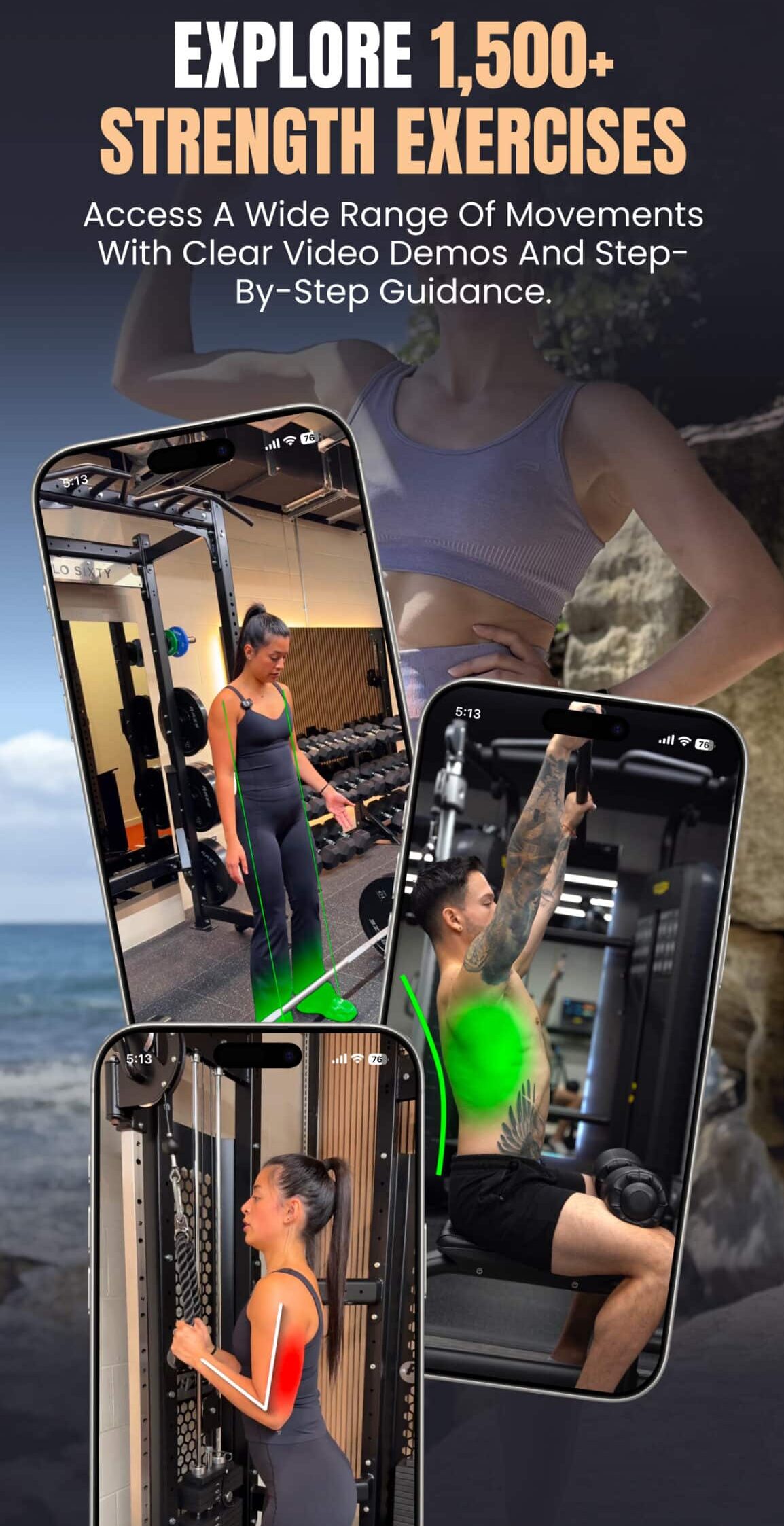
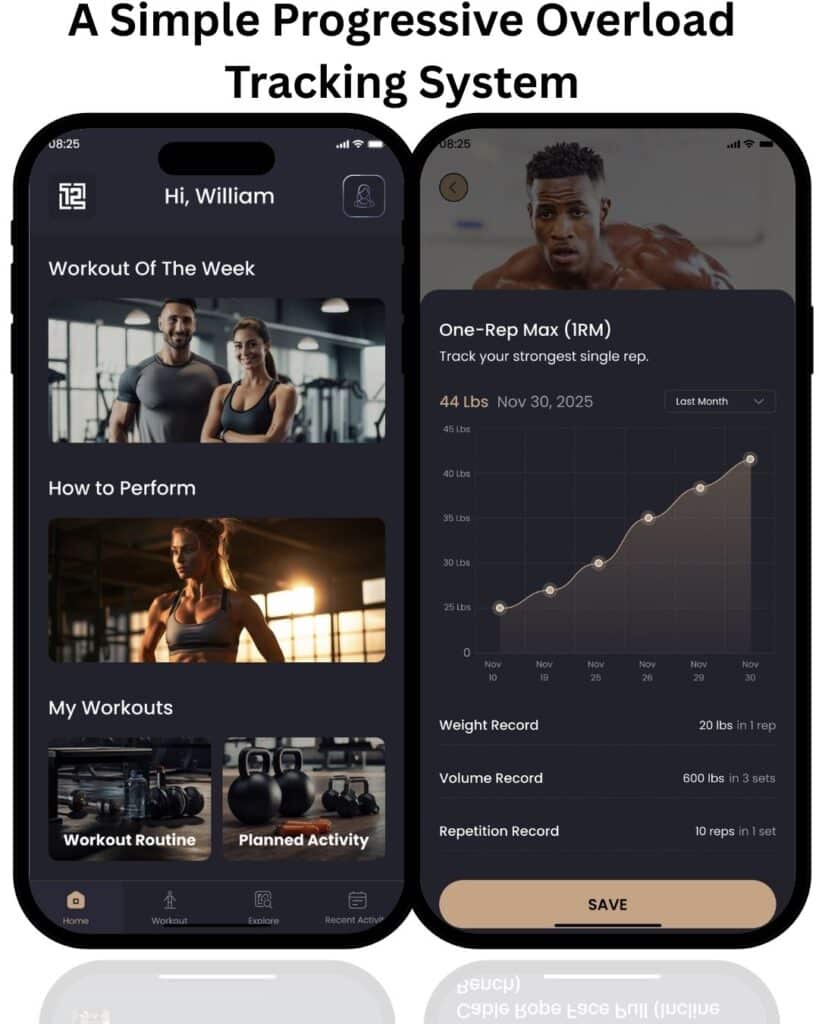
Use structured programmes. The 12REPS app provides programmes designed by qualified trainers based on current evidence, not AI-generated content that may perpetuate myths.
The Bottom Line
ChatGPT gets many things right about fitness. Basic principles of resistance training, general nutritional guidance and common exercise descriptions are often accurate enough.
But the AI also perpetuates myths, oversimplifies complex topics and presents outdated information with unwarranted confidence. Following this guidance can lead to suboptimal results, wasted effort and unnecessary frustration.
Question what you read, even when it sounds authoritative. Seek guidance from qualified professionals and evidence-based sources. Use AI as a starting point for learning, not as your primary fitness authority.
The 12REPS app offers programmes built on current evidence by qualified trainers, avoiding the myths and misconceptions that plague AI-generated fitness advice.
Your results depend on accurate information applied consistently. Do not let confident-sounding myths undermine your progress.
Related Articles on just12reps.com
| Article | Description | Link |
|---|---|---|
| Why ChatGPT Can’t Be Your Personal Trainer | The fundamental limitations of AI fitness guidance. | Read Article |
References
[1] Schoenfeld, B.J. et al. (2015). Effects of protein supplementation timing on muscle strength and hypertrophy. Journal of the International Society of Sports Nutrition. https://jissn.biomedcentral.com/
[2] Morton, R.W. et al. (2018). A systematic review of protein supplementation. British Journal of Sports Medicine. https://bjsm.bmj.com/
[3] Schoenfeld, B.J. et al. (2016). Effects of resistance training frequency on measures of muscle hypertrophy. Sports Medicine. https://link.springer.com/journal/40279
[4] Schoenfeld, B.J. & Contreras, B. (2013). Is postexercise muscle soreness a valid indicator of muscular adaptations? Strength and Conditioning Journal. https://journals.lww.com/nsca-scj/pages/default.aspx
[5] Wilson, J.M. et al. (2012). Concurrent training: a meta-analysis examining interference of aerobic and resistance exercises. Journal of Strength and Conditioning Research. https://journals.lww.com/nsca-jscr/pages/default.aspx
About the Author: Will Duru holds a BSc (Hons) in Sport and Exercise Science and is an award-winning personal trainer with over 10 years of experience separating fitness fact from fiction. He is the creator of the 12REPS app, built on current evidence rather than persistent myths.