



You finish your workout feeling… fine. Not exhausted, not sore, just fine. You wonder: “Did I actually work hard enough?”
Or maybe you’re the opposite—constantly fatigued, joints aching, lifts declining week after week. You’re training hard but results have stopped.
The truth: Most people either train too easy (no progress) or too hard (overtraining and burnout). Finding the sweet spot is critical.
I’m Will Duru, a personal trainer with 10+ years’ experience in London. I’ve programmed training intensity for thousands of sessions and watched clients struggle with both extremes.
My biggest observation: Women typically undertrain (afraid to push hard, leaving 5+ reps in reserve). Men typically overtrain (pushing to failure every set, never allowing recovery). Both waste time and effort.

The Sweet Spot: Training Hard Enough
The goal: Train hard enough to force adaptation, but not so hard you can’t recover.
What proper intensity looks like:
- Last 2-3 reps of each set feel challenging
- Form stays perfect throughout
- Need full rest period (2-3 minutes) before next set
- Some muscle fatigue but not complete exhaustion
- Can repeat performance next session after proper rest
Will’s simple test: “I ask clients after their working sets: ‘How many more reps with perfect form?’ If they say ‘6-8 more easily,’ too easy. If they say ‘0, I’m destroyed,’ too hard. If they say ‘1-2 more maybe,’ perfect.”

The RPE Scale: Your Intensity Guide
RPE (Rate of Perceived Exertion): Scale of 1-10 measuring how hard a set feels.
RPE 5-6: Easy, could do 6+ more reps RPE 7: Moderate, could do 4-5 more reps RPE 8: Hard, could do 2-3 more reps ← IDEAL FOR MOST SETS RPE 9: Very hard, could do 1 more rep RPE 10: Maximal, absolute failure, zero more reps
Will’s prescription by experience level:
Beginners (0-6 months): RPE 6-7 most sets
- Learning movements, technique priority
- Building work capacity
- Establishing training habit
Intermediates (6-18 months): RPE 7-8 most sets, RPE 9 final set
- Technique solid, can push harder
- Building strength and muscle
- Learning to gauge intensity
Advanced (18+ months): RPE 8-9 most sets, occasional RPE 10 on isolations
- Maximize muscle stimulus
- Rarely train to complete failure on compounds
- Strategic intensity variation
Will’s observation: “Client Emma started RPE 6-7, terrified of pushing harder. After 8 weeks building confidence, she trains RPE 8 comfortably. Strength increased 40% in 12 weeks—she was undertraining initially.”
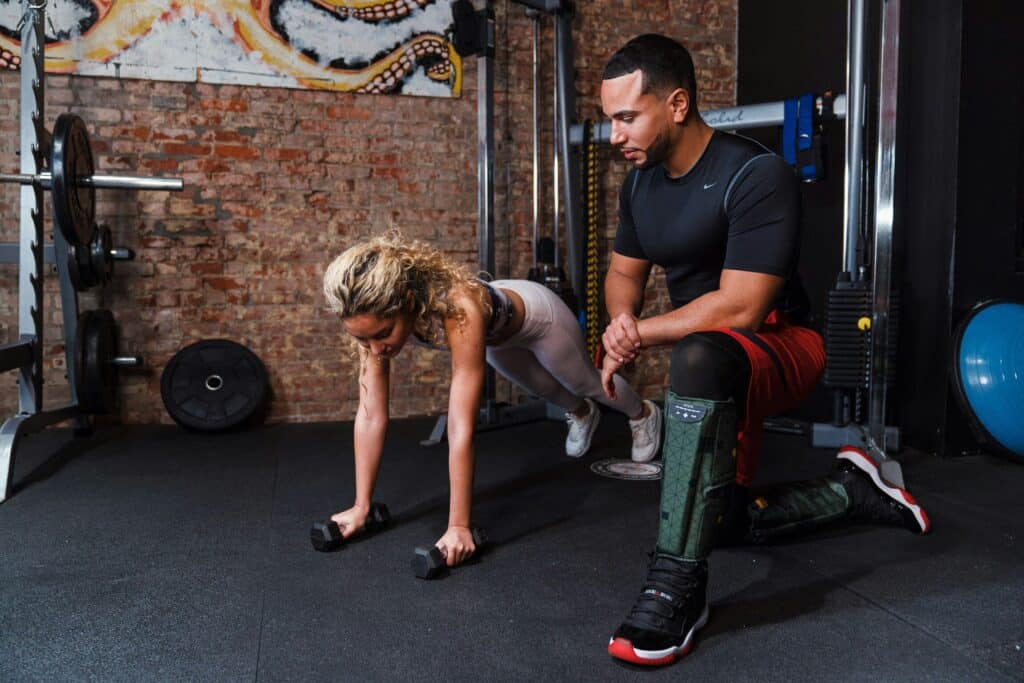
5 Signs You're NOT Training Hard Enough
Sign 1: Reps Feel Easy Throughout Set
What it looks like: First rep feels same as last rep. No strain, no challenge, no slowing down.
Why it’s wrong: Body isn’t sufficiently challenged, no adaptation stimulus.
Will’s typical case: “Client doing goblet squats with 10kg. Watching her—reps 1-10 all identical speed, perfect form, she’s chatting between sets. I hand her 16kg. Rep 8 slows down, rep 9-10 she’s focused. That’s appropriate intensity.”
The fix: Increase weight until last 2-3 reps require genuine effort.
Sign 2: You’re Not Progressing Week to Week
What it looks like: Squatting 50kg × 10 reps week 1. Week 8: still 50kg × 10 reps.
Why it’s concerning: No progressive overload = no muscle growth or strength gains.
Will’s blunt reality: “If lifts haven’t increased in 4-6 weeks, you’re not training hard enough. Client squatting 45kg for 3 months, frustrated by no results. We increase intensity (RPE 7 to RPE 8), week 4 she’s at 50kg, week 8 at 55kg. Intensity was the issue.”
The fix: Track every session. Aim to add weight, reps, or improve performance every 2-3 weeks.
Sign 3: You Don’t Need Full Rest Periods
What it looks like: Prescribed 2.5 minutes rest, you feel ready after 1 minute.
Why it indicates undertraining: If recovery is that quick, set wasn’t demanding enough.
Will’s coaching: “Client does squats, 90 seconds later says ‘I’m ready for next set.’ I know previous set was too easy. If you trained RPE 8, you need 2-3 minutes to recover fully.”
The fix: If consistently recovering much faster than prescribed rest, increase intensity.
Sign 4: No Muscle Fatigue Post-Workout
What it looks like: Leave gym feeling completely fine, could train again immediately.
Why it’s problematic: Muscles weren’t sufficiently stimulated.
Will’s gauge: “Client finishes leg day, walks out perfectly fine. I know intensity was too low. Proper leg session—walking should feel slightly heavy, glutes/quads noticeably fatigued (not painful, just tired). That’s appropriate stimulus.”
The fix: Last sets should create local muscle fatigue. Not destroyed, but clearly worked.
Sign 5: Never Sore the Next Day
What it looks like: Zero muscle soreness ever, regardless of workout.
Important clarification: Soreness (DOMS) isn’t required for muscle growth, BUT complete absence suggests undertraining.
Will’s perspective: “If client never experiences any soreness—ever—they’re probably not pushing hard enough. Occasional mild soreness is normal, especially when changing exercises or increasing intensity. Zero soreness ever usually means RPE 5-6 training.”
The fix: Progressively increase intensity. Occasional mild next-day soreness is appropriate.

7 Signs You're OVER Training
Sign 1: Performance Declining Week to Week
What it looks like: Week 1: 60kg × 10 reps. Week 3: 60kg × 7 reps. Week 5: 55kg × 8 reps.
Why it’s concerning: Insufficient recovery between sessions, accumulated fatigue.
Will’s immediate action: “Client deadlifting 70kg × 8 reps in January. March: down to 60kg × 6 reps. Clearly overtrained. We programme deload week (reduce weight 40%), add extra rest day weekly. Following month strength rebounds—70kg × 10 reps.”
The fix: Deload week (reduce weight 30-40%) or add extra rest day weekly.
Sign 2: Constantly Fatigued
What it looks like: Waking up tired, dragging through day, exhausted despite adequate sleep.
Why it happens: Central nervous system can’t recover, chronic energy deficit.
Will’s client example: “Rachel trains 6× weekly, constantly exhausted. Check her programme—4 heavy compounds daily, no light days. Reduce to 4× weekly with 2 light sessions. Energy rebounds within 2 weeks.”
The fix: Add rest days, reduce training frequency, or alternate heavy/light days.
Sign 3: Persistent Muscle Soreness
What it looks like: Muscles sore 3-4 days post-workout, soreness never fully resolves before next session.
Why it’s problematic: Muscles aren’t recovering between sessions, accumulated damage.
Will’s observation: “If quads still sore Friday from Monday’s workout, you’re overtraining that muscle group. Soreness should resolve within 48 hours typically.”
The fix: Increase recovery time between training same muscle group (48-72 hours minimum).
Sign 4: Sleep Problems
What it looks like: Trouble falling asleep despite being exhausted, waking frequently, poor sleep quality.
Why it happens: Elevated stress hormones (cortisol), overactive nervous system.
Will’s typical scenario: “Client complains about sleep. Review training—pushing to failure every set, training 6× weekly, inadequate rest. Reduce intensity (RPE 10 to RPE 8-9), sleep improves immediately.”
The fix: Reduce training intensity and frequency, add stress management practices.
Sign 5: Lost Motivation
What it looks like: Dreading workouts, making excuses to skip, zero enthusiasm for training.
Why it happens: Mental burnout from excessive training stress.
Will’s approach: “When client says ‘I just don’t want to train anymore,’ first thing I check: overtraining. Usually training too frequently at too high intensity. We take full week off or switch to light activities (walking, swimming). Motivation returns.”
The fix: Complete break (3-7 days) or switch to very light activity temporarily.
Sign 6: Increased Injuries
What it looks like: Nagging aches becoming injuries, joints constantly sore, minor strains accumulating.
Why it happens: Connective tissue can’t repair between sessions, accumulated micro-damage.
Will’s immediate correction: “Client mentions knee pain, shoulder ache, elbow discomfort all simultaneously. Clear overtraining. Reduce training volume 30-40%, focus on recovery. Aches resolve within 2 weeks.”
The fix: Reduce volume and intensity, add extra recovery work (mobility, light cardio).
Sign 7: Getting Sick Frequently
What it looks like: Catching every cold, taking weeks to recover from illness, constantly run down.
Why it happens: Suppressed immune system from chronic training stress.
Will’s observation: “Client gets third cold in 2 months. Review training—no rest weeks, pushing hard constantly. Immune system can’t keep up. Programme monthly deload weeks, illness frequency drops dramatically.”
The fix: Regular deload weeks every 4-6 weeks, adequate sleep, proper nutrition.
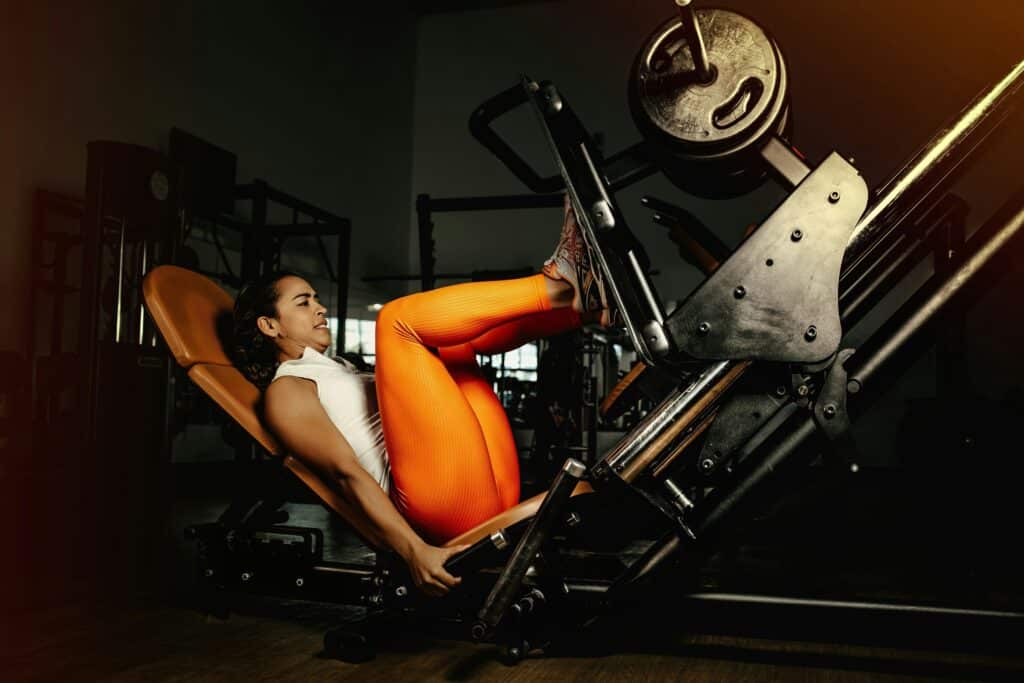
Will's Training Intensity Framework
The 80/20 Rule
80% of sets: RPE 7-8 (2-3 reps shy of failure) 20% of sets: RPE 9-10 (very hard to failure)
Why this works:
- Sufficient stimulus for growth
- Manageable recovery demands
- Sustainable long-term
- Allows progressive overload
Will’s programming: “Most clients train RPE 8 for working sets. Final set of exercise might be RPE 9. Failure (RPE 10) only on final set of isolations (bicep curls, lateral raises)—never on heavy compounds.”
Weekly Structure Example
Monday – Lower Body (RPE 8):
- Squats: 3 sets RPE 8
- RDLs: 3 sets RPE 8
- Hip thrusts: 3 sets, last set RPE 9
- Leg curls: 3 sets RPE 8
Wednesday – Upper Body (RPE 8):
- Bench press: 3 sets RPE 8
- Barbell rows: 3 sets RPE 8
- Overhead press: 3 sets RPE 7-8
- Bicep curls: 3 sets, last set RPE 9-10
Friday – Full Body (RPE 7-8):
- Deadlifts: 3 sets RPE 8
- Pull-ups: 3 sets RPE 8
- Bulgarian split squats: 3 sets RPE 8
- Tricep extensions: 3 sets, last set RPE 9-10
Why it works: Consistent RPE 7-8 creates growth stimulus whilst allowing recovery. Strategic RPE 9-10 on final sets/isolations maximizes effort without excessive fatigue.

The Reps-in-Reserve Method
After each set, honestly assess: “How many more reps could I do with perfect form?”
- 5+ more reps = Too easy (RPE 5-6)
- 3-4 more reps = Moderate (RPE 7)
- 2-3 more reps = Ideal (RPE 8) ← AIM FOR THIS
- 1 more rep = Very hard (RPE 9)
- 0 more reps = Failure (RPE 10)
Will’s teaching method: “I have beginners finish set, then ask: ‘Could you do more?’ They usually say yes. I say: ‘Do 2 more reps.’ If they easily complete 5 more, intensity was too low. We adjust next set.”
The Form Breakdown Test
Watch your form on final reps:
Good intensity (RPE 8):
- Last 2 reps slow down slightly
- Greater effort required
- Form perfect throughout
- Controlled completion
Too easy (RPE 5-7):
- All reps identical speed
- No form changes
- Minimal effort throughout
Too hard (RPE 10):
- Form breaks down last reps
- Back rounds, knees cave, bar path changes
- Grinding, excessive struggle
Will’s form rule: “The second form degrades, set is over. I don’t care if programme says 10 reps—if form breaks rep 8, we stop at 7. Perfect form at RPE 8 builds muscle. Terrible form at RPE 10 builds injuries.”

You’re recovering properly if:
✅ Strength maintaining or improving week to week
✅ Muscle soreness resolves within 48 hours
✅ Energy levels good throughout day
✅ Sleeping well (7-9 hours)
✅ Motivated for training sessions
✅ No persistent aches or pains
✅ Rarely getting sick
You’re not recovering if:
❌ Strength declining over 2+ weeks
❌ Constantly sore, soreness lasts 3-4 days
❌ Chronically fatigued despite adequate sleep
❌ Sleep problems (can’t fall asleep, wake frequently)
❌ Dreading workouts, making excuses
❌ Multiple nagging injuries simultaneously
❌ Getting sick frequently
Will’s recovery prescription: “Minimum 48 hours between training same muscle group. Beginners get 2-3 rest days weekly. Intermediates 1-2 rest days. Advanced 1 rest day but with light/heavy day variation. Everyone gets deload week every 4-6 weeks—non-negotiable.”
The Intensity Adjustment Process
Finding your personal sweet spot takes experimentation. Here’s Will’s systematic approach for new clients:
Week 1-2: Conservative Start
Goal: Establish baseline, learn movement patterns.
Intensity: RPE 6-7 (could do 4-5 more reps)
Why: Technique matters more than intensity initially. Client needs to learn proper form before pushing hard.
Will’s week 1 approach: “New client, regardless of previous experience, starts conservative. I watch movement quality—is she bracing core properly? Knees tracking correctly? Back position neutral? Once technique solid, we increase intensity.”
Week 3-4: Progressive Increase
Goal: Build work capacity, increase intensity gradually.
Intensity: RPE 7-8 (could do 2-4 more reps)
Why: Body adapting to training stimulus, ready for greater challenge.
Will’s progression: “Week 3, if form perfect at RPE 6-7, we increase weight 2.5-5kg. Client now working RPE 7-8. This is where real adaptation beg
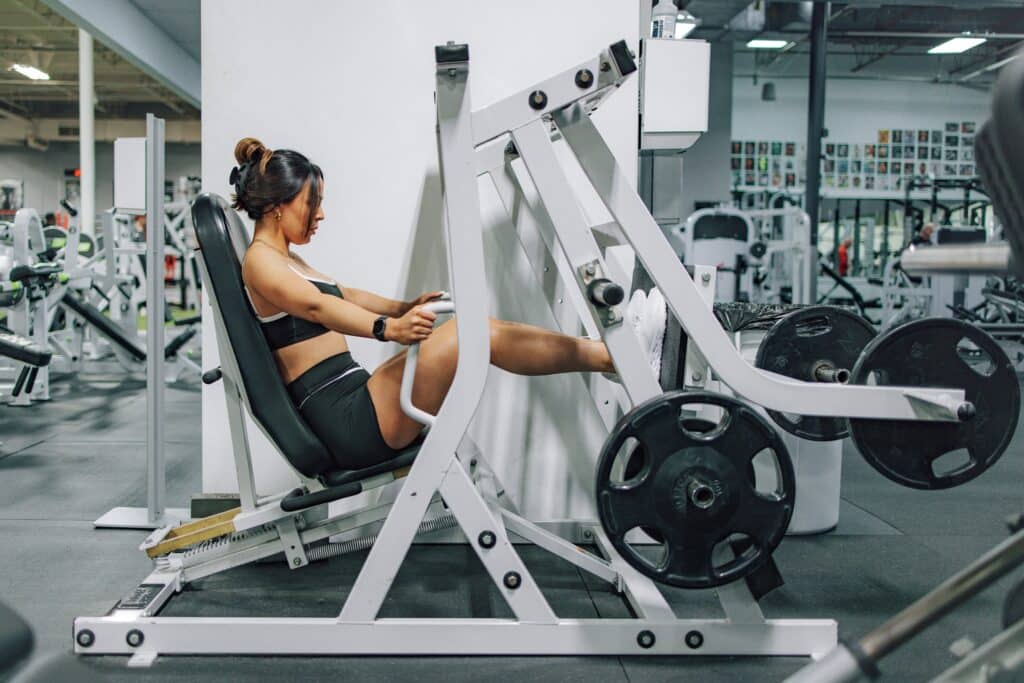
The Bottom Line
Training intensity sweet spot: RPE 7-8 for most sets (2-3 reps shy of failure), occasional RPE 9-10 on final sets of isolations.
Signs you’re undertraining:
❌ Reps feel easy throughout set
❌ Not progressing week to week
❌ Don’t need full rest periods
❌ No muscle fatigue post-workout
❌ Never any soreness
Signs you’re overtraining:
❌ Performance declining week to week
❌ Constantly fatigued
❌ Persistent muscle soreness (3-4 days)
❌ Sleep problems
❌ Lost motivation
❌ Increased injuries
❌ Getting sick frequently
Will’s decade of experience summarised:
✅ “Women typically undertrain (afraid to push hard, leaving 5+ reps). Men typically overtrain (failure every set, no recovery). Both waste time”
✅ “After sets I ask: ‘How many more reps with perfect form?’ Answer of ‘1-2 maybe’ = perfect intensity (RPE 8)”
✅ “If lifts haven’t increased in 4-6 weeks, you’re not training hard enough. No progressive overload = no gains”
✅ “Most clients train RPE 8 working sets. Final set might be RPE 9. Failure (RPE 10) only on isolations—never heavy compounds”
✅ “The second form degrades, set is over. Perfect form at RPE 8 builds muscle. Terrible form at RPE 10 builds injuries”
✅ “Minimum 48 hours between training same muscle. Everyone gets deload week every 4-6 weeks—non-negotiable”
Recovery essentials:
✅ 48-72 hours between training same muscle group
✅ 1-2 full rest days weekly (beginners: 2-3)
✅ 7-9 hours sleep nightly
✅ Deload week every 4-6 weeks (reduce weight 30-40%)
✅ Adequate nutrition (especially protein 1.8-2.2g/kg)
Try 12REPS free for 7 days. Get AI-powered intensity recommendations with built-in RPE tracking—know exactly how hard to push every set for optimal results without overtraining.
Find your sweet spot. Train RPE 7-8 most sets. Save RPE 9-10 for final sets of isolations. Track progressive overload week to week. Rest 48-72 hours between same muscles. Deload every 4-6 weeks. Balance intensity with recovery.
References
- Schoenfeld, B.J., Grgic, J. (2018). Does Training to Failure Maximize Muscle Hypertrophy? Strength and Conditioning Journal, 41(5), 108-113. https://doi.org/10.1519/SSC.0000000000000473
- Kreher, J.B., Schwartz, J.B. (2012). Overtraining Syndrome: A Practical Guide. Sports Health, 4(2), 128-138. https://doi.org/10.1177/1941738111434406
- Fry, A.C., Kraemer, W.J. (1997). Resistance Exercise Overtraining and Overreaching. Sports Medicine, 23(2), 106-129. https://doi.org/10.2165/00007256-199723020-00004
- Zourdos, M.C., Klemp, A., Dolan, C., et al. (2016). Novel Resistance Training-Specific Rating of Perceived Exertion Scale Measuring Repetitions in Reserve. Journal of Strength and Conditioning Research, 30(1), 267-275. https://doi.org/10.1519/JSC.0000000000001049