


Scroll through fitness Instagram and you’ll see women claiming they train glutes six days per week and have phenomenal results. Then you’ll read articles telling you to train glutes just once weekly. Then someone else swears by three days. Then a coach insists you need daily glute activation.
Confusing? Absolutely.
The truth about glute training frequency is simultaneously simpler and more complex than most advice suggests. The real answer depends on several factors that most content completely ignores.
I’m Will Duru, a personal trainer with over 10 years’ experience in London. I’ve programmed glute training for hundreds of women with different goals, experience levels, and recovery capacities. Some train glutes twice weekly and build excellent development. Others train four times weekly with similar results. A few genuinely respond best to six weekly sessions.
There’s no universal “optimal” frequency. But there are principles that determine what’s optimal for YOU specifically.
Here’s everything you actually need to know about how often to train glutes.
The Short Answer (That Nobody Wants to Hear)
For most women: 2-4 times per week.
That’s it. That’s the answer.
If you’re training glutes with proper intensity, volume, and exercise selection, somewhere in that 2-4 range will produce excellent results. Beginners lean toward 2-3 times weekly. More experienced lifters can often handle 3-4 times weekly. Very few women genuinely benefit from training glutes 5-6 times weekly.
But as I said, it’s more complex than a single number
The optimal frequency for YOU depends on:
- Your training experience
- Exercise selection (heavy compounds vs lighter isolation)
- Total weekly volume
- Recovery capacity
- Other training you’re doing
- Your individual genetics
Let’s break down each factor so you can determine your optimal frequency.
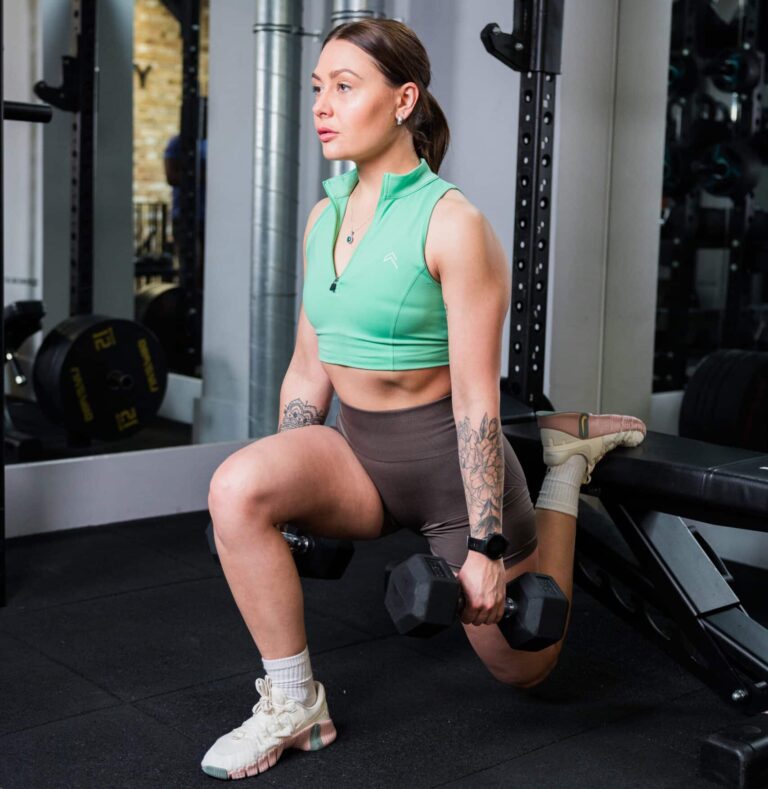
Training Experience: Where You Are Matters Enormously
Complete Beginners (0-6 Months Training)
If you’ve been strength training for less than six months, start with 2 sessions per week.
Your body hasn’t adapted to the stimulus yet. Glute training will create significant muscle damage initially. You’ll be sore for days after sessions. Adding a third session too early just compromises recovery and limits progress.
I’ve seen countless beginners try to train glutes 4-5 times weekly from day one because that’s what some Instagram influencer does. They end up perpetually sore, constantly fatigued, and seeing mediocre results because they never recover adequately.
Start conservatively. Let your body adapt. After 2-3 months of consistent twice-weekly training, reassess.
Sample beginner split:
- Monday: Lower body A (glute-focused) Thursday: Lower body B (glute-focused)
- Recovery days: Tuesday, Wednesday, Friday, Saturday, Sunday
Intermediate (6-18 Months Training)
Once you’ve been training consistently for 6+ months, 3 sessions per week becomes realistic.
Your recovery capacity has improved. Muscle soreness is less debilitating. You can handle more frequent training without compromising performance.
Most women with solid training experience get excellent results from three weekly glute sessions. This allows sufficient frequency to accumulate volume whilst maintaining adequate recovery between sessions.
I’ve trained dozens of intermediate lifters who thought they needed to train glutes 5-6 times weekly. We reduced frequency to 3 times weekly, increased intensity per session, and their progress actually accelerated. More isn’t always better.
Sample intermediate split:
- Monday: Lower body (glute emphasis)
- Wednesday: Upper body with glute accessory work
- Friday: Lower body (glute emphasis)
Advanced (18+ Months Consistent Training)
With substantial training experience, 3-4 sessions per week works well.
Your body has adapted significantly. Recovery is faster. You can tolerate higher training frequencies without excessive fatigue.
Some very advanced trainees genuinely respond well to 5-6 weekly glute sessions, but this is rare and requires careful programming. Most advanced lifters still get optimal results from 3-4 quality sessions weekly
Sample advanced split:
- Monday: Lower body (heavy compounds) Tuesday: Glute-focused accessory work
- Thursday: Lower body (moderate intensity) Saturday: Glute activation and isolation work
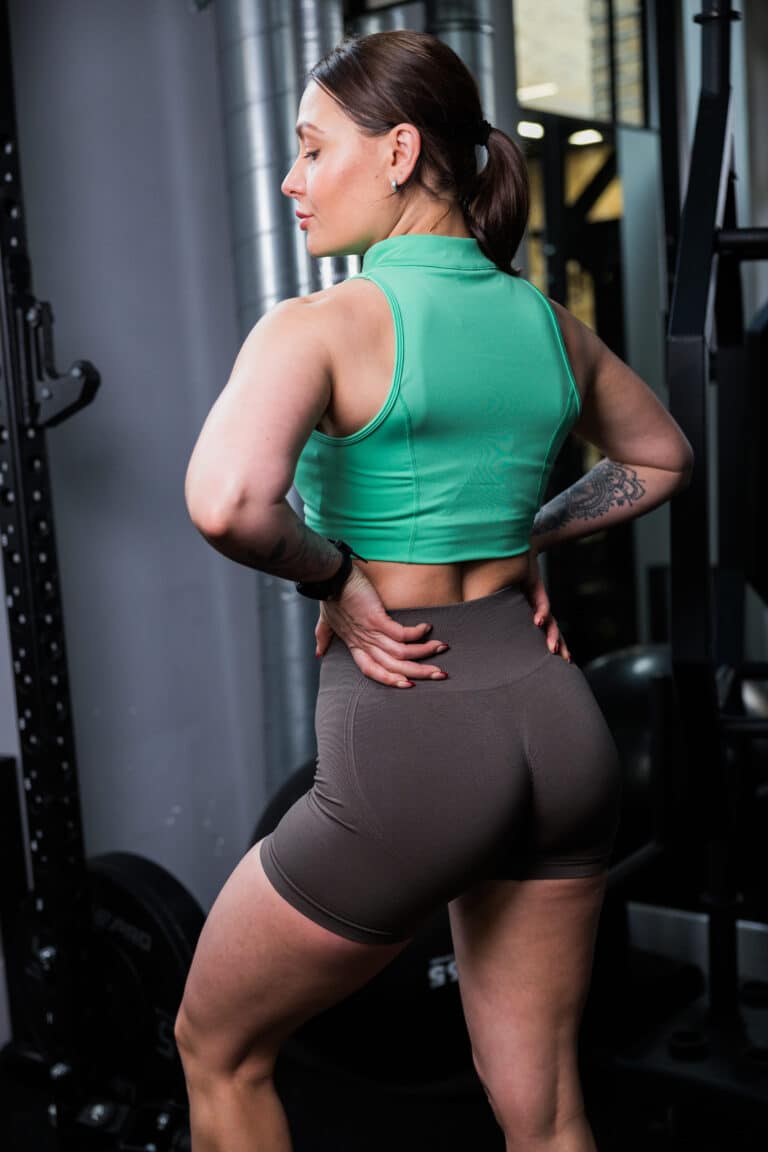
Exercise Selection: What You Do Changes How Often You Can Train
Not all glute exercises create equal fatigue.
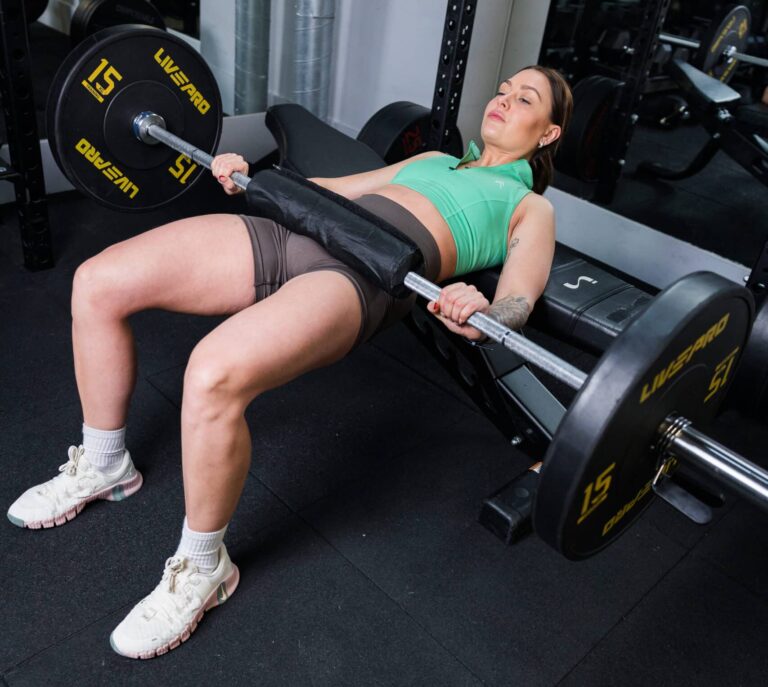
Heavy barbell hip thrusts to failure? You’ll need 2-3 days recovery before training glutes intensely again.
Banded glute bridges for 20 reps? You could probably do them again the next day without issue.
This is why intelligent programming considers exercise type when determining frequency.
Stretchers: Heavy Compounds (72-96 Hours Recovery)
Exercises that load glutes through long ranges of motion under heavy weight create substantial muscle damage:
- Heavy hip thrust
- Romanian deadlifts
- Bulgarian split squats
- Deep back squats
- Sumo deadlifts
These require 3-4 days recovery before training glutes hard again. If you’re doing heavy hip thrusts on Monday, you shouldn’t do another heavy glute session until Thursday at earliest.
I had a client who tried to heavy hip thrust twice weekly with only two days between sessions. She consistently underperformed on the second session because she wasn’t recovered. We spread them to 3-4 days apart and immediately her weights increased.
Activators: Moderate Load (48-72 Hours Recovery)
Exercises with moderate loading and good glute activation:
- Goblet squats, Lunges.
- Step-ups.
- Cable pull-throughs
- Moderate-weight glute bridges
These create moderate fatigue. You can train again after 2-3 days recovery. Useful for filling gaps between heavy sessions.
Pumpers: Light Isolation (24-48 Hours Recovery)
Lighter isolation work that creates metabolic stress without much mechanical damage:
- Banded glute bridges
- Cable kickbacks
- Bodyweight glute bridges
- Resistance band walks.
- Fire hydrants
These don’t create significant muscle damage. You can do them fairly frequently—even daily if programmed intelligently.
Strategic Frequency Programming
Understanding exercise types allows intelligent frequency planning.
Example: 4x Weekly Split
- Monday: Heavy stretchers (hip thrusts, Romanian deadlifts)
- Tuesday: Upper body
- Wednesday: Pumpers (banded work, cables)
- Thursday: Upper body
- Friday: Moderate activators (lunges, step-ups).
- Saturday: Pumpers (banded work, cables)
- Sunday: Rest
This accumulates four glute sessions weekly without excessive fatigue because only one session (Monday) uses heavy stretchers that require extended recovery.
Compare this to doing heavy hip thrusts Monday, Wednesday, Friday. That’s three weekly sessions but you’d be chronically under-recovered because each session requires 3-4 days recovery.
Frequency alone doesn’t tell the story. Exercise selection determines whether that frequency is sustainable.
Volume: Total Sets Per Week Matters More Than Frequency
Here’s something most advice completely ignores: total weekly volume is more important than how you distribute it.
Research consistently shows that 10-20 sets per week for glutes produces good muscle growth for most women. Beginners can grow with 8-12 sets. Advanced lifters might need 15-22 sets.
How you distribute those sets across the week is secondary.
Example 1: 12 Sets Across 2 Sessions
- Monday: 6 sets (hip thrusts, Romanian deadlifts)
- Thursday: 6 sets (Bulgarian split squats, glute bridges)
Example 2: 12 Sets Across 3 Sessions
- Monday: 4 sets (hip thrusts, back squats)
- Wednesday: 4 sets (lunges, step-ups)
- Friday: 4 sets (Romanian deadlifts, glute bridges)
Both accumulate 12 weekly sets. Research suggests slightly better results from higher frequency (3x vs 2x weekly), but the difference is modest. Both will produce good results if intensity and exercise selection are proper.
What definitely doesn’t work: doing 20 sets in a single session once weekly. That’s excessive volume in one bout, creates enormous fatigue, and likely exceeds your ability to recover meaningfully.
I’ve trained women who obsess over whether to train glutes 2 or 3 times weekly whilst doing only 6 sets total per week. Their frequency doesn’t matter—their volume is insufficient regardless of distribution.
Fix volume first. Frequency second.
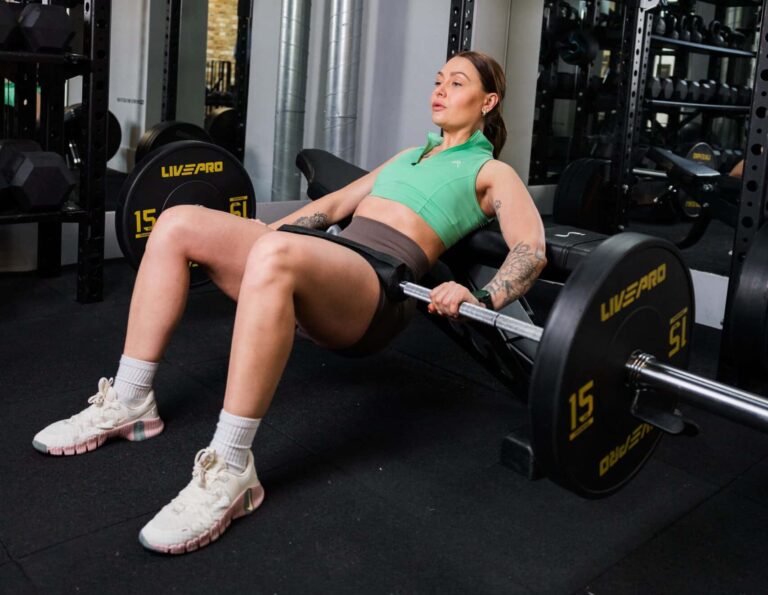
Recovery Capacity: Your Lifestyle Impacts Training Frequency
Two women can do identical training but respond completely differently based on their lives outside the gym.
Factors that reduce recovery capacity:
- Insufficient sleep: Less than 7 hours nightly significantly impairs recovery. If you’re sleeping 5-6 hours per night, you cannot train glutes 4-5 times weekly and recover adequately.
- High stress: Chronic work stress, relationship problems, financial anxiety—all these increase cortisol and impair recovery. Your body doesn’t distinguish between training stress and life stress.
- Low protein intake: If you’re eating 50-70g protein daily (common for women), you won’t recover well regardless of frequency. You need 1.6-2.2g per kg bodyweight for optimal recovery.
- Other intense training: If you’re also doing CrossFit, running half marathons, or training upper body intensely 4 times weekly, adding frequent glute work might exceed your total recovery capacity.
- Insufficient calories: Significant calorie deficits impair recovery. You can maintain frequency whilst cutting, but progression will slow.
I’ve trained women who could train glutes 4 times weekly with excellent recovery: they slept 8+ hours nightly, ate properly, managed stress well, and didn’t do excessive other training.
I’ve also trained women who struggled with 2 weekly glute sessions: sleeping poorly, highly stressed jobs, inadequate nutrition, and doing intense cardio 5 times weekly. Their lifestyle didn’t support higher training frequencies.
Be honest about your recovery capacity. If your life circumstances don’t support frequent training, don’t force it.
The Myth of "Daily Glute Activation"
Let’s address this directly: you do NOT need daily glute activation work.
Some coaches recommend 15 minutes of banded glute work every single day. The logic: “activate” your glutes so they fire better during main lifts.
This is unnecessary for most women and potentially counterproductive.
If you’re training glutes properly 2-4 times weekly with good exercise selection and intensity, they’re getting plenty of stimulus. Adding daily activation work just accumulates fatigue without meaningful benefit.
The exception: if you have genuine glute amnesia (your glutes don’t activate properly due to injury, extended inactivity, or neurological issues), short-term daily activation work under professional guidance can help. But this is a specific corrective intervention, not general programming advice.
I’ve never programmed daily glute activation for a client unless they had specific dysfunction requiring correction. Standard clients training glutes 2-4 times weekly with proper form and intensity don’t need it.
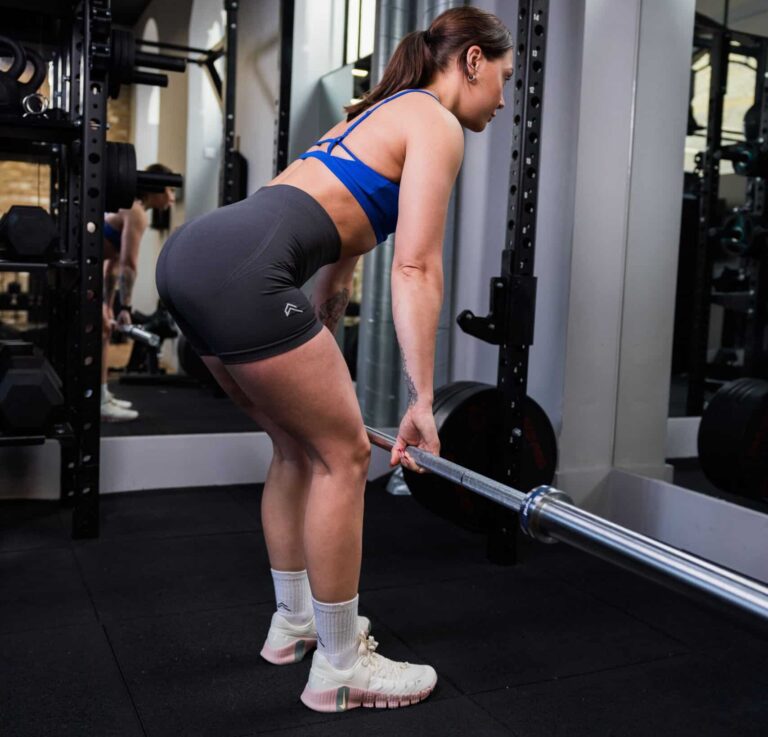
Genetics: The Factor Nobody Wants to Acknowledge
Some women respond brilliantly to high-frequency training. Others respond better to lower frequency with higher intensity per session.
This is partly genetic. Some people recover faster. Some people’s nervous systems tolerate frequent training better. Some people’s muscle fiber types favour different training approaches.
You won’t know your optimal frequency until you experiment.
Try 2 sessions weekly for 6-8 weeks. Track your strength progression, how you feel, recovery quality.
Then try 3 sessions weekly for 6-8 weeks. Compare results.
If 3 sessions produced noticeably better results, maybe try 4 sessions for a block and assess.
The data from YOUR body trumps any general recommendation.
I trained two women with nearly identical training experience and goals. One responded excellently to 3 sessions weekly, making consistent progress with good recovery. The other responded better to 2 sessions weekly but with higher volume per session. Genetically, they required different frequencies for optimal results.
Don’t assume someone else’s optimal frequency is yours.
Progressive Overload Still Matters Most
Here’s what’s more important than frequency: are you progressively overloading?
You could train glutes 6 times weekly, but if you’re doing the same weights for the same reps month after month, you won’t grow.
Conversely, you could train glutes twice weekly, but if you’re consistently adding weight, reps, or sets over time, you’ll build excellent glute development.
Frequency is a tool for accumulating volume and managing fatigue. Progressive overload is what actually drives growth.
I’ve seen women obsess over whether to train glutes 3 or 4 times weekly whilst hip thrusting 40kg for months without increasing weight. Their frequency debate is irrelevant—they’re not overloading.
Focus hierarchy:
- Progressive overload over time
- Adequate total volume (10-20 sets weekly)
- Proper exercise selection
- Appropriate frequency (2-4 times weekly for most)
Get those four right and frequency becomes a minor variable to optimise, not the primary driver of results.
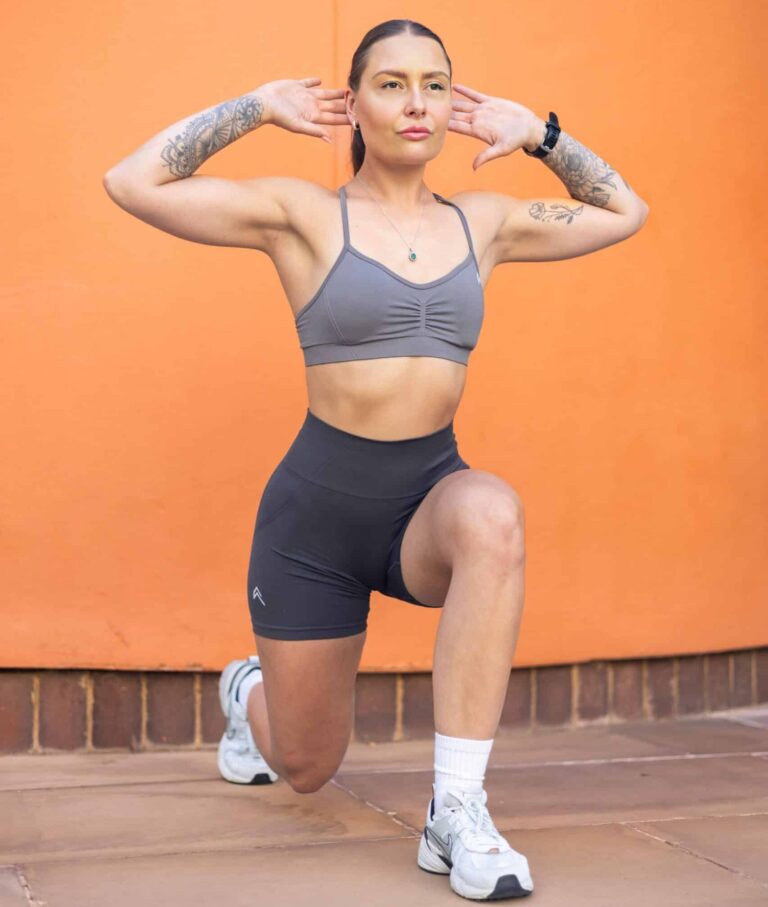
Sample Weekly Splits for Different Frequencies
Let’s make this practical with actual weekly programmes.
2x Weekly (Beginner or Time-Limited)
Monday: Lower Body A
- Hip thrusts: 3 sets x 8-12 reps.
- Romanian deadlifts: 3 sets x 8-12 reps
- Walking lunges: 2 sets x 10 reps per leg
Thursday: Lower Body B
- Bulgarian split squats: 3 sets x 8-10 reps per leg.
- Glute bridges: 3 sets x 12-15 reps
- Cable pull-throughs: 2 sets x 12-15 reps
Total: 16 sets weekly, well-distributed
3x Weekly (Intermediate, Most Common)
Monday: Heavy Lower
- Hip thrusts: 4 sets x 6-10 reps
- Back squats: 3 sets x 8-12 reps
- Romanian deadlifts: 3 sets x 8-12 reps
Wednesday: Accessory Work
- Walking lunges: 3 sets x 10 reps per leg.
- Single-leg glute bridges: 3 sets x 12 reps per leg
- Cable kickbacks: 2 sets x 15 reps per leg
Friday: Moderate Lower
- Bulgarian split squats: 3 sets x 8-12 reps per leg.
- Sumo deadlifts: 3 sets x 8-12 reps
- Banded glute bridges: 3 sets x 15-20 reps
Total: 27 sets weekly (this is high volume, suitable for intermediate-advanced)
4x Weekly (Advanced)
Monday: Heavy Compound
- Hip thrusts: 4 sets x 5-8 reps.
- Romanian deadlifts: 3 sets x 6-10 reps
Tuesday: Light Pumpers
- Banded glute bridges: 3 sets x 20 reps.
- Cable kickbacks: 3 sets x 15 reps per leg
Thursday: Moderate Work
- Bulgarian split squats: 3 sets x 8-12 reps per leg,
- Walking lunges: 3 sets x 10 reps per leg
Saturday: Metabolic Work
- Glute bridges: 3 sets x 15-20 reps
- Fire hydrants: 2 sets x 15 reps per leg
- Resistance band walks: 2 sets x 20 steps
Total: 26 sets weekly, distributed to manage fatigue
Notice these programmes don’t just increase frequency arbitrarily—they distribute heavy stretchers, moderate activators, and light pumpers strategically to manage recovery.
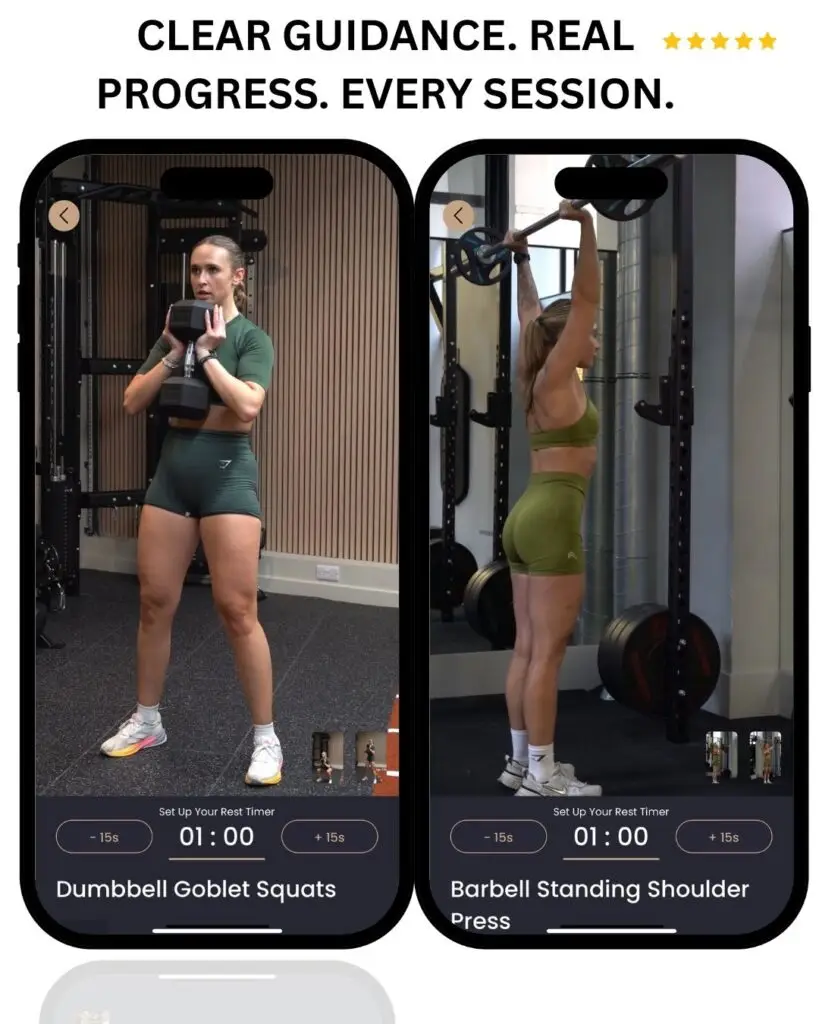
Signs You're Training Too Frequently
How do you know if your frequency is too high?
Red flags:
- Consistent strength decreases: If your hip thrust weight is dropping week to week, you’re not recovering adequately.
- Perpetual soreness: Being moderately sore 1-2 days post-workout is normal. Being debilitatingly sore constantly suggests insufficient recovery.
- Poor sleep quality: Overtraining commonly disrupts sleep. If you’re sleeping worse despite training frequently, reduce frequency.
- Loss of motivation: Dreading glute sessions that you previously enjoyed suggests accumulated fatigue.
- Performance plateau: If strength and size aren’t improving over 4-6 weeks despite proper nutrition and effort, frequency might be too high (or volume too low—context matters).
I trained a woman who insisted on 5 weekly glute sessions because “more is better.” Her hip thrust strength decreased over two months, she was constantly exhausted, and her glutes didn’t grow. We reduced to 3 sessions weekly with higher intensity per session. Within six weeks, her hip thrust increased 15kg and her glutes noticeably developed.
More frequency only helps if you can recover from it.
Signs You Could Train More Frequently
Conversely, how do you know if you could handle higher frequency?
Green lights:
- Minimal soreness: If you’re not sore at all 48 hours post-workout, you might benefit from additional volume through higher frequency.
- Rapid strength gains: If you’re adding weight every session easily, your body is adapting quickly and could likely handle more stimulus.
- High energy levels: Feeling fresh and energised consistently suggests good recovery capacity.
- Strong recovery markers: Sleeping well, low stress, good appetite, positive mood—all suggest capacity for more training.
If you’re training glutes twice weekly, recovering brilliantly, and making easy progress, trying 3 weekly sessions is sensible.
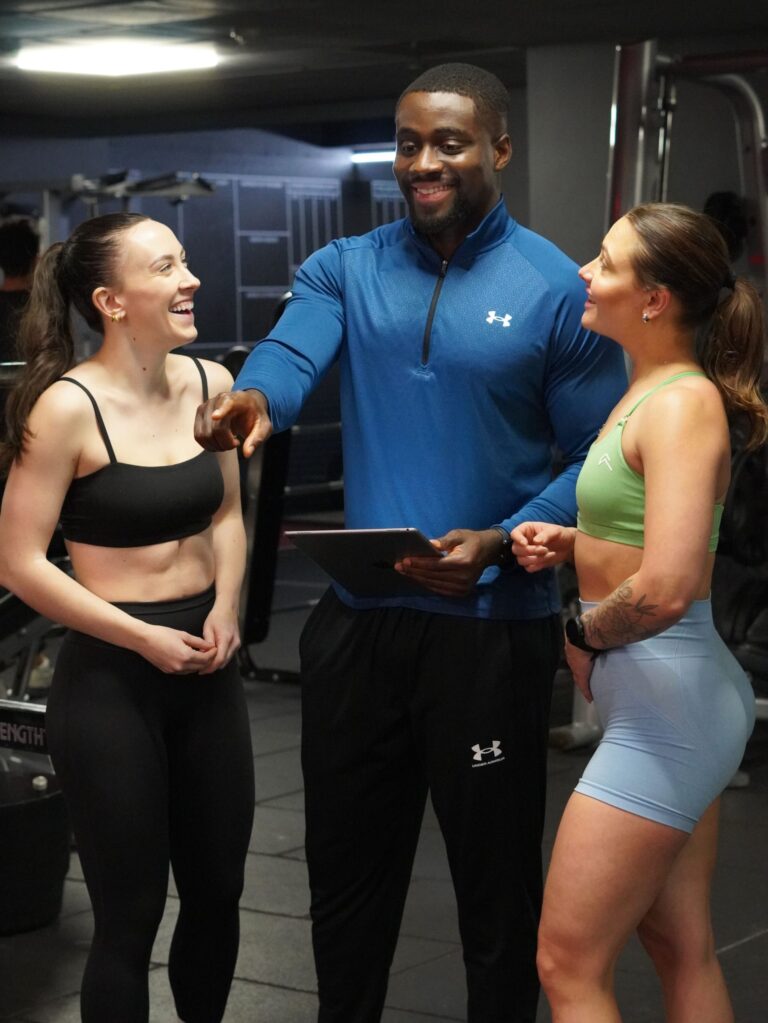
How 12REPS Handles Frequency Intelligently
The challenge with glute frequency is it needs to adjust based on:
- Your training phase (building vs maintaining)
- Your recent session intensity
- Your recovery from previous sessions
- Other training you’re doing
12REPS manages this by tracking your performance session by session. If you hip thrust 70kg for 10 reps on Monday, the app expects similar or better performance on Thursday’s glute session. If performance drops significantly, the app recognises you haven’t recovered adequately.
Based on this feedback, 12REPS automatically adjusts:
- Insufficient recovery: Reduces volume in the next session or adds an extra recovery day
- Good recovery: Maintains current frequency and progressively overloads
- Excellent recovery: May suggest slightly higher frequency or additional volume
It also considers exercise type. After heavy hip thrusts and Romanian deadlifts (stretchers), the app won’t programme another heavy glute session for 3-4 days. But it might suggest lighter pumper work (banded bridges, cables) after 1-2 days.
This intelligent frequency management prevents both under-training (insufficient stimulus) and over-training (inadequate recovery).
For women training both at gyms and at home, this is particularly valuable. Heavy barbell work happens at the gym. Lighter pumper work happens at home. The app distributes these appropriately across your week based on your gym access and recovery status.
The Actual Bottom Line
Most women should train glutes 2-4 times per week with the specific number depending on:
- Training experience (beginners: 2x, intermediate: 3x, advanced: 3-4x)
- Exercise selection (fewer heavy stretchers, more frequent light pumpers)
- Total weekly volume (10-20 sets for most women)
- Recovery capacity (sleep, stress, nutrition, other training)
- Individual response (some respond better to higher or lower frequency)
More important than frequency:
- Progressive overload over time
- Adequate total volume
- Proper exercise selection
- Quality execution
Stop obsessing over whether you need 3 or 4 weekly sessions. Focus on training with appropriate intensity, accumulating sufficient volume, progressively overloading, and recovering properly.
Do that consistently for 6-12 months and you’ll build excellent glute development regardless of whether you train 2, 3, or 4 times weekly.
The women with the best glutes I’ve trained don’t train them daily. They train them 2-4 times weekly with proper intensity, intelligent exercise selection, and consistent progressive overload.
That’s the actual answer. Not as Instagram-worthy as “I train glutes every single day,” but considerably more effective.
References
- Schoenfeld, B.J., Ogborn, D. and Krieger, J.W. (2016). Effects of Resistance Training Frequency on Measures of Muscle Hypertrophy: A Systematic Review and Meta-Analysis. Sports Medicine, 46(11), pp.1689-1697. https://doi.org/10.1007/s40279-016-0543-8
- Grgic, J., Schoenfeld, B.J., Davies, T.B., Lazinica, B., Krieger, J.W. and Pedisic, Z. (2018). Effect of Resistance Training Frequency on Gains in Muscular Strength: A Systematic Review and Meta-Analysis. Sports Medicine, 48(5), pp.1207-1220. https://doi.org/10.1007/s40279-018-0872-x
- Schoenfeld, B.J., Contreras, B., Krieger, J., Grgic, J., Delcastillo, K., Belliard, R. and Alto, A. (2019). Resistance Training Volume Enhances Muscle Hypertrophy but Not Strength in Trained Men. Medicine & Science in Sports & Exercise, 51(1), pp.94-103. https://doi.org/10.1249/MSS.0000000000001764
- Damas, F., Phillips, S.M., Libardi, C.A., Vechin, F.C., Lixandrão, M.E., Jannig, P.R., Costa, L.A., Bacurau, A.V., Snijders, T., Parise, G. and Tricoli, V. (2016). Resistance Training-Induced Changes in Integrated Myofibrillar Protein Synthesis Are Related to Hypertrophy Only After Attenuation of Muscle Damage. Journal of Physiology, 594(18), pp.5209-5222. https://doi.org/10.1113/JP272472
- Dankel, S.J., Mattocks, K.T., Jessi, M.B., Buckner, S.L., Mouser, J.G., Counts, B.R., Laurentino, G.C. and Loenneke, J.P. (2017). Frequency: The Overlooked Resistance Training Variable for Inducing Muscle Hypertrophy? Sports Medicine, 47(5), pp.799-805. https://doi.org/10.1007/s40279-016-0640-8
- Ogasawara, R., Loenneke, J.P., Thiebaud, R.S. and Abe, T. (2013). Low-Load Bench Press Training to Fatigue Results in Muscle Hypertrophy Similar to High-Load Bench Press Training. International Journal of Clinical Medicine, 4(2), pp.114-121. https://doi.org/10.4236/ijcm.2013.42022
- Amirthalingam, T., Mavros, Y., Wilson, G.C., Clarke, J.L. and Hackett, D.A. (2017). Effects of a Modified German Volume Training Program on Muscular Hypertrophy and Strength. Journal of Strength and Conditioning Research, 31(11), pp.3109-3119. https://doi.org/10.1519/JSC.0000000000001747