

By Vijune Penikaite, Personal Trainer with over 2 years of coaching experience and more than 10 years of training experience
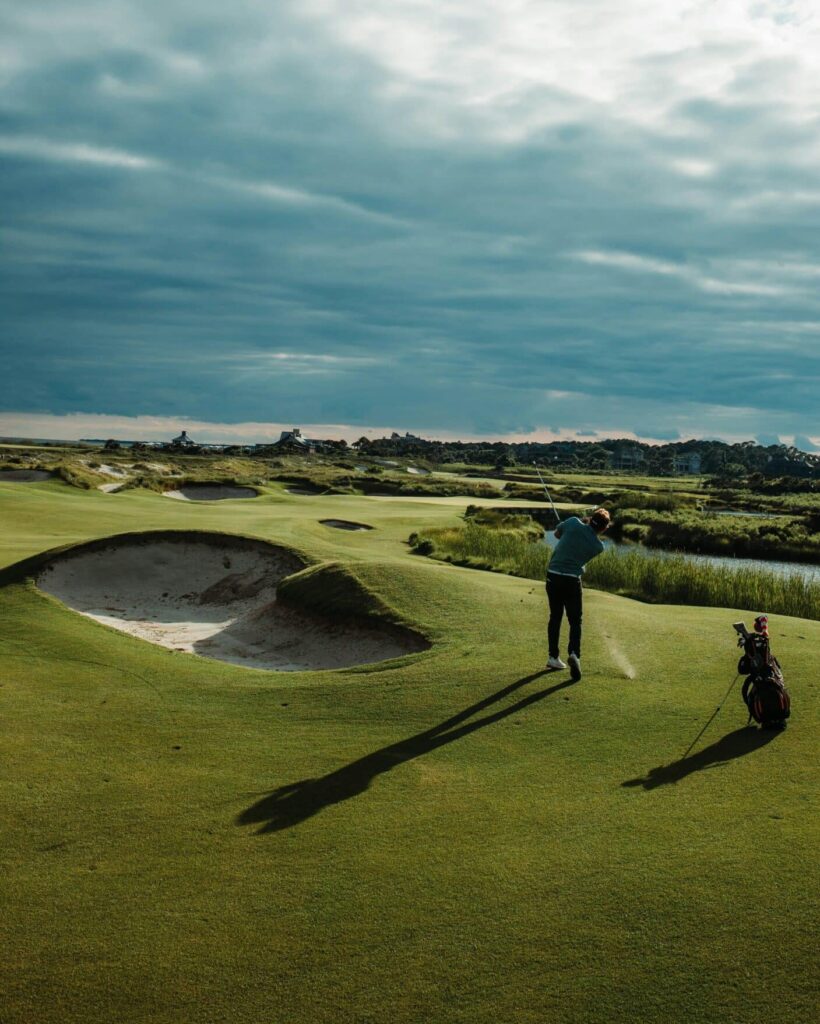
The longest hitters on tour are not just technically gifted. They are strong.
Bryson DeChambeau transformed his body and added 20+ yards to his drives. Rory McIlroy has been lifting heavy for years. Even Tiger Woods credits his workout regimen for his power in his prime.
Yet most amateur golfers never set foot in the gym. They buy new drivers, tweak their swing mechanics, and wonder why their distance stays the same.
Here is the truth: your body is the engine. Your swing is just the delivery system. A weak engine with perfect mechanics still produces weak output.
After training golfers of all levels, I have identified the 12 most effective exercises for driving distance. These exercises build rotational power, core stability, hip mobility, and the strength foundation that translates directly to clubhead speed.
Add these to your training twice per week, and you will hit the ball further. Not because of equipment or swing changes, but because your body became more powerful.
Why Strength Training Adds Distance
Before the exercises, understand why this works.
Clubhead Speed Comes From the Body
The golf swing is a kinetic chain. Power generates from the ground, travels through the legs, transfers through the hips and core, and releases through the arms and club.
Weak links in this chain leak power. Strong legs that cannot transfer force through a weak core produce weak shots. A powerful core with immobile hips cannot rotate properly.
Strength training builds every link in the chain.
Rotational Power Is Trainable
The ability to rotate forcefully is a physical quality that improves with training. Your obliques, hips, and thoracic spine can all become more powerful rotators.
Golfers who only practice their swing train the skill but not the physical qualities underlying it. Adding strength training develops the raw material the swing is built upon.
Stability Creates Speed
Paradoxically, stability in certain areas allows speed in others. A stable lower body creates a platform for the upper body to rotate against. A stable core prevents energy leaks during rotation.
Weak, unstable bodies cannot generate maximum speed because they must limit force to maintain control.
From My Training Experience
The golfers I have trained consistently add distance after 8 to 12 weeks of proper strength training. One client, a 55-year-old club player, added 18 yards to his average drive after 16 weeks. His swing did not change. His body did.
The improvements come from increased rotational power, better ground force utilisation, and improved ability to maintain posture through the swing.
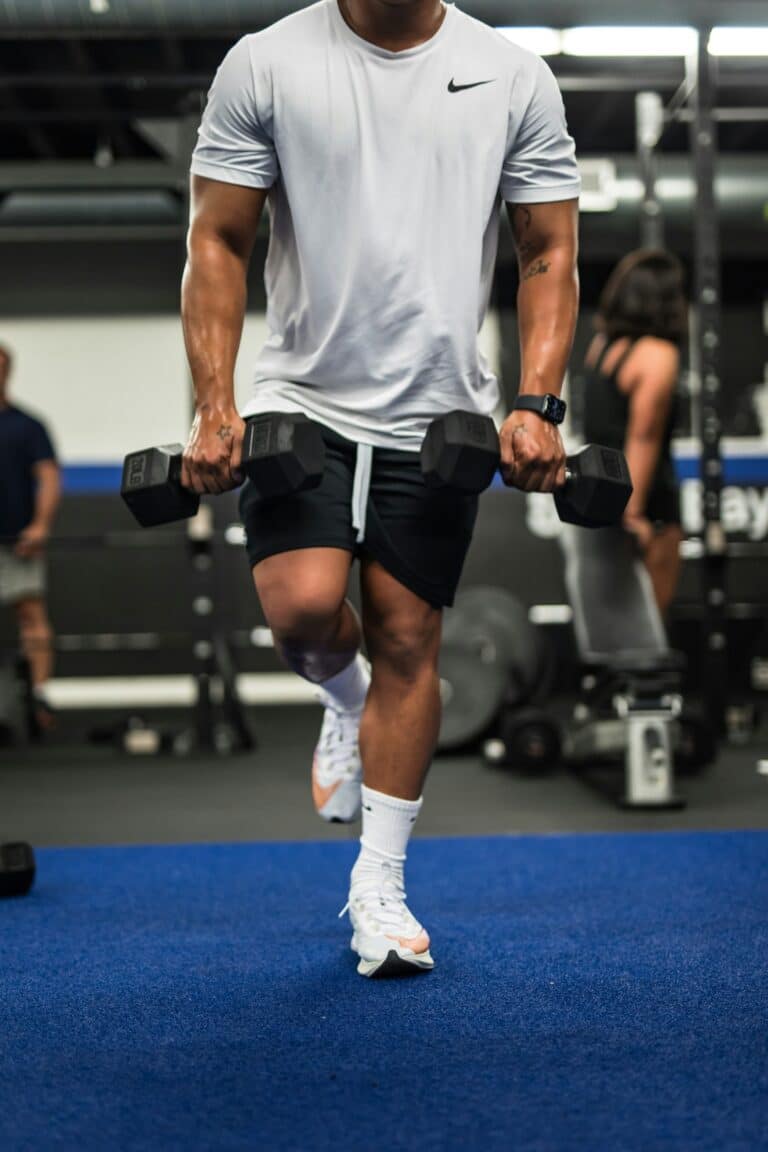
The 12 Exercises: These exercises target the specific physical qualities golfers need: rotational power, hip mobility and strength, core stability, and overall power production.
Exercise 1: Medicine Ball Rotational Throw
Why it works for golf: This is the most golf-specific power exercise. It trains explosive rotation through the same movement pattern as your swing.
Target: Obliques, hips, core, rotational power
How to perform:
- Stand side-on to a wall, about 3 feet away
- Hold a medicine ball (3 to 6kg) at hip height
- Rotate away from the wall, loading your back hip
- Explosively rotate toward the wall, throwing the ball
- Catch and repeat, or let it bounce and reset
Key points:
- Drive the rotation from your hips, not your arms
- Keep your chest facing the ball throughout
- Throw with maximum intent
- Both sides: lead side (simulates downswing) and trail side (builds balanced power)
Sets and reps: 3 sets of 8 throws each side
Exercise 2: Cable Woodchop (High to Low)
Why it works for golf: Trains the diagonal rotational pattern with resistance, building strength through the exact movement pattern of the downswing.
Target: Obliques, shoulders, core, anti-rotation strength
How to perform:
- Set cable at highest position
- Stand side-on to the machine, feet shoulder-width apart
- Grip the handle with both hands, arms extended
- Pull diagonally across your body from high to low
- Rotate your torso while keeping hips relatively stable
- Control the return
Key points:
- Initiate with core rotation, not arm pulling
- Keep arms relatively straight throughout
- Control the eccentric (return) phase
- Feel the obliques working
Sets and reps: 3 sets of 12 each side
Exercise 3: Romanian Deadlift
Why it works for golf: Builds the posterior chain (hamstrings, glutes, lower back) that drives hip extension and rotation. Strong glutes are essential for power transfer from the ground.
Target: Hamstrings, glutes, lower back, hip hinge pattern
How to perform:
- Stand with feet hip-width apart, barbell or dumbbells in front of thighs
- Slight bend in knees (maintain throughout)
- Hinge at hips, pushing them back
- Lower weight toward floor, keeping it close to legs
- Feel the stretch in hamstrings
- Drive hips forward to return
Key points:
- Maintain flat back throughout
- Feel the hamstrings stretch at the bottom
- Squeeze glutes at the top
- Do not round the lower back
Sets and reps: 3 sets of 10 reps
Exercise 4: Single Leg Romanian Deadlift
Why it works for golf: Addresses the weight shift and single-leg stability required during the swing. Corrects asymmetries between legs.
Target: Single leg strength, balance, hamstrings, glutes
How to perform:
- Stand on one leg, kettlebell or dumbbell in opposite hand
- Slight bend in standing knee
- Hinge forward while extending free leg behind
- Keep hips square (avoid rotation)
- Lower until torso is roughly parallel to floor
- Return to standing
Key points:
- Balance and control are as important as weight
- Keep the hip of the free leg down (no rotation)
- Feel the stretch in the standing leg hamstring
Sets and reps: 3 sets of 8 each leg
Exercise 5: Goblet Squat
Why it works for golf: Builds leg strength and hip mobility simultaneously. The goblet position encourages proper depth and upright posture.
Target: Quads, glutes, core, hip mobility
How to perform:
- Hold dumbbell or kettlebell at chest height
- Feet slightly wider than shoulder-width, toes slightly out
- Squat down, keeping chest tall
- Descend until hip crease is below knee
- Drive through whole foot to return
Key points:
- Keep elbows inside knees at bottom
- Maintain upright torso throughout
- Full depth improves hip mobility over time
Sets and reps: 3 sets of 10 reps
Exercise 6: Hip Thrust
Why it works for golf: Directly trains hip extension power. The glutes are the primary driver of hip rotation and power transfer in the swing.
Target: Glutes, hip extension power
How to perform:
- Upper back against bench, feet flat on floor
- Barbell or dumbbell across hips
- Drive hips toward ceiling, squeezing glutes
- Create a straight line from shoulders to knees at top
- Lower with control
Key points:
- Squeeze glutes hard at the top
- Do not hyperextend the lower back
- Keep chin tucked (avoid neck extension)
- Feel glutes doing the work, not lower back
Sets and reps: 3 sets of 12 reps
Exercise 7: Pallof Press
Why it works for golf: Builds anti-rotation core strength. The ability to resist unwanted rotation creates a stable base for powerful rotation where you want it.
Target: Core stability, anti-rotation, obliques
How to perform:
- Stand perpendicular to cable machine, handle at chest height
- Hold handle at chest with both hands
- Press arms straight out in front
- Hold for 2 to 3 seconds, resisting the rotation
- Return to chest and repeat
Key points:
- Do not let the cable pull you into rotation
- Keep hips and shoulders square throughout
- Feel the core working to maintain position
- Brace as if someone might push you
Sets and reps: 3 sets of 10 each side, with 2-second hold
Exercise 8: Half-Kneeling Cable Lift
Why it works for golf: Trains rotation from a stable base, similar to the stable lower body and rotating upper body of the golf swing.
Target: Core rotation, hip stability, obliques
How to perform:
- Kneel with inside knee down, outside foot forward
- Cable set low, grip handle with both hands
- Pull and rotate diagonally upward across body
- Keep hips facing forward throughout
- Control the return
Key points:
- The rotation comes from the torso, not the arms
- Hips stay stable and square
- Feel the obliques driving the movement
Sets and reps: 3 sets of 10 each side
Exercise 9: Dumbbell Shoulder Press
Why it works for golf: Builds shoulder strength and stability for maintaining posture and control through the swing. Strong shoulders also protect against injury.
Target: Shoulders, triceps, core stability
How to perform:
- Seated with back support, dumbbells at shoulder height
- Press dumbbells overhead until arms are straight
- Lower with control to starting position
Key points:
- Do not arch the lower back excessively
- Full lockout at top
- Control the descent
Sets and reps: 3 sets of 10 reps
Exercise 10: Bent Over Row
Why it works for golf: Builds upper back strength essential for posture and the pulling motion of the lead arm through impact. Strong back also protects the spine.
Target: Upper back, lats, biceps, posture muscles
How to perform:
- Hinge at hips with flat back, slight knee bend
- Hold barbell or dumbbells with arms hanging
- Pull weight to lower chest, driving elbows back
- Squeeze shoulder blades together at top
- Lower with control
Key points:
- Maintain flat back throughout
- Squeeze at the top
- Do not use momentum
Sets and reps: 3 sets of 10 reps
Exercise 11: Dead Bug
Why it works for golf: Trains core stability while limbs move, exactly what happens in the golf swing. Teaches the core to brace while arms and legs work independently.
Target: Core stability, coordination, anti-extension
How to perform:
- Lie on back, arms reaching toward ceiling, knees at 90 degrees
- Press lower back firmly into floor
- Slowly extend opposite arm and leg toward floor
- Return to starting position
- Repeat with other arm and leg
Key points:
- Lower back must stay pressed into floor throughout
- Move slowly and with control
- If back arches, reduce range of motion
Sets and reps: 3 sets of 10 each side
Exercise 12: Lateral Lunge
Why it works for golf: Builds hip mobility and strength in the lateral plane. Addresses the weight shift and lateral stability required during the swing.
Target: Hip mobility, inner thigh, glutes, lateral stability
How to perform:
- Stand with feet together
- Step wide to one side, pushing hips back
- Bend the stepping leg while keeping the other straight
- Lower until you feel a stretch in the inner thigh of the straight leg
- Push off and return to standing
Key points:
- Keep chest up throughout
- Sit back into the hip, not forward over the knee
- Feel the stretch in the straight leg
- Maintain foot contact on both feet
Sets and reps: 3 sets of 8 each side
The Golf Fitness Programme
Here is how to combine these exercises into a twice-weekly programme.
Schedule
| Day | Session |
|---|---|
| Monday or Tuesday | Golf Fitness A |
| Thursday or Friday | Golf Fitness B |
Train at least one day before any important rounds. Do not train legs heavily the day before playing.
Golf Fitness A
| Exercise | Sets | Reps | Rest |
|---|---|---|---|
| Medicine Ball Rotational Throw | 3 | 8 each side | 60 sec |
| Romanian Deadlift | 3 | 10 | 90 sec |
| Goblet Squat | 3 | 10 | 90 sec |
| Bent Over Row | 3 | 10 | 90 sec |
| Pallof Press | 3 | 10 each side | 60 sec |
| Dead Bug | 3 | 10 each side | 45 sec |
Total time: 35-45 minutes
Golf Fitness B
| Exercise | Sets | Reps | Rest |
|---|---|---|---|
| Cable Woodchop (High to Low) | 3 | 12 each side | 60 sec |
| Hip Thrust | 3 | 12 | 90 sec |
| Single Leg Romanian Deadlift | 3 | 8 each leg | 60 sec |
| Dumbbell Shoulder Press | 3 | 10 | 90 sec |
| Half-Kneeling Cable Lift | 3 | 10 each side | 60 sec |
| Lateral Lunge | 3 | 8 each side | 60 sec |
Total time: 35-45 minutes
Progressive Overload for Golfers
You need to progressively increase the challenge to continue gaining strength and power.
For Power Exercises (Med Ball Throws)
Progress by increasing throw intensity and ball weight over time. Start with a 3 to 4kg ball. After 4 to 6 weeks, consider progressing to 5 to 6kg if throws remain explosive.
For Strength Exercises
Add reps first, then weight.
Example progression for Romanian Deadlift:
Week | Weight | Reps |
1-2 | 30kg | 3 x 10 |
3-4 | 30kg | 3 x 12 |
5-6 | 35kg | 3 x 10 |
7-8 | 35kg | 3 x 12 |
For Core Exercises
Progress by adding resistance (Pallof Press, Woodchops) or increasing time under tension (Dead Bug hold at extended position).
Timeline: What to Expect
Weeks 1-4
- Learning the exercises
- Mild soreness that fades
- Building the habit
- No significant distance change yet
Weeks 5-8
- Exercises feel more natural
- Weights beginning to increase
- Core feels more stable
- May notice improved posture during swing
- Early distance improvements possible
Weeks 9-12
- Noticeable strength gains
- Rotation feels more powerful
- Distance improvements becoming measurable
- 10 to 15 yards average gain typical
Months 4-6
- Significant strength improvement
- Full distance benefits realised
- 15 to 20+ yards gain achievable
- Improved consistency alongside power
From My Training Experience
The golfers who see the best results are those who commit to the full programme for at least 12 weeks. Clients who dip in and out, or only train once per week, see minimal improvement.
The game-changers are the rotational power exercises (medicine ball throws, woodchops) combined with hip strength (RDL, hip thrust). These directly transfer to clubhead speed.
Common Questions
Will strength training make me stiff?
No. Proper strength training through full range of motion improves mobility, not reduces it. The exercises in this programme specifically include mobility components.
Should I train on the same day as playing?
Avoid strength training immediately before playing. Light training after a round is fine if you are not fatigued. Training the day before a casual round is acceptable, but avoid heavy leg training before important rounds.
Can older golfers benefit?
Absolutely. Older golfers often see the most dramatic improvements because they have the most untapped strength potential. The programme can be modified with lighter weights and more recovery time.
What about flexibility work?
This programme includes mobility through exercises like goblet squats and lateral lunges. Additional stretching for hips and thoracic spine is beneficial and can be done on non-training days or after rounds.
How heavy should I lift?
Use weights that challenge you while maintaining good form. You should struggle on the last 2 to 3 reps of each set. For power exercises like med ball throws, use weights that allow explosive movement.
The Bottom Line
Adding 20 yards to your drive is not about buying a new driver. It is about building a more powerful body.
These 12 exercises target exactly what golfers need: rotational power, hip strength, core stability, and overall athleticism. Two sessions per week, 35 to 45 minutes each, for 12 weeks will produce measurable results.
Your swing is only as powerful as the body producing it. Train that body, and watch your drives travel further than ever.
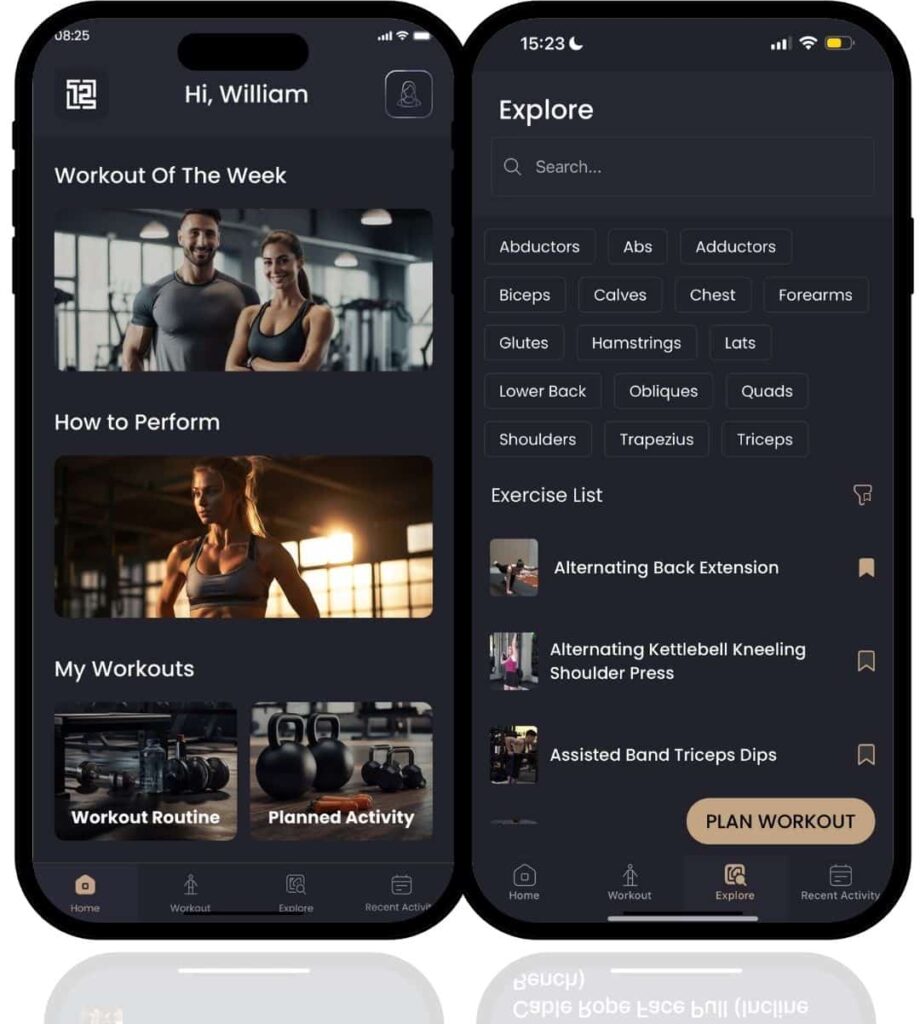
Download the 12REPS app for video demonstrations, progress tracking, and structured programming to improve your golf fitness.
References
- Torres-Ronda, L. et al. (2011). The relationship between golf performance, anthropometrics, muscular strength and power in elite golfers. International Journal of Sports Science & Coaching. https://journals.sagepub.com/doi/abs/10.1260/1747-9541.6.4.505
- Read, P.J. et al. (2013). The effects of strength training for golf performance. Journal of Sports Sciences. https://pubmed.ncbi.nlm.nih.gov/23517336/
- Doan, B.K. et al. (2006). Effects of physical conditioning on intercollegiate golfer performance. Journal of Strength and Conditioning Research. https://pubmed.ncbi.nlm.nih.gov/16686557/
- Hellström, J. (2009). Competitive elite golf: a review of the relationships between playing results, technique and physique. Sports Medicine. https://pubmed.ncbi.nlm.nih.gov/19769414/
Related Articles on just12reps.com
Article | Description | Link |
How to Get Stronger | Complete guide to building strength. | |
Best Exercises for Each Muscle Group | Comprehensive exercise guide. | |
Lifting Weights at 50 | Training guide for older athletes. | |
The Science of Progressive Overload | How to keep getting stronger. | |
Complete Beginner’s Guide to Strength Training | Start your training journey. |
About the Author: Vijune Penikaite is a Personal Trainer with over 2 years of coaching experience and more than 10 years of training experience. She has trained golfers from club players to competitive amateurs, helping them add distance and consistency through targeted strength training. The 12REPS app provides effective training programmes for athletes of all sports.